Consistency Beats Gear: The Daily Habit That Keeps Ears Healthy
Walk into any no-gi room and you will find a drawer full of good intentions. Half the training partners own a set of ear guards. Fewer than half wear them tonight. And a surprising number of the guys with the most swollen, scarred ears are the same ones who bought protective headgear months ago — it just lives in the bottom of the gym bag, dry and unused. The uncomfortable truth about cauliflower ear prevention is that the gear was almost never the missing piece. The habit was.
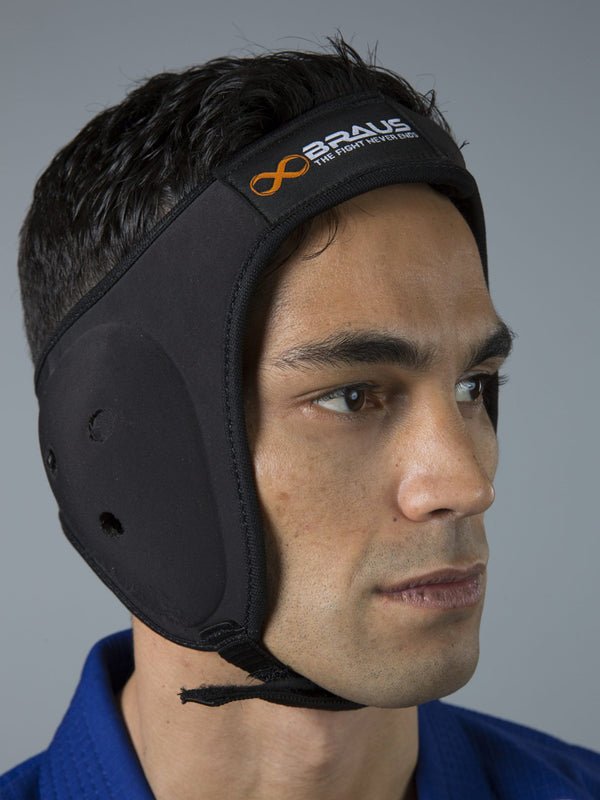
This is a guide about behavior, not hardware. Plenty has already been written about materials, fit, and which headgear actually breathes well — that’s a separate, worthwhile question. All of that matters far less than a simpler one: will you actually put the thing on your head, every round, on the nights you are tired and running late and just want to roll? If the answer is no, the most expensive headgear on the market protects nothing. Let’s fix the part that actually keeps ears healthy.
Why Trained Grapplers Still Get Cauliflower Ear
Cauliflower ear is not a single dramatic injury. It is the sum of hundreds of small ones. Every time the ear is folded, ground into the mat, or scraped against a shoulder in a scramble, tiny blood vessels between the skin and the cartilage can tear. Blood pools in that gap — an auricular hematoma — and if it is not drained and the cartilage is disturbed again before it heals, the body lays down fibrous scar tissue and new, misshapen cartilage. Repeat that cycle across a training career and the smooth curve of the outer ear thickens into the lumpy, permanent shape everyone recognizes.
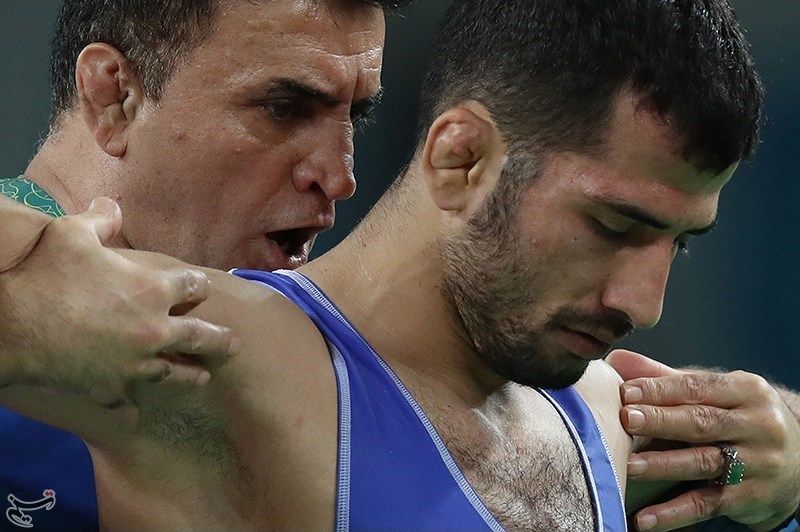
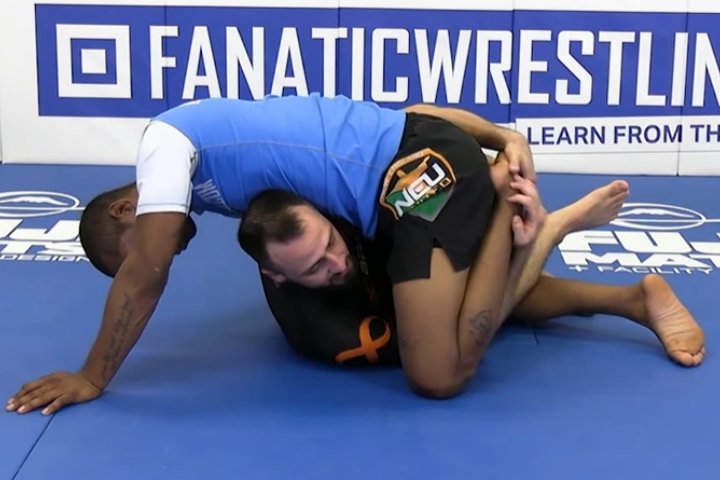
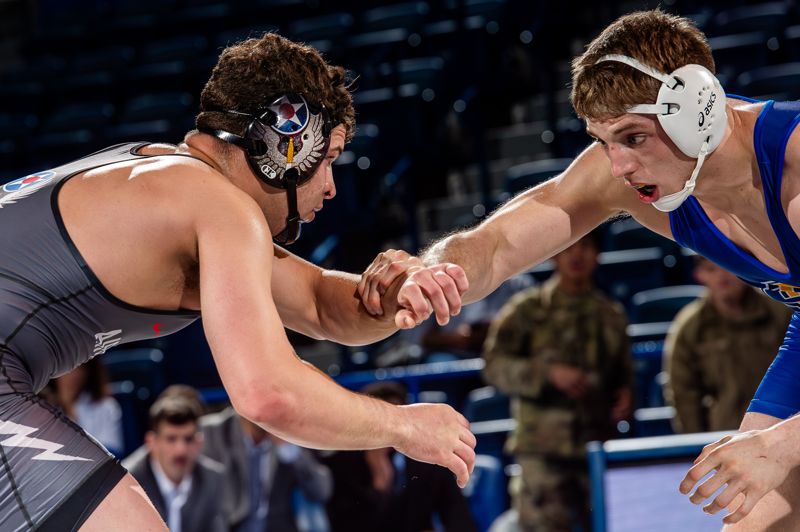
Friction and pressure in the clinch is exactly how the damage starts.
Here is the part that trips people up. Because the damage is cumulative and painless in the moment, the feedback loop is broken. You do not feel the cost of skipping headgear on any single night. You feel it three years later, looking in the mirror. That delay is exactly why willpower fails and why gear ownership does not equal protection. Nobody decides “tonight I’ll ruin my ears.” They decide, forty separate times, that this one round without headgear is fine — and it is, until it isn’t.
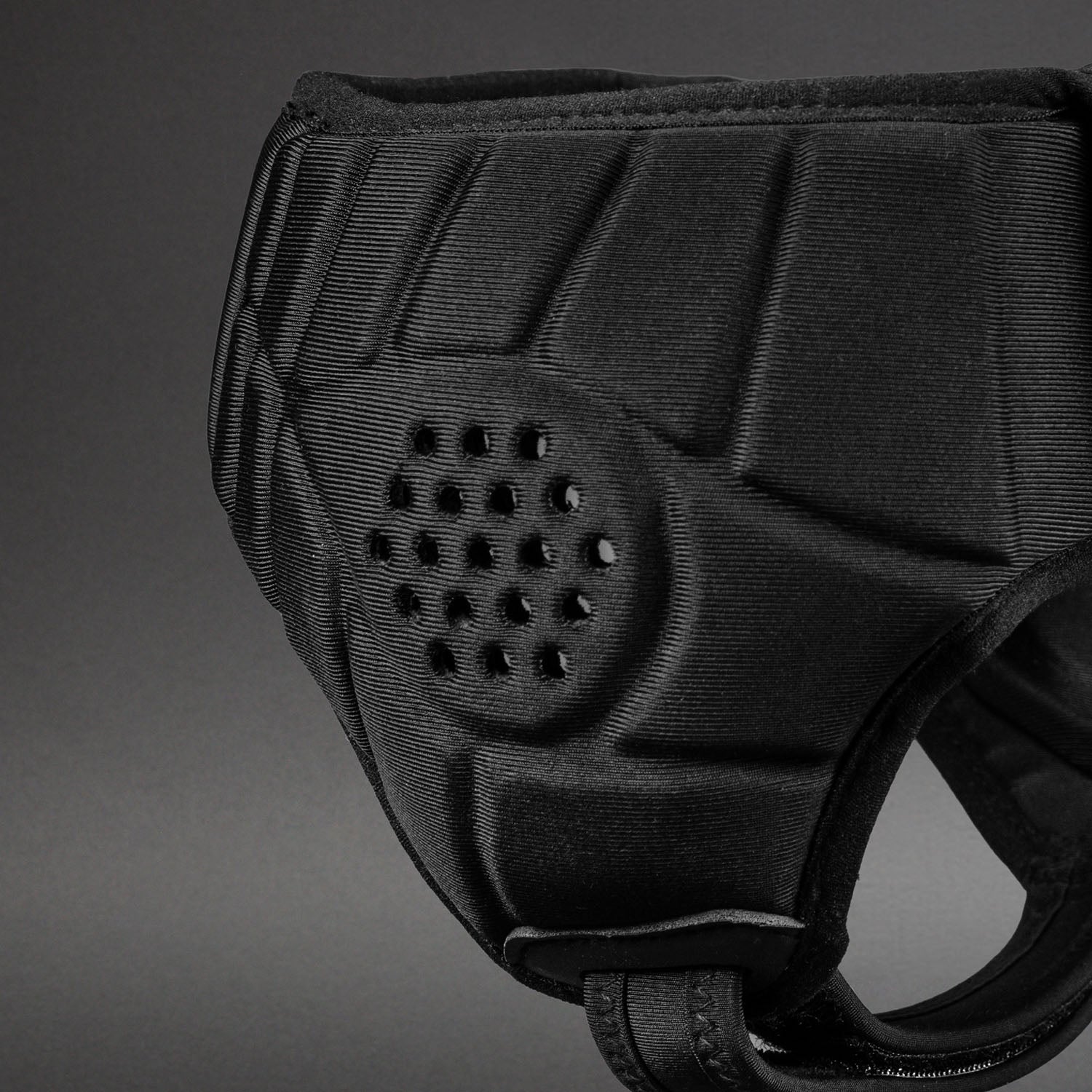
The Compliance Gap Nobody Talks About
Sports medicine has a word for this pattern: compliance. It is the same reason cyclists own helmets they leave at home and why the best mouthguard in the world does nothing sitting in a locker. Studies of protective-equipment use in contact sports consistently find that owning gear is only weakly linked to actually using it. The strong predictor is whether wearing it has become automatic — a default that requires no decision at all.
In no-gi specifically, the compliance gap has its own flavor. Headgear can feel hot. It muffles hearing. It gets caught in collar ties and head-inside passes in ways that annoy your partners. New grapplers worry it marks them as soft. Advanced grapplers convince themselves their ears are already “set” and beyond saving. Every one of these is a friction point, and friction is the enemy of any habit. The goal is not to argue yourself into discipline every night. The goal is to engineer the friction out so that putting the headgear on is easier than skipping it.
Building the Trigger: Make It Part of Getting Dressed
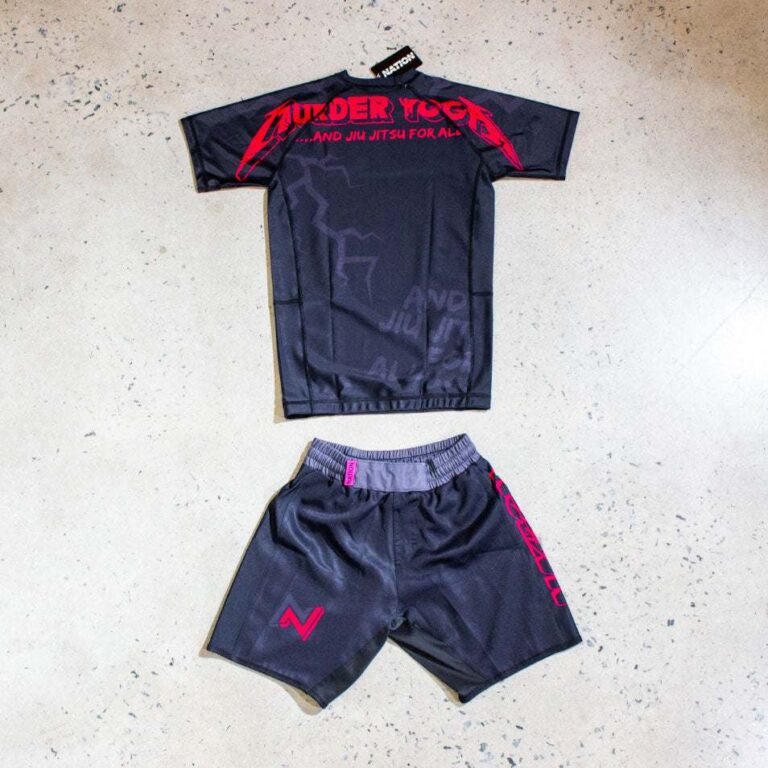
The single most effective change is to attach the headgear to something you already do without thinking. You do not decide whether to put on your rashguard — it is simply part of getting ready to train. Ear protection should ride in on the same wave. Pack it inside your rashguard, not in a side pocket. When your hand finds one, it finds the other. The moment the headgear is a separate decision made mat-side, in front of your partners, with the clock running, you have already lost — that is precisely the moment your brain looks for a reason to skip it.
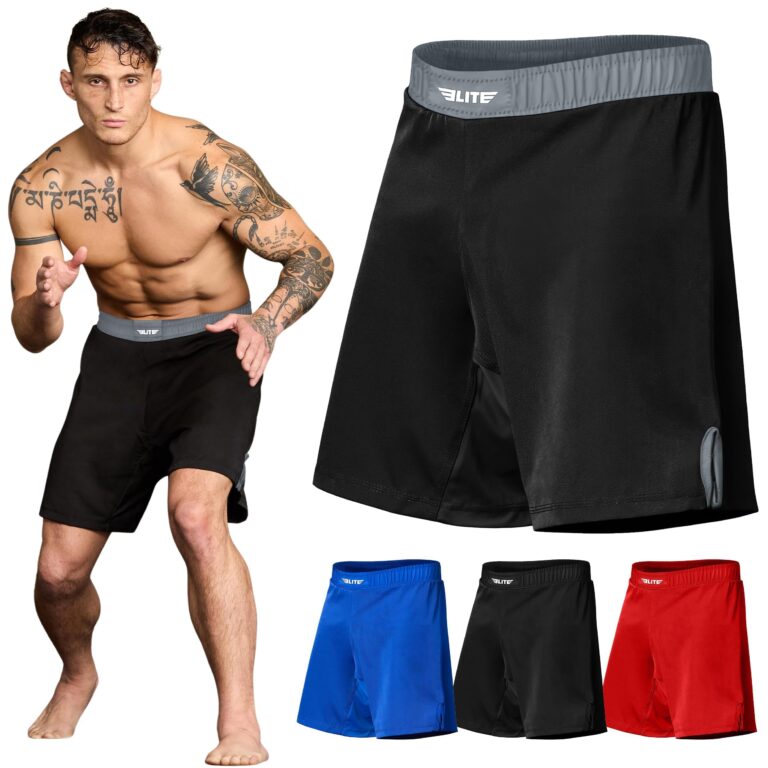
Concretely: build a fixed pre-class sequence and never break the order. Rashguard on, shorts on, mouthguard in the mouth, headgear on the head — done in the changing room before you ever step on the mat. By the time you are shaking hands for the first round, the decision has already been made and forgotten. Habit researchers call this stacking, anchoring a new behavior to an established one. It works because it removes the moment of choice, and the moment of choice is where good intentions go to die.
Round-by-Round Discipline During Live Training
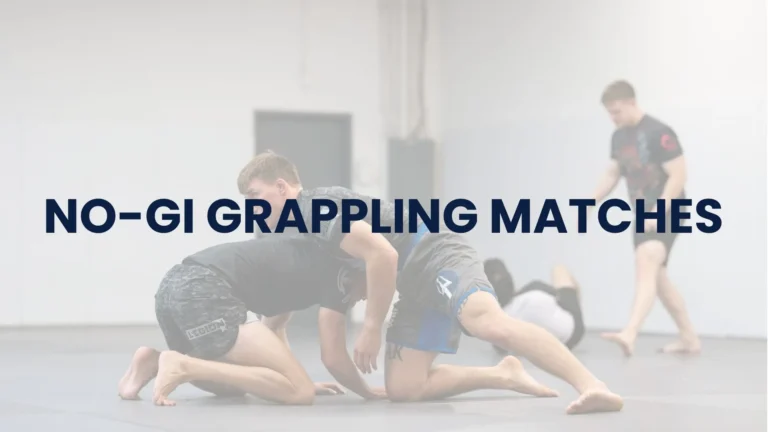
The danger is not the warm-up or technical drilling, where the ear rarely takes friction. It is live rounds — scrambles, guard passing, and any position where your head is buried against a hip, a shoulder, or the mat. Head-inside passing, arm triangles, north-south, and defensive turtling are the usual suspects. If you are going to be selective about when you wear headgear, at minimum it goes on for every hard positional round and every sparring session, no exceptions.
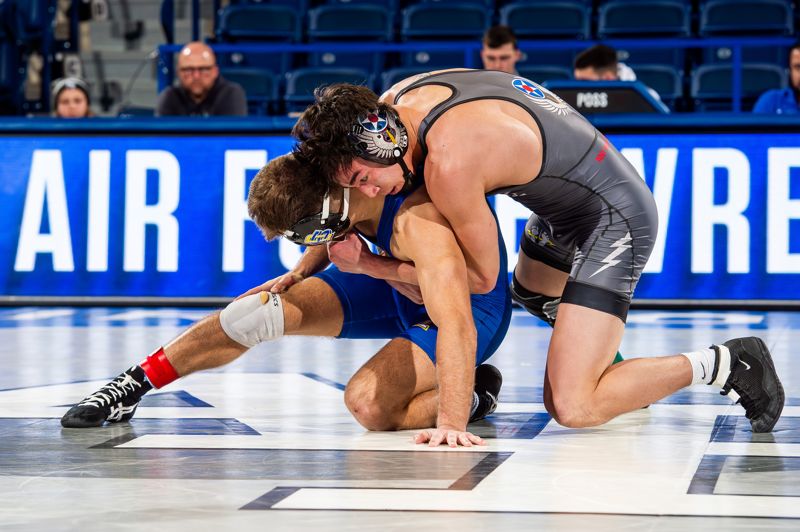
Live scrambles are the highest-risk moments — this is when the ears take the hit.
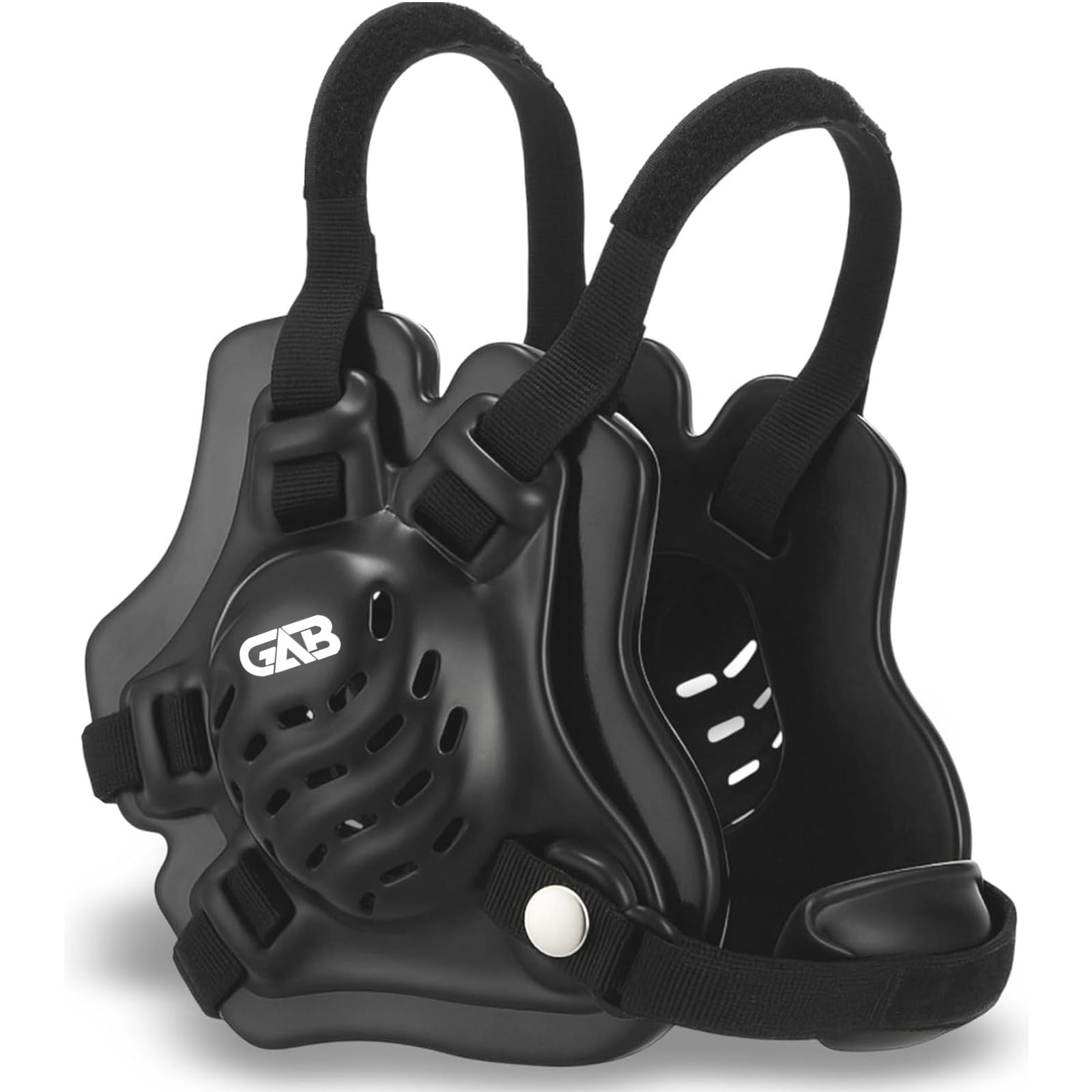
A practical rule that survives contact with reality: headgear stays on from the first live round to the last, and only comes off when you are done rolling for the night. Taking it off between rounds “just for this one” is how the habit unravels, because the next round is always the one where a knee catches your ear in a scramble. Treat it like your mouthguard. You would not spit your mouthguard out for a single round and gamble on your teeth. Your ears deserve the same reflex.
When Headgear Isn’t Practical: Tape and Awareness
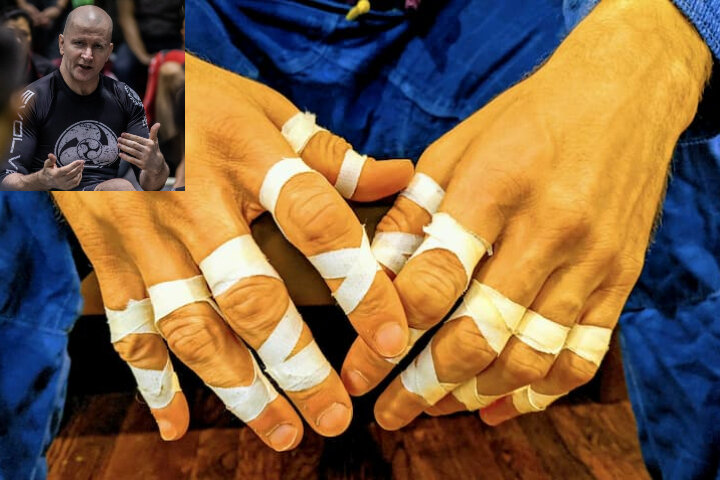
There are legitimate situations where full headgear is not an option — a competition ruleset that bans it, a partner drill where it keeps snagging, or simply a set you cannot stand to wear. This is where secondary habits earn their keep. Some grapplers tape their ears flat against the skull, which reduces the folding and shearing that causes hematomas. Others use a thin smear of grip-reducing balm on high-friction nights. Neither is as protective as good headgear, but both beat bare ears, and both can become their own small rituals layered into your pre-class sequence.
The most underrated tool costs nothing: positional awareness. Grapplers who protect their ears learn to frame with the back of the head instead of the ear when driving into a partner, to avoid grinding the ear during head-inside passes, and to tuck the chin and turn the crown of the head — not the ear — into the mat during scrambles. This is not about training timidly. It is about developing the same instinct that keeps you from putting your hand flat on the mat during a takedown. Small technical habits, repeated thousands of times, are quietly protective.
The Habit Nobody Enjoys: Caring for the Gear
A habit only sticks if the gear stays wearable, and sweaty headgear that reeks and grows bacteria is a habit-killer. The grappler who dreads putting on a damp, smelly set from three sessions ago is the grappler who “forgets” it next week. Hygiene is not a side note; it is compliance maintenance. Wipe the pads down after every session, let the headgear dry fully rather than sealing it wet inside a gym bag, and wash the straps regularly. Pleasant gear gets worn. Disgusting gear gets abandoned, and abandoned gear protects nothing.
The same logic applies to fit. Headgear that pinches, slides, or has to be readjusted every thirty seconds introduces exactly the friction that erodes the habit. If your current set is a battle to keep in place, that is not a reason to abandon protection — it is a reason to solve the fit problem, because uncomfortable gear you resent is gear you will eventually leave home.
Choose the Set You’ll Actually Wear
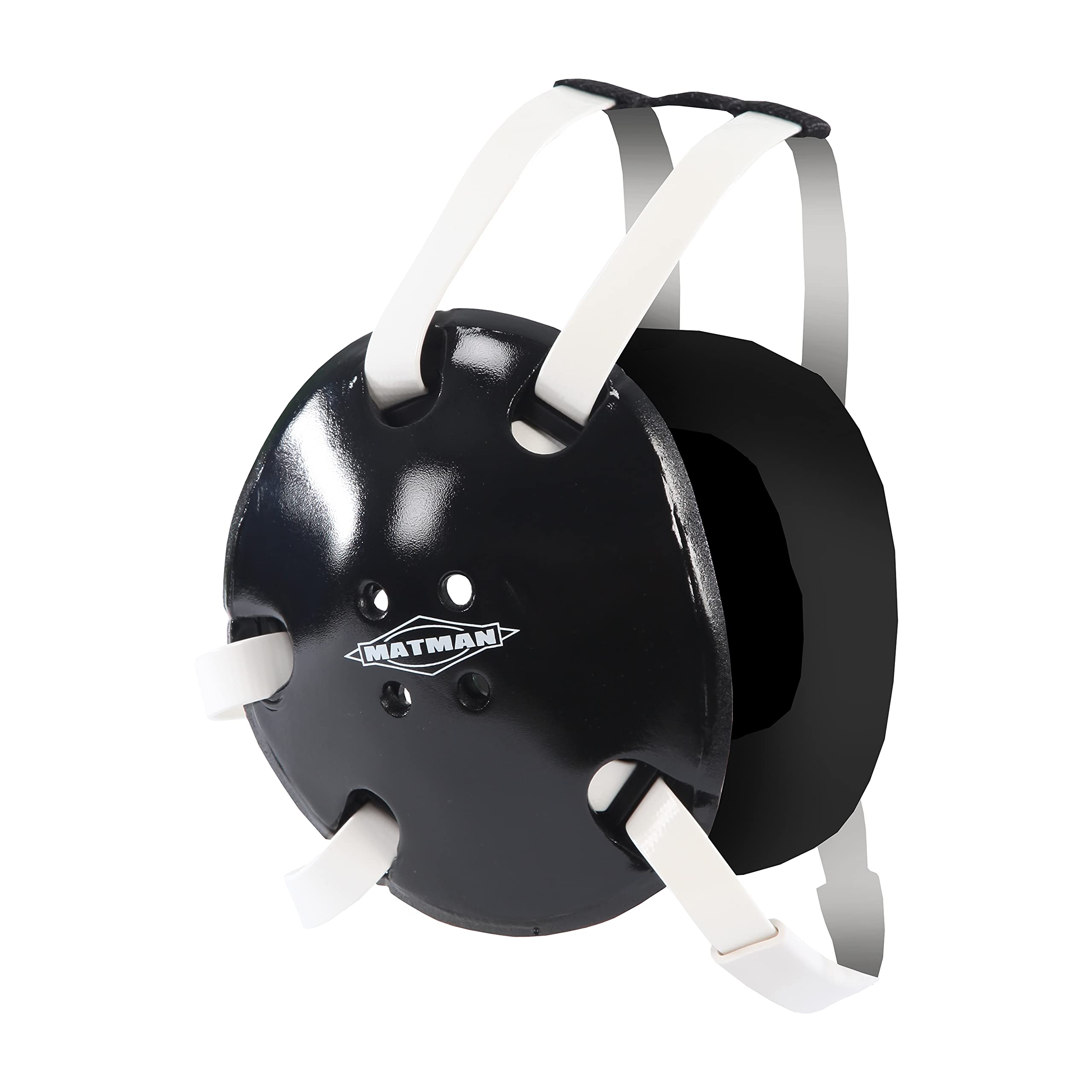
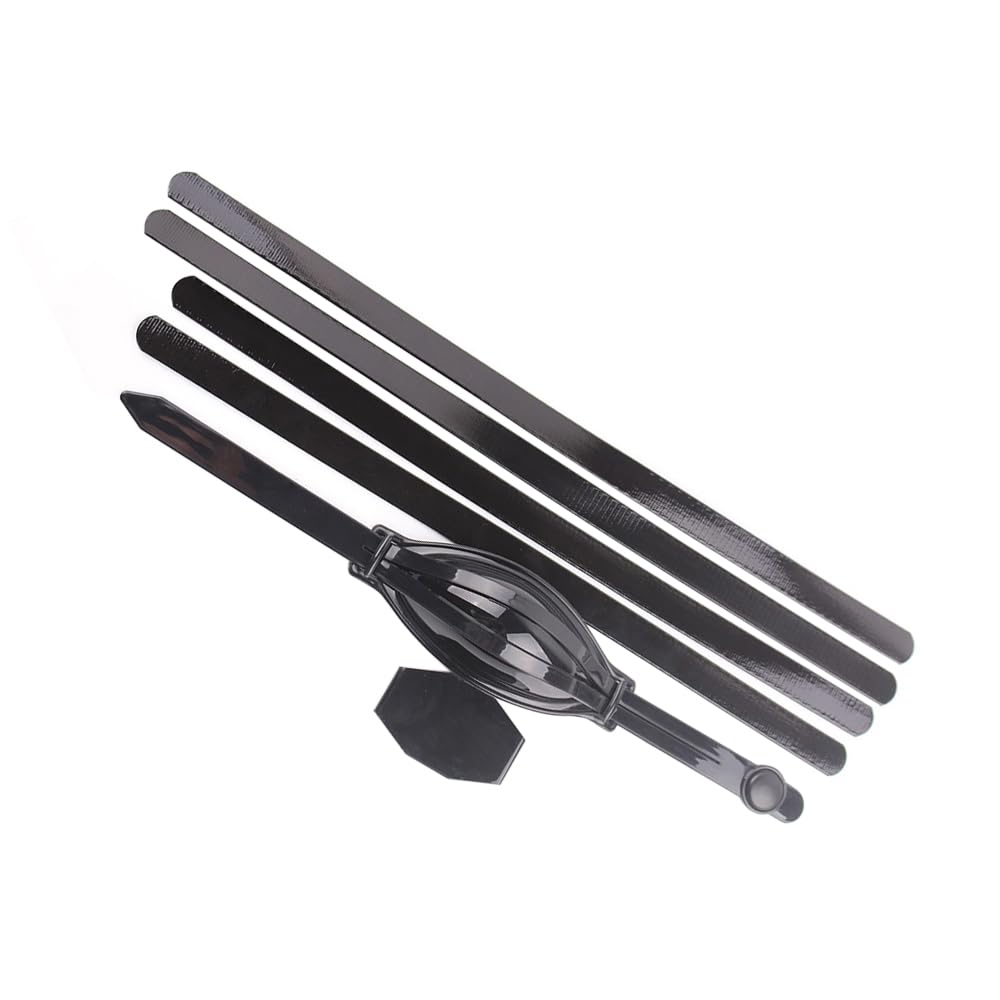
All of this points to a counterintuitive buying principle: the best ear guards for you are not the most protective on paper — they are the ones you will wear without thinking. A slightly less padded set that is comfortable, breathable, and easy to clean beats a maximum-coverage set that you dread and skip. When you shop, weight your decision toward low friction and comfort, because comfort is what converts a purchase into a daily habit. You can browse the range of no-gi and wrestling-style headgear on Amazon’s ear guard listings and prioritize the set you can imagine forgetting you have on.
Headgear stays on every round — the only prevention that actually works.
A Prevention Routine That Sticks
Pull it together and cauliflower ear prevention stops being a heroic act of nightly willpower and becomes plumbing you set up once. Store the headgear inside your rashguard so the two are inseparable. Put it on in the changing room as a fixed step in getting dressed, before you ever hit the mat. Keep it on from the first live round to the last. Have a fallback — tape and positional awareness — for the nights headgear is off the table. And clean it every session so it stays something you are willing to wear.
None of this is glamorous, and that is the point. The grapplers who keep smooth ears across a decade of hard no-gi rounds are almost never the ones with the fanciest gear. They are the ones for whom protection became invisible — automatic, boring, non-negotiable. If your ears are still healthy, the habit you build now is what keeps them that way. And if the first lumps are already forming, the same routine is what stops the next round of damage from setting in. The gear was never the hard part. Wearing it every single time is. Make that easy, and you have already won.
Related Reading
- Grappling Headgear: A Deep Dive on Materials, Fit, and Hygiene — choosing and maintaining the gear itself
- The Mat-Friction Problem — the specific positions that grind your ears and how to defend with head position
- Is Your Ear Guard Actually Protecting You? — the fit test most grapplers skip
Sources
- Wikipedia — Cauliflower ear / auricular (perichondrial) hematoma
- MedlinePlus — U.S. National Library of Medicine health information
- NCBI — National Center for Biotechnology Information (sports injury research)
Browse our top-rated rashguards and no-gi gear at the RashguardGuy shop →