The 48-Hour Window: What to Do the Moment Your Ear Swells
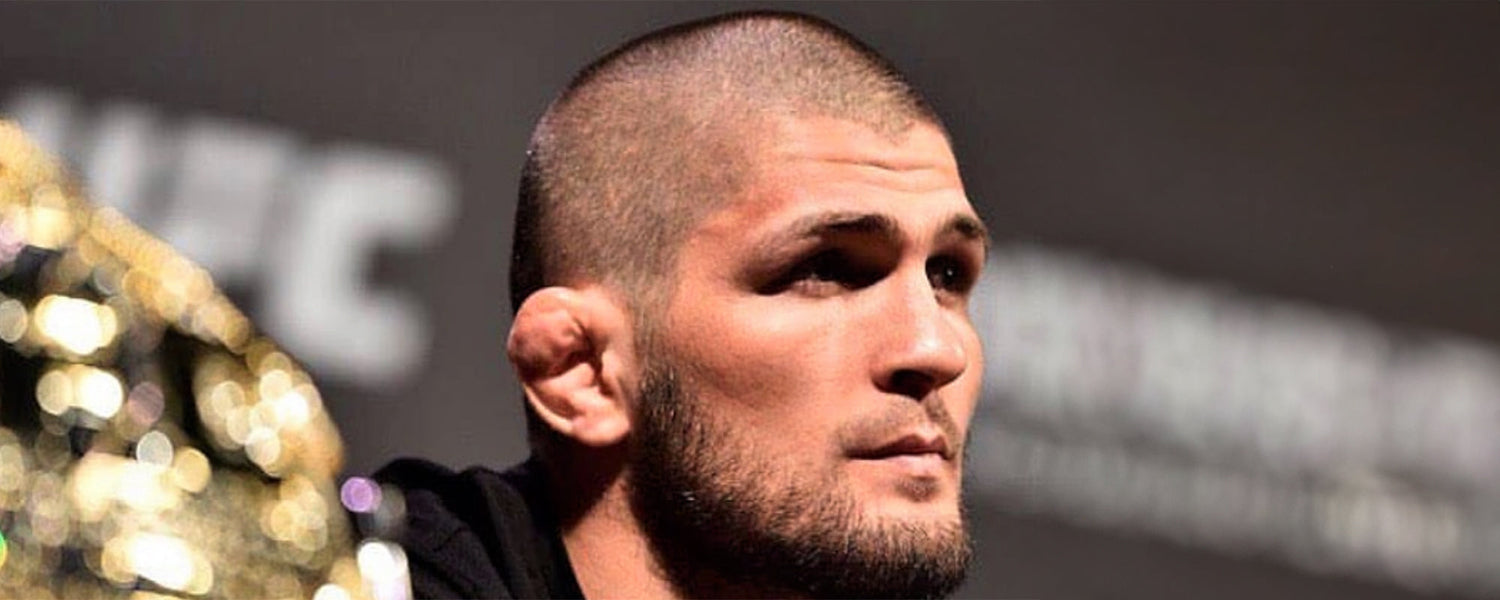
You feel it before you see it. Somewhere in the third round, a knee slides across the side of your head during a scramble, or your ear folds under an arm-triangle, and by the time you’re driving home there’s a hot, tender lump where the smooth cartilage of your ear used to be. Most grapplers shrug it off. That shrug is exactly why so many mats are full of lumpy, hardened ears. What almost nobody tells new no-gi athletes is that a fresh swelling isn’t cauliflower ear yet — it’s an ear hematoma, and you have a surprisingly short window to deal with it before the damage becomes permanent.
This isn’t a prevention guide — plenty of those exist, and if you’re smart you’re already wearing headgear when it makes sense. This is about the moment prevention has already failed: the ear is swollen, the clock is running, and what you do in the next 48 hours largely decides whether you walk away with a normal-looking ear or start building the classic grappler’s cauliflower.
Why the First Two Days Matter So Much
The outer ear is thin skin stretched over cartilage. That cartilage has no blood supply of its own — it’s fed by the layer of tissue (the perichondrium) pressed tightly against it. When repeated friction or a blunt impact shears the skin away from the cartilage, blood pools in the gap. That pocket of blood is the hematoma, and it’s the problem in two ways.
First, the trapped blood physically separates the cartilage from its blood supply, so the cartilage starts to starve. Second, the body treats that pooled blood as a scaffold and begins laying down new, disorganized cartilage and scar tissue inside the pocket. Left alone, that fresh fluid organizes and hardens — usually within a few days to a couple of weeks — into the firm, irregular ridge everyone recognizes as cauliflower ear. Once it calcifies, it’s essentially permanent without surgery.
The takeaway is blunt: a swollen ear is a fluid pocket you can still deal with, but it’s actively trying to become a solid you can’t. The sooner the fluid comes out and stays out, the better your odds. Wait a week hoping it “goes down on its own,” and you’re often too late.
Hour Zero: Recognizing What You’re Actually Looking At
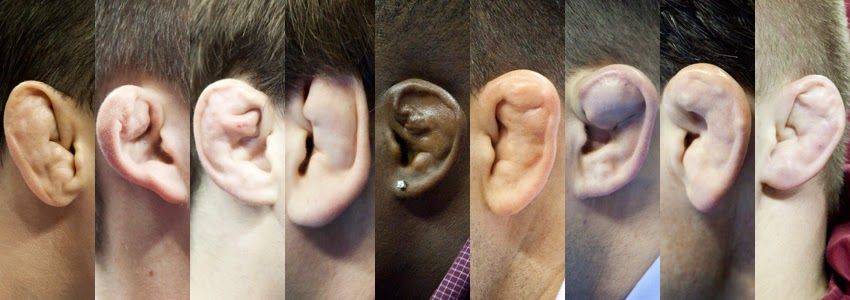
A true auricular hematoma is soft, warm, and often shiny — the normal folds and ridges of the ear look smoothed over or bulged out. It’s tender but not always sharply painful. This is different from a simple bruise or a scrape, which stays on the surface and doesn’t distort the ear’s architecture. If the shape of your ear is changing and there’s a squishy pocket you can feel, treat it as a hematoma until proven otherwise.
Ice and compression buy you time — they don’t cure it
The moment you notice it, ice the ear. Twenty minutes on, with a thin cloth between the pack and your skin, repeated through the evening. Cold constricts the small vessels and can slow the bleeding, which sometimes keeps a small hematoma from getting larger. Gentle, even compression helps too. But be honest with yourself about what this does: for anything but the smallest pocket, ice and pressure are a holding pattern, not a fix. They buy you hours to get proper drainage, not permission to skip it.
Drainage: The Part Grapplers Get Wrong
Every gym has that guy who drains his own ears with a syringe from the pharmacy. It’s common, and it’s understandable — clinics are expensive, and grapplers are stubborn. But it’s worth being clear-eyed about the risks before you reach for a needle.
The ear is cartilage with almost no ability to fight infection on its own. Push a non-sterile needle into a blood pocket sitting right on that cartilage and you can seed a perichondritis — a cartilage infection that can genuinely eat the shape of your ear far faster and uglier than cauliflower ever would. Draining also isn’t a one-and-done event: the pocket refills, often several times, and each refill has to be evacuated again. Do it wrong and you trade a cosmetic problem for a medical one.
The genuinely safe answer is to have it drained by a medical professional — urgent care, a sports-medicine doctor, or an ENT. They’ll use sterile technique, may cut a small drainage window rather than just aspirate, and they know when the fluid has organized past the point where a needle helps. If you’re going to get one thing right, get this one right: a doctor within the first day or two beats a heroic garage-drain every time.
The Step Everyone Skips: Compression After the Drain
Here’s the detail that separates ears that heal clean from ears that turn to cauliflower anyway: drainage without compression usually fails. You empty the pocket, the ear feels normal for a few hours, and then it quietly refills overnight because nothing is holding the skin back against the cartilage. The blood returns to the same empty space, and you’re back to square one.
Proper aftercare re-approximates the tissue and holds it there while it re-adheres. Clinically that’s done with bolster sutures, dental-roll splints, magnets, or specialized clips that sandwich the ear and keep the pocket collapsed for several days to a week. The mechanism is simple: no space, no refill; no refill, no scaffold for scar tissue. This compression phase is arguably more important than the drain itself, and it’s exactly the part self-treaters tend to ignore.
How long to stay off the mats
This is where grappler discipline gets tested. Rolling again while an ear is still healing is the single most reliable way to undo the whole effort — one more scrape re-opens the pocket and refills it. Most people need at least a week off contact, sometimes more, depending on how the ear responds and what your doctor advises. If you must be on the mats, drilling-only with headgear is a compromise, but full-resistance rolling on a fresh ear is asking to restart the 48-hour clock from zero.
When It’s Already Too Late
Sometimes you catch it late, or you tried to wait it out, and the lump has gone from soft to firm. Once the fluid has organized into fibrocartilage, needles and compression won’t reverse it — that’s now a structural change. At that point your only options are to accept it as part of the grappler’s aesthetic (plenty of athletes wear their ears with pride) or, if it bothers you cosmetically or starts interfering with headgear fit and hygiene, to consult a surgeon about reshaping. Surgical correction of established cauliflower ear is real, but it’s an operation, not an afternoon.
There’s also a hygiene angle worth flagging. Ears that have been drained, or that are actively deforming, develop crevices and thin skin that are easy to abrade and slow to heal. On shared no-gi mats — where skin infections travel fast — an open or healing ear is a liability. Keep it clean, keep it covered when appropriate, and don’t roll with an oozing or scabbing ear pressed into other people’s skin.
The Honest Bottom Line
Cauliflower ear is one of the few grappling injuries that’s almost entirely a function of how fast you respond. Blow out a knee and your timeline is measured in months of rehab you can’t rush. Swell an ear and your timeline is measured in hours — and it’s a timeline you actually control. Ice it immediately, get it drained properly and early by someone who won’t infect it, insist on the compression phase, and stay off the mats long enough for the tissue to re-adhere. Do that and most fresh hematomas resolve without a trace.
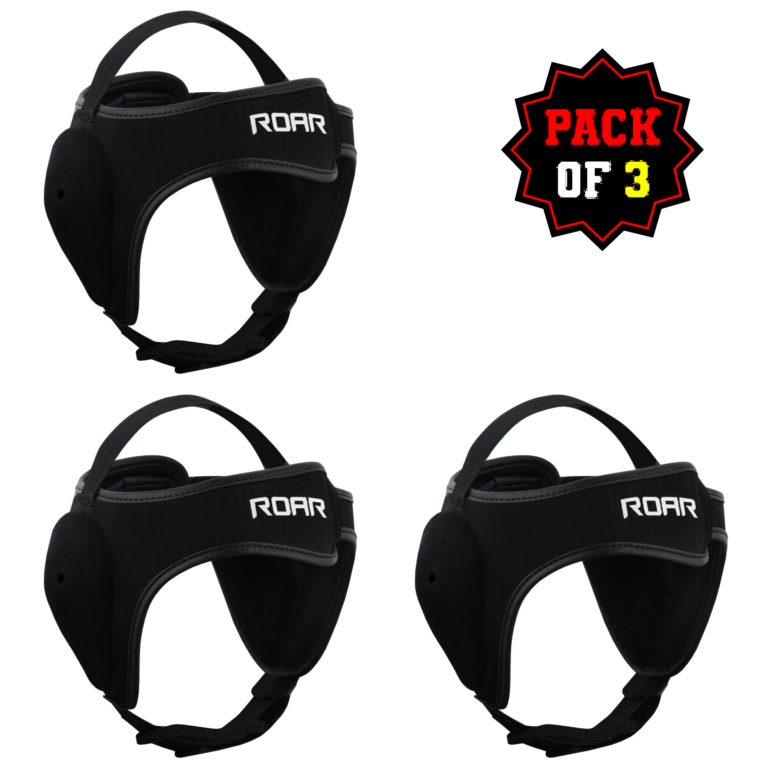
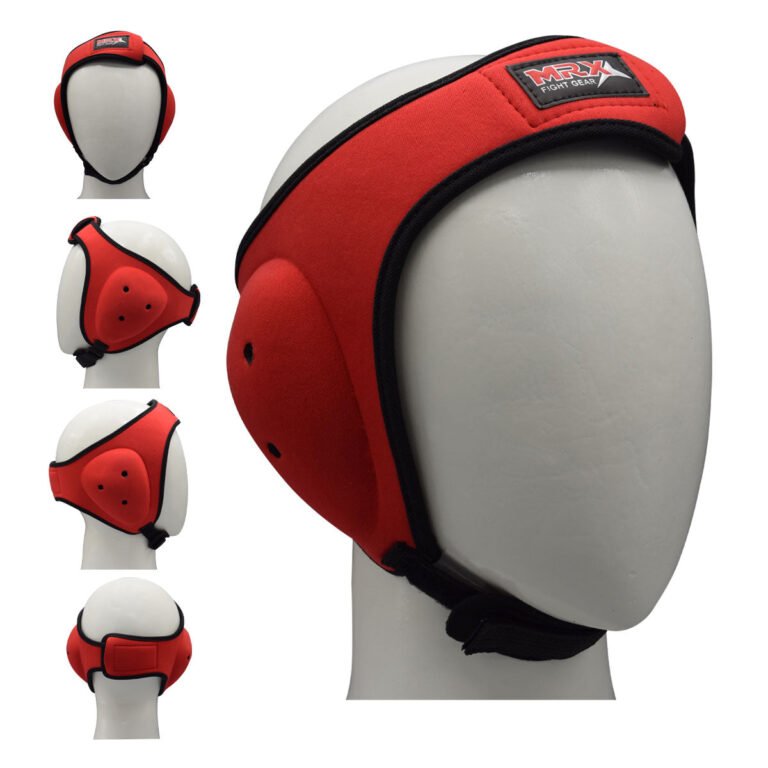
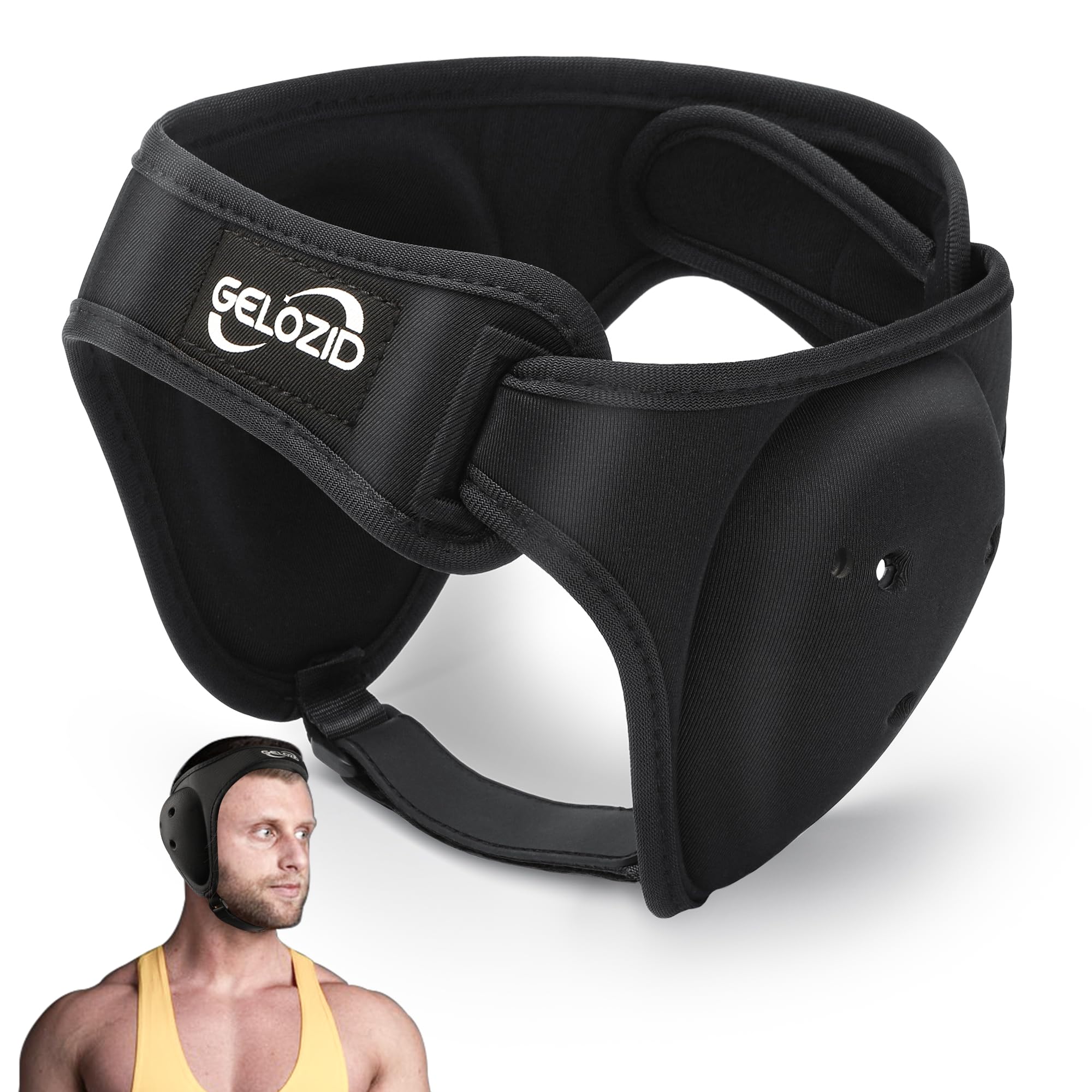
The best move, of course, is not getting there at all. If you’ve already had one ear swell, that ear will scar faster the next time, so headgear stops being optional. A well-fitted set of ear guards for training — plus the discipline to actually wear them during hard rounds — is far cheaper and far less painful than a rushed trip to urgent care and a week off the mats.
Ready to protect the ear you just saved? Browse well-reviewed grappling ear guards and headgear here: shop no-gi ear guards on Amazon.
Sources
- Wikipedia — Cauliflower / auricular hematoma overview
- National Center for Biotechnology Information (NCBI) — auricular hematoma drainage and management literature
- Mayo Clinic — ear injury and perichondritis reference
- American Academy of Family Physicians — hematoma aspiration and compression technique
Browse our top-rated rashguards and no-gi gear at the RashguardGuy shop →