The Crossface Problem: How Side Control Damages Ears Even Through Headgear
You strapped on your headgear before warm-ups, tightened the chin straps, even checked the fit in the bathroom mirror. Two rounds into open mat, your partner sinks a crossface from side control and you feel that familiar grind right against the cup of your ear guard. Welcome to the gap most grapplers don’t talk about: modern ear guards stop direct collision and ear-to-mat friction, but they were never engineered to absorb the slow, shearing pressure of a no-gi crossface. The cartilage damage builds anyway — just quieter.
This guide breaks down the five no-gi positions that cause the most cauliflower ear damage even when you’re wearing headgear, why the plastic cup transfers more force than you think, and the technical adjustments that protect cartilage when gear alone can’t.
Why Ear Guards Stop Some Damage — But Not All
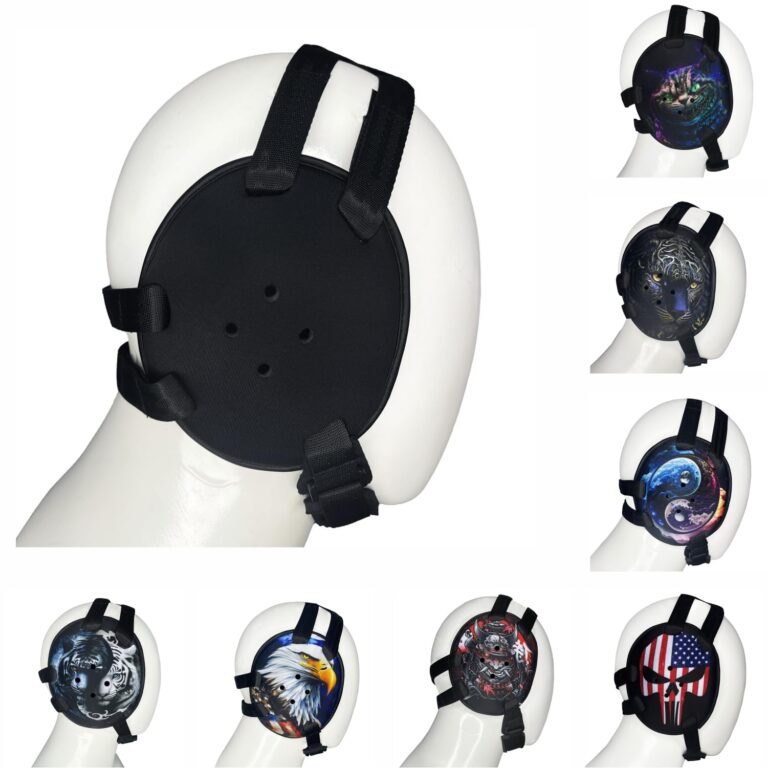
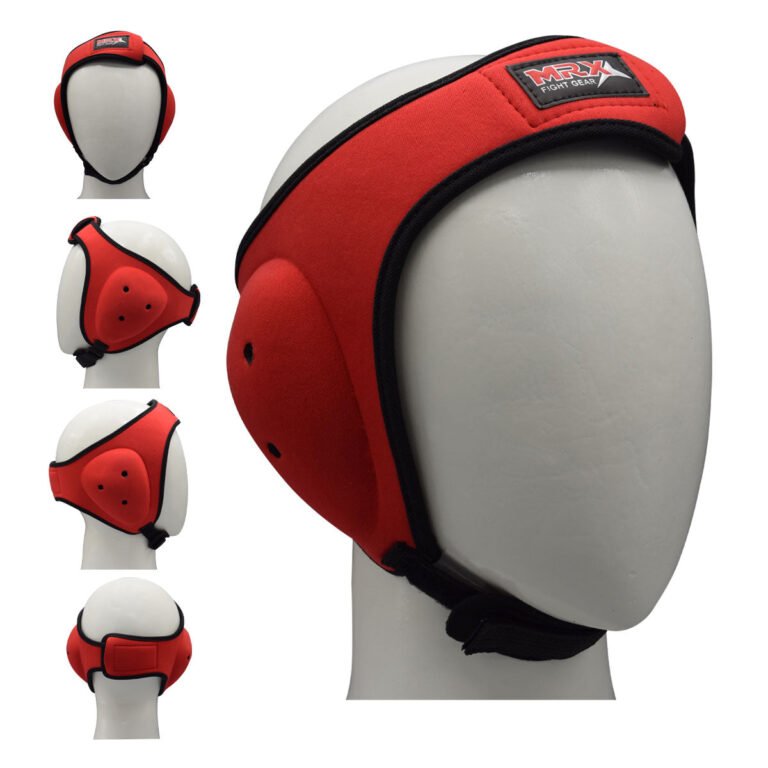
Most wrestling-style ear guards are designed around two failure modes: direct impact (your ear hitting the mat or a knee), and friction (the constant rubbing during scrambles). The molded cup creates an air gap over the auricle so blunt force gets redirected to the plastic shell instead of the cartilage.
What the cup cannot do is dissipate sustained crushing pressure. When a 200-pound training partner drops a shoulder into your jaw and grinds toward your collarbone, the force travels down through the cup, compresses the soft cartilage against the side of your skull, and produces exactly the kind of micro-trauma that turns into auricular hematoma over weeks of repeated exposure.
Think of it this way: ear guards are a helmet, not a splint. They protect the surface, not the structural support underneath.
The Cup Transfers Force You Don’t Feel
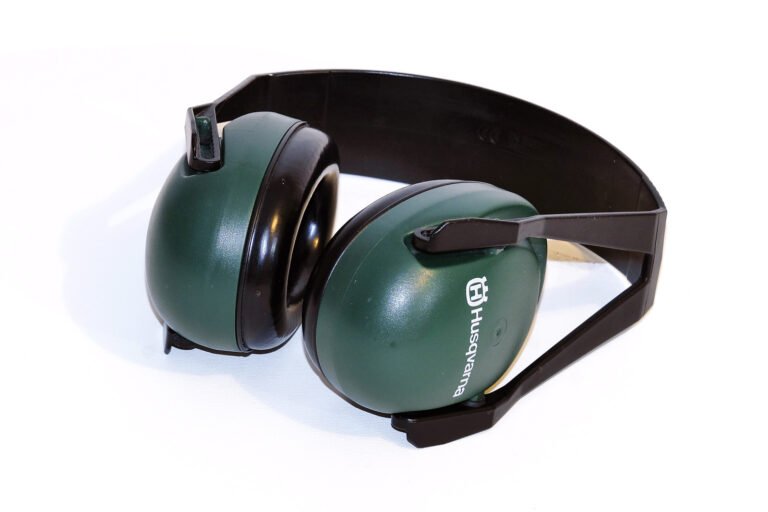
The hard plastic shell of a typical headgear cup is rigid by design. Rigidity is what stops the cup from collapsing inward during impact. But that same rigidity means any pressure applied to the outside of the cup transfers cleanly to the area where the cup meets your scalp — and your ear, sandwiched in between, takes the load.
You may not even feel pain in the moment. Cartilage doesn’t have the same nerve density as muscle. The first sign is often a dull warmth after class, then mild puffiness the next morning. By the time you notice swelling, the damage is already a day old.
The 5 No-Gi Positions That Damage Cartilage Through Headgear
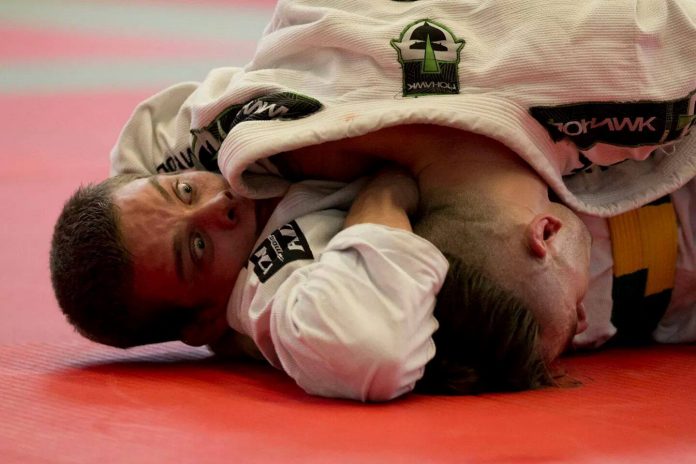
1. Forearm Crossface in Side Control
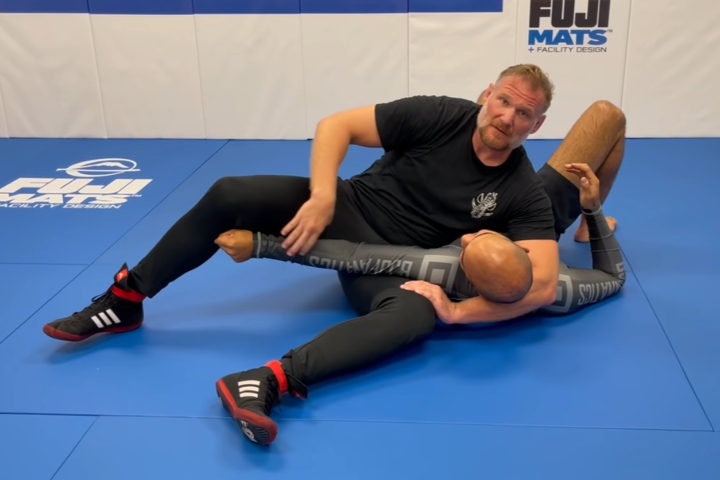
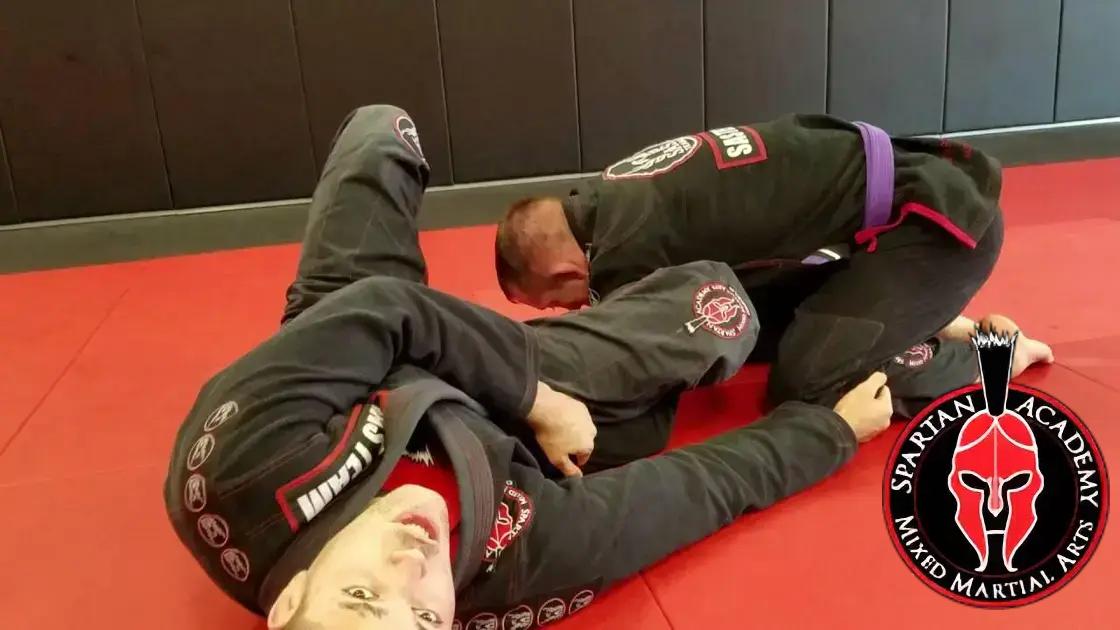
This is the worst offender in no-gi. The top player drives a forearm across your jaw, often hooking under your far ear to clear the head, then settles weight through the shoulder. The crossface pins your skull against the mat and the soft cartilage of your near ear gets crushed between your headgear cup and your own temporal bone.
You’ll feel the burn first on the antihelix — the curved ridge inside the ear bowl. That spot is the most common starting point for cauliflower formation, and it’s the area where the cup of most wrestling headgear sits most snugly. Plastic plus pressure plus a fixed pivot point equals predictable cartilage trauma.
2. Shoulder Pressure in Knee-on-Belly
When a partner posts a knee on your stomach and drops their shoulder into your face to set up a baseball-bat choke or kimura, your ear takes asymmetrical pressure. Even with headgear, the shoulder pin compresses one side of the cup against the mat while your head pivots.
The rotational shear is the killer here. Ear guards handle straight-line impact reasonably well; they’re poor at preventing the twisting motion that separates cartilage from perichondrium — the thin membrane that supplies blood to the cartilage and that, once torn, fills with the fluid we call cauliflower ear.
3. Mount with Cross-Body Pressure
Mounted bottom is supposed to be the safest position for ears because you’re face-up. But once your partner postures down and lays cross-body — chest on your face, hips driving into your ribs — the pressure goes vertical through the cup into your downside ear.
Many grapplers report a “ground glass” sensation in the ear after long stretches under cross-body pressure. That sensation is the cartilage flexing past its elastic limit. Repeat it twenty times in a year and you have permanent thickening, even if you never developed visible swelling along the way.
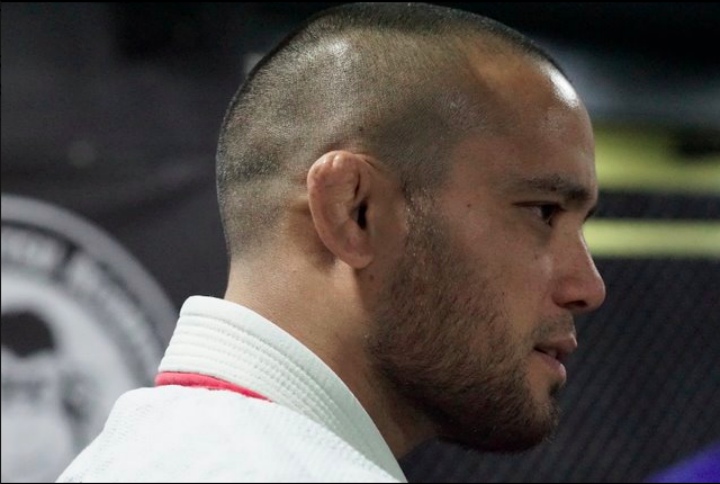
4. Bottom Half Guard Grinds
Half guard is where most defensive no-gi rolls happen, and the bottom player’s head spends a lot of time crushed against the top player’s torso. The opponent’s lat, ribs, or armpit can apply prolonged grinding force against the side of your headgear during pummeling and underhook battles.
The cup is rated for impact, not sustained shear. Five-minute rounds spent fighting for an underhook from bottom half are why competitive grapplers develop cauliflower even when they wear headgear religiously.
5. Back Mount with Seatbelt and Hooks In
When you’re being controlled from the back, your opponent’s chin or shoulder often digs into the side of your head as they hunt for the choke. The seatbelt grip pulls your upper body backward while the chest plates against the back of your skull, sandwiching your headgear cup against their body.
This position also tends to last a long time — defenders often grind out a minute or two before escaping or tapping — which means cumulative pressure adds up fast and the cup acts as a pressure transmitter rather than a buffer.
How Ear Guards Should Fit to Reduce Crossface Damage
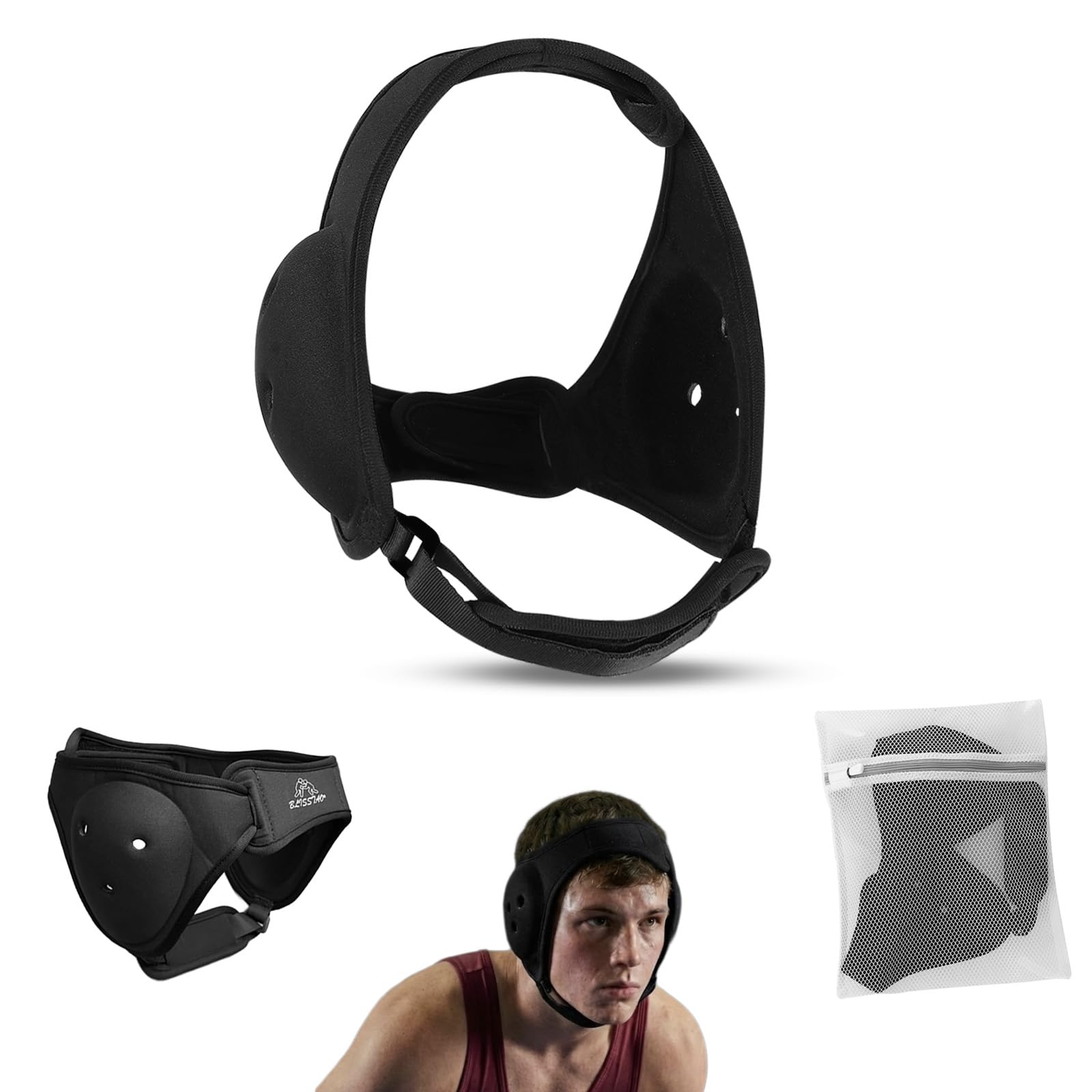
The single most important fit detail isn’t strap tightness or cup size — it’s the depth of the cup over the ear. A cup that sits flush against the cartilage transfers far more pressure than a cup with even a few millimeters of air gap. The gap is what does the work.
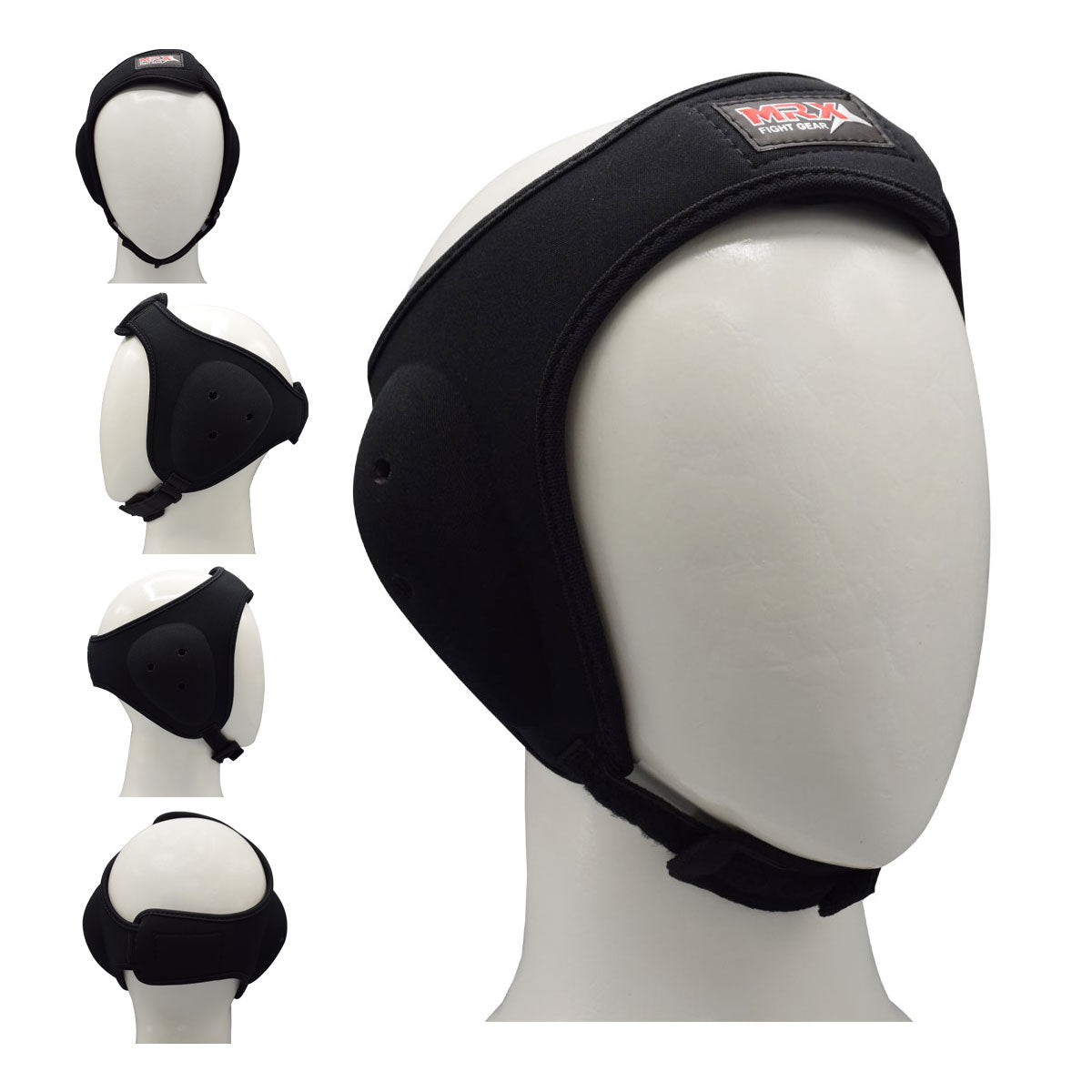
When you’re shopping for headgear or adjusting straps, check three things:
- The cup doesn’t touch the helix when you tilt your head sideways.
- The chin strap holds the cup forward of the ear, not pressed back into it.
- The rear strap doesn’t pull the cup against the side of your skull when you bridge.
If any of those three fail, your headgear is already a partial enabler of the very damage you bought it to prevent.
Strap Tension Matters More Than You Think
Over-tightened straps pull the cup tight against the head, eliminating the air gap entirely. The cup becomes a pressure plate instead of a deflector. Most grapplers tighten straps to stop the headgear from slipping during scrambles — but slipping is a fit problem, not a tension problem. A correctly sized headgear stays in place at moderate tension and still preserves the protective gap.
Position-Specific Defense When Your Ear Is Already Pinned
Headgear is half the prevention equation. The other half is technique. The grapplers who keep their ears longest are usually the ones who win the head-position battle inside each position, not the ones with the most expensive gear.
In side control, get your ear off the mat by framing into the crossface and turning your face slightly toward your opponent — pointing your chin into the crossfacing arm shortens the lever they have on your jaw and pulls your ear into the open. Even an inch of clearance changes the pressure equation dramatically.
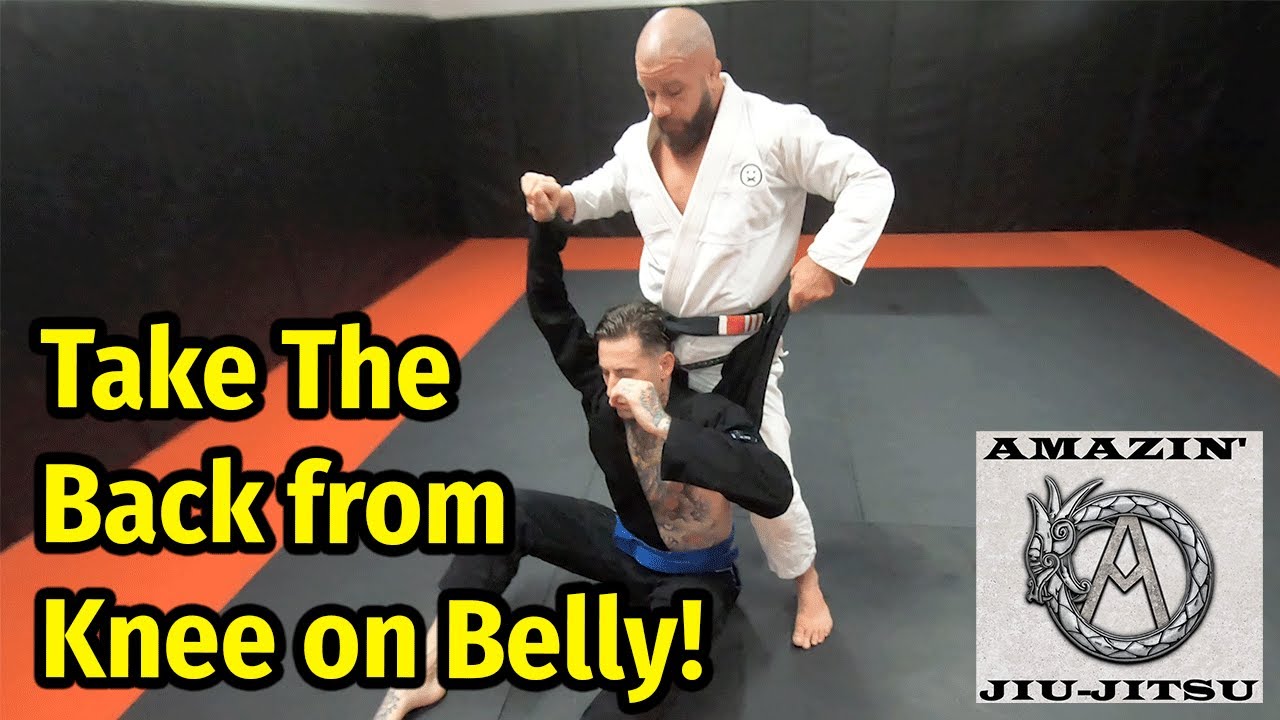
Under knee-on-belly, snake your inside arm up to frame across the partner’s hip. The frame creates space and forces the partner’s shoulder higher, off your ear. If you can’t frame, turn your head so the headgear cup faces the knee — the impact will land on plastic instead of the cartilage edge.
In half guard pummeling, keep your head off your partner’s torso when possible. If their chest is glued to your ear, you’ve lost the head position battle and you’re absorbing grinding pressure with every breath they take. Win the inside head position or break grips and reset.
Combining Headgear with Smart Sparring Choices
Even the best ear guards can’t compensate for choosing the wrong partners and the wrong intensity every round. If you already have early-stage swelling, sit out the heavy crossface specialists for a week and roll with technical partners who win with leverage instead of pressure.
If you’re brand new to no-gi and your ears haven’t taken any damage yet, this is the time to be religious about headgear — first-time hematomas heal cleanest, and every subsequent injury thickens the scar tissue and makes future damage harder to drain.
Track your ears the way you’d track a knee injury. Check them in the mirror after every session. Catch swelling early and the short window of compression and ice can save you a doctor’s visit.
When to Replace Worn Headgear
A cup that was properly shaped two years ago may now sit flatter against your ear from accumulated compression. Headgear straps stretch. Foam padding inside the cup compresses permanently. If your ear guards feel loose, slip during scrambles, or sit flatter against your head than they did when new, the cushioning is gone.
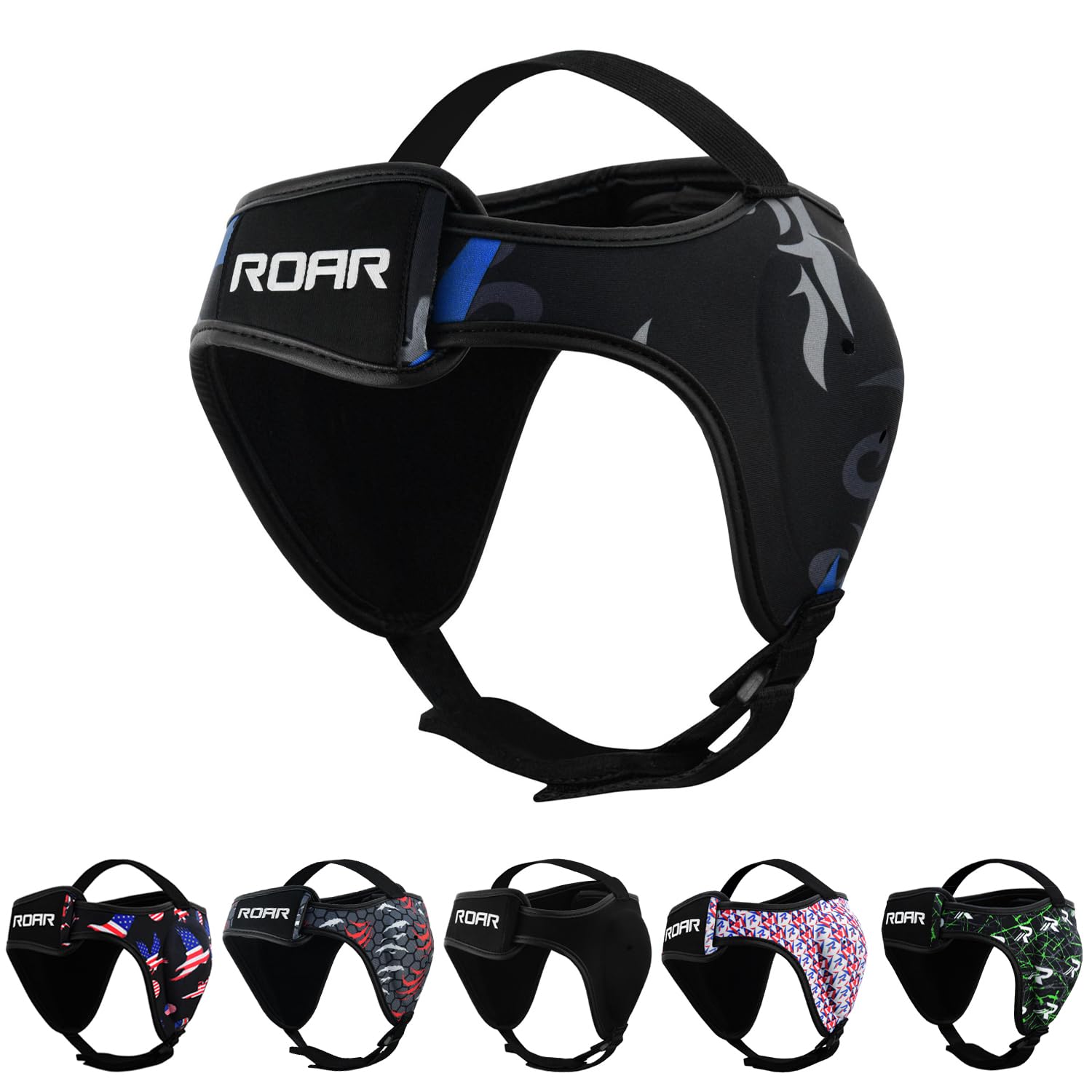
Most quality wrestling headgear lasts two to four years under three-times-per-week no-gi training. After that, the materials degrade past the point where they protect cartilage from sustained pressure. Replacement is cheaper than a repeat drainage appointment, and far cheaper than corrective surgery if scar tissue builds up over years of inadequate protection.
The Bottom Line
Ear guards are necessary, but they’re a baseline — not a guarantee. The crossface, the shoulder pin, the chest-on-face cross-body, the half guard grind, and the back-mount squeeze all produce cartilage damage even when you’re wearing the best headgear on the market. Combining gear with positional awareness, frame work, and smart sparring choices is the only way to keep your ears intact for a long no-gi career.
If you’ve been wearing headgear and still developing cauliflower, the gear isn’t broken. The pressure pathway has just shifted from impact to shear, and the only fix is changing how you defend the positions where shear happens most. Treat headgear as your floor of protection, not your ceiling — and build technique on top of it.
Looking to upgrade your gear? Browse current no-gi headgear options at Amazon’s wrestling ear guard search and prioritize models with a deep cup and adjustable rear strap.
Sources
- Wikipedia: Cauliflower ear — pathology and prevention overview
- Wikipedia: Auricular hematoma — clinical background on the underlying injury
- USA Wrestling — youth and adult headgear standards and rules
Browse our top-rated rashguards and no-gi gear at the RashguardGuy shop →