The Fit Problem: How to Size an Ear Guard for No-Gi Rolls
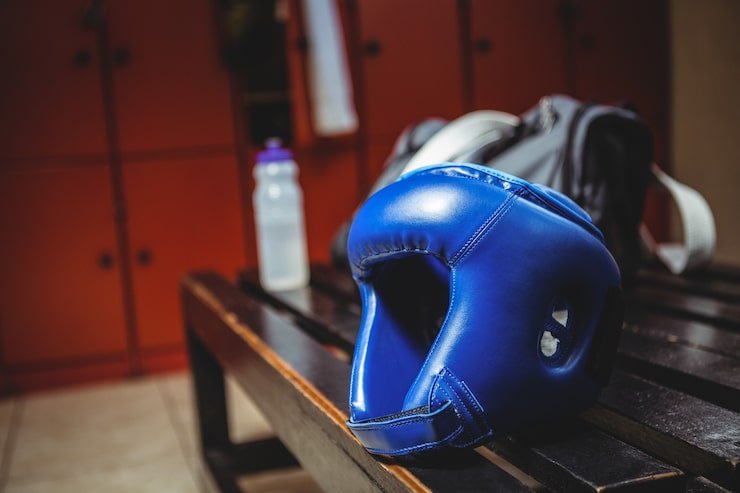
An ear guard that rotates off during a scramble isn’t doing its job, no matter what the shell is made of or what a manufacturer claims about impact ratings. Most grapplers troubleshoot a slipping ear guard by tightening the strap until their jaw aches, then give up and stop wearing it a few weeks later. The actual problem usually isn’t the strap. It’s that the guard was never sized to the grappler’s head in the first place — and almost no retail page tells you how to check that before you buy.
Why a Well-Reviewed Ear Guard Still Fails on the Mat
Ear guard reviews online are almost entirely about padding density, shell rigidity, and breathability. Fit rarely comes up, which is strange given that fit determines whether any of those other features matter. A guard with excellent shock absorption is useless if it shifts two inches during a scramble and exposes the ear anyway. Cauliflower ear forms from repeated friction and pressure on unprotected cartilage, and a guard that has migrated off-position during live rolling is functionally the same as no guard at all for that exchange.
The mismatch happens because most buyers size an ear guard the way they’d size a hat — by head circumference alone. But head circumference doesn’t account for jaw width, ear placement, or skull shape, all of which affect how a guard’s shell sits relative to the actual ear. Two grapplers with identical head circumference can need different guard models entirely.
The Shake Test Every Grappler Should Run Before Buying
Wrestling coaches have used a version of this check for decades, and it transfers directly to no-gi grappling. Put the guard on, tighten the strap to a normal training tension — snug, not painful — then do three things before ever stepping on a mat: shake your head side to side hard, drop your chin to your chest and snap it back up, and run in place for ten seconds. If the shell shifts, rotates, or you can slide more than a finger’s width of space between the padding and your ear during any of those movements, the guard is the wrong size or shape for your head, regardless of what size label is on the box.
This test matters more for no-gi than for wrestling or gi grappling, because there’s no collar or fabric friction slowing a scramble down. Bodies move faster and change angles more abruptly in no-gi exchanges, which puts more lateral stress on headgear than a wrestling match on a mat with constant referee stoppages.
Strap Tension: The Line Between Secure and Restricting Blood Flow
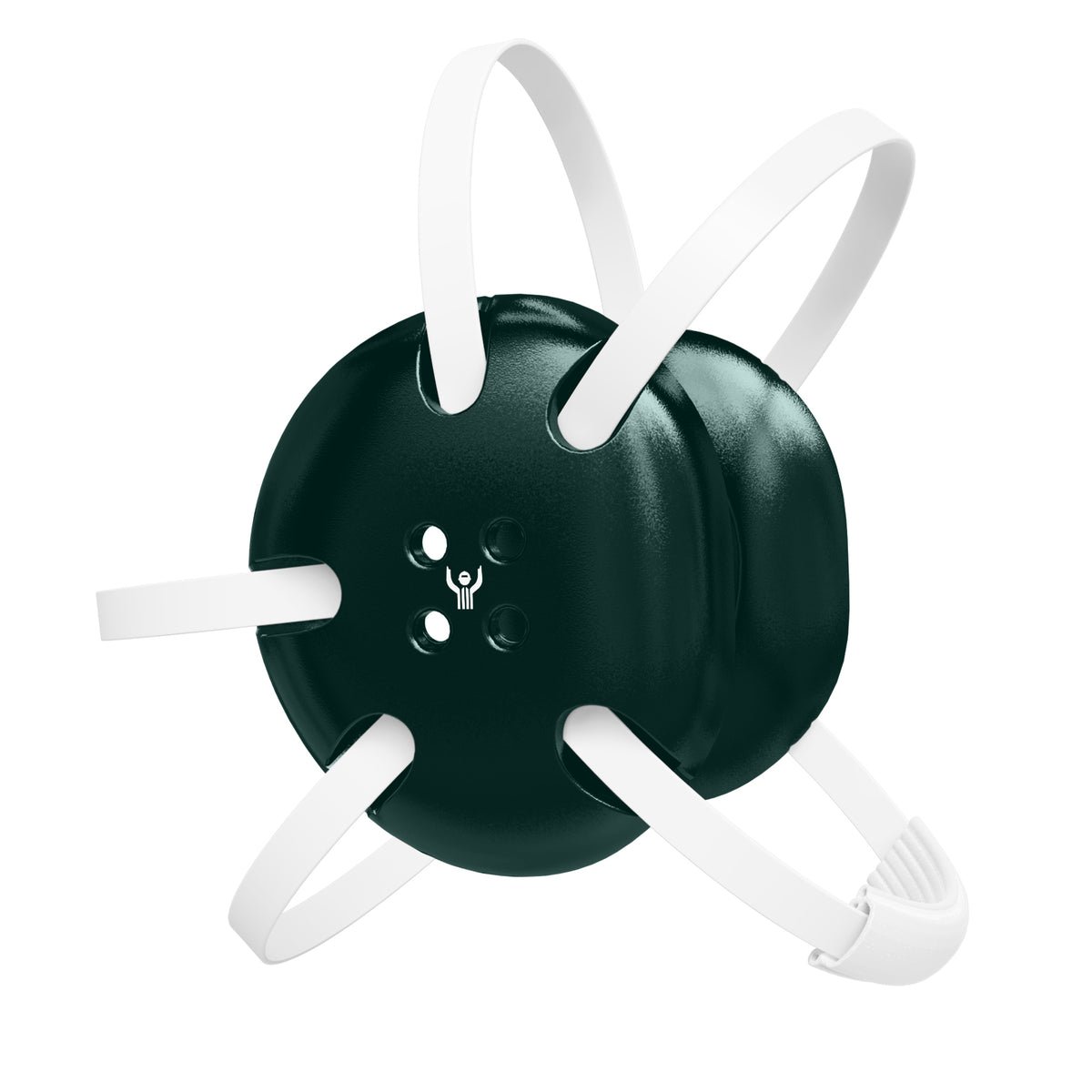
Overtightening is the most common fix grapplers reach for once they notice slippage, and it creates a second problem instead of solving the first. A chin strap cranked too tight restricts jaw movement and can create pressure points along the jawline that show up as headaches after long training sessions. It also doesn’t actually fix rotation — a guard that’s the wrong shape for a given skull will still shift under lateral force even at maximum strap tension, it’ll just take more force to move.
The strap’s job is to hold a correctly-shaped guard in its resting position, not to compensate for a guard that doesn’t match head geometry. A properly fitted guard needs only moderate strap tension to stay put through live rolling. If a grappler finds they need near-maximum tension just to get through a five-minute round, that’s a sizing signal, not a tightening problem.
Head Shape Isn’t Universal — and Neither Is Guard Shape
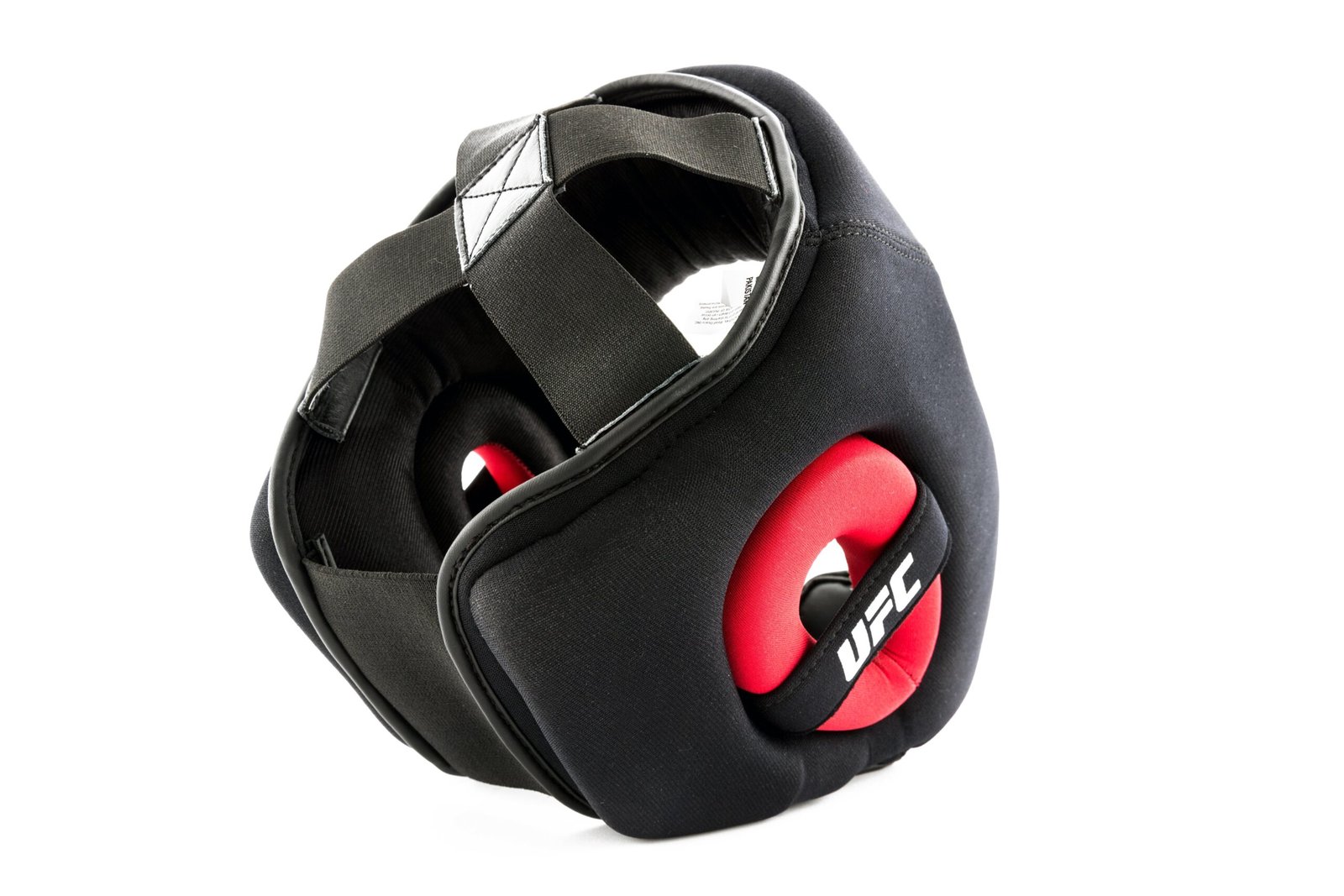
Ear guard manufacturers mold shells around a handful of average head profiles, but skull width, jaw angle, and ear position vary more than most buyers assume. Some guards are built with a narrower shell spacing intended for a tighter jaw width; others are molded wider to accommodate a broader skull. Buying based on brand loyalty or what a training partner uses skips over this entirely.
The practical fix is trying more than one model before committing to a full-price purchase, ideally through a shop or gym that stocks multiple brands for in-person fitting, or by buying from a retailer with a real return policy rather than a marketplace listing with no exchanges. A guard that felt fine standing in front of a mirror can behave completely differently under the compressive, twisting forces of a live scramble, so the shake test above should happen with each candidate before deciding.
The Break-In Period Nobody Warns You About
A brand-new ear guard almost never fits the same after two or three weeks of regular use as it did out of the box. Foam padding compresses under repeated sweat exposure and pressure, straps stretch slightly, and the shell’s contact points with the skull shift as the padding settles. Grapplers who nailed the shake test on day one sometimes find their guard loosening by week three — not because the gear is defective, but because break-in changes the fit profile.
The fix is to re-run the shake test after roughly ten to fifteen sessions, not just once at purchase. Most guards have a strap adjustment range specifically to account for this settling period, and using it proactively — tightening incrementally as padding compresses — keeps the fit consistent instead of waiting for a guard to noticeably slide mid-roll before addressing it.
Fitting Kids and Teens With Still-Growing Heads
Youth grapplers present a fit problem adult sizing charts don’t address well. A guard bought to “grow into” fits nothing correctly in the meantime, and youth head shape changes faster than most parents expect — a guard that fit snugly in September can be noticeably loose by the following spring. Coaches who work with wrestling or no-gi youth programs generally recommend checking fit at the start of every season rather than assuming a guard purchased the prior year still performs the same.
Youth-specific models with a narrower shell and a shorter strap range tend to fit better than an adult small sized down, because the proportions between jaw width and skull size differ between kids and adults, not just the overall scale. A guard that’s simply a smaller version of an adult mold often ends up sitting in the wrong position relative to a child’s ear even when the circumference measurement matches.
When the Fit Problem Means It’s Time to Replace, Not Readjust
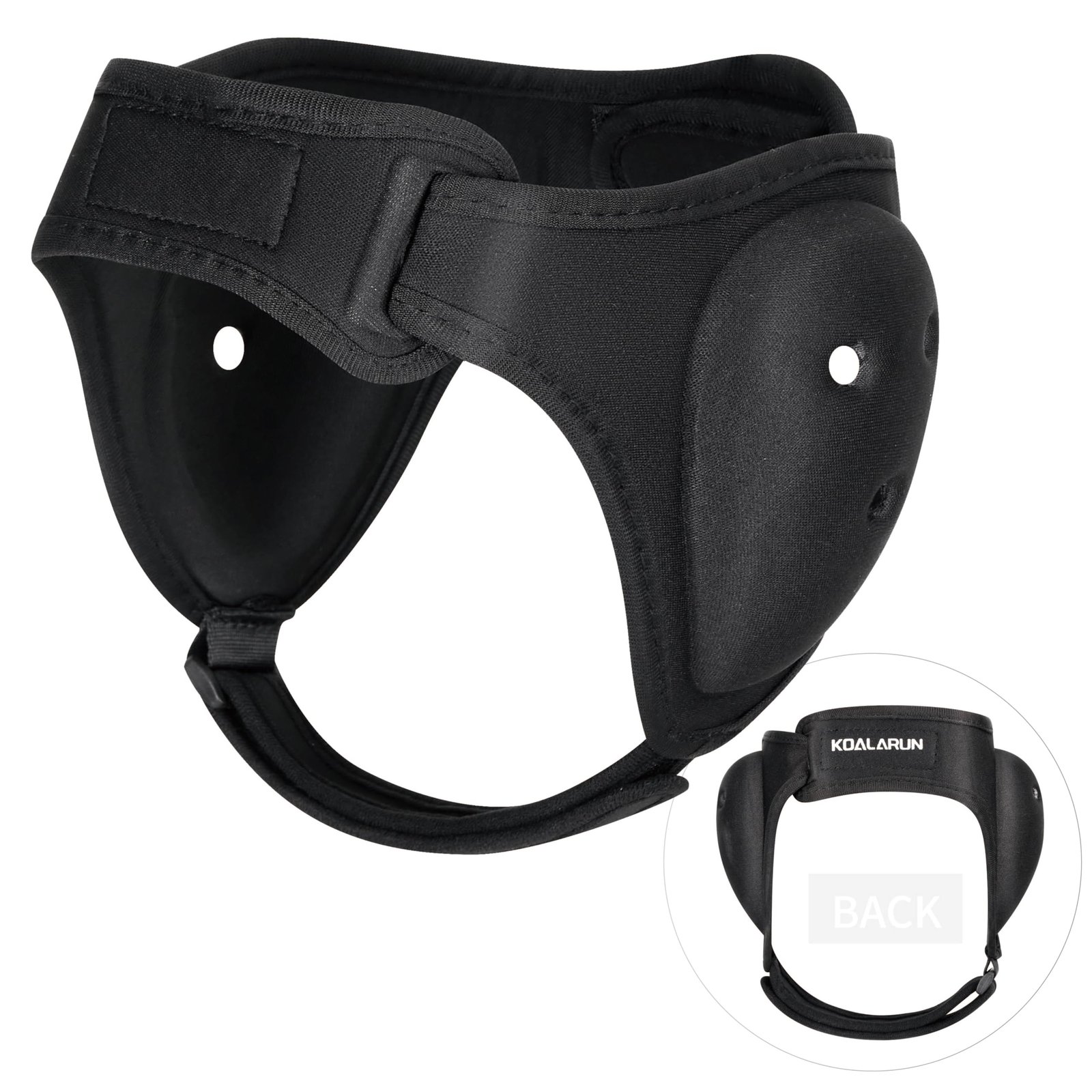
Straps eventually reach the end of their adjustment range, and foam padding that has compressed past a certain point stops returning to shape between sessions. At that stage, no amount of retightening restores the original fit, and continuing to train in a guard that’s structurally loosened defeats the purpose of wearing one. A reasonable rule many long-term no-gi competitors follow is to reassess a guard’s fit every training cycle the same way they’d check the tread on training shoes — not waiting for an obvious failure, but treating gradual fit loss as the expected lifecycle of the equipment rather than a surprise.
Getting the fit right the first time, running the shake test with every new guard, and rechecking after break-in solves the overwhelming majority of the slipping and shifting complaints grapplers post in gear forums. The guard itself is rarely the problem. The size on the label matching an actual head shape is.