
What Elite No-Gi Competitors Wear on Their Skin at ADCC and PGF
Every ADCC and PGF broadcast is full of technique breakdowns — the guard passes, the leg entanglements, the scrambles that decide medals. What rarely gets discussed is the layer of fabric underneath all of it. Elite no-gi competitors don’t pick a no-gi rashguard the way a hobbyist picks one off a shelf. Fit, sponsorship, and years of grip-fighting trial and error all collide in that single piece of gear, and watching how the best in the world make that choice tells you more about what actually works than any spec sheet.
The Patch Nobody Talks About
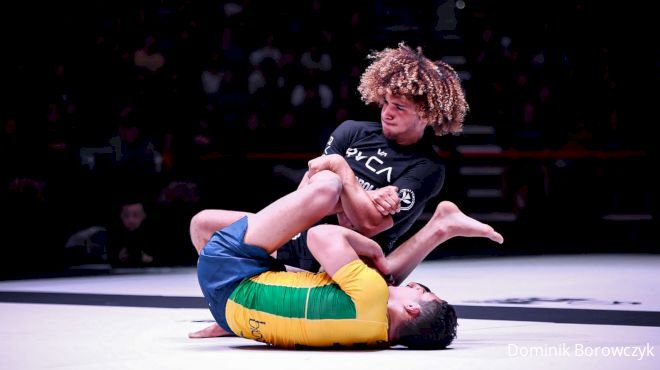
Look closely at any ADCC trials broadcast and you’ll notice the same handful of brand names cycling across competitors’ chests and sleeves: Fuji Sports, Hayabusa, Gr1ps, Tatami Fightwear, Venum. These aren’t random placements. Apparel companies in the grappling space build relationships with athletes long before those athletes are household names, betting on mat performance rather than social reach. By the time a competitor is standing on an ADCC podium, the rashguard they’re wearing has usually survived hundreds of hard training rounds first — the sponsorship followed the durability, not the other way around.
That distinction matters for anyone shopping for their own gear. A rashguard that looks identical to a competitor’s on camera isn’t automatically built to the same spec. Team and pro-line releases often use heavier compression panels and reinforced flatlock stitching that never makes it into the general retail version sold under the same name — the kind of construction difference broken down in The Science of No-Gi BJJ Gear: Fabric That Wins Rolls.
Fit Before Fabric: How Frame Size Drives the Decision
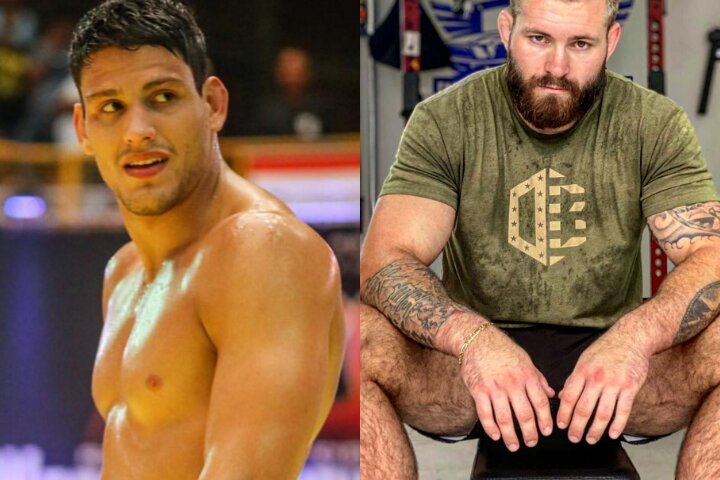
Talk to enough competitors and a pattern emerges: fit decisions are downstream of body type and game style, not brand loyalty. Mikey Musumeci, one of the most decorated lighter-weight competitors in the sport, competes with a compact frame built for speed and leg entanglement scrambles — his rashguards run snug through the torso with minimal excess fabric that could be grabbed during a leg lock exchange. Compare that to a longer-limbed competitor like Gordon Ryan, whose game leans on control positions and back exposure over extended periods, where torso length and sleeve coverage matter more than raw compression.

The Ruotolo twins, Kade and Tye, offer another useful case study. Both compete at a similar weight and build, yet their rashguard fits differ slightly based on how each grip-fights from turtle and scramble positions. This isn’t marketing — it’s the same reasoning a recreational grappler should apply. Body type and game style should decide fit before any logo does.
Compression Cut vs Loose Cut in Grip Exchanges
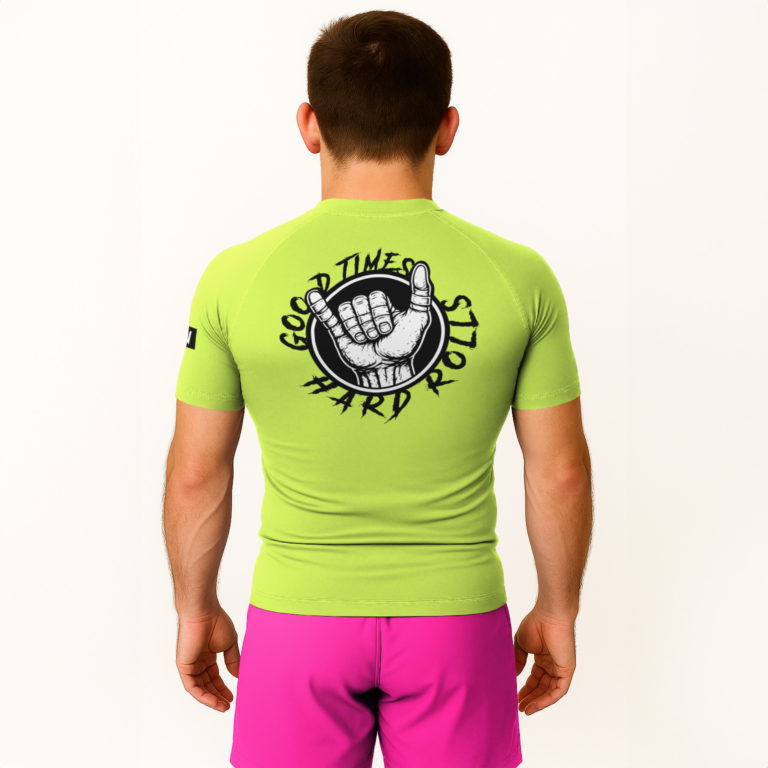
No-gi grip fighting happens through the fabric itself — collar ties, underhooks, and cross-face pressure all load directly onto the rashguard’s seams. A compression cut minimizes the amount of loose material an opponent can pinch or use as a grip point, which is why most elite competitors favor a snug fit through the torso even when a looser cut would feel more comfortable in warmups. The tradeoff is breathability: tighter compression traps more heat over a long tournament day, which is part of why competitors often size up slightly for early rounds and switch to a tighter competition cut for finals. If you’re still working out which fit suits your own game, How to Choose a No-Gi Rashguard for BJJ and Grappling in 2026 walks through the tradeoffs in more depth.
Sponsorship Deals Are Built on Mat Time, Not Instagram Followers
The grappling apparel market is small compared to mainstream combat sports, which means brands can’t afford to sponsor based on hype alone. Companies like Fuji Sports and Tatami Fightwear have built their reputations by outfitting competitors at events like PGF and ADCC, then using that visibility to sell the exact same cut to the hobbyist market. Felipe Pena’s decades on the ADCC podium, for example, have made him a long-running face for brands looking for credibility with serious competitors rather than casual buyers.
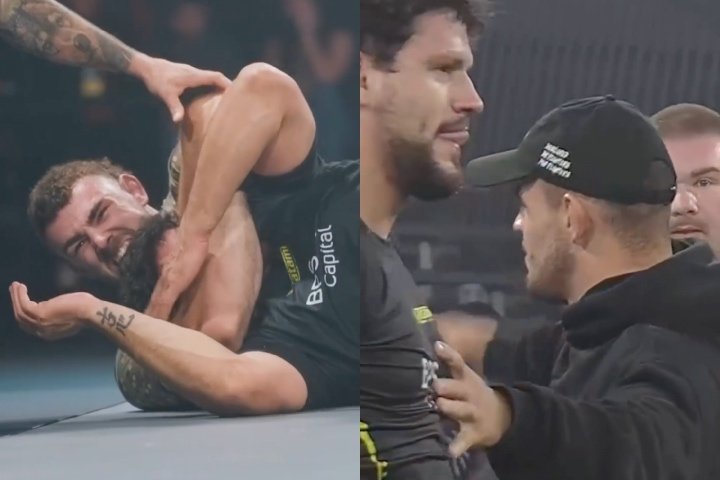
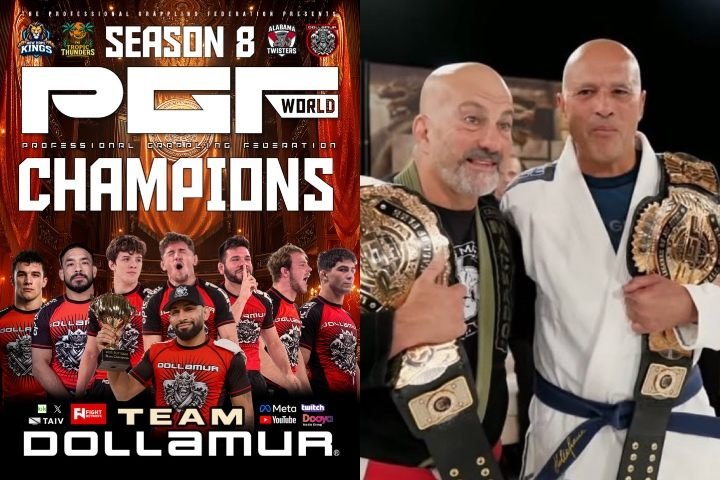
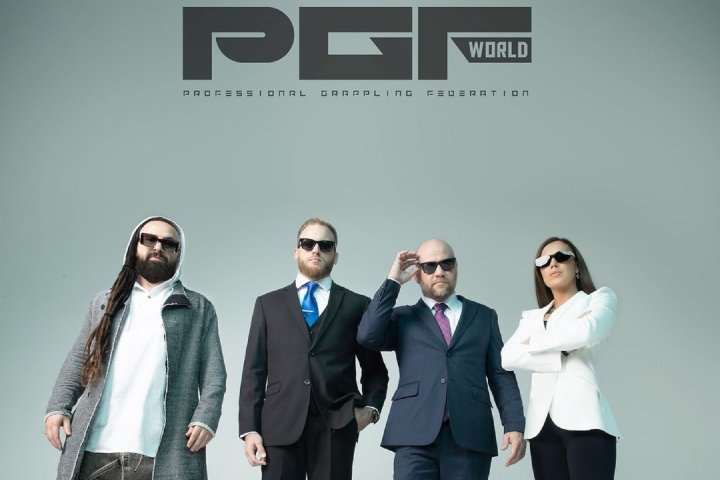
PGF’s growth into an eight-team league format has widened this ecosystem further. Team-based grappling means uniform rashguards designed around team branding rather than individual sponsorship, which has pushed manufacturers to develop cuts that satisfy an entire roster of different body types under one design. That engineering challenge — one cut working across a dozen different frames — has quietly improved off-the-rack sizing charts for everyone else buying the retail version.
When the No-Gi Rashguard Becomes a Liability Mid-Match
Grip fighting at the elite level is aggressive enough that gear failure is a real competitive risk, not just an inconvenience. A rashguard that rides up during a scramble exposes bare skin to mat burn and gives an opponent an extra half-second of visual distraction — both matter when matches are decided by single exposures or advantage points. This is part of why competitors test their competition-day rashguard extensively in training first rather than debuting new gear at an event, the same reason they keep a proven kit — not just a rashguard — dialed in; see Inside a No-Gi Competitor’s Gear Bag: What Actually Matters for what else makes that cut. A seam that holds up fine in a casual roll can fail under the sustained collar-tie pressure of a real match.
Why Elite Competitors Own a Dozen Nearly Identical Rashguards
Spandex loses its grip. Not overnight, but fast enough that a compression rashguard put through eighty or ninety hot-water wash cycles fits noticeably looser than one straight out of the packaging, and looser fabric is exactly what grip fighting punishes. That’s the real reason a competitor’s Instagram feed shows the same sponsor logo on what looks like the same shirt for two years running — it isn’t the same shirt. Most elite no-gi athletes rotate through six to a dozen nearly identical rashguards in a single season, retiring each one the moment the compression starts to give, long before there’s a visible hole or a frayed seam.
The rotation splits into two tiers most fans never notice. Training kit takes the daily punishment: hundreds of rounds, sweat, the wash cycle that slowly kills elastane. Competition kit is treated almost like a separate category of gear — pulled out of the bag maybe a dozen times a year, reserved for weigh-ins and bracket day, and retired to the training pile the moment it loses its snap rather than being worn until it fails. Many competitors keep at least one sealed, never-worn rashguard set aside specifically for tournament day, so gear check never becomes a variable to think about mid-event. PGF’s franchise model pushes the same idea further: teams issue new uniform kits at the start of each season, which means a Dollamur or Phenoms athlete is never competing in fabric that’s absorbed a full year of mat time.
There’s a second reason for the rotation that has nothing to do with fit: skin infection. Grappling gyms are documented vectors for staph, ringworm, and herpes gladiatorum precisely because rashguards spend hours in direct contact with sweat, mats, and an opponent’s skin. Competitors training twice a day cannot afford a mat-borne infection two weeks out from a title match, so a rashguard that’s been in heavy circulation for months gets pulled and replaced long before it looks worn out to a spectator. That’s a discipline most hobbyists skip entirely — wearing one rashguard until it stretches out, smells permanently of the mat, or visibly deteriorates is normal at the gym level, and it’s the opposite of what the people at the top of the sport actually do.
The takeaway for a recreational grappler isn’t to buy twelve rashguards. It’s to buy two and actually retire the older one on a schedule, instead of waiting for it to fail first. A $40 rashguard that’s lost its compression is a bigger liability in a real roll than most people give it credit for — the fabric that’s supposed to remove grip points becomes a grip point once it’s loose enough to bunch.
The Real Lesson for Recreational No-Gi Grapplers
None of this means a hobbyist needs a pro-line rashguard to train well. What it does mean is that the buying decision competitors make — fit dictated by body type and game style, fabric tested under real grip pressure, not chosen for logo recognition — is exactly the decision recreational grapplers should be making too. The best rashguard for BJJ and grappling in 2026 isn’t the one worn by the most decorated athlete; it’s the one built for how you actually roll.

Watch enough footage from ADCC trials, PGF matches, or ONE Championship’s grappling cards and the same lesson repeats: the competitors who look most comfortable mid-scramble aren’t wearing the flashiest gear. They’re wearing the gear that disappears — no bunching, no riding up, no grip points an opponent can exploit. That’s the standard worth shopping for, regardless of budget.