Darce vs Anaconda: 7 No-Gi Differences That Decide the Tap
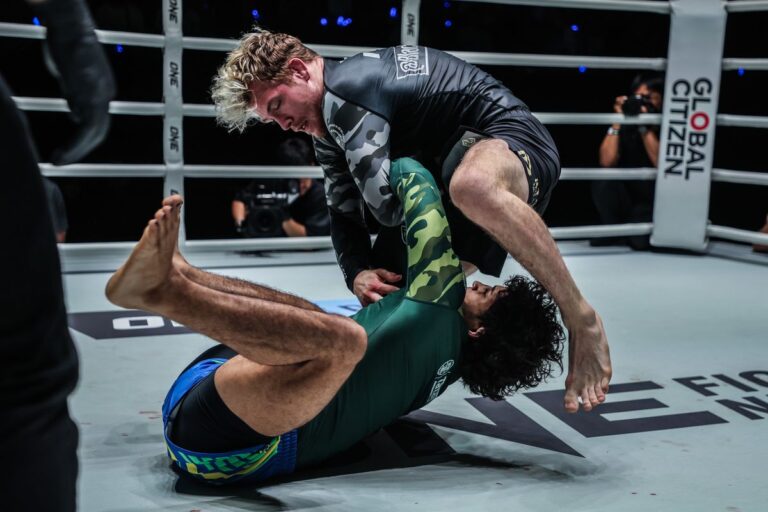
On April 19, 2026, Andrew Tackett dragged Renato Canuto into deep waters at UFC BJJ 2 and finished him with a darce choke in the main event. Three days earlier, Khamzat Chimaev caught Demetrious “Mighty Mouse” Johnson with the same submission during an off-camera roll that the MMA world replayed all week. Two of the loudest grappling stories of the spring, both decided by the same arm-in choke from the front headlock — and yet half the comment sections still called it an anaconda. The darce vs anaconda question keeps coming back because the two submissions look almost identical until the exact second they don’t.
This is the short answer: the darce threads the choking arm under the opponent’s near arm and finishes from the side; the anaconda threads over the near arm, scoops the far shoulder, and finishes after a roll. Same family, opposite grip path, completely different finishing geometry. Below are seven concrete differences between the darce and the anaconda — drawn from competition footage, instructional breakdowns, and the small, ugly details that decide whether your front headlock turns into a tap or a scramble.
Darce vs Anaconda: The 30-Second Answer
If someone yells at you across the mat asking which one they should hit, the honest answer is “whichever your opponent gave you.” The darce vs anaconda call is decided by the opponent’s near arm — specifically, whether it is in front of their face or pinned to their ribs. When the near arm is high and trapped against the opponent’s own neck, the darce arm slides under it and traps it against the choke. When the near arm is low, by their hip, the anaconda hand sneaks over the top of the shoulder line.
A useful rule from Edwin Najmi’s Darce The World system: if you can see the back of your opponent’s near tricep, you have a darce. If you can see the top of their shoulder, you have an anaconda. Read the visual cue first, then commit.
1. Arm Position — Where the Choking Hand Lives
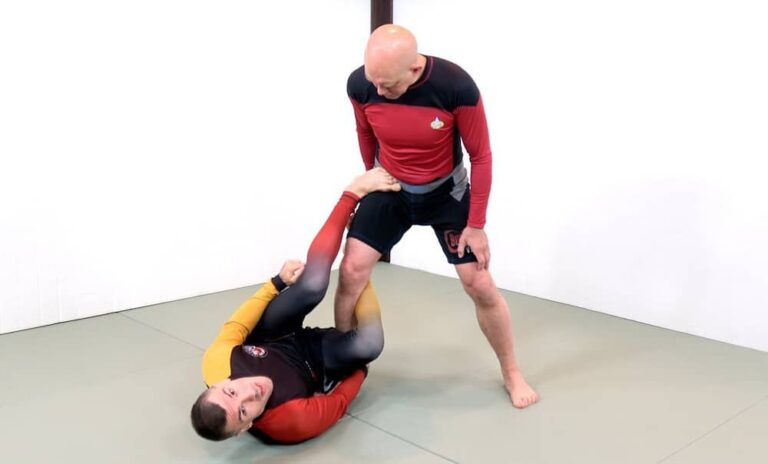
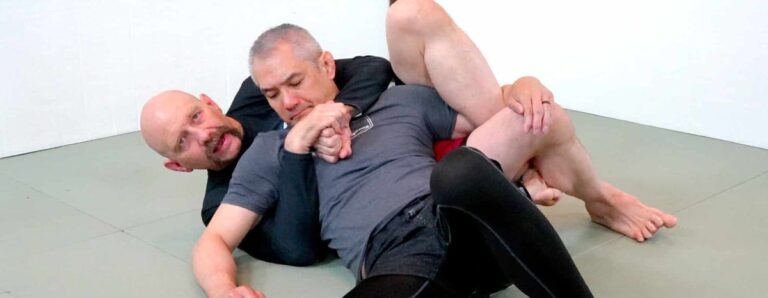
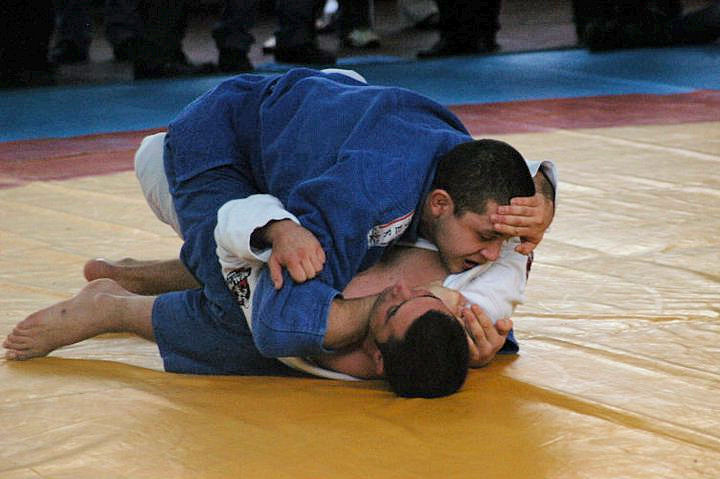
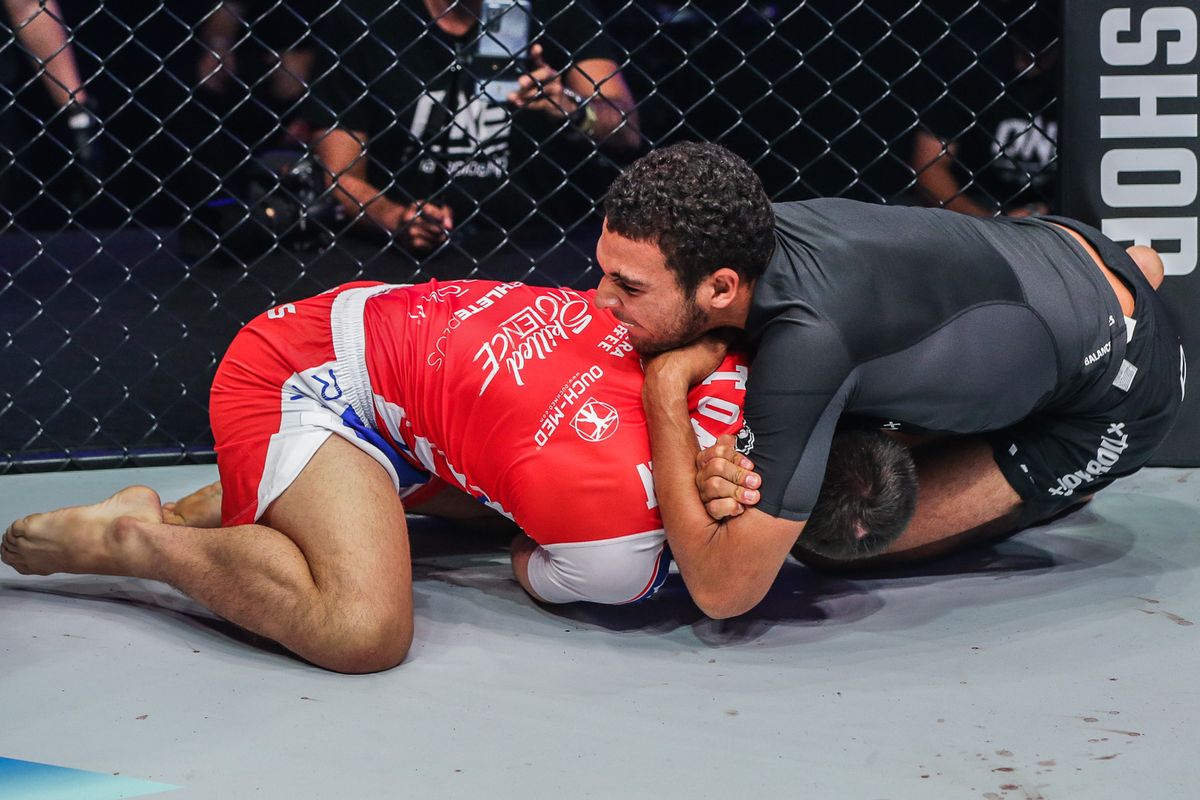
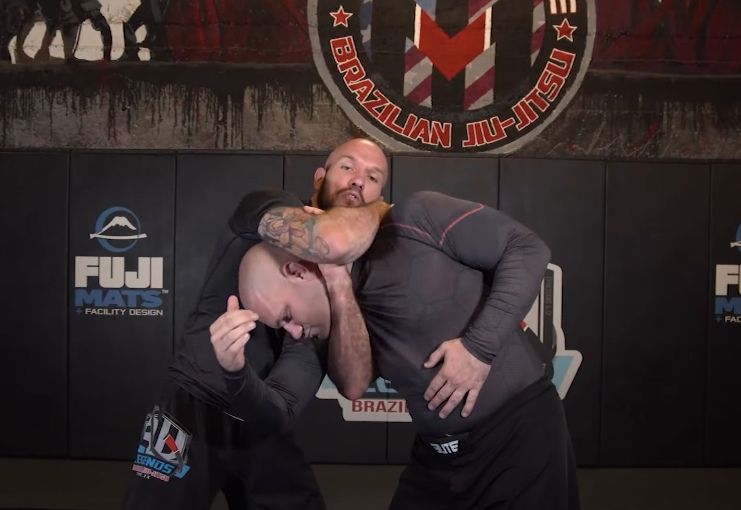
The mechanical line that separates the two submissions is the path the choking hand takes. For the darce, your bicep slides under the opponent’s near armpit, the hand reappears on the far side of their neck, and the second hand bites onto the bicep to form the figure-four. The opponent’s own shoulder becomes the back side of the choke; their carotid is the front. It is a sandwich made of two shoulders and a neck.
The anaconda flips that geometry. The choking arm rides over the trapped arm, hand spearing under the chin, fingers reaching for the opposite shoulder blade. There is no shoulder pinch behind the head. Instead, the opponent’s own bicep is what closes the carotid as you roll them. Same front headlock entry, opposite arm path — and that one difference cascades into everything else on this list.
2. Body Position — Side Control vs Belly-Down
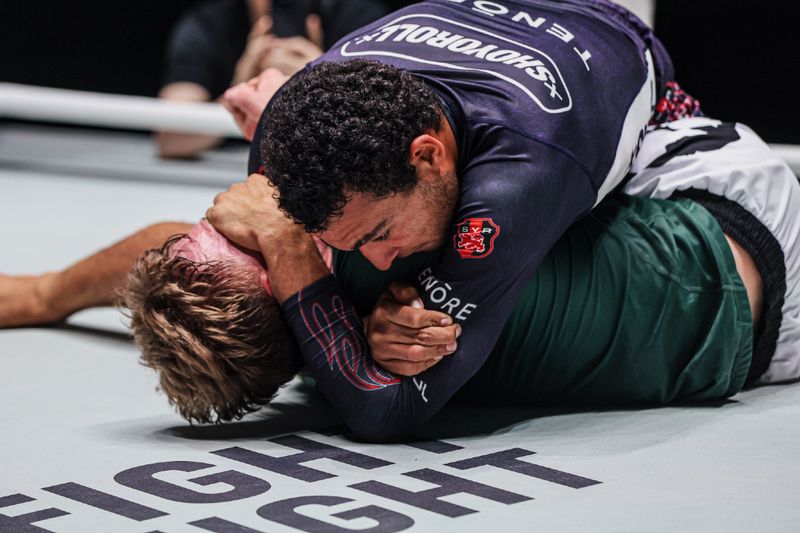
Watch any finish from Edwin Najmi or Andrew Tackett and you will see the darce finish from a position that looks like a tight, perpendicular side control. The attacker’s chest is high, ribs over the opponent’s shoulder line, legs scissored back to block the hip escape. The choke compresses as the attacker lowers a small amount of weight — not by spinning, not by rolling. Stillness wins the darce.
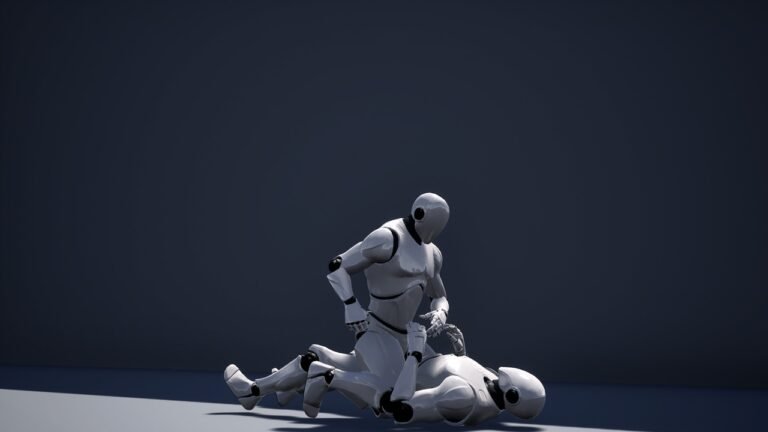
The anaconda is the opposite animal. It demands movement. After locking the figure-four, the attacker tips the opponent off the elbow and chases the roll, ending belly-down with the opponent’s back stuck against the mat. Most modern anaconda finishes — Charles Oliveira’s UFC kill list is the obvious reference — finish in that face-down position with the attacker driving forward like a half-cartwheel. The darce stays still. The anaconda travels.
3. The Snap Down vs the Scramble Entry
Both submissions love the front headlock, but they get there from different doors. The cleanest darce entries come off a stalled half guard pass or a flat-stuck opponent on bottom turtle — situations where the near arm is already pinned and the attacker just needs to thread. Andrew Tackett’s UFC BJJ 2 finish over Canuto, per FloGrappling’s live coverage, came after a long passing sequence where Canuto’s left arm got stuck high and never came down again.
The anaconda is built for the wrestling exchange. A snap down off a single-leg shot, an arm-drag that flattens the opponent, a sprawl that lands you chest-to-shoulder — that is anaconda country. The arm has to come over the top quickly, before the opponent posts their elbow and re-engages. Wrestlers gravitate to the anaconda because it punishes the same level changes they have already trained ten thousand times. Grapplers tend to drift toward the darce because it rewards positional patience, which is the BJJ instinct.
4. Half Guard: The Darce’s Home Court
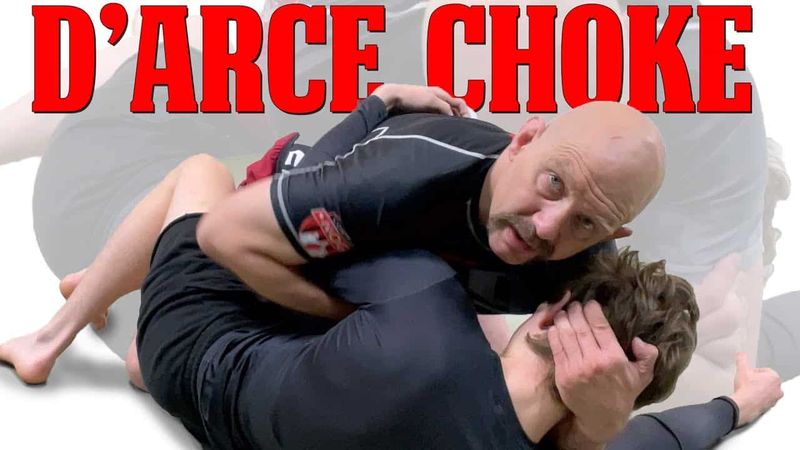
If you have to pick one position where the darce wins outright, it is bottom half guard. From there, the attacker on top stalls, the bottom player frames with their inside arm, and the attacker reads that frame as a free invitation. Slide the choking arm under the framing elbow, swim it up to the neck, find the figure-four, then slowly drop into the choke without ever leaving half guard. Tye Ruotolo’s standing darce variation is famous, but his half-guard entries are arguably more dangerous because they look passive until the tap.
The anaconda does not live there. The same elbow-frame that opens the darce closes the anaconda because the trapped arm wants to be lower — by the ribs, not by the chin — for the over-the-top grip to work. Try to anaconda someone who is half-guard framing and the choking hand has nowhere to go but back out. This is why coaches teach the darce as the half-guard finish and the anaconda as the open-mat finish.
5. The Anaconda Roll Is the Move With No Equal
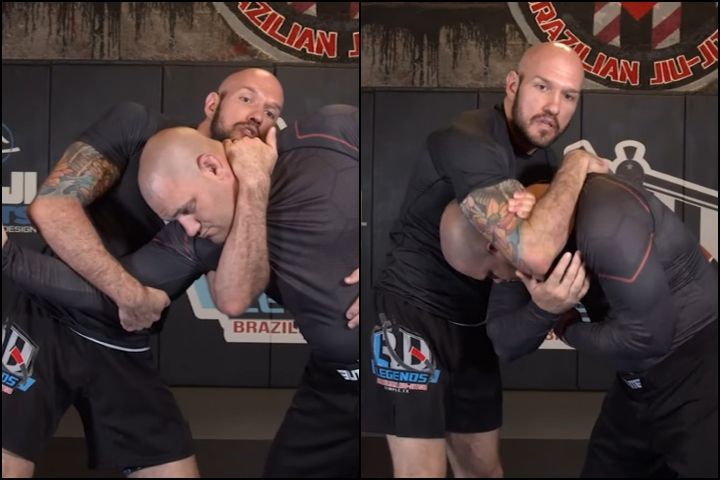
The single piece of technique the darce has no answer for is the anaconda roll. After locking the figure-four with the over-the-top grip, the attacker tips the opponent toward their own caught arm, follows them through a quarter rotation, and lands chest-down on the now exposed ribcage. The roll is the finishing mechanism — without it, the grip is just a lever with nothing to push against.
That roll is the reason wrestlers love the choke. It punishes the exact instinct a defending wrestler has, which is to re-base off the elbow and stand back up. Re-basing creates the rotation the attacker needs. The darce, by contrast, forgives an opponent who freezes — sometimes a frozen, defensive turtle is the easiest darce in the world. Anaconda needs action; darce eats inaction. Read your opponent’s hips before you commit. The opponent who shifts and squirms is anaconda bait. The opponent who curls inward and waits for the round to end is a darce waiting to happen.
6. Speed of Finish — Why Tackett’s Darce Took Four Minutes
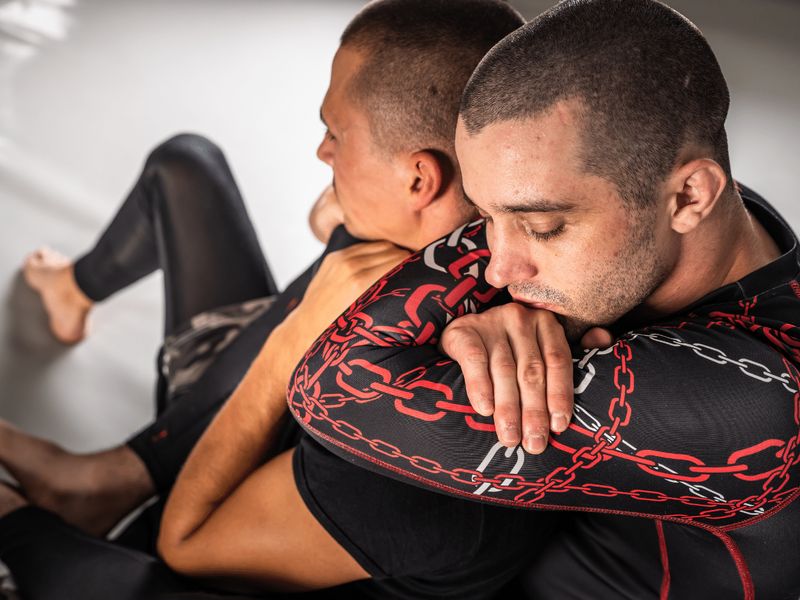
The two chokes finish at very different speeds, and that gap is the second most misunderstood thing about the matchup. A textbook anaconda finishes in seconds once the roll is initiated — the rotation slams the cardiotid against the trapped bicep with enormous mechanical advantage. Tye Ruotolo’s 97-second darce of Garry Tonon at ONE 157 was a darce, but most darce finishes in elite competition take significantly longer than that. They build pressure across rounds, not seconds.
Tackett’s UFC BJJ 2 finish was a slow burn, hunting the position across multiple guard pass attempts before the choke finally closed. That pattern is normal. The darce wears an opponent down; the anaconda detonates. If you are the bottom player and your opponent threads the darce arm, you might have 30 to 90 seconds to defend. If your opponent locks the anaconda figure-four and starts the roll, you have closer to five.
7. Defense — What Stops Each Choke Cold
Defending the darce is positional. The instant the choking arm threads, the bottom player has to drop the near shoulder to the mat, hide the chin, and walk the hips away from the attacker’s chest. That single hip-walk movement opens up enough space to pull the head out before the figure-four locks. Most darce escapes work for the simple reason that the choke needs total stillness from the attacker — any frame the defender creates can be exploited.
Defending the anaconda is reactive. Once the over-the-top grip is in, the defender has to slap the mat with the far hand to block the roll, then sit up into the attacker. Going belly-down — the instinct most beginners have — is what finishes the choke. The Khamzat–Mighty Mouse video that went viral in April 2026 showed Mighty Mouse using exactly this counter, stopping the rotation with his far arm before sliding his head out the back door. That escape only buys time; it does not undo the position. Better to never let the grip close in the first place.
For deeper drills on each, the Darce Choke No-Gi Setups guide and the Anaconda Choke No-Gi Setups guide on this site cover the seven highest-percentage entries for each.
Who Hits Which? Real-World Specialists
Edwin Najmi is the patron saint of the no-gi darce. His record lists eight darce-choke finishes at black belt, which is a number nobody else in modern BJJ comes close to. Watch his Pan Ams runs and you will see the same pattern — front headlock, half guard top, slow strangle, opponent taps before they realize the round changed.
Tony Ferguson made the darce a UFC fixture in the lightweight division, finishing Mike Rio and Lando Vannata with it among others. On the anaconda side, the Ruotolo brothers innovated the standing darce, but Kade in particular hunts the anaconda roll off scrambles in ways that look unfair on tape. Andrew Tackett’s UFC BJJ 2 win adds another high-level data point: the darce is alive in 2026 and finishing main events.
Which Should You Drill First?
If you train no-gi and you have never finished either, the honest recommendation is to drill the darce first. The position is more forgiving on the entry, the body position rewards the same mechanics you already use in side control, and the failure mode is usually a missed submission rather than a lost position. The anaconda is more athletic, requires committing to a roll, and punishes a slow figure-four by giving up your back.
Drill the darce until you can finish it from half guard top three times in a row against a resisting partner. Then learn the anaconda specifically as a counter for the opponents who shrug off the darce by ducking their shoulder under your chest. The two together cover almost every front headlock situation a no-gi grappler will ever see. A clean rashguard helps — sweat-saturated material slides on the grip — so if you are training submission-heavy rounds, a fresh top matters more than people admit. The short vs long sleeve breakdown on this site covers which top works best for front-headlock heavy training.
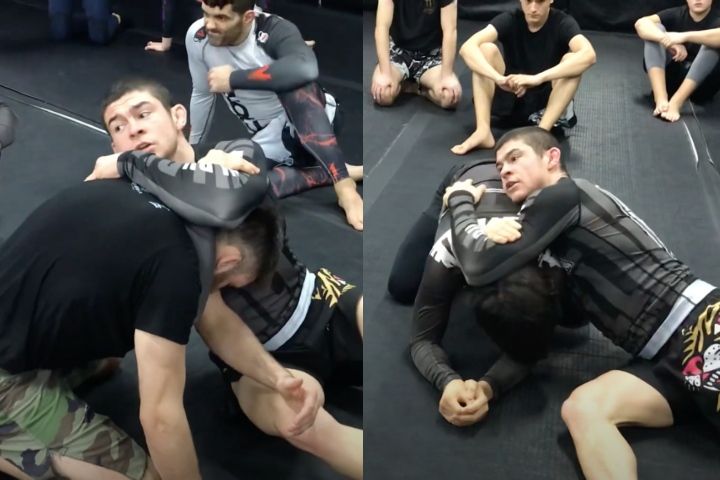
Watch It Live
The cleanest visual breakdown of the darce vs anaconda difference is the Energia Martial Arts full-system video below. It demonstrates the under-arm versus over-arm path side by side, which is the moment most beginners get the two confused.
The Pick
If forced to choose only one, the darce wins on availability. It shows up in more positions, finishes more often in modern no-gi, and rewards the patient, positional style that most BJJ practitioners already train. The anaconda is the higher-ceiling move — when it works, it works in seconds — but the entry windows are narrower and the failure mode is uglier. Drill the darce until it is automatic. Add the anaconda as the answer to the opponents who duck under your chest. That pairing covers almost every situation the front headlock will ever hand you, and it is the same blueprint Najmi, Tackett, and the Ruotolos have already proven on the highest stages.
Sources
- FloGrappling — UFC BJJ 2 Live Updates: Tackett Submits Canuto in Main Event — primary source for Tackett’s darce finish
- Digitsu — Darce The World by Edwin Najmi — instructional system reference for darce mechanics
- BJJ Heroes — Darce Choke Technique History — origin and naming context, Joe D’Arce / Milton Vieira
- FloGrappling — Tye Ruotolo Athlete Page — standing darce specialist reference
- Evolve MMA — BJJ 101: D’Arce Choke — supplementary technique breakdown
Browse our top-rated rashguards and no-gi gear at the RashguardGuy shop →