Darce Choke: 7 No-Gi Setups That Win Matches
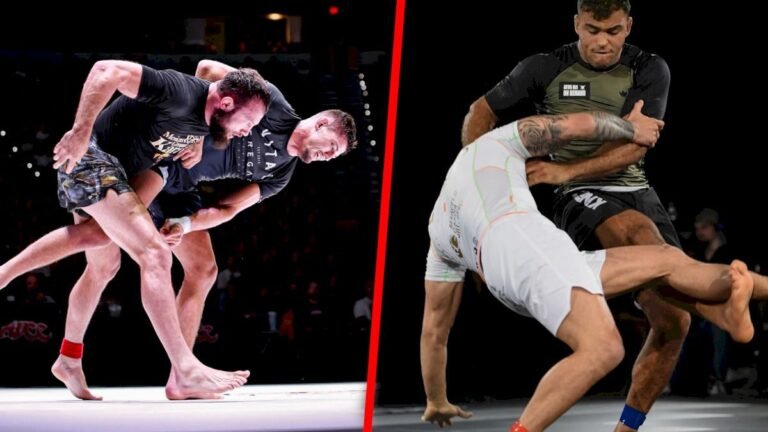
The darce choke has become one of the most feared submissions in no-gi grappling, MMA, and Brazilian jiu-jitsu. Unlike traditional gi chokes that rely on fabric grips, the darce choke uses pure leverage and positioning to create a devastating arm triangle from multiple positions. This versatile submission has ended fights in the UFC octagon, dominated ADCC competitions, and continues to evolve as grapplers discover new entries and setups.
From Tony Ferguson’s lightning-fast darce finishes to the technical precision seen in modern no-gi competitions, understanding this submission is essential for any serious grappler. In this comprehensive guide, we’ll break down the mechanics, explore seven proven setups, and reveal the details that separate amateur attempts from fight-ending submissions.
What Is the Darce Choke
The darce choke, also known as the D’Arce choke or no-gi brabo choke, is named after Joe D’Arce, a black belt under Renzo Gracie who popularized the technique in grappling competitions during the 1990s. While D’Arce didn’t invent the submission, his effective use of the technique in high-level competition earned him the naming rights to this powerful choke.
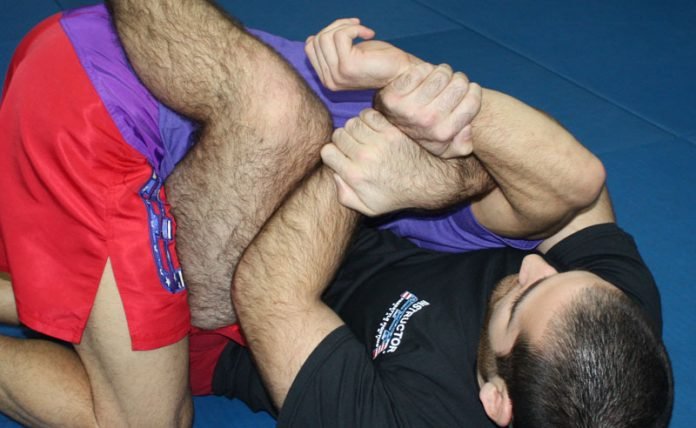
Mechanically, the darce choke works as an arm triangle where the attacker threads their arm under the opponent’s near arm and across their neck, creating a figure-four grip to compress the carotid arteries. The opponent’s own arm becomes part of the choking mechanism, making escape extremely difficult once proper positioning is achieved.
What makes the darce particularly effective in no-gi grappling is its reliance on body positioning rather than fabric grips. Without gi collars to grab, grapplers must rely on fundamental leverage principles that the darce choke exploits perfectly. The submission can be applied from numerous positions including half guard, front headlock, turtle, and even standing situations.
The key difference between the darce and other arm triangles lies in the arm threading direction. In a darce choke, the choking arm goes under the opponent’s near arm, while in an anaconda choke, it goes over the far arm. This subtle difference creates entirely different setup opportunities and finishing mechanics.
Darce Choke vs Anaconda Choke vs Arm Triangle
Understanding the differences between these three arm triangle variations is crucial for choosing the right submission in different scenarios:
| Submission | Arm Threading | Finishing Position | Best Setups | Primary Targets |
|---|---|---|---|---|
| Darce Choke | Under near arm, across neck | Side control, sprawl position | Half guard top, front headlock, turtle | Carotid arteries |
| Anaconda Choke | Over far arm, under head | Side control, rolling finish | Front headlock, sprawl, single leg defense | Carotid arteries + trachea |
| Arm Triangle | Over near arm, across neck | Mount or side control | Mount, side control, top half guard | Carotid arteries |
Each variation has specific advantages: the darce excels in scrambles and dynamic situations, the anaconda works well from wrestling positions, and the traditional arm triangle dominates from established top positions. Master grapplers often chain these submissions together, using one setup to create openings for another.
7 No-Gi Darce Choke Setups That Actually Work
1. From Front Headlock / Snap Down
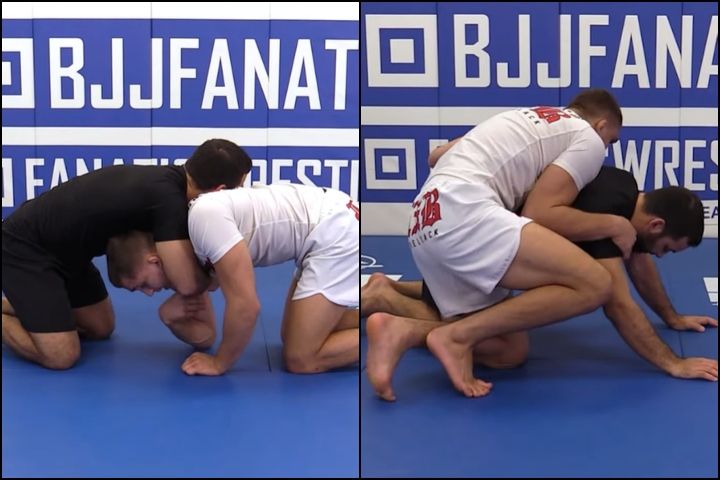
The front headlock is perhaps the highest-percentage entry into the darce choke. When an opponent shoots for a takedown or gets sprawled on, they often end up in a vulnerable front headlock position where the darce becomes readily available.
To execute from front headlock: secure a tight overhook on the head and underhook on the near arm. As the opponent attempts to stand or circle out, thread your choking arm under their near armpit and across their neck. Lock the figure-four grip and drop your weight to the side opposite your choking arm while maintaining the front headlock control.
The key details include keeping the elbow of your choking arm tight to prevent the opponent from clearing it, and using your hips to create the finishing angle. Many grapplers attempt to finish the darce from directly above, but the proper angle is more horizontal, creating maximum pressure on the neck.
2. From Half Guard Top (Opponent Frames or Underhooks)
Half guard presents numerous darce opportunities, especially when the bottom player becomes defensive with frames or attempts underhooks. When your opponent creates space with frames or reaches for underhooks, they expose the near arm for darce entry.
The setup begins when the bottom player pushes against your chest or shoulder with their near arm. Instead of fighting the frame, use it as an invitation to thread your arm underneath and across their neck. This often catches opponents off-guard because they expect you to fight their frame, not use it against them.
Common mistakes include rushing the setup and telegraphing the intention. The best half guard darce attacks appear to come from nowhere, capitalizing on the opponent’s defensive reactions rather than forced entries.
3. From Turtle / Back Take Attempt
The turtle position offers excellent darce opportunities, particularly when the bottom player attempts to defend back takes or stand up. As you attack the turtle, your opponent will often turn into you or attempt to clear your hooks, creating perfect darce entries.
When attacking turtle, establish head and arm control first. As the opponent turns to face you or attempts to clear your position, immediately look for the darce entry. The key is being ready to abandon back take attempts in favor of the submission opportunity.
This transition from back attack to darce often surprises opponents who are focused on preventing back control. The submission can happen extremely quickly once you recognize the opening and have the timing down.
4. From Side Control (Opponent Turns In)
Side control darce attacks typically occur when the bottom player makes the mistake of turning into you rather than away. This defensive error creates an immediate opening for darce entry, often resulting in quick submissions.
The setup requires patience and proper pressure. Maintain heavy side control while waiting for your opponent to turn. When they do, immediately thread your near arm under their exposed arm and across their neck. Use your body weight to prevent their escape while securing the submission.
Many grapplers force this position instead of letting it develop naturally. The most successful side control darce attacks come from reading the opponent’s movement and capitalizing on their defensive mistakes.
5. From Sprawl After Failed Takedown
Sprawling against takedown attempts creates numerous darce opportunities as opponents often end up in compromised positions with exposed arms and necks. The sprawl-to-darce combination is particularly effective against single leg and double leg takedown attempts.
When you successfully sprawl, immediately look for front headlock control while the opponent is still committed to their takedown. As they try to complete the takedown or circle out, thread your arm for the darce entry. The opponent’s forward momentum often helps you secure the position.
Timing is crucial in these situations. The window for darce entry is often brief, occurring in the transition between the failed takedown and the opponent’s defensive reaction. Practice recognizing these moments in live sparring.
6. Counter to Single Leg Takedown
Single leg takedown attempts create specific darce opportunities due to the attacker’s arm positioning and body angle. As the opponent commits to the single leg, their head and near arm become vulnerable to darce entries.
The defense begins with proper sprawl mechanics, but instead of simply defending the takedown, you actively look for the darce entry. Thread your arm under their exposed armpit while they’re still holding your leg. The opponent’s commitment to the takedown prevents them from immediately defending the submission.
This counter-attack approach turns defensive situations into offensive opportunities. Instead of just surviving takedown attempts, you actively threaten submissions, forcing opponents to reconsider their wrestling attacks.
7. From Standing / Clinch (Rare but Devastating)
Standing darce chokes are uncommon but extremely effective when properly executed. These typically occur in clinch situations where one fighter gains front headlock control and manages to secure the darce grip while standing.
The standing version requires exceptional grip strength and timing. Secure the darce grip in the clinch, then use hip movement and leverage to apply pressure. Often, you’ll need to bring the fight to the ground to complete the submission, but the control established standing makes the finish almost inevitable.
While rare in pure grappling, standing darce chokes appear more frequently in MMA where cage work and clinch fighting create unique opportunities. The element of surprise makes these submissions particularly dangerous.
How MMA Fighters Use the Darce Choke
The darce choke has found a prominent place in mixed martial arts, with several UFC fighters becoming known for their proficiency with this submission. Tony Ferguson stands out as perhaps the most successful darce practitioner in MMA, using the technique to finish multiple opponents in spectacular fashion.
Ferguson’s darce choke victories include his UFC 166 submission of Mike Rio, which remains one of the fastest darce finishes in UFC history at just 1:52. His ability to find the submission in scrambles and transitions has made him a constant threat on the ground. Ferguson’s success with the darce comes from his willingness to abandon dominant positions in favor of submission opportunities.
Islam Makhachev has also demonstrated effective darce choke usage, particularly in his grappling competitions and MMA training. His wrestling base creates natural darce opportunities as opponents attempt to defend takedowns or escape inferior positions.
Other notable UFC practitioners include Jorge Masvidal, who submitted Michael Chiesa with a perfectly timed darce, and Chris Weidman, whose darce choke victory over Tom Lawlor showcased the submission’s power when applied with proper technique.
What makes the darce particularly effective in MMA is its versatility across different phases of fighting. Whether in standup clinch work, takedown scrambles, or ground control positions, the darce remains a constant threat that opponents must respect.
Common Darce Choke Mistakes and How to Fix Them
Insufficient Arm Depth: The most common mistake is failing to get the choking arm deep enough under the opponent’s armpit. Without proper depth, the choke lacks the leverage needed to finish. Focus on getting your elbow past the opponent’s back before attempting to secure the neck.
Wrong Hip Position: Many grapplers try to finish the darce from directly above the opponent, which reduces effectiveness significantly. The proper finishing position is more to the side, creating a better angle for compression. Practice adjusting your hip position to find the optimal finishing angle.
Weak Figure-Four Grip: A loose or improper figure-four grip allows opponents to escape even well-positioned darce attempts. Ensure your hands are properly locked with the choking arm’s hand gripping your support arm’s bicep, not the forearm.
Squeezing Too Early: Attempting to finish before achieving proper position telegraphs the submission and allows skilled opponents to escape. Focus on positioning first, pressure second. The submission should feel inevitable once properly set up.
Neglecting Head Control: Losing control of the opponent’s head during the setup allows them to posture up and escape. Maintain constant pressure with your non-choking arm throughout the entire setup and finishing sequence.
How to Defend the Darce Choke
Posture and Frame: The primary defense begins with maintaining good posture and creating frames to prevent the initial arm threading. Keep your elbows tight to your body and avoid reaching across your opponent’s body in vulnerable positions.
The Houdini Escape: If caught in a developing darce, immediately work to free your trapped arm by pulling your elbow back toward your body while turning toward the choking arm. This classic escape requires quick recognition and immediate action.
Von Flue Counter: When the darce is secured but not yet finished, you can sometimes counter with a Von Flue choke by controlling your opponent’s head and applying pressure with your shoulder. This counter only works if your opponent has poor positioning.
Prevention Through Positioning: The best darce defense is avoiding vulnerable positions entirely. Be cautious when turning into opponents from bottom positions, and always maintain awareness of arm positioning in scrambles and transitions.
Hand Fighting: In the early stages of darce setup, aggressive hand fighting can prevent the opponent from securing proper grip and positioning. Fight to keep your arms free and maintain good structure throughout exchanges.
Advanced Darce Choke Details for Competition
At the highest levels of no-gi grappling, darce choke setups become increasingly sophisticated. ADCC competitors often use false attacks to create darce opportunities, threatening other submissions to force defensive reactions that open darce entries.
The concept of “chaining” submissions becomes crucial with darce attacks. Experienced grapplers rarely commit to a single submission attempt, instead using darce threats to access other techniques like leg locks or back takes.
Modern darce choke evolution includes grip variations and finishing adjustments that weren’t common in earlier iterations of the technique. Some grapplers now use modified grips that provide better control while maintaining submission effectiveness.
Competition-level darce attacks often involve extensive setup work, including controlling the opponent’s movement patterns and creating specific reactions that lead to submission opportunities. This level of sophistication requires deep understanding of both the technique and opponent psychology.
Training the Darce Choke System
Developing an effective darce choke requires systematic training across multiple areas. Begin with static positioning drills to understand proper hand placement, arm threading, and hip positioning. These fundamentals must become automatic before attempting dynamic applications.
Flow drilling is essential for developing the timing and sensitivity needed for high-level darce attacks. Practice transitioning into darce attempts from various positions, focusing on recognizing the subtle cues that indicate opportunity.
Integration with wrestling takedowns creates a well-rounded attack system. Understanding how takedown attempts create darce opportunities adds another dimension to your grappling game.
Sparring with specific goals helps develop darce recognition in live situations. Set rounds where you focus specifically on finding darce opportunities, even if you don’t always complete the submission.
Study high-level competition footage to see how elite grapplers set up and finish darce chokes. Pay attention to the subtle details that separate successful attempts from near-misses.
The Future of Darce Choke Development
As no-gi grappling continues evolving, the darce choke adapts to modern defensive strategies and rule sets. Current trends show increasing integration with guard retention systems and leg attack entries.
The rise of submission-only competitions has influenced darce choke applications, with grapplers developing new patience-based approaches that prioritize position over quick finishes. These methodical approaches often lead to higher success rates against defensive specialists.
Cross-training between wrestling and Brazilian jiu-jitsu continues producing new darce variations and setups. Athletes with strong wrestling backgrounds bring unique perspectives to traditional BJJ techniques, creating hybrid approaches that combine the best of both arts.
Technology and video analysis have accelerated darce choke development, allowing grapplers to study technique details frame by frame. This analytical approach has revealed previously overlooked elements that improve success rates significantly.
YouTube Tutorial
Here’s an excellent no-gi darce choke tutorial from Jordan Teaches Jiujitsu, covering the fundamental mechanics and common setups:
Sources
- UFC.com – “By the Numbers: Inside the D’Arce Choke” – Analysis of UFC darce choke finishes and statistics
- FloGrappling.com – ADCC Competition Archives – Technical analysis from world-class no-gi competitions
- Evolve MMA – “The History and Significance of the ADCC Submission Fighting World Championship” – Background on no-gi grappling evolution
- Wikipedia – “Submission Wrestling” – Historical context and technical definitions
- ADCC Official Rules and Regulations – Official competition standards for no-gi grappling
- UFC Fight Pass – Tony Ferguson submission highlights and technical breakdowns
- BJJ World Magazine Archives – Historical darce choke development and technique analysis
- Sherdog.com MMA Forums – Community discussion and technical analysis from practitioners
Browse our top-rated rashguards and no-gi gear at the RashguardGuy shop →