Heel Hook BJJ: 7 No-Gi Truths That Save Your Knee
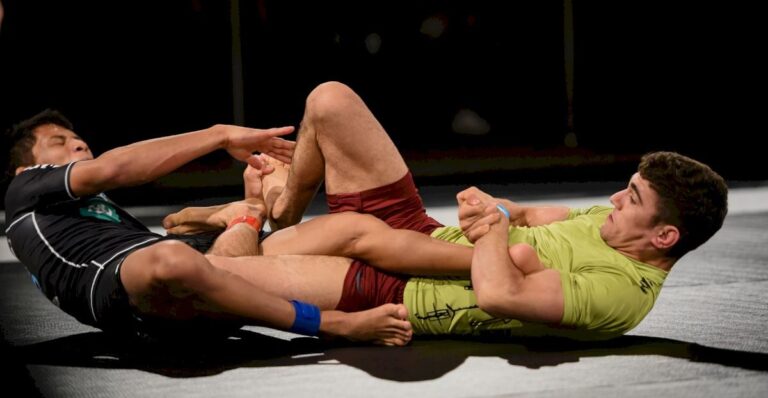
The heel hook BJJ tap window is roughly 1.4 seconds — that is the average gap top instructors report between the moment a competitor feels real torque and the moment a ligament gives way. Miss it, and the next sound on the mat is a wet pop you do not forget. A heel hook is a leg lock that rotates the heel to twist the knee, and in no-gi grappling it has become the single most decisive submission of the modern era.
It also has the highest catastrophic injury rate of any commonly trained submission. A 2009 case report in the British Journal of Sports Medicine documented an ACL rupture caused by a single heel hook applied under control during sparring. Most heel hook injuries do not happen during a match — they happen during Tuesday-night drilling with someone who did not know what they were holding.
What Makes the Heel Hook BJJ’s Most Feared Submission
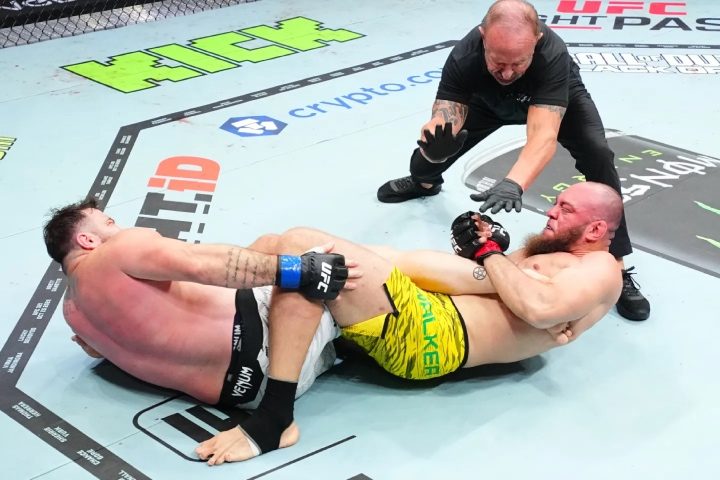
Every other leg attack — straight ankle lock, kneebar, toe hold — works on a hinge or a single tendon. The heel hook is different because it loads the entire knee joint sideways. Your knee is built to bend forward and back, not to spin like a doorknob. When the heel rotates and the thigh stays locked, the force has nowhere to go except into the ACL, the MCL, and the meniscus, often all three at once.
That mechanical fact is why the heel hook bypasses the warning system grapplers rely on. A kneebar hurts long before it breaks. A heel hook does not always hurt at all until something tears. Lachlan Giles, who finished Kaynan Duarte, Patrick Gaudio, and Mahamed Aly with inside heel hooks at ADCC 2019, has said in interviews that opponents often tap from the position itself — not the pain — because anyone who waits to feel pain is already injured.
The submission also scales beautifully against bigger opponents. Wrestling and pressure-passing reward weight. Chokes reward neck length. A heel hook only needs a heel and a hip to immobilize it, which is why a 77 kg grappler can finish a 99 kg heavyweight inside the first round.
Inside vs Outside Heel Hook: Why One Costs You Months
Both versions twist the heel, but they load different structures. The outside heel hook turns the foot away from your opponent’s body — the rotation feeds into the ankle first, then the knee, which is why an outside heel hook is more likely to ruin a foot than a knee. Recovery from a torn deltoid ligament in the ankle is rough but survivable. You roll again in six to ten weeks.
The inside heel hook is a different animal. The heel rotates toward the opponent’s midline, which sends the force directly into the medial side of the knee. Sports physio data consistently shows the inside heel hook as the leg attack most associated with combined ACL-MCL-meniscus tears, the same trio that ends NFL careers. Best-case rehab from a full inside heel hook injury is six months. A torn cruciate plus MCL is closer to twelve, and that is if the surgery goes well.
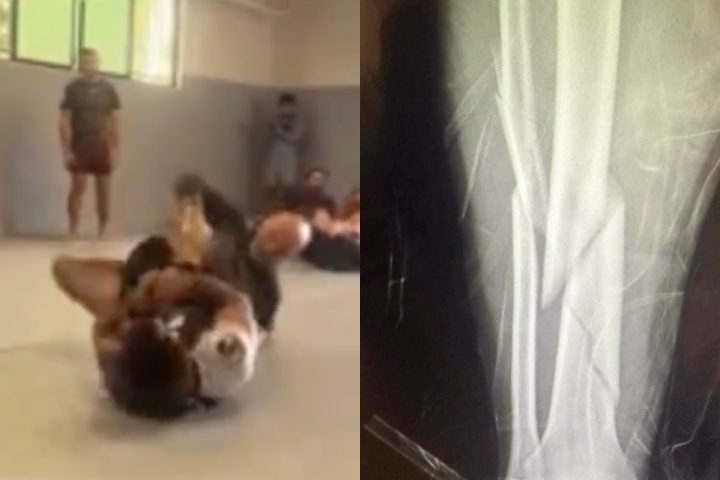
This is the part most beginner guides skip. The two heel hooks are not the same submission with a mirrored grip. They have different injury profiles, different rule statuses in some federations, and different escape priorities. Treating them as interchangeable is how people lose careers.
Mechanics of the Tap — and the Injury That Skips It
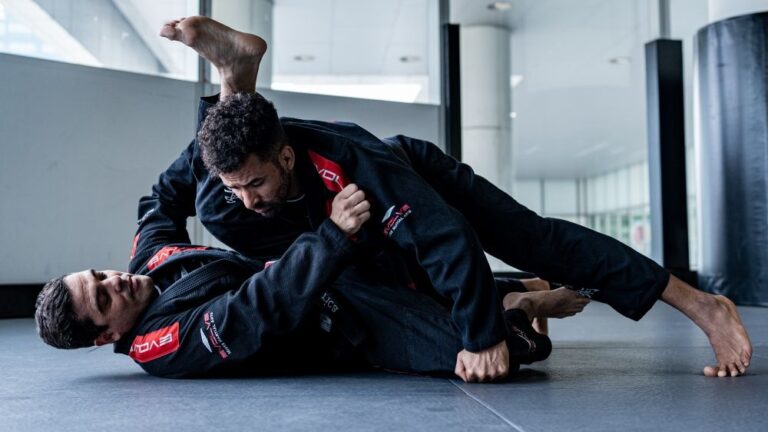
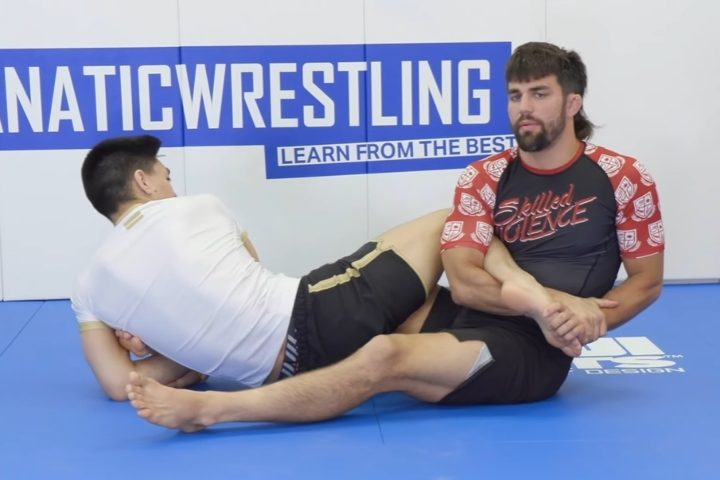
Every heel hook finish requires three pieces locked at the same time: knee line control, heel grip, and rotational torque. Lose any one of them and the submission falls apart. Hold all three for half a second and the joint fails.
Knee line control means your attacking legs pinch above the opponent’s knee so the thigh cannot rotate. The phrase you will hear in every leg lock instructional is “control the knee, finish the heel.” Without that pinch, the opponent simply spins out and the heel grip slides off. With it, the thigh becomes a fixed lever and the heel becomes the handle.
Heel grip is wrist-to-blade-of-the-hand under the Achilles tendon, with your forearm or armpit trapping the toes. The grip people use first — palm cupping the heel — leaks force every time. You want the heel anchored against the bony part of your wrist so the rotation is bone on bone, not muscle on muscle.

The rotation itself should be slow and small. Coaches who teach the heel hook safely all repeat the same instruction: extend, do not crank. The grip and the knee line are doing the work. If you have to throw your hips into the rotation to get a tap, you have lost the position and are now just trying to hurt someone.
Defense Hierarchy: 5 Things to Do Before Anything Else
Most heel hook defenses on YouTube show the escape — the boom-boom roll, the dive-out, the foot pommel. Those are useful, but they are step four or five. The first defense is positional, and it starts the moment you feel a leg slide between yours.
- Hide the heel. Point your toes hard and turn your heel flat against your own shin. No heel exposed means no grip available.
- Kill the knee line. If your opponent gets their feet across your hip, they have ashi garami and the clock starts. Bring your trapped knee across their centerline to break the grip.
- Boom roll the right direction. Roll away from the rotation, not into it. Rolling the wrong way is what tore Rousimar Palhares’ opponents’ knees in the early UFC days.
- Pommel the inside foot out. If your inside foot is loose, you can step over their entanglement and reverse into a leg drag.
- Tap early. If you are caught flat-footed in a deep inside heel hook from a competent black belt, tap and live to roll the next round. There is no medal worth a reconstructed ACL.
For deeper position work, our complete guide to ashi garami covers the leg entanglement framework these defenses depend on.
The video below from Craig Jones and Lachlan Giles — two of the most dangerous heel hookers in the sport — is one of the rare ones that focuses on the defensive rolling mechanics rather than the finish.
Rule Set Reality Check: IBJJF, ADCC, CJI, UFC BJJ
The legality of the heel hook depends on where you are competing, and the rules have changed faster in the last five years than the previous twenty combined. ADCC has always allowed heel hooks across every adult belt level — that permissive ruleset is the reason ADCC became the proving ground for the modern leg lock game.
IBJJF was the holdout for decades. The federation finally opened up: heel hooks are now legal in IBJJF no-gi for adult brown and black belts, but they remain banned in gi competition and at every belt below brown in no-gi. Twisting leg locks at blue and purple belt are still an automatic disqualification under IBJJF rules.
The newer promotions are uniformly permissive. EBI, Submission Underground, the Craig Jones Invitational, and UFC BJJ all allow heel hooks at every adult level. That ruleset shift is exactly why fighters like Mikey Musumeci pivoted to no-gi — his bantamweight title at UFC BJJ was won on a heel hook finish, the same submission IBJJF banned him from using at black belt in the gi. We broke down that finish in our UFC BJJ 8 heel hook breakdown.
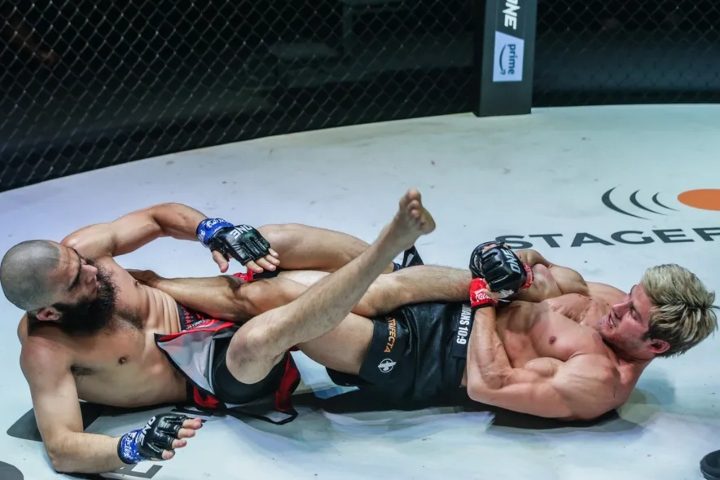
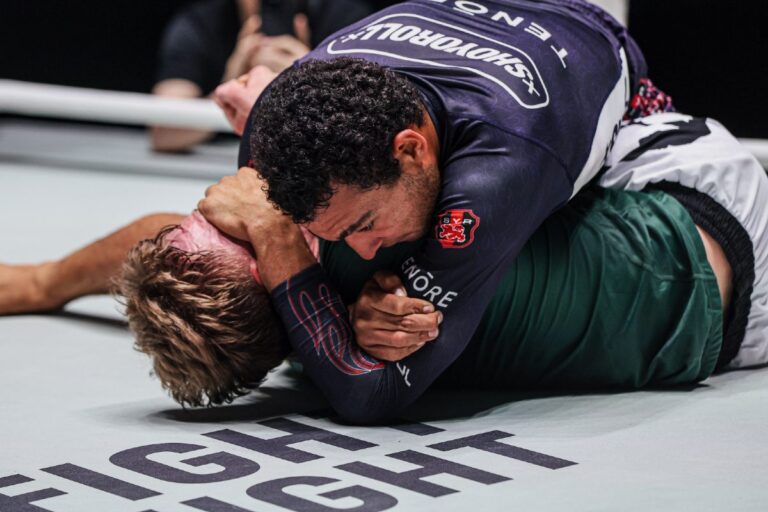
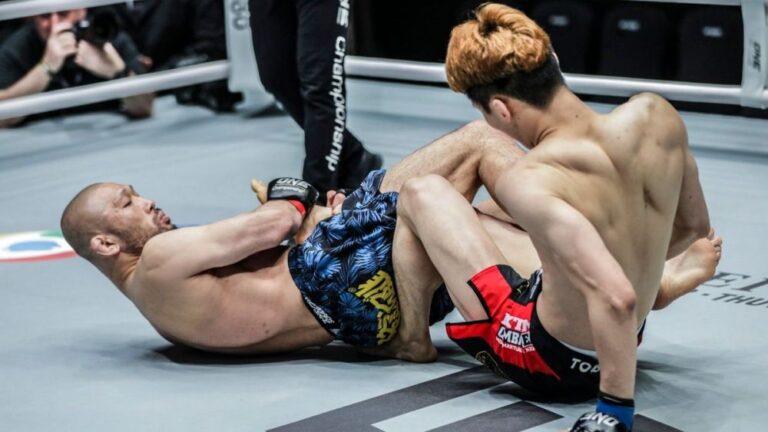
MMA promotions all allow heel hooks. UFC, ONE Championship, PFL — every major organization has had heel hook finishes in the last twelve months. Sage Northcutt’s ONE Fight Night 10 finish remains the cleanest cage heel hook in recent memory, and it took fewer than ninety seconds of mat time once he hit the inside saddle.
The Modern Heel Hook Era and the Names That Shaped It
The heel hook existed in catch wrestling and sambo long before BJJ adopted it, but the modern no-gi heel hook game was built by a small group of grapplers who treated it as a position rather than a Hail Mary. John Danaher, Eddie Cummings, and Garry Tonon at the original Danaher Death Squad codified the entries and the control sequences that everyone now uses.
Gordon Ryan and Craig Jones brought the position to mainstream visibility through ADCC. Ryan’s back take counters against opponents who reached for his foot became the standard answer at heavyweight. BJJ Heroes’ ADCC 2024 statistical breakdown shows leg locks accounted for roughly 22 percent of all finishes at the most recent World Championship — down from a 28 to 30 percent peak in the late 2010s, mostly because defense has finally caught up.
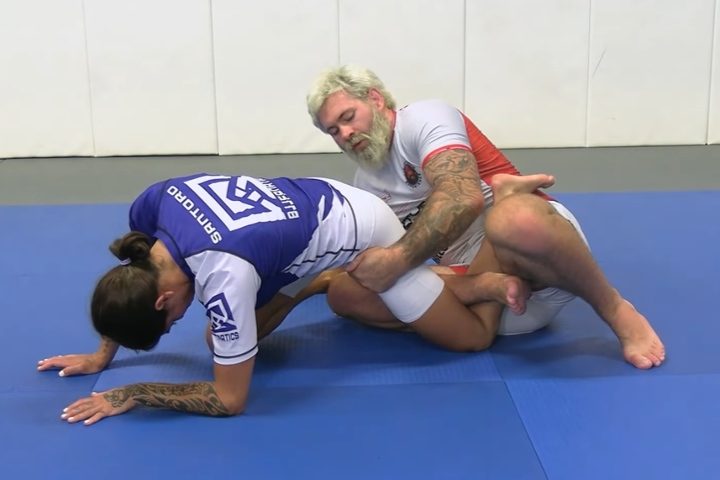
Lachlan Giles’ ADCC 2019 absolute run is the single most influential heel hook performance ever recorded. A 77 kg lightweight finished three heavyweights with inside heel hooks in one night. After that tournament, every serious no-gi competitor went home and drilled saddle entries for a year. The trickle-down reshaped the entire sport, including how leg lock attempts begin from setups like the Imanari roll entry.
Musumeci is the current standard-bearer for the inside saddle game at sub-77 kg. The Mikey Lock — his variant of the heel hook where the foot is trapped in the armpit with a neck-pin assist — has become its own studied position. FloGrappling’s ADCC 2024 technical breakdown tracked at least four new leg attack variants that did not exist in the previous Worlds cycle.
Training the Heel Hook Without Wrecking Your Partner
Here is the unpopular truth: most BJJ academies still teach the heel hook badly. The position gets bolted onto a class about ashi garami, demonstrated once, and then drilled at sparring intensity with partners who have not earned the trust required to apply rotational force to another human’s knee.
The gyms that produce safe heel hookers — Renzo’s Squad, B-Team, Absolute MMA, New Wave — all follow a similar protocol. First, drill the position with no submission, just control of the knee line and entanglement. Second, drill the grip and the finish with a partner sitting still, no rotation applied. Third, add slow rotation under verbal pressure: the bottom partner calls the tap with a tap-equivalent word the moment they feel torque, and the top partner releases instantly. Live rotation only enters the picture after weeks of static repetition.
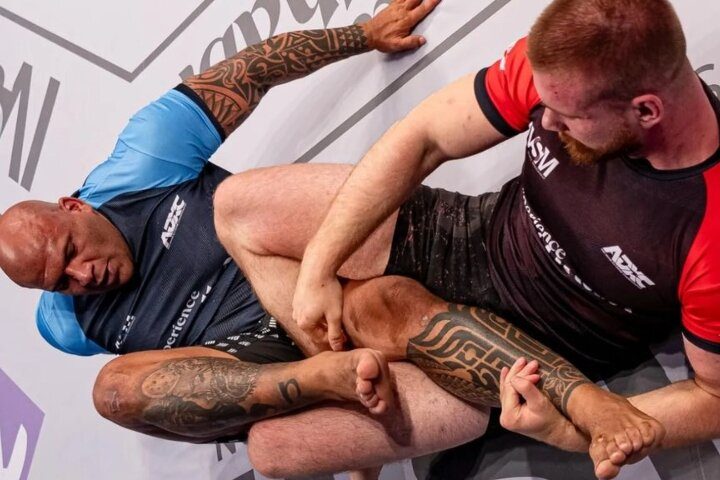
If you are rolling with someone who slaps on heel hooks fast, ask them politely to slow it down or skip the rounds. Anyone who is offended by that request is exactly the person you should not roll with. There is no ego death worse than the one waiting for you at the orthopedic surgeon’s office.
The Counter-Game: When the Hunter Becomes the Hunted
The current evolution of the heel hook is counter-attacks. Garry Tonon and a handful of other elite no-gi specialists have built systems where the moment an opponent enters a leg attack, the defender slips into a toe hold or kneebar of their own. The scramble-heavy no-gi style that produced those counters has filtered down to brown belt level over the past two years.
That is why the heel hook finish rate at ADCC has dropped even as the entry rate has gone up. Everyone enters the leg game now. The fights are increasingly decided not by who gets the heel first, but by who knows the counter when the heel is grabbed.

Frequently Asked Questions
Is the heel hook legal in IBJJF no-gi competition? Yes, but only at adult brown and black belt. Twisting leg locks are still banned at white, blue, and purple belt under IBJJF no-gi rules, and all heel hooks remain banned in IBJJF gi.
How long does a heel hook injury take to heal? An outside heel hook injury limited to the ankle typically heals in six to ten weeks. A full inside heel hook injury involving the ACL and MCL averages six to twelve months of rehab, often requiring surgical reconstruction.
What is the difference between an inside and outside heel hook? The outside heel hook rotates the heel away from the opponent’s body and primarily damages the ankle. The inside heel hook rotates the heel toward the body and applies catastrophic torque directly to the knee ligaments.
Can a beginner safely learn heel hooks? Beginners should learn the position and the defense long before the finish. Most safe academies teach the entanglement and the escape for six to twelve months before allowing live rotation against a partner.
Sources
- ADCC Official Rules — Authoritative ruleset for the ADCC Submission Fighting World Championship
- Anterior cruciate ligament rupture secondary to a heel hook — PubMed — Published case report on heel hook injury mechanism
- BJJ Heroes ADCC 2024 Statistical Analysis — Full data set on submission rates at ADCC Worlds
- FloGrappling ADCC 2024 Technical Trends — Coverage of emerging leg attack variants
- Natural Movement Physio — Knee Injuries from a Heel Hook — Sports physiotherapy breakdown of heel hook injury patterns
Browse our top-rated rashguards and no-gi gear at the RashguardGuy shop →