Short Sleeve vs Long Sleeve Rashguards: When Each One Wins
When you walk into a no-gi BJJ class, the first decision you make isn’t your warm-up partner — it’s what’s on your torso. Short sleeve or long sleeve rashguard? It seems trivial until you’ve sweated through a 90-minute session in August humidity, or scraped your elbows raw on a worn-out mat. The right sleeve length changes how you train, how you recover, and how often your skin sees the dermatologist.
The Core Difference: Coverage vs Cooling
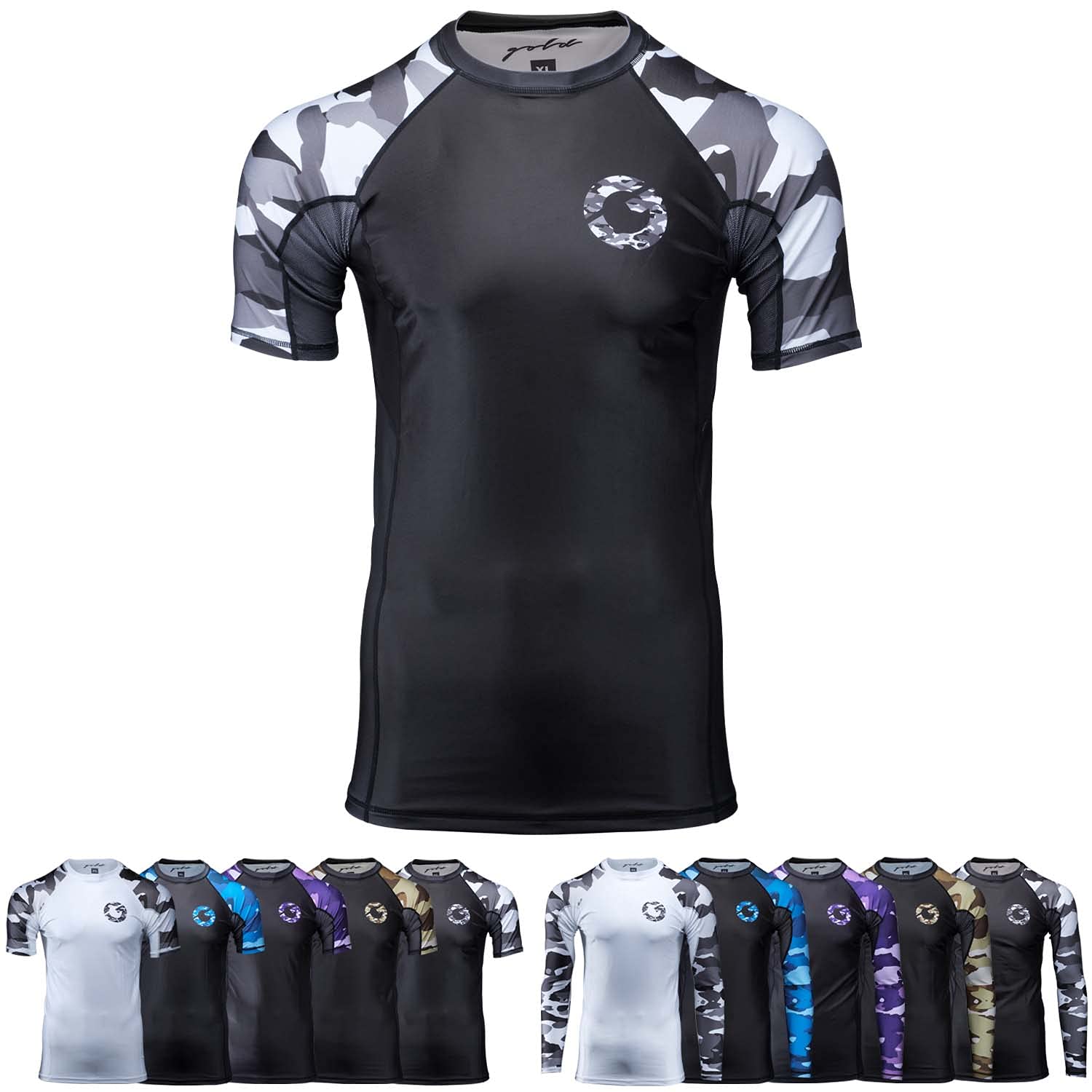
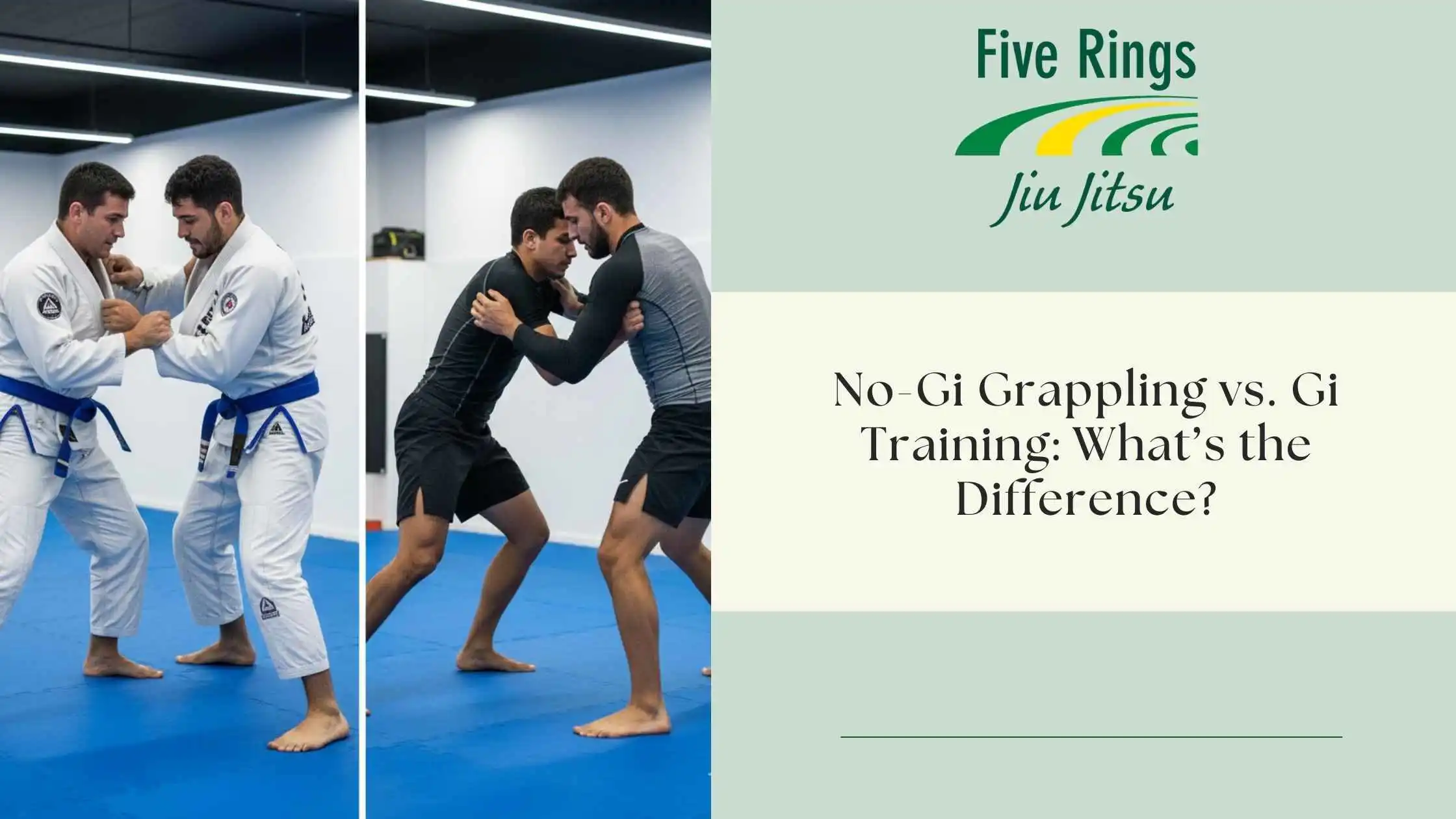
Short sleeve rashguards stop at or just above the elbow. Long sleeve rashguards extend to the wrist. That’s the obvious part. The less obvious part is everything that flows from it: surface area for cooling, skin contact with the mat, friction against your opponent’s grips, and how much fabric you’re asking to survive 200-plus wash cycles a year.
A short sleeve rashguard gives your forearms direct exposure to air. That sounds like a small thing until you’re rolling round three in a hot gym and your core temperature is climbing toward danger. Long sleeves, by contrast, are a second skin — sealing off your arms from mat bacteria, opponent skin contact, and the abrasive textures that turn into mat burn.
Neither is universally better. Both serve specific training contexts. The grapplers who own both — and rotate based on conditions — train harder, longer, and with fewer skin issues than the ones who pick a side and refuse to budge.
When Short Sleeve Wins
Hot, Humid Training Rooms
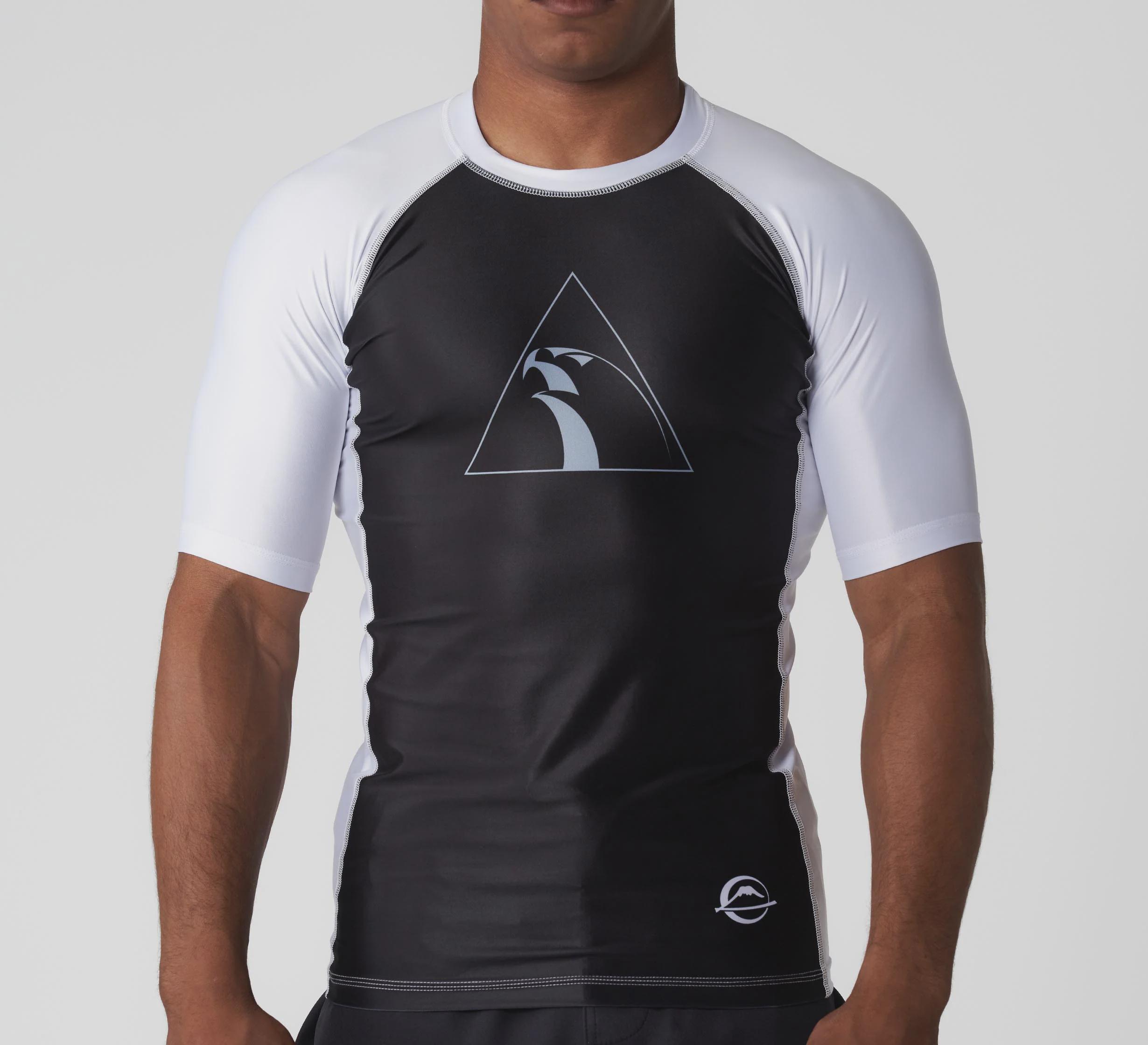
If your gym hovers above 80°F or sits in a Southeast Asian climate without strong air conditioning, short sleeve is the obvious play. The forearm is one of the body’s primary heat-dump zones. Sealing it under polyester-spandex when your core is already overheating is a recipe for early fatigue, cramping, and bad decision-making in live rolls.
Summer Open Mats and Outdoor Sessions
Open mats in summer, beach training, and outdoor seminars all favor short sleeves. UV exposure on the forearms is mild compared to the risk of heat exhaustion under a full-coverage top. Short sleeves also dry faster between rounds if you sweat through them, which matters when you’re stacking back-to-back sessions in the same day.
Strength Work and Conditioning Days
A lot of grapplers use rashguards as compression for lifting and conditioning between BJJ classes. Short sleeves work better here — they don’t restrict shoulder mobility during overhead pressing, and they don’t bunch at the elbows during pull-ups or rowing variations. If you only own one rashguard and you also lift, a short sleeve is the higher-utility pick.
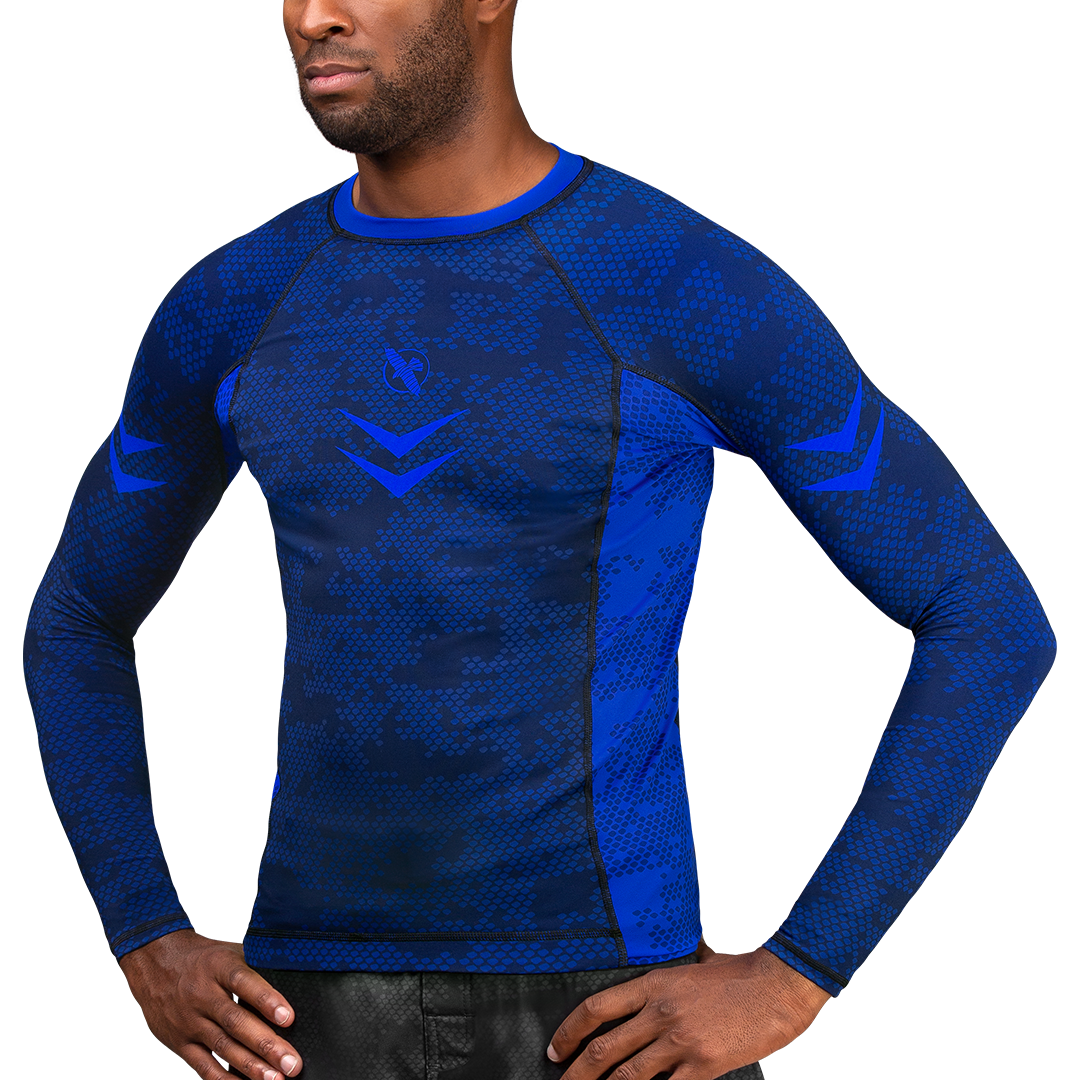
When Long Sleeve Wins
Skin Protection From Mat Burn
This is the single biggest argument for long sleeve. Forearm mat burn happens constantly in no-gi — you post on the mat during scrambles, you slide your forearm across your opponent’s neck during chokes, you drag elbows during transitions. Bare forearms eat that abrasion. Long sleeves take the hit instead.
If you compete or train hard six days a week, mat burn on your forearms can take weeks to fully heal. Open mat burn is also a vector for staph and impetigo — any break in the skin is an entry point. Long sleeves cut that risk dramatically.
Cold Gyms and Winter Training
In winter, a poorly heated gym can be genuinely cold during warm-ups. Long sleeves keep your forearms and elbows warm before you’ve built up a sweat. That matters for injury prevention — cold elbow joints are more prone to tendon strain during the first few minutes of live training, especially if you’re doing armdrags or pummeling drills right out of the gate.
Tournament Coverage Considerations
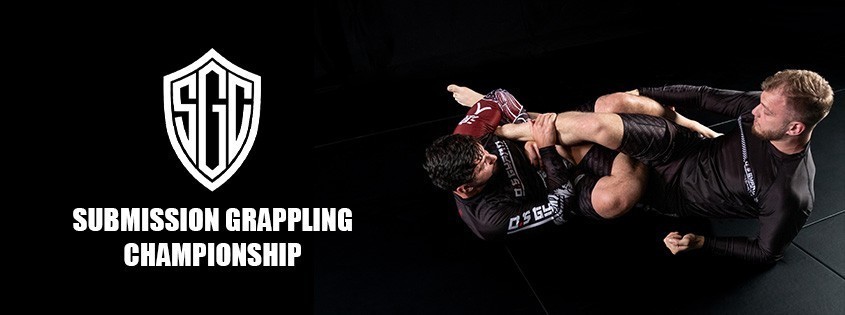
Some federations and submission grappling events have specific rules about rashguard coverage, particularly for women’s divisions. Most no-gi rule sets don’t mandate long sleeve, but certain events do — and showing up to weigh-ins in the wrong sleeve length can disqualify you before you’ve stepped on the mat. Read the rulebook for your specific competition well before fight week.
Friction and Grip: How Sleeve Length Changes Your Roll
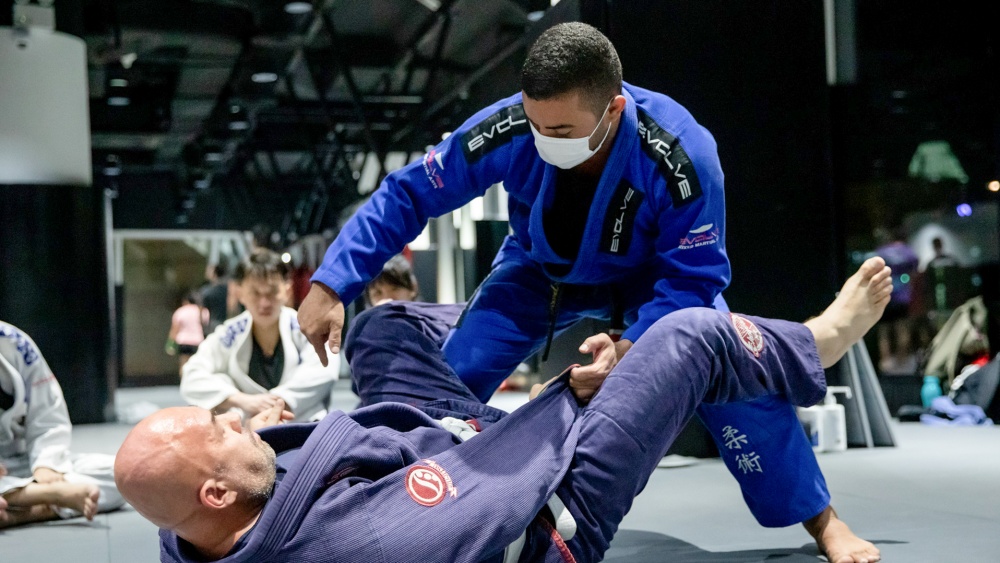
Sleeve length subtly changes the texture of your no-gi game. Long sleeves create more fabric-on-skin friction when your opponent grabs your wrist or elbow. That friction can make wrist control easier to break — your opponent’s hand slides on polyester instead of locking onto skin. Some grapplers exploit this; others find it makes their own grips less secure when they go for two-on-one or arm-drag entries.
Short sleeves leave the forearm bare, which means opponent grips on your forearm are skin-to-skin. Sweat changes this dynamic mid-round. A dry forearm gives an opponent solid grip; a sweat-slicked one becomes nearly ungrippable. That’s part of why submission specialists in hot climates often prefer short sleeves — their natural sweat layer becomes a tactical asset.
Neither dynamic is inherently better. But if you’re drilling specific techniques — wrist control, two-on-one grips, collar tie variations — the sleeve length of both partners shifts the difficulty. Be aware of it when you’re trying to evaluate a new technique. The same drill feels different against bare skin versus long sleeve.
Hygiene and Skin Disease Prevention
Ringworm, staph, and impetigo are real risks in any grappling gym. Long sleeves reduce skin-to-skin contact with your training partners across the upper body, which lowers your transmission surface. That doesn’t make you invincible — your hands, neck, and face are still exposed — but it does cut a meaningful percentage of the contact area.
The catch: a long sleeve rashguard you don’t wash properly is worse than no rashguard at all. Sweat and bacteria sealed against your skin for the duration of a roll create their own infection risk. If you choose long sleeves for hygiene reasons, you must launder them after every session — no exceptions, no “it doesn’t smell that bad,” no second-day wears.
Durability and Wear Patterns
Long sleeves have more fabric, more seams, and more friction points. The cuffs of long sleeve rashguards are the first to fail — the constant grip-pulling and sliding through your opponent’s hands wears out the elastic and frays the seam. Expect a long sleeve to show wear at the cuffs and underarms within 6 months of hard training.
Short sleeves have fewer failure points. The sleeve hem is the typical first failure zone, but with less fabric overall, there’s less to wear out. A short sleeve rashguard often outlasts a long sleeve by 6 to 12 months of training when both are washed and rotated the same way.
This matters for total cost of ownership. A $50 long sleeve that lasts 18 months costs about the same per session as a $35 short sleeve that lasts 18 months — but only if you’re rotating multiple of each. If you’re a one-rashguard grappler running the same top three times a week, the long sleeve dies faster.
Cost Considerations
Long sleeve rashguards typically run $5 to $15 more than the short sleeve version of the same model from the same brand. That’s just fabric and labor. If you’re building a rotation on a budget, two short sleeves often beats one short and one long at the same price point — because you can train more days without laundry pressure.
But if you have a history of skin issues, train multiple times a day, or live somewhere cold, that extra $10 to $15 per top is one of the highest-ROI purchases in your gear bag. A single skin infection costs more in lost training time than five rashguards.
The Hybrid Approach: Owning Both
The grapplers I trust most on gear questions all own at least one of each. Their reasoning is consistent:
- Short sleeve for hot days, summer competition prep, and double-class days where laundry pressure is high.
- Long sleeve for cold mornings, winter training, sessions with new partners (more skin transmission risk), and any roll where you anticipate heavy scrambles and mat exposure.
- One backup of each in the gear bag for unexpected open mats and double sessions.
The “I only wear one type” grappler is usually either new to the sport or training in a climate that has eliminated one variable entirely — somewhere it’s never cold, or somewhere it’s never humid. For most people, both have a place.
Final Decision Framework
If you’re buying your first rashguard and can only get one, the decision tree is simple:
- Is your gym consistently above 78°F? Buy short sleeve first.
- Is your gym consistently below 70°F, or do you have a history of skin infections? Buy long sleeve first.
- Mixed conditions? Buy short sleeve first — it has broader use cases for crossover into lifting, conditioning, and summer travel.
Then, within 2 to 3 months, buy the other style. The cost of owning both is small compared to the cost of cutting training short because you’re miserable in the wrong gear.
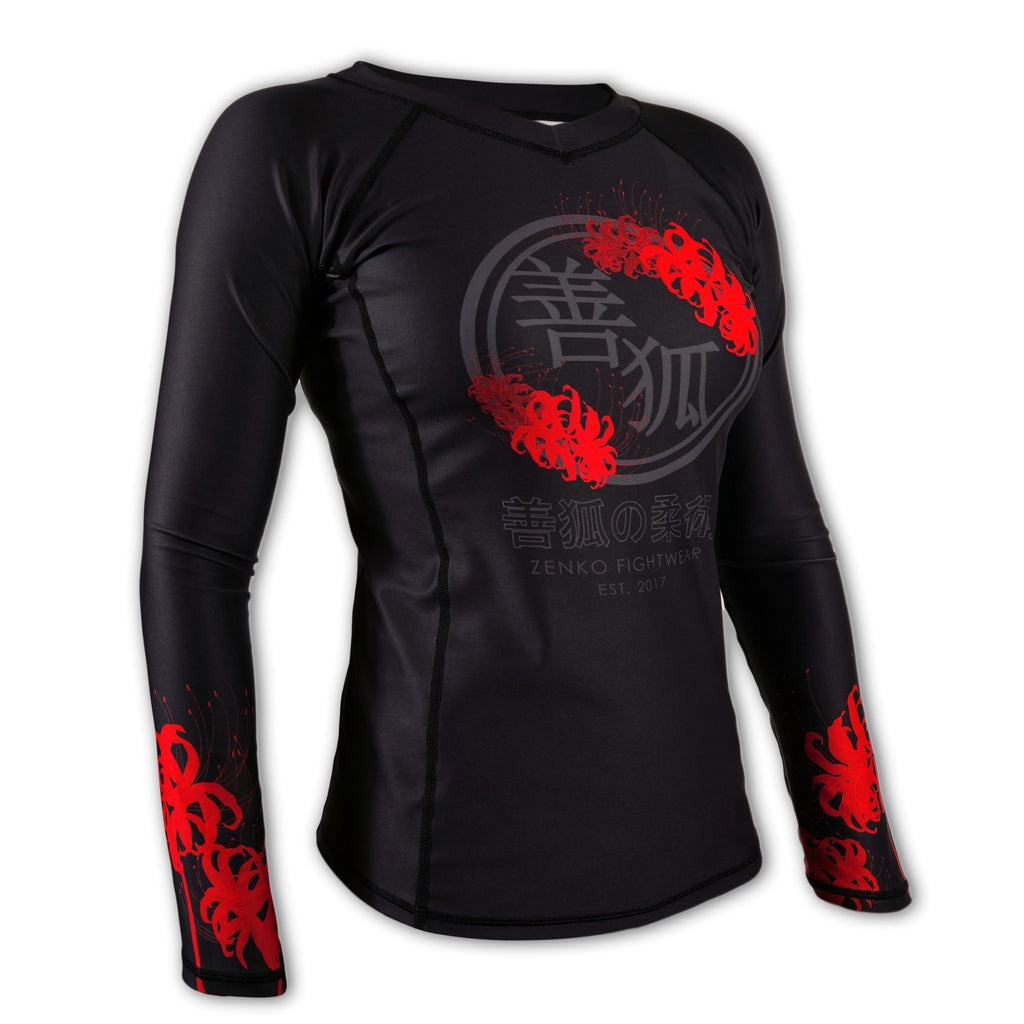
Sleeve length is one of those decisions that seems binary but is actually contextual. The grapplers who treat it that way — picking the right tool for the day’s training conditions — get more mat time, fewer skin issues, and gear that lasts longer. The ones who pick a tribe and dig in usually end up frustrated within a season.
Decide based on your climate, your training volume, and your skin’s tolerance for abrasion. Then build your rotation accordingly — and keep both styles in the bag.
Sources
- Wikipedia — Rash guard
- IBJJF — International Brazilian Jiu-Jitsu Federation
- CDC — Skin infections and athletes
- Shop no-gi rashguards on Amazon
Browse our top-rated rashguards and no-gi gear at the RashguardGuy shop →