How to Prevent Cauliflower Ear in BJJ: 7 No-Gi Truths
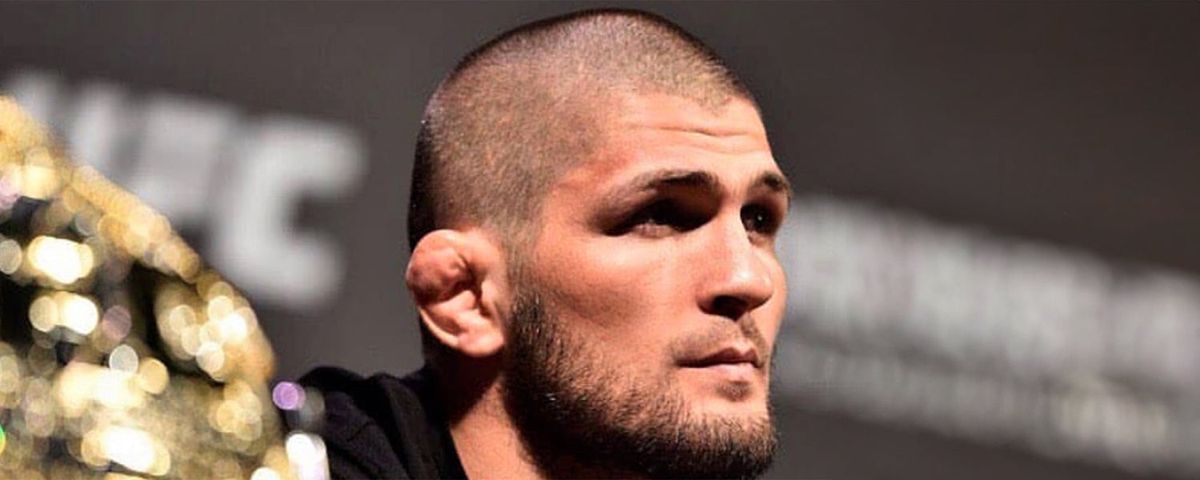
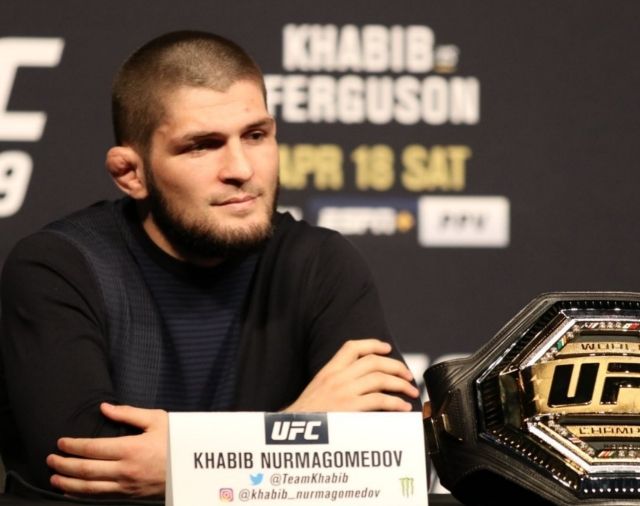
Khabib Nurmagomedov retired with one of the most recognized ears in combat sports, and he started wrestling at age six. The timeline isn’t a coincidence. Learning how to prevent cauliflower ear is a no-gi grappler’s first practical skill, sitting somewhere between learning to shrimp and learning to tap. The injury is mechanical, predictable, and almost entirely preventable inside the first six hours after a hard round — but only if you catch it. This guide breaks down the seven rules that separate grapplers with clean ears at brown belt from the ones who already need a syringe by stripe two as a white belt.
Why No-Gi Punishes Your Ears More Than Gi
Cauliflower ear isn’t from punches. It’s a slow-bleed injury called auricular hematoma — blood pools between the cartilage and the skin, the cartilage starves, and scar tissue replaces the smooth contour with a knotted, rubbery mass. The cause is friction and compression, not impact. That’s why no-gi grappling produces it at a higher rate than the gi variant: without sleeves and lapels to grip, hands and elbows replace fabric, and head-to-head wrestling exchanges become the default way to pass and defend.
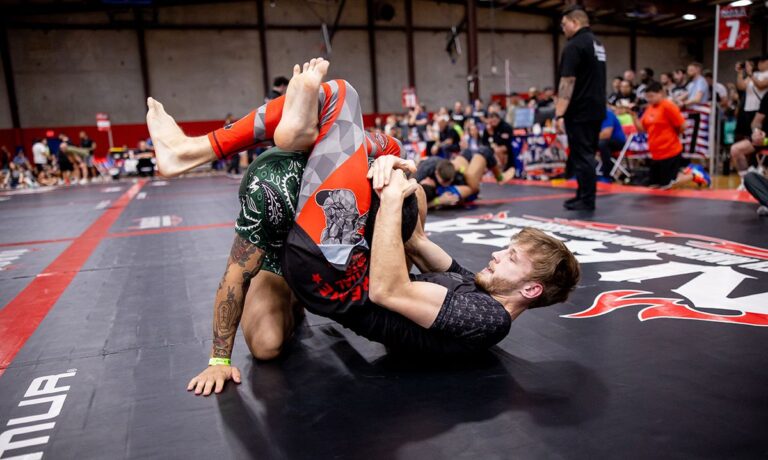
The Cleveland Clinic estimates wrestlers, BJJ players, MMA fighters, and rugby players account for the overwhelming majority of cases. In no-gi specifically, three positions do most of the damage: chest-to-chest passes where your ear grinds against a ribcage, half-guard battles where the bottom player drives their head into your jaw, and front headlock chains where the top player rakes their forearm across your auricle for thirty seconds at a time. None of those positions involve a strike. All three are routine in any open mat.
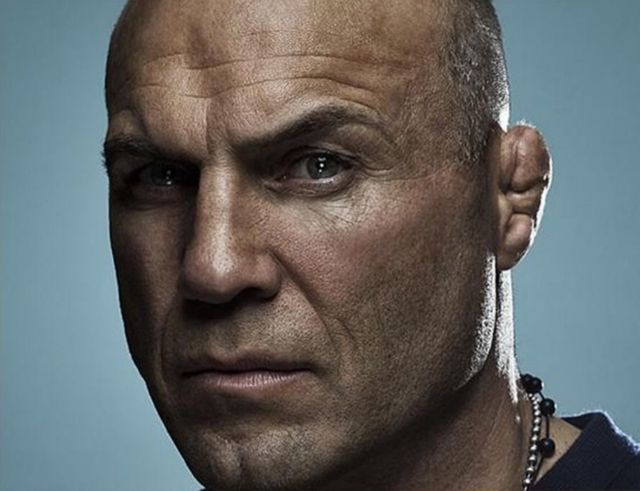
7 Proven Ways to Prevent Cauliflower Ear in BJJ
1. Wear Wrestling Headgear on Hard Sparring Days
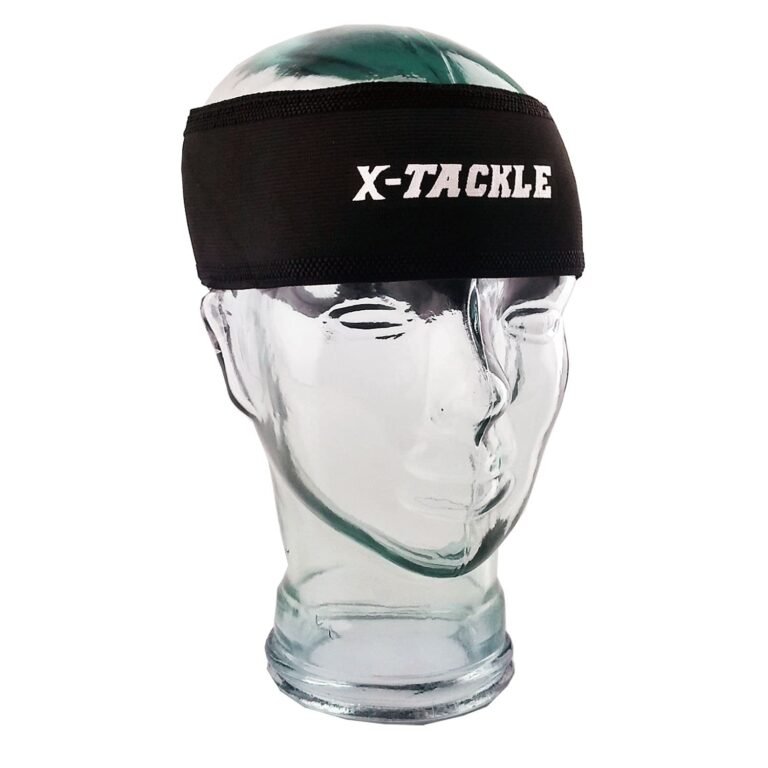
The single biggest prevention win is putting on a Cliff Keen Fusion or Asics Aggressor before live rounds. You don’t need to wear them through warm-ups, drilling, or flow rolls — those don’t generate the friction window. Wear them when the pace turns competitive. Most BJJ academies don’t require headgear and most don’t ban it. Ask your instructor first, but in 2026 the cultural pushback against ear guards has mostly dissolved as more black belts admit they wish they’d worn them at white belt.
2. Tap Early on Head Pressure — Not Just Submissions
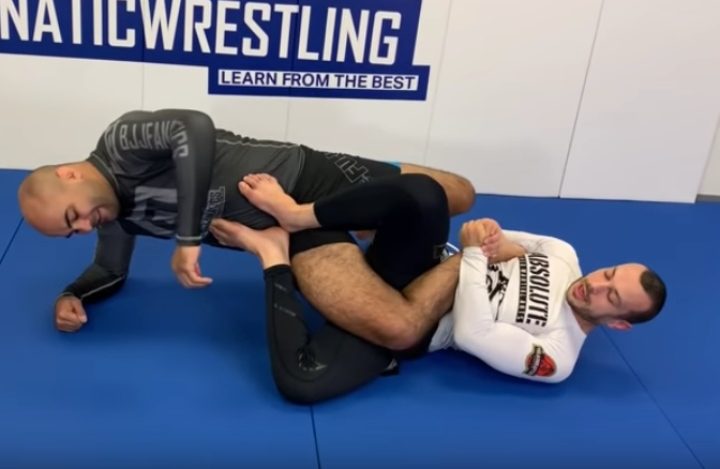
Pride is the second-most-common cause of cauliflower ear after wrestling. If a teammate is pancake-folding your head between their hip and the mat in a knee shield, that’s not a “fight through it” position. That’s a slow-cook ear injury. Tap, reset, and play again. The fastest way to ruin a grappler’s ears is the same instinct that ruins their knees: refusing to acknowledge that a position is lost.
3. Catch the First Six Hours After a Hard Round
The hematoma forms within minutes of trauma but stays liquid for roughly 48 hours. After that, fibrin clots begin and the blood becomes a gel, then a solid. Treatment is exponentially easier in the first six hours and exponentially harder after twenty-four. Run your fingers along the ear ridge after rolling. If anything feels hot, swollen, or squishy where it should feel firm cartilage, you have a clock running.

4. Ice and Compress in the First 24 Hours
Ten minutes of direct ice every two hours for the first six hours, then a compressive bandage overnight. The compression matters more than the cold. Cotton balls wedged into the curves of the ear, then medical tape wrapping the head, creates a mechanical barrier that stops the cartilage from separating further. This won’t reverse damage that’s already there, but it can keep a small hematoma from growing into a full-blown cauliflower.
5. Drain Only If You Know What You’re Doing
Drainage is a medical procedure, not a YouTube trick. A doctor uses a sterile syringe, local anesthetic, and a compression bolster sutured into place afterward. The “drain it yourself at home” videos that BJJ social media loves to share carry a real infection risk — auricular cellulitis can land you in the emergency room and end your training month. If you must self-treat because no clinic is open, sterilize everything, drain from the bottom of the swelling upward, and apply a sponge button compress immediately.
6. Sit Out Live Rounds for 7–10 Days After Inflammation
An ear that’s already drained, taped, or swollen needs a full rest cycle. Rolling on a freshly drained ear refills it within one round, and the second cycle produces twice as much scar tissue. Drill, conditioning, technique class, mobility — yes. Live sparring — no. The grapplers who avoid permanent deformity treat this rule as non-negotiable.
7. Stop the Pancake Game in Side Control
The single most preventable position-cause of cauliflower ear in no-gi is letting the top player crush their forehead into your ear from cross-side or kesa-gatame. The defense is technical: frame the near shoulder, turn the head away from the pressure, and create the inch of space that breaks the friction loop. If the position is locked and you can’t move your head, the answer is to tap, recompose, and try again. Ears are not a renewable resource.
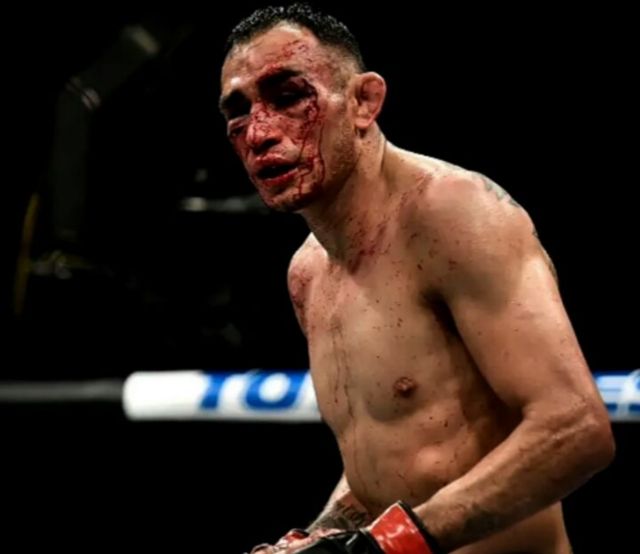
The Truth About Ear Guards in BJJ Training
Most BJJ veterans grew up in a culture where wearing headgear marked you as a worrier. That culture is dying. The honest position: ear guards are a strict net positive for anyone who plans to keep training into their forties without elective surgery. The Cliff Keen Fusion is the gold-standard model because the strap geometry holds during inverted scrambles where older single-strap designs slide off. Modern foam-rubber hybrids run about $50, weigh almost nothing, and store flat in any gear bag.
The fairest counterpoint is that headgear changes how grips and chokes feel. A guillotine attempt that would normally slide off your shaved head can stick on the strap of an ear guard, and front headlock specialists will tell you that’s a real adjustment. That tradeoff is worth it. You can adjust your defense to one piece of equipment far easier than you can rebuild ear cartilage.
For a full breakdown of every protective item that belongs in your training kit, see our no-gi BJJ gear bag essentials guide.
Should You Drain Cauliflower Ear at Home?
The internet says yes. The honest answer is mostly no. Home drainage works for grapplers who already know the procedure, sterilize correctly, and have a partner who can apply the compression dressing without slipping. For everyone else, the realistic risk is infection, which is harder to treat than the original hematoma. The right move for a first-time auricular hematoma is a sports-medicine clinic or urgent care visit — the procedure takes ten minutes and runs less than $200 in most U.S. cities.
If geography or budget force the home route, the workflow is: sterilize a fresh 18-gauge needle with rubbing alcohol, insert from the bottom of the swollen region upward (never through the front face of the ear), draw slowly until the swelling collapses, then apply firm compression with cotton balls and tape for 48 hours straight. If the ear refills inside 24 hours, you didn’t compress hard enough — repeat with more pressure, not more drainage attempts.
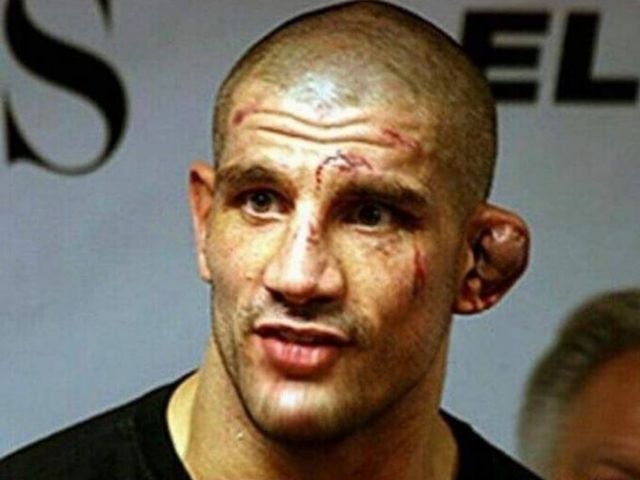
Cauliflower Ear in the IBJJF and ADCC Era
Competition rules complicate prevention. IBJJF bans wrestling headgear in tournaments, and ADCC follows suit. That ban is the single reason most professional grapplers eventually develop visible cauliflower — you can wear protection in training but not on the day that matters most. Roberto “Cyborg” Abreu famously had his ears drained the week before competing at ADCC. Cyborg’s approach is the realistic playbook: protect your ears in 95% of training sessions, accept that competition camps will reset the clock, and budget for clinic visits as a line item in your career.
The cultural shift in 2026 has been on the no-gi side. Several promotions, including grappling subleagues outside the IBJJF system, have begun allowing low-profile headgear in their rule sets. Wrestling-style ear guards may eventually become legal at no-gi-specific events the same way mouthguards did fifteen years ago. The case for it gets stronger every season.
When Cauliflower Ear Becomes Permanent
Untreated hematomas convert to fibrous scar tissue within roughly two weeks. Once that conversion happens, the ear is permanent until you elect surgical correction, which removes the scar tissue and reshapes the cartilage under local anesthesia. Otoplasty for combat-sport ears runs $3,000 to $8,000 in the U.S. and is almost never covered by insurance. The surgery works well; the recurrence rate is also high if you go back to live training without protection. That math is why the prevention rules above matter so much: every drained-and-compressed first incident is one you didn’t add to the permanent column.
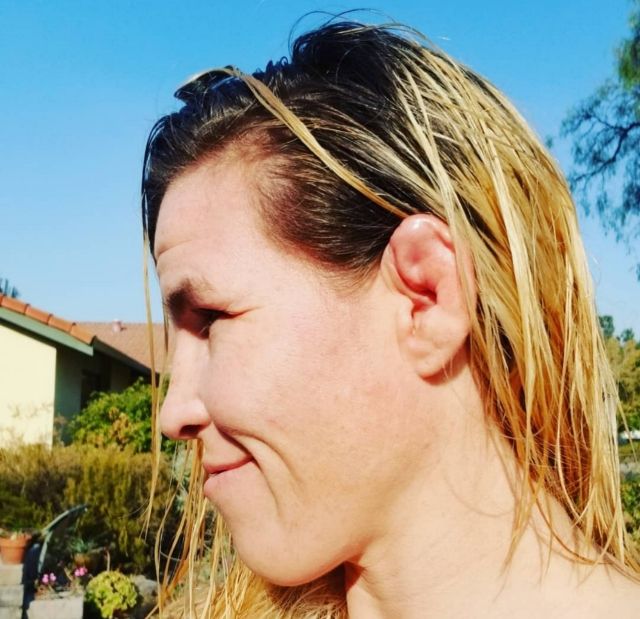
How to Prevent Cauliflower Ear in BJJ Long-Term
The long-term version of how to prevent cauliflower ear in BJJ is a layered habit. Wear headgear on hard nights. Run a finger check after every session. Ice anything hot or squishy in the first six hours. Tap on positions you can’t escape rather than fighting the head pressure. Skip live sparring for ten days after any swelling event. Drain through a clinic when it happens, not through a tutorial. None of these are individually heroic. The grapplers who keep clean ears past purple belt are just the ones who do all six without skipping any.
For a deeper look at the no-gi positions where ear damage happens most often, our wrestling for BJJ guide walks through the exact head-positioning details. If you’re newer to the discipline overall, start with our complete no-gi BJJ guide.
The video below covers the practical day-one prevention drill that most coaches don’t teach in class:
Frequently Asked Questions
Is cauliflower ear painful?
Yes for the first 48 hours, then progressively less. A fresh auricular hematoma is hot, throbbing, and sensitive to side-sleeping pressure. After roughly two weeks the scar tissue stabilizes and the ear loses most of its pain response. By that point the deformity is permanent without surgical intervention.
Does cauliflower ear go away on its own?
Mild swelling can resolve with ice and compression alone if you catch it inside 24 hours. Established hematomas — anything still soft and squishy at the 48-hour mark — almost always require drainage. Scar tissue that has already formed will not regress on its own under any circumstances.
Can I keep training BJJ with cauliflower ear?
Once the deformity is fully scarred and stable, yes — but the ear is more susceptible to re-injury at the same site. Most grapplers with established cauliflower ears wear headgear during competition prep camps specifically because re-trauma to the same area produces faster swelling than the original incident.
Are ear guards legal in BJJ competition?
Not under IBJJF, ADCC, or most major no-gi rulesets as of 2026. They are universally allowed in training. Several smaller promotions have begun permitting low-profile guards, which suggests the rules may shift over the next few years.
The Bottom Line on Preventing Cauliflower Ear
Cauliflower ear is the most preventable training injury in no-gi BJJ, and also the most ignored one. The grapplers who get to brown belt with clean ears aren’t lucky. They’re the ones who wore headgear on hard nights, tapped on head-pressure positions, iced anything hot within six hours, and treated the first swelling event as a clinic trip instead of a YouTube tutorial. The math is simple: one $50 headgear, one $200 clinic visit, and zero ego on bad positions buys you a decade of training with ears that still fit your earbuds. Skip those choices, and the surgery quote is what waits at the end.
Sources
- Cleveland Clinic — Cauliflower Ear (Auricular Hematoma) — Medical overview of the condition, causes, and treatment timelines.
- NCBI/StatPearls — Auricular Hematoma — Clinical reference for drainage technique, compression dressings, and infection risk.
- IBJJF Official Rules — Competition regulations on headgear and protective equipment in BJJ competition.
- FloGrappling — Roberto “Cyborg” Abreu — ADCC veteran whose competition prep routinely included pre-event ear drainage.
- UFC Athlete Page — Khabib Nurmagomedov — Reference for grappling background and visible auricular hematoma development from early wrestling exposure.
Browse our top-rated rashguards and no-gi gear at the RashguardGuy shop →