Tye Ruotolo in 2026: 7 Reasons He Still Matters
Tye Ruotolo is having one of the most interesting runs in no-gi grappling right now. He is still the ONE Welterweight Submission Grappling World Champion, he is splitting time between elite grappling and MMA, and he is doing it with a style that keeps changing in public. If you searched for Tye Ruotolo to figure out where his game stands in 2026, the short answer is this: he is still winning, but the way he is winning is evolving.
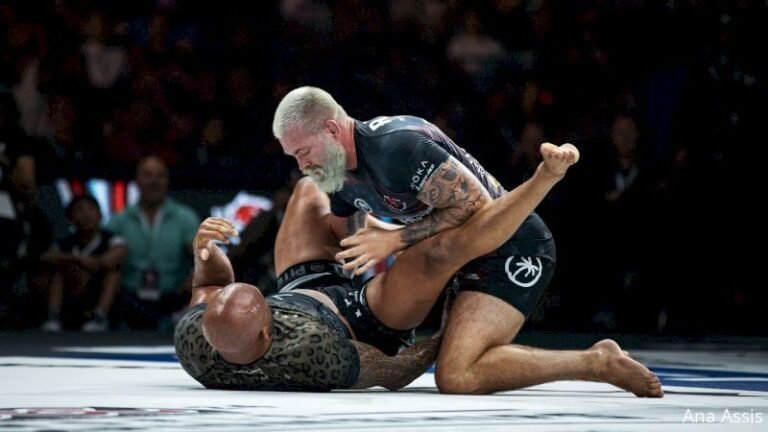
That matters beyond fan interest. Ruotolo has become a measuring stick for modern submission grappling. His pace, passing pressure, front-headlock attacks, and willingness to scramble into bad-looking positions make him one of the clearest case studies in how no-gi grappling is shifting. His recent battles with Pawel Jaworski inside ONE Championship showed both his strengths and the areas he is still sharpening as he balances two sports.
Who Is Tye Ruotolo in 2026?
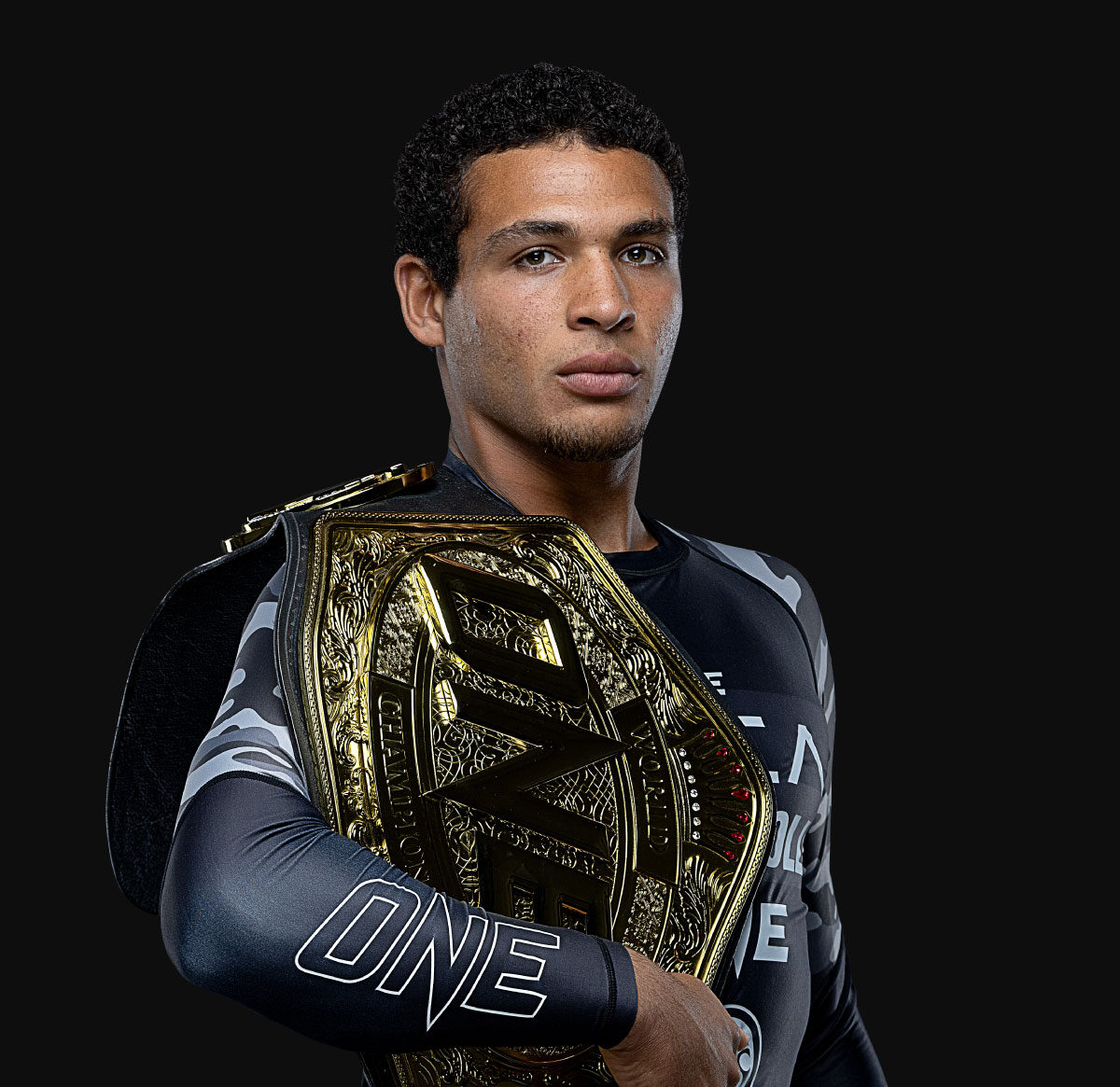
At 23, Ruotolo is already far past “prospect” status. He is an established world-class no-gi grappler, ONE world champion, and part of the twin-brother duo with Kade Ruotolo that changed the pace expectations for younger submission grapplers. The official ONE athlete profile lists a 37-12 submission grappling record, and the bigger story is how many different ways he can win. He can pass aggressively, jump on a choke in transition, or turn a chaotic exchange into top pressure before most opponents settle.
Tye Ruotolo vs Pawel Jaworski Showed The Current Version Of His Game
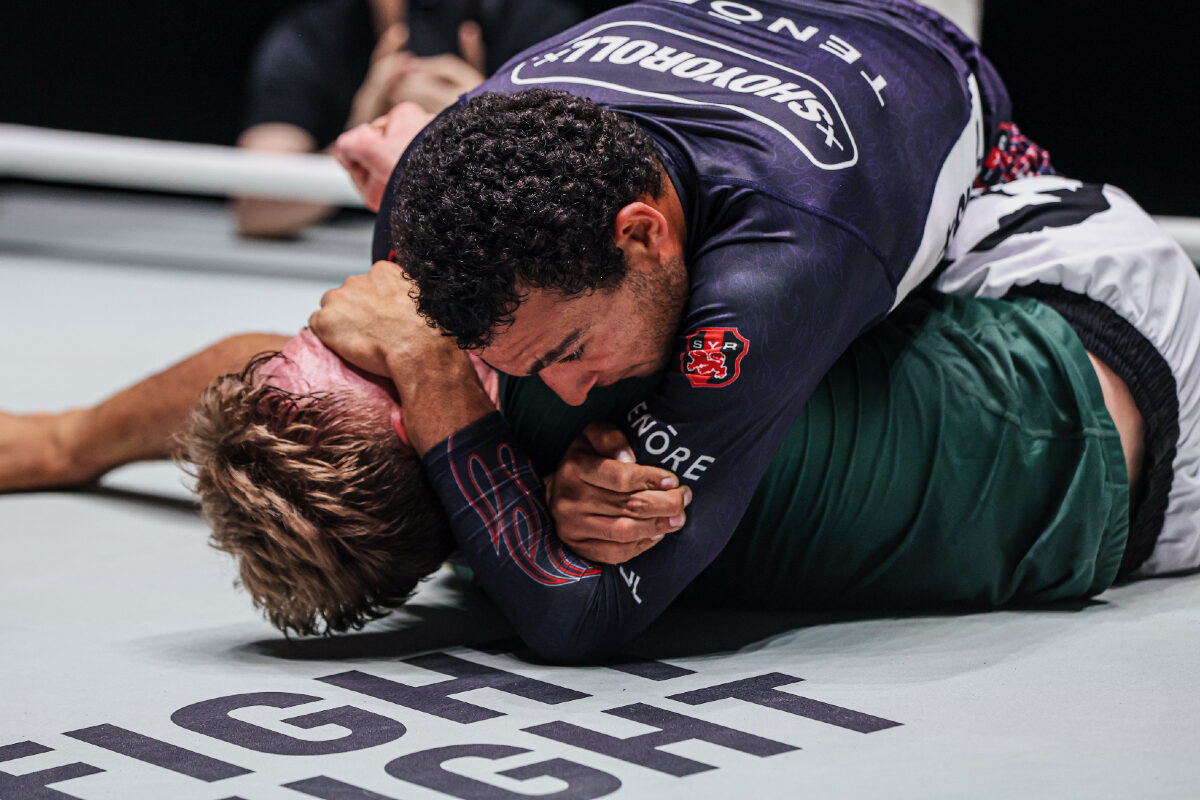
Ruotolo’s March title defense against IBJJF No-Gi World Champion Pawel Jaworski was important because it was not clean domination from start to finish. He retained his welterweight submission grappling belt, but he said afterward that he felt rusty and not as many steps ahead as usual. That honesty matters. Jaworski’s leg-lock entries, inversions, and flexibility forced Ruotolo to solve real problems instead of simply drowning an opponent with pace. For fans and competitors, that match was a reminder that Ruotolo’s style still works at the highest level, but it also demands constant mat time to stay razor sharp.
Why His Passing Still Separates Him From Most No-Gi Grapplers
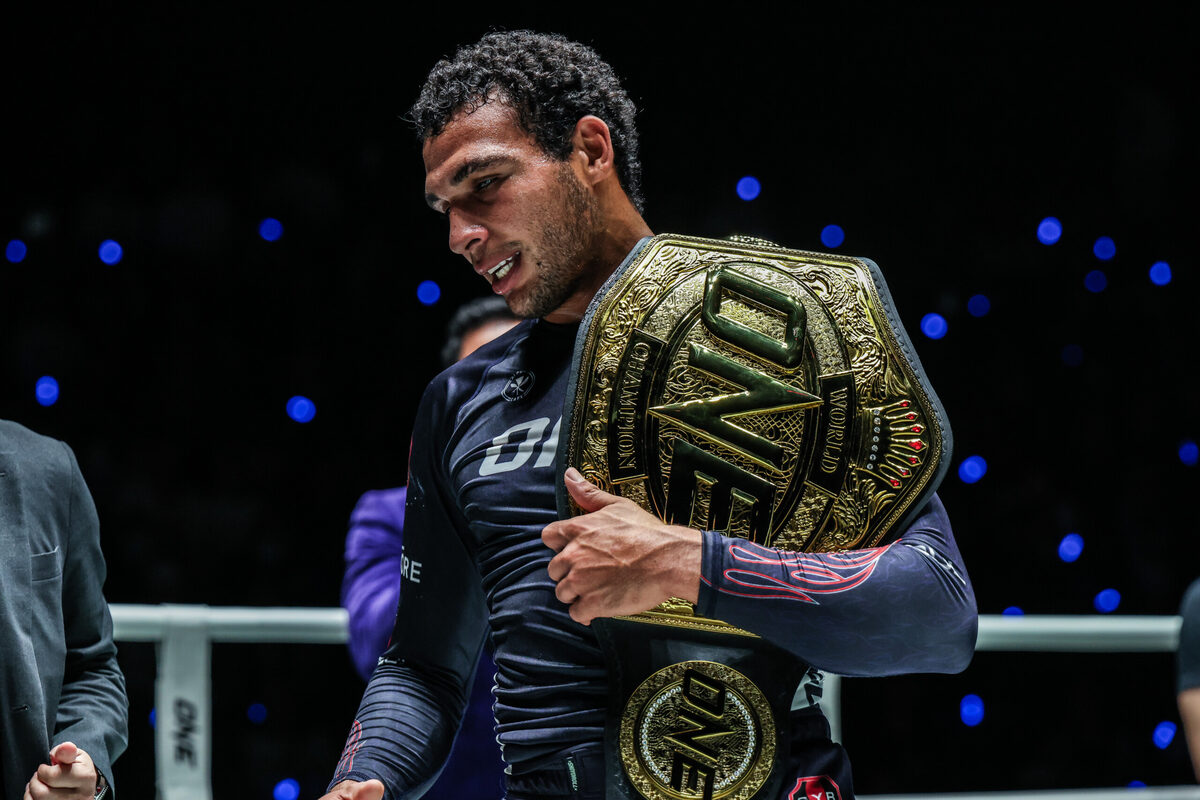
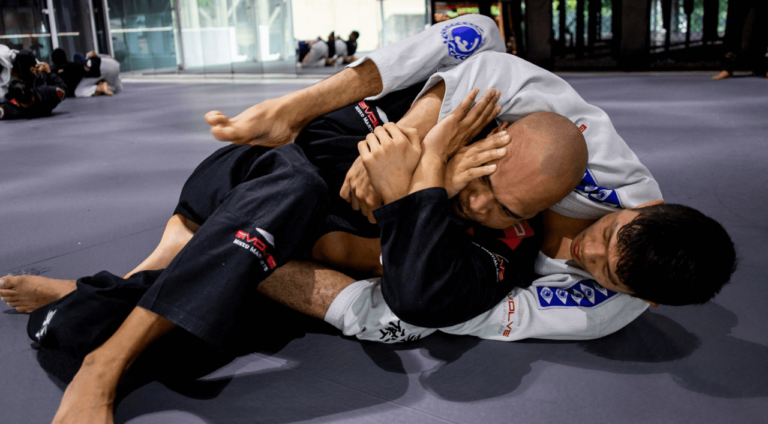
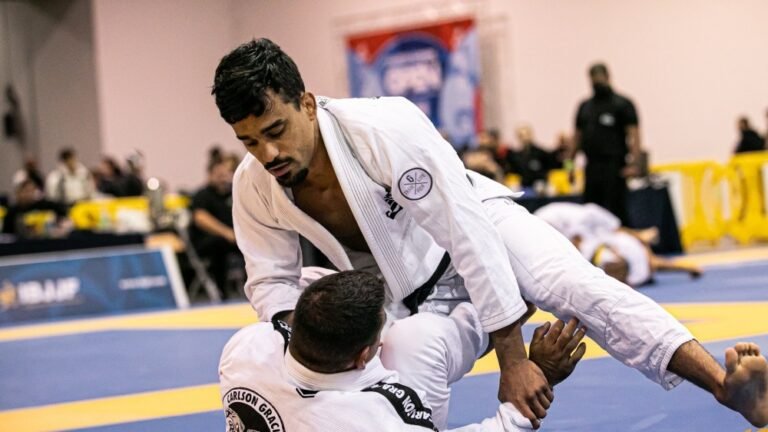
The best part of Ruotolo’s game is still the same, relentless passing pressure that turns guard work into survival. Even when he is not landing a clean submission, he forces reactions. He does not pass like a traditional slow-cook pressure specialist, and he does not pass like a pure speed player either. He blends shoulder pressure, angle changes, chest-to-chest control, and quick direction switches. That makes him hard to categorize and even harder to prepare for. If you already read our breakdown of guard pulling BJJ in no-gi matches, Ruotolo is one of the clearest examples of why top pressure still matters so much against sophisticated leg-lock guards.
The MMA Crossover Is Helping And Hurting At The Same Time
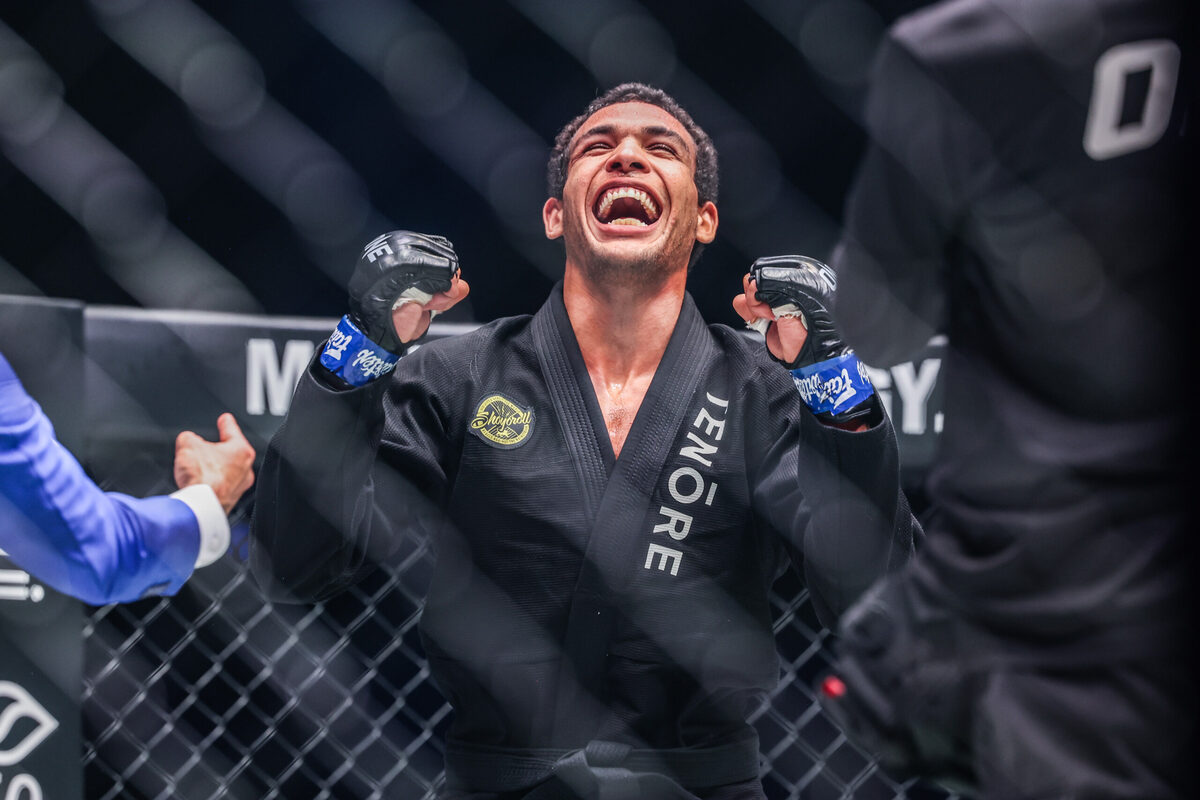
Ruotolo admitted after the Jaworski match that too much focus on MMA and not enough jiu-jitsu contributed to the rust he felt. That is not a criticism, it is the tradeoff. MMA appears to be improving his confidence, his physicality, and even some of his willingness to explode into transitions. But no-gi grappling punishes tiny timing lapses. A leg-lock specialist does not need many openings. So the current version of Tye Ruotolo is fascinating because he is clearly becoming a broader combat athlete, even if that temporarily lowers the smoothness of his pure grappling performances.
What Makes Tye Ruotolo Different From Traditional No-Gi Specialists
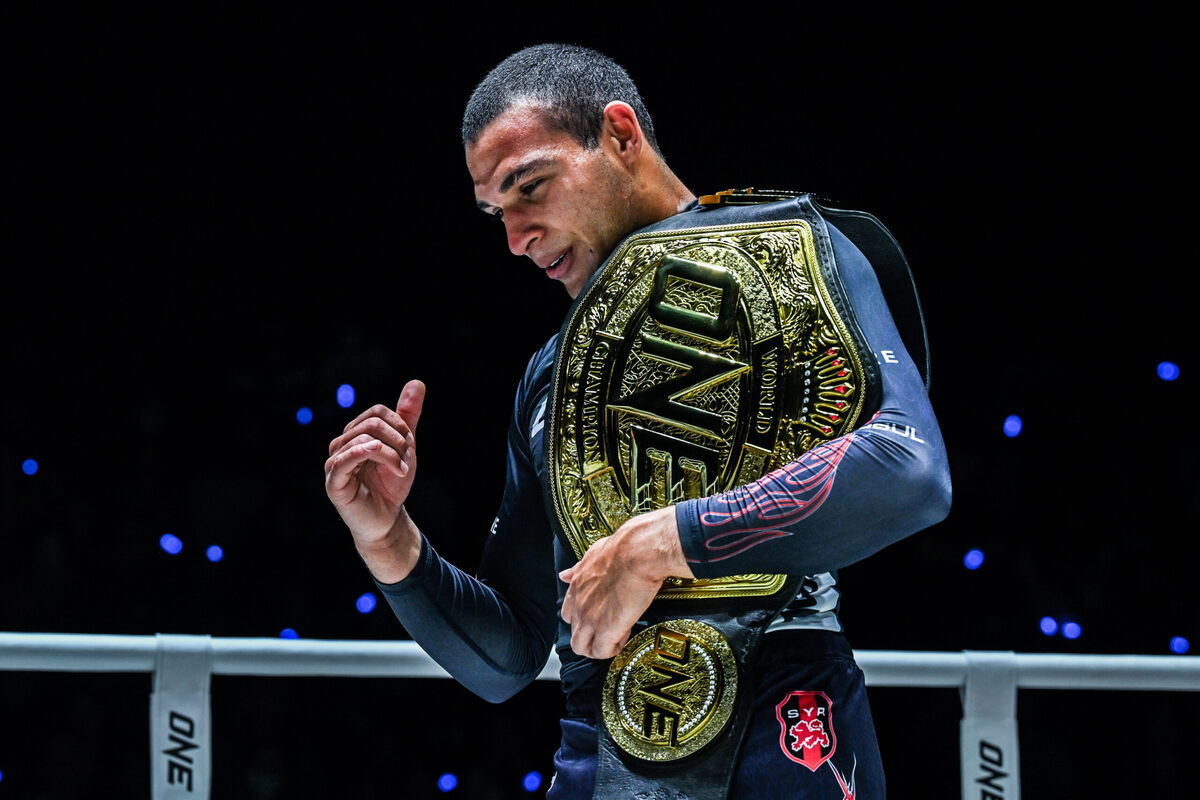
A lot of elite grapplers become specialists inside a narrow lane. Ruotolo does the opposite. He invites movement. He attacks from transitions that other athletes treat as messy. He mixes front headlock threats, snapping movement, back exposure, and fast positional surfing in a way that feels closer to wrestling chaos than classic point-management jiu-jitsu. That style connects directly with the modern importance of standup exchanges too. If you are trying to build a more complete competition game, our guide to wrestling takedowns for BJJ fits naturally alongside studying Ruotolo’s transitional aggression.
Can Tye Ruotolo Still Thrive Under ADCC Style Pressure?

Even though his recent spotlight has centered on ONE, the larger no-gi scene still filters every elite athlete through the ADCC lens. Ruotolo’s pace, scrambling confidence, and willingness to wrestle make him one of the most naturally ADCC-friendly athletes of his generation. The bigger question is not whether he can thrive there. It is whether the split focus between MMA and submission grappling changes how often fans get to see him in that environment. For anyone tracking the larger competitive picture, our earlier look at the ADCC 2026 World Championships explains why every elite no-gi name still gets measured against that ruleset and stage.
Lessons Regular Grapplers Can Steal From Tye Ruotolo
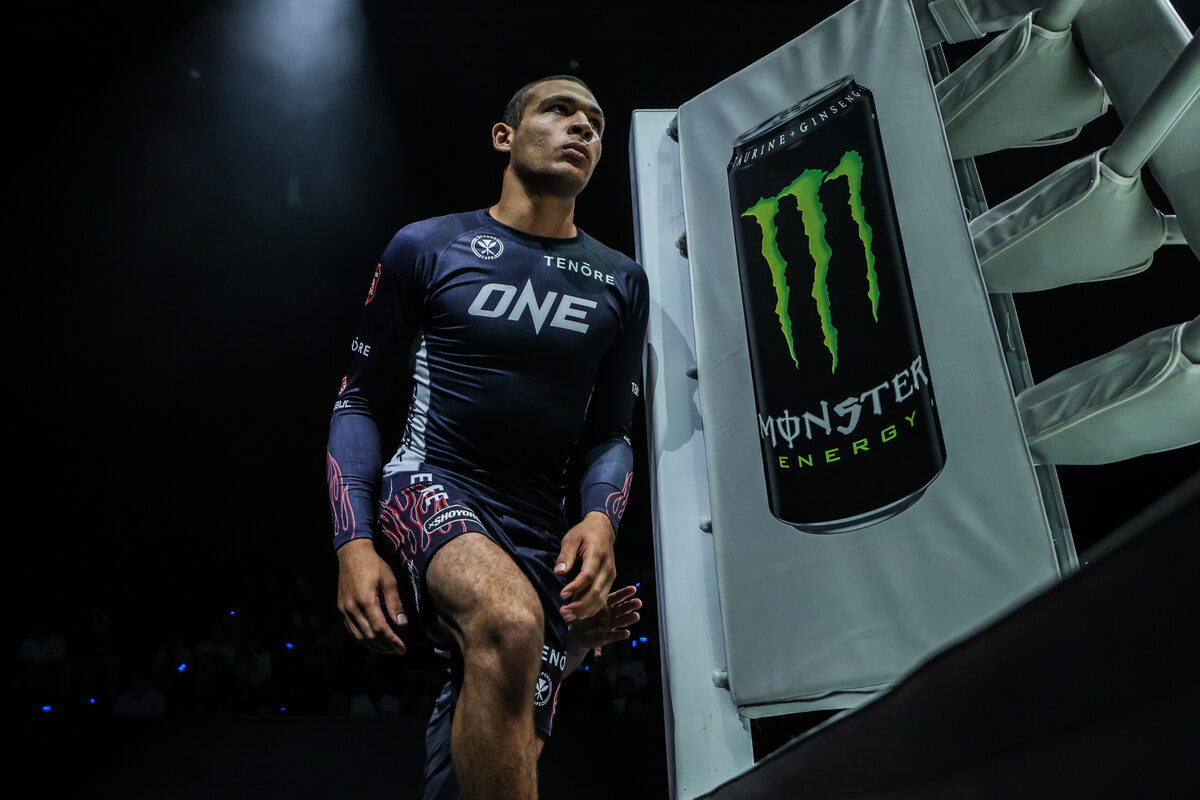
The first lesson is pace with purpose. Ruotolo is busy, but he is not random. His movement forces reactions that open the next attack. The second lesson is staying dangerous during transitions. Many grapplers treat scrambles as a pause between “real” attacks. Ruotolo treats them as the attack. The third lesson is honesty after competition. He publicly admitted when a performance felt rusty. That kind of self-audit is useful for anyone trying to improve. Instead of protecting your ego, identify what slipped, then rebuild.
What To Watch Next
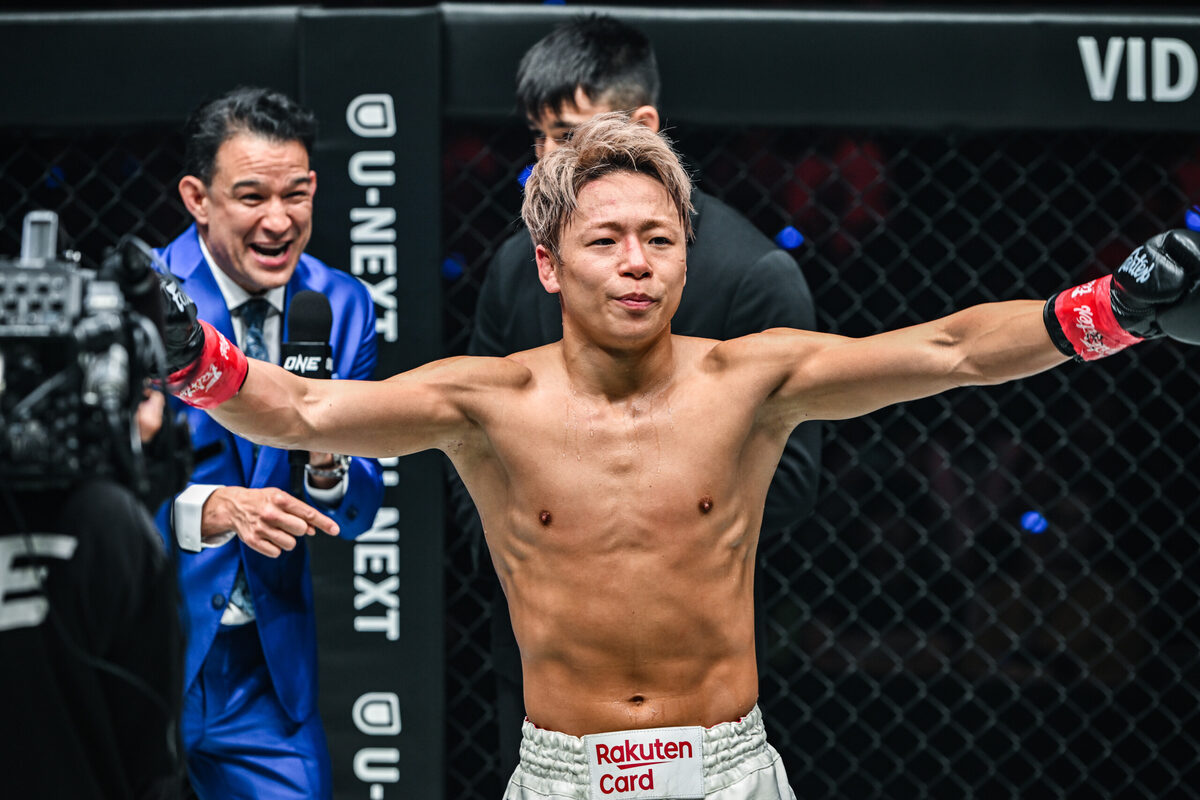
The next stage of the Tye Ruotolo story is simple to describe and hard to execute. He wants to keep his submission grappling belt, keep developing in MMA, and remain one of the most exciting movement-based grapplers in the sport. That means every next appearance matters. Fans are not just watching for a result. They are watching to see which version of Ruotolo shows up: the pure no-gi pressure machine, the broader combat athlete, or the hybrid that eventually makes both skill sets sharper. Based on his own comments, he is heading back to the lab with urgency, and that should make the next run even more interesting.
Watch Tye Ruotolo At ONE
How Ruotolo’s Style Changes Match Prep
Preparing for Tye Ruotolo is different from preparing for a more static specialist. If an opponent knows they are facing a pure leg-lock hunter or a pure top-pressure passer, the training camp can narrow around a smaller set of reactions. With Ruotolo, the camp has to stay wider. He might attack a front headlock, force a rolling scramble, threaten the back, or surf through half-settled positions until the other athlete makes a tired decision. That range forces opponents to train in layers instead of isolated counters.
For coaches, that means conditioning is not enough. Decision speed becomes a major part of the preparation. Athletes have to identify transitions early and deny his momentum before it compounds. That is one reason he stays so relevant. His style is physically exhausting, but the bigger pressure is cognitive. Opponents feel like they have to solve the next problem before they fully stabilized the current one.
The Ruotolo Blueprint For Younger No-Gi Athletes
Younger grapplers watch Ruotolo because his game feels modern without becoming gimmicky. He is not winning through rule loopholes or by gaming optics for judges. He is winning through pace, chain attacks, and confidence in uncomfortable positions. That is a powerful model for up-and-coming no-gi athletes who want to build an aggressive identity without turning every match into low-percentage chaos.
The blueprint is not “move fast and hope.” It is “build enough technical depth that movement becomes a weapon.” Ruotolo’s best sequences look improvised from the outside, but they are built on years of mat time. The same is true for his brother Kade. When fans talk about the Ruotolo style, what they are really describing is a trust in transitional jiu-jitsu that many athletes never develop because they are taught to fear scrambles instead of mastering them.
Where He Fits In The Current No-Gi Hierarchy
No-gi grappling in 2026 has several distinct lanes. Some athletes are rule-set kings, some are superfight specialists, some are ADCC-centered names, and some are crossing over into MMA or professional entertainment-heavy formats. Ruotolo matters because he crosses categories. He is famous enough to move viewership, technical enough to interest serious grapplers, and young enough that his ceiling still feels unfinished.
That mix gives him unusual value for the sport. Casual fans can understand the pace and violence of his style. Coaches can study the transitions. Competitors can use him as a measuring stick. Promoters can headline him. When a grappler checks all four boxes, he becomes more than just another elite athlete. He becomes part of the sport’s identity during that period.
The Bigger 2026 Question
The biggest question around Tye Ruotolo is not whether he is good enough. That part is settled. The real question is how he wants to divide his prime years. If he leans harder into MMA, his grappling appearances may become rarer but even more meaningful. If he keeps one foot firmly in submission grappling, he stays one of the clearest standard-bearers for the sport’s most aggressive style. Either path is compelling, and that is why interest in his name stays high every time he competes.
For Rashguard Guy readers, the practical takeaway is simple. Ruotolo still matters because he gives you a clean window into where elite no-gi grappling is going next: faster passing, wider transitions, more crossover athletes, and less patience for dead space. Even when he admits he felt rusty, he still produces the kind of performance that tells the rest of the division what the modern standard looks like.
Sources
- ONE Championship athlete profile for Tye Ruotolo
- ONE results coverage of Tye Ruotolo vs Pawel Jaworski
- Ruotolo interview after title defense against Pawel Jaworski
- ONE pre-fight analysis for Ruotolo vs Jaworski
- ONE year-in-review feature on Ruotolo’s 2025 run
- IBJJF official site referenced for Jaworski’s no-gi world champion credentials
Browse our top-rated rashguards and no-gi gear at the RashguardGuy shop →