
Leg Lock Guide: Complete No-Gi Submission Techniques
Leg Lock Guide: Complete No-Gi Submission Techniques
Leg locks represent the most explosive submissions in no-gi grappling, capable of ending fights in seconds. From Gordon Ryan’s lightning-fast heel hooks at ADCC to Lachlan Giles’ systematic destruction of heavyweight opponents, these techniques have revolutionized modern Brazilian Jiu-Jitsu and submission grappling.
This comprehensive guide breaks down every major leg lock submission, entry positions, and safety protocols for training these dangerous techniques.
What Are Leg Locks in BJJ?
A leg lock is any submission that attacks the lower extremities – ankles, knees, and hips. Unlike chokes or arm submissions, leg locks primarily target joints and ligaments rather than muscles, making them extremely dangerous when applied incorrectly.
The modern leg lock system centers around leg entanglements – positions where you control your opponent’s leg while protecting your own. These positions, popularized by John Danaher and his students, provide the foundation for systematic leg attacks.
Key characteristics of effective leg lock systems:
- Control before submission
- Multiple attack options from each position
- Smooth transitions between entanglements
- Inside position dominance
Types of Leg Lock Submissions
Heel Hook
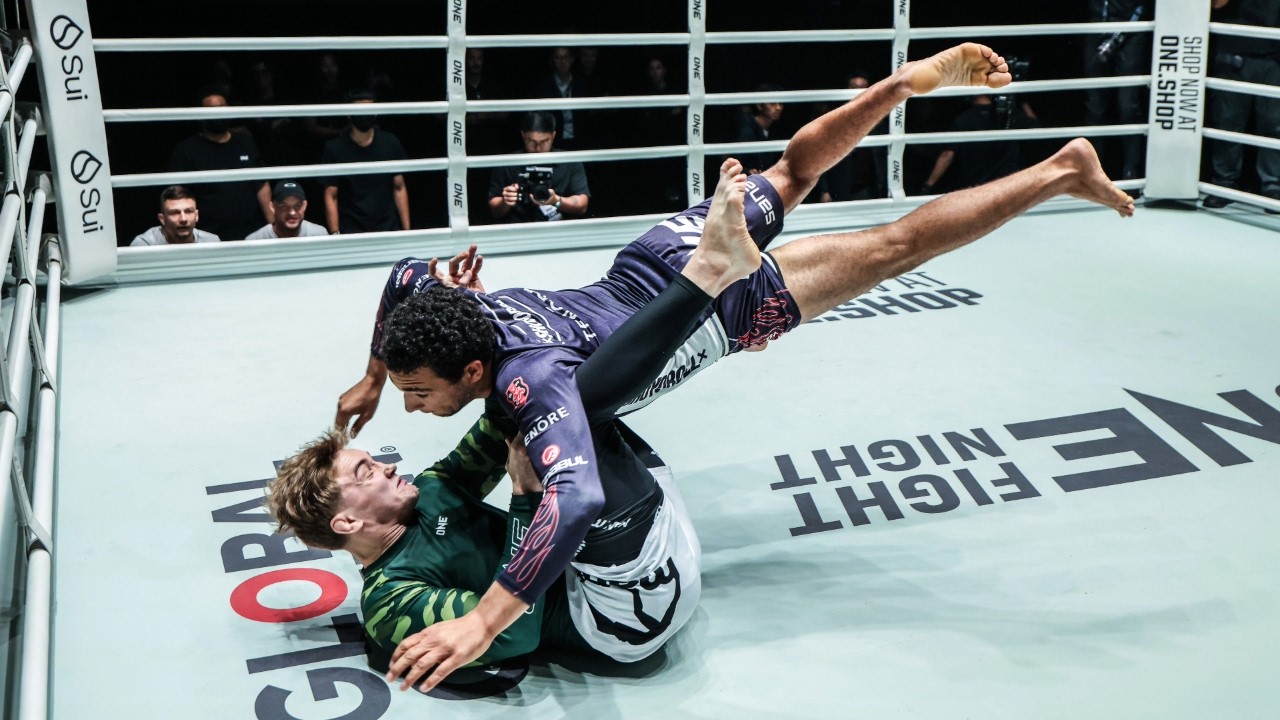
The heel hook attacks the ankle and knee simultaneously through rotational force. Considered the most dangerous leg lock, it can cause catastrophic ligament damage before pain registers.
Mechanics:
- Cup the heel with both hands
- Create figure-four grip around the Achilles
- Rotate the heel away from the knee
- Squeeze elbows together for maximum pressure
Primary Targets: ACL, MCL, LCL, meniscus
Straight Ankle Lock
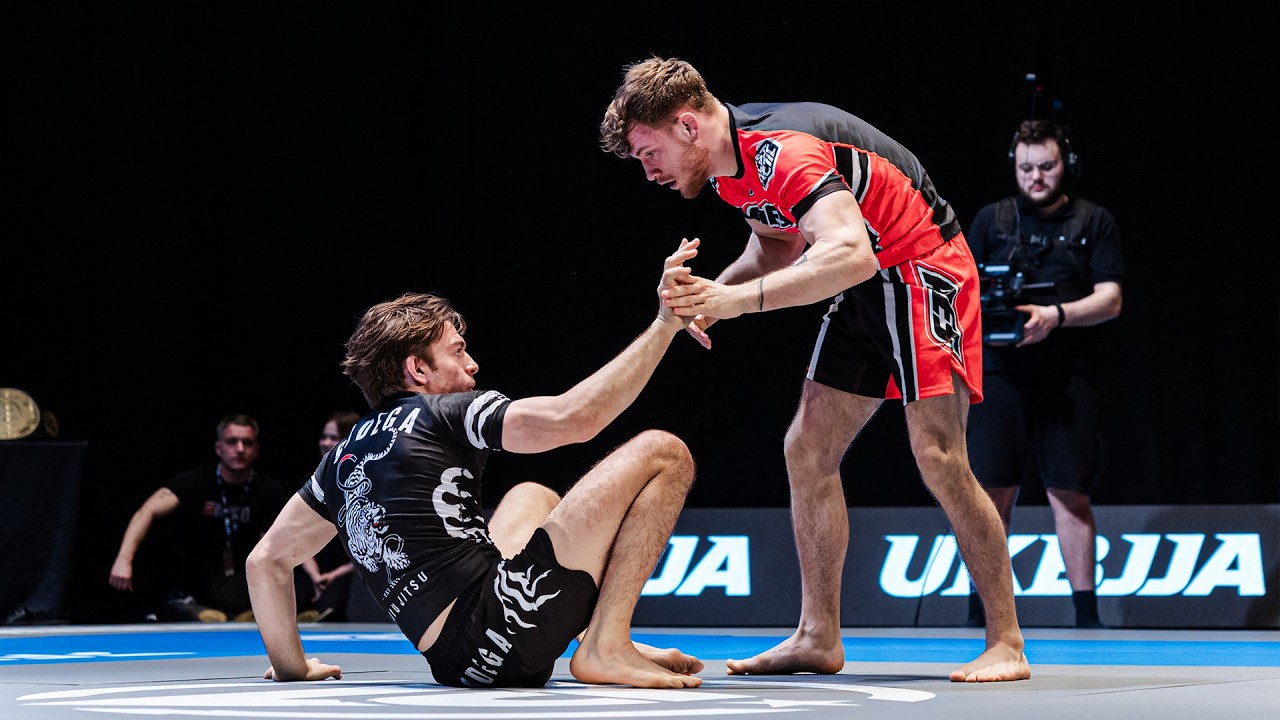
The most fundamental leg lock, attacking the ankle joint through hyperextension. Often called a “straight foot lock,” this submission forms the foundation of leg lock training.
Mechanics:
- Secure the foot in your armpit
- Grip around the Achilles tendon
- Arch your back and drive hips forward
- Isolate the ankle to prevent escape
Primary Targets: Ankle joint, Achilles tendon
Kneebar
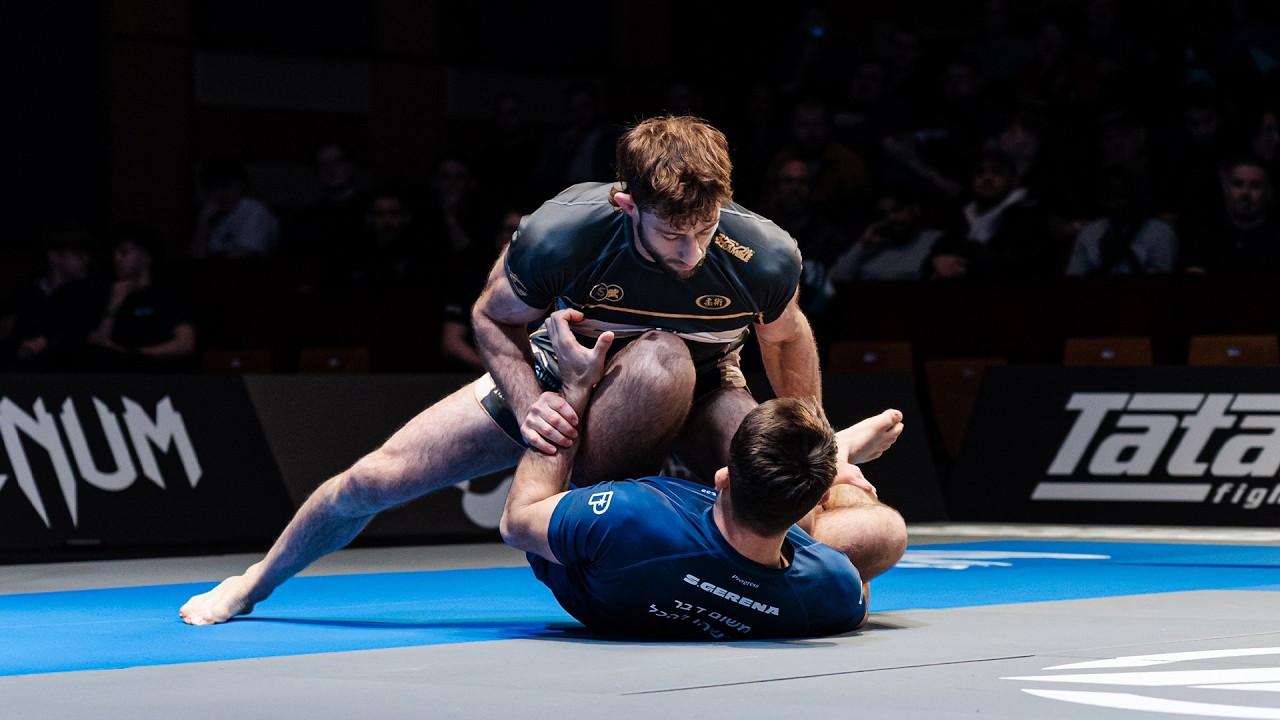
A powerful submission that attacks the knee through hyperextension. The kneebar can be applied from various positions including 50/50 guard and knee-on-belly.
Mechanics:
- Isolate the leg across your body
- Secure the ankle tight to your chest
- Place forearm across the kneecap
- Arch back while pulling the ankle
Primary Targets: Knee joint, ACL, PCL
Toe Hold
A twisting submission that attacks the ankle through rotation. Less common than other leg locks but highly effective from certain positions.
Mechanics:
- Grip the foot with figure-four hold
- Isolate the big toe side
- Twist the foot toward the shin
- Use body weight for leverage
Primary Targets: Ankle ligaments, foot bones
Essential Leg Entanglement Positions
Ashi Garami (Outside Position)
The foundation of modern leg attacks, ashi garami provides exceptional control while setting up multiple submissions. Your outside leg clamps their thigh while your inside leg controls their hip.
Key Details:
- Outside knee pinches their trapped thigh
- Inside leg hooks their far hip
- Hands control the knee line
- Head positioned on the outside
Inside Sankaku (Inside Position)
A dominant leg entanglement where you achieve inside position on both legs. This position offers superior control and multiple finishing options.
Key Details:
- Both legs inside their legs
- Triangle configuration with your legs
- Hands free for submissions
- Prevents most escapes
50/50 Guard
A symmetrical position where both athletes have similar leg entanglements. While seemingly neutral, subtle advantages determine the outcome.
Key Details:
- Mirror leg positions
- Battle for inside position
- Hand fighting crucial
- Multiple submission options
Entry Techniques to Leg Entanglements
Single Leg X to Ashi Garami
One of the most reliable entries from standing or guard, this transition capitalizes on single leg defense attempts.
Step-by-Step:
- Secure single leg X position
- Use outside foot to kick their far leg
- Slide your inside leg under their trapped leg
- Establish ashi garami control
- Attack heel hook or transition
X Guard to Inside Sankaku
A smooth transition that capitalizes on X guard control to achieve dominant leg entanglement.
K Guard Entry System
A systematic approach to entering leg entanglements from seated guard positions.
Safety and Training Protocols

Leg locks require extreme caution due to their potential for serious injury. Unlike chokes where you feel pressure gradually, leg attacks can cause damage before pain registers.
Training Guidelines
- Start slow: Begin with straight ankle locks before progressing
- Tap early: Don’t test your flexibility with submissions
- Controlled pressure: Apply submissions gradually
- Experienced partners: Train with knowledgeable teammates
- Regular instruction: Attend seminars and workshops
Competition Rules
Different organizations have varying rules regarding leg locks:
- IBJJF: Heel hooks prohibited until black belt
- ADCC: All leg locks legal
- Submission Underground: Full leg lock freedom
- NAGA: Intermediate divisions allow most leg locks
Common Mistakes and How to Avoid Them
Submission Before Position
The biggest mistake in leg lock training is rushing to submissions without establishing proper control. Focus on achieving and maintaining leg entanglements before attempting finishes.
Neglecting Defense
Many practitioners focus solely on attacking without learning proper defensive techniques. Understanding escapes improves both your offense and safety.
Improper Training Partners
Training leg locks with inexperienced or overly aggressive partners increases injury risk significantly.
Professional Athletes and Leg Lock Systems

Gordon Ryan’s Systematic Approach
The current ADCC absolute champion built his leg lock system around inside position dominance and systematic transitions between entanglements.
Lachlan Giles’ Giant Killing
Giles proved leg locks can overcome size disadvantages, earning ADCC bronze by submitting multiple heavyweight competitors with precise technique.
John Danaher’s Influence
The mastermind behind the “Danaher Death Squad” revolutionized leg lock instruction through systematic approaches and detailed breakdowns.
Equipment and Gear for Leg Lock Training
While leg locks don’t require specialized equipment, certain gear can enhance training:
- Quality rashguards: Prevent mat burn during ground work
- Grappling shorts: Allow full range of motion
- Knee pads: Protect joints during extensive drilling
- Video analysis tools: Study technique and timing
Building Your Leg Lock Game
Progressive Training Plan
Beginner Phase (Months 1-6):
- Master straight ankle lock
- Learn basic ashi garami
- Focus on position over submission
- Develop defensive awareness
Intermediate Phase (Months 6-18):
- Add kneebar and toe hold
- Explore entry systems
- Train transitions between positions
- Spar with experienced practitioners
Advanced Phase (18+ Months):
- Incorporate heel hooks (where legal)
- Develop complete systems
- Teach and refine techniques
- Compete in appropriate divisions
Essential Drills
- Entry sequences: Practice transitions from common positions
- Position maintenance: Hold entanglements against resistance
- Escape patterns: Learn to get out of bad positions
- Submission chains: Connect multiple attacks
Mental Aspects of Leg Lock Training
Leg locks require significant mental preparation due to their dangerous nature:
- Patience: Don’t rush the learning process
- Respect: Understand the potential for injury
- Communication: Maintain dialogue with training partners
- Progression: Build skills systematically
The Future of Leg Locks in BJJ

As leg lock techniques continue evolving, several trends emerge:
- Earlier introduction in BJJ curricula
- More sophisticated defensive systems
- Integration with traditional positions
- Specialized competition formats
The leg lock revolution has fundamentally changed submission grappling. What once was considered a specialized skill set has become essential knowledge for any serious practitioner.
Understanding leg locks – both offensively and defensively – is no longer optional in modern no-gi training. Whether you’re pursuing competition success or simply want to round out your grappling game, developing a solid leg lock foundation will enhance your overall effectiveness on the mats.
Advanced Leg Lock Strategies
As your leg lock game develops, focus on these advanced concepts that separate elite practitioners from beginners:
Position Hierarchy and Control
Not all leg entanglements are created equal. Understanding position hierarchy allows you to make strategic decisions about when to attack and when to improve position:
- Inside Sankaku: Dominant position offering maximum control
- Outside Ashi Garami: Strong attacking position with multiple options
- 50/50 Guard: Neutral but dangerous for both athletes
- Cross Ashi: Transitional position requiring quick action
- Single Leg X: Entry position leading to better entanglements
Breaking Defensive Postures
Experienced opponents will maintain defensive postures to prevent submissions. Learn to systematically break these defenses:
- Create movement to disrupt their base
- Use feints and false attacks to create openings
- Chain submissions together to prevent single-minded defense
- Utilize upper body attacks to distract from leg focus
Integration with Guard Systems
Modern leg attacks don’t exist in isolation. They integrate seamlessly with established guard systems:
- X Guard to Leg Attacks: Natural transition from guard retention
- De La Riva to Single Leg X: Classic entry sequence
- Butterfly Guard to K Guard: Smooth positional flow
- Z Guard to Leg Entanglements: Half guard variations
For more foundational grappling positions, check out our comprehensive guide to no-gi guard retention.
Troubleshooting Common Problems
Every practitioner encounters specific challenges when developing their leg lock game. Here are solutions to the most frequent issues:
Problem: Can’t Maintain Entanglements
Solution: Focus on hip mobility and core strength. Practice holding positions without attempting submissions.
Problem: Opponents Keep Escaping
Solution: Study escape patterns and develop counters. Often the solution is transitioning to a different entanglement rather than forcing the current one.
Problem: Getting Counter-Attacked
Solution: Improve your own defensive awareness. Learn to recognize when you’re vulnerable and either abandon the attack or improve position first.
Competition Preparation
If you plan to compete with leg locks, specific preparation is essential:
Rule Set Familiarity
Study the specific rules for your competition. What leg locks are legal? Are there time restrictions? Position restrictions?
Pressure Testing
Regular sparring with fresh, athletic partners who understand leg locks is crucial for competition readiness.
Game Plan Development
Develop specific game plans for different opponent types:
– Leg lock specialists: Focus on superior position and defensive awareness
– Traditional players: Use leg attacks to exploit their unfamiliarity
– Wrestlers: Capitalize on their leg exposure during takedown attempts
For comprehensive competition preparation, explore our complete no-gi training program.
Injury Prevention and Recovery
Given the dangerous nature of leg locks, injury prevention must be a priority:
Warm-Up Protocols
- Ankle circles and flexion exercises
- Knee mobility work
- Hip opening sequences
- Light stretching of leg muscles
Recovery Methods
- Ice baths after intensive leg lock sessions
- Compression garments for joint support
- Regular massage therapy
- Adequate rest between training sessions
For more information on injury prevention in grappling, consult with qualified sports medicine professionals and consider resources from established martial arts organizations like the IBJJF or ADCC.
Remember: respect these techniques, train safely, and always prioritize long-term health over short-term gains. The power of leg locks demands nothing less than complete dedication to proper training methods and progressive skill development.
Browse our top-rated rashguards and no-gi gear at the RashguardGuy shop →