No-Gi Competition Gear Guide: What Pros Wear
Whether you’re preparing for your first no-gi tournament or gearing up for a super fight, your equipment choices matter more than most grapplers realize. The right rashguard, shorts, and accessories can affect your grip game, temperature regulation, and even your confidence on the mat.
With major events like ADCC 2026 in Kraków, CJI, and WNO headlining the competition calendar, the no-gi grappling scene has never been bigger — and neither has the gear market. Here’s what elite competitors actually wear, and what you should look for when building your own competition kit.
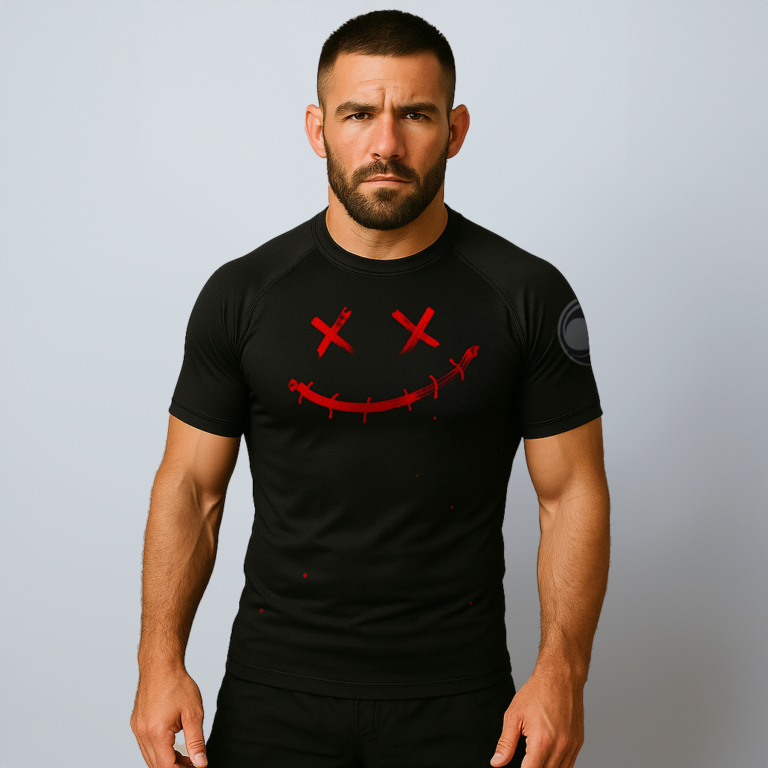
Rashguards: The Foundation of Your No-Gi Kit
The rashguard is the single most important piece of no-gi gear. It protects against mat burn, reduces skin-to-skin contact (crucial for hygiene), and provides a compression layer that helps with muscle fatigue during long training sessions and tournament days.
Long Sleeve vs. Short Sleeve
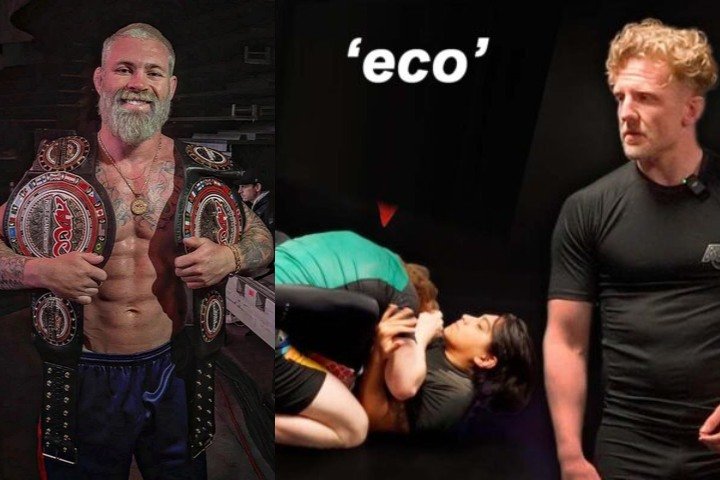
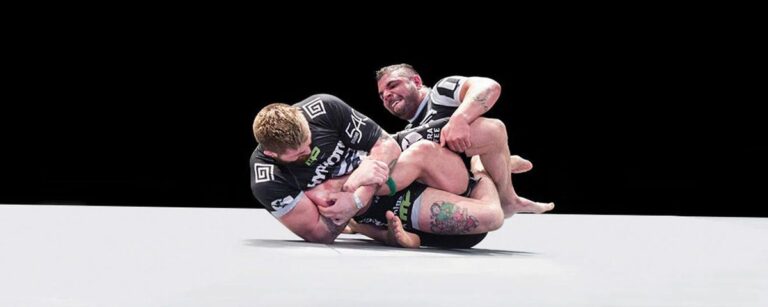
This isn’t just a style choice — it’s a tactical one. Long-sleeve rashguards offer more skin protection, reduce friction burns during extended guard play, and make it slightly harder for opponents to establish wrist and arm grips. That’s why you’ll see competitors like Gordon Ryan and Giancarlo Bodoni frequently competing in long sleeves, even in warm venues.
Short-sleeve rashguards offer greater freedom of movement in the shoulders and can keep you cooler during intense matches. Competitors who play a lot of underhooks and wrestling-based passing — think Nicky Ryan or Tye Ruotolo — often prefer short sleeves for unrestricted arm movement.
The verdict: Own both. Use long sleeves for competition (more protection, IBJJF compliance) and short sleeves for training when comfort is the priority.
Ranked vs. Unranked Rashguards
If you’re competing under IBJJF rules, you’ll need a ranked rashguard that matches your belt color. The rules are specific: at least 10% of the rashguard must be the athlete’s rank color. White, blue, purple, brown, and black — each rank has its own color requirements.
For ADCC, WNO, and most submission-only events, there are no color restrictions. Athletes can wear whatever they want, which is why you see such creative designs at these competitions. Many competitors wear their sponsor’s branded rashguards — Hyperfly, VHTS, Kingz, and Tatami are some of the most visible brands at elite events.
What to Look for in a Competition Rashguard
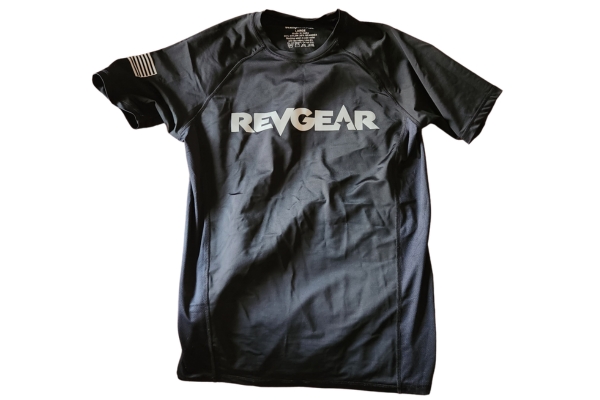
- Fabric blend: Look for polyester/spandex blends (typically 80/20 or 85/15). This gives you compression, moisture-wicking, and four-way stretch.
- Flatlock stitching: Prevents chafing during long rolls. Cheap rashguards with standard seams will irritate your skin within a few rounds.
- Silicone grip hem: A rubberized waistband prevents the rashguard from riding up during scrambles. This is non-negotiable for competition.
- Sublimated printing: Designs printed directly into the fabric won’t peel, crack, or fade. Avoid screen-printed rashguards for training.
Brands like Hyperfly, Scramble, Tatami, and Kingz consistently deliver on all four of these criteria. Budget options from Sanabul and Elite Sports have improved dramatically and offer solid quality at lower price points.
Looking for a rashguard that stands out on the mat? Check out our collection of tested and ranked BJJ rashguards for 2026 for detailed reviews.
Spats and Compression Tights
Spats (also called compression tights or grappling tights) serve the same function for your lower body that rashguards serve for your upper body: skin protection, compression support, and hygiene. In no-gi competition, spats are typically worn under fight shorts, though some rulesets allow spats alone.
Key features to look for:
- Gusseted crotch: Allows full range of motion for guard play and inversions
- Compression fit: Supports muscles and reduces fatigue during long tournament brackets
- No pockets or loops: Anything that catches fingers or toes is a safety hazard and often rules-illegal
- Reinforced knees: The knees take the most abuse in grappling; reinforced panels extend the life of your spats considerably
At major competitions, you’ll notice most elite grapplers wear matching rashguard-and-spats sets. This isn’t just vanity — coordinated sets from the same brand typically use the same fabric weight and compression level, giving you a consistent feel across your whole body.
Fight Shorts vs. Board Shorts
This is where many beginners make their first mistake. Regular board shorts or athletic shorts are not designed for grappling. They have pockets, zippers, buttons, and loose fabric that can catch fingers, toes, and cause injuries.
What Makes Fight Shorts Different
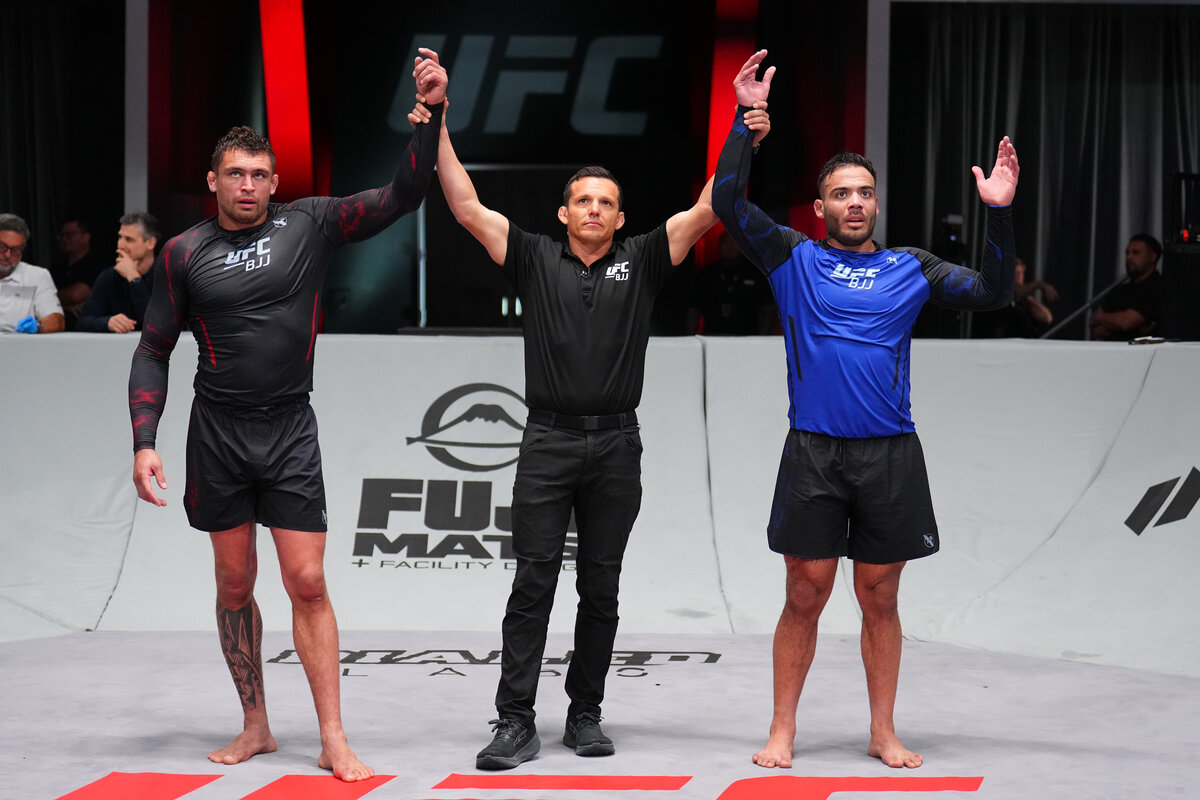
Purpose-built grappling shorts feature:
- No-grab exterior: Smooth fabric with no pockets, belt loops, or external hardware
- Velcro and drawstring closure: Secure waistband that won’t come undone mid-match
- Four-way stretch fabric: Allows full hip mobility for guard work and passing
- Shorter inseam: Typically 7-9 inches to prevent bunching behind the knees
- Reinforced inner seams: Critical for durability during heavy guard play
Top competitors at ADCC and CJI events overwhelmingly wear purpose-built fight shorts from brands like Hyperfly (the Icon shorts are a perennial favorite), VHTS, and Scramble. The trend in 2026 leans toward shorter, more fitted cuts that eliminate excess material opponents could grab.
New to no-gi training? Our BJJ gear guide for beginners covers everything you need to get started without breaking the bank.
Essential Accessories: The Gear Nobody Talks About

Mouthguards
A mouthguard is arguably the most important piece of protective gear in grappling, yet many competitors skip it. A stray knee during a scramble or a hard crossface can chip or knock out teeth. Custom-molded mouthguards from SISU or Gladiator offer the best protection-to-comfort ratio and allow you to breathe and communicate during rounds.
Boil-and-bite mouthguards from Shock Doctor work fine for training. For competition, invest in a custom-fit option — your dental bill after one accident will cost far more.
Ear Guards
Cauliflower ear is a badge of honor for some grapplers, but it’s a preventable condition. If you’re training heavily and notice your ears getting tender, Cliff Keen wrestling headgear and Matman ear guards are the gold standard. They’re legal in most no-gi competitions (check your specific ruleset) and can save you from painful draining sessions.
Finger Tape
Even in no-gi where there’s no collar gripping, finger tape is essential. It supports sprained fingers, prevents hyperextension during grip fighting, and protects calluses. Monkey Tape and standard athletic zinc oxide tape are the most popular choices. Apply it before training — not after you’re already hurt.

Knee Pads and Knee Sleeves
If you play any kind of wrestling-based game or spend time on your knees during passing, knee pads are worth their weight in gold. Thin neoprene knee sleeves from Bauerfeind or Rehband provide compression and joint support without restricting movement. Many ADCC competitors wear thin sleeves under their spats — you just can’t see them.
For training, wrestling-style knee pads with padding (like Cliff Keen or Asics) protect against mat burn during takedown drills and knee-slice passing.
What ADCC and CJI Competitors Actually Wear in 2026
The gear landscape has shifted significantly over the past few years. Here’s what we’re seeing at the highest levels of no-gi competition:
- Gordon Ryan — Competes in Hyperfly and his own brand. Typically wears long-sleeve rashguards with fitted fight shorts.
- Tye and Kade Ruotolo — Hyperfly athletes who often compete in short-sleeve rashguards and shorter fight shorts for maximum mobility.
- Giancarlo Bodoni — Frequently seen in VHTS and B-Team affiliated gear, consistently choosing long-sleeve rashguards.
- Ffion Davies — Typically competes in Tatami gear with long-sleeve rashguards and standard-length spats.
- Nicholas Meregali — Since his transition to no-gi, has been wearing various premium brands including New Wave affiliated gear.
- Kaynan Duarte — The 2024 ADCC double gold medalist favors compression-fit rashguards with minimal branding and fitted shorts.
The common thread? These athletes all wear premium compression-fit rashguards with sublimated designs, purpose-built fight shorts with no external hardware, and matching spats underneath. Nobody at the elite level is wearing a cotton t-shirt and basketball shorts.
Building Your Competition Kit: A Complete Checklist
Here’s everything you need for a no-gi competition day, based on what we see in warm-up areas at ADCC, WNO, and other major no-gi events:
| Item | Priority | Notes |
|---|---|---|
| Rashguard (long sleeve) | Essential | Bring 2 — one for warm-up, one for competition |
| Rashguard (short sleeve) | Recommended | Backup option and training use |
| Fight shorts (x2) | Essential | No pockets, velcro + drawstring closure |
| Spats / compression tights | Essential | Worn under shorts for skin protection |
| Mouthguard | Essential | Custom-molded preferred for competition |
| Athletic cup | Optional | Required by some rulesets; check before competing |
| Finger tape | Recommended | Zinc oxide tape for joint support |
| Knee sleeves | Optional | Thin neoprene for compression and support |
| Ear guards | Optional | Check ruleset legality before competing |
Where to Buy Quality No-Gi Gear
The market for no-gi competition gear has exploded. Here are the tiers to consider:
Premium ($50-80+ per piece)
Hyperfly, VHTS, Moya Brand, Shoyoroll, Jiujiteiro — These brands offer the best materials, most consistent sizing, and highest compression quality. If you’re competing regularly, this is where your money is best spent.
Mid-Range ($30-50 per piece)
Tatami, Kingz, Scramble, Venum, Hayabusa — Excellent quality-to-price ratio. Many professional competitors wear these brands. Tatami and Scramble in particular have strong reputations for durability.
Budget-Friendly ($15-30 per piece)
Sanabul, Elite Sports, XMartial — Great for beginners or grapplers who train frequently and need multiple sets. Quality has improved significantly in recent years.
We also carry a curated selection of no-gi gear and rashguards right here at Rashguard Guy. Whether you’re training daily or prepping for your next competition, check out our top-rated rashguard picks — we’ve got designs that perform on the mat and stand out from the crowd.
Final Thoughts
Your no-gi gear is an investment in your training and competition performance. A quality rashguard that fits properly won’t ride up during scrambles. Fight shorts without pockets won’t catch your opponent’s fingers. A custom mouthguard will protect your smile through thousands of rolls.
As the sport continues to evolve — with ADCC 2026 heading to Kraków this September, CJI pushing the boundaries of professional grappling, and more no-gi practitioners joining the mats every day — the gear has to keep pace. Choose wisely, invest in quality where it counts, and you’ll spend less time adjusting your kit and more time hunting submissions.
Ready to upgrade your competition gear? Browse our top-rated rashguard picks for 2026 and hit the mats in style.
Browse our top-rated rashguards and no-gi gear at the RashguardGuy shop →