Body Lock Passing: 7 No-Gi Techniques That Dominate in 2026
No-gi guard passing has gone through a complete overhaul in the last decade, and no single control has shaped that shift more than the body lock. What started as a wrestling concept for controlling top position has evolved into a sophisticated passing system — one that elite grapplers like Gordon Ryan, Nicky Rodriguez, Craig Jones, and Lachlan Giles have refined into a dominant framework for no-gi competition. If you’re still passing with a loose posture and hoping to pin a wrist or two, you’re already behind.
The complete no-gi BJJ game demands control before movement, and body lock passing gives you exactly that: a way to compress, control, and methodically dismantle guards without giving up your posture or exposing yourself to leg lock counters. This guide breaks down seven techniques that make up the modern body lock passing system.

What Is Body Lock Passing in BJJ?
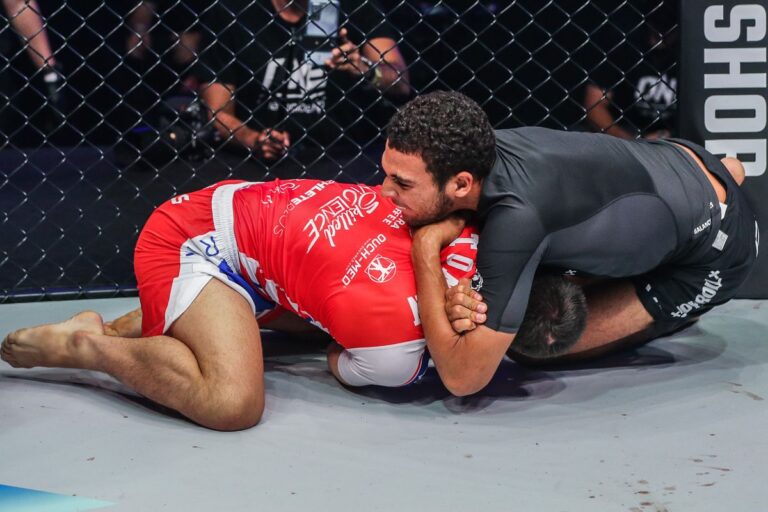
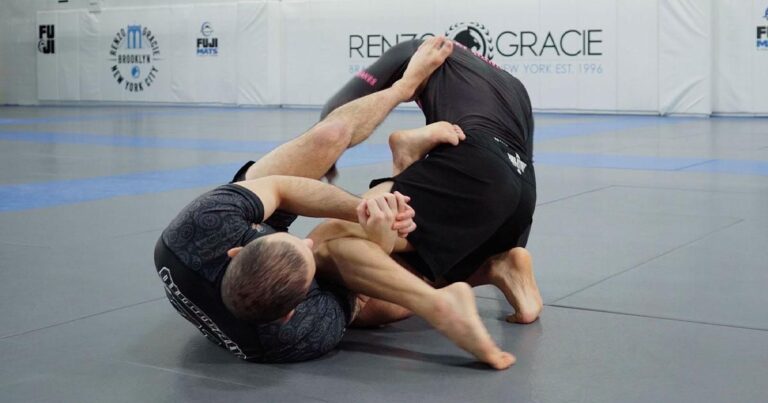
Body lock passing is a guard passing system built around wrapping both arms around your opponent’s torso — typically threading one arm under the far hip and the other over or under the near hip — to create a two-on-one connection that eliminates frames and space simultaneously. In no-gi specifically, where there are no lapels to grip and opponents can move fluidly, the body lock serves as an anchor that neutralizes most defensive guard retention options.
The body lock isn’t just a grip. It’s a positional philosophy. When you’re locked in, your weight distribution, hip alignment, and leg positioning all work together to generate pressure that wears down guard players over time. It’s one of the reasons the B-Team stable — particularly Nicky Ryan and Nicky Rodriguez — has become so closely associated with the technique. They’ve taken it from a rough wrestling concept to a precision passing instrument.
There are two main entry variants: the over-under body lock (one arm over the hip, one arm under) and the double-under body lock (both arms under the hips). Each creates slightly different leverage and leads to different passing sequences. Understanding when to use each is a core skill for this system.
The Headquarters Position: Your Body Lock Passing Launch Pad
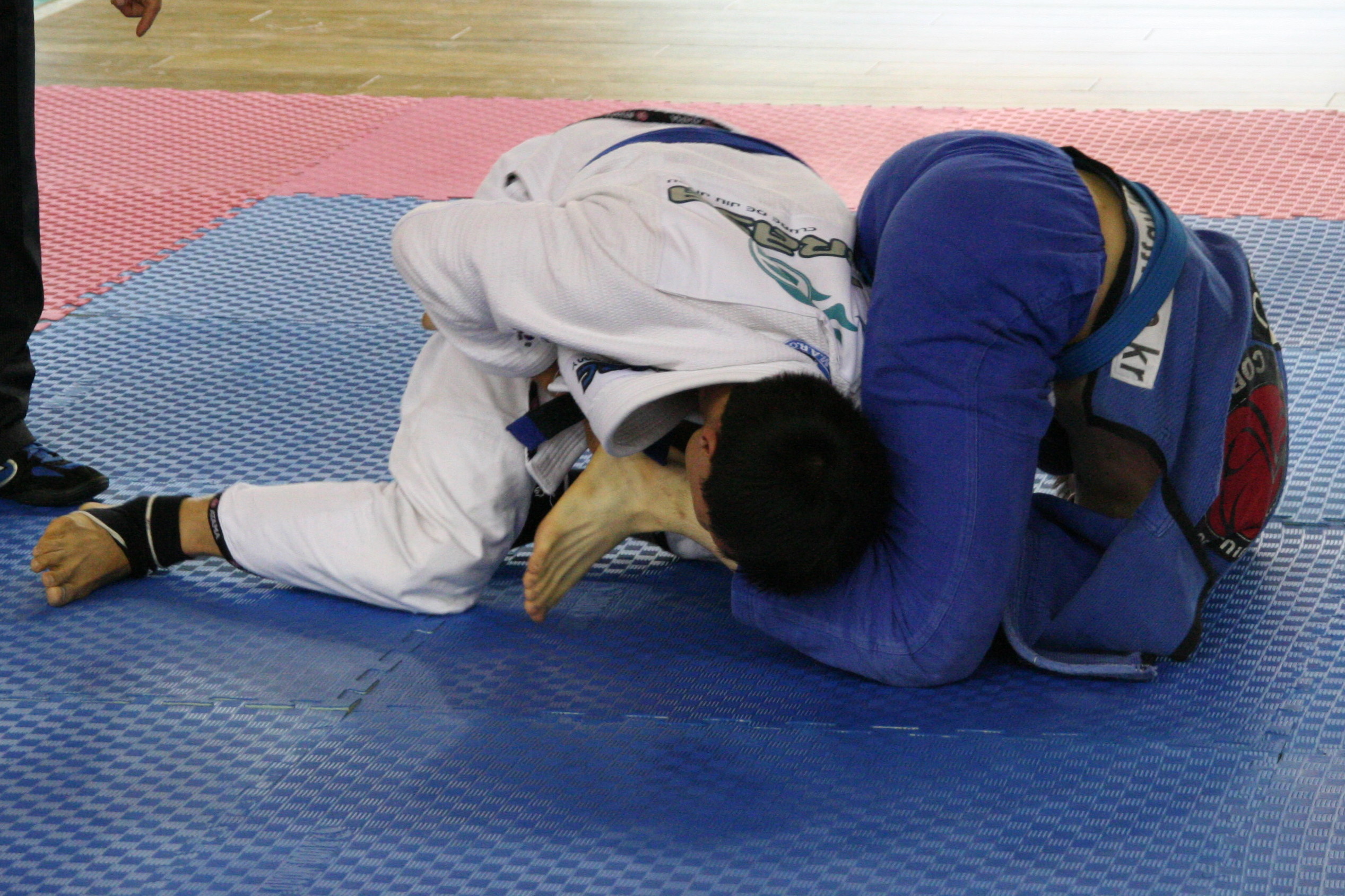
Before you can execute any body lock pass, you need to understand the headquarters position BJJ practitioners use as their staging ground. Headquarters is a specific posture where you’re on one knee beside your opponent’s leg, with your other foot posted forward, creating a stable base that lets you threaten multiple passes simultaneously.
From headquarters, the body lock becomes accessible because:
- Your inside position already has access to the far hip
- Your knee cut threat forces the guard player to react defensively
- The angle makes threading the underhook arm natural rather than forced
- Your weight is already loaded toward their hips — one step from the lock
Gordon Ryan popularized this positioning by demonstrating how simply threatening the headquarters position creates reaction-based opportunities. When opponents defend the knee cut, they open up the body lock entry. When they defend the body lock, the knee cut and leg drag become available. The headquarters position is the knot that holds these threats together. Read more about Gordon Ryan’s passing philosophy and how it’s influenced modern no-gi BJJ.
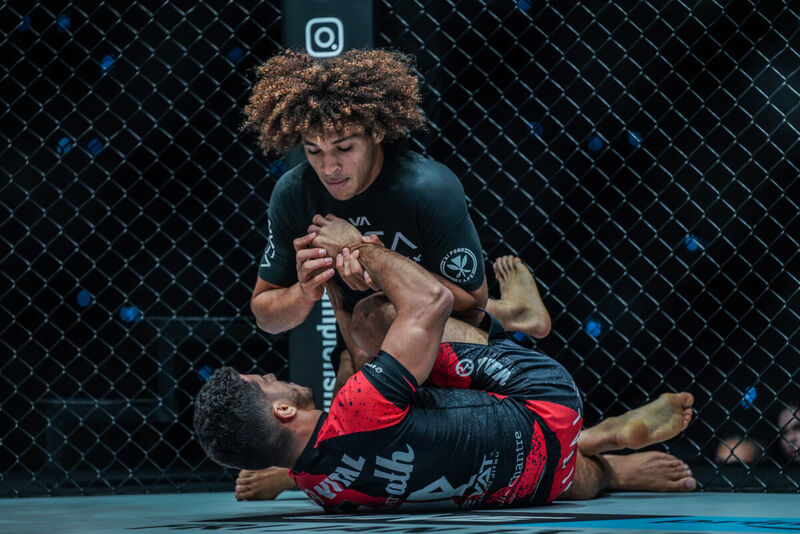
Technique 1: The Standard Over-Under Body Lock Pass (No Gi)
The over under pass no gi version of the body lock is the most common entry and the one Nicky Rodriguez made famous at ADCC 2022, where he used it to systematically break down multiple world-class guard players including Andre Galvao.
The mechanics:
- From headquarters, shoot your far arm under the far hip (this is your “under” arm)
- Drive your near arm over the near hip, reaching across to connect with your under hand or wrist
- Squeeze your elbows toward each other to compress and flatten their hips
- Walk your hips toward their head at 45 degrees, not straight across
- Use your forehead or chest to pin the near hip as you transition to side control
The key detail most people miss: the pass happens before you try to clear the legs. The compression itself disrupts guard retention. You’re not muscling past the guard — you’re making it structurally impossible for them to maintain an effective guard as you walk around.
Technique 2: The Half Guard Body Lock Pass No Gi
The half guard pass no gi using a body lock is arguably more reliable than the open guard version because the opponent already has committed one of their legs. When someone shoots to half guard against your knee cut, they’ve made a positional concession that you can exploit immediately.
From trapped half guard with a body lock:
- Maintain your body lock grip, don’t let them establish an underhook
- Drive your trapped knee toward the mat in a windshield wiper motion
- Walk your body lock toward their head — the half guard knee will peel off naturally
- Shift weight to your chest and shoulder to keep them flat throughout
- Complete to side control or north-south, whichever presents itself
Craig Jones uses this to devastating effect — his system specifically uses the half guard body lock as a way to bypass the standard “get the underhook, take the back” game and instead go directly to the pass. It’s faster and avoids the scramble entirely.
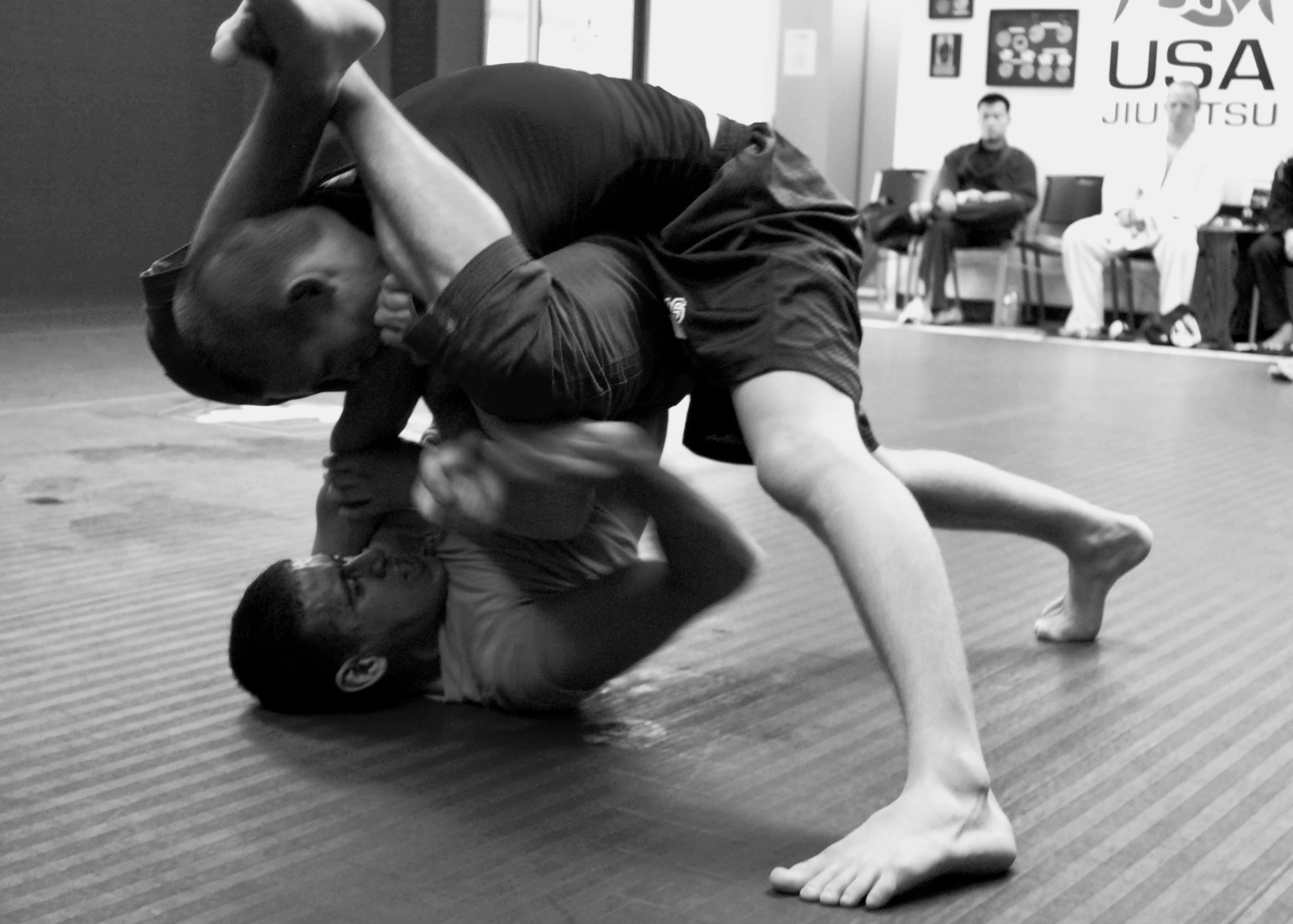
Technique 3: Body Lock Pass to Back Take Conversion
One of the reasons the body lock system is so difficult to defend is the back take option. When an opponent defends the forward pass by turning toward you, they inadvertently present their back. Lachlan Giles has demonstrated this connection repeatedly — his ability to threaten the back from a body lock keeps opponents guessing and makes them more likely to accept the pass rather than scramble.
The conversion sequence:
- Establish body lock, begin walking to pass
- Opponent turns to face you (common defensive reaction)
- Your near arm transitions from over-the-hip to seat-belt position
- Your far arm stays in place or hooks the far leg
- Complete back take with harness grip, secure rear mount
This is high-percentage because the opponent’s defensive turn creates exactly the angle needed for back exposure. You don’t need to force it — the body lock pressure makes them move into the position themselves.
Technique 4: The Double Under Body Lock Variation
When opponents successfully post their knee or use a strong Z-guard framing against the over-under, switching to a double-under grip changes the leverage equation. With both arms under the hips, you can generate more upward lift and disrupt their base more completely.
Double-under body lock details:
- Both arms must thread deep under each hip, connecting behind their lower back
- Raise their hips slightly off the mat to remove their base — just a few inches is enough
- Step your lead foot wide to establish a strong base before moving
- The pass direction switches: you cut toward their legs rather than walking toward their head
- Collapse their legs to one side as you follow through to side control
This variation pairs especially well against rubber guard practitioners or anyone who likes to establish a knee shield, because the double-under nullifies the frame by getting underneath it.

Dealing With Leg Lock Counters From the Body Lock
The biggest concern when using the body lock is exposure to leg lock counters. When you’re locked in with your hips lowered and your legs accessible, a skilled leg locker can shoot for ashi garami or a heel hook entry. This is a real threat — but it’s manageable with proper positioning.
If you’re training with athletes who understand ashi garami leg entanglement systems, you need to be aware of:
- Outside heel hook counters: Happen when your outside leg drifts toward them during the pass. Keep your outside foot posted wide and your toes pointing away.
- 50/50 entries: Common when you rush the pass without establishing full body lock control first. Slow down, compress first, then move.
- Leg drag to inside heel hook: If they strip your body lock by grabbing a leg, they can transition here. Defend by never letting them grip your ankle during the pass.
The modern body lock passing system accounts for these threats by emphasizing hip compression — keeping their hips flat makes most leg lock entries awkward — and constant forward pressure. The B-Team approach prioritizes smashing over mobility, and this directly reduces leg lock counter opportunities.
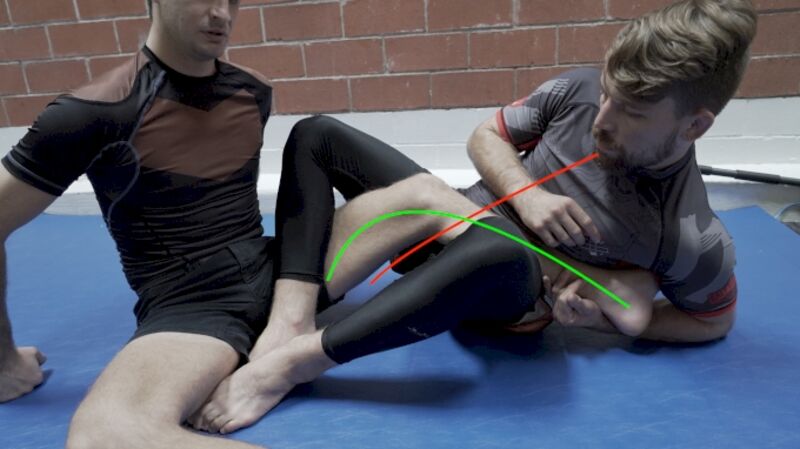
Technique 5: The Knee Slice to Body Lock Entry
The no gi guard passing sequence from knee slice to body lock is one of the most natural transitions in the system. You start with a knee cut — a staple pass — and when the opponent successfully defends by framing or re-guarding, you immediately convert to a body lock rather than resetting.
This sequence works because:
- The knee cut attempt has already compromised their guard structure slightly
- Their defensive frame creates a natural window for the under arm thread
- You’re already in motion, so adding the body lock connection is one fluid movement
- The opponent is mentally committed to defending the knee cut and doesn’t see the lock coming
For more detail on the leg drag component of this system — which often pairs with the body lock in competition — check out our breakdown of leg drag passing in no-gi BJJ.
Technique 6: Body Lock Against Butterfly and Leg Lasso
Open guard configurations like leg lasso and butterfly guard are specifically designed to prevent close-range control. Against these guards, the body lock entry requires a longer approach.
Against butterfly guard:
- Force a reaction by threatening the smash pass or backstep
- When they extend to frame, your chest becomes a platform
- Drive your hip into theirs to flatten — this is the “smash” entry to body lock
- Once flat, slide to over-under and begin the standard pass sequence
Against leg lasso:
- Clear the lasso first by stiff-arming their shin outward
- Immediately collapse into the body lock as their hip lifts from the clearing motion
- Do not pause between the lasso clear and the lock — the gap closes fast
Technique 7: Applying Body Lock Passing Under Competition Pressure
The final piece of the puzzle is application under real competitive pressure. The body lock passing BJJ system has been validated at the highest level of no-gi competition — ADCC World Championships, WNO events, and B-Team superfights. What makes it translate is the systematic nature of the approach.
At ADCC 2022, Nicky Rodriguez’s run demonstrated how effective methodical body lock pressure is even against elite guard players who’ve seen every variation. He didn’t rely on speed or athleticism — he applied steady, relentless compression and forced opponents to make defensive errors over time.
For competitors, this means:
- Drill the entry consistently until you can achieve the lock without stopping to think
- Work the “reactions game” — train what you do when each common defense appears
- Practice the finish at three different speeds: technical (slow), rolling (medium), competition (fast)
- Spar specifically against leg lock-focused training partners to develop the pressure-without-exposure quality of the pass
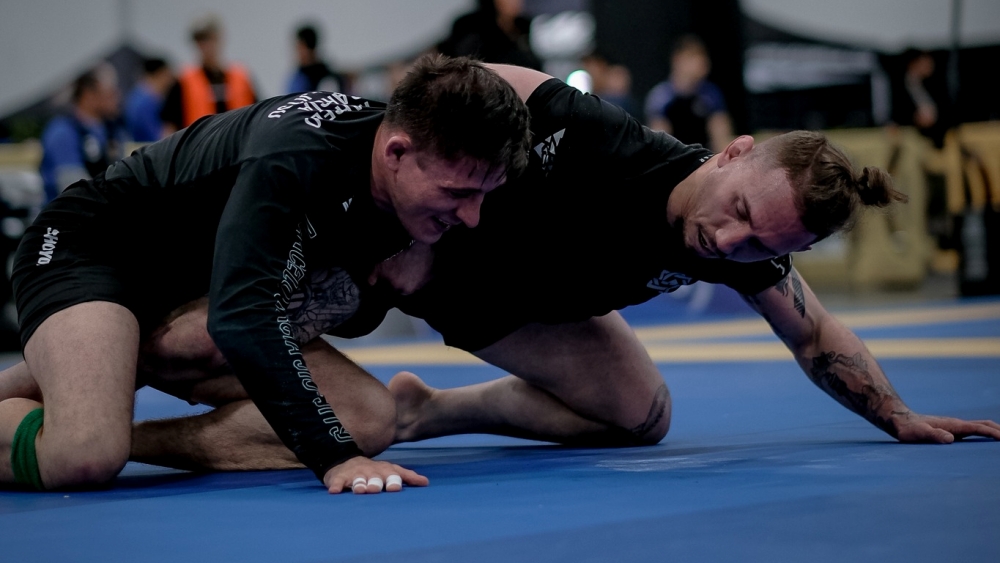
Watch: Nicky Ryan Breaks Down the Body Lock Pass
B-Team’s Nicky Ryan explains his body lock passing details in this technique breakdown:
The B-Team and New Wave Influence on Body Lock Passing BJJ
The rise of the body lock as a primary no-gi passing system is inseparable from the B-Team and what’s been called the New Wave grappling movement. Craig Jones, Nicky Rodriguez, Nicky Ryan, and their training partners didn’t invent the body lock — wrestlers have used it for decades — but they systematized it, pressure-tested it against the world’s best leg lockers and guard players, and proved it works at the absolute highest level.
The B-Team approach is characterized by:
- Smash-first philosophy: Control and compression before mobility
- Reaction-based passing: The technique you use depends on what the guard player gives you — the body lock is the hub, not the endpoint
- Integration with leg lock defense: Every passing sequence accounts for leg lock counters
- Positional hierarchy: Headquarters → body lock → pass/back is a ladder, not individual techniques
The result is a passing system that doesn’t depend on being faster or stronger than your opponent. It depends on making better positional choices and applying relentless, structured pressure.
For grapplers looking to develop this system, studying instructional material from FloGrappling — particularly competition footage from ADCC where this system has dominated — and BJJ Fanatics guard passing instructionals from Gordon Ryan and Craig Jones provides the deepest technical breakdown available. The ADCC official site also archives competition footage where you can watch this system at its highest expression.
Sources
- FloGrappling — ADCC 2022 World Championship Results and Analysis
- ADCC Official — World Championship Results and Competitor Records
- BJJ Fanatics — Gordon Ryan Guard Passing Instructional Notes
Browse our top-rated rashguards and no-gi gear at the RashguardGuy shop →