ADCC South American Trials Shake Up the No-Gi Scene: Roosevelt Sousa Dominates +99kg Division
The grappling world is still buzzing from the explosive action at the 2026 ADCC South American Trials that took place this past weekend in Rio de Janeiro, Brazil. Five elite grapplers punched their tickets to the World Championships, but it was heavyweight powerhouse Roosevelt Sousa who stole the show with a devastating submission victory in the +99kg final.
Sousa, representing Fight Sports, showcased exactly why he’s considered one of the most dangerous heavyweights in no-gi competition. His path to ADCC Worlds qualification was nothing short of dominant, capping off with a slick submission finish over Pedro Alex in the gold medal match.

The Road to Rio: How the Trials Unfolded
The ADCC South American Trials brought together the continent’s most elite no-gi practitioners, all vying for their shot at grappling immortality. With only five men’s spots available across all weight classes, every match carried championship-level intensity.
David Santos claimed the 66kg division with a points victory over Diego Ortiz, while Julio Martins secured his spot by defeating Martin Abeal at 77kg. The 88kg bracket saw Franco Diaz emerge victorious against Gabriel Brod, and Eli Braz dominated the 99kg division with a points win over Fellipe Trovo.
But it was the heavyweight division that delivered the most spectacular finish. Roosevelt Sousa’s submission victory wasn’t just a win – it was a statement that Brazil’s big men are ready to make serious noise at the World Championships.
Roosevelt Sousa: The Heavyweight to Watch
Sousa’s performance at the trials reinforced his reputation as one of the most technically sound heavyweights in the sport. His ability to blend old-school Brazilian Jiu-Jitsu fundamentals with modern no-gi innovations makes him incredibly dangerous across all phases of grappling.
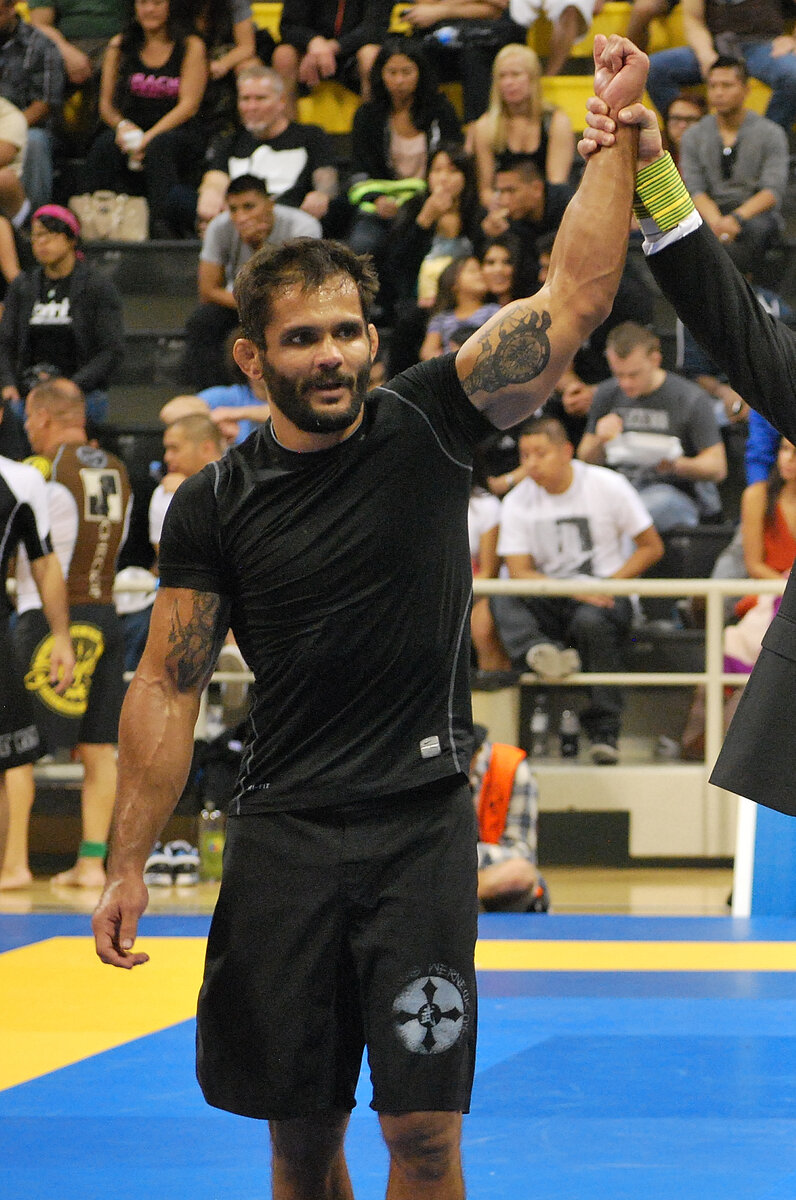
What sets Sousa apart from many heavyweights is his submission game. While many larger grapplers rely primarily on pressure and control, Sousa actively hunts for finishes. His back control is particularly nasty, with a rear naked choke that’s claimed numerous victims throughout his career.
The fact that he finished Pedro Alex by submission in the final speaks volumes about his mindset. Instead of coasting to a safe points victory, Sousa went for the kill – exactly the kind of mentality that makes ADCC so compelling.
Check out Roosevelt Sousa’s dominance in no-gi competition — here he is winning the Absolute No-Gi World Championship:
Breaking Down the Modern No-Gi Half Guard Game
With the trials serving as a showcase for the current state of no-gi grappling, it’s worth examining some of the key technical trends that emerged. One position that continues to evolve rapidly is the half guard.
Traditional Brazilian Jiu-Jitsu taught us to view half guard as primarily a defensive position – a last resort when full guard couldn’t be maintained. Modern no-gi competition has completely flipped this narrative.
The Three Pillars of No-Gi Half Guard Success
1. Underhook Control
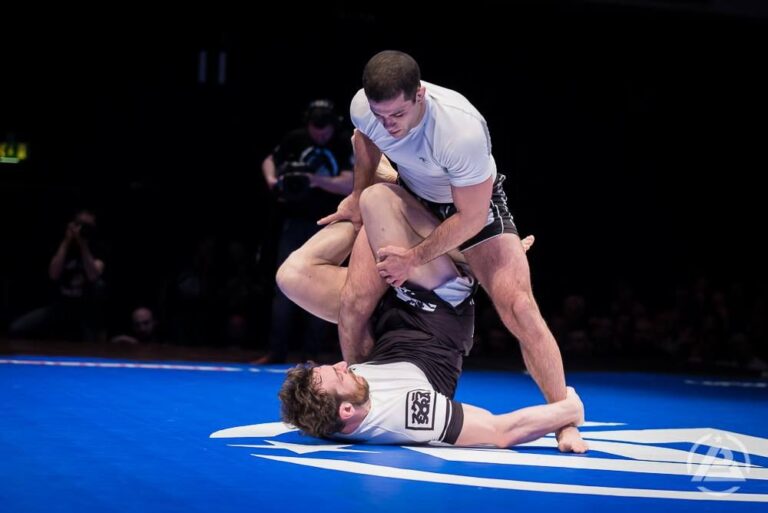
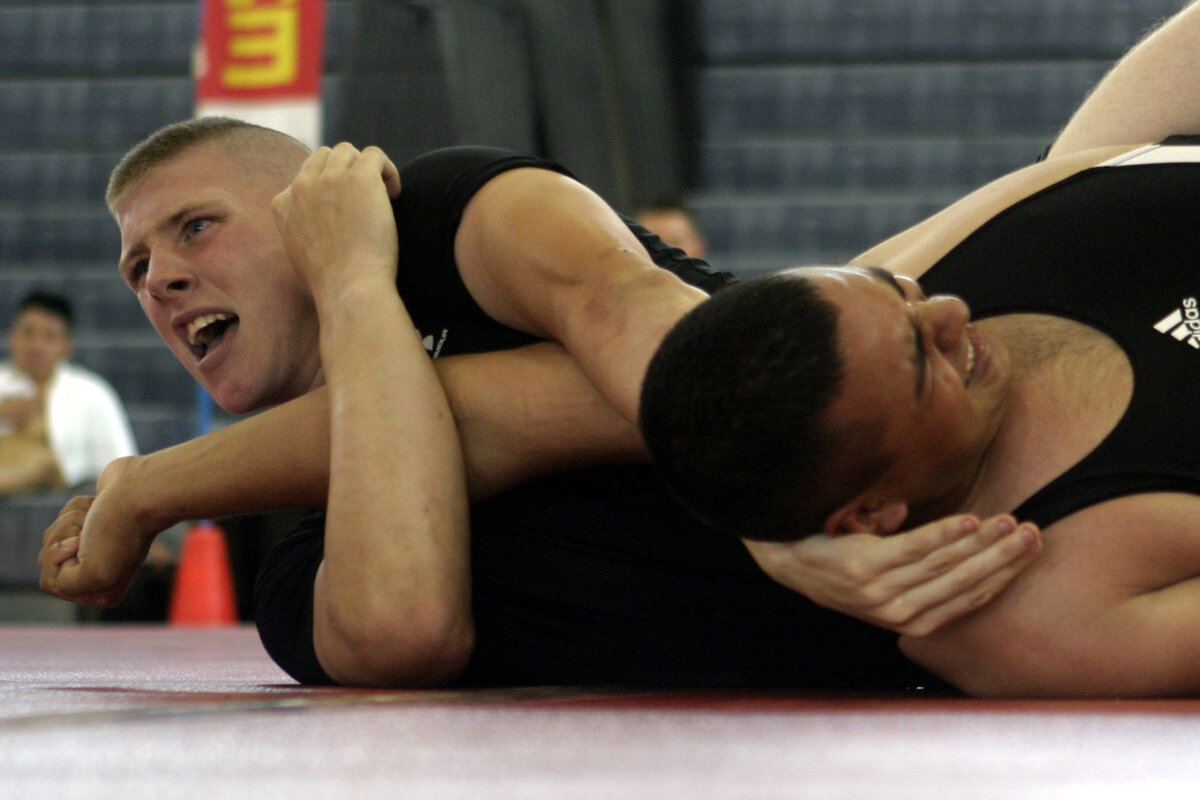
Without the gi to grip, underhook control becomes absolutely critical in half guard. The underhook serves multiple purposes: it prevents the top player from completing the pass, provides a foundation for sweeps, and creates opportunities for back takes.
The key is not just achieving the underhook, but maintaining it under pressure. This requires active shoulder pressure and constant adjustment of the angle.
2. Leg Entanglement Systems
Modern half guard players have integrated leg entanglements in ways that would have been unthinkable a decade ago. The ability to threaten leg locks from half guard creates a constant dilemma for the top player.
John Danaher’s influence on half guard development cannot be overstated. His systematic approach to the position has produced world champions who use half guard as an attacking platform rather than a defensive shell.
3. Hip Movement and Mobility
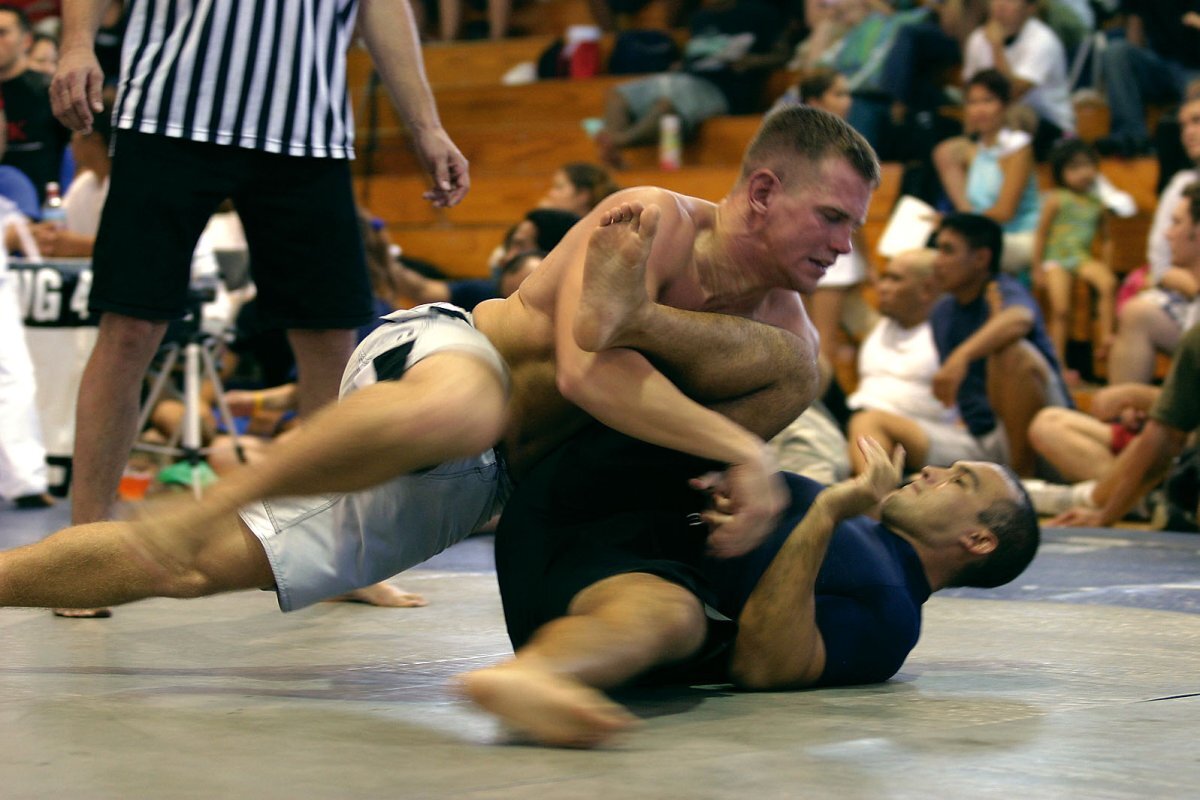
Without gi grips to work with, bottom half guard players must rely on superior hip movement to create angles and opportunities. This includes bridging, shrimping, and the ability to quickly change levels.
The athletes who excel in modern no-gi half guard are those who treat it like a dynamic, flowing position rather than a static guard.
Essential Gear: Choosing the Right Rashguard for Training
As any serious no-gi practitioner knows, gear selection can significantly impact performance. The right rashguard doesn’t just look good – it provides the compression, comfort, and durability needed for high-level training.
Key Features to Look For
Compression Fit
A proper rashguard should fit like a second skin. Too loose, and it becomes a liability during scrambles. Too tight, and it restricts movement. The sweet spot is a compression fit that supports muscles without limiting range of motion.
Flatlock Stitching
Nothing ruins a training session like chafing from poor stitching. Quality rashguards use flatlock stitching that lies flat against the skin, preventing irritation during long rolls.
Moisture Management
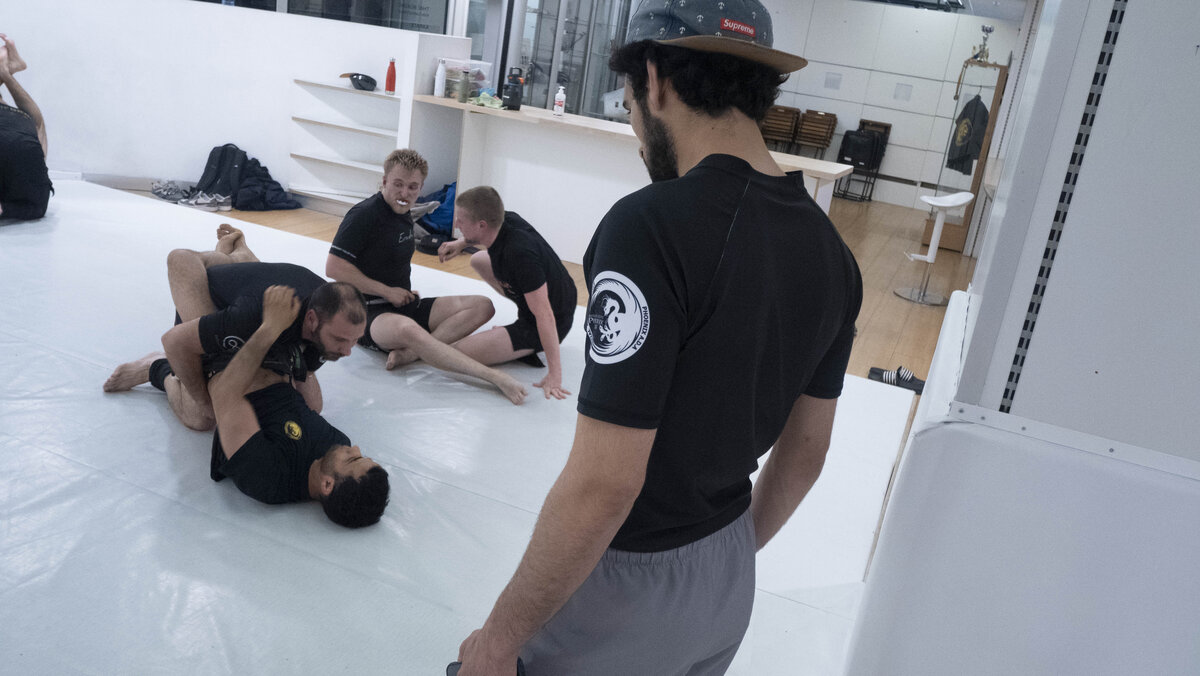
Modern rashguards incorporate advanced fabric blends that wick moisture away from the body. This isn’t just about comfort – staying dry helps maintain grip and prevents mat burn.
IBJJF Compliance
For competitors, IBJJF approval is non-negotiable. The organization has specific requirements for rashguard design, including color restrictions and logo placement guidelines.
Material Matters: Polyester vs. Spandex Blends
The most effective rashguards typically feature a blend of polyester and spandex. Polyester provides durability and moisture-wicking properties, while spandex adds stretch and recovery. A typical blend might be 88% polyester and 12% spandex, offering the ideal balance of performance characteristics.
High-end rashguards often incorporate antimicrobial treatments to prevent odor and bacterial growth – a crucial feature for gear that gets put through daily punishment on the mats.
Training Smart: Injury Prevention in No-Gi
The intensity showcased at events like the ADCC trials serves as a reminder that high-level no-gi grappling places unique demands on the body. Without the gi to slow down exchanges, no-gi competition tends to be faster and more explosive.
Common No-Gi Injuries and Prevention
Shoulder Injuries
The dynamic nature of no-gi grappling puts significant stress on shoulder joints. Underhook battles, sprawls, and quick direction changes all challenge shoulder stability.
Prevention starts with proper warm-up routines that include shoulder mobility work. Additionally, building strength in the rotator cuff muscles provides the stability needed to handle the demands of no-gi training.
Knee Injuries
The increased emphasis on leg entanglements in modern no-gi has led to more knee-related injuries. Understanding proper tap timing and defensive positioning is crucial for long-term joint health.
Neck Strain
Front headlocks and guillotine attempts are staples of no-gi grappling, placing considerable stress on the cervical spine. Proper neck strengthening exercises and defensive posture help minimize risk.
The Psychology of No-Gi Competition
What separates elite competitors like Roosevelt Sousa from the pack isn’t just technical skill – it’s mental approach. The trials in Rio showcased several key psychological factors that determine success at the highest levels.
Aggression vs. Intelligence
The best no-gi competitors know when to be aggressive and when to be patient. Roosevelt Sousa’s performance exemplified this balance. He was aggressive enough to hunt for submissions but intelligent enough to pick his moments.
This mental balance is particularly crucial in tournament settings where one mistake can end a campaign. The ability to take calculated risks while maintaining defensive awareness separates champions from also-rans.
Dealing with Pressure
The atmosphere at ADCC trials is unlike anything else in grappling. Knowing that only a handful of spots are available creates immense pressure. The athletes who thrive are those who can channel that pressure into focused performance rather than allowing it to create tension and mistakes.
Looking Ahead: The Road to ADCC Worlds
With the South American qualifiers now complete, attention turns to the remaining trials and the eventual World Championships. Roosevelt Sousa and his fellow qualifiers will face the best grapplers from around the globe, each bringing their own strengths and styles to the competition.
The diversity of backgrounds and approaches at ADCC is what makes it so compelling. Brazilian Jiu-Jitsu practitioners compete alongside wrestlers, judoka, and sambo fighters, creating a true test of grappling excellence.
What Makes ADCC Special
ADCC’s unique ruleset encourages aggressive grappling while still rewarding control and technique. The overtime periods, in particular, create dramatic moments where momentum can shift in seconds.
For athletes like Roosevelt Sousa, who excel at both control and submission hunting, ADCC represents the perfect platform to showcase their complete skill sets.
The Evolution Continues
The 2026 ADCC South American Trials served as another reminder that no-gi grappling continues to evolve at a rapid pace. New techniques emerge, training methods improve, and athletes push the boundaries of what’s possible on the mats.
For practitioners at every level, events like these provide inspiration and instruction. Whether you’re drilling half guard sweeps in your local academy or perfecting your competition rashguard selection, the lessons from elite competition filter down to benefit the entire grappling community.
Roosevelt Sousa’s dominant performance in Rio wasn’t just a personal victory – it was a demonstration of what’s possible when technical skill meets mental toughness and relentless preparation. As he prepares for ADCC Worlds, the entire grappling community will be watching to see if he can carry this momentum to the sport’s biggest stage.
The road to grappling greatness runs through moments like these – where preparation meets opportunity and champions are forged under pressure. Rio delivered in spectacular fashion, and the World Championships promise to be even more compelling with talents like Roosevelt Sousa in the mix.
Browse our top-rated rashguards and no-gi gear at the RashguardGuy shop →