Rear Naked Choke: 7 No-Gi Setups for a Perfect Finish
At ADCC, the sport’s premier no-gi tournament, the rear naked choke finishes more matches than any other submission, and the same pattern holds across the UFC record books. Demian Maia built a Hall-of-Fame career on it; Charles Oliveira owns the most submission wins in UFC history and a huge share of them end with a hand under the chin. The choke itself is not complicated. Getting an experienced opponent to expose the neck is the hard part, and that is where this guide spends most of its time — the seven setups, grips, and finishing details that turn a “close” back-take into a tap.
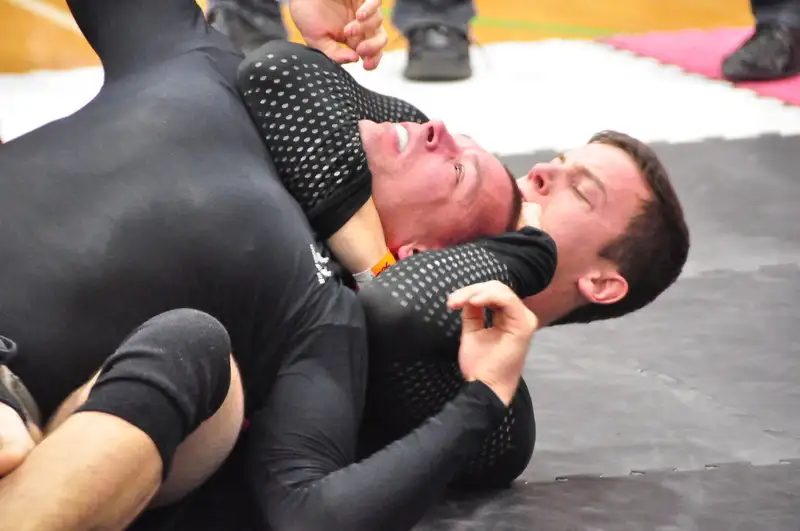
What Is the Rear Naked Choke?
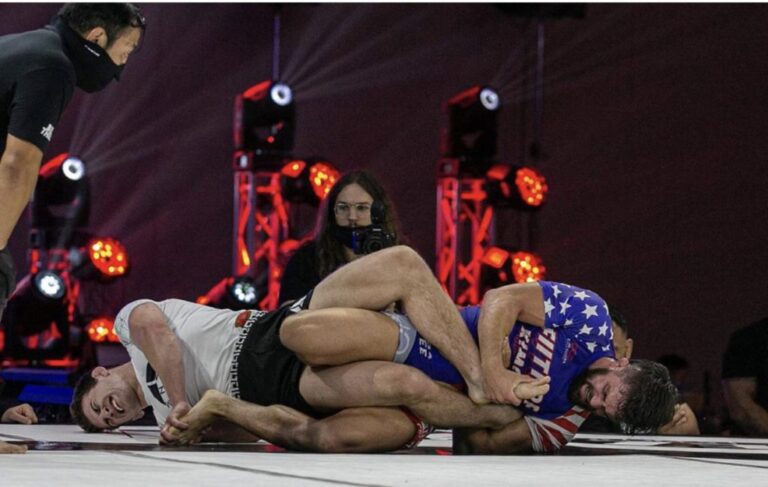
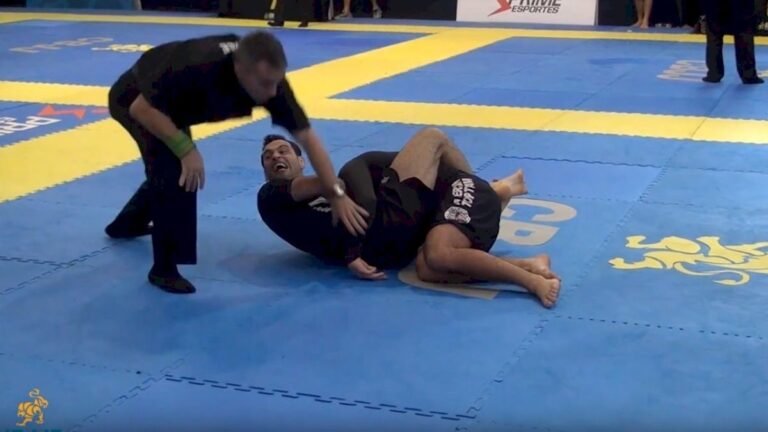
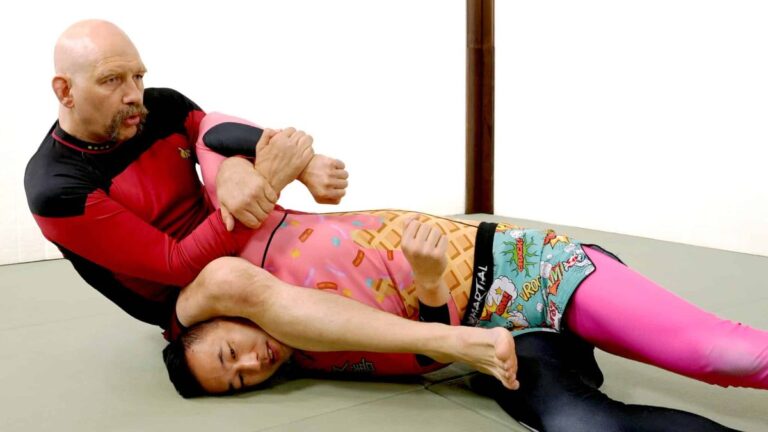
The rear naked choke is a strangle applied from behind, with no grips on clothing — hence “naked.” Brazilians call it mata leão, “lion killer.” It is a blood choke, not an air choke: the pressure comes from your bicep and forearm closing on both sides of the neck, compressing the carotid arteries and cutting blood flow to the brain. Done correctly, your opponent’s windpipe stays clear, which is exactly why a tight rear naked choke produces a clean nap in three to ten seconds rather than a slow, painful gasping fight.
That mechanism matters for how you finish. Beginners tend to crank across the throat and try to make it hurt. It does not need to hurt. The truth is, a choke that causes a lot of pain is usually a bad choke — you are grinding on the windpipe instead of the arteries, and a tough opponent will simply ride out the discomfort. Aim for the sides of the neck, not the front.
1. Win the Hand Fight Before You Touch the Neck
The rear naked choke lives and dies in the ten seconds before your arm reaches the chin. Your opponent’s only real defense from the back is their hands — they will grab your choking wrist with both of theirs, anchor it to their chest, and frame against your forearm. Try to muscle through that and you gas out. Instead, fight grips with grips: peel a single finger, snap to two-on-one wrist control, and pin their defending hand to their own hip. The instant one hand is cleared, your choking arm advances. Patience here is the whole game; the squeeze is almost an afterthought once the arm is in.
2. Lock the Seatbelt and Keep Your Hooks
Control comes before the finish. The seatbelt grip — one arm over the shoulder, one arm under the opposite armpit, hands clasped on the chest — is the spine of back control. Your choking arm is always the one over the shoulder, lined up with the throat. Pair the seatbelt with two hooks (your heels inside their thighs) or a body triangle, and you can ride every escape attempt without losing the back. Lose your hooks and the choke evaporates, no matter how good your grip is.
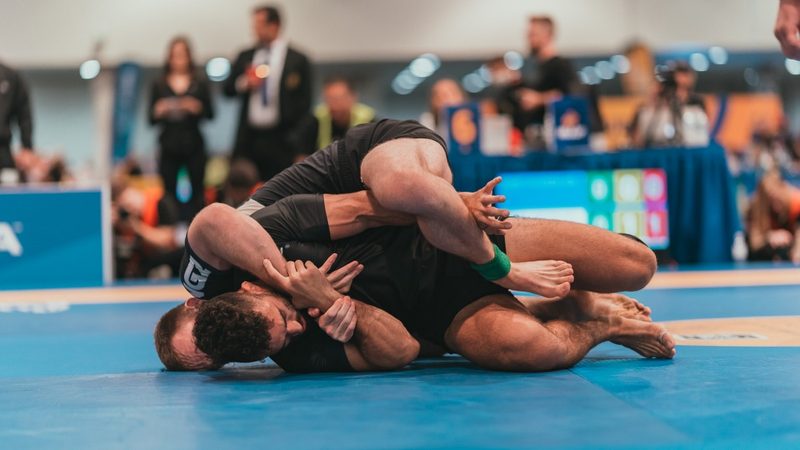
If you are still shaky on getting to the back in the first place, scrambles off failed shots are the most common entry. Our breakdown of no-gi takedowns and scramble entries covers the wrestling exchanges that feed straight into back exposure.
3. Thread Under the Chin — Don’t Ram It
Once a hand is free, slide your forearm across the collarbone and work the blade of your wrist under the jaw. Most people stall here because they try to force the arm through a tucked chin in one shove. Neil Melanson’s fix is a sawing motion: small back-and-forth oscillations that work the forearm deeper a few millimeters at a time, like a knife through a tough cut. It looks ugly. It is brutally effective, and it beats the chin tuck without a strength contest.
4. The Finishing Grip and the Squeeze
With the choking arm under the chin, clasp your choking hand onto the bicep of your free arm, then place that free hand behind your opponent’s head. This is the classic figure-four lock. The finish is not a yank — it is an expansion. Drive your chest into their upper back, pull your elbows toward each other, and bring your top hand forward as if you are hiding your own face behind their head. Done together, those three actions close both carotids at once. Keep your head pressed tight to the same side as your choking arm so they cannot turn into you and create space.
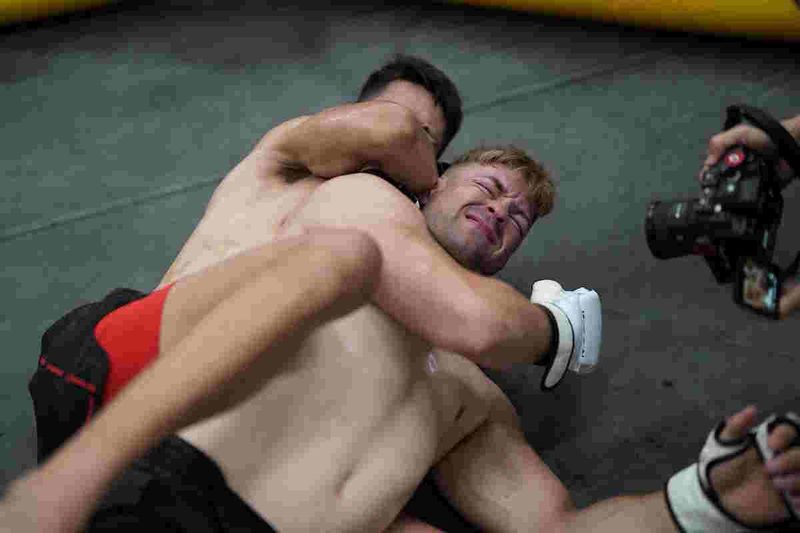
5. Beat the Chin Tuck
The chin tuck is the first defense everyone learns, and it stops a lazy rear naked choke cold. You have several clean answers. The forehead push: plant your free hand on their forehead and tilt the head back to open the neck line. The nose line thread: run your blade along the nose, which triggers a flinch and a momentary opening. Or simply choke over the jaw — if your arm is high enough, you can compress against the jaw and ear line and still get the tap, no chin access required.
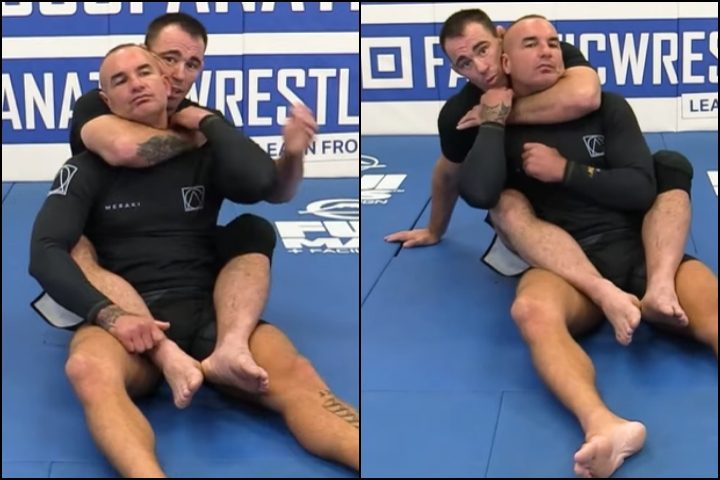
6. The Short Choke (One-Arm Variation)
You do not always need the full figure-four. When your opponent defends so hard that you can only get a shallow bite, the short choke wins: get the crook of your elbow on the centerline of the throat, then grab your own shoulder or the back of their neck with the choking hand and squeeze with just that arm while your second hand drives their head forward. It is a high-elbow, close-range strangle that finishes people who think they have successfully stalled the deep version. Strong-necked opponents tap to this constantly because the lever is so short and tight.
7. Switch to the Armbar When They Defend
Sometimes the smarter finish is the one they hand you. When an opponent commits both hands to peeling your choking arm, they stop defending their own limbs. Threat-switching means using the choke to bait that reaction, then spinning to an armbar on the arm they extended to fight your grip. The two attacks feed each other — the choke threat opens the arm, the arm threat reopens the neck. If you want a second high-percentage finish to chain off the back, the no-gi heel hook and the guillotine choke both live in the same scramble territory.
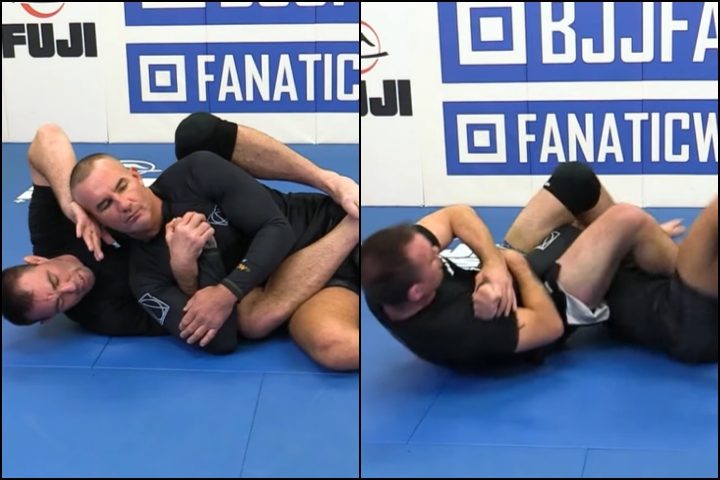
Why the Rear Naked Choke Dominates No-Gi
No-gi strips away the collar and lapel grips that make gi chokes possible, so the submission menu shrinks toward what works on a sweaty, gripless body: leg locks, the guillotine, and above all the rear naked choke. There is nothing for your opponent to hide behind. In the gi, a defender can post on your sleeve or stuff your hand into their own collar to stall; in no-gi, slippery skin actually helps the attacker thread the arm under the chin. That is a big reason the choke’s success rate climbs in submission-only and ADCC-style rulesets.
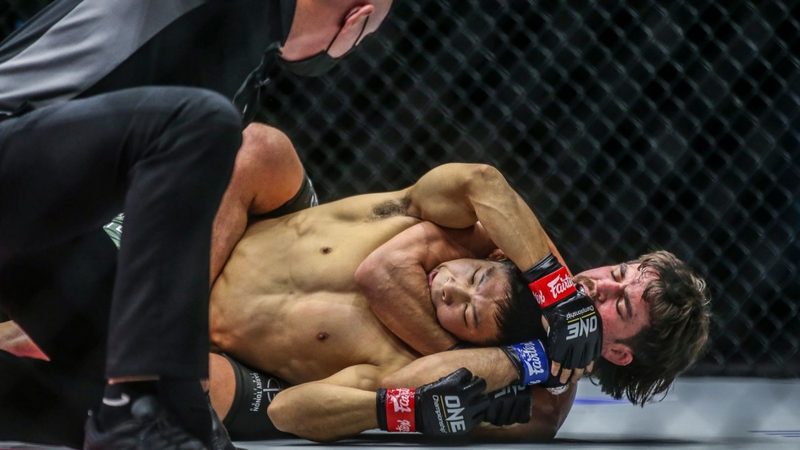
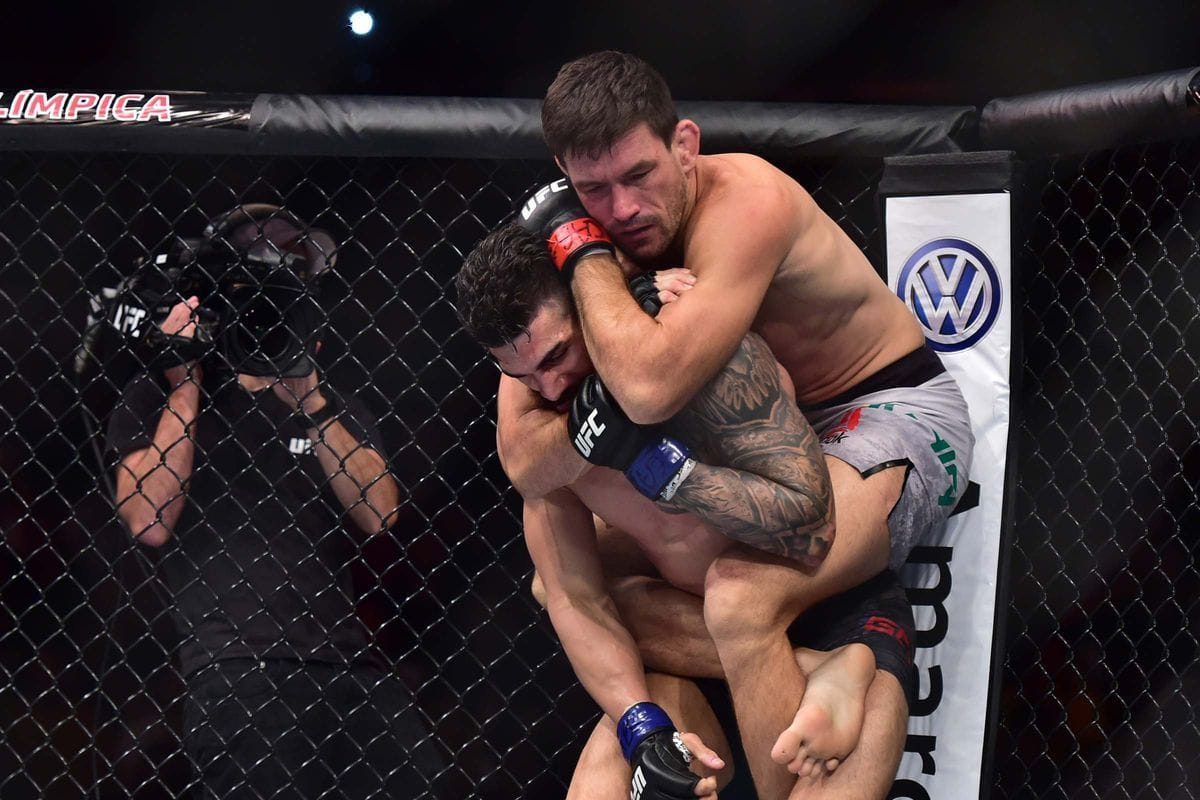
The same logic carries into MMA, where the rear naked choke is the most common finish in promotion history. Once a fighter takes the back with gloves on, there is no realistic counter to a deep choke — you cannot punch your way out of a closed carotid. That is why you see it cap so many championship rounds: it is the one submission that works whether your opponent is fresh in round one or exhausted in round five.
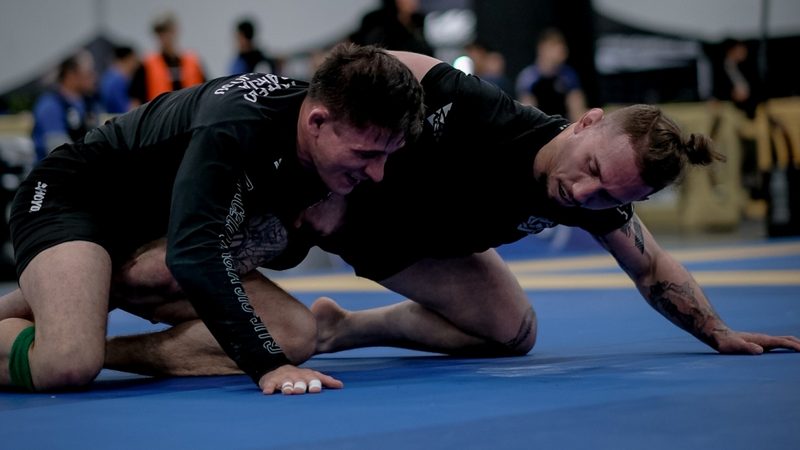
Watch how the best back-takers in MMA operate and the pattern repeats: secure the seatbelt, glue the hooks, hand-fight with discipline, then strangle. The mechanics on a world title stage are identical to what you drill on a Tuesday night. John Danaher breaks down the finishing details better than anyone:
Common Mistakes That Cost You the Finish
A shallow choking arm is the number one error — if the crook of your elbow is not centered on the throat, your opponent tucks the chin into the gap and rides it out. Flattening your chest dead-flat against their back kills your squeeze; you want a slight angle so your bicep and forearm have somewhere to close. A weak locking grip lets the whole thing slip. And relying on raw arm strength instead of the chest-expansion mechanic means you fatigue first, which against a calm opponent is a losing trade. Fix the position, fix the grip, and the choke finishes itself.
Is the Rear Naked Choke Dangerous?
Applied correctly, a blood choke is one of the safer submissions in training because there is a clear off switch — let go and consciousness returns within seconds. The danger is in ego. Never hold a choke after the tap, and never keep squeezing once an unconscious training partner goes limp. The risk is not the choke itself; it is the extra two seconds of a careless training partner. Tap early to it, and there is no downside to learning on yourself.
Drilling It Into Your Game
Pick one entry — back-mount off a turtle, or a body-lock to the back — and drill the full sequence: seatbelt, hand fight, thread, finish, every round, for a month. The rear naked choke rewards repetition more than almost any other submission because the hard skill is the hand fight, and the hand fight is pure reps. Get that one finish automatic and it becomes the natural endpoint of every back-take you ever hit. A good grippy no-gi rashguard helps too — sweat-soaked skin is harder for your partner to frame against, which quietly tilts the hand fight your way.
Sources
- Rear naked choke — Wikipedia — mechanism, blood-choke physiology, and history of the technique.
- BJJ 101: How To Perform The Rear Naked Choke — Evolve Daily — step-by-step setup and finishing fundamentals.
- The Mata Leão, Rear Naked Choke — BJJ Heroes — origin of the term and its place in submission grappling.
Browse our top-rated rashguards and no-gi gear at the RashguardGuy shop →