Butterfly Guard BJJ: 7 No-Gi Sweeps That Still Win in 2026
Marcelo Garcia weighed 168 pounds when he won the absolute division at ADCC 2003, choking his way through opponents 80 pounds heavier from a single guard position. That position was the butterfly guard, and twenty-three years later, no-gi grapplers still build their sweep games around the same hooks, the same underhooks, and the same off-balancing principle Garcia drilled into his Alliance teammates. Butterfly guard BJJ remains the most efficient seated guard for no-gi because it forces a binary on the top player: post on the hand or get reversed. Everything else is detail.
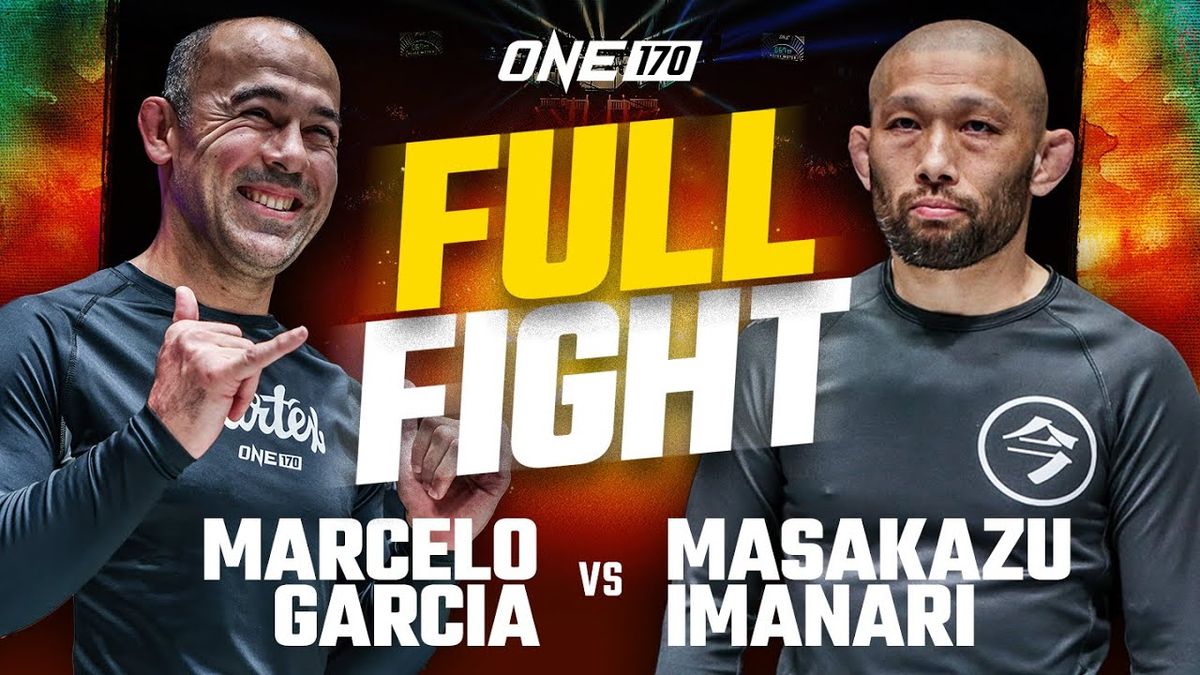
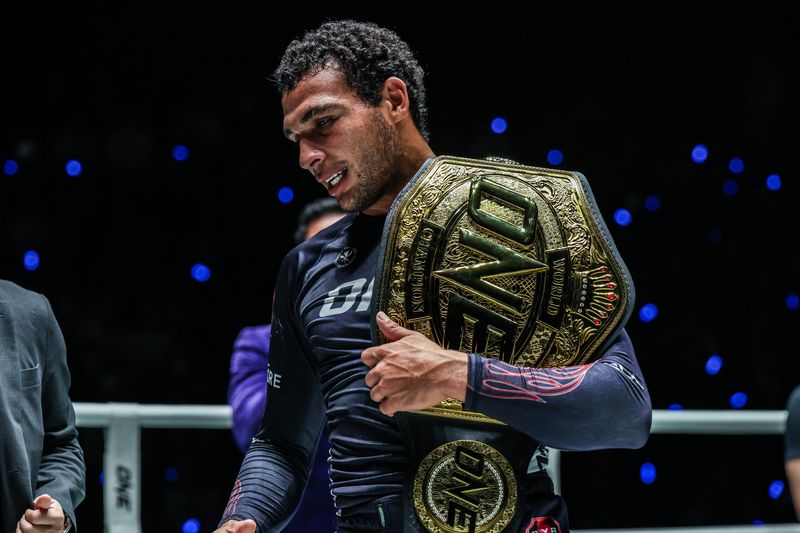
Marcelo Garcia returns to no-gi competition at ONE 170 — the original butterfly guard architect.
Why Butterfly Guard BJJ Still Threatens at Black Belt
The honest truth about modern no-gi is that most guards have been solved. Deep half got body-locked. Reverse de la riva got knee-cut on a clock. Even single leg X is one shoelace grip away from a heel hook battle. Butterfly guard sits in a strange spot — it predates the heel hook era, yet it survives in it. The reason is mechanical. When your hooks are deep and your hips are connected, the only way to pass is to break that connection, and the act of breaking it gives you a sweep or a back take.
Adam Wardzinski won the IBJJF No-Gi Worlds at adult black belt in 2024 using a butterfly guard system he calls the “lazy butterfly” — a low-energy variant built around the underhook battle, not athletic elevations. He has stated in multiple interviews that the position works at the highest level because it forces the opponent into a passing posture that exposes the back. That is not a coincidence. Butterfly guard is a back-take position dressed up as a sweep position.
The Posture That Makes Butterfly Guard BJJ Work
Most failed butterfly guard sessions die at the posture, not the technique. Lying flat with your feet poking up is not butterfly guard — it is open guard with bent knees. The real position requires your head higher than your hips, your chest angled toward the opponent, and at least one elbow tied up against their tricep or armpit. Your hooks belong inside their thighs at calf depth, not ankle depth. Shallow hooks lift nothing.
The underhook is the whole game. If you have a deep underhook with your forehead pressed against their shoulder, you can sweep with bad hooks. If you have great hooks but no upper-body connection, you will be passed every round. Train the underhook first and the elevation second.
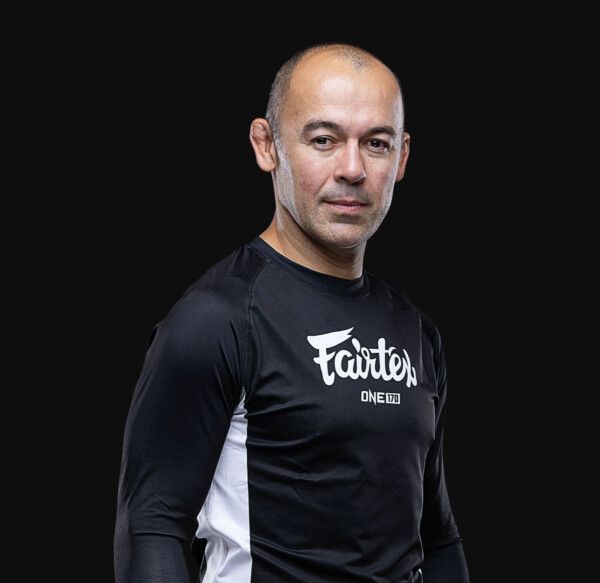
Garcia in his Alliance days — the underhook posture is identical thirty years later.
1. The Classic Hook Sweep — Underhook and Same-Side Hook
This is the first sweep every white belt should drill, and it is the one Garcia hit on opponents up to heavyweight. Establish a deep underhook on one side. As you grip behind their back or scoop their armpit, fall to the underhook-side shoulder, kick the same-side hook through their hip, and roll them over their far shoulder. The mistake almost everyone makes is sweeping in the wrong direction. You do not throw them away from you — you roll them across your body in the direction your underhook is pointing.
If they post a hand to base out, the sweep stalls but the back is right there. Switch hands to their belt line, swing your inside leg over, and you are taking the back without a single submission attempt yet.
2. The Arm Drag to Back Take
The arm drag is the no-gi answer when the opponent strips your underhook or refuses to give one. From seated butterfly, you grab a two-on-one on their wrist, drag the arm across your centerline, and pull yourself onto their hip as they fall forward. The back take is automatic if your hooks were already in — you are now perpendicular to a turtled opponent with hand control.
Most grapplers butcher this by reaching for the arm with one hand at a time. Use both — top hand on the elbow, bottom hand on the wrist, and pull with your back, not your arm. For the granular breakdown of grip mechanics, see our arm drag no-gi guide, which covers the four common defensive reactions and how to chain through them.
The arm drag back take is the second most-used finish from butterfly guard in IBJJF no-gi competition.
3. The Sumi Gaeshi — When They Posture Hard
When the top player refuses to engage and stays upright on their knees with hands posted high, the hook sweep stops working because there is no upper-body connection to roll. The answer is sumi gaeshi, the judo throw that converts butterfly guard into a back-rolling reversal. You grip a single leg with one arm and the gable grip behind their back with the other, then dive your head under their armpit and kick both hooks through at once.
The sumi gaeshi terrifies leglock-era opponents because it ends with you on top in side control, not in a leg entanglement. That is the appeal. You are skipping the heel hook trade and landing on the pass directly.
4. The Single Leg Entry — When the Sweep Stalls
If the underhook is there but the opponent has a wide, heavy base, the elevation will not happen. Stop trying to lift them. Switch directly to a single leg by scooping the same-side ankle as you stand into a wrestling-style attack. You go from seated guard to standing single leg in one motion, and the underhook becomes a head-inside single — the strongest takedown grip in no-gi.
This is where Garcia’s heavy-opponent record makes sense. He was not lifting 220-pound opponents with his calves. He was switching to wrestling the moment the elevation stalled and finishing on a takedown. Butterfly guard at the elite level is a wrestling position with extra steps.

Mikey Musumeci uses a single leg exit when his butterfly hooks meet a wide-base opponent.
5. The X-Guard Transition — Hunting Knee Reaps
When the opponent stands to defend the elevation, butterfly guard dies. The clean answer is to follow them up by sliding your outside leg under their hip and your inside leg behind their knee — full X-guard. From there, you are one ankle pick or one technical stand-up away from sweeping a standing opponent who has no hands on you.
The full X-guard threatens heel hooks, knee reaps, and standing single legs all at once. For the modern no-gi version that adds 50/50 transitions, our single leg X guard breakdown walks through the seven highest-percentage sweeps in 2026 grappling.
6. Reverse Butterfly Hook Against the Knee Slide Pass
The knee slide is the pass every no-gi competitor learns first, and it eats lazy butterfly guards alive. The counter is the reverse butterfly hook. As they drive their knee across your thigh, switch your hips so your outside hook scoops their pass-side knee on the way through. You are now under their hip with one hook, the underhook is on the same side, and a hook sweep finishes them away from the pass direction.
This is also the entry to Wardzinski’s preferred “lazy butterfly” sweep — he sets it up by inviting the knee slide on purpose. If the opponent will not engage, he creates the engagement by faking a frame collapse. Specific over generic.
Tye Ruotolo uses butterfly hooks as a transitional position into his X-guard system.
7. The Butterfly Guillotine — Marcelo’s Signature Finish
The butterfly guillotine is the submission that built Garcia’s ADCC reputation. As the opponent dives forward to defend a hook sweep, you trap their neck with a high elbow guillotine and clamp your knees against their ribs. The choke finishes from butterfly guard without ever transitioning to closed guard. It works because the opponent is already pulled forward and disconnected from their hips.
The finish requires a clean elbow line — your wrist over your shoulder, not in front of your chest. Sloppy elbow position turns the choke into a face crank. For the complete grip and finish mechanics, see our guillotine choke no-gi guide, which covers the high-elbow, arm-in, and ten-finger variations.
The Best YouTube Breakdown of Butterfly Guard Principles
Bernardo Faria filmed Garcia explaining the core principles of butterfly guard at his New York academy. The clip is short, technical, and shows the underhook mechanics better than any written description.
Common Mistakes That Kill Butterfly Guard No-Gi
The mistakes are almost universal across belt levels. Hooks too shallow at ankle depth lift nothing. Head too low lets the opponent collapse pressure on your chest. Letting the underhook get stripped without reacting to the back. Sweeping in the direction of the post hand instead of away from it. Trying to elevate a heavier opponent without first standing up to take their balance.
The last mistake is the one that separates ADCC-level players from gym players. At elite level, butterfly guard is rarely a static sweep. It is a transitional position you pass through on the way to a single leg, an X-guard entry, or a back take. Glued-to-the-mat butterfly guard works in white belt class. It does not work against a brown belt who knows how to base wide.
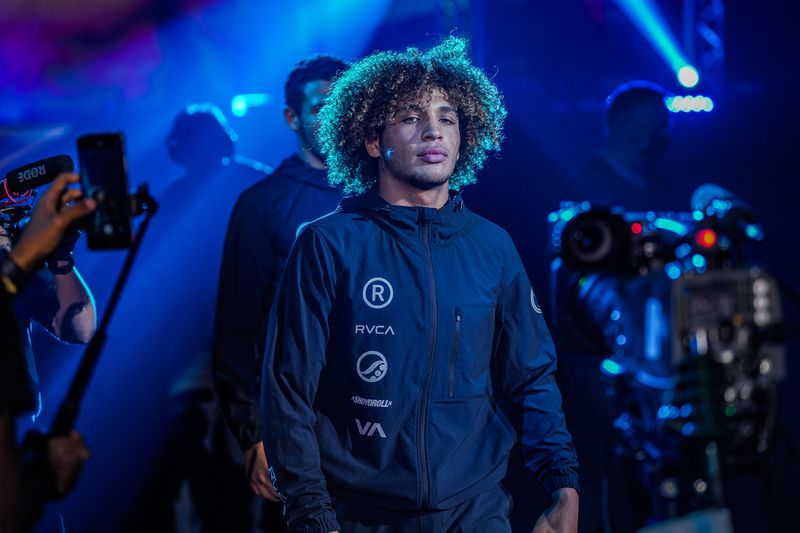
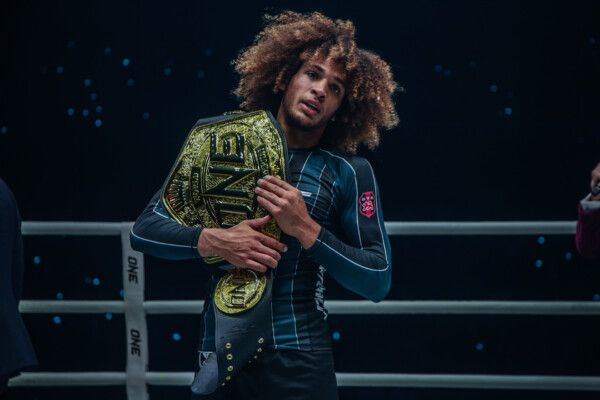
Kade Ruotolo walks out at ONE 157 — his butterfly guard chains directly into single leg X entries.
Butterfly Guard BJJ in the Modern Heel Hook Era
The fair criticism of butterfly guard in 2026 is that it gives up the legs. The moment your hook crosses inside the opponent’s thigh, you are one ashi garami away from a heel hook trade. The Danaher-derived no-gi style avoids butterfly guard for exactly this reason — they prefer to start in supine guard positions that already control the legs.
The pushback from Garcia-influenced players is that the heel hook risk is only there if you stay in butterfly guard. The whole point of the position is to leave it — toward a sweep, a back take, an X-guard, or a single leg. If you are sitting in butterfly guard for thirty seconds, the heel hook is coming. If you are sweeping out of it within five, you are gone before the leg lock starts.
The position rewards aggressive intent. It punishes patience.
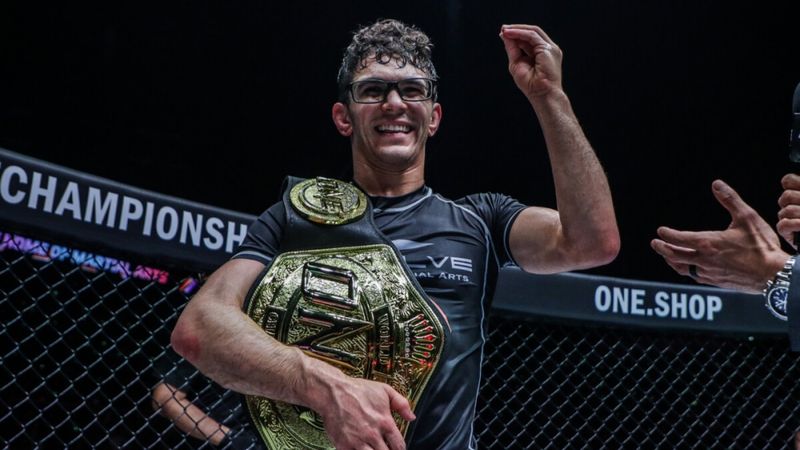
Mikey Musumeci built his ONE Championship reign on small-framed butterfly guard sweeps against larger opponents.
How to Drill Butterfly Guard Without Burning Out Your Partner
The reason most gyms drill butterfly guard badly is that it requires a compliant partner who actually engages instead of standing up. The fix is to drill it as a chain, not a single move. Round one — opponent gives the underhook, drill the hook sweep. Round two — opponent strips the underhook, drill the arm drag. Round three — opponent stands up, drill the X-guard transition. Twenty minutes of chain drilling does more than two hours of isolated sweep reps.
Pair this with sit-up live rounds where the only starting position is seated butterfly guard against a kneeling opponent. Three-minute rounds, six rounds total, switching positions every round. That is how Garcia’s New York students built the fastest butterfly guards in American grappling for two decades. There is no shortcut. The position rewards rounds, not concepts.
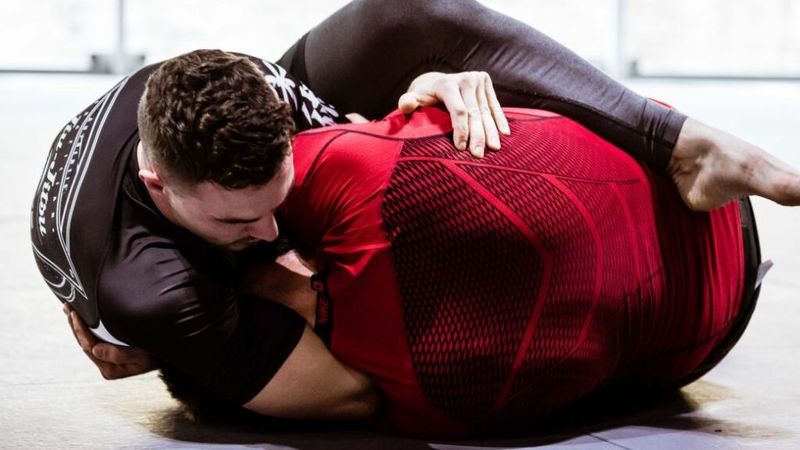
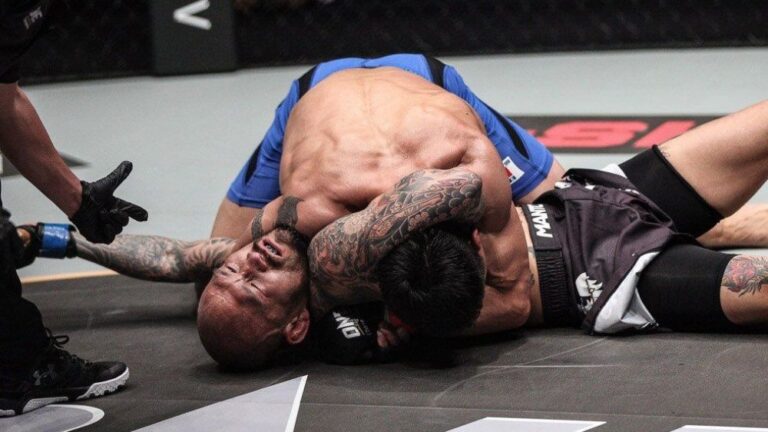
A clean grappling pin from butterfly guard transition — what every drilling round should end in.
Where Butterfly Guard Fits in a No-Gi Game in 2026
If you are building a no-gi game from scratch in 2026, butterfly guard belongs in your A-game as the position you pass through on the way to your stronger systems. If you wrestle, it is your underhook battle from the bottom. If you play X-guard, it is your entry. If you hunt back takes, it is your arm drag platform. The grapplers who treat butterfly as a destination get passed. The ones who treat it as an intersection win matches.
The last word goes to retention, because no sweep system works if you cannot keep the guard. Our no-gi guard retention principles covers the framing and inside control concepts that keep butterfly guard alive when the opponent fights for the knee slide.
Sources
- Grappling Insider — Marcelo Garcia Butterfly Guard Instructional — Garcia’s instructional release covering his complete system and ADCC application.
- ONE Championship — Marcelo Garcia Athlete Profile — official record of Garcia’s no-gi return at ONE 170 in 2025.
- BJJ Fanatics — ADCC Spotlight: Adam Wardzinski — coverage of Wardzinski’s no-gi butterfly guard wins through the European trials.
- ADCC Submission Fighting World Championship — historical record of Marcelo Garcia’s ADCC absolute and weight-class titles.
Browse our top-rated rashguards and no-gi gear at the RashguardGuy shop →