Recovery Gear for Grapplers: What No-Gi Athletes Actually Use Between Hard Rolls
No-gi grappling chews through your body in ways that gi training does not. The pace is faster, the scrambles are longer, and the heel hooks and body locks load joints in positions they were never designed to occupy. Athletes who train five or six days a week do not stay healthy because they are tougher than the rest of us. They stay healthy because they treat recovery as a discipline, and they own the gear that makes it possible. Recovery gear for grapplers is not a luxury category anymore. It is the difference between a six-month training block and a six-week injury layoff.
This guide breaks down what actually lives in the gym bags and bedrooms of competitive no-gi athletes. No supplement pitches, no recovery beverages, no magic. Just the tools that move the needle on inflammation, soreness, range of motion, and sleep.
Why Recovery Gear Matters More in No-Gi
Gi training has natural pacing built into it. Grips slow exchanges down. Lapel control creates pauses. No-gi has none of that. Rounds become continuous wrestling with submission threats, and the cumulative load on the cervical spine, hips, and connective tissue stacks up fast. Add in the leg lock era, where every training partner is hunting heel hooks and toe holds, and you have a sport where knees, ankles, and hips take constant low-grade trauma.
Recovery gear addresses three specific problems no-gi grapplers face: inflammation in joints that got cranked, muscle soreness from the explosive scrambles, and nervous system fatigue from the high-intensity rounds. Each problem has different tools that work, and most serious athletes layer them rather than relying on a single device.
Compression Wear: The First Layer of Recovery
Compression garments are the cheapest, most accessible recovery tool a grappler can own, and they do real work. The mechanism is straightforward. Graduated compression encourages venous return, which clears metabolic waste from worked muscles faster than passive rest. The result is less next-day soreness and a faster return to baseline.
Compression Sleeves and Socks
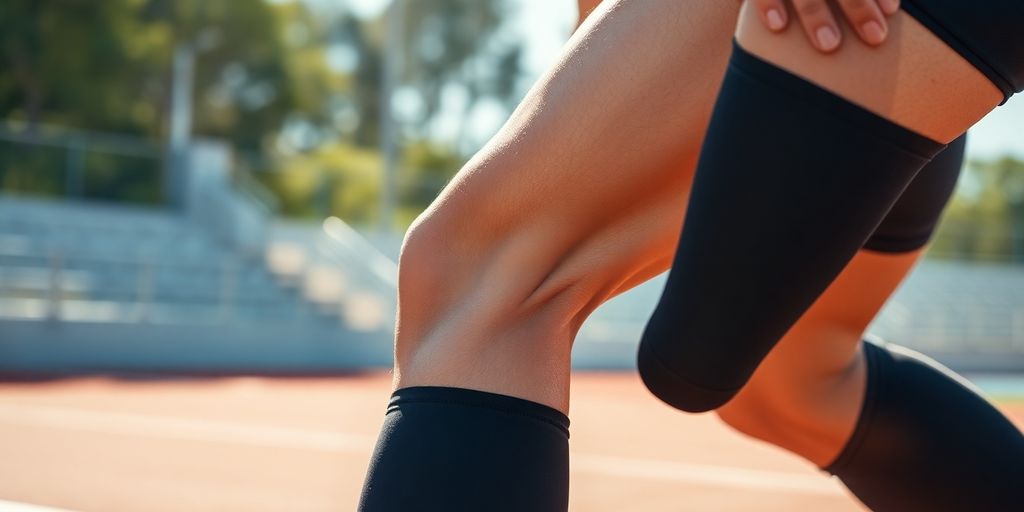
Calf sleeves and full compression socks are the entry point. After a heavy leg-lock session, sliding into a pair of 20-30 mmHg compression socks for two to three hours produces noticeably less calf stiffness the next morning. Knee sleeves serve double duty here, providing recovery compression and joint warmth between sessions. They are not the same as bracing for active training, but for post-roll wear they earn their spot.
Compression Tights and Tops
Full-length compression tights are what serious competitors wear on travel days after a tournament. They flush the legs during the flight home, when sitting in a cramped seat would otherwise let everything seize up. Compression tops are less universally adopted but have a following among athletes with chronic shoulder issues from underhook battles. The mild support reminds the shoulder to stay packed even when the wearer is tired.
Cold Therapy: Ice Baths and Targeted Icing
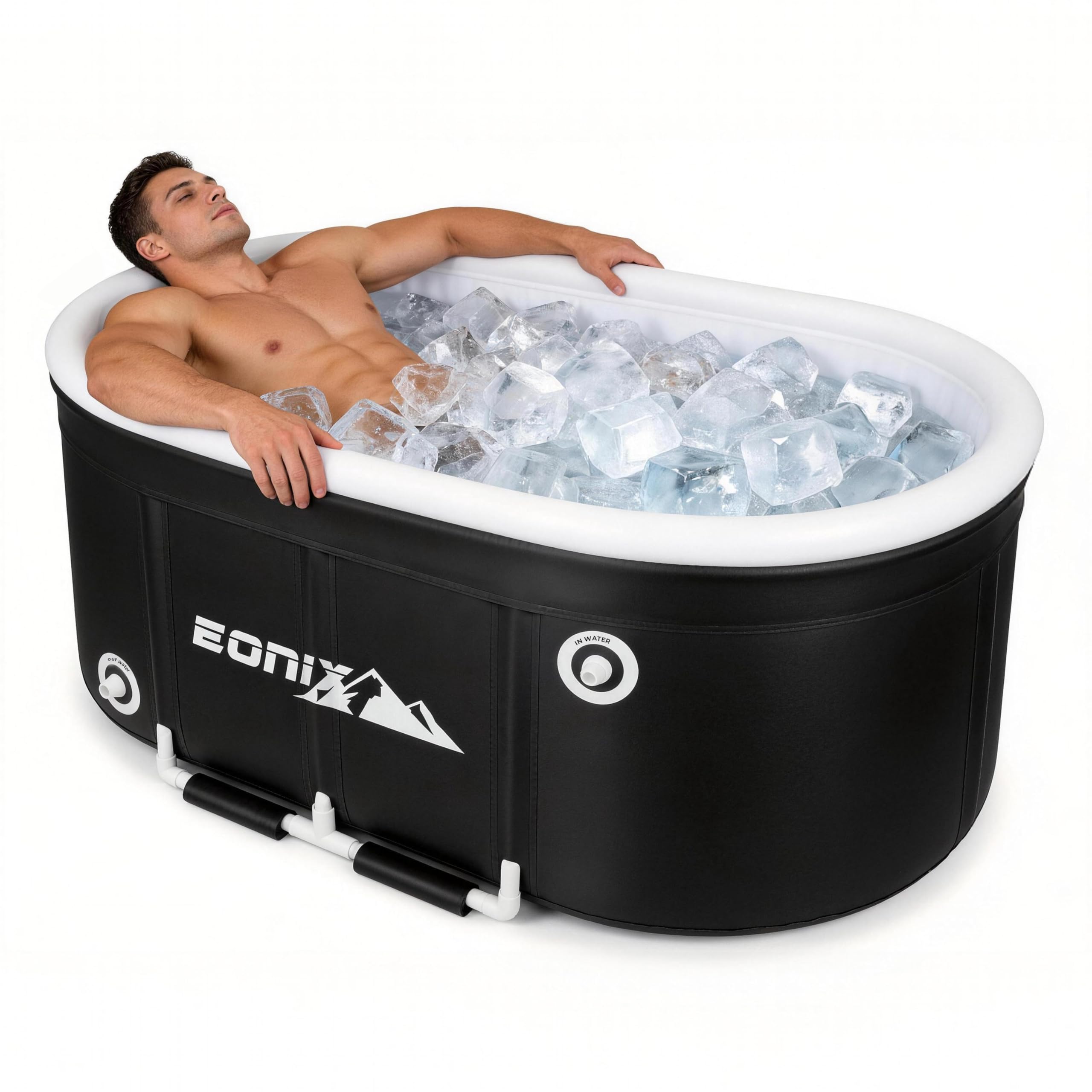
Cold exposure is the single most studied recovery modality in combat sports, and it has earned its place. Ice baths, cold plunges, and targeted ice packs all serve the same function: they reduce acute inflammation in joints and tissues that took hard contact.
Home cold plunges have come down in price dramatically over the last few years. A chest-freezer conversion kit or a purpose-built tub runs a fraction of what it cost in 2022, and the recovery payoff for a grappler training six days a week is significant. The protocol that most athletes settle on is three to five minutes at 50-55 degrees Fahrenheit, post-training but not immediately after, and not on days where strength adaptation is the goal. The timing matters because cold immediately after lifting can blunt some of the muscle-building response.
For grapplers without space for a plunge, reusable gel ice packs sized for shoulders and knees are non-negotiable. Keep four in the freezer and rotate them. The knee that got cranked in a heel hook escape needs ice on it within an hour, not the next morning when you finally have time.
Percussive Massage and Soft Tissue Tools
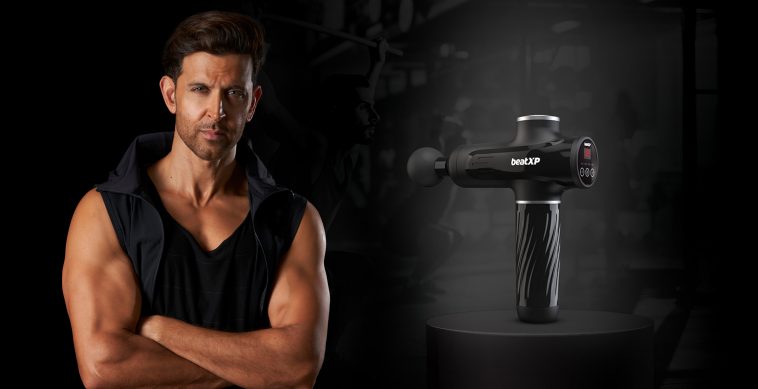
Massage guns went from boutique recovery toy to standard kit in about three years, and for good reason. They give the average grappler access to soft tissue work that previously required a paid bodyworker. The mechanism is partly mechanical, breaking up adhesions, and partly neurological, signaling muscles to release tension through high-frequency input.
Percussive Massage Devices
A solid percussive massager runs between $150 and $400. The cheaper end of that range now produces tools that are functionally equivalent to the premium options for most users. Where grapplers should spend money is on attachments. The bullet head for getting into the forearm extensors and rotator cuff insertions is more useful than the larger ball heads, which are designed for big muscle groups like quads and glutes.
Common high-value targets for a grappler are the upper trapezius, the lats, the forearm flexors and extensors (your grips will thank you), the IT band, and the bottoms of the feet. Two to three minutes per area before bed is usually enough to drop muscle tone and improve sleep quality.
Foam Rollers and Lacrosse Balls
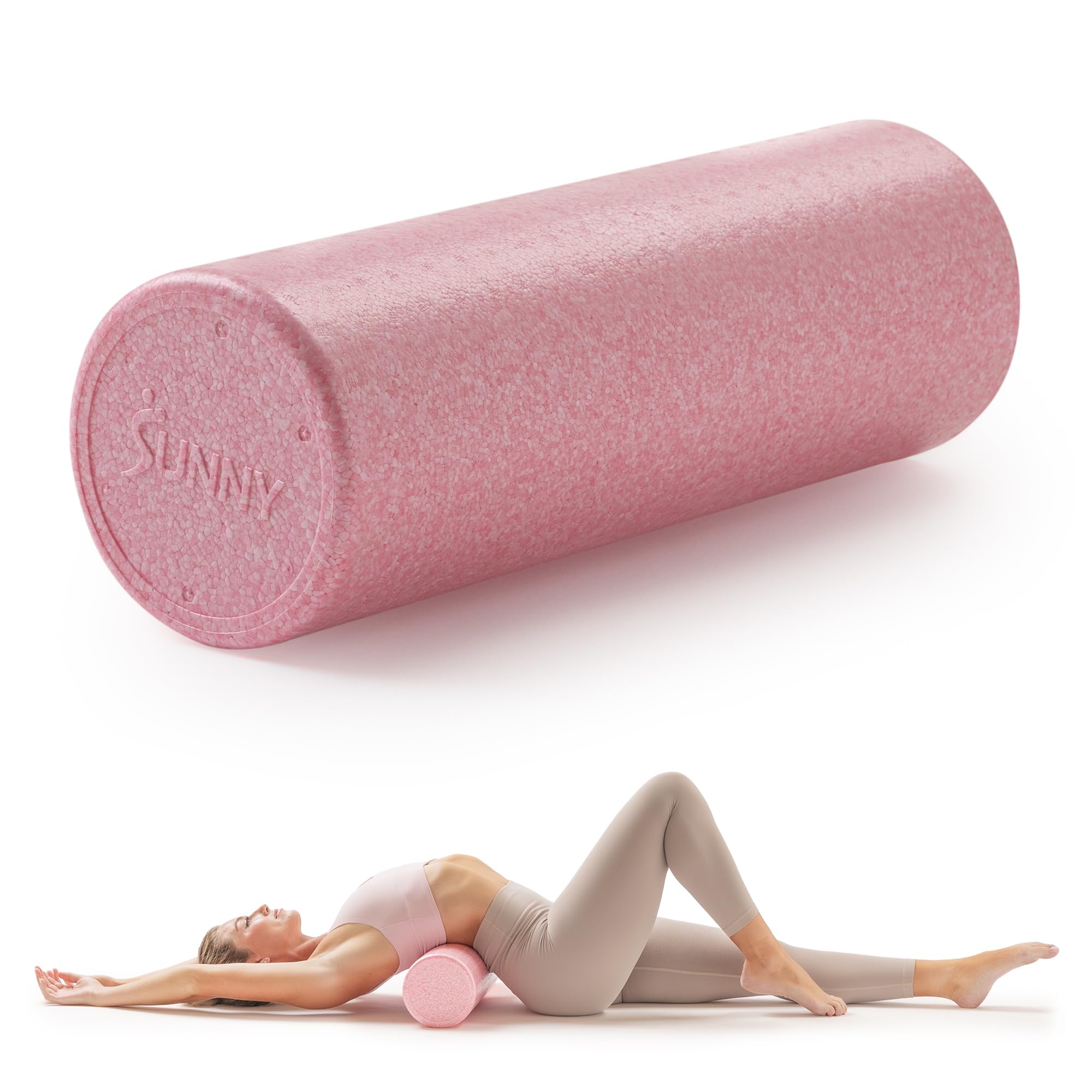
The unglamorous tools still win. A dense foam roller and a single lacrosse ball cost less than thirty dollars combined and address things a massage gun cannot reach. The roller is for the big posterior chain: glutes, hamstrings, thoracic spine. The lacrosse ball is for the precise work: trigger points in the rotator cuff, the suboccipitals at the base of the skull, and the deep glute medius that takes a beating from butterfly guard.
Foam rolling the thoracic spine for two minutes a day is one of the highest-ROI recovery habits a no-gi athlete can build. Every time you defend a guillotine, frame on a crossface, or post on a sprawl, your thoracic spine takes load. Keeping it mobile pays dividends in shoulder health and neck comfort.
Pneumatic Compression Boots
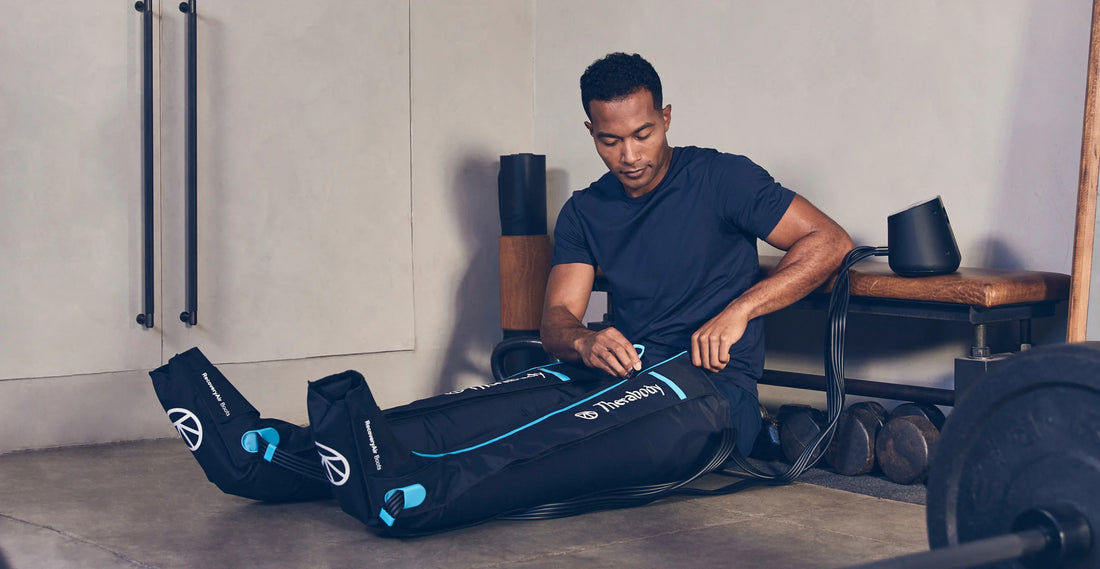
Pneumatic compression boots, popularized by the Normatec brand and now produced by several competitors, are the recovery gear most grapplers want but few buy. The price tag was the barrier for years. The market has opened up, and serviceable units now exist in the $400 to $700 range, which puts them in reach for a serious hobbyist or competitor.
The boots wrap around the legs from foot to hip and use sequential air compression to push fluid back toward the heart. A 30-minute session feels like a long massage. The use case for grapplers is heavy training blocks, fight camps, and tournament weekends, where back-to-back competition days demand fast leg recovery. They are not necessary for a casual three-day-a-week practitioner. They become genuinely useful when training volume exceeds the body’s natural recovery capacity.
Topical Recovery: Balms, Patches, and Creams
Topical recovery products are a crowded category, and most of them are marketing. A handful do useful work. Menthol-based analgesic creams provide real short-term pain relief through nerve distraction, which is helpful when a chronically sore shoulder is keeping you awake. Magnesium-based sprays and lotions have mixed evidence behind them but no downside, and many athletes report they help with cramping.
Cooling patches sized for specific joints are useful for travel days when an ice pack is not practical. Stick one on a sore elbow for the flight, and it will keep working for several hours. These do not replace ice for acute inflammation, but they fill a real gap when ice is not available.
The Underrated Category: Sleep Gear
Sleep is the recovery modality with the largest effect size, and the gear category is often overlooked when people think about recovery tools. A genuinely supportive pillow that keeps the neck neutral is recovery gear for a grappler whose cervical spine takes guillotine, head-and-arm choke, and crossface load every session. A weighted blanket reduces sleep latency and can help an over-activated nervous system come down after a hard evening session.
Blackout curtains and a fan for white noise are unsexy but evidence-based. The athletes who recover fastest are not the ones with the most expensive plunge tubs. They are the ones who sleep eight to nine hours a night with consistent timing.
Building a Recovery Stack That Matches Your Training Load
You do not need every tool in this article. The right recovery stack matches the demands of your training schedule. A grappler training three days a week with a desk job can recover well with compression sleeves, a foam roller, a lacrosse ball, and ice packs. Total spend: under $100.
A grappler training five to six days a week, especially through a fight camp, should add a massage gun, a dedicated cold therapy method (plunge or regular ice baths), and pneumatic compression boots if budget allows. The order to invest is: compression wear first, then percussive massage, then cold therapy infrastructure, then pneumatic boots last.
- Under $100 stack: Compression sleeves, foam roller, lacrosse ball, reusable ice packs.
- $100-$500 stack: Add a quality massage gun, full compression tights, a supportive pillow.
- $500-$1500 stack: Add a cold plunge solution and pneumatic compression boots.
The mistake most grapplers make is buying the flashy expensive tool first while skipping the cheap fundamentals. A massage gun without a foam roller is incomplete. Pneumatic boots without consistent sleep are wasted money. Build the base, then add the specialized gear when your training volume justifies it.
Final Word
Recovery gear for grapplers is not about gadgets. It is about extending the number of years your body can handle hard no-gi training. Every percussive massage session you do tonight is a roll you get to take in three years that you might otherwise have missed. Athletes who build the habit early stay on the mats long after their peers have been forced to slow down. Start with the basics, add tools as your training volume grows, and treat recovery with the same seriousness you treat your A-game submissions.
Sources
- Compression sleeves for recovery on Amazon
- Percussive massage guns on Amazon
- Pneumatic compression boots on Amazon
- Wikipedia: Cryotherapy overview
- National Institutes of Health
Browse our top-rated rashguards and no-gi gear at the RashguardGuy shop →