Best No-Gi Shorts for BJJ: Grappling, Fight, and Board Short Showdown
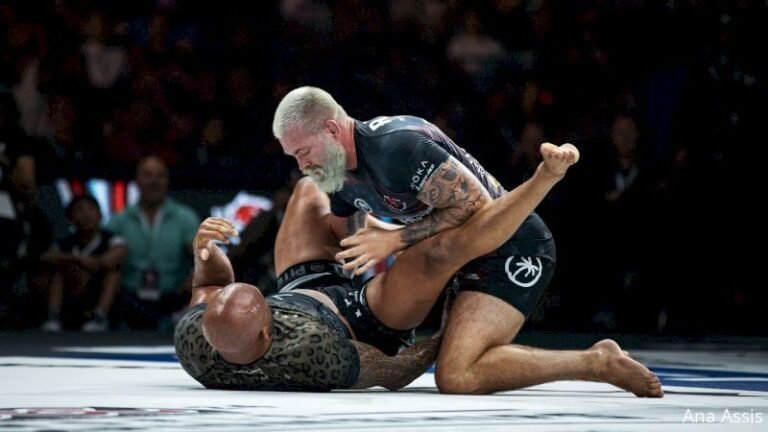
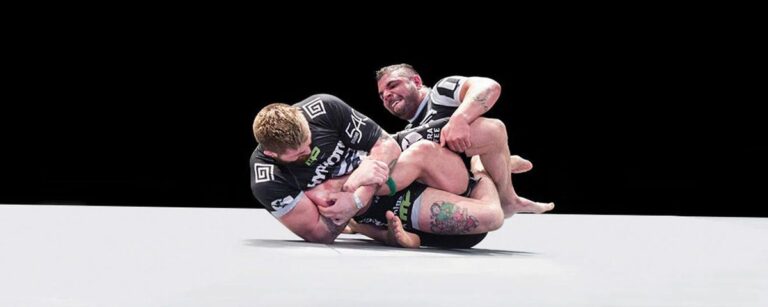
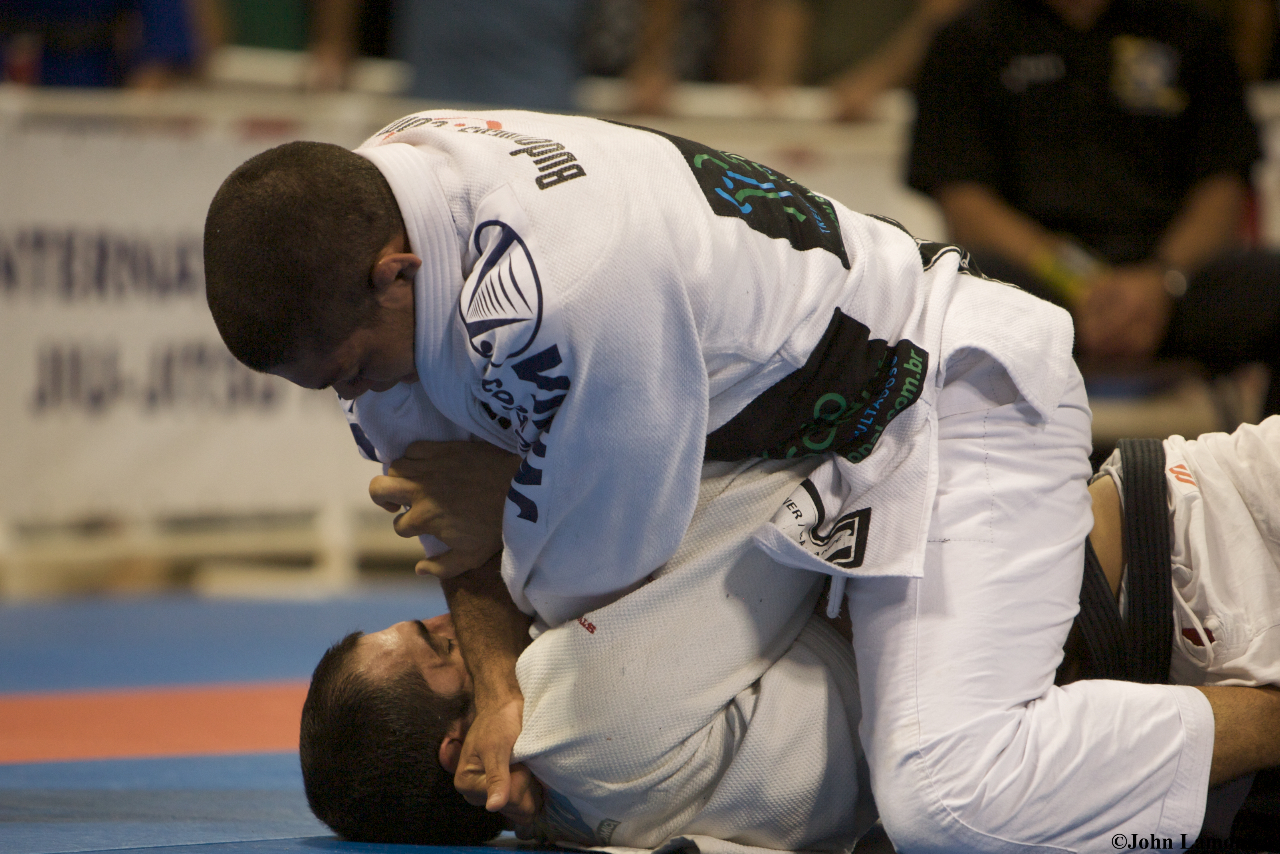
Walk into any no-gi class and you’ll see three completely different garments doing the same job. One guy is in tight little grappling shorts with a velcro fly. Another is in flashy MMA fight shorts he bought because they looked cool. A third rolled straight off the beach in board shorts, and by the third round the drawstring is untied and the leg is riding up around his hip. All three are technically “shorts for no-gi.” Only one category is actually built for what happens on the mat — and which one that is depends more on how you grapple than on the price tag.
The phrase “best no-gi shorts for BJJ” gets thrown around like there’s a single winner, but the honest answer is that the best pair is the one matched to your closure needs, your range of motion, and whether you compete under a ruleset with equipment restrictions. This is a showdown between the three families of shorts that keep showing up on the mats, and a breakdown of what actually separates a pair that lasts two years from a pair that splits down the inseam in a scramble.
The three contenders, and why they aren’t interchangeable
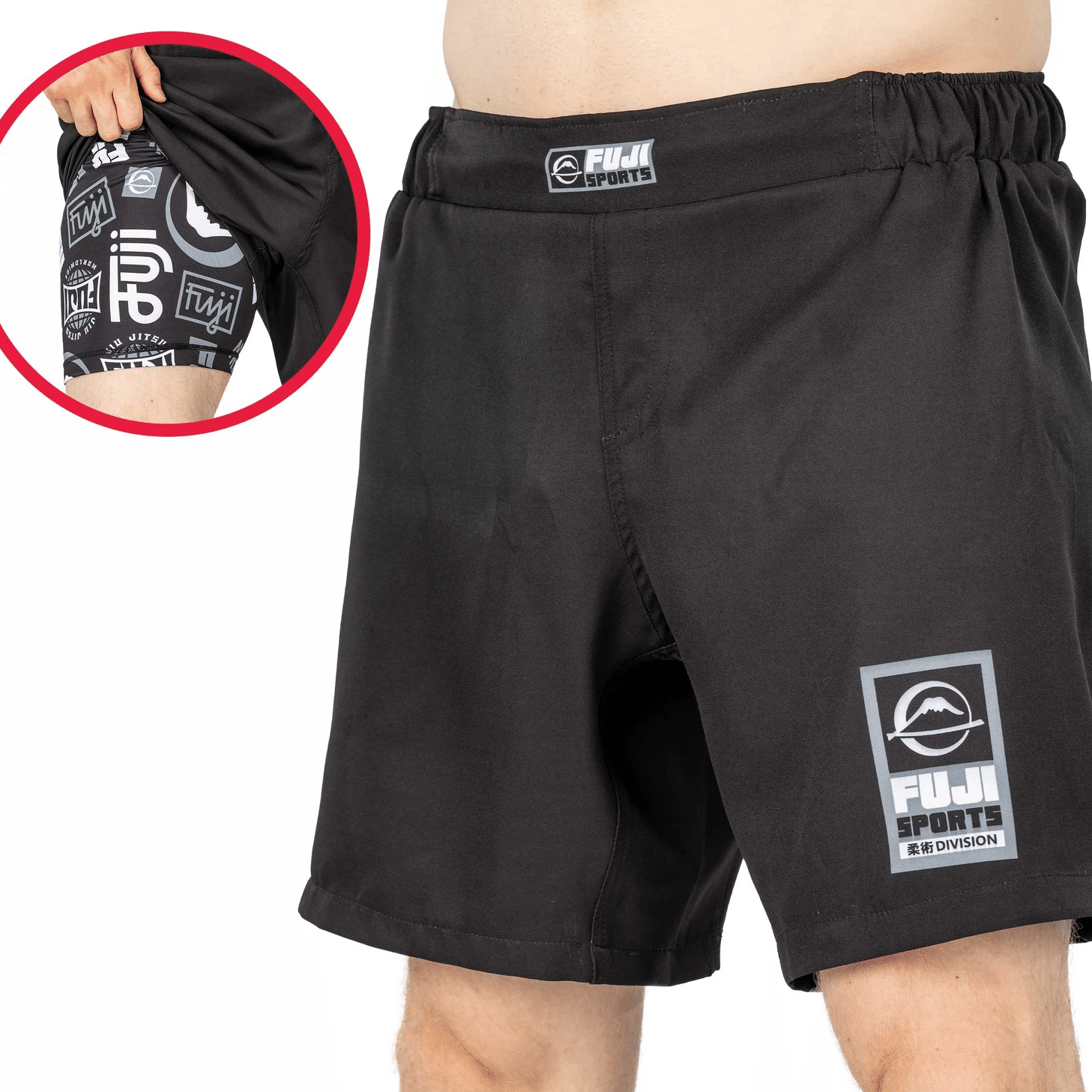
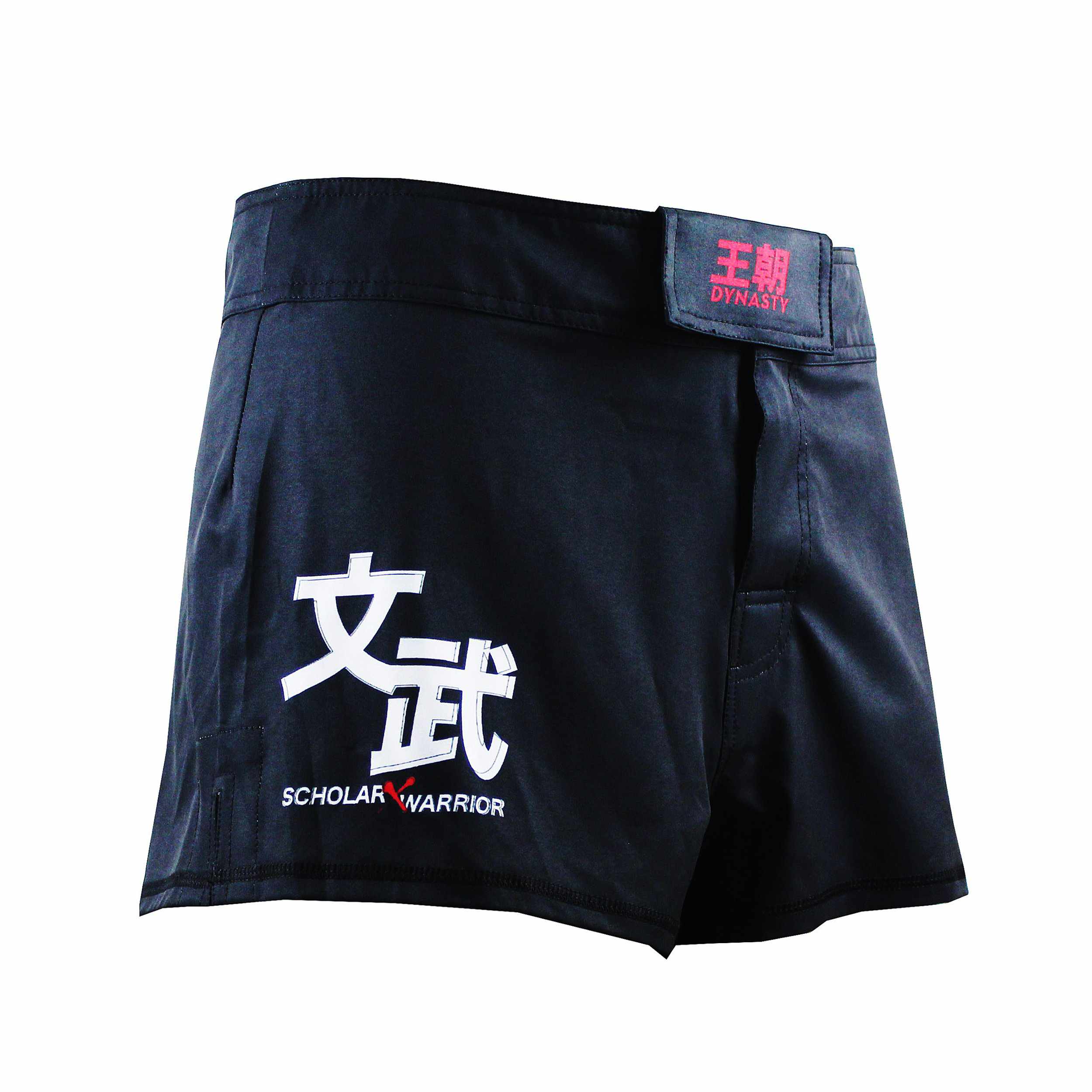
Grappling shorts are the purpose-built option. They’re cut shorter, usually mid-thigh, with a flat waistband, minimal internal seams, and a closure system designed to stay shut when someone is pulling on your hips. Fight shorts — the MMA style — are longer, often knee-length, with big side splits and a wide waistband built to survive stand-up striking and clinch work. Board shorts are exactly what the name says: surf and beach wear that happens to be roughly the right shape, with a long inseam, a fixed or drawstring waist, and zero consideration for the fact that a person is going to grip and stretch the fabric in every direction.
The reason they aren’t interchangeable comes down to three stress points that no-gi grappling attacks relentlessly: the closure, the crotch gusset, and the leg opening. A board short’s crotch is a single stitched seam meant for sitting on a surfboard. Put that seam under the load of an open guard where your legs are spread and framing against a passer, and it becomes the first thing to fail. Grappling shorts and quality fight shorts add a diamond-shaped gusset panel precisely to spread that load. That single construction detail is the biggest predictor of whether your shorts survive a year of hard rolls.
Closure systems: the detail that decides everything
If you only judge shorts on one feature, make it the closure. There are three common systems, and they behave very differently once a training partner has a grip on your waistband.
Drawstring only
Pure drawstring is the board-short default and the weakest option for grappling. Cotton or thin cord slips loose the moment someone stacks you or your hips fold under a pass. You spend rounds re-tying instead of training. If a pair you already own is drawstring-only, a double knot and a dab of nothing-fancy will get you through a session, but it’s not a system you should buy into on purpose.
Velcro fly plus drawstring
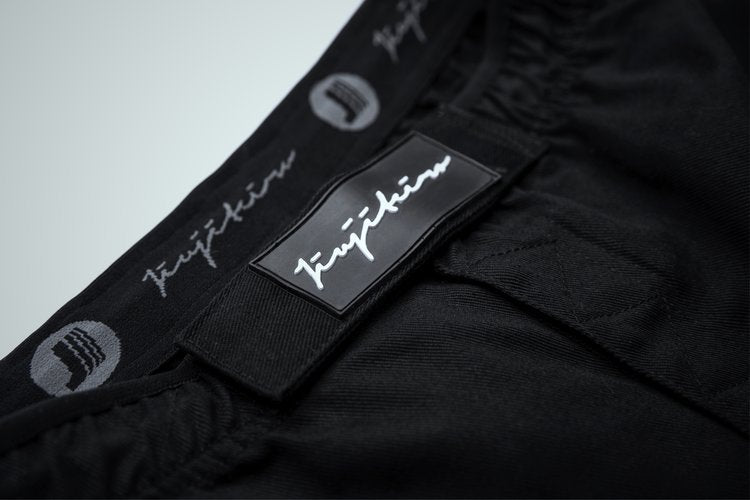
This is the grappling-short and fight-short standard for a reason. A hook-and-loop fly panel takes the lateral load, and an internal drawstring handles the vertical. The velcro does the real work of keeping the fly shut during scrambles; the drawstring stops the whole waistband from sliding down. The one maintenance note: velcro degrades. After a year of washes it stops gripping, and that’s usually when a pair “suddenly” starts falling open. Wash them with the fly closed and they last far longer.
Elastic waistband, no fly
The newer breed of grappling shorts skips the fly entirely and uses a wide, thick elastic waistband — closer to compression-short construction. These are the most comfortable and the hardest to pull down, but they run the closest to competition legality limits and can feel restrictive if you carry weight around the waist. For pure training, many grapplers now consider this the sweet spot.
Length and split panels: mobility versus modesty
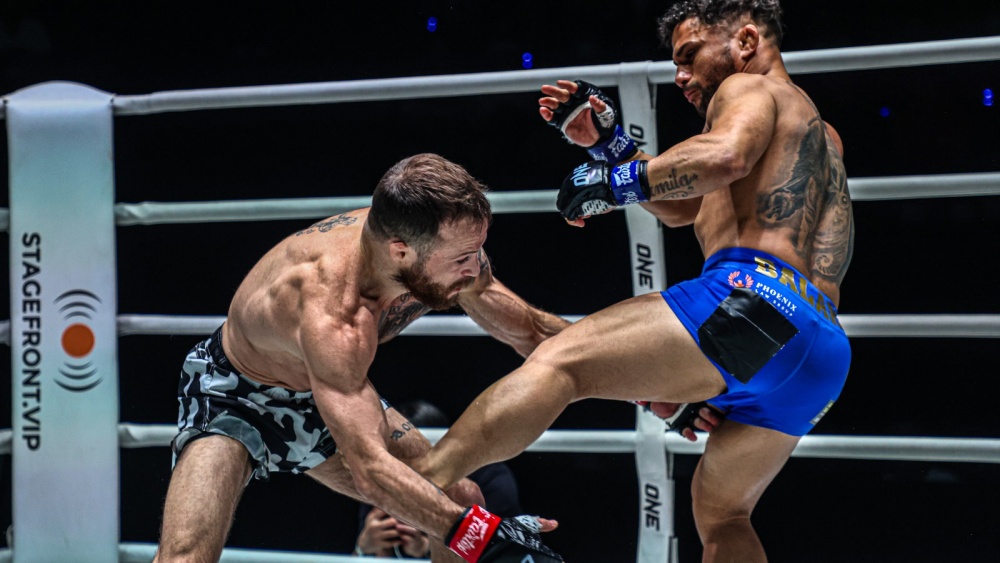
Length is where fight shorts and grappling shorts part ways hard. Knee-length MMA shorts look the part, but that extra fabric is dead weight for pure grappling. When you shoot a single leg or invert into a leg entanglement, long shorts bunch, ride up, and get gripped. The longer the inseam, the more fabric your opponent has to grab and the more your knee-line seams fight your range of motion.
This is why split panels — the slit up the outside of each leg — exist. A generous side split lets the leg open freely for high guards, deep half, and any position where your knee needs to travel toward your chest. Grappling shorts push the split higher and pair it with stretch fabric so the leg opening never becomes a leash. If you spend most of your rolls playing guard, prioritize the split and the stretch over everything else. If you’re a top-pressure passer who lives on your feet and in the clinch, a slightly longer short with a moderate split gives you more coverage without much penalty.
Fabric: the difference between two years and two months
Board shorts are usually 100% polyester woven tight for water resistance — great for not soaking up the ocean, bad for stretching in four directions on land. Grappling and fight shorts blend polyester with spandex (elastane) so the fabric moves with a scramble instead of resisting it. Look for a poly-spandex blend in the range of roughly 88/12 to 92/8; that’s enough stretch to move freely without the shorts going baggy and translucent when wet with sweat.
Stitching matters as much as the fabric. Flatlock seams sit flush against the material instead of raised, which does two things: it stops the seam from becoming a friction line that chafes over long rounds, and it removes the ridge that grinds against the mat and eventually pops. Cheap shorts use standard overlock stitching that stands proud and abrades. Run your fingers along the inseam of any pair before you commit — if the seam feels like a rope, expect chafing and eventual failure.
One more sweat-specific point: lighter colors and thinner weaves go see-through when saturated. If you train hard for an hour, a mid-weight fabric in a darker color saves you the awkward walk to your bag. This is a genuine advantage grappling shorts hold over budget board shorts, which are frequently built for looks in dry conditions rather than performance while soaked.
Should you wear compression shorts underneath?
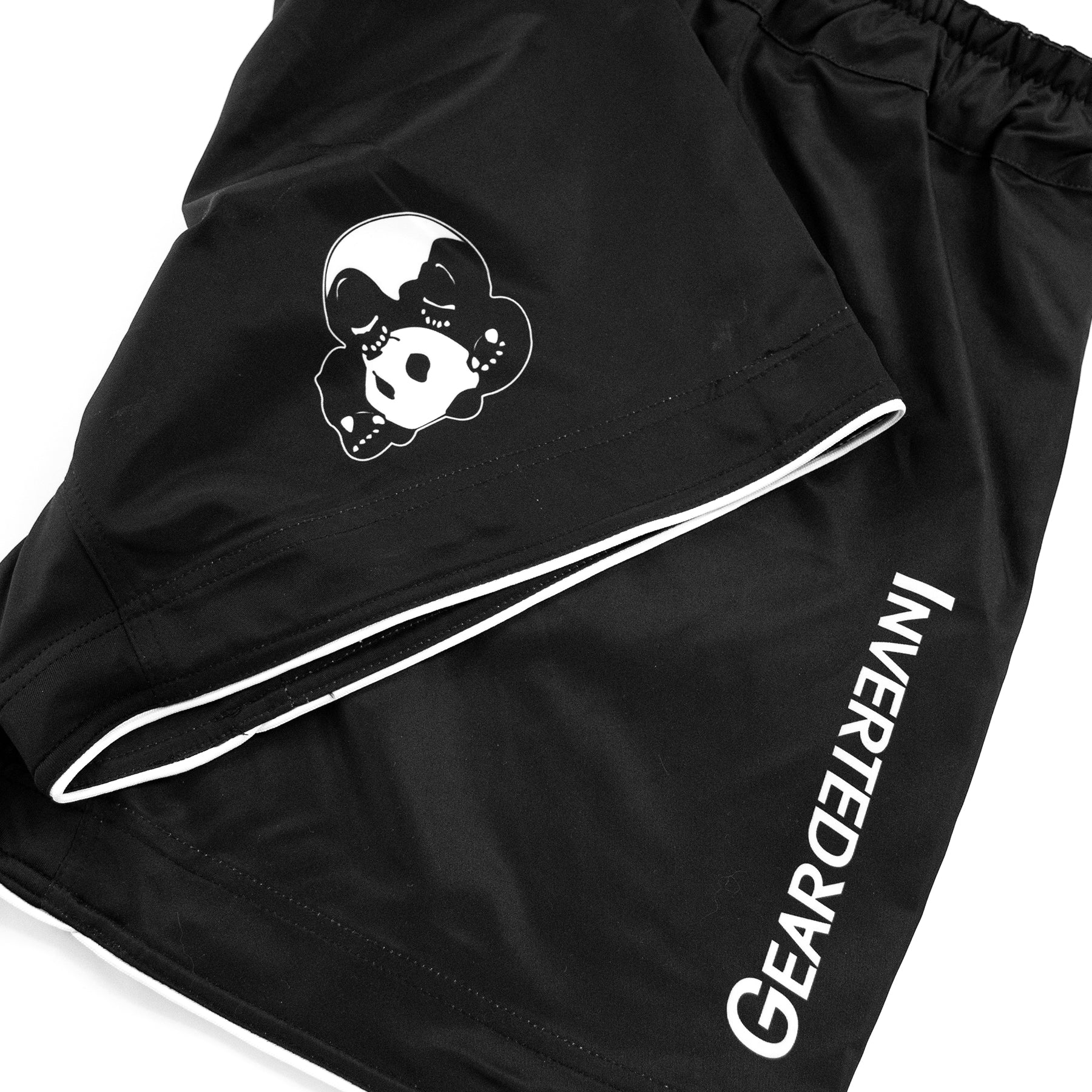
Almost universally, yes. A compression base layer under your outer shorts is the standard no-gi setup, and it solves several problems at once: it wicks sweat, reduces chafing on the inner thigh, provides support, and gives you a layer of coverage if the outer short ever fails or shifts. The compression layer is doing the modesty and support job so the outer short is free to do the durability and mobility job. Think of them as a system rather than an either/or decision — the outer short handles grip resistance and abrasion, the base layer handles skin comfort and containment.
If you’re building a no-gi kit from scratch, budget for both: one solid pair of grappling shorts and two or three pairs of compression shorts you can rotate through the wash. The base layers are cheap and take the brunt of the sweat, which extends the life of the more expensive outer short.
Competition rules can override your preference
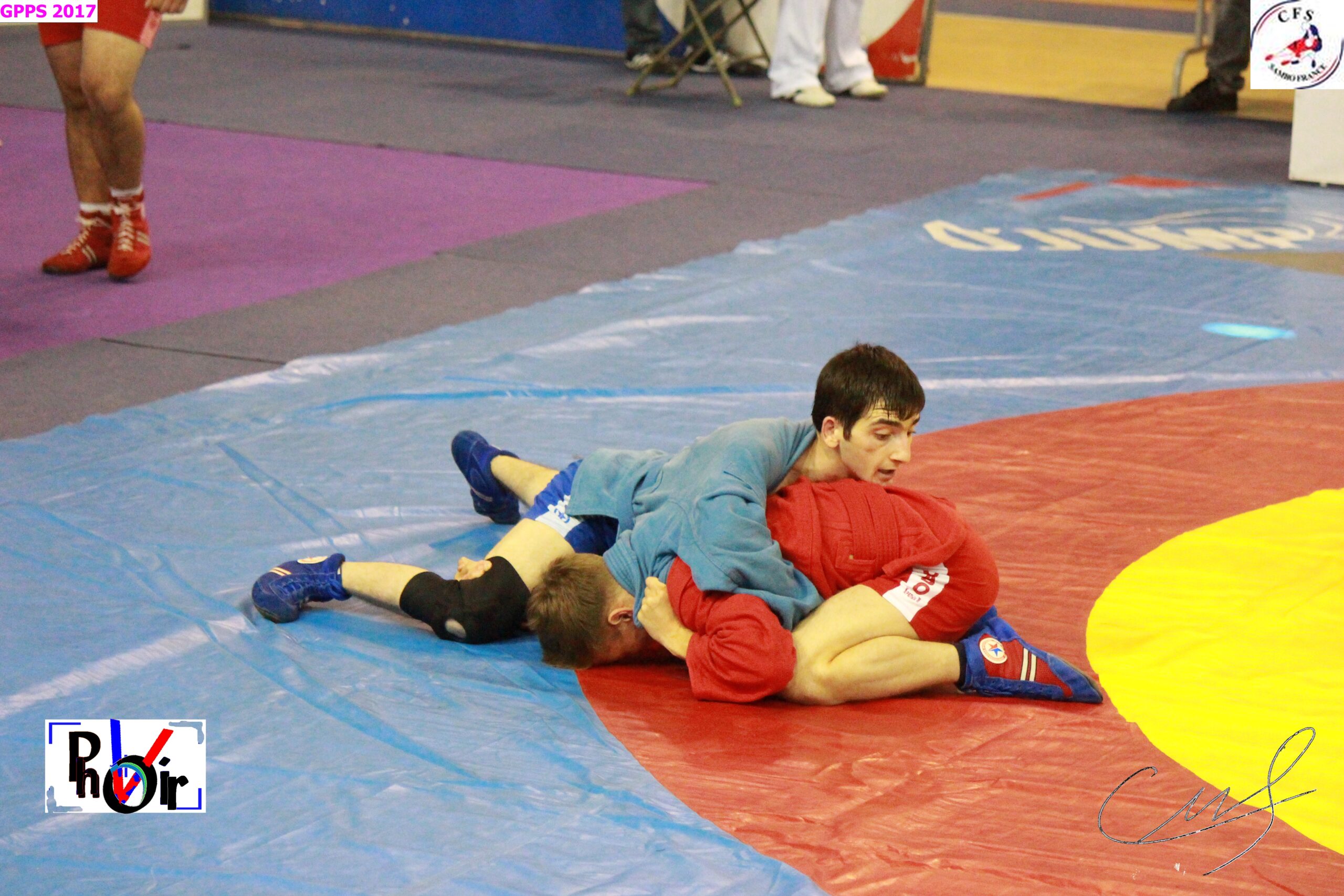
If you compete, your favorite training shorts might be illegal on the day. Major no-gi rulesets restrict what you can wear: no pockets, no zippers, no buttons, no exposed metal or hard plastic that could injure an opponent or damage the mat. Board shorts with a metal-tipped drawstring or a cargo pocket are an instant fail at the check-in table. Some organizations also require that shorts either stop above the knee or that any longer garment be a tight compression style — the rule exists to stop opponents from getting fingers trapped in loose fabric.
The practical takeaway: if there’s any chance you’ll compete, buy shorts that are already competition-legal so you train in exactly what you’ll wear on game day. Purpose-built grappling shorts are designed around these restrictions from the start. Always check the specific ruleset of the organization you’re entering, because the details differ between federations, but the safe universal choice is a pocketless, hardware-free grappling short with a velcro or elastic closure.
Picking your pair
Here’s the showdown result. Board shorts lose outright for anything but the most casual open mat — no gusset, wrong fabric, unreliable closure, and often illegal to compete in. Fight shorts are a reasonable choice if you also do MMA or heavy clinch work and want the extra length and coverage, but the knee-line fabric works against you in a pure grappling context. Grappling shorts win for the majority of no-gi players because every design decision — the high split, the gusset, the velcro or elastic closure, the short inseam, the poly-spandex stretch — is aimed squarely at what happens when two people are trying to control each other’s hips.
Match the pair to how you actually roll. Guard players want maximum split and stretch. Pressure passers can accept a touch more length. Everyone benefits from a real closure system and a compression layer underneath. Buy one good pair that fits those priorities, wash it with the fly closed, and it’ll outlast three cheap ones bought on looks alone.
Browse grappling shorts on Amazon or compare compression base layers to build the full no-gi setup.
Sources
- IBJJF — official rules and event federation
- Brazilian Jiu-Jitsu — Wikipedia overview
- Submission wrestling (no-gi grappling) — Wikipedia
Browse our top-rated rashguards and no-gi gear at the RashguardGuy shop →
Shop on Amazon
Fight Shorts on Amazon →
As an Amazon Associate we earn from qualifying purchases.