Single Leg X Guard: 7 Best No-Gi Sweeps and Back Takes
The single leg x guard is the position Marcelo Garcia built a four-time ADCC career on, and twenty years later it is still the cleanest path to a no-gi back take in the sport. One leg trapped, two hooks deep, the opponent stuck in a half-stand they cannot finish — that is the entire pitch. No lapels required. No grip war. Just a sweep, a back take, and a rear naked choke for almost free.
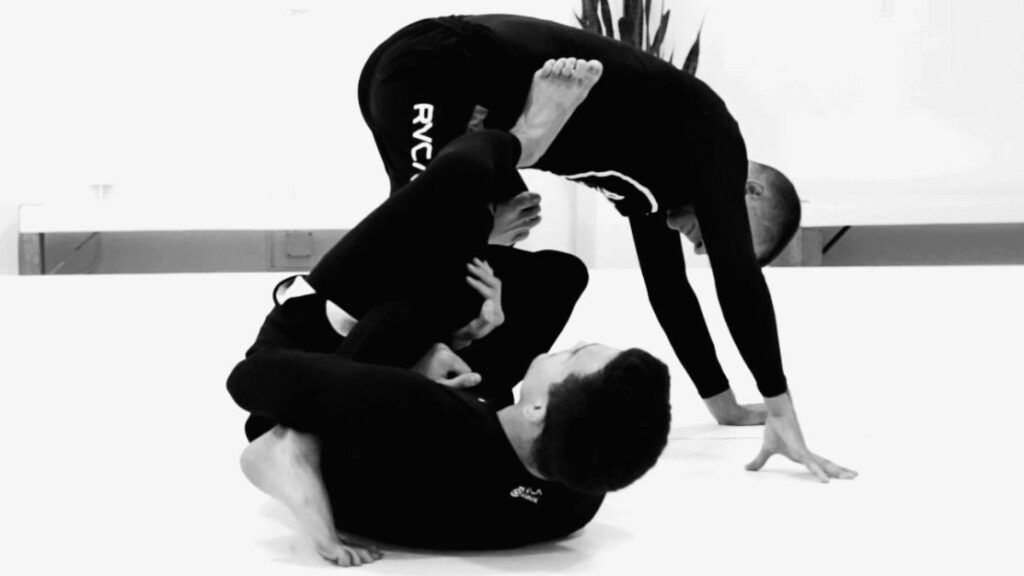
The single leg X-guard traps one leg, frees both hands, and forces the opponent into a half-stand they cannot finish.
If you train no-gi and you are not playing single leg x at least twice a week, you are leaving the easiest sweep-to-back-take chain in BJJ on the table. The position is hard for the opponent to pass cleanly, easy for you to enter, and connects directly to the strongest finishing positions in grappling — back control, ashi garami, and the heel hook. The whole guide below is built around seven specific finishes from the single leg X guard that work without a gi, with the angles, the grip fights, and the common mistakes that make people quit on the position too early.
What Is the Single Leg X Guard?
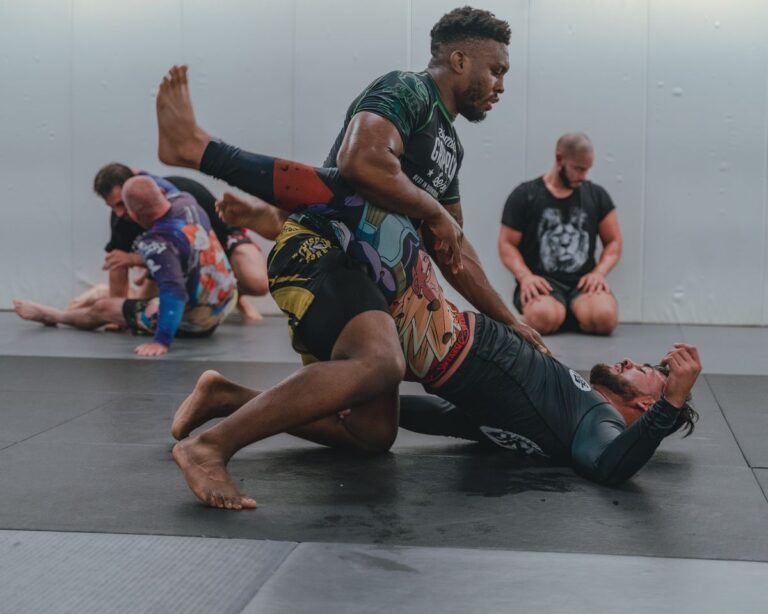
The single leg X guard (sometimes shortened to “SLX”) is a bottom guard where you wrap both of your legs around one of your opponent’s legs in an X-shape, hook the outside of their foot with one of your arms, and elevate their trapped leg off the mat. The position was popularized by Marcelo Garcia in the early 2000s and has since become a foundation of modern no-gi grappling. Marcelo Garcia’s career record on BJJ Heroes shows nine ADCC submission wins by rear naked choke alone — the back take from SLX is the same chain that produced most of them.
In a gi context, single leg X is one option among many because lapel guards, spider guard, and de la Riva all stay sticky with grips alone. Strip the gi off and the math changes — most lapel-dependent open guards collapse, but SLX gets stronger because the trapped-leg hook does not need a sleeve to hold. The sweat helps the opponent slip, sure, but it also denies them the grips they would use to defend.
The position is technically a variant of ashi garami, which is why it doubles as a leg-lock entry. The two top-level finishes — back take and straight ankle lock — sit on opposite sides of the same position, and the choice between them depends on whether the opponent goes forward or backward when they feel themselves losing balance.
The 7 No-Gi Sweeps and Finishes From Single Leg X Guard
Below is the working list. Pick two of these to drill for a month before adding the rest. The hierarchy matters — the standard back take is the position’s bread and butter, and every other finish exists because somebody tried to stop the back take.
1. The Standard Marcelo Garcia Back Take Sweep
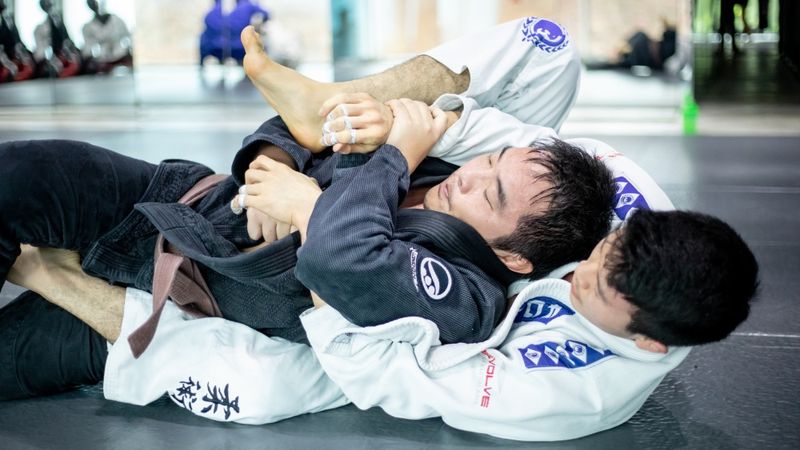
This is the move that put single leg X on the no-gi map. From the SLX position, you elevate the trapped leg using your top leg (the one across the hip), kick out your bottom leg to clear it, then come up onto your knees and immediately chase the opponent’s hips as they fall. The back is right there because the trapped leg has already kept their hips facing away from you. Marcelo finished about a third of his ADCC opponents on this exact chain — sweep, follow the hips, sink the rear naked choke.
The detail most people miss is the elevation. If you try to sweep before you have lifted the trapped leg clear of the mat, the opponent posts on it and stays standing. The trapped leg has to come off the floor first, and then your kick-out happens against air rather than against their planted weight.
2. The Straight Ankle Lock
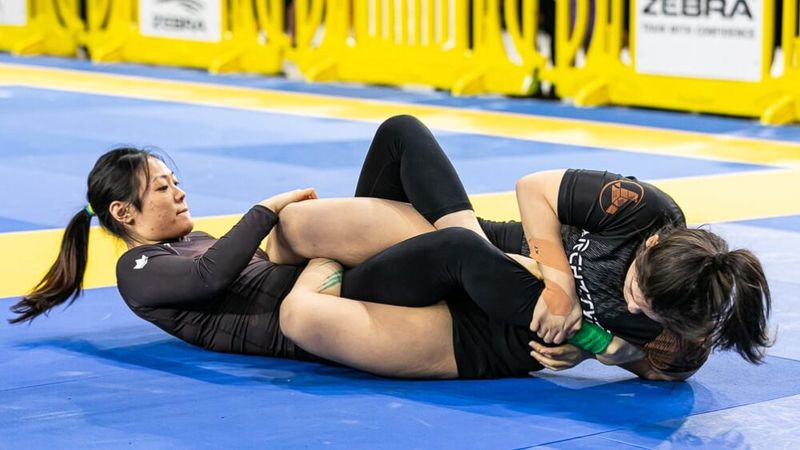
When the opponent feels the sweep coming and posts hard on their back leg, the front foot loses its base and the straight ankle lock opens up. From SLX, you swivel your hips slightly toward the trapped foot, isolate it with both forearms, and finish by bridging your hips up while pulling the foot into your chest. The IBJJF made this submission legal at every belt level for no-gi as of 2021, which means it is the safest leg lock to drill in any room.
The straight ankle lock from single leg X is one of those moves where the entry is harder than the finish. If your SLX is dialed in, the ankle is already trapped — you just have to choose to attack it instead of trying to sweep.
3. The Outside Heel Hook
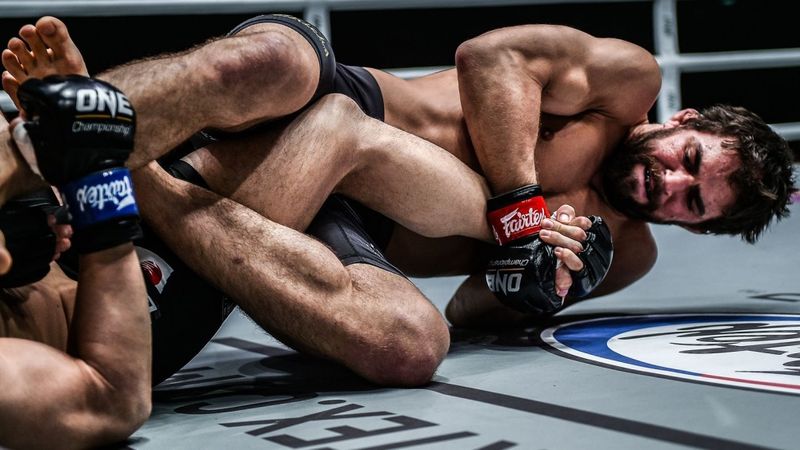
This is the leg-lock specialists’ favorite finish from SLX. The single leg X position rotates almost directly into outside ashi garami, which is the home position for the outside heel hook. You expose the heel by rotating away from the trapped foot, secure a figure-four grip on the foot, and finish by rotating your shoulders away from the heel. The IBJJF allows heel hooks for brown and black belts in no-gi competition only, so know your league before you drill this one on a teammate.
One mild position to defend: the outside heel hook is not the move for a white belt’s first month with SLX. Build the back take first. The heel hook is what you reach for once your opponent is already counter-rolling out of the sweep.
4. The Hip Bump (Tinoco-Style) Sweep
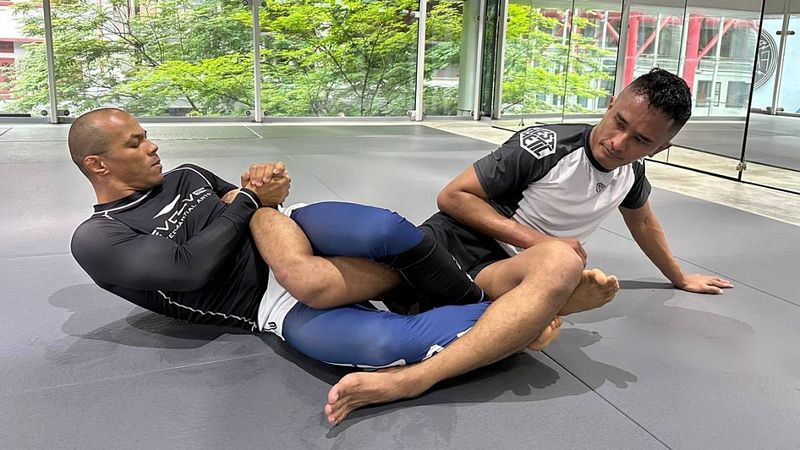
Marcos Tinoco built an entire no-gi game around this variation. Instead of kicking the bottom leg out, you cross both legs over the trapped knee, hip-bump up toward the trapped foot side, and dump the opponent on their off-shoulder. It works particularly well when the opponent has based out wide and made the standard sweep too heavy.
The hip bump finishes faster than the standard sweep because it does not require you to elevate the leg first — the cross-legs grip already steals the opponent’s balance laterally.
5. The Toe Hold Catch
The toe hold is the answer when an opponent fights the heel hook by twisting their knee away from your hip. As their foot rotates, the toes point at you instead of away — that is the toe hold’s natural entry angle. Grip the bottom of their foot with one hand, lock figure-four with the other arm under their shin, and finish by rotating the foot toward the floor. The toe hold has been legal in no-gi at brown and black belt for years and is one of the more honest leg locks because it generally announces itself before it breaks anything.
6. The X-Guard Transition
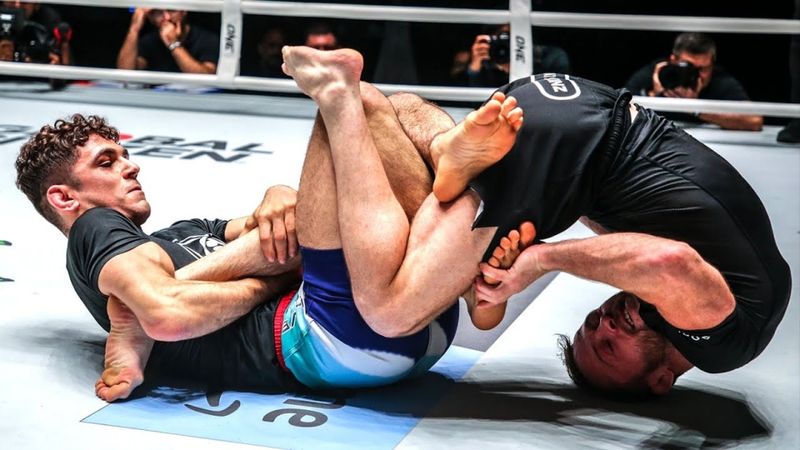
When the opponent kicks their trapped leg out aggressively, your SLX collapses. Rather than fight it, switch to full X-guard. Take the other leg with your far arm, hook both of their thighs with your shins, and re-elevate. From there, the technical stand-up sweep is open, and most opponents have already over-committed to the kick-out — they fall over their own weight.
Mikey Musumeci, the inaugural UFC BJJ bantamweight champion, treats the SLX-to-X-guard chain as a single position rather than two. The transition is so fluid in his game that it works as a feint either direction.
7. The Technical Stand-Up Single Leg
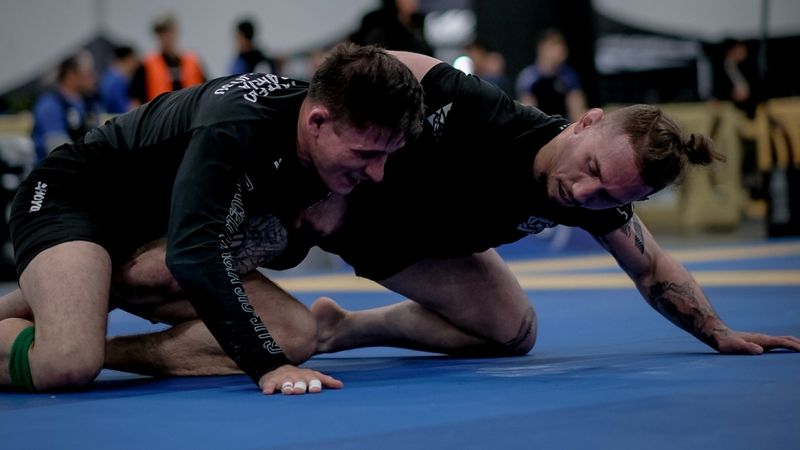
If the opponent breaks all of your grips and starts to stand, you do not stay down — you stand with them. From the bottom of single leg X, you can technical-stand-up while still holding the foot, drive into a single leg takedown, and score the same two points you would have scored on the sweep. It is the cleanest answer to a strong post-and-defend opponent because it gives you a takedown you would not normally enter from your back.
This counter is the difference between an SLX player who finishes the position and one who plays it for three minutes and gets nothing. Wrestling for BJJ is the chassis that lets the technical stand-up actually finish — without a baseline single leg, you stand up and they sprawl on you.
How to Enter Single Leg X From No-Gi
You can land in SLX from butterfly guard, from de la Riva (in the gi the entry is more common), from a half-guard underhook, or directly from your back when the opponent steps a leg between yours. The most reliable no-gi entry is the butterfly hook elevator — you elevate them with the butterfly hook, slide your top leg across their hip as they lift, and trap the closer leg in the X-shape as they come down. From there you are already in finishing position.
A second entry, popularized by Kaynan Duarte’s no-gi system, is the seated guard inversion. You sit up, post on the trapped-side elbow, swing your hips under their hooking leg, and end up directly in SLX with their leg already elevated. It looks like a back-take attempt and reads as a sweep at the same time, which is why it confuses people the first three times you hit it on them.
The Marcelo Garcia ADCC archive on FloGrappling shows him entering SLX off of failed takedowns more than half the time — sprawled on, he pulls his way directly into the position. That is a useful detail. Most rooms drill SLX as a top-down sequence; in real matches, you arrive there falling.
Watch Marcelo Garcia Demonstrate the SLX Back Take
Marcelo himself walks through two entries and the standard back-take sweep in this short BJJ Fanatics clip. The detail at 1:08 on the bottom-leg kick-out is the one most people get wrong on day one.
Common Mistakes That Get You Smashed in SLX
The first mistake is the one nobody admits — playing SLX without committing to a sweep. If you sit in the position and try to “wait for the right moment,” the opponent kicks their leg free, smashes your guard, and you have done all the work of pulling guard for nothing. SLX is an attacking guard. The moment you settle in, you should already be elevating to sweep.
Second mistake: hand-fighting too early. The trapped-leg grip is the position’s whole foundation. If you reach for a wristlock or a sleeve grip before the leg is secure, the opponent rotates out and ends up in your half-guard. Lock the foot first, fight grips second.
Third mistake: ignoring the heel hook angle. Even if you are not going to finish a heel hook (white and blue belts in IBJJF no-gi cannot), you still need to know the threat exists. The opponent’s knee line is what tells you whether you are aimed at the back take, the ankle lock, or — if their knee is exposed — the heel attack. Understanding the heel hook threat from no-gi positions is what separates a sweep specialist from a finisher.
Single Leg X vs Other No-Gi Guards
The honest comparison: single leg X is the best sweep guard in no-gi at the recreational level and one of the top three at the elite level. Butterfly guard is faster but the sweep is less of a sure thing once your opponent learns to base out. Closed guard works at white belt but stops scoring submissions against anyone serious after about a year of training. Half guard is competitive with SLX, but the deep-half variants get smashed without a lapel grip to anchor with.
The honest knock on SLX is that it is hard to enter against a wrestling-based opponent. Wrestlers do not step a leg between yours — they cut around. If your training partners come from a wrestling background, you will need a hook-based entry like butterfly or a leg drag counter to land in SLX consistently. Against pure BJJ opponents, the position is almost free.
Compared to the Imanari roll as a leg-lock entry, single leg X is slower but more reliable. The Imanari is high-percentage at high speed and zero-percentage at low speed. SLX scales — it works whether you are in a sub-only super-fight or a tournament with a clock.
A Two-Week Drill List for Single Leg X
Week one: drill the entry only. Butterfly hook elevator into SLX, fifty reps per side, every session. Do not finish — just enter and hold for five seconds. The position becomes muscle memory before you ever try to sweep from it.
Week two: add the standard back-take sweep. Same fifty reps per side, but now elevate the trapped leg, kick out, and chase the hips. Have your training partner give moderate resistance — not full-power, not zero. The sweep should land 70% of the time before you add the second finish.
After two weeks of clean reps, layer in the straight ankle lock as your second option. Save the heel hook and the X-guard transition for month two. The pattern that works for almost everyone is: enter, sweep, ankle lock, back take — in that exact order of complexity.
Final Word
The single leg X guard is the rare no-gi position where the entry, the sweep, and the finish all live in the same square meter of mat space. If you commit to the position for two months and drill the standard back-take chain until your training partners start sprawling pre-emptively, your competition no-gi game changes — the bottom-guard position that used to be a survival exercise becomes the position your opponents fear. That is the trade single leg X offers, and it is the reason the move outlived gi-era trends and still anchors every elite no-gi competitor’s bottom game in 2026.
Looking for a no-gi top to drill SLX in? Check the short sleeve vs long sleeve rashguard comparison — sleeve length matters when you are wrestling for the underhook on the entry.
Sources
- Marcelo Garcia Fighter Profile — BJJ Heroes — Full ADCC career record and submission breakdown.
- The Legendary ADCC Career of Marcelo Garcia — FloGrappling — Detailed match-by-match analysis of Marcelo’s ADCC runs.
- Single Leg X Guard — BJJ Fanatics — Position fundamentals and entry options.
- 3 Attacks From Single Leg X-Guard You Need to Know — Evolve Daily — Submission and sweep options from SLX.
- Mikey Musumeci Athlete Profile — FloGrappling — Current UFC BJJ bantamweight champion’s competition record.
- Marcelo Garcia — Wikipedia — Biographical background on the single leg X guard’s primary architect.
Browse our top-rated rashguards and no-gi gear at the RashguardGuy shop →