Best Rashguards for Men: How Body Type Changes the Right No-Gi Fit
Most rashguard buying guides treat men’s bodies as if they all roll off the same factory line. They don’t. A 75kg lightweight with a long torso and a 105kg heavyweight with broad shoulders need fundamentally different cuts, and the wrong fit will fail you in scrambles, ride up during back takes, or chafe through a single hard sparring round. The phrase “best rashguards for men” is meaningless without asking which kind of man — and which kind of round.
This guide skips the affiliate-link fluff and the generic “compression keeps you cool” copy. Instead, it walks through the three male build categories that actually drive rashguard performance, plus sleeve construction, fabric weight, competition rules, and a realistic replacement timeline for someone who trains no-gi more than twice a week.
Why “Best for Men” Is Really a Body-Type Question
Rashguard sizing charts list chest, weight, and height. They almost never list torso length, shoulder-to-chest ratio, or arm circumference at the bicep. Those three measurements decide whether a rashguard rides up during a guard pass, bunches at the lats, or strangles a forearm during sleeve grips.
For practical purposes, most adult male grapplers fall into one of three buckets. None is better than another — but each demands different cuts and different brands.
- Lean / long-torso build — 65–80kg, narrow shoulders, longer torso relative to leg length. Common in lightweight no-gi athletes and former endurance athletes.
- Athletic mid-build — 80–95kg, balanced chest and shoulder width, average torso. The “default” body type that most rashguards are cut for.
- Broad-chest / heavyweight build — 95kg and up, wider shoulders, larger chest circumference, often shorter torso relative to overall mass.
Lean and Long-Torso Builds
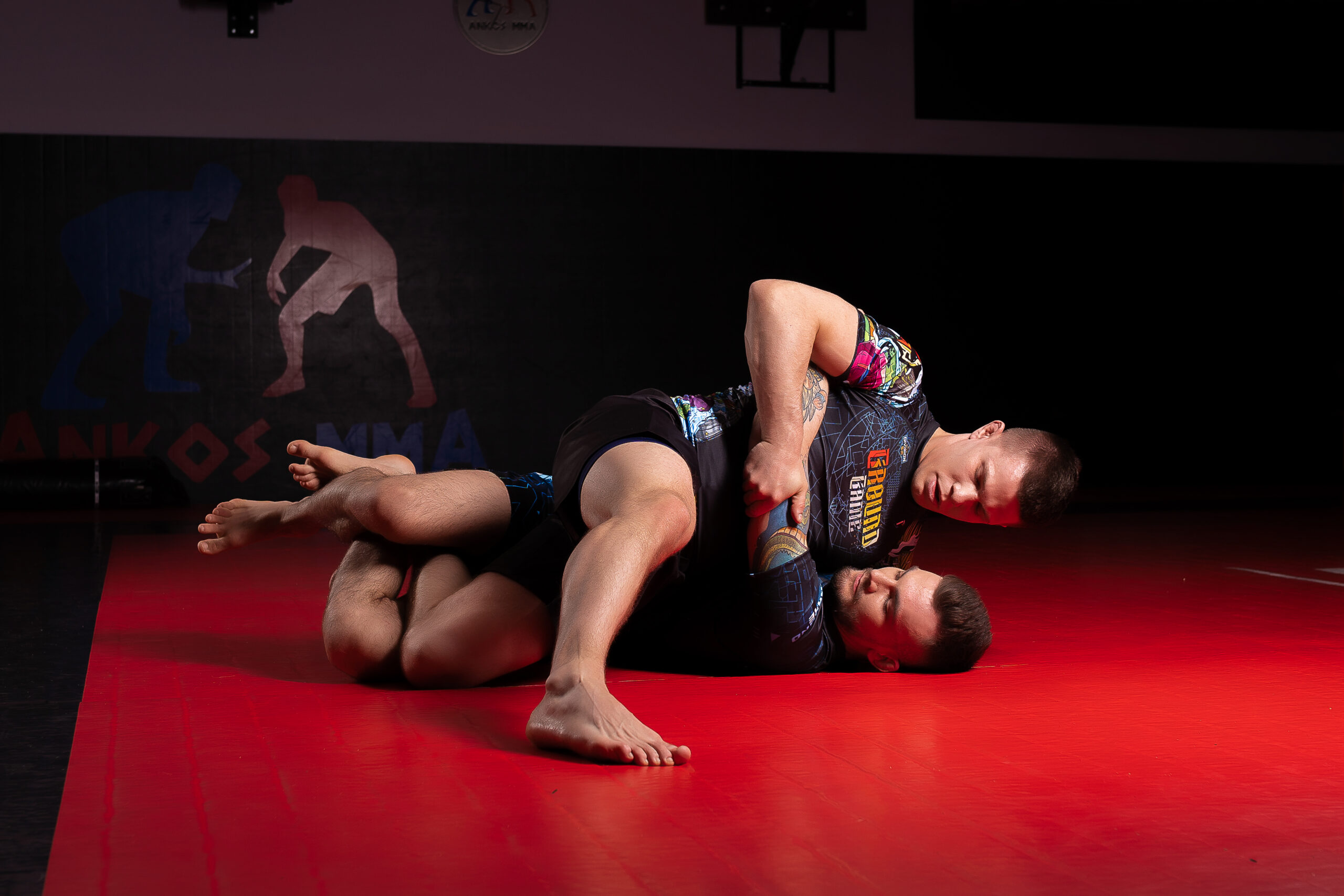
The classic problem for lean grapplers is the rashguard that rides up during back takes and scrambles. Standard sizing puts you in a small or medium that fits the chest but is two or three centimetres too short in the torso. Once it pops out, you spend the rest of the round tugging it back down between exchanges.
Brands cut for European or Brazilian competition tend to run leaner and longer in the torso. Look for rashguards with a clearly stated “long” or “competition” cut, or measure a known-good gi top and compare the rashguard’s listed length. Silicone gripper tape inside the waist hem is a feature, not a gimmick — it keeps the bottom anchored under no-gi shorts during inversions.
Sleeves on a lean build matter just as much. A standard long-sleeve rashguard with elasticated cuffs will stretch over the wrist on a thin forearm and lose its seal within a month. Thumbhole cuffs anchor the sleeve through grip exchanges and stop bunching at the elbow during arm drags.
Athletic Mid-Build (The Default Cut)
If you sit between 80 and 95kg with a balanced frame, you’re the body type most rashguards are designed around. That doesn’t mean you can buy anything — it means you have the most options and the least excuse for a bad fit.
The two failure modes here are over-buying and under-buying. Over-buying means picking a rashguard one size up because the chart sits between sizes — the result is wrinkles at the lats and a sleeve that hangs past the wrist. Under-buying means going down a size to look leaner, which compresses the chest and produces the bunching at the armpit you see in every “why is my rashguard riding up” Reddit thread.
For this build, look for the words “athletic fit” or “competition fit” in the description. Avoid “relaxed” or “casual” cuts unless you genuinely want a looser shirt for warm-ups. Sleeve length should hit the base of the thumb when arms are extended forward in a typical guard-pass posture, not when arms are at rest.
Broad-Chest and Heavyweight Builds
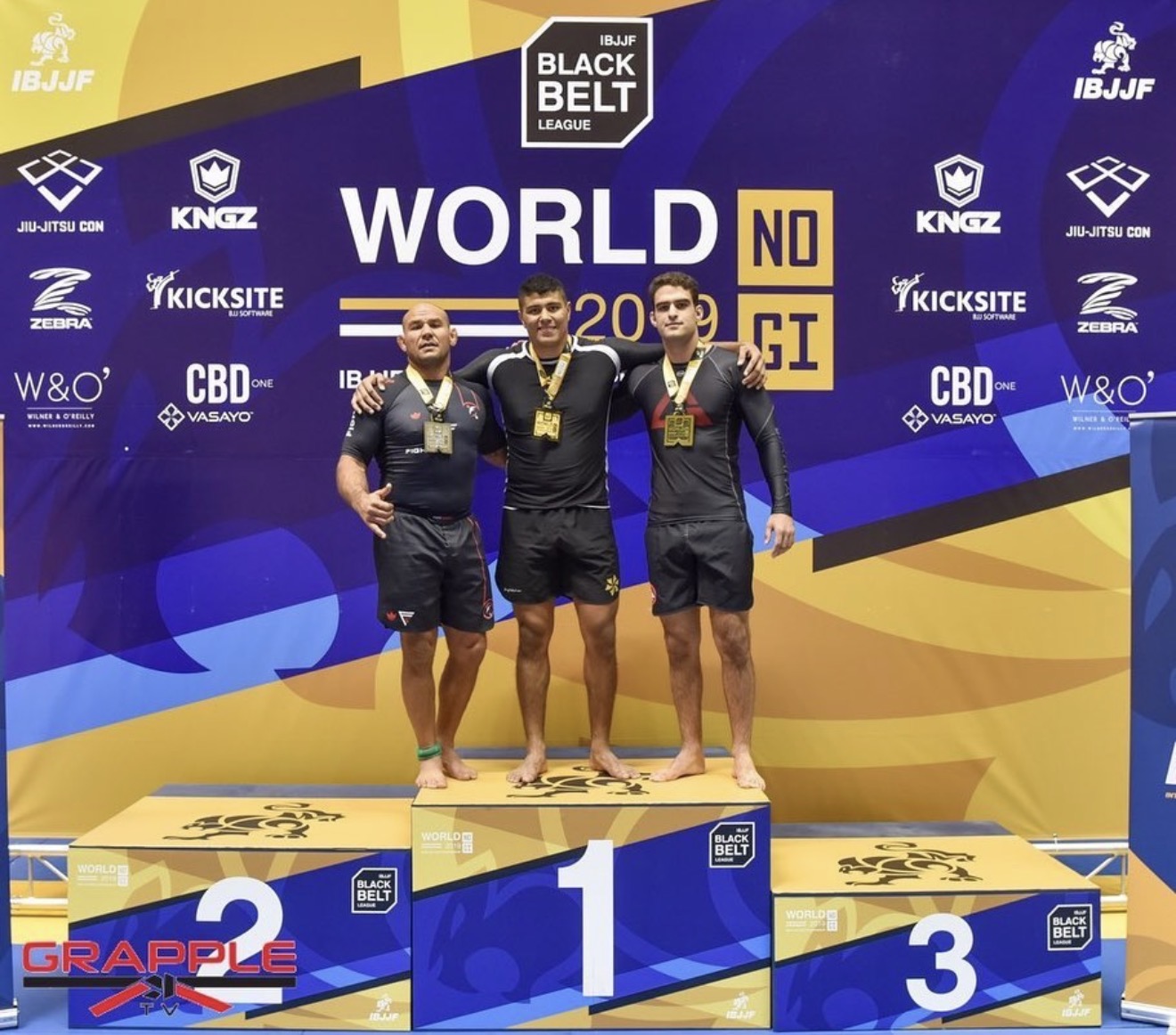
Heavyweight grapplers consistently report the same complaints: rashguards that fit the chest are too long in the torso, rashguards that fit the torso strangle the biceps, and the elastic at the bicep cuts a visible line after a hard round.
The fix is brand selection, not size selection. A handful of manufacturers cut their patterns wider through the chest and bicep without adding torso length. Brands that produce gear for strongman, wrestling, or grappling crossover athletes tend to handle this build better than brands oriented toward Brazilian competition silhouettes.
One often-overlooked factor: the seam construction at the underarm. Heavyweights generate more force in scrambles and rely more on overhook control. A four-needle flatlock seam under the arm holds up; a standard overlock seam splits within a few months under that load. If a brand doesn’t list seam construction, ask before buying.
Sleeve Length, Cuffs, and the Thumbhole Debate
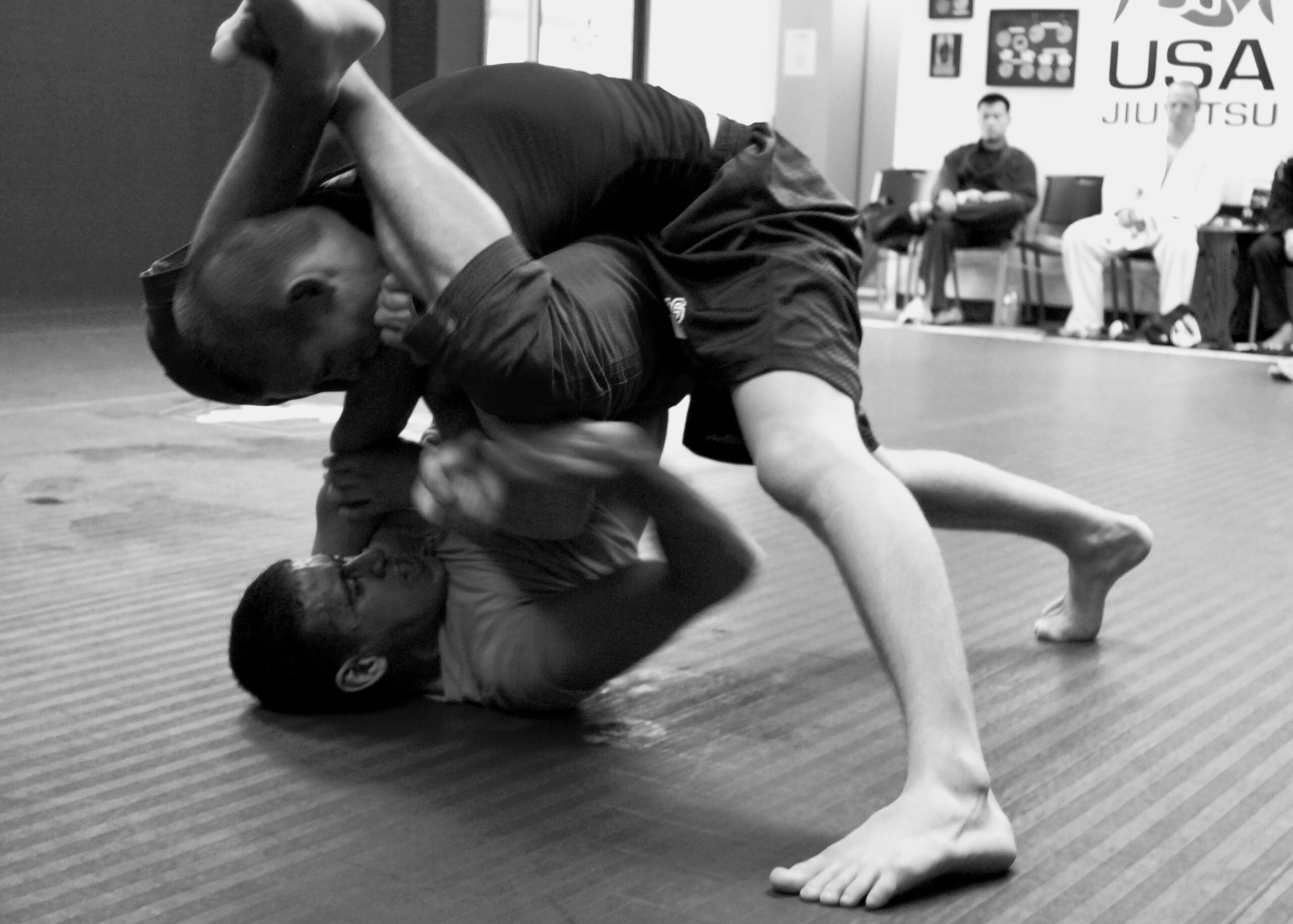
Long sleeve is the default for no-gi training. It protects the forearms from mat burn during shoulder-rolls, reduces skin-to-skin contact (a real concern for ringworm and staph), and gives sleeve grips a consistent surface to work against. Short sleeve has a place in summer training in unconditioned gyms, but most experienced grapplers default to long.
Cuff Construction Matters More Than Brand
Three cuff types dominate the market. Plain elastic cuffs are cheapest and stretch out fastest. Bonded silicone cuffs hold the wrist position longer but can chafe a hairy forearm over long sessions. Thumbhole cuffs anchor the sleeve through any grip exchange and are the preferred choice for competition athletes — but they fray faster at the thumb opening, so check the stitching.
Fabric Weight and Smell Resistance
Men sweat more on average than women across every body type, and rashguards that aren’t built for that sweat load become unwearable within months regardless of how often you wash them. Fabric weight is measured in GSM (grams per square metre). Most no-gi rashguards land between 180 and 240 GSM.
- 180–200 GSM — lightweight, dries fast, best for hot rooms or twice-daily training. Less durable.
- 200–220 GSM — the sweet spot for most male grapplers. Balances durability and breathability.
- 220–240 GSM — heavier, more compressive, slower to dry. Better for competition cuts that need to hold shape.
Antimicrobial treatments — usually marketed as silver-ion or chitosan — slow bacterial growth in the fabric but don’t stop it entirely. They work for the first 30 to 50 washes, then degrade. The honest test is whether the rashguard still smells clean after a hot wash twelve months in. If it doesn’t, the treatment has worn off and the polyester has absorbed enough sweat oils that no detergent will fully restore it.
IBJJF and Competition Rules for Men’s Rashguards
If you compete in IBJJF no-gi events, the rashguard rules are tighter than most beginners realise. Ranked rashguards must reflect your belt colour. White belts wear white-dominant rashguards, blue belts blue-dominant, and so on. The rule covers the chest panel and the sleeve. Decorative trim of another colour is allowed, but a black-dominant rashguard at blue belt will get you bumped from the bracket.
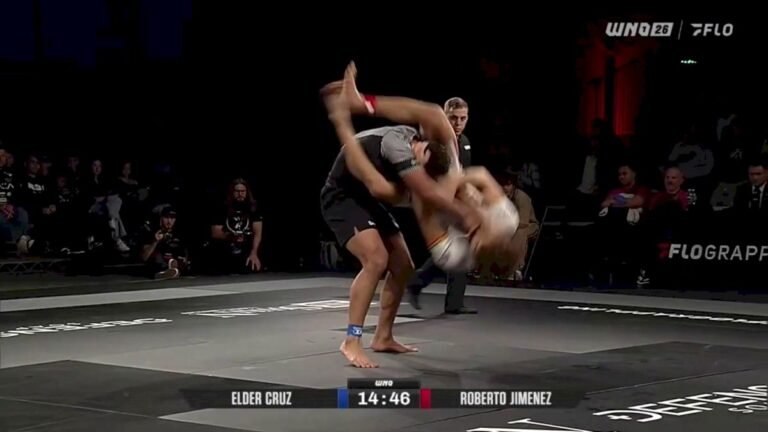
ADCC trials and most submission-only events (Submission Underground, FloGrappling Who’s Number One) are far more relaxed. As long as the rashguard isn’t full of holes and doesn’t include offensive imagery, you’re fine. Keep one IBJJF-legal rashguard in your bag if you compete on both circuits.
Care, Wash Cycles, and Replacement Timelines
The single biggest factor in rashguard lifespan isn’t fabric quality — it’s how you wash and dry it. Hot water destroys elastic. Tumble drying destroys silicone grippers and breaks down the antimicrobial finish in fewer than fifty cycles.
- Wash in cold water within a few hours of training. Dried-on sweat is harder to remove later.
- Use unscented detergent. Fabric softener coats polyester and traps bacteria.
- Hang dry inside out, away from direct sunlight. UV degrades synthetic fibres.
- Rotate at least three rashguards if you train more than three times a week.
For most men training no-gi two to three times a week, a quality rashguard lasts 18 to 24 months before the elastic fails or the smell becomes permanent. For competition athletes training five to six sessions a week, expect 12 to 15 months. Replacement isn’t cosmetic — a rashguard that has lost its compression and waist grip is actively making your training worse.
Quick Recommendations by Build
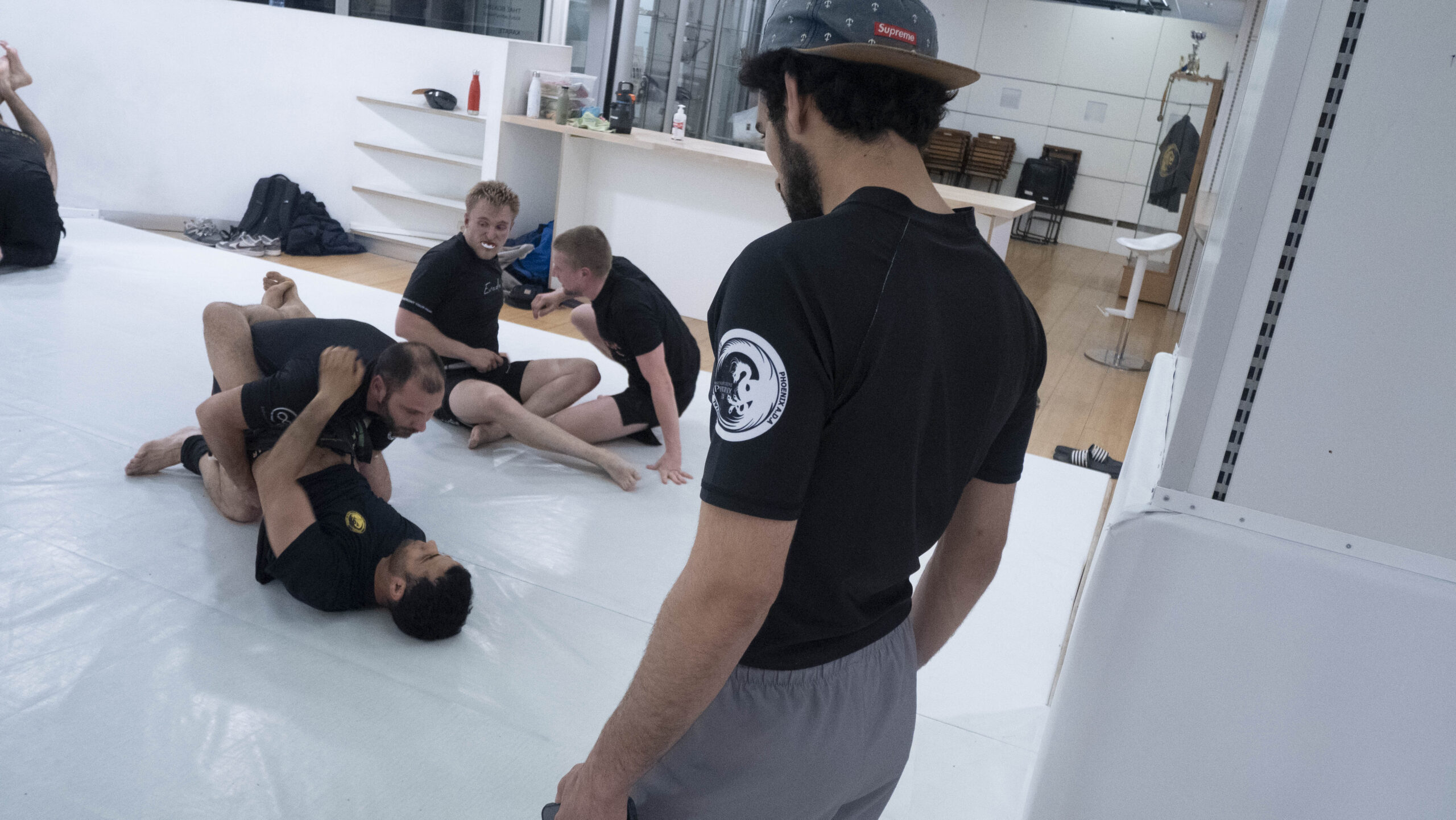
No single brand wins across all three body types, which is why generic “top 10” lists fail most readers. The honest framework is to match the cut to the build, then narrow by competition needs and budget.
- Lean / long torso — Brazilian-cut competition rashguards from Hyperfly, Shoyoroll, or Scramble tend to fit best. Look specifically for “long” or “competition” sizing.
- Athletic mid-build — Tatami, Kingz, and Origin all cut close to the standard athletic block and offer reliable IBJJF-legal options across belt colours.
- Broad chest / heavyweight — Sanabul’s combat-athlete cut and the wrestling-crossover offerings from brands like Brute or Cliff Keen run wider through the chest and bicep without adding torso length.
The best rashguard for any man isn’t the one with the most marketing budget or the loudest design. It’s the one that stays anchored at the waist, doesn’t choke the bicep, dries in time for the next session, and survives long enough to justify the price. Start by knowing which build you have, and the rest of the decision gets simple.
Sources
- IBJJF Rules — Uniform and Rashguard Regulations
- FloGrappling — No-Gi Competition Coverage and Athlete Profiles
- ADCC Submission Fighting World Federation
- Submission Underground — Event Rules and Athlete Gear Standards
Browse our top-rated rashguards and no-gi gear at the RashguardGuy shop →