Turtle Escape No-Gi: 7 Keys to Recover Guard
Under ADCC rules, a takedown that lands the opponent in turtle position for more than a few seconds earns zero points — the ruleset treats turtle as a stalemate, not a finish. That single rule tells you everything about how seriously competitive grapplers take this position: it’s not a rare accident, it’s one of the most common places a no-gi match actually gets decided, and most white and blue belts respond to landing there by freezing. They tuck their chin, grip their own hands, and wait for the round to end instead of moving. That’s backwards. Turtle isn’t a position you survive. It’s a position you leave, on purpose, within a few seconds of landing there.
Why Turtle Happens So Often in No-Gi
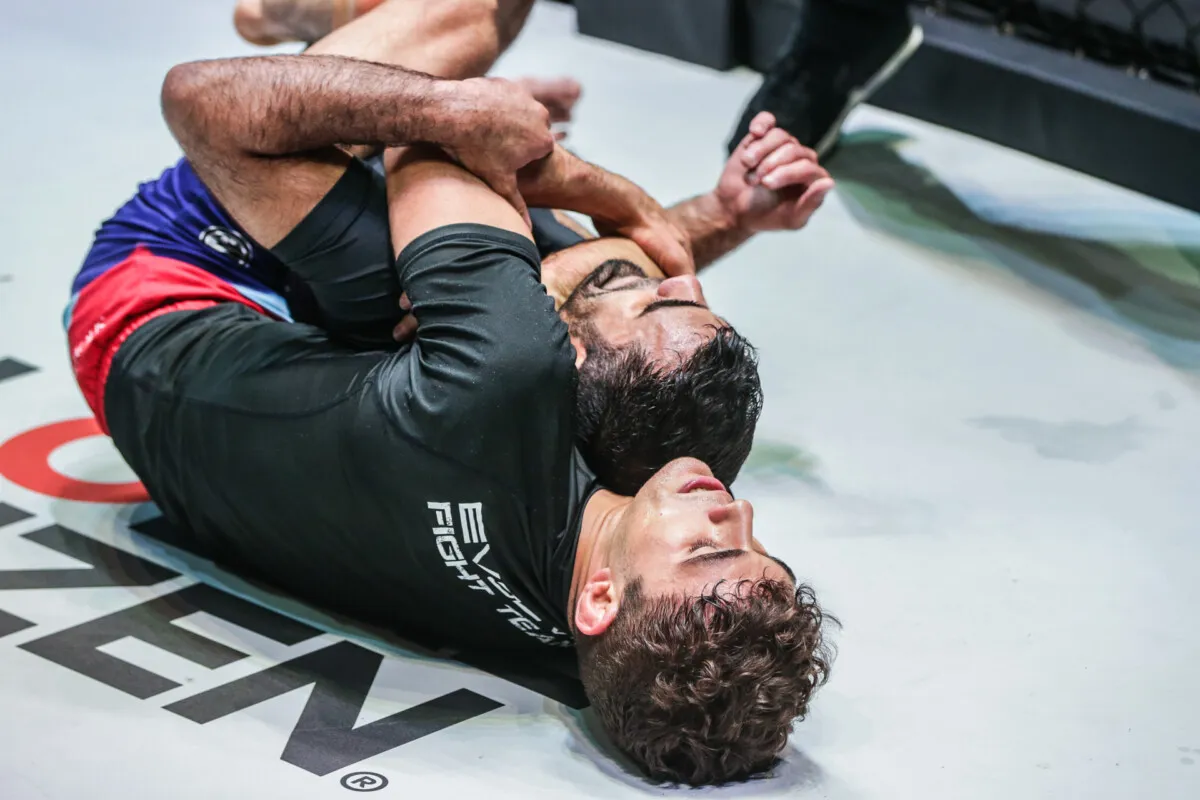
Without a gi to grip, takedowns and guard passes in no-gi grappling tend to end in a scramble rather than a clean finish. A stuffed shot, a failed pass, a scrambled leg entry — all of them can dump one grappler face-down on their knees and elbows before either person fully understands what happened. In gi jiu-jitsu, turtle is often a deliberate defensive choice because the collar and sleeve give the bottom grappler something to fight with. In no-gi, turtle is usually an accident, and it’s a dangerous one. Bare skin means your opponent’s hooks slide in faster, their arms wrap your neck cleaner, and there’s no fabric slowing down a back take.
That’s the real argument for treating turtle escapes as their own skill instead of an afterthought tacked onto guard passing classes. Most gyms teach how to attack turtle from the top — hooks, seatbelts, crucifix entries — and never flip the lesson around. If you only ever drill the top half of that exchange, you’re training your training partners to escape while leaving yourself stuck.
The Half Granby Roll Beats Sitting Still
The half granby is the escape most competitive no-gi grapplers reach for first, and it’s the one worth drilling until it’s automatic. From turtle, pike your hips up and drive them toward your opponent rather than away — the instinct to retreat is exactly what lets them stay attached to your back. Tuck your head to the side away from their chest, post your far shoulder, and roll across your upper back from one shoulder to the other. Done correctly, you come up roughly ninety degrees from where you started, opponent now in front of you instead of behind you, often landing in your own closed or open guard.
The mechanics only work if the hip drive comes first. Grapplers who try to roll before piking their hips just spin in place and hand their opponent an easier back attach. Think of the roll as a byproduct of the hip movement, not a separate step.
Sitting Through: The Escape That Works When You’re Tired
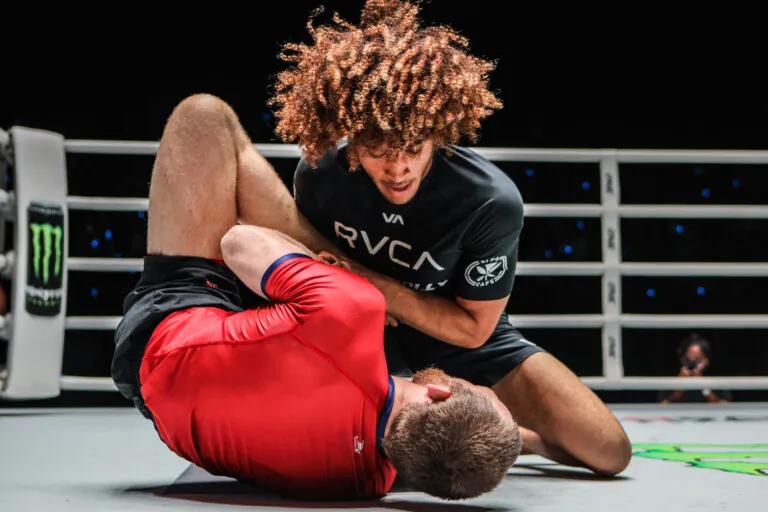
Late in a hard round, the half granby gets harder to execute because it demands hip speed you may not have left. The sit-through is the fallback. Kick your inside leg through the gap between your hip and your opponent’s leg, post your outside hand to raise your base, and use your inside hand to block their far knee from following you. Raise your hips and sit through until you’re facing them, guard recovered even if it’s not a pretty guard.
This escape trades speed for control. It’s slower than the granby, but it doesn’t rely on explosive hip movement, which makes it the one that still works in the third five-minute round of an ADCC trials match when your legs feel like sandbags. Competitors who only drill the fast version of an escape tend to lose access to it exactly when they need it most — late, tired, and under pressure.
Hook and Roll: Taking Away Their Base First
A third option removes the opponent’s base before you try to move anywhere. Hook their near-side leg with your inside leg, and if you can reach it, trap the same leg with your inside arm. With their leg controlled, turn your outside shoulder away from them and roll through. Because their leg is tied up, they can’t simply follow the roll and stay attached — the same anchor that would normally let them ride the escape into a back take is gone.
This is the escape worth reaching for against an opponent who’s heavy on your back and driving forward, since the granby and the sit-through both assume you have a hair of space to create hip movement. Hook and roll doesn’t need that space — it takes the space away from them instead.
What Actually Keeps You Stuck
The single biggest mistake isn’t a technical error, it’s a timing one: waiting. Grapplers who get comfortable in turtle — chin tucked, hands laced, waiting for a stoppage — give their opponent unlimited time to set up seatbelts, hooks, or a crucifix. Every second you spend static in turtle is a second your opponent spends improving their grip. The escape window is largest in the first two or three seconds after you land there, before your opponent has settled their weight and locked in control.
A second common error is escaping in a straight line. Grapplers who try to simply stand up out of turtle, rather than rolling or sitting through at an angle, hand their opponent a free back take almost every time — you can’t out-muscle someone already glued to your spine by going vertical. The angle is what breaks the connection, not the speed.
A third mistake is neglecting hand position. Hands laced together under the chin look defensive, but they also take away your ability to post, block a knee, or hook a leg. Elite no-gi competitors keep at least one hand free at all times specifically so an escape attempt is never more than half a second away.
Drilling It So It Holds Up Live
Static repetition teaches the shape of an escape. It does not teach you to use it under pressure, and that gap is where most grapplers lose the skill they thought they had. Start with cooperative reps against a partner who lets you complete the movement slowly, then add resistance in stages: first a partner who just holds position without attacking, then one attacking at 50 percent, then full live rounds starting specifically from turtle. Set a rule for those rounds — bottom grappler has five seconds to initiate an escape attempt or the round resets. That constraint is what turns a technique you know into a reflex you can use.
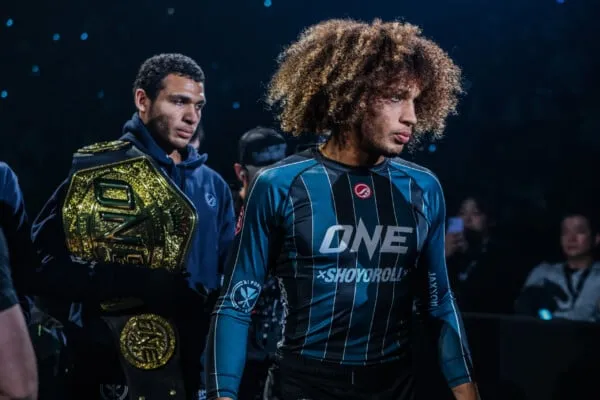
Mikey Musumeci, ONE Championship’s flyweight submission grappling world champion, built a career partly on back-take counters, and the matches he’s lost the position in are rare precisely because the counter-escape is drilled as hard as the attack. That’s the standard worth training to, not just knowing the steps in isolation.
Turtle Escapes Under the ADCC Ruleset
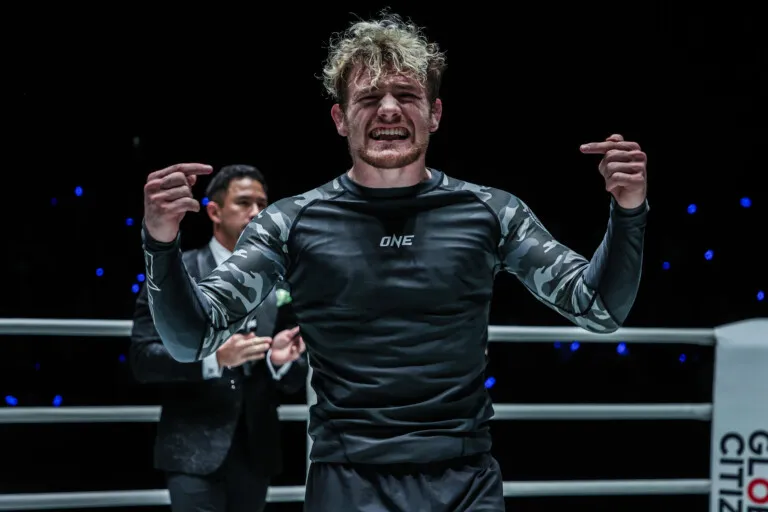
Competition rules change the calculation. Under ADCC rules, a takedown that lands the opponent in turtle for longer than a few seconds forfeits takedown points, which is exactly why elite competitors treat turtle as a live threat rather than a stall. IBJJF no-gi divisions score differently, awarding back-mount points once hooks are established even briefly, which raises the cost of hesitating even further. Knowing the ruleset you’re training under changes how urgently you should be moving — under either system, slow beats losing, but fast beats slow.

Building the Escape Into Your Overall Guard Game
None of these three escapes exist in isolation from the rest of your game. A half granby that dumps you into an unfamiliar guard you can’t use is only half a win. Before you drill turtle escapes in isolation, know where you want to land — butterfly, De La Riva, or a basic closed guard all work as landing spots, but you should pick one and make the escape’s finishing angle match it on purpose. Grapplers who treat the escape as the whole job, rather than the first step back into their offense, end up scrambling twice in the same exchange.
It’s also worth saying plainly: turtle escapes are not glamorous. Nobody posts a highlight reel of a clean sit-through. But the grapplers who never get stuck on the wrong end of a back take for more than three seconds are usually the same ones who drilled this exact, unglamorous skill on a boring Tuesday instead of skipping straight to finishing chokes.

Watch It Live
Gordon Ryan’s breakdown of escaping turtle position is one of the clearest instructional walkthroughs available for free, and it covers the same hip-first mechanics described above from a slightly different angle.

Pair It With the Rest of Your Escape Toolkit
Turtle escapes work best alongside the rest of your defensive game, not as a standalone trick. If you’re still getting stuck on the standard back escape fundamentals, start there before layering in turtle-specific movement — the hip mechanics overlap heavily. Grapplers who get caught in bad chokes on the way up should also spend time on guillotine defense, since a rushed sit-through into a waiting front headlock is a common way to trade one bad position for another. And if turtle keeps happening because you’re getting mounted and rolled first, the fix might actually live in mount escapes upstream of the scramble.
For the other half of this position — what to do when you’re the one on top — the attacking side is covered in our breakdown of turtle position attacks. Drilling both halves of the same exchange is what actually closes the gap, since every escape you learn tells you something about the attack it’s designed to beat.
Sources
- The Cheat Code for BJJ Turtle Escapes — Grapplearts — breakdown of granby-based turtle escape mechanics.
- 5 Best Turtle Escapes In BJJ — Evolve Daily — comparison of common turtle escape options and when to use each.
- Mikey Musumeci Submits Osamah Almarwai — ONE Championship — match report on a back-take finish relevant to why turtle defense matters.
- ADCC Rules & Regulations — ADCC News — official scoring rules covering turtle position and takedown points.