No-Gi Mount Escape: 5 Methods That Work
Roger Gracie submitted all thirteen of his opponents in the 2009 Mundials using a cross choke from mount in the gi — that was gi grappling, where the collar provides the tool and the choke can develop slowly. In no-gi, the mount is still a 4-point position and still dangerous, but the attacks hit faster and the transitions are more violent. Gordon Ryan finishes arm triangles and rear naked chokes from mount in seconds at no-gi events; there is no collar to threaten, so he drops directly into the submission. Being stuck in no-gi mount is not a safer version of being stuck in gi mount — it is a different kind of danger, and the escape approach has to account for that.
Why Mount Escape Is Harder in No-Gi
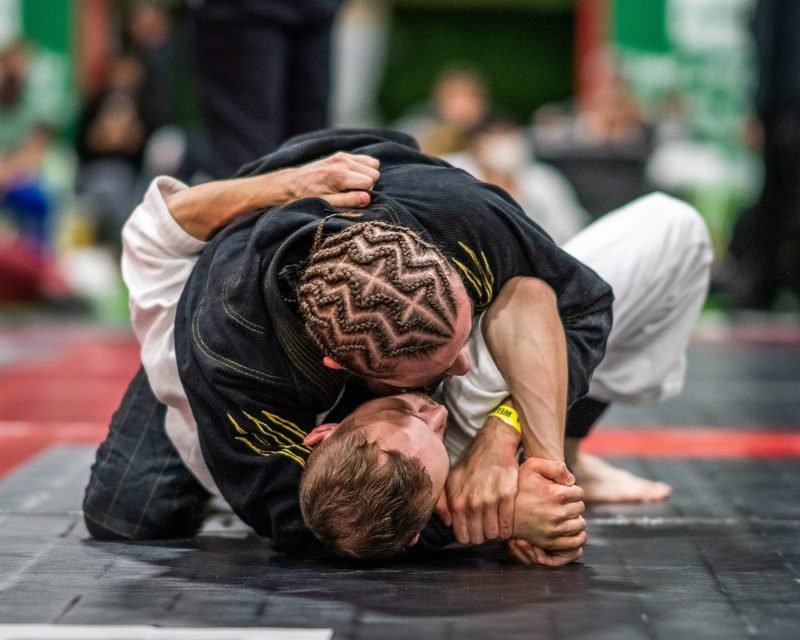
In the gi, the bottom player has handles — sleeve and collar grips that slow the attack and create frames without requiring perfect body positioning. In no-gi, those handles are gone. The top player drops their chest directly onto yours with nothing in the way. They can walk their knees toward your armpits freely, establish hooks, and threaten arm triangles, Ezekiel-style chokes, and rear naked choke entries without any fabric interference.
The result is a narrower escape window. The moment the top player settles their weight and drops their hips, escaping becomes significantly harder. No-gi mount escape is about acting early — preferably during the transition into mount, or in the first two to three seconds before they establish base. Waiting until they are heavy and settled means you are fighting uphill against both gravity and technique.
The other thing that changes is the frame game. Forearm frames on the hips work in no-gi. Frames against the shoulder work. But any frame that grabs fabric — pulling sleeves, gripping collars — does not exist. The frame is purely body-on-body, which means the specific bone-to-bone contact points and the angles matter more, not less.
Method 1 — Bridge and Roll
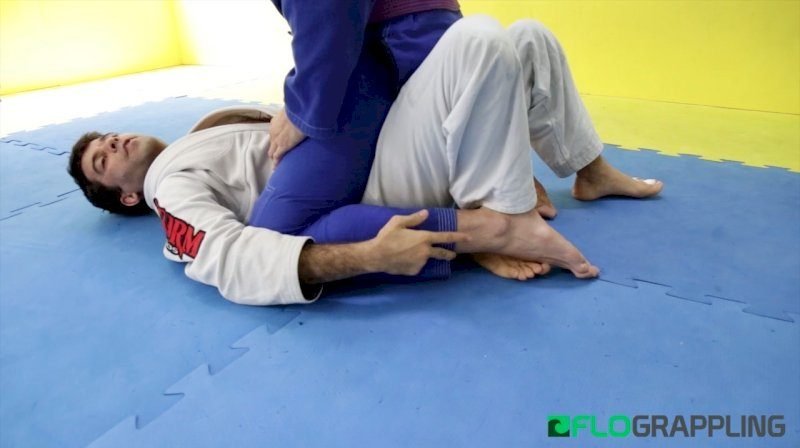
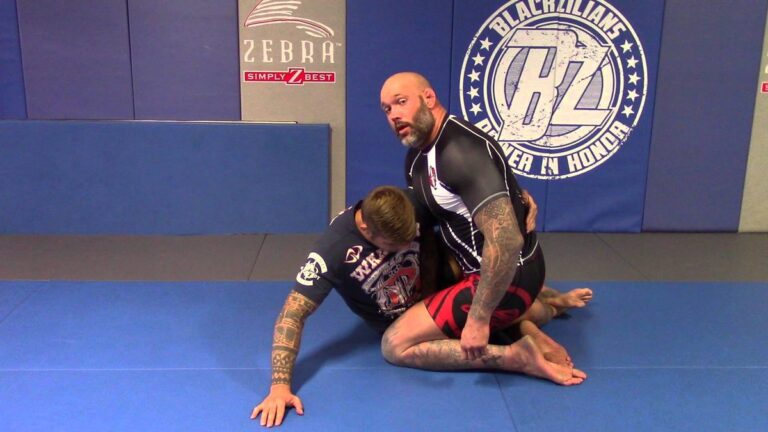
The bridge and roll — also called the Upa — is the fastest escape when it works. It works when the opponent reaches forward to finish a choke or establish a grip. The moment they post a hand toward your head or lean their weight forward to get an arm under your chin, you trap that arm and bridge.
The mechanics: press your elbow down onto their forearm, pinning it against your chest. At the same time, hook your foot around their shin on that same side. Then bridge hard — hips off the mat explosively, not a slow push — and turn toward the trapped arm. The bridge needs to be fast because a slow bridge gives them time to post and base. A fast bridge catches them mid-reach when their weight is forward and unbalanced.
In no-gi, this escape is most reliable when they are attacking a rear naked choke or trying to get their arm under your chin for an arm triangle. Both of those attacks require them to lean forward and post, which removes their base on the bridging side. When they are sitting heavy and low with no arm reaching forward, the elbow-knee escape is more productive — the Upa is not the right tool for a settled, stable mount.
Method 2 — Elbow-Knee Escape
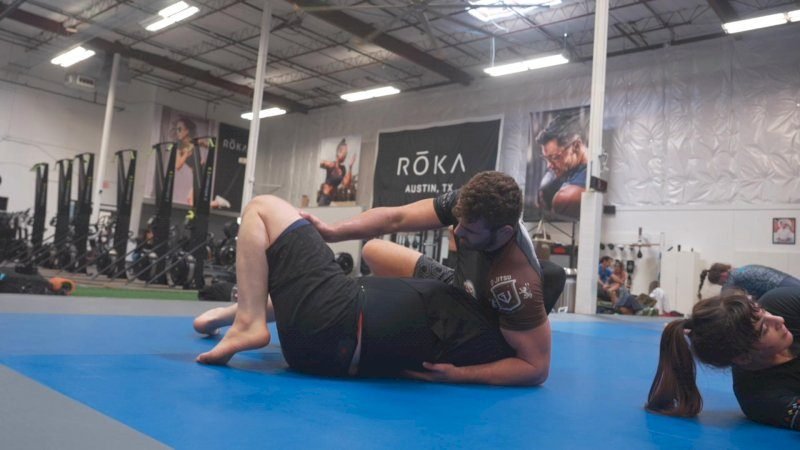
The elbow-knee escape — commonly called shrimping — is the workhorse of no-gi mount defense. It does not require a mistake from the top player. It creates its own opportunity through methodical frame work and hip movement. The goal is to thread your knee inside between you and the opponent, converting the mount into a guard position.
Start by pressing one forearm across the opponent’s near hip — not pushing at their chest, but framing at the hip bone. Bridge slightly to create a small gap, then shrimp your hips hard away from the frame side. As your hips move, drive your knee across and connect it to your elbow. The knee-to-elbow connection is the checkpoint: once your knee is inside, you have the position. Push with your feet and recover closed guard or seated guard.
The sequence usually takes more than one shrimp. Do not stop after the first attempt if it does not fully clear. Each shrimp creates slightly more space, and persistent hip movement eventually creates enough room to thread the knee through. Once you recover guard, the scramble creates the same opportunities as any guard position — the arm bar from closed guard is a natural first response if they reach forward in the scramble.
Method 3 — Half Guard Entry
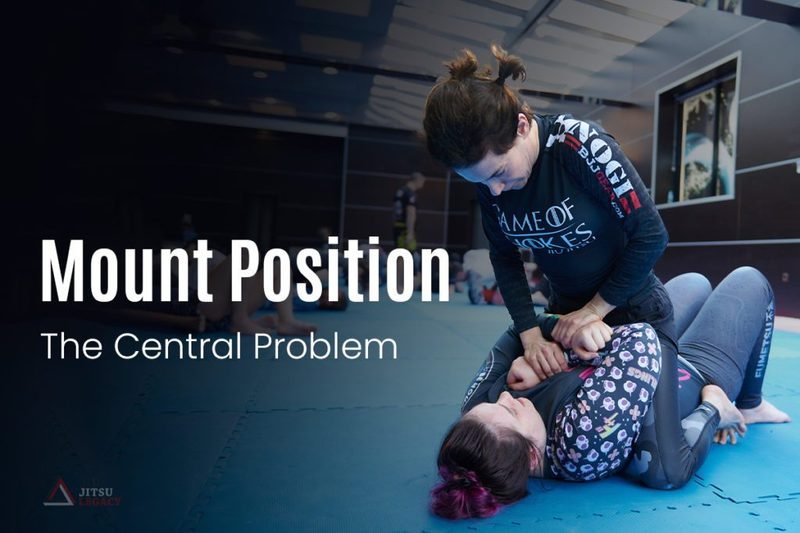
When the full elbow-knee escape is being blocked — the opponent actively posts their knee to prevent your leg from crossing to closed guard — the half guard entry is the realistic fallback. Instead of trying to recover full guard, slide your knee only to the inside of the opponent’s knee on one side. This creates the half guard, which is a functional position with real escape and attack options.
From half guard, fight immediately for the underhook on the trapped-leg side. The underhook is the key — without it, the top player flattens you and holds the position. With the underhook, you have the path to turtle position by rolling to your knees, or you can take the back if they overcommit defending the underhook.
Half guard is not the destination. It is the bridge between mount — where you have almost no options — and a functional position where you have attack options and a clear direction. Even when the full escape to closed guard is not available, half guard is a significant improvement over staying flat in mount.
Method 4 — The High Mount Counter
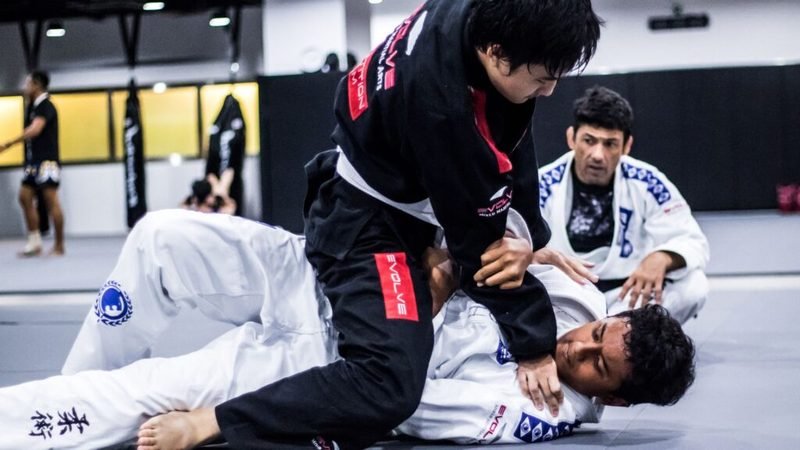
High mount — where the opponent’s knees are at your chest level or near your armpits — is the most dangerous variant. The elbow-knee escape does not work because the knee has too far to travel. High mount usually comes with an arm triangle or rear naked choke entry already in progress, which makes the time pressure severe.
The counter is the technical stand. Frame with your forearm against their near shoulder or upper arm, bridge to create a small gap, and establish a combat base — one knee up, one knee down. The bridge here is not the explosive Upa bridge; it is a brief shift to move their center of gravity back enough to create the base. Once in combat base, stand up fully if they have not gripped a leg, or continue fighting from combat base if they have.
The bridge before standing is essential. Trying to stand from pure frame pressure without the bridge usually fails because the weight is too far forward. The bridge momentarily puts their weight back toward their hips — that is the window to post the leg and establish base.
Method 5 — The Armpit Foot Escape
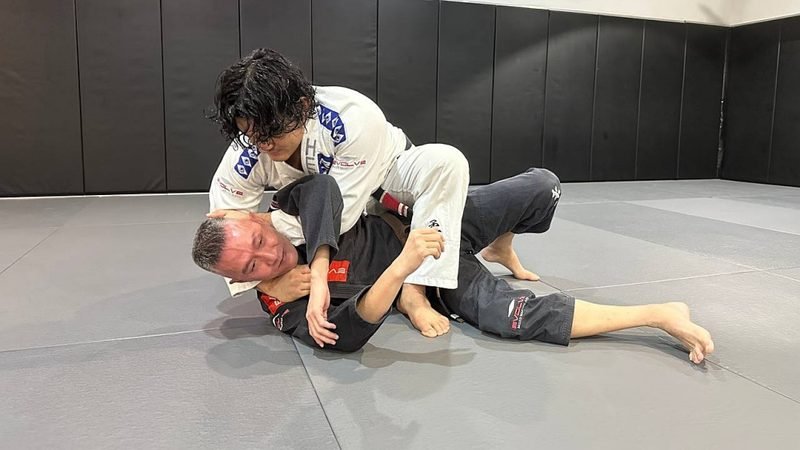
When the opponent rides very high and you cannot create base for the technical stand, the armpit foot escape converts an almost-impossible position into leg entanglement. This is a modern no-gi technique that takes advantage of the specific geometry of high mount — the opponent’s high position places their legs within reach of your feet.
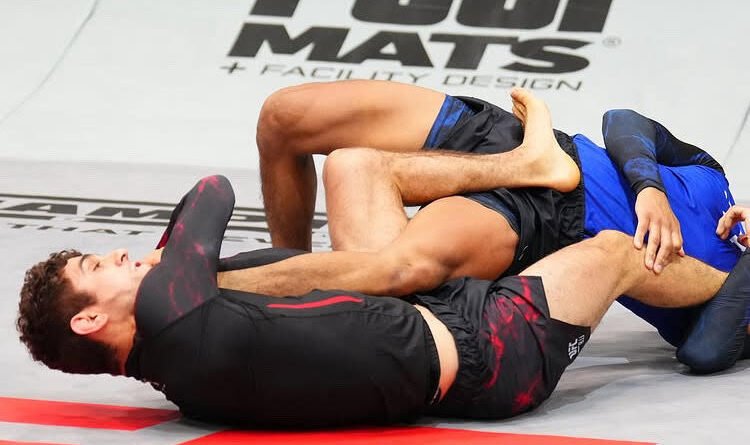
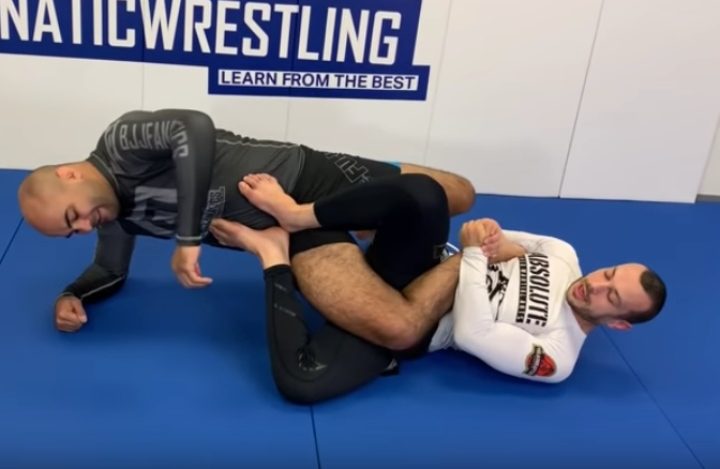
Place both feet against the opponent’s hip flexors or stomach. As they try to push your hands down for a finish, extend your legs hard and push them forward and up. Simultaneously reach up and hook their ankles with your heels. As they are pushed off balance, sit up into the space and swing your legs toward their head, hooking one or both armpits with your heels. The position lands in reverse guard or an ashi garami entry depending on which leg catches. From either, you have immediate leg lock threats.
The push and the swing happen together, not in sequence. The best moment is when they are reaching forward to establish a choke and have posted a hand, removing one base point. That is when the push-off is most effective.
What Gets You Submitted Instead of Out
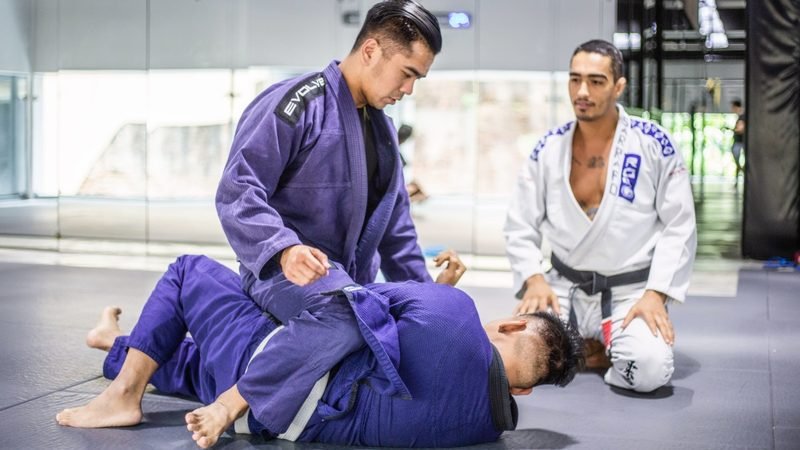
Three errors produce more mount taps than anything the top player does. The first is waiting. Every second spent flat and passive in no-gi mount is a second the top player uses to walk their knees up, post their hooks, and drop their weight. The escape window is during the transition into mount. Act there, not after they have settled.
The second is pushing with open palms on the chest. Both hands flat against their chest push against body weight without mechanical advantage — you cannot lift a person off you with palm pressure. Forearm frames against the hip bones or shoulder create a lever with a fulcrum. Palms on the chest create nothing except a way to telegraph your intentions.
The third is bridging without a plan. Bridging randomly when the opponent is stable accomplishes nothing except burning energy and showing them your timing. Bridge with a specific arm trapped, a specific foot hooked, or a specific frame in position. Random upward pressure gives the top player your pattern — they wait for the bridge, then crush back down and earn a submission attempt.
When you find yourself stuck in mount — past the early escape window — the pragmatic goal is not to escape cleanly but to survive the submission attempts and find the moment the top player’s weight misplaces. The guillotine choke defense works on the same timing principle: wait for the attack, then counter the specific moment when the attacker is extended. Mount escapes require the same patience and trigger recognition, not panic-driven random movement.
Sources
- BJJ Heroes — Roger Gracie Profile — Career statistics and signature submission breakdown including the 2009 Mundials cross-choke run from mount
- JiuJitsuLegacy — The Art of Mount Escapes: 6 Simple Ways Out — Technique overview including no-gi specific hydraulic and armpit foot variants
- NAGA Fighter — Mastering the Art of Mount Escapes in BJJ — Detailed breakdown of multiple escape mechanics including foot drag and elbow-knee variants
- BJJ Fanatics — The Essential Mount Escapes — Instructional overview of mount escape fundamentals
- Evolve MMA — 3 Ways To Escape From The Mount Position In BJJ — Foundational no-gi mount escape sequences and mechanical principles