Omoplata No-Gi: 7 Essential Setups & Sweeps
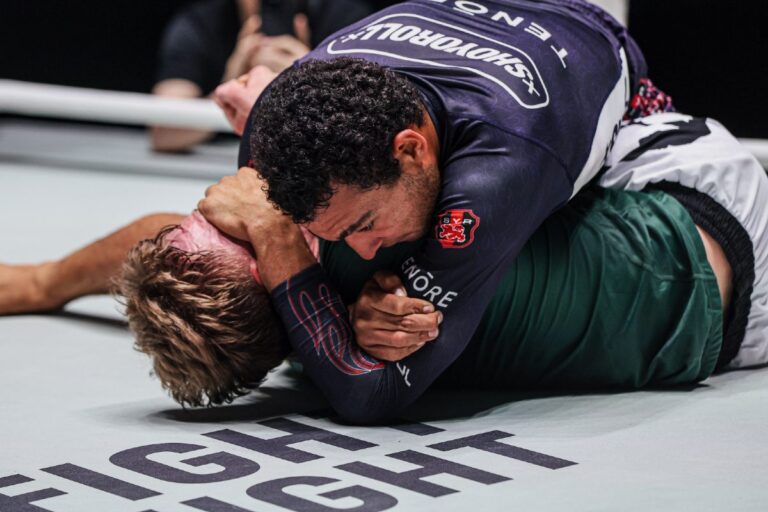
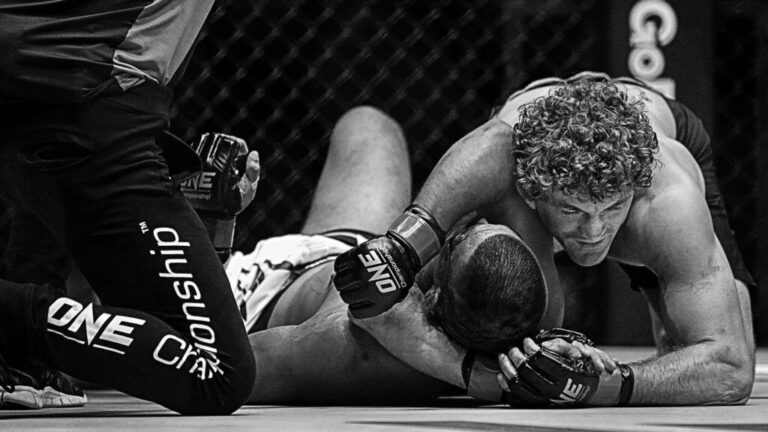
Watch almost any modern no-gi match and you will see the omoplata attempted a dozen times and finished maybe once. That gap is the whole story. The omoplata is one of the most common guard attacks in submission grappling, yet even world-class players land the actual shoulder-lock tap far less often than they do in the gi. At ONE 173 in November 2025, Rafael Lovato Jr. turned a double-leg into a deep omoplata on two-time ADCC champion Giancarlo Bodoni — and still could not finish it, riding the position to a decision win instead. The move is not broken. It just does a different job when there is no kimono to hold everything in place.
What Is an Omoplata No-Gi Shoulder Lock?
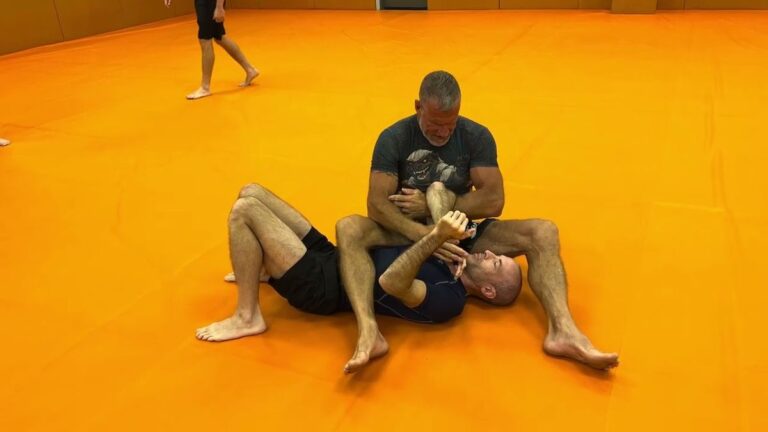
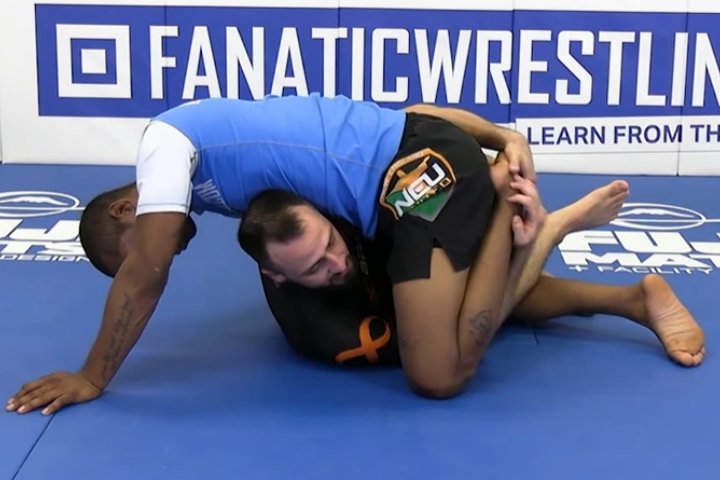
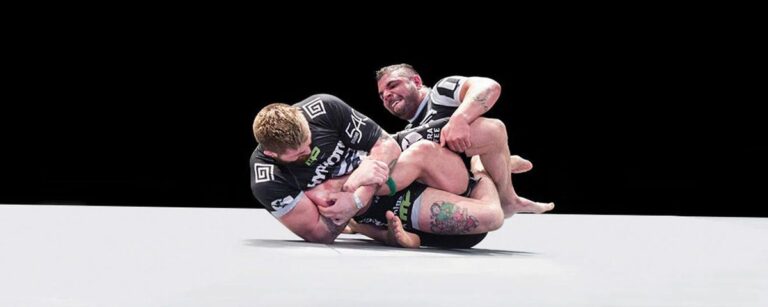
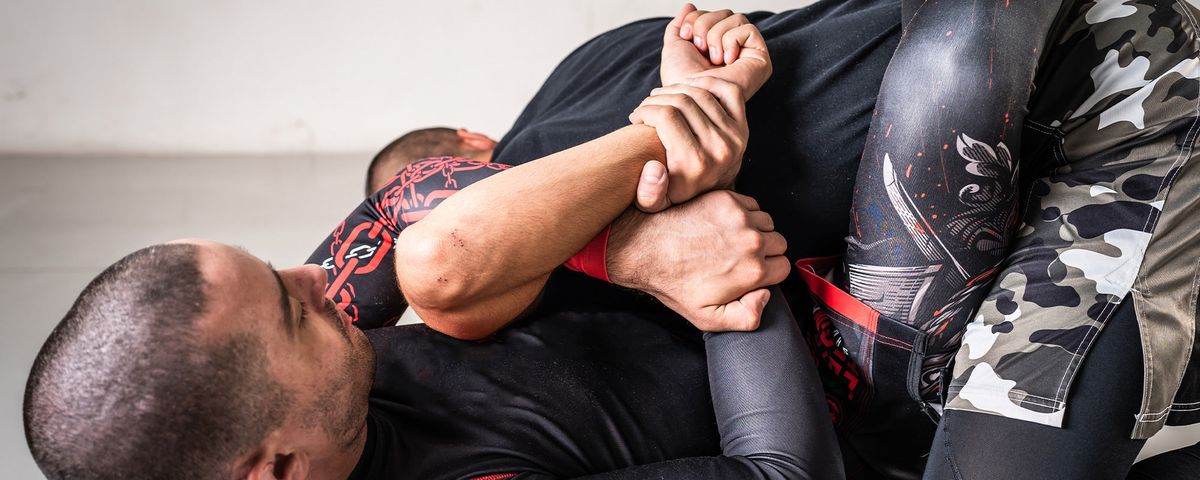
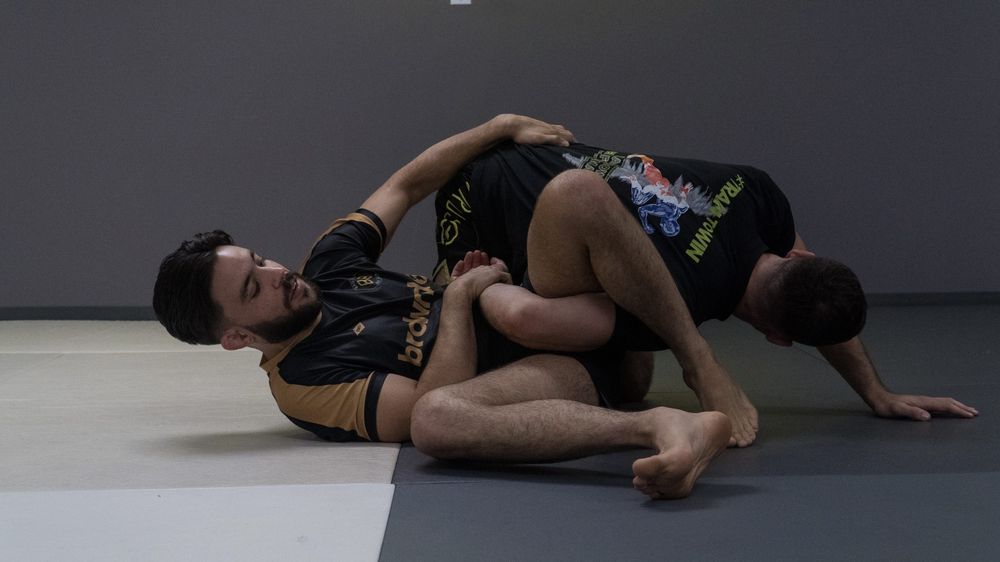
An omoplata no gi is a shoulder lock where you loop one leg over your opponent’s shoulder, trap their arm against your hip, and rotate the joint past its range by sitting up and turning your body. It is often called a “hip kimura” because the finishing mechanic is the same as a kimura — internal rotation of the shoulder — except your legs supply the force instead of your arms. The word itself is Portuguese for shoulder blade, which tells you exactly where the pressure lands.
The position starts in the guard. You control the arm, swing your leg over the shoulder, and swivel perpendicular to your opponent so your hips can lever the joint. In the gi you would grab a belt or pant leg to stop them from rolling. In no-gi you have your legs, your hips, and your bodyweight — and that changes how you should think about the whole attack.
Why the Omoplata Is Harder to Finish Without the Gi
Two words: friction and sweat. The gi gives the attacker a handle and gives the defender a surface that grips the mat, so a trapped opponent stays trapped. Strip that away and a sweaty, flexible defender can slide a shoulder free or spin out of the angle before you ever load the joint. This is why the finish rate drops so sharply once the kimono comes off.
The honest read is that chasing the pure omoplata tap in no-gi is usually a low-percentage bet against anyone experienced. The people who score with it are not muscling the shoulder — they are using the position to break posture, steer their opponent, and cash in the reaction. Treat the shoulder lock as the threat, not the goal, and your numbers go up.
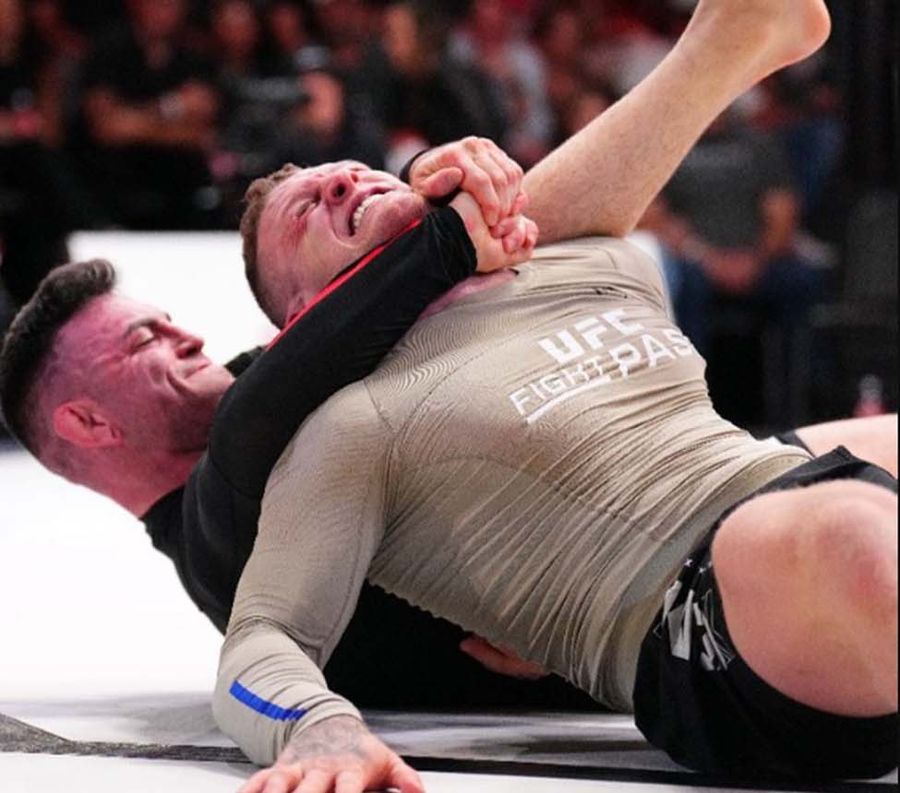
The Best Omoplata Entries From Guard
Every good omoplata no gi starts with a clean entry, and the entry matters more than the finish. These are the setups that hold up against resisting partners:
- Overhook from closed guard. Trap the arm with an overhook, break their posture, then swim your leg over the shoulder as they try to stand or repost.
- Off a stuffed triangle. When your triangle choke gets postured out, the same trapped arm is already lined up for the omoplata swivel — the two attacks share a door.
- Rubber guard. Clamping the arm high with a rubber-guard grip gives you the tightest omoplata in no-gi because flattening your opponent becomes far easier.
- From single-leg X and ashi. Leg-entanglement players can flow into the shoulder lock when the top man drives forward to pass — a natural bridge from your single-leg X guard.
- Arm-drag to the back exposure. A missed arm-drag often leaves the far arm floating, which is prime real estate for the leg to climb over.
Pick one entry and drill it until it is automatic. Coach Erin Herle and fightTIPS both break the mechanics down cleanly if you want a visual reference:
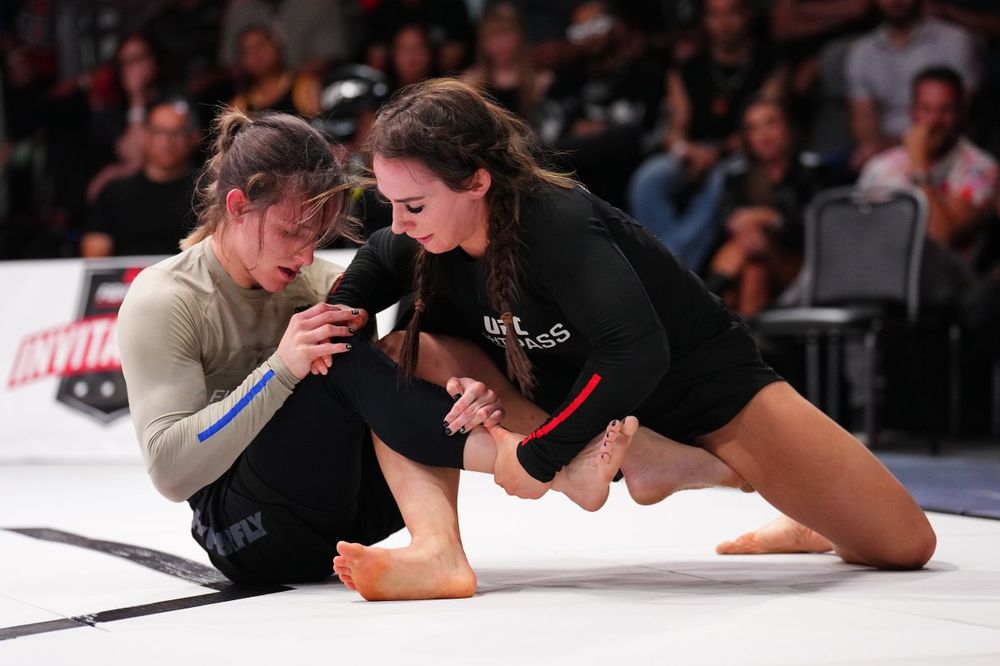
The Omoplata Sweep: Your Highest-Percentage No-Gi Option
Here is the position I will defend: in no-gi the omoplata sweep out-scores the omoplata finish by a mile, and most people are drilling the wrong half of the move. When your opponent postures up and forward to defend the shoulder lock, their weight comes over their hands. That is the sweep. You sit up into them, follow the arm, and come up on top as they roll — trading a low-percentage tap for a guaranteed two points and a passing position.
Great no-gi guard players almost bait the defense on purpose. They load the omoplata just enough to make you post and drive, then reverse the momentum. If the shoulder lock happens to finish, fine. If not, they are already on top hunting the next thing. That mindset — position first, submission second — is what separates the omoplata that works in competition from the one that only works on a compliant white belt.
Chaining the Omoplata: Triangle, Armbar, and Back Takes
The omoplata is a hub, not a dead end. Because you are already controlling one arm and sitting at an angle, three attacks open up the second your opponent reacts. Posture down to defend the shoulder? The armbar is right there on the trapped arm. Pull the arm out hard? You often free the space for a triangle. Turn away to escape? Their back rotates toward you for the take.
Tom DeBlass, one of the most respected no-gi coaches out there, teaches the omoplata almost entirely as a control that feeds submissions and sweeps rather than a standalone finish. That is the right frame. If you only know how to crank the shoulder, you have one option and your opponent knows it. If you know the three or four exits, every defense they choose walks them into the next trap.

How Do You Defend the Omoplata in No-Gi?
Defending the omoplata comes down to posture and timing — you either kill it early or you ride it out late. The early defense is simple: the instant a leg starts climbing your shoulder, straighten your posture and pull your trapped elbow back to your own hip before they can swivel perpendicular. If you feel the angle already set, the classic answer is the “hitchhiker” escape, where you turn your thumb down and roll your arm out the back door as you step around.
The other reliable out is the forward roll. Felipe Pena used the omoplata threat against Nicky Rodriguez at a Who’s Number One card, and Rodriguez simply rolled through and wrestled back up rather than sitting in the position and waiting to get swept. That is the lesson for the defender in no-gi — do not stall in a bad omoplata. Move immediately, because the longer you sit, the more likely you eat the sweep even if the shoulder lock never lands.

The Omoplata in Modern No-Gi Competition
The pros tell the same story the stats do. At ONE 173, Lovato’s deep omoplata on Bodoni was one of the highlights of the match, yet it produced a sweep-and-pass sequence, not a tap — and the passing pressure that followed is what won him the decision.

The most creative recent example came from Mason Fowler at UFC Fight Pass Invitational 11 in May 2025. Fresh off a back injury, Fowler hit an Imanari roll into an omoplata and then transitioned it into a choke over his opponent’s face — a hybrid finish that used the omoplata as the entry rather than the ending. It is a perfect illustration of the modern no-gi approach: the shoulder lock creates the position, and something else closes the show.

A Quick Gear Note for No-Gi Grapplers
Fabric matters more here than people admit. A slick, tightly-woven rashguard is genuinely harder to control in an omoplata because there is less surface for your opponent’s forearm and your own legs to bite into. If you are the one defending, that slipperiness is your friend. If you are attacking, it is one more reason to rely on skeletal control — legs, hips, and angle — instead of hoping the shoulder lock finishes on its own. Either way, a well-fitted rashguard that does not bunch up keeps the exchange clean and predictable.
Common Omoplata Mistakes in No-Gi
Most failed omoplatas die from the same handful of errors. Fix these before you add anything fancy:
- Swiveling too slowly. The perpendicular turn has to beat their posture. Late means they stand and you lose the angle.
- Forgetting to control the far side. Reach across and pin the hip or grab your own shin, or your opponent forward-rolls out for free.
- Only training the finish. If you cannot sweep off the omoplata, you are ignoring the move’s best no-gi outcome.
- Sitting flat. The tap comes from sitting up and turning, not from lying back and squeezing your legs.
- Letting the elbow escape. The moment their trapped elbow slides past your hip, the shoulder lock is gone — stay glued to it.
The takeaway is not that the omoplata is a bad no-gi attack — it is that it is a great one aimed at the wrong target. Stop measuring it by taps. Start measuring it by sweeps, back takes, and passing positions, and it becomes one of the most reliable tools in your open-guard game. Drill the sweep first, and let the submission be the bonus. For the guard positions that feed it, work through our single-leg X guard breakdown next.
Sources
- ONE Championship — Rafael Lovato Jr. Outduels Giancarlo Bodoni by Unanimous Decision (ONE 173) — official result and match breakdown of Lovato’s deep omoplata sequence.
- MMA Mania — UFC Fight Pass Invitational 11 results — coverage of the event where Mason Fowler finished via omoplata-to-face-choke.
- BJJ Fanatics — 3 Ways to Finish the Omoplata in No-Gi with Tom DeBlass — instructional breakdown of no-gi omoplata finishes and sweeps.
- Grapplearts — A Quickstart Guide to the Omoplata in Jiu-Jitsu — mechanics of the shoulder lock and common entries from guard.
Browse our top-rated rashguards and no-gi gear at the RashguardGuy shop →