Auricular Hematoma in Grapplers: A 72-Hour Treatment Timeline
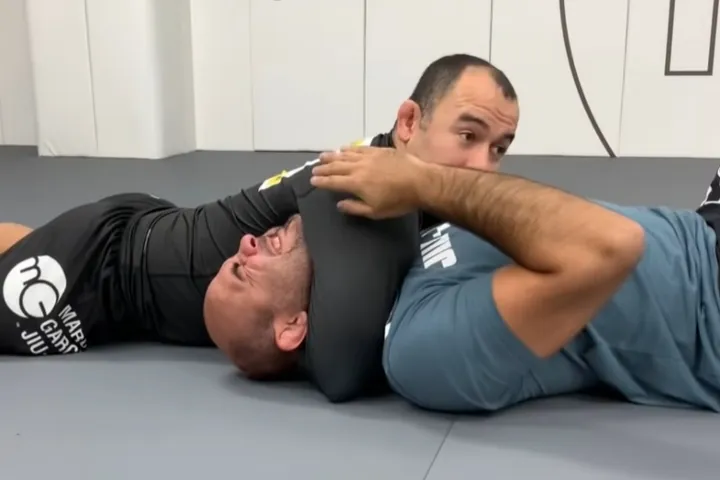
A hard cross-face during pummel passing. A tight headlock during a scramble. A brutal stack-pass where your ear absorbed the floor. You stand up after the round and feel it — a hot, doughy lump on the side of your head that was not there fifteen minutes ago. That lump is an auricular hematoma, and from this moment you have roughly 72 hours before your ear cartilage starts the irreversible remodeling that produces classic cauliflower ear. This guide breaks the timeline down hour by hour so you know what to do at every stage.
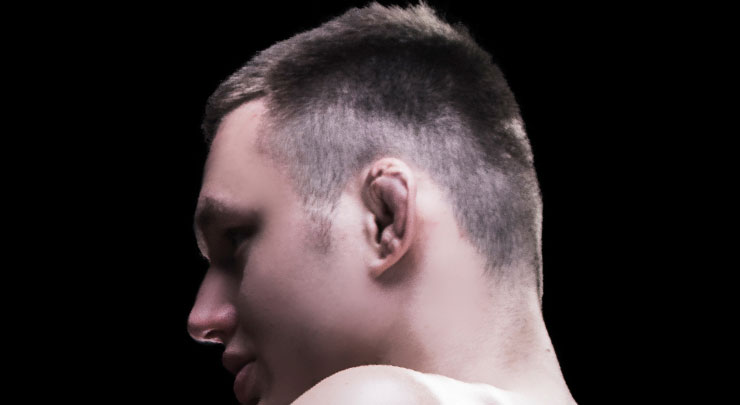
What an Auricular Hematoma Actually Is
Your outer ear is not bone. It is elastic cartilage covered by a thin connective tissue layer called the perichondrium, and the perichondrium is the only blood supply that cartilage gets. When repeated friction or a single hard impact shears the perichondrium away from the cartilage underneath, blood pools in the gap. That pool is the hematoma. The cartilage now has no blood supply, and the body responds by laying down disorganized scar tissue and new cartilage fibers to fill the void. Once that scar cartilage hardens, no amount of ice, compression, or aspiration brings the original ear shape back.
The timeline is biological, not arbitrary. Blood begins to clot within minutes. Inflammatory cells arrive within the first day. Fibroblasts start laying down collagen scaffolding around hour 72, and calcification of that new scaffold is well underway by day five to seven. That is why every wrestling coach and sports medicine doctor says the same thing — drain it early or live with it.
Hour 0 to 24: Ice, Elevation, and an Honest Assessment
The first day belongs to vasoconstriction. Get an ice pack on the ear immediately — twenty minutes on, twenty minutes off, through the rest of training and the drive home. Cold shrinks the blood vessels feeding the bleed and slows the hematoma from expanding. Wrap the ice in a thin cloth so the skin does not get frostbitten, and prop your head so the ear sits above heart level when you sit down.
Be honest about size. A soft, marble-sized swelling that drains down to nothing under finger pressure is a different problem than a firm, tense, golf-ball-shaped hematoma that will not compress. The second one is going to clot fast and needs a doctor today, not Monday. If it is the first kind, ice and elevation may be enough to let your body reabsorb it on its own, especially for first-time bleeds smaller than a centimeter across.
What Not to Do in the First 24 Hours
- Do not pop, lance, or aspirate it yourself. Sewing needles and shop razors introduce bacteria the cartilage cannot fight off because it has no blood supply.
- Do not take ibuprofen or aspirin if you can avoid them. Both thin the blood and let the hematoma keep refilling.
- Do not roll, spar, or do any positional drilling. Any contact reopens the shear and resets the clock.
- Do not apply heat. Heat dilates vessels and feeds the bleed.
- Do not put off the call to a clinic because it is Friday night. Your window does not pause for the weekend.
Hour 24 to 48: The Prime Drainage Window
This is when a doctor can still aspirate the hematoma with a syringe and a small-gauge needle, drawing the pooled blood out and re-apposing the perichondrium to the cartilage. The earlier the better — by hour 36 the blood inside is already gelling, and a needle that worked at hour 18 may not pull anything at hour 40. Family medicine clinics and urgent care will do this if they have the experience, but an ENT or sports medicine physician is the surer bet.
After drainage, the doctor will compress the ear with a bolster — usually a contoured silicone or dental wax form sutured against the front and back of the ear to hold the layers together. The bolster has to stay on for five to seven days. This is the part wrestlers cut short and regret. Take it off too early to look at the ear and the hematoma refills overnight, which means another needle and another five days of bolster.
Hour 48 to 72: Last Clean Window Before Scar Forms
By the second night the blood has organized. Aspiration becomes less reliable because the syringe can no longer pull a partially-clotted gel through a thin-gauge needle. A doctor may need to make a small incision instead, irrigate the pocket, and then bolster. Outcomes are still good if this gets done in the third-day window, but the wound takes longer to heal and infection risk climbs.
If you are pushing past hour 72 because you tried to wait it out, you are now gambling. Some hematomas reabsorb. Most do not. Once the fibroblast scaffolding has started laying down disorganized cartilage, no procedure restores the original ear shape — only surgical reshaping months later, which costs thousands of dollars and rarely matches the other ear.
After Day 3: When Ear Guards Become Your Best Tool
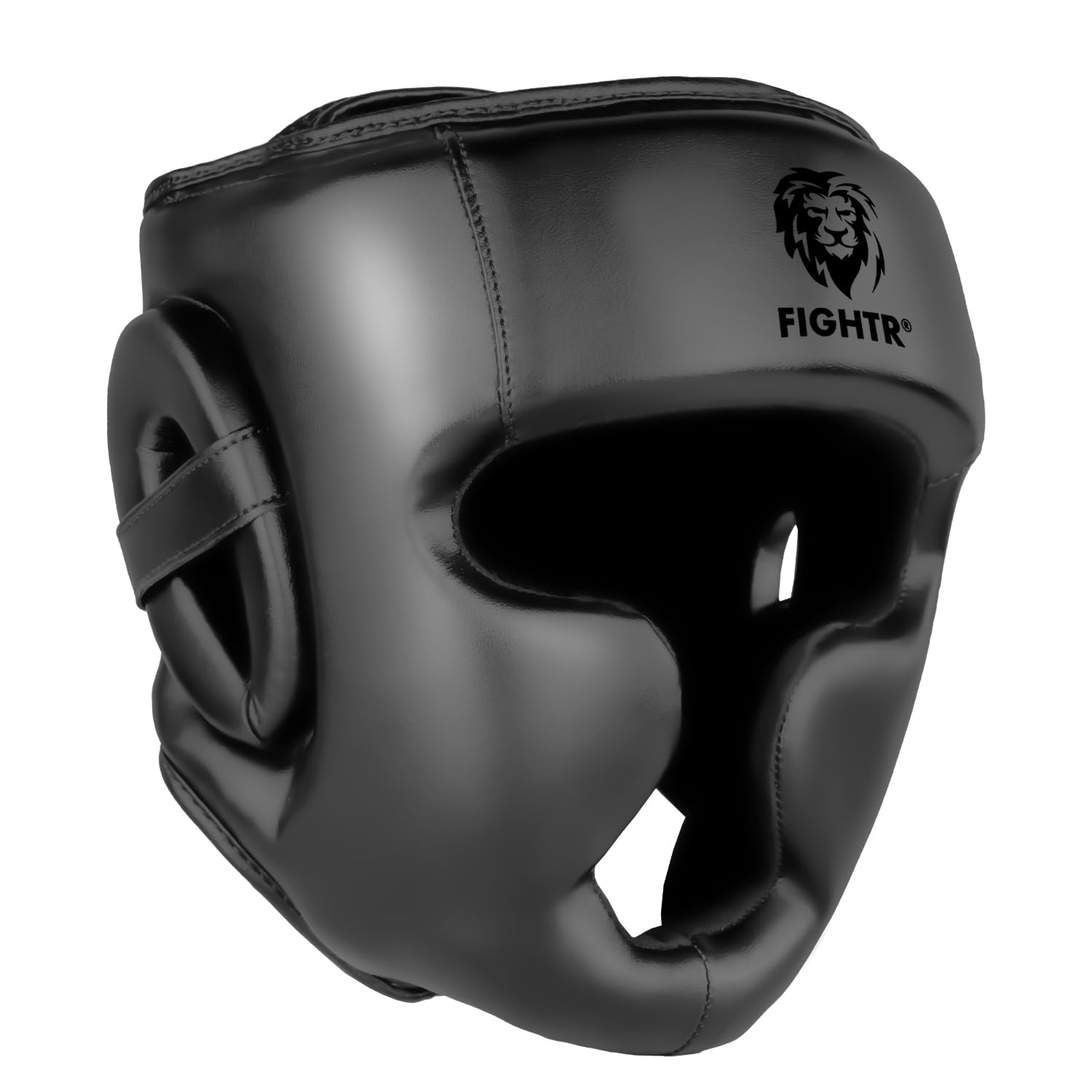
Whether the hematoma drained cleanly or set in as scar tissue, you wear headgear for the next eight to twelve weeks. The reason is mechanical. Drained ears with bolsters in place are extremely vulnerable — any contact reopens the pocket. Healed scar tissue is fragile and stretches under the same shear forces that caused the first bleed. A second hematoma on the same ear is the express lane to permanent cauliflower deformity because the perichondrium never properly reattached the first time.
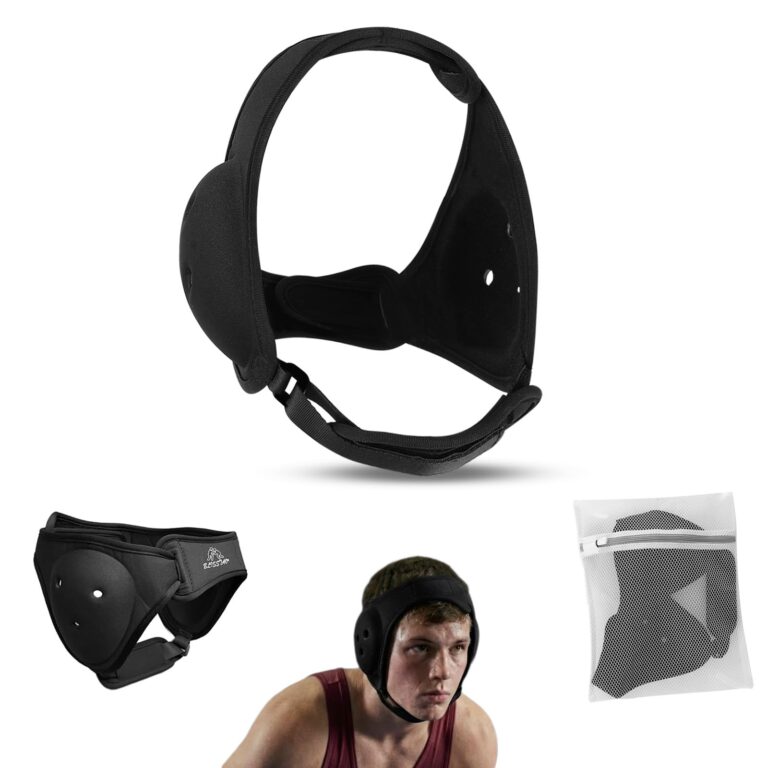
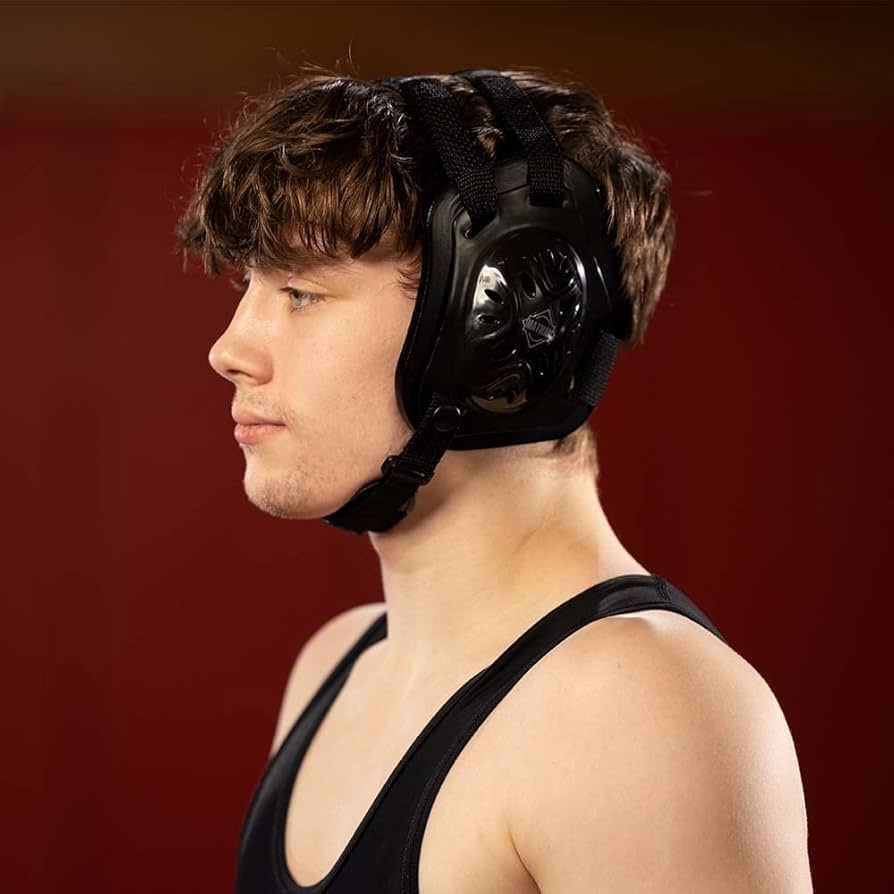
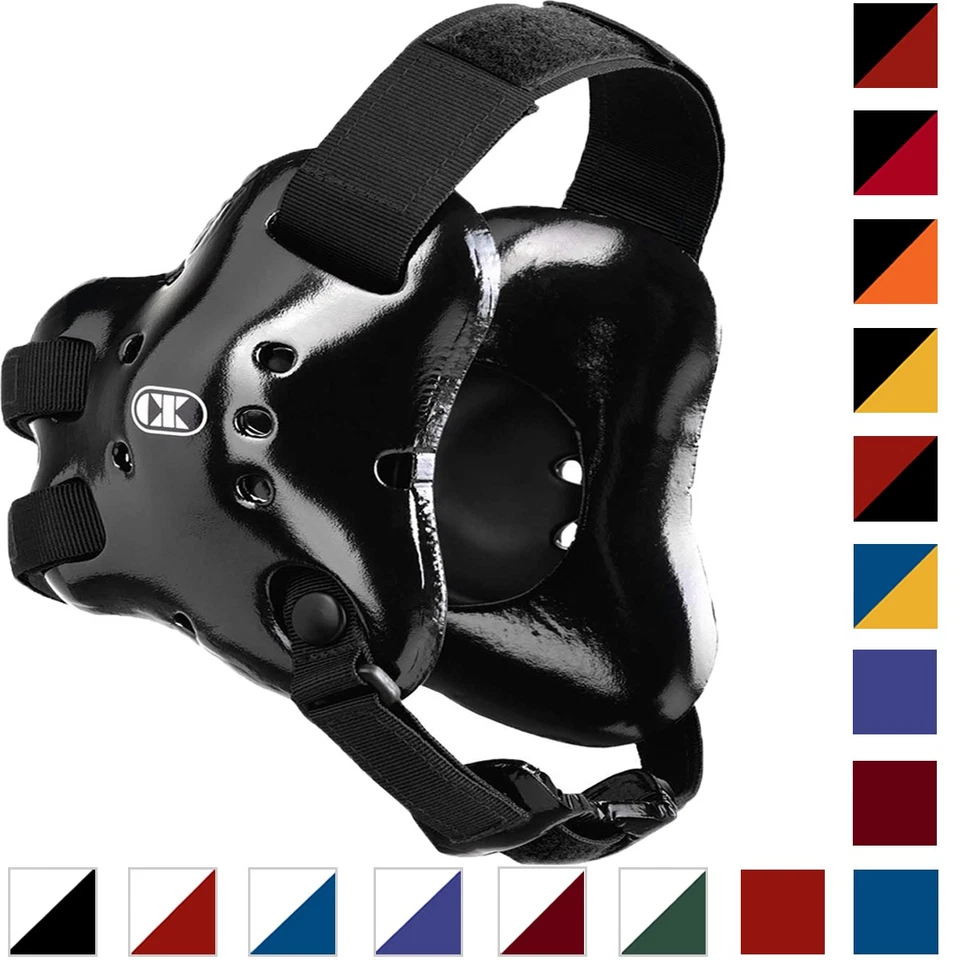
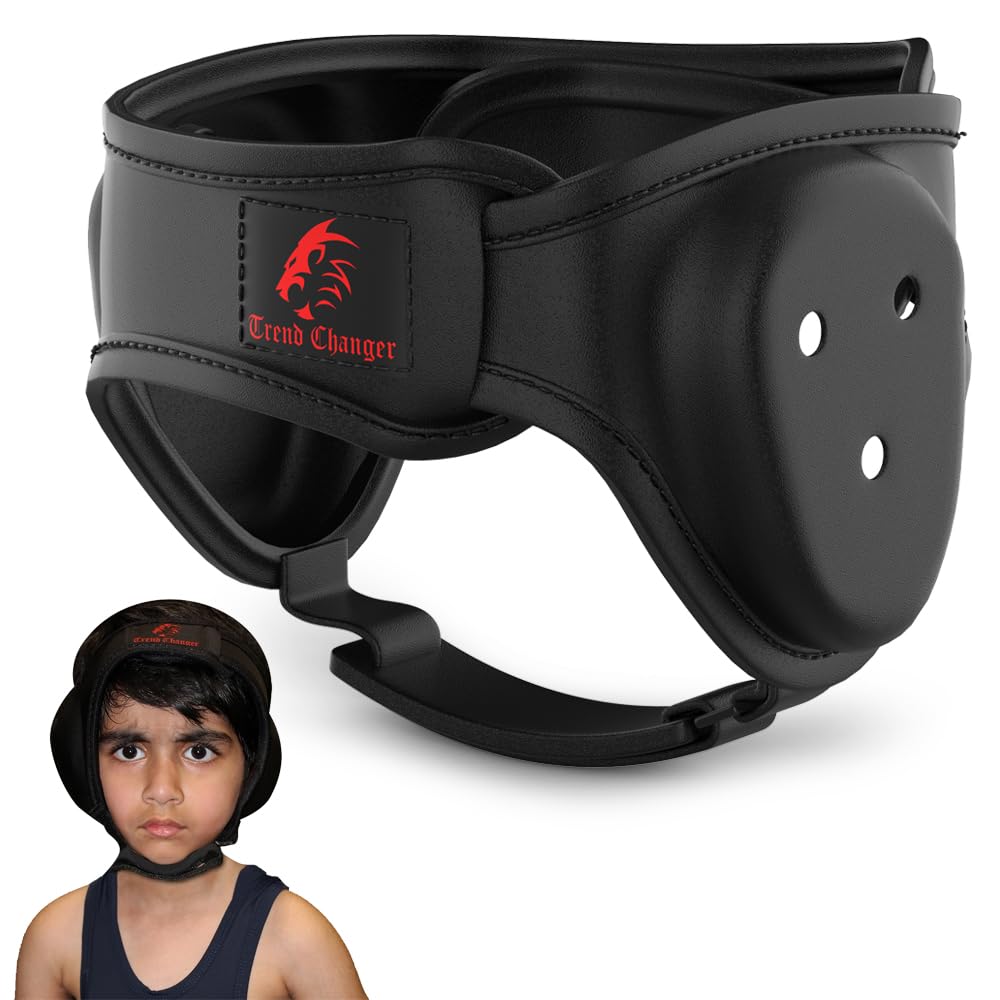
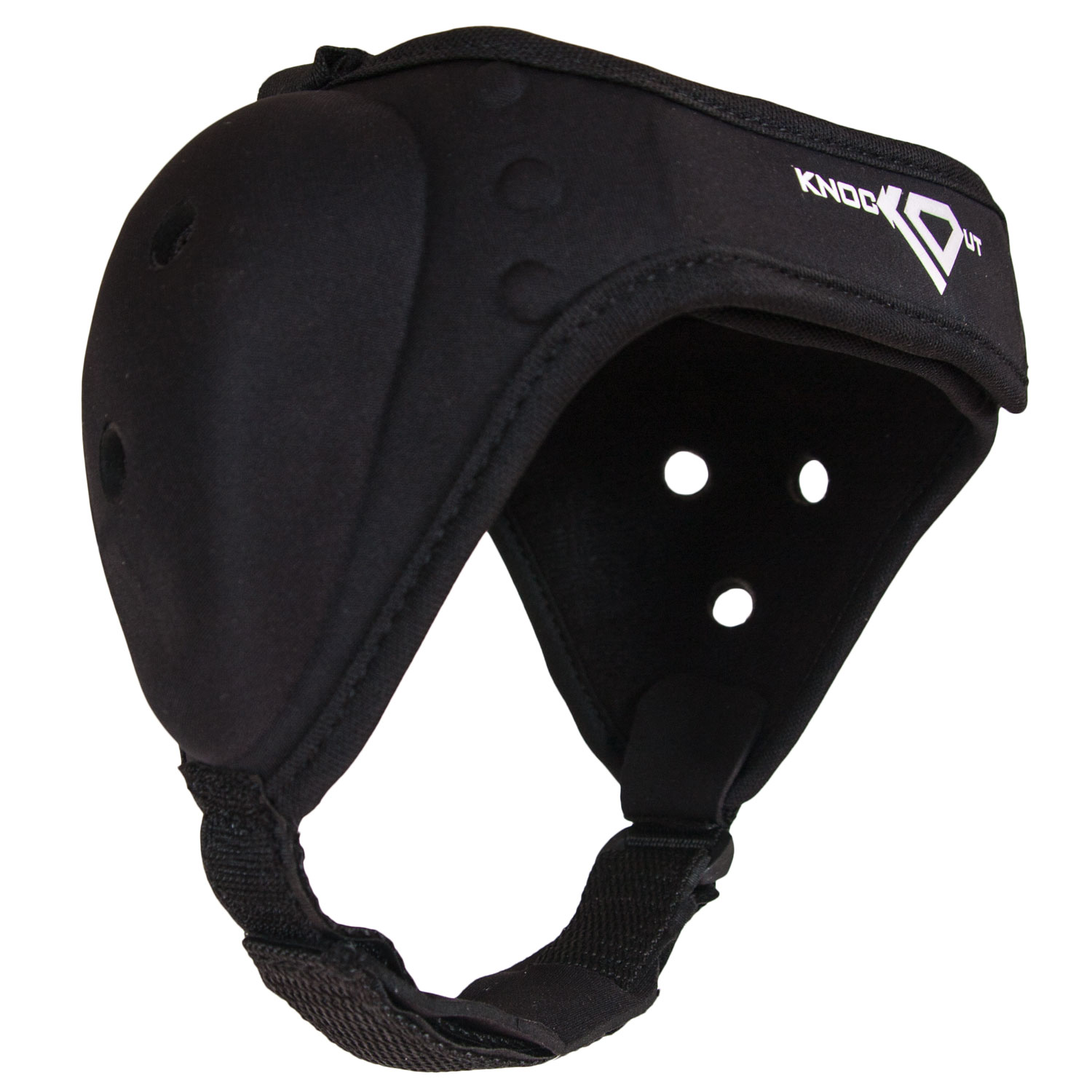
Pick a headgear that actually covers the auricle, not the open-cup tournament models that wrestlers use for weigh-in protection only. Full-coverage models that wrap the ear lobe and the upper auricle are what you want for live rounds. Check the straps before every session — loose ear cups slip during scrambles and that one exposed minute is all it takes to start the clock over.
Off-Mat Compression Between Sessions
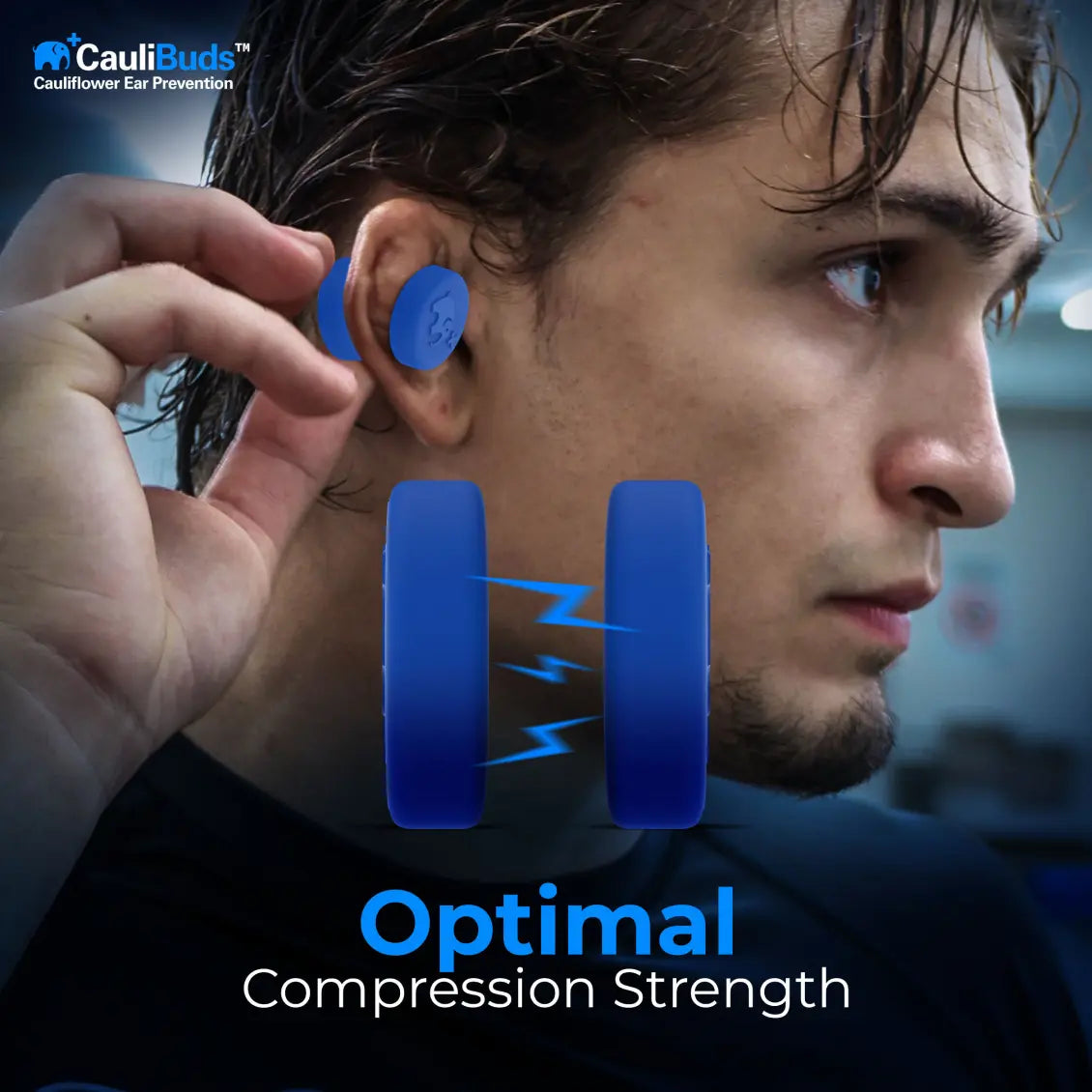
Some grapplers wear magnetic clamp-style ear compressors at home for the first week post-drainage. Brand names like Earsavers and similar magnetic discs squeeze the perichondrium to the cartilage between training sessions. They are not a replacement for the surgical bolster, but they keep the layers in apposition during sleep and daily wear when you would otherwise be vulnerable. If the cost is a barrier, a cut piece of foam taped against the ear at night does the same job with less elegance.
Why the Window Is So Tight
The 72-hour rule is not folklore. It comes from the biology of wound healing. Hemostasis — clotting — peaks in the first six hours. The inflammatory phase runs from hour six through about 72, recruiting macrophages and fibroblasts to the injured area. The proliferative phase begins right around the 72-hour mark, when fibroblasts start laying down collagen scaffolding that becomes the disorganized scar cartilage. Drain the pocket before the proliferative phase begins and the layers can reapproximate. Drain after, and you are removing fluid from a space the body is already filling with new tissue.
Common Mistakes That Cost Grapplers Their Ears
- Waiting for Monday because the bleed happened Friday night. By Monday the window is closed and the ear is starting to scar.
- Showing up to urgent care without context. Tell the intake nurse it is an auricular hematoma and ask for aspiration with a bolster, not a referral two days out.
- Removing the bolster early to look at the ear. Five days minimum. The ear is doing its work under the dressing and curiosity is the leading cause of refill.
- Going back to training in headgear that does not cover the auricle. Open-cup headgear is for tournament weigh-in protection, not for actual rolling.
- Treating each new flare as separate when it is the same hematoma refilling. If the lump comes back within 48 hours of drainage you need a re-drain and a fresh bolster, not more ice.
When Skipping the Window Is a Defensible Choice
Plenty of grapplers — Khabib, Daniel Cormier, Ben Askren, half of every wrestling room in the country — chose at some point to skip the drainage and wear the deformity as a sport tax. This is a personal call. The deformity is purely cosmetic once it stabilizes; hearing is not affected and the cartilage is structurally sound, just lumpy. If you compete frequently and reinjure the ear every other week, drainage stops making practical sense. Just be aware that the cosmetic look gets progressively worse with each subsequent unwitnessed bleed, and once advanced it can constrict the ear canal opening and trap moisture, which is when skin infections become a real and recurring problem.
The Headgear Conversation You Should Have Before Your First Bleed
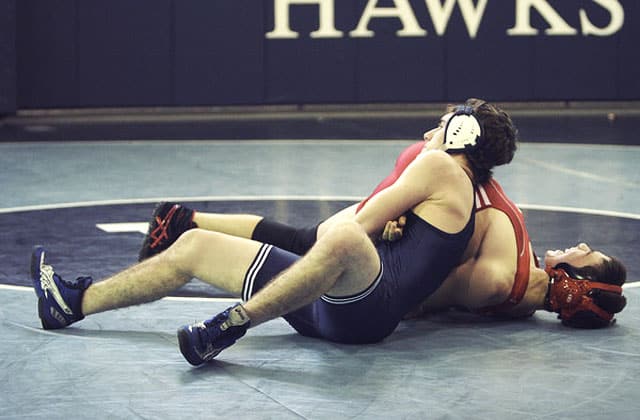
Most grapplers buy headgear after their first hematoma. The ones who buy it before usually do so because a teammate showed them a fully developed cauliflower ear in the locker room and the lesson landed. There is no rule that says you have to earn the deformity, and there is nothing soft about wearing protection — wrestlers and judoka have been wearing headgear in training for decades without anyone calling it weak. If your school does not require headgear for live rounds, the choice is yours. The 72-hour window is short and the consequences are forever.
Bottom Line
An auricular hematoma is a medical event with a measurable timer. Hour 0 to 24 is ice and elevation while you find a doctor. Hour 24 to 48 is the prime drainage window where aspiration and a bolster usually fix it cleanly. Hour 48 to 72 is the last clean window before scar tissue starts forming. After hour 72 you are either living with the deformity or paying a plastic surgeon to reshape it later. Whether you train no-gi BJJ, wrestle, or compete in MMA, that timeline does not change. Treat the bump like the medical emergency it is, wear headgear afterward to protect what your body just repaired, and check the straps before every round.
Sources
- Wikipedia — Cauliflower ear
- Mayo Clinic
- American Academy of Family Physicians
- Wrestling ear guards on Amazon
Browse our top-rated rashguards and no-gi gear at the RashguardGuy shop →