The Fit Problem: How to Size an Ear Guard for No-Gi Rolls
Most ear guards that fail on the mat aren’t bad gear — they’re the wrong fit. Here’s how to size, test, and break in an ear guard so it stays put through scrambles.

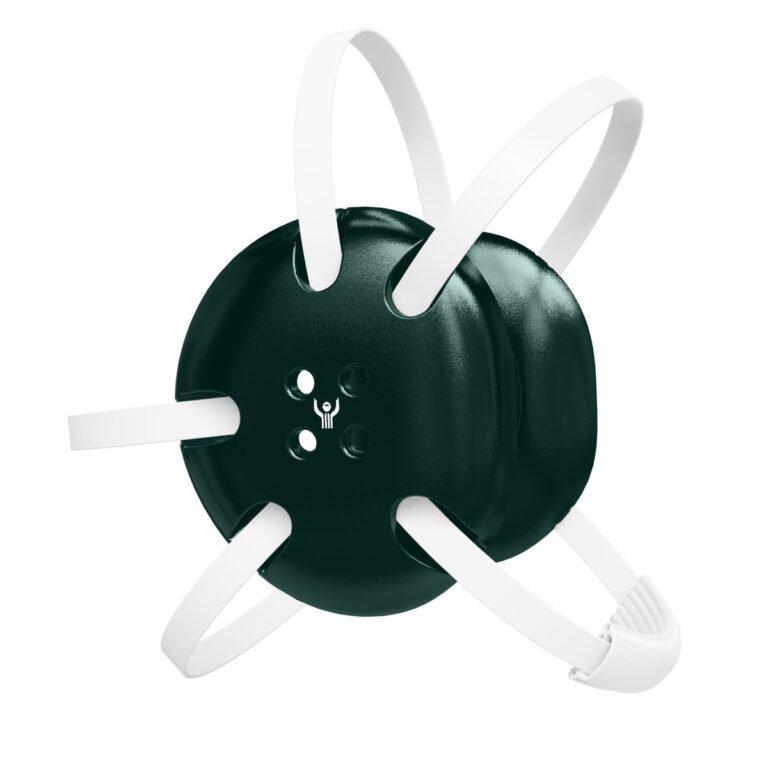
Most ear guards that fail on the mat aren’t bad gear — they’re the wrong fit. Here’s how to size, test, and break in an ear guard so it stays put through scrambles.
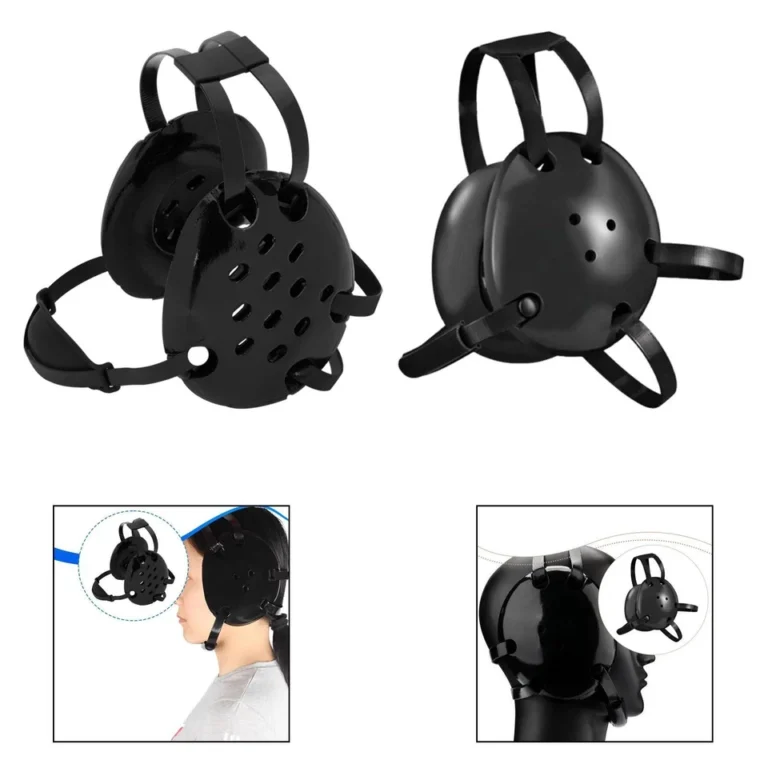
Most grapplers buy ear guards after their first cauliflower ear scare, then quietly stop wearing them within weeks. Here’s the real pattern behind the drop-off and how serious no-gi athletes fix it.
Wrestling headgear and no-gi ear guards look like they solve the same problem, but the sports demand almost opposite designs. Here’s why gear that works on a wrestling mat can become a liability in no-gi grappling.
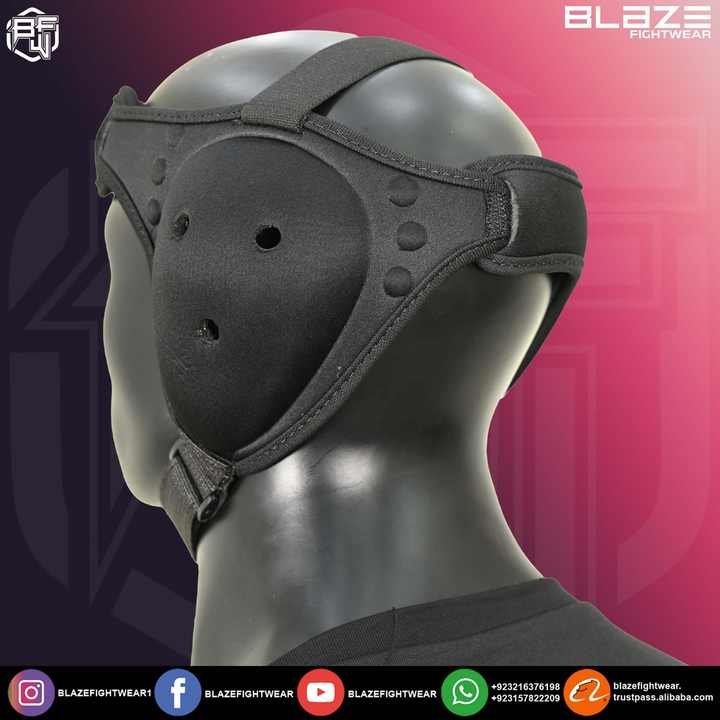
Most ear guard reviews compare brands. This one opens the guard up: the shell materials, curvature, and strap tension that actually decide whether cauliflower ear gets stopped or not.
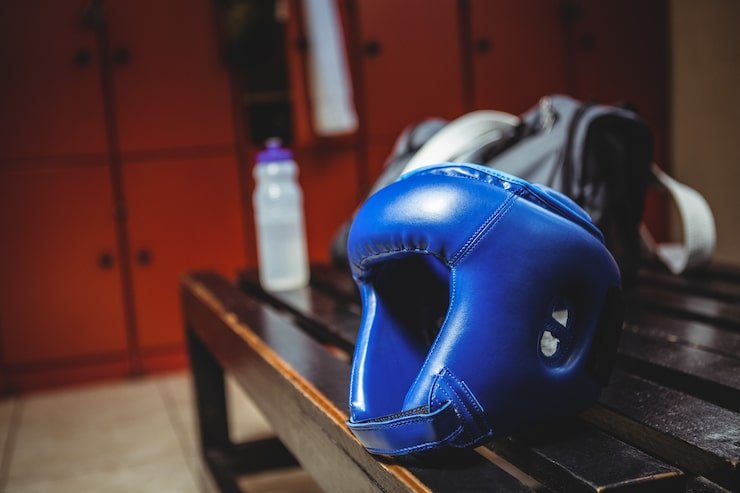
Most no-gi grapplers replace their ear guard when the strap snaps, not when it stops working. Here’s how foam, straps, and shells actually degrade — and the point where an old ear guard quietly stops protecting you.

Ear guards aren’t just a training-room decision. What you’re allowed to wear on the mat at a tournament depends on rules most competitors never read until check-in.
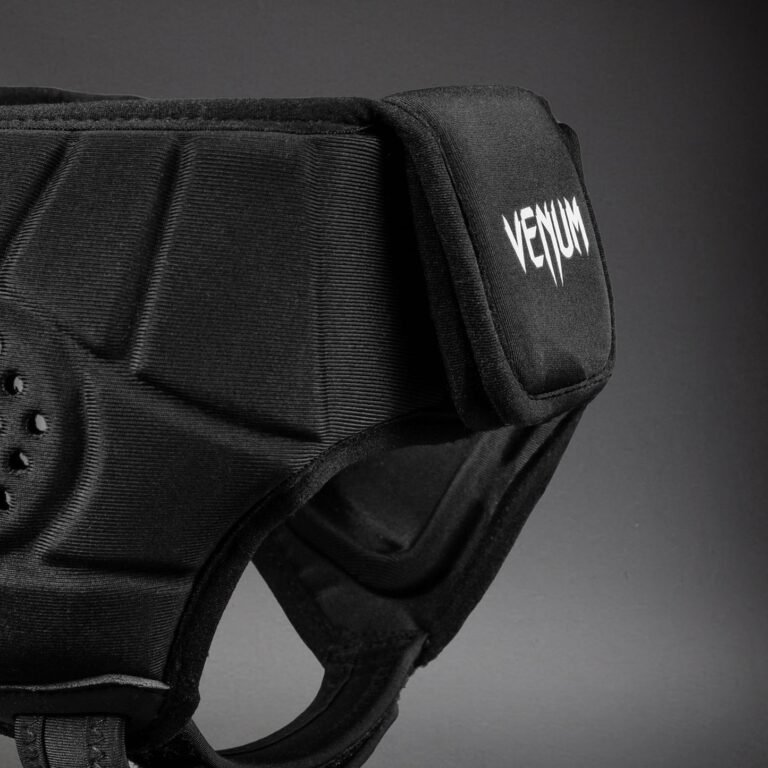
Not all ear guards protect the same way. Here’s how to choose between hard shell and soft shell based on your no-gi game, training volume, and real force exposure.

Most no-gi grapplers quit ear guards within the first two weeks — right before the adaptation curve starts paying off. Here is what is actually happening neurologically and mechanically, and what changes at six weeks.
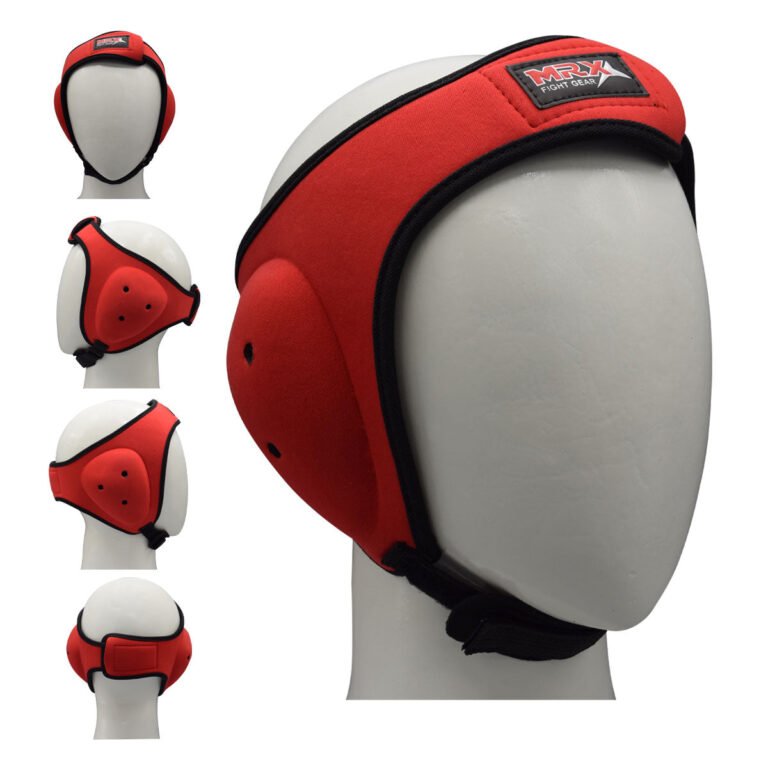
Most grapplers who come from wrestling already own headgear. Whether it works in no-gi depends on understanding where the two sports diverge in terms of ear exposure, contact patterns, and what your protection actually needs to do.
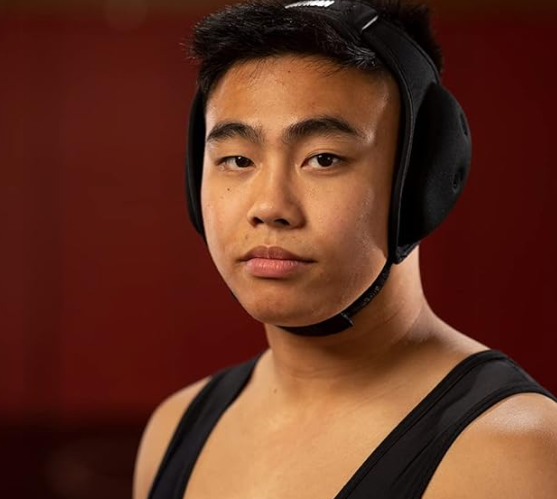
Most grapplers focus on fit and retention but ignore what happens to ear guards between sessions. Here’s what no-gi training does to your gear and how maintenance determines how long it actually protects you.
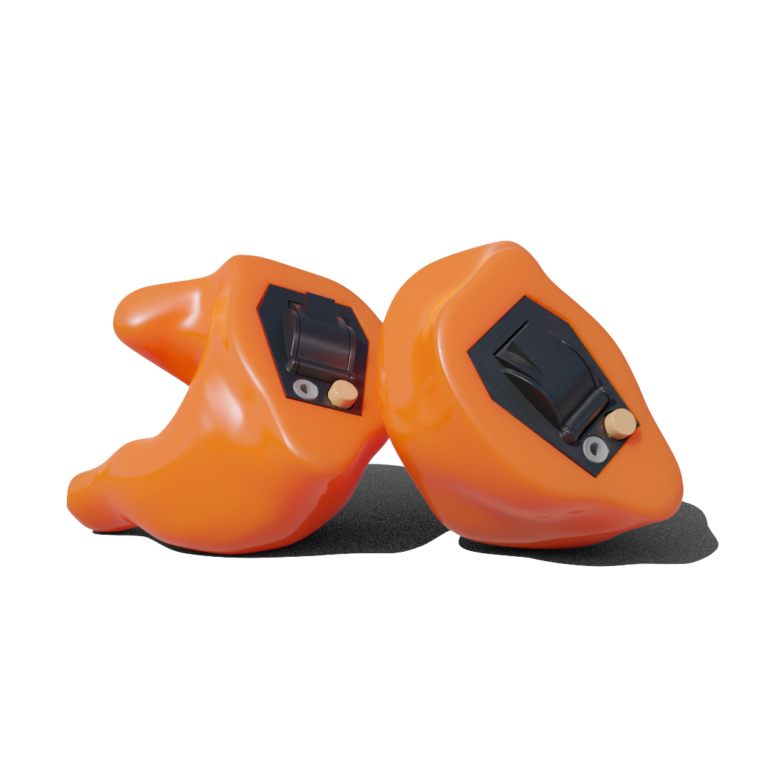
Most grapplers choose ear guards by brand and skip the fitting process entirely. Here is how to size them correctly, position the ear cups, set the chin strap, and break them in so they actually prevent cauliflower ear in no-gi training.

Not all ear guards survive live no-gi training. A close look at cup design, strap systems, fit geometry, and grappling style — so you know what to look for before the first roll.