Hard Shell vs Soft Shell Ear Guards: What No-Gi Grapplers Need to Know Before Buying
When grapplers finally decide to wear ear guards in no-gi training, the first decision most make is about brand. The more important decision is about shell type. Hard shell and soft shell ear guards operate on fundamentally different protection models, and the gap between them isn’t just material—it’s about what kind of force you’re actually trying to stop, what positions you spend most of your training in, and whether your priority is impact resistance or sustained-contact compression relief. Getting this wrong doesn’t mean you’re unprotected; it means you may be wearing the wrong tool for the job consistently enough that either your ears still develop cauliflower or your guard game quietly becomes something you avoid.
The Two Categories That Actually Matter
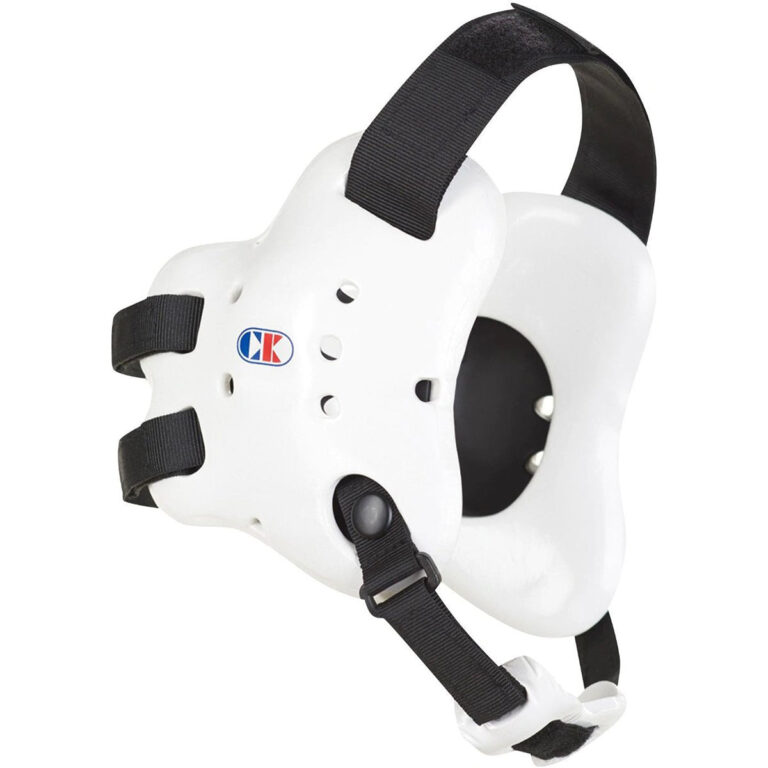
Hard shell ear guards—typically constructed from rigid ABS plastic or reinforced polycarbonate shells over a minimal inner foam layer—were engineered for the impact environment of wrestling. A single-leg shot that drives your head into a mat, a hip toss that lands you ear-first, a hard sprawl where your partner’s chest drives your ear against the canvas. These are discrete, high-force impact events, and hard shell construction is built to absorb and deflect them. The category evolved from competitive wrestling, where stand-up scrambles and explosive reactive movement from the feet make acute ear-to-surface impacts a genuine and frequent hazard.
Soft shell ear guards use foam, EVA padding, or flexible silicone as the primary protective layer. They conform more readily to irregular contact surfaces—another person’s shoulder, the curve of someone’s hip, the flat mat during extended bottom pressure. They’re designed for the sustained compression model of grappling, where the danger isn’t one hard impact but repeated moderate pressure accumulating over the course of multiple rounds. The category grew out of the sport grappling and submission wrestling context, where mat time is heavy and explosive stand-up is one part of a broader game rather than the defining environment.
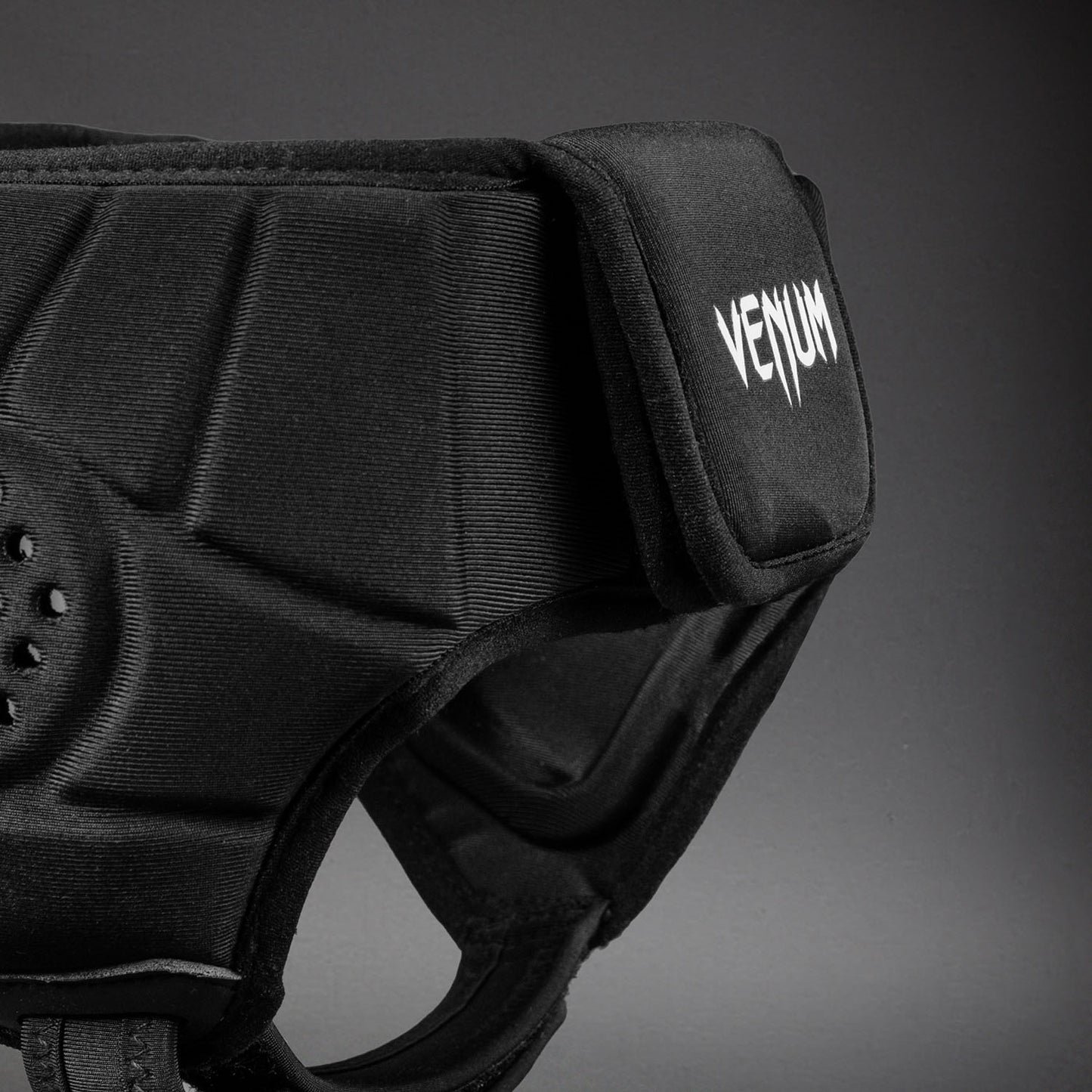
Both categories prevent cauliflower ear, but they prevent it through different mechanisms, and that distinction should drive your selection process more than brand reputation or price point.
What Hard Shell Ear Guards Actually Protect Against
The physics behind hard shell protection is deflection. When your ear makes contact with a hard surface or receives a direct strike, the rigid outer shell spreads force across a larger area and redirects energy away from the cartilage beneath it. In wrestling contexts, where collar ties, headlocks, and reactive scrambles from stand-up involve sudden high-force ear contact, this model works effectively. The shell absorbs peak force that would otherwise compress cartilage directly, distributing it across a surface area the ear’s internal structure was never designed to manage.
For no-gi grapplers who train significant wrestling or judo-based takedown work, hard shell guards provide coverage that soft foam simply cannot match. A double-leg finish against a resistant opponent who sprawls hard, an explosive suplex where timing breaks down and you land awkwardly, a headlock defense where momentum doesn’t redirect where you planned—these scenarios involve the kind of acute impact that hard shell construction exists to handle. The rigidity is the feature, not a compromise.
In submission grappling competition specifically, many events permit hard shell guards while restricting others, and the added protection of a rigid shell becomes meaningful when you’re competing against opponents you haven’t drilled with regularly. Known training partners move predictably; tournament opponents don’t, and the unpredictability of an unfamiliar game creates impact scenarios your body hasn’t already adapted to absorbing. Hard shell provides a protective baseline that doesn’t depend on familiarity with how your specific opponent moves.
Where Hard Shell Creates Problems
The same rigidity that protects against impact creates friction in no-gi ground work. Hard shells create leverage points that a training partner’s grip, shoulder, or forearm can catch during mat sequences. In bottom guard positions, the edge of a hard shell can dig into a partner’s ribs or neck during pass attempts, which changes how they move against you and introduces an unwanted variable into technical training. The chin strap systems on most hard shell guards are also designed for stand-up movement ranges, and they rotate or slip during extended mat work more readily than manufacturers typically acknowledge. When a guard rotates during a scramble, you’re wearing plastic on the side of your head while your ear is exposed.
How Soft Shell Ear Guards Work in Practice
Soft shell ear guards trade impact deflection for conformability. The foam or silicone material deforms under compression and returns to shape, which means the guard adapts to whatever surface is making contact rather than creating a rigid interface between your ear and that surface. This sounds like a minor distinction until you consider how much of a no-gi grappling session is spent in sustained contact with irregular surfaces—and how rarely those contacts are single discrete impacts.
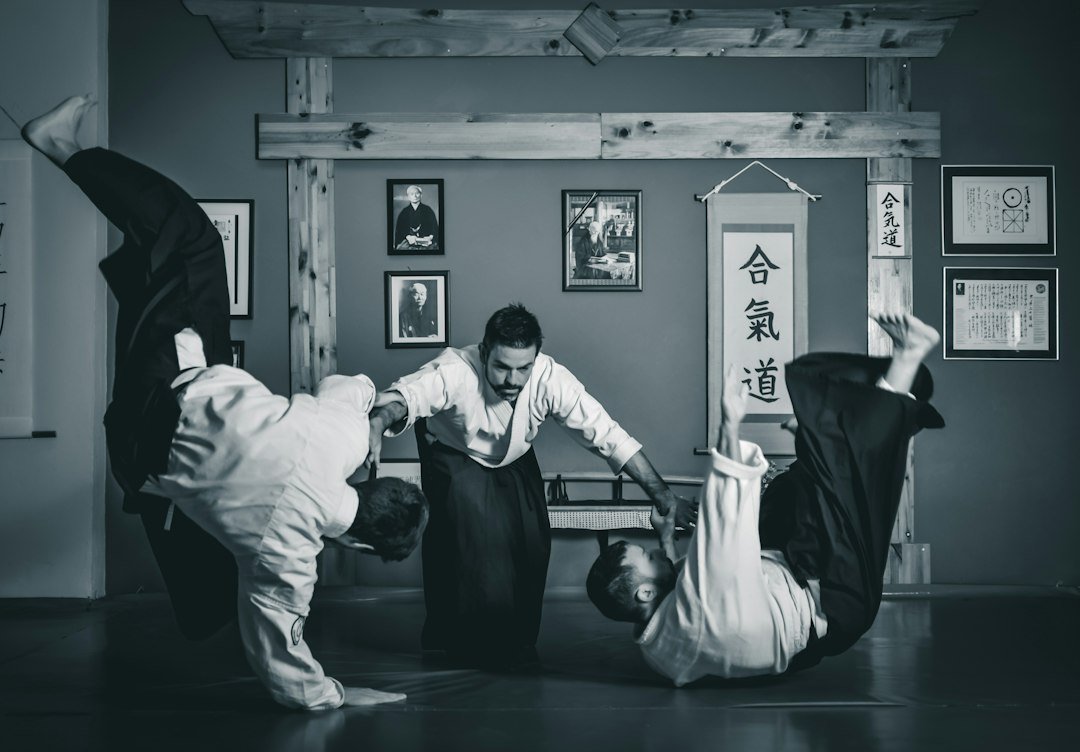
Cauliflower ear in no-gi most commonly develops from repeated moderate compression—the kind of sustained pressure that accumulates in a body triangle position, during side control escape attempts where your ear is caught between the mat and your partner’s hip, or in guard recovery sequences where your head is under constant shoulder pressure across multiple exchanges. These aren’t impact events. They’re compression events. Soft shell guards address them more directly because the guard material itself compresses along with your ear rather than creating a rigid surface that still transfers force to the cartilage underneath.
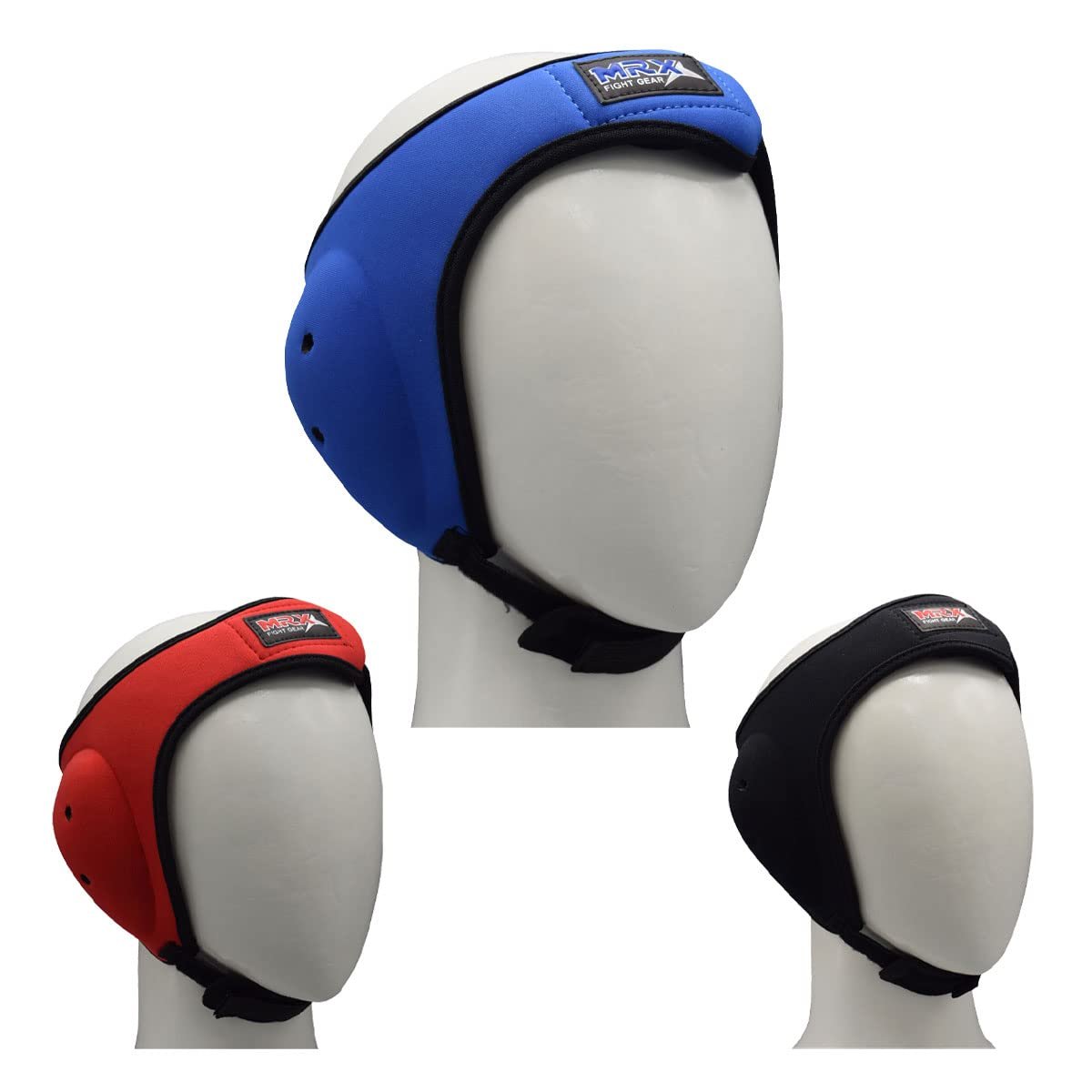
The fit profile also tends to be more training-friendly for extended mat work. Soft shells sit lower-profile against the head, which reduces the leverage problem hard shells create during guard passing sequences. Chin strap systems on soft shell guards are typically more flexible and maintain position through wider ranges of motion, which matters particularly for guard players whose heads are constantly being loaded and redirected by passing opponents.
When Soft Shell Isn’t Enough
If your no-gi game includes significant stand-up wrestling with training partners who move at genuine intensity, soft foam has real limits. The deformation that makes it suitable for compression protection means it provides less energy deflection during acute impacts. Hard collar tie battles, ear-first mat contacts from failed takedown attempts, and aggressive headlock sequences at full speed are scenarios where soft shell foam can bottom out—where compression exceeds what the material can absorb in that instant—and ear cartilage takes force the guard was meant to intercept. Soft shell is the right choice for mat-heavy training; it isn’t the right choice if you’re drilling live takedown wrestling for an hour every session.
Matching Shell Type to Your Training Reality
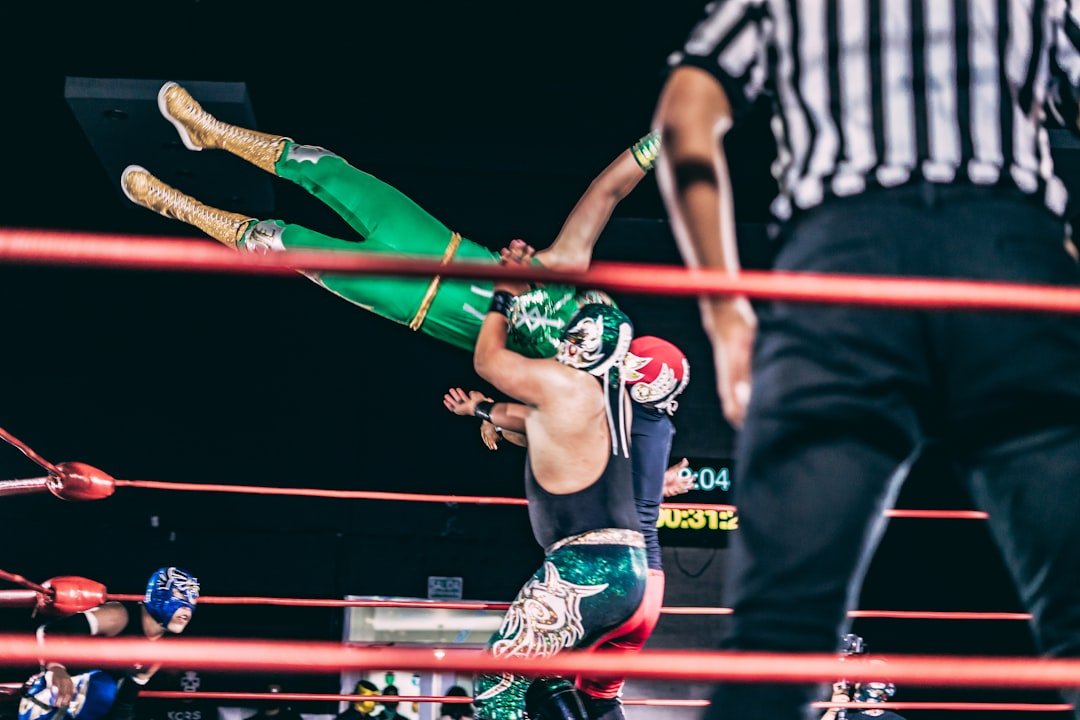
The honest version of this decision involves looking at your actual training distribution rather than your aspirational one. Many grapplers imagine they train more wrestling than they do. Many underestimate how much of their session time is spent in mat-based compression scenarios that look like technical drilling but are generating consistent ear pressure across dozens of reps. Track where your training partners’ weight and pressure is landing on your head during a representative week, and that data is more useful than any gear review.
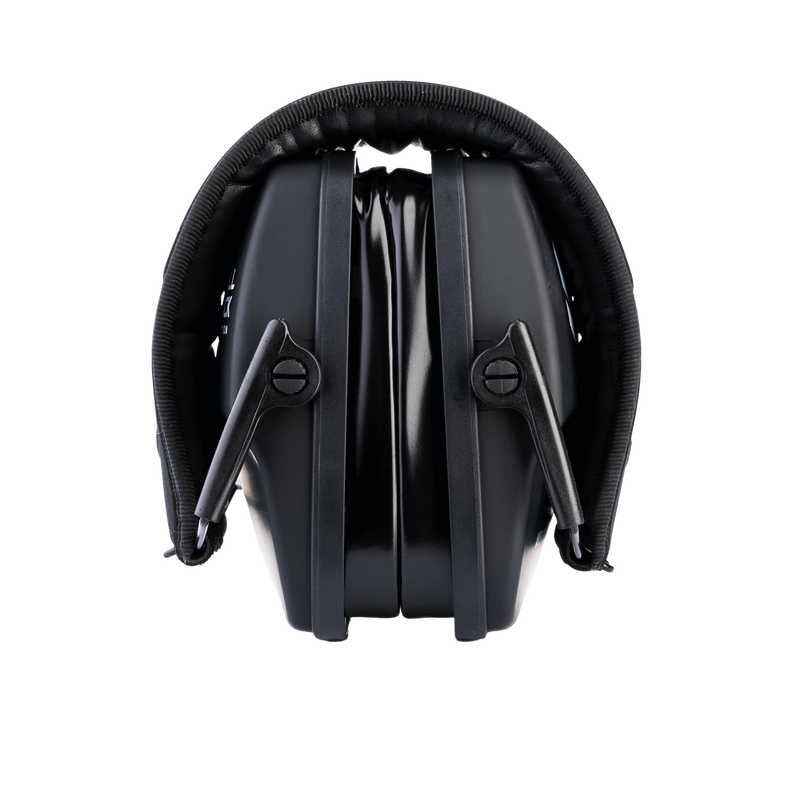
If the majority of your no-gi training is mat work—guard sequences, back takes, submission chains from bottom positions, positional sparring that starts from the ground—soft shell is almost certainly the right choice. Your ear exposure is primarily compression-based, occurring during extended contact with training partners rather than during high-impact stand-up events. You want a guard that stays positioned through constant movement changes and manages sustained pressure across a full session without rotating or requiring adjustment between rounds.
If your training distributes heavily toward wrestling-based takedowns and you drill explosive reactive shots and sprawls against partners who are genuinely trying to stop you, the balance shifts toward hard shell. The impact events in a real wrestling context justify the deflection model. The friction and leverage issues that make hard shell difficult during ground work matter less when most of your technical mat work happens in a separate drilling block where you might remove the guard anyway—something many wrestling-heavy practitioners already do intuitively.
Many no-gi athletes who train at higher volumes eventually own both: a soft shell guard that stays on reliably through hours of mat work, and a hard shell guard for wrestling-heavy sessions or competition. That’s not excessive gear accumulation—it’s recognizing that these two training contexts present genuinely different force profiles that warrant different tools. The total cost of owning both categories is lower than the cost of treating established cauliflower ear or having a guard you stop wearing because it keeps interfering with your technical work.
The Strap System: Where Both Types Often Fail
Shell material gets most of the attention in ear guard selection, but the strap system is where most ear guards fail in actual no-gi training conditions. A guard that doesn’t stay positioned provides zero protection regardless of how well its shell type theoretically matches your training environment. This is worth stating plainly because grapplers consistently underweight strap design when selecting between otherwise comparable options.
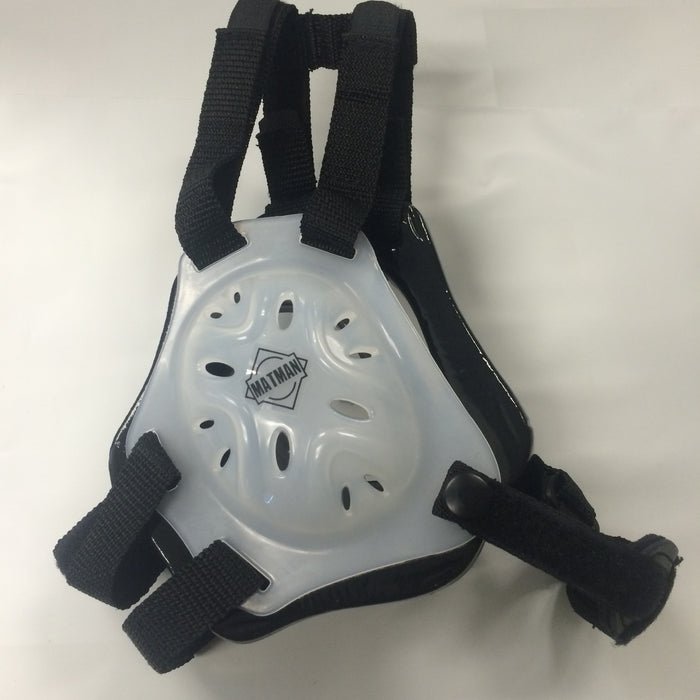
A single chin strap is the standard configuration on both hard and soft shell guards, and it’s insufficient for no-gi mat work. Chin straps alone allow rotational movement around the vertical axis of the head. In no-gi grappling, where your head is being loaded from multiple angles simultaneously during scrambles, a rotating guard provides inconsistent coverage. The guard that was protecting your left ear is now protecting the back of your head while your ear is exposed to whatever surface it’s against. This failure mode is common and rarely discussed in product reviews, which tend to be written by people testing guards in controlled settings rather than live rolling.
Behind-the-head strap systems—where a secondary strap runs across the back of the skull rather than just under the chin—address rotation by adding a second axis of retention. They resist the lateral drift that chin straps can’t manage and keep the guard positioned through directional changes that happen faster than you can consciously adjust. This feature appears on both shell types and should be weighted heavily in your selection regardless of which shell category fits your training distribution. A behind-the-head strap on a soft shell guard out-protects a chin-strap-only hard shell guard in most no-gi scenarios.
Making the Long-Term Decision
The grapplers who actually keep wearing ear guards—who make them a genuine part of their no-gi training practice rather than something they try for a few weeks and abandon—tend to have made their initial selection based on fit and training context. The grapplers who stop wearing them usually selected based on brand recognition or what a training partner was using, found the guard was fighting against their game instead of supporting it, and concluded that ear guards in general don’t work for them. They weren’t wrong that the guard didn’t work. They were wrong to generalize.
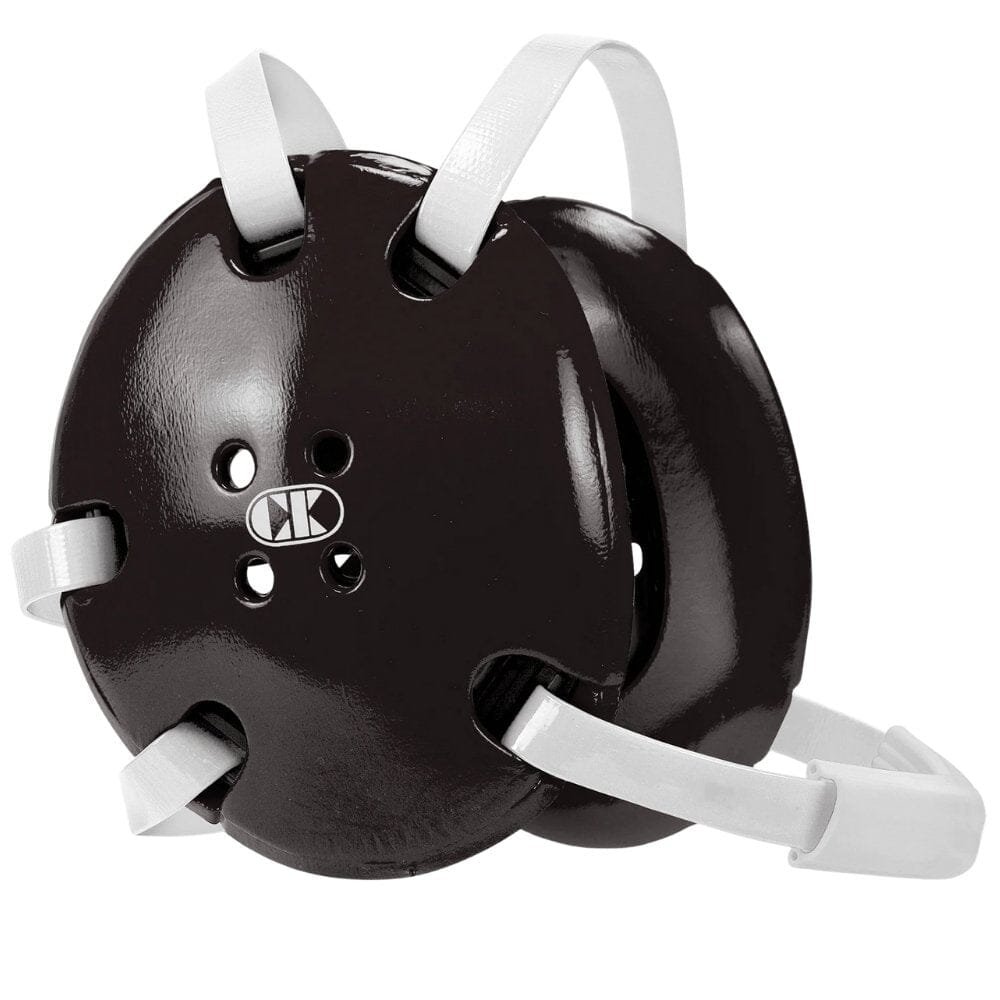
If you’re starting out and training primarily mat work, start with a soft shell guard with a behind-the-head strap system. If you’re a wrestling-heavy practitioner who accepts some friction in ground work as a trade-off for impact coverage, start with hard shell. If you’ve already had soft tissue accumulation in your ear cartilage—even minor buildup that hasn’t developed into full cauliflower—the calculus shifts toward wearing whichever guard you’ll actually keep on your head through full training sessions, and that usually means whatever fits and stays positioned within your specific game rather than whatever offers the most theoretical protection in a context you don’t actually train.
Hard shell and soft shell ear guards are not positioned on a quality hierarchy. They’re different tools built to answer different force profiles. Understanding which force profile your no-gi training actually presents—acute impact events from explosive stand-up work versus sustained compression events from extended mat sequences—is what makes the choice clear rather than arbitrary. Get that right first, then evaluate brands, price points, and strap configurations within the correct category.