The Engineering Behind No-Gi Ear Guards: How Shell Design and Strap Tension Actually Stop Cauliflower Ear
Ear guards get sold like helmets: strap it on, forget about it, walk away with your ears intact. But a guard is not a force field. It is a small mechanical system doing a very specific job under conditions that are actively trying to defeat it, and most grapplers have no idea how that system is supposed to work in the first place. Understanding the actual mechanics behind shell design, strap tension, and coverage explains why some guards hold up through five years of live rolling while others fold after two weeks of hard scrambles.
What Actually Happens to Cartilage During a Scramble
Cauliflower ear is not caused by a single hard hit. It is almost always the result of repeated shear and friction against the ear, the kind that happens when an opponent’s forearm, shoulder, or the mat itself drags sideways across the auricle during a scramble. That shearing action separates the thin layer of skin and perichondrium from the cartilage underneath. Blood or fluid pools in the gap, the cartilage loses its blood supply, and if it isn’t drained, the tissue calcifies into the thickened, permanent lump grapplers call cauliflower ear.
This matters for guard design because it means the guard’s job isn’t just to cushion a blow. It has to resist lateral shear, which is a completely different engineering problem than absorbing a straight-on impact. A pad that compresses beautifully under direct pressure can still let the ear slide and twist underneath it if the shell isn’t built to stay locked to the skull.
Shell Materials: Foam, Silicone, and Hard Plastic
Every ear guard on the market is built around one of three shell approaches, and each one solves the shear problem differently.
Soft-Shell Compression
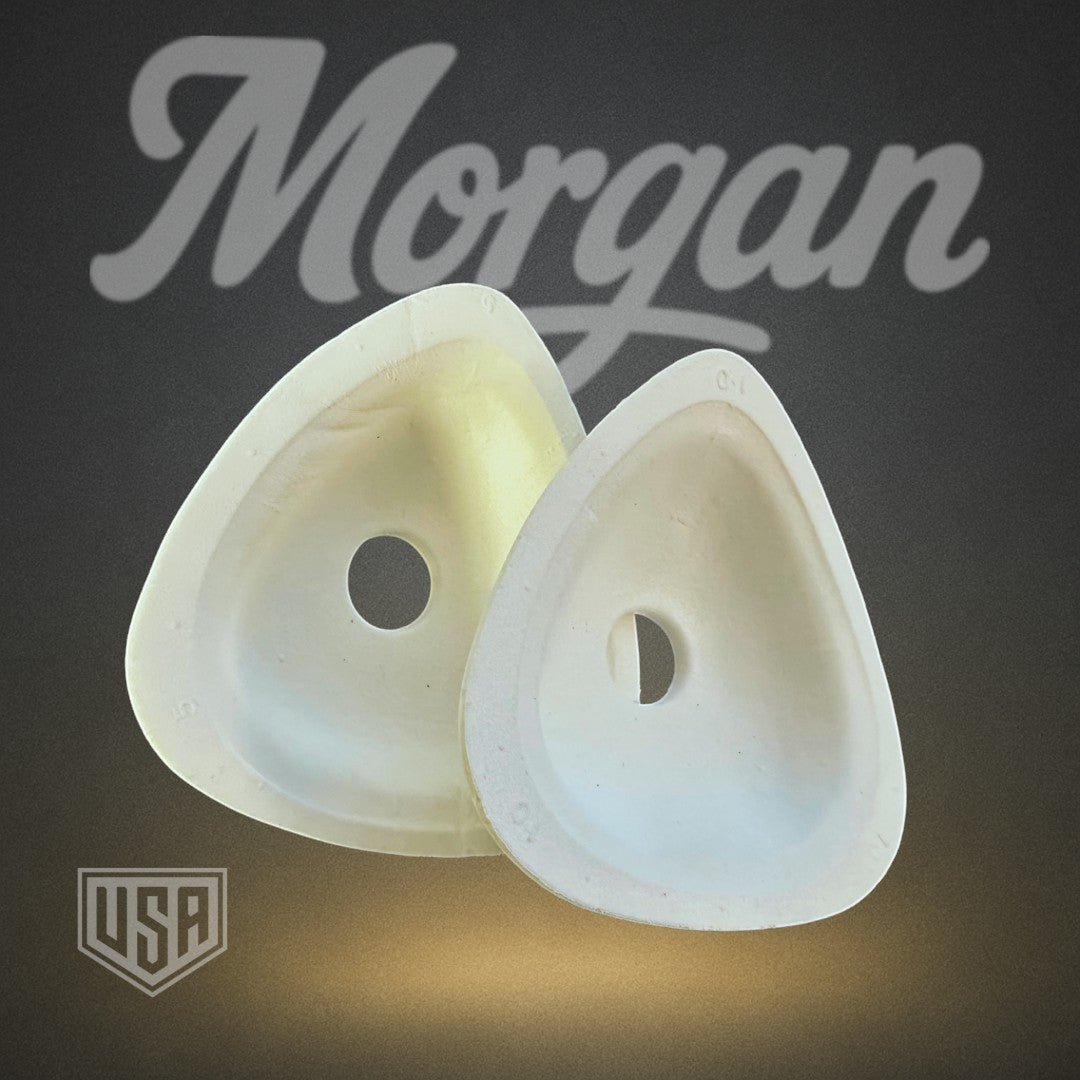
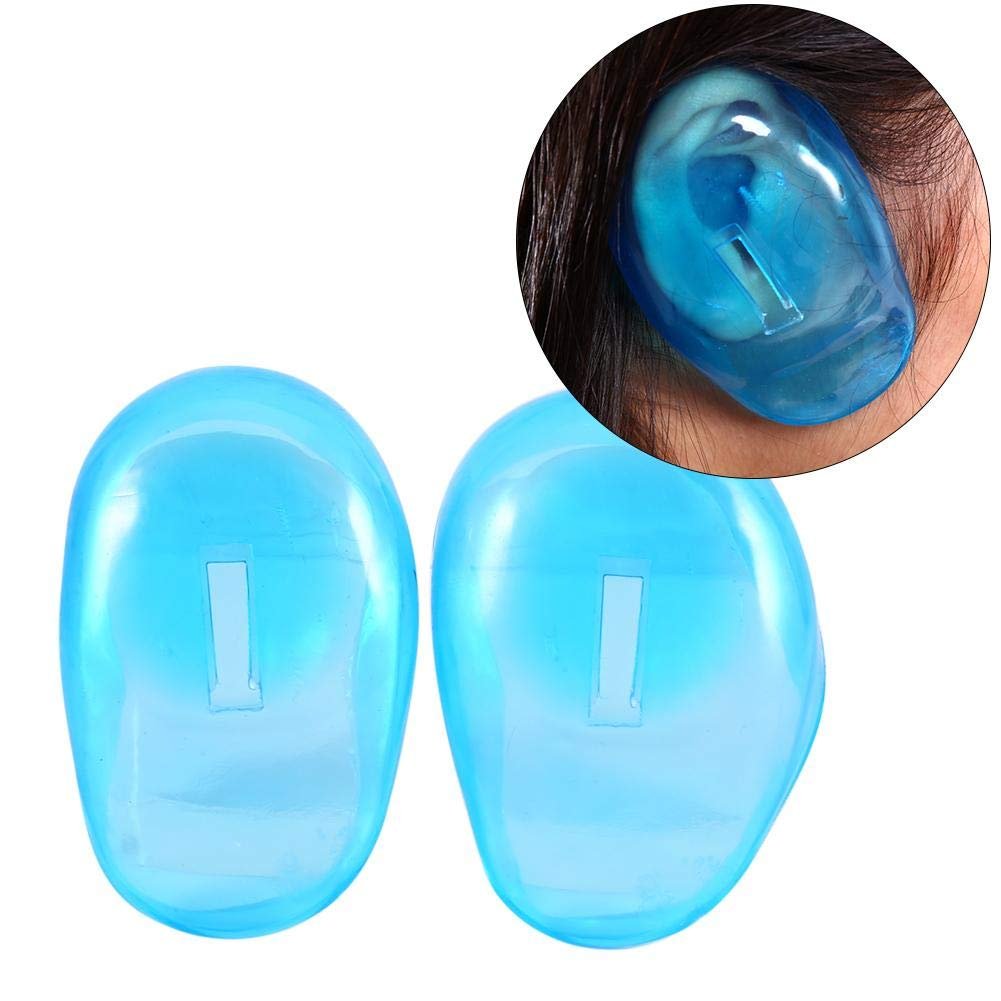
Closed-cell EVA foam or molded silicone cups work by compressing under load and slowly rebounding, spreading a hit across a wider surface area over a longer time window. That’s effective against direct compression, but foam has a weakness against shear: it can deform and shift laterally under a dragging force rather than staying put, which is exactly the motion that tears the perichondrium loose. Manufacturers compensate by bonding the foam to a stiffer inner shell so it has something rigid to grip against instead of just sliding.
Hard-Shell Deflection
Polycarbonate or thermoplastic shells take the opposite strategy. Instead of absorbing force, they deflect it, redirecting a dragging forearm or a mat scrape across the smooth outer surface instead of letting it catch on the ear. The tradeoff is that a hard shell transmits more force straight through to the padding layer beneath it if the guard gets pinned directly, which is why almost every hard-shell design still needs a foam or gel liner sandwiched inside. Neither material works well alone — the deflection layer and the compression layer are solving two different halves of the same problem.
Curvature, Coverage, and the Anatomy Problem
The human ear is not a flat disc, and the point where cauliflower ear forms most often — the upper third of the auricle, around the helix and scaphoid fossa — sits at an angle relative to the skull. A guard shell that’s molded as a shallow, symmetrical dome will contact the middle of the ear fine but leave a gap at that upper curve, which is precisely where the guard needs the most contact.
Better-engineered guards use an asymmetrical shell with a deeper cup toward the top-rear of the ear and a shallower taper toward the lobe, matching the actual geometry of where trauma concentrates. This is also why a guard that looked fine in the package can still leave a visible gap once it’s actually seated against your head — coverage isn’t a function of size, it’s a function of whether the curvature matches your specific ear’s angle relative to your skull.
Strap Tension and the Physics of Staying On
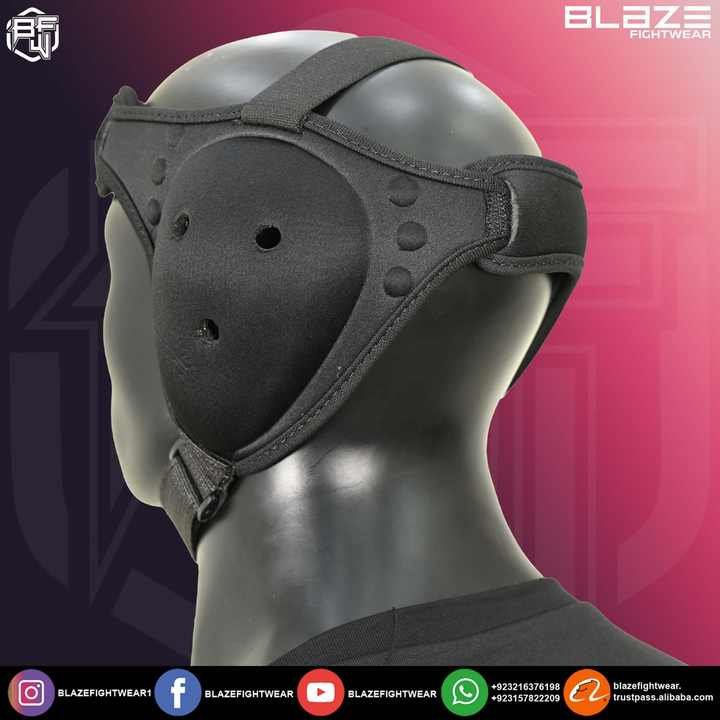
A perfectly engineered shell does nothing if it isn’t held against the ear with the right amount of force. Strap tension has to solve two conflicting requirements at once: enough clamping pressure to keep the shell from shifting during a scramble, but not so much that it restricts jaw movement or blood flow, both of which grapplers instinctively loosen the strap to avoid.
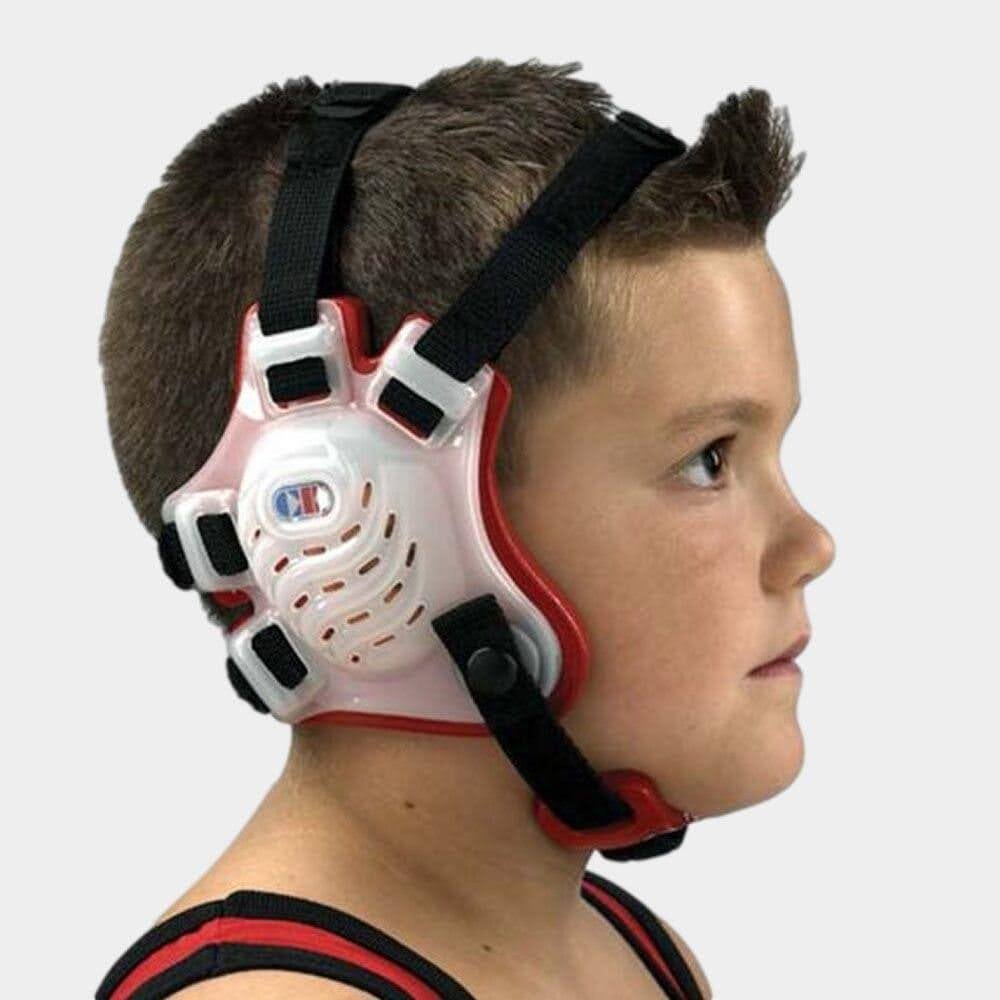
Most designs split that tension across two anchor points — a chin strap and a rear head strap — rather than relying on one. Splitting the load this way means each individual strap can run at lower tension while the combined system still generates enough total clamping force to resist shear. A guard with only a single strap has to run that one point of contact much tighter to achieve the same holding power, which is usually the version grapplers end up loosening mid-round because it’s uncomfortable, right as the round’s live scrambling starts.
Ventilation vs Protection: The Tradeoff No One Advertises
Every perforation cut into a shell for airflow is also a spot where the shell loses structural rigidity and a spot where a fingertip or seam of fabric can catch and pull the guard sideways. Manufacturers walk a narrow line here: too little ventilation and grapplers overheat and rip the guard off between rounds, which defeats the entire point; too much perforation and the shell’s shear resistance drops in exactly the areas most likely to be dragged across the mat.
The better solutions place ventilation holes toward the center of the shell, away from the rim where most of the dragging contact happens, and reinforce the perimeter with a thicker, unperforated lip. It’s a small design detail, but it’s the difference between a guard that breathes without sacrificing the structural edge that actually stops shear.
Where the Engineering Runs Out
No amount of shell or strap design accounts for the moments when the guard simply isn’t between the ear and the source of trauma. Cross-face pressure from an opponent’s forearm during a pass, a knee sliding across the side of the head in a scramble, or a guard that’s ridden up slightly from sweat and repeated grip fighting all create situations where contact happens at the guard’s edge rather than its center, which is the one place no shell geometry can fully protect.
This is also where fit checks during actual live rolling matter more than checking fit while standing still. A guard that sits correctly before the round can migrate several millimeters after ten minutes of sweat and grip exchanges, and that migration is enough to expose the exact upper-ear zone the shell was designed to cover.
What This Means When You’re Actually Buying One
Once you understand the mechanics, guard shopping stops being about brand reputation and starts being about matching design to your own risk profile. Someone doing mostly top-position control work is exposed to different shear patterns than someone who lives in bottom guard retention, and a shell built around one scenario won’t necessarily protect against the other equally well.
The practical takeaway is simple: press on the shell where your ear’s upper curve sits and check whether it deflects or shifts, pull gently on the strap system to see if tension is distributed across two points or concentrated on one, and hold the guard against your head for a few minutes to see whether ventilation cuts compromise the rim. Those three checks tell you more about how a guard will actually perform than any spec sheet.
If you’re comparing options, a good starting point is browsing the range of shell and strap configurations directly rather than relying on marketing copy: no-gi ear guard options on Amazon span the full spread of soft-shell, hard-shell, and hybrid designs described above.