Single Leg X Guard: 7 Essential No-Gi Sweeps & Attacks
Marcelo Garcia built a five-time ADCC career on a position most people could not pass, and he did it without ever needing a grip on cloth. The single leg x guard is the reason. It is one of the few guards that works better in no-gi than in the gi, and it sits at the center of the modern leg-lock game that runs through every serious submission-grappling gym today. Get comfortable underneath someone with their leg trapped, and you own two exits at once: sweep them and stand up, or turn their trapped leg into a heel hook.
This guide breaks down the position from the ground up — how to build it, how to enter it in no-gi without lapels, and the seven sweeps and leg attacks that make it worth the reps. Everything here assumes rashguard-and-shorts grappling, so there is no gi-only shortcut in the mix.
What Is the Single Leg X Guard?
The single leg x guard is an open-guard position where you get your hips underneath your opponent and wrap one of their legs with both of your legs. Your inside leg curls behind their knee, your outside foot plants on their hip, and your knees pinch together to clamp their thigh against your body. That trapped leg becomes a lever you control with your whole torso instead of just your arms.
People also call it ashi garami, and the two terms describe the same leg configuration — “single leg x” is the traditional Brazilian jiu-jitsu name, while “ashi garami” is the Japanese term the Danaher-era leg lockers made standard. The distinction that actually matters on the mat is the job each part does. The foot on the hip is your gas pedal: extend it and you push them away to create the off-balance; retract it and you pull yourself in tight to attack the leg. Miss that detail and the position collapses into a scramble.
What makes it special is the double threat. From most guards you either sweep or you submit. Here, the same grip forces a real dilemma — if they posture to defend the sweep, their weight shifts back and the leg lock opens; if they pull the leg out to kill the lock, you follow them up into a sweep. That is why it shows up in nearly every high-level no-gi match.
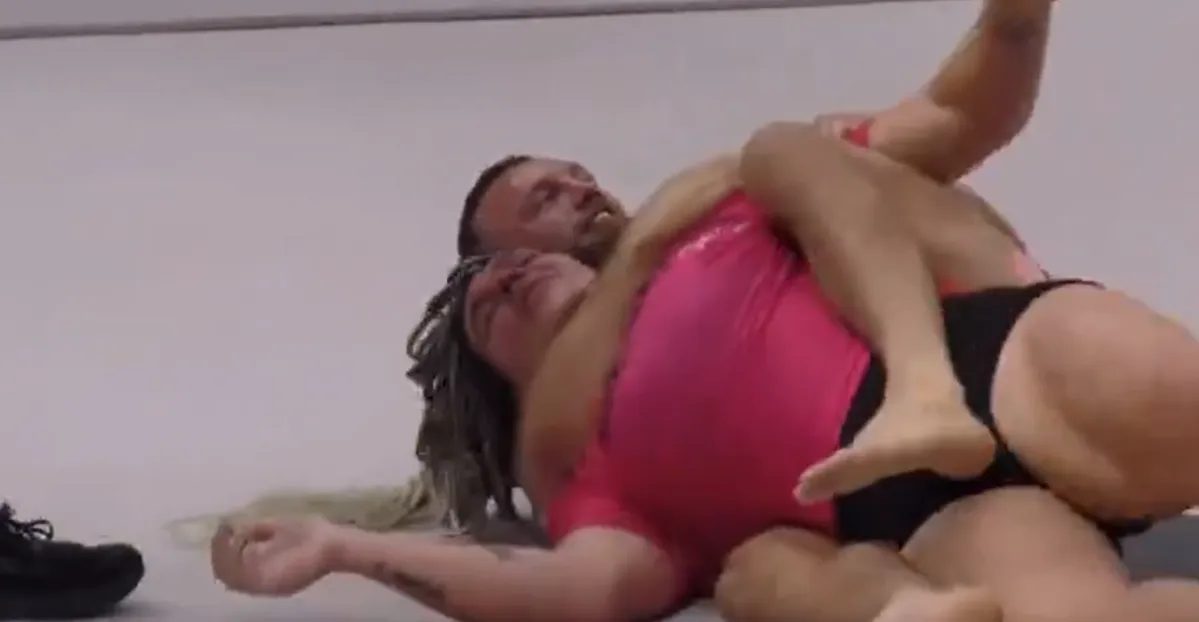
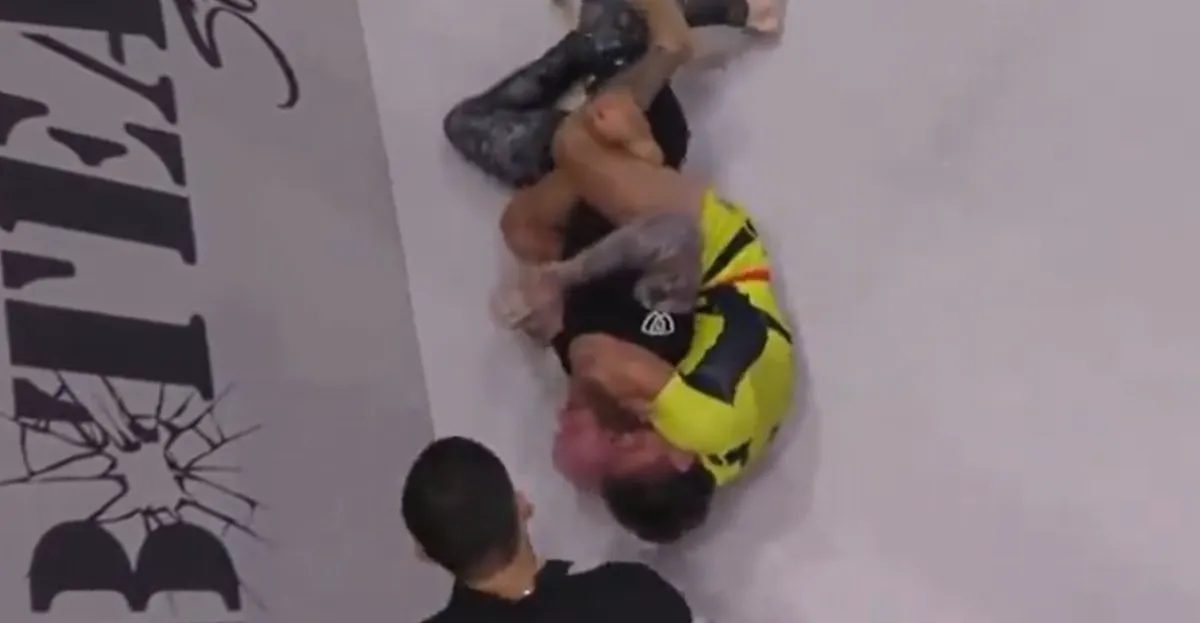
Every SLX exchange lives on the ground — the position exists to sweep or to hunt a leg from exactly this range.
How Do You Enter Single Leg X in No-Gi?
Entering is where no-gi diverges hardest from the gi. Without a pant leg to grab, you cannot just yank someone into position — you have to get there through movement and connection. The three entries below cover most of what you will actually hit against a resisting partner.
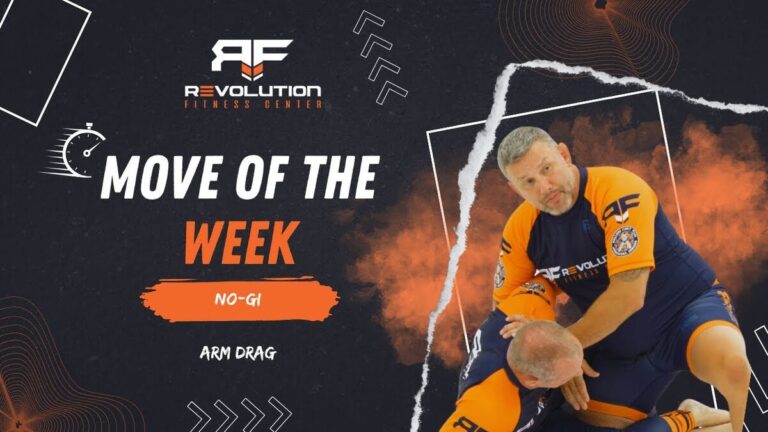
The shin-to-shin hook is the most reliable starting point. From seated guard, you place your shin across the front of their lead shin and control the ankle or the back of their knee with your hands. From there you shoot your outside foot to their hip and thread your inside leg around their thigh — you are in SLX before they register the switch. The second option is the arm drag: control their wrist with one hand, grab the tricep with the other, drag their arm across your body, and dive under the near leg as they stumble forward. The third is a hip-bump entry from butterfly, where you lift them off balance with a butterfly hook and slide underneath the leg as they post.
The through-line is connection before commitment. Establish your grip on the leg first, then build the position — reversing that order is the single most common reason beginners get flattened out or passed on the entry. A clean entry usually flows straight from a failed takedown or scramble, so drill it as a recovery, not just a cold start.

Kade Ruotolo (left) is one of many modern no-gi standouts whose offense flows through single leg x entries.
7 Sweeps and Leg Attacks From Single Leg X
The list below runs from the safest, highest-percentage option to the more aggressive submissions. If you are new to the position, the first two will carry most of your rolls. The leg attacks require a partner who understands tapping to rotation, so treat them with respect.
1. The Technical Stand-Up Sweep
This is the bread-and-butter and the highest-percentage sweep in the position. Extend your hip foot to off-balance them backward, and the instant their weight tips onto their heels, keep that foot glued to their hip and technical stand up — post on your hand, bring your free leg under you, and rise straight into a top position over the leg you already control. No grip on cloth required, which is exactly why it travels so well to no-gi.
2. The Back Take
When your opponent turns away or drops a knee to defend the ankle, extend both legs and lift their hips with your hip-foot while you climb your controlling leg higher. The elevation dumps them forward onto their hands, and you chase the seatbelt and hooks as they turtle. This is the highest-value outcome from SLX because it trades a guard for a dominant back position with almost no risk.
3. The X-Guard Transition
Single leg x and full x-guard are neighbors. If they widen their base to stall your sweep, shoot your hip-foot through to the far hip and drop your other hook behind their far knee — now you are in x-guard with even more off-balancing power. Marcelo Garcia’s entire top game started with this exact handoff between the two positions.
4. The Straight Ankle Lock
The most fundamental submission here is the straight ankle lock. Wrap your arm around their trapped ankle like a guillotine for the foot, blade your forearm across the Achilles, pinch your knees, and bridge your hips while looking away. It is legal at every belt and every ruleset, which makes it the safest submission to build your leg game around before you touch anything that rotates the knee.
5. The Heel Hook Entry
SLX is the front door to the ashi garami leg-entanglement family, and the heel hook is what makes the whole system so feared in no-gi. From single leg x you rotate to inside sankaku (the “saddle”) or expose the heel, cup the heel with your forearm, and rotate — never crank. The heel hook attacks the knee through the ankle, so control comes first and speed never does. If you compete under IBJJF no-gi rules, remember heel hooks are brown and black belt only; ADCC and most submission-only events open them to advanced divisions.
6. The Kneebar
If they straighten the trapped leg to escape the ankle lock, that extended leg hands you the kneebar. Slide your hips up toward their knee line, pinch your knees around their thigh, and extend your hips to hyperextend the joint. It pairs naturally with the ankle lock as a two-part attack — they defend one, you take the other.
7. The Overhead Sweep
When an opponent stands tall and drives forward to smash your guard, use their momentum against them. Load their hips over your head with both legs and roll them overhead into a sweep, following the roll up to top position. It is lower percentage than the technical stand-up, but against an aggressive passer who refuses to respect the position, it turns their pressure into your points.
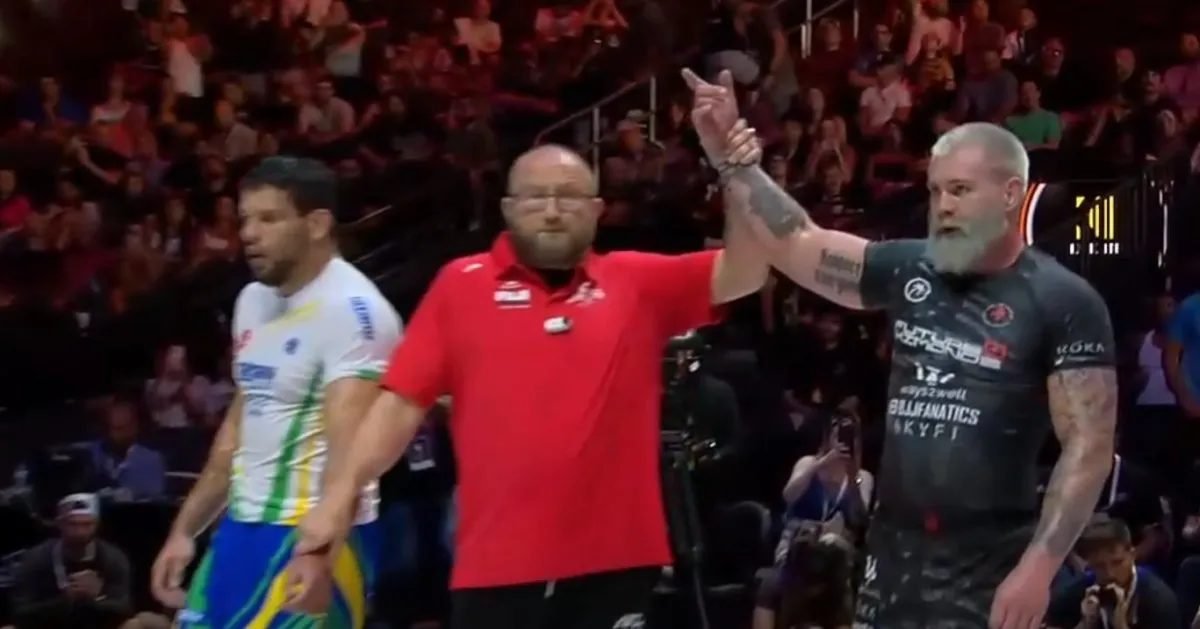
Gordon Ryan (right) built much of his no-gi dominance on the ashi garami / single leg x system these sweeps feed into.
How Do You Escape or Pass Single Leg X?
Getting caught in SLX is not a death sentence if you move early. The first rule is to never let them finish building the position — the moment you feel a foot land on your hip, drive your hips down and forward to flatten out their gas pedal. Once the position is set, the cleanest escape is the “leg pommel and boot,” where you circle your trapped foot to the outside to clear their hooks while hand-fighting to keep your heel hidden and your knee line safe.
Posture is the other half of the answer. Stay tall, keep your weight centered over your base rather than reaching forward, and control the far leg so they cannot elevate you. Reaching for their head or diving forward is what feeds the sweep and the back take. Good passers treat SLX like a leg-lock position first and a sweep position second — they protect the heel before they worry about advancing.

Passing SLX safely is a headline skill for elite no-gi grapplers like Kaynan Duarte and Nick Rodriguez.
Common SLX Mistakes That Kill the Position
The number one error is lying flat. If your shoulders are on the mat and your hips are down, you have no angle and no leverage, and you will get stapled and passed. SLX is an active, hip-elevated position — you should almost always be on your side with your hips lifted toward your opponent. The angle is the engine.
The second mistake is treating the hip foot as decoration. Beginners let it go soft, and the whole structure loses its distance control. Push and pull with it constantly. The third is chasing the submission before the sweep is a genuine threat — if they do not fear getting swept, they will calmly strip your leg lock. Make them respect the stand-up first, then the leg attacks open up on their own.
Here is the honest take: most people who “can’t make SLX work” are not missing a secret detail. They are lying flat, ignoring the gas pedal, and rushing the finish. Fix those three and the position starts working the same week.

The angle-and-gas-pedal fundamentals matter just as much at the top level — Felipe Pena vs. Luke Griffith.
Single Leg X in No-Gi vs the Gi
SLX is one of the rare positions that is genuinely better without the gi. In the gi, an opponent can grab your collar or pin your pant leg to stall the off-balance and slow the entry. Strip those grips away and the position speeds up — entries flow faster, transitions between the ankle lock and the sweep get cleaner, and the whole leg-lock system it feeds becomes far more live. That is exactly why submission grappling’s biggest names live in this position and why it belongs in every no-gi player’s A-game.
The trade-off is that you lose the friction the gi provides, so control has to come from mechanics rather than grips. Pinch your knees, hunt the angle, and use your hooks to stay connected. Once that becomes second nature, the sweat-and-slip factor of no-gi stops being a problem and starts being an advantage.
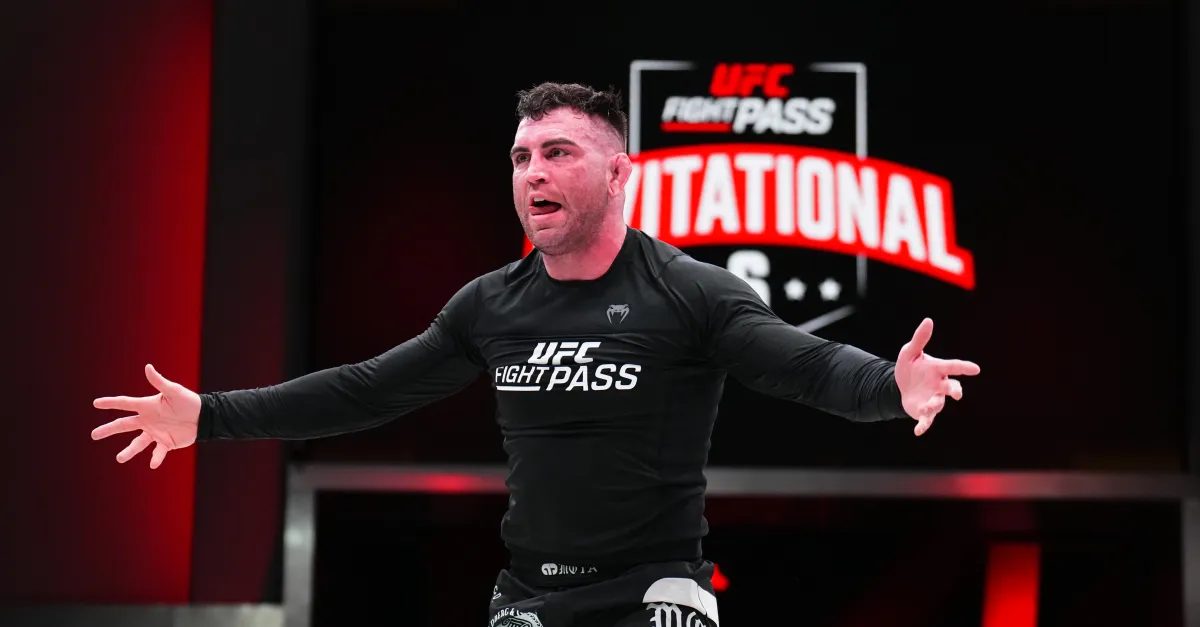
Strip away the gi and the position speeds up — one reason SLX is a staple on the pro no-gi circuit.
Watch: Building a Stronger Single Leg X
Positioning is nearly impossible to learn from text alone, so watch how the angle and the hip foot work in real time. Stephan Kesting’s SLX crash course breaks down the exact leg placement that separates a controlling position from a collapsing one.
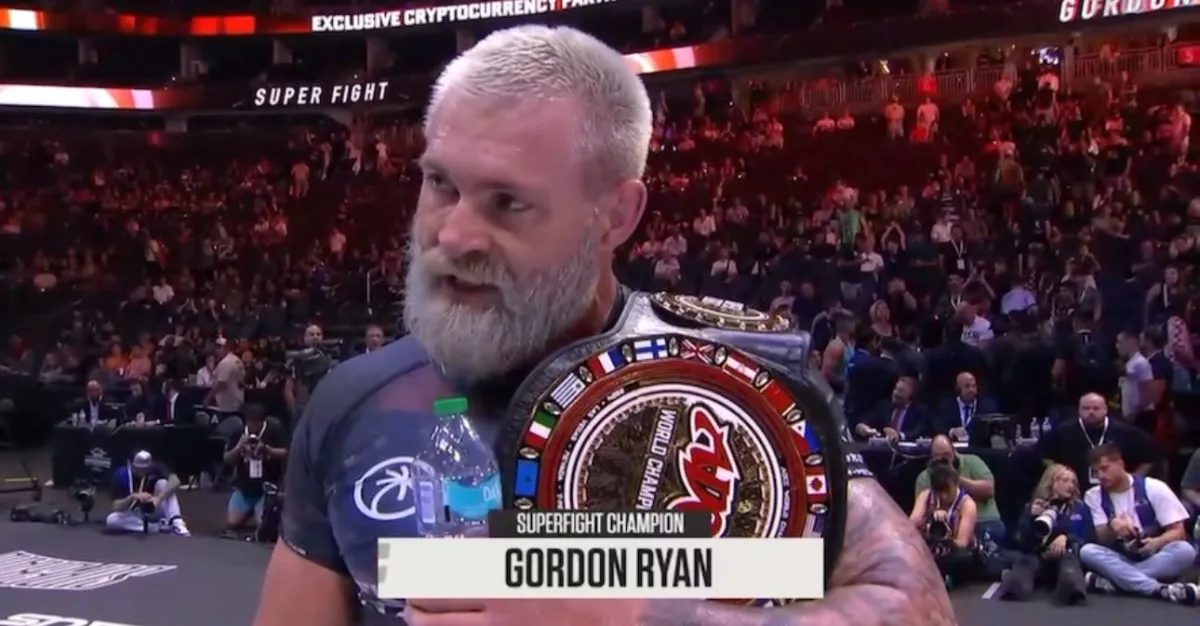
The leg-lock era rewards players who master single leg x — the position that opens the whole system.
Build Your Leg Game From the Ground Up
Master the single leg x guard and you unlock two of the most reliable outcomes in no-gi at once — a sweep that needs no grips and a straight line into the entire leg-lock system. Start with the technical stand-up until it is automatic, add the straight ankle lock so opponents have to respect the finish, and only then layer in the heel hook and kneebar once you have a partner who taps early and rolls with control. Drill the shin-to-shin entry off your scrambles this week, and pair it with the ashi garami system to turn one trapped leg into your most dangerous position on the mat.
Sources
- Grapplearts — The Single Leg X Guard Masterclass — Stephan Kesting’s breakdown of SLX positioning and entries.
- BJJ Fanatics — How To Go To SLX Guard, No-Gi Style — no-gi-specific entries using the arm drag and shin-to-shin.
- Evolve MMA — Must-Know X-Guard Variations — the relationship between single leg x and full x-guard.
- ADCC Official Rules — leg-lock and heel-hook legality by division.
Browse our top-rated rashguards and no-gi gear at the RashguardGuy shop →