Short Sleeve vs Long Sleeve Rashguards: Which One Actually Fits Your Roll
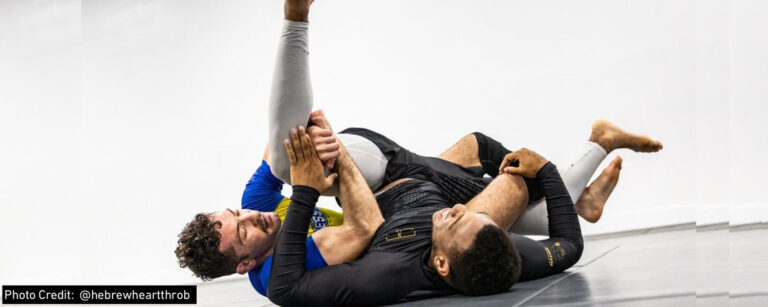
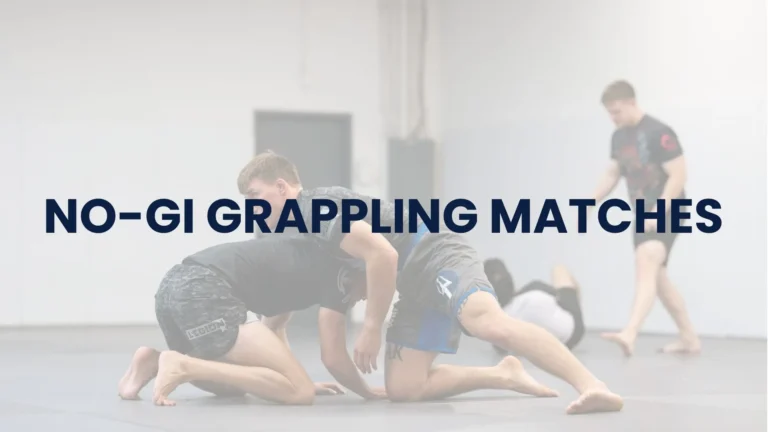
Walk into any no-gi room and you’ll see the sleeve-length split play out in real time: half the mat is in full long sleeves, the other half is in short sleeves or cutoffs, and almost nobody can tell you exactly why they chose what they’re wearing. The honest answer for most grapplers is habit — they bought whatever their first training partner wore. But short sleeve vs long sleeve rashguards is a genuine functional decision, and the right call changes depending on your skin, your climate, the ruleset you compete under, and the way you actually roll. This is a function-first breakdown of what each length does for you and against you, so you can buy on purpose instead of by accident.
What a Rashguard Is Actually For
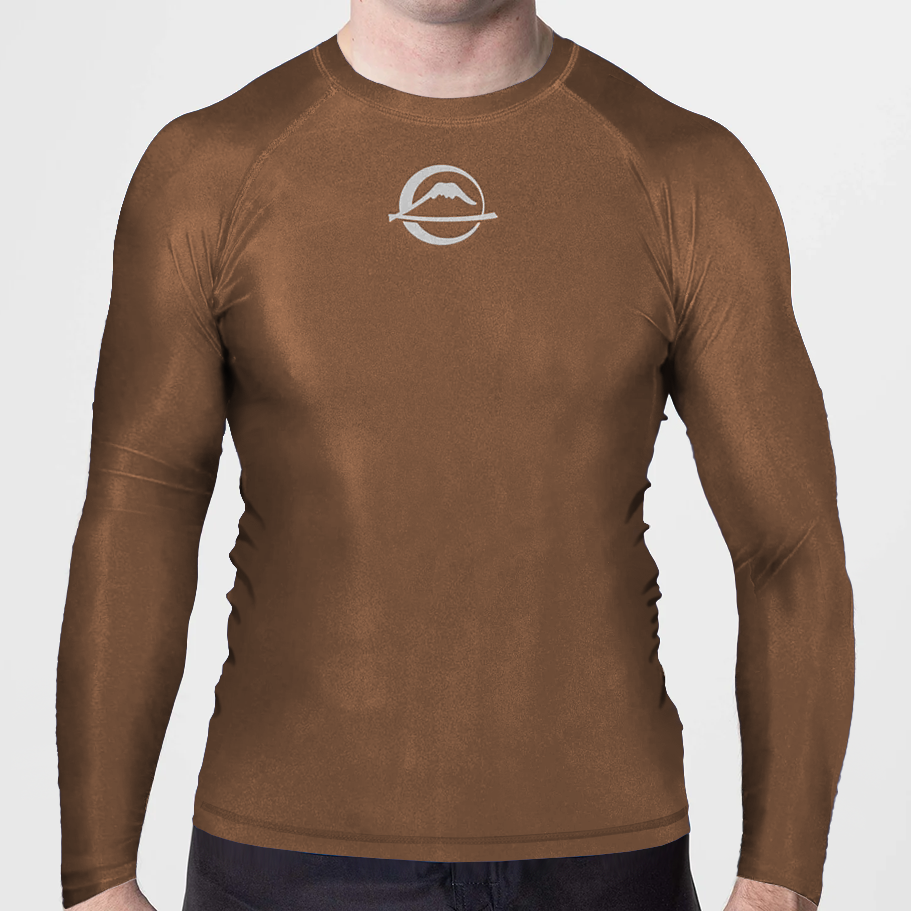
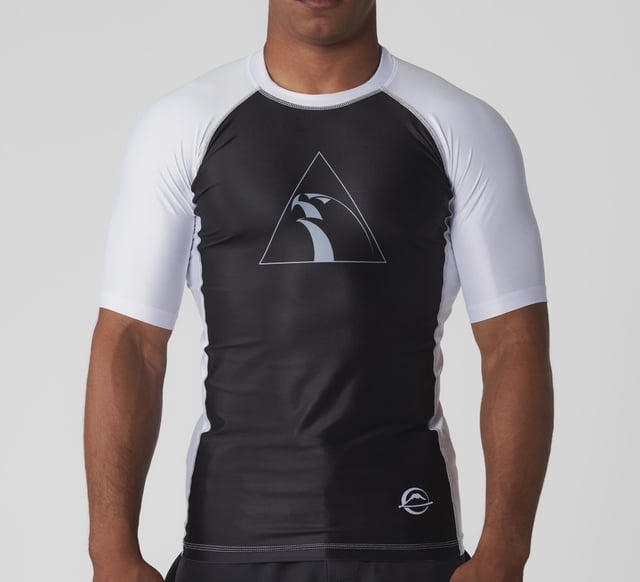
Before you can compare sleeve lengths, it helps to remember what the garment is doing in the first place. A rashguard is a compression layer of polyester and spandex (sometimes with nylon) that sits tight against the skin. It manages three problems at once: it wicks sweat so you’re not rolling in a soaked cotton tee, it puts a barrier between your skin and the mat, and it reduces friction burns from the constant sliding contact of grappling. The name is literal — it guards against rash, specifically the abrasion and the fungal and bacterial nasties that live on shared mats.
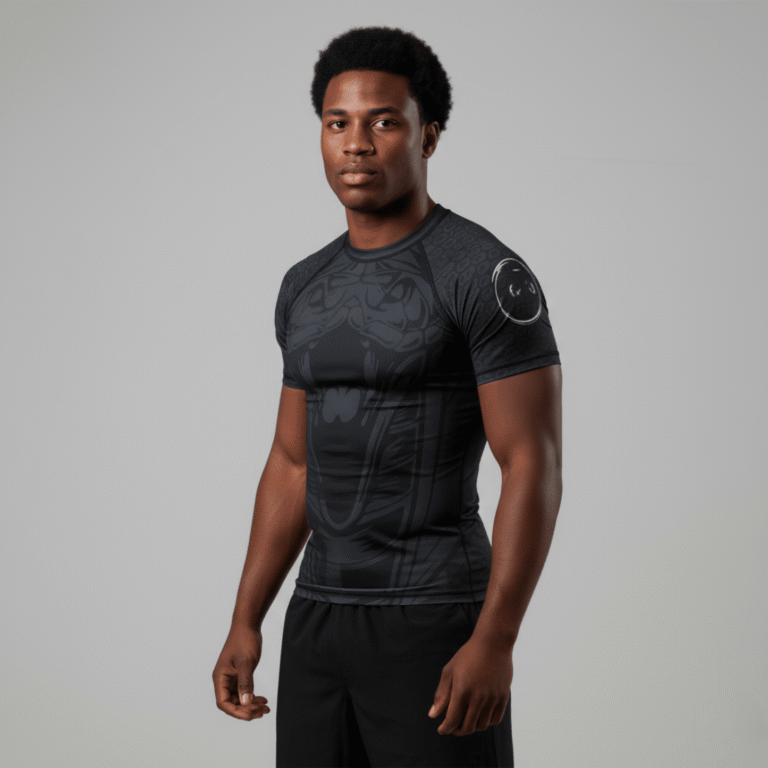
Sleeve length is simply a question of how much skin that barrier covers. Everything else — the fabric, the flatlock seams, the compression fit — stays the same. So the short sleeve vs long sleeve rashguard debate is really a debate about coverage, and coverage cuts in two directions at once: more protection versus more heat. Every argument below is a variation on that single trade-off.
Skin Protection: The Long Sleeve’s Home Turf
This is the clearest win for full sleeves, and it’s not close. Your forearms and elbows are in constant contact with the mat and with your partner during any exchange — think of how often you frame, post, underhook, and drag. Bare forearms pick up mat burn, and more importantly they pick up whatever the mat is carrying. Ringworm (a fungal infection, despite the name), staph, and impetigo are the recurring boogeymen of grappling gyms, and skin-to-mat plus skin-to-skin contact is exactly how they spread. A long sleeve rashguard dramatically reduces the exposed surface area where those infections take hold.
There’s a second protection angle people forget: your partners. If you have a healing scrape, a new tattoo, or the early edge of a skin issue, covering it with a full sleeve is basic mat courtesy. Long sleeves also blunt the small, cumulative damage that piles up over a hard week — the raw elbows from shrimping drills, the forearm burn from repeated guard retention. For grapplers with sensitive skin, eczema, or anyone who’s already fought off one ringworm outbreak and never wants a second, the extra coverage isn’t cosmetic. It’s the whole point of the garment doing its job.
Heat and Climate: Where Short Sleeves Earn Their Keep
The flip side is thermal. Grappling is one of the highest-output activities you can do indoors, and a lot of gyms are not air-conditioned to a comfortable rolling temperature — they’re air-conditioned to a comfortable standing around temperature, which is a different thing entirely. In a hot, humid room, a long sleeve rashguard traps heat along the arms and slows evaporative cooling. Short sleeves leave the forearms open to whatever airflow exists, and that can be the difference between staying in the round and gassing out with two minutes left.
Climate is the single biggest tiebreaker here. If you train somewhere genuinely tropical — think Southeast Asia, Florida in August, or any un-airconditioned garage gym in summer — short sleeves are a legitimate performance choice, not a compromise. If you train somewhere cold, or in a gym that keeps the AC aggressive, long sleeves double as a warm-up layer that keeps your muscles from going cold between rounds. Season matters too: plenty of grapplers own both and simply rotate — long in winter, short in the dead of summer. Sleeve length is one of the few gear decisions where owning two answers is completely reasonable.
Grip, Control, and the Slippery-Sweat Problem
Here’s a subtler factor that experienced grapplers feel but rarely name. In no-gi, so much of control comes from clamping onto your opponent’s limbs — wrist control, two-on-one, collar ties, arm drags. Sweaty bare skin is slippery, and a sweaty bare forearm can slide right out of a grip that should have held. A rashguard sleeve gives the fabric a slightly more consistent surface to grip against than raw, sweat-slick skin.
This cuts both ways depending on whether you’re the one gripping or the one escaping. Long sleeves can make your own arms marginally easier for a partner to hold, but they also give you the same advantage when you’re the one attacking. The effect is small and no one should buy a rashguard purely for grip, but if you’ve ever lost an underhook to a slick, sweaty scramble and wondered whether more fabric would’ve held, you’re not imagining it. In grip-heavy exchanges the fabric matters, and full sleeves simply put more of that fabric into play.
Competition Rules: Read the Fine Print Before You Buy
If you compete, the ruleset can make this decision for you, and getting it wrong at weigh-ins is a genuinely bad day. The most important thing to understand is that no-gi competition rules are not universal — they vary by promotion, so you have to check the specific event you’ve entered rather than assume.
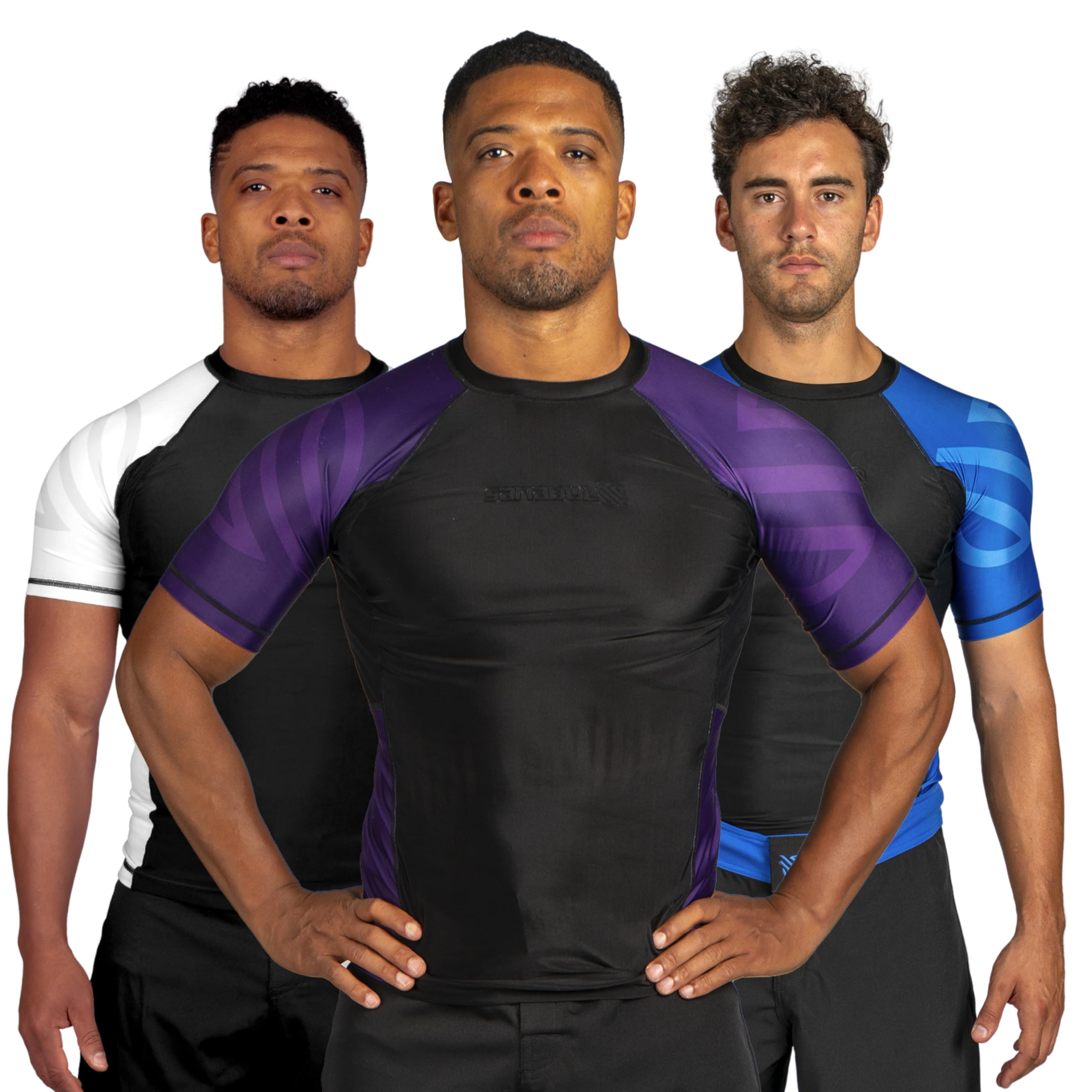
The IBJJF, the largest gi and no-gi federation, has historically been the strict one: its no-gi rules have required rashguards that reach at least mid-thigh in length or that are tucked, and specified colors (ranked black, or in the competitor’s academy colors), with sleeve requirements that have shifted over the years. Submission-only and pro-rules promotions like ADCC and many local shows are far more relaxed and often let you compete in short sleeves or even a plain fitted shirt. The takeaway isn’t a specific rule to memorize — rules change season to season — it’s a habit: pull up the current rulebook for your exact event and read the apparel section before you spend money. A long sleeve rashguard is the safe default that’s accepted almost everywhere; short sleeves are the one more likely to run into a restriction.
The rashguard that’s legal at your buddy’s local submission-only show may get you sent back to the bench at a federation event. Check the rulebook, not the vibe.
Durability, Fit, and the Little Practical Stuff
A few practical notes that tip the scales at the margins. Long sleeves have more fabric to snag, stretch, and wear out at the cuffs; over a couple of hard years, cuffs are usually the first thing to blow out on a full-sleeve rashguard. Short sleeves have less to fail and are faster to dry, which matters if you’re training multiple sessions a day and washing on a tight turnaround. On the other hand, long sleeve cuffs that ride up mid-roll are a specific, maddening annoyance — this is where fit and quality matter more than length. A well-cut long sleeve with a proper cuff stays put; a cheap one becomes a bunched-up mess at the elbow.
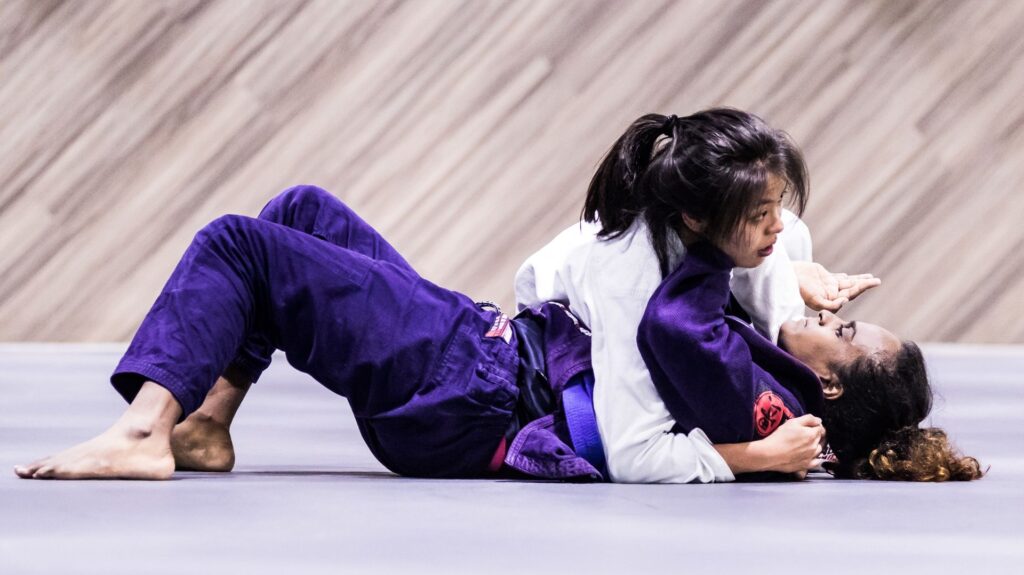
Fit is the constant across both. Whatever sleeve length you choose, the rashguard has to be genuinely compressive — snug enough that it doesn’t gather, bunch, or offer your opponent a handful of loose material to grab. A baggy rashguard defeats its own purpose regardless of how long the sleeves are. If you’re deciding between a well-fitting short sleeve and a loose long sleeve, take the short sleeve every time. Coverage only helps when the fabric is actually against your skin.
So Which Should You Buy?
If you want a single default that works in the widest range of situations, buy the long sleeve. It gives you the most skin protection, the most competition compatibility, and doubles as a warm-up layer — and the only real cost is heat, which you can partly manage with a lighter fabric weight. This is why long sleeves are the most common sight at serious no-gi rooms: they’re the lowest-regret choice.
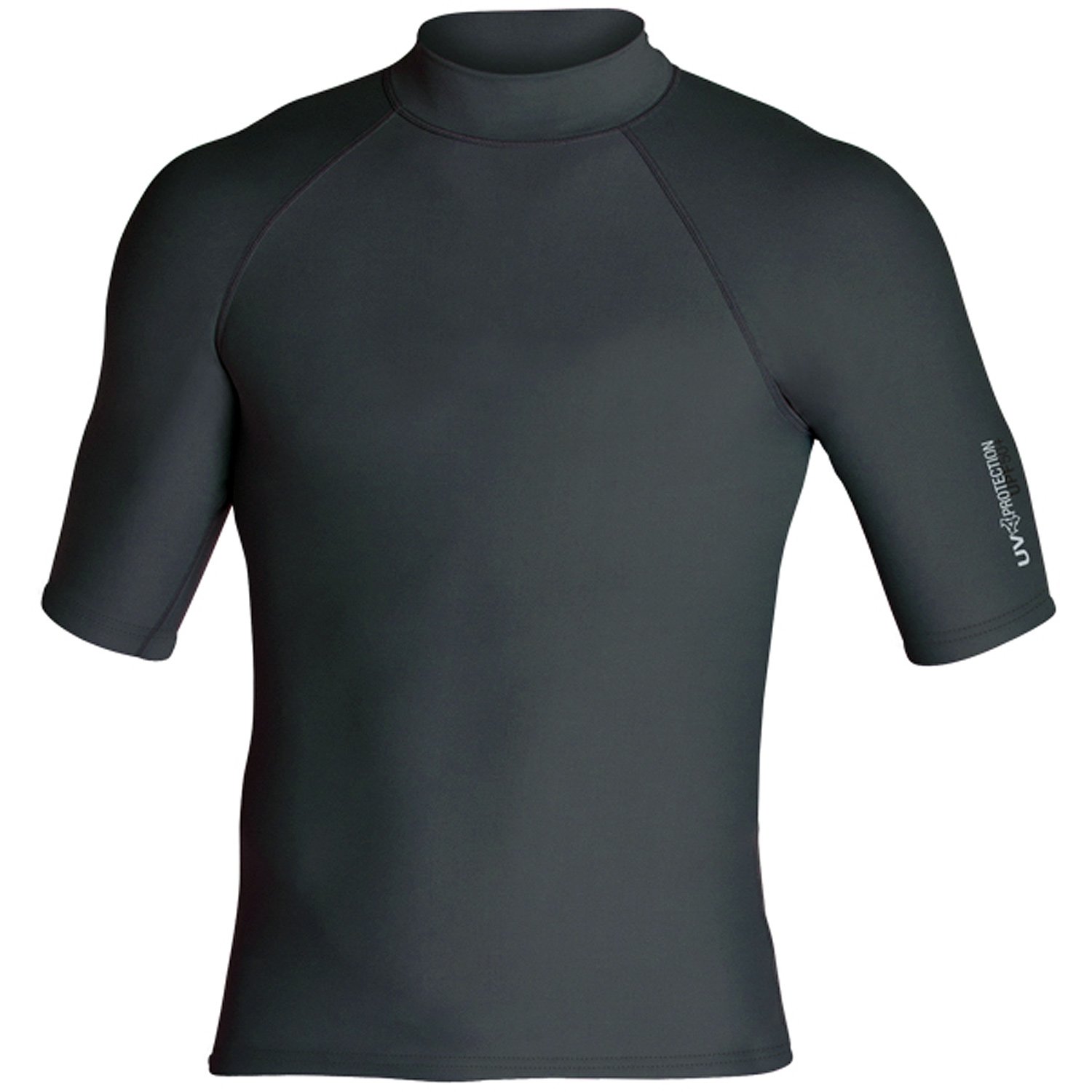
Reach for short sleeves when heat is your limiting factor — a tropical climate, a summer with no AC, or the simple fact that you personally run hot and gas early in long sleeves. Short sleeves are also perfectly at home at relaxed submission-only competitions and for pure conditioning sessions where mat time, not fabric coverage, is the goal. And there’s no rule that says you must choose. Most grapplers who train year-round eventually own one of each and let the thermostat and the season decide on any given night.
The mistake isn’t picking short over long or long over short — it’s picking without knowing why. Match the sleeve to your skin’s tolerance, your gym’s temperature, and the rulebook of wherever you compete, and either length will do exactly what a rashguard is supposed to do: keep you covered, keep you cool enough, and keep whatever’s living on the mat off your body.
Shopping Notes
When you’re ready to buy, prioritize fit and fabric quality over the sleeve-length badge. Look for flatlock seams that won’t chafe, a compression cut that stays put, and a sweat-wicking poly-spandex blend. If you compete under a specific federation, confirm the color and coverage rules for that event first. Browse current options here: long sleeve no-gi rashguards and short sleeve BJJ rashguards.
Sources
- IBJJF — official gi and no-gi rulebooks and apparel requirements
- Wikipedia — Rash guard (materials, purpose, and history)
- CDC — skin infection prevention guidance for contact sports
- American Academy of Dermatology — mat-related skin infections
Browse our top-rated rashguards and no-gi gear at the RashguardGuy shop →