Best No-Gi Shorts for BJJ: What Competition Athletes Actually Choose
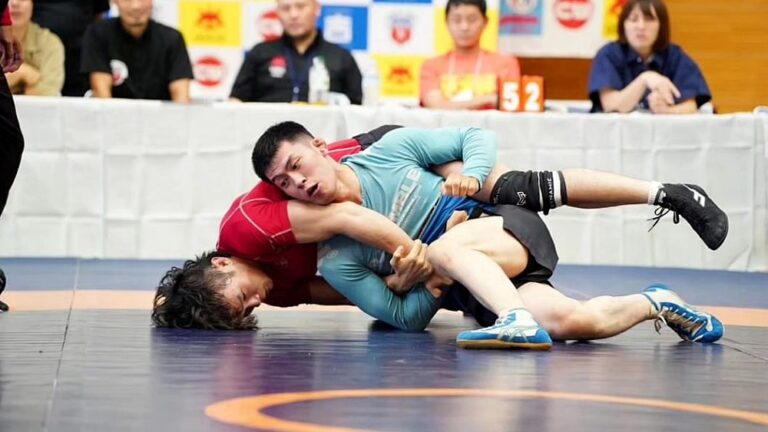
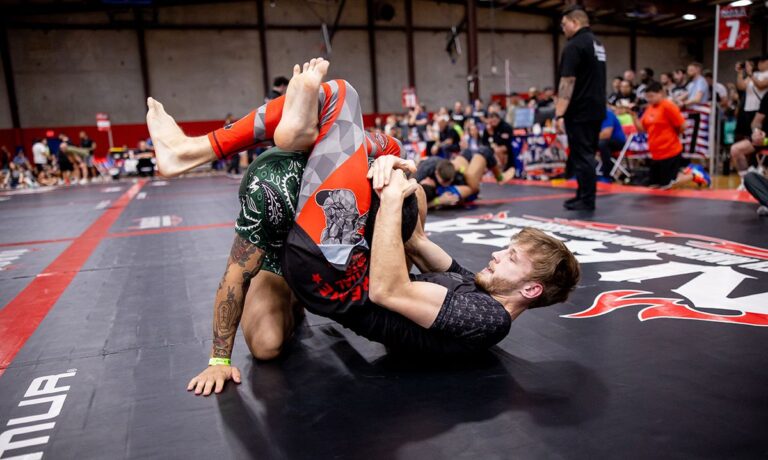
Walk the warmup area at any ADCC qualifier or major no-gi event and a pattern becomes clear within the first few minutes: there is a convergence in what the best grapplers are wearing. Not because one brand sponsors everyone—they do not—but because the demands of high-level submission grappling have driven athletes toward a specific set of design requirements. Understanding why the best no-gi shorts for BJJ look and function the way they do is the fastest path to finding your own answer, rather than guessing from a product photo.
Most shorts buying advice focuses on price, aesthetics, or brand name. None of those factors tell you how a pair of shorts actually behaves during a scramble, a deep half guard entry, or an outside heel hook position. This breakdown examines what competition athletes actually select and why those choices carry over to everyday training—even if you never compete.
Why Competition Context Rewrites the Question
Recreational grapplers typically evaluate shorts while standing—checking how the waistband sits, pulling at the inseam, maybe doing a shallow squat in front of a mirror. Competition athletes evaluate shorts differently. They analyze post-match footage. They notice when a waistband rolled during a single-leg scramble or when fabric bunched above the knee during a kneebar defense. That forensic relationship with gear—born from the real stakes of competition—has produced a consistent set of preferences at the top level that casual shoppers rarely see articulated.
The key insight is not that competition grapplers have found some mythical perfect short. It is that they have systematically eliminated everything that causes problems. The design language of elite-level no-gi shorts is largely defined by what has been removed: excess fabric, external pockets, heavy hardware, thick seams in high-friction zones. What remains is a lightweight, mobile garment that stays in place under stress. That is the actual standard, and it is a useful filter for evaluating any option you are considering.
Fight Shorts vs Hybrid Shorts — The Format Decision
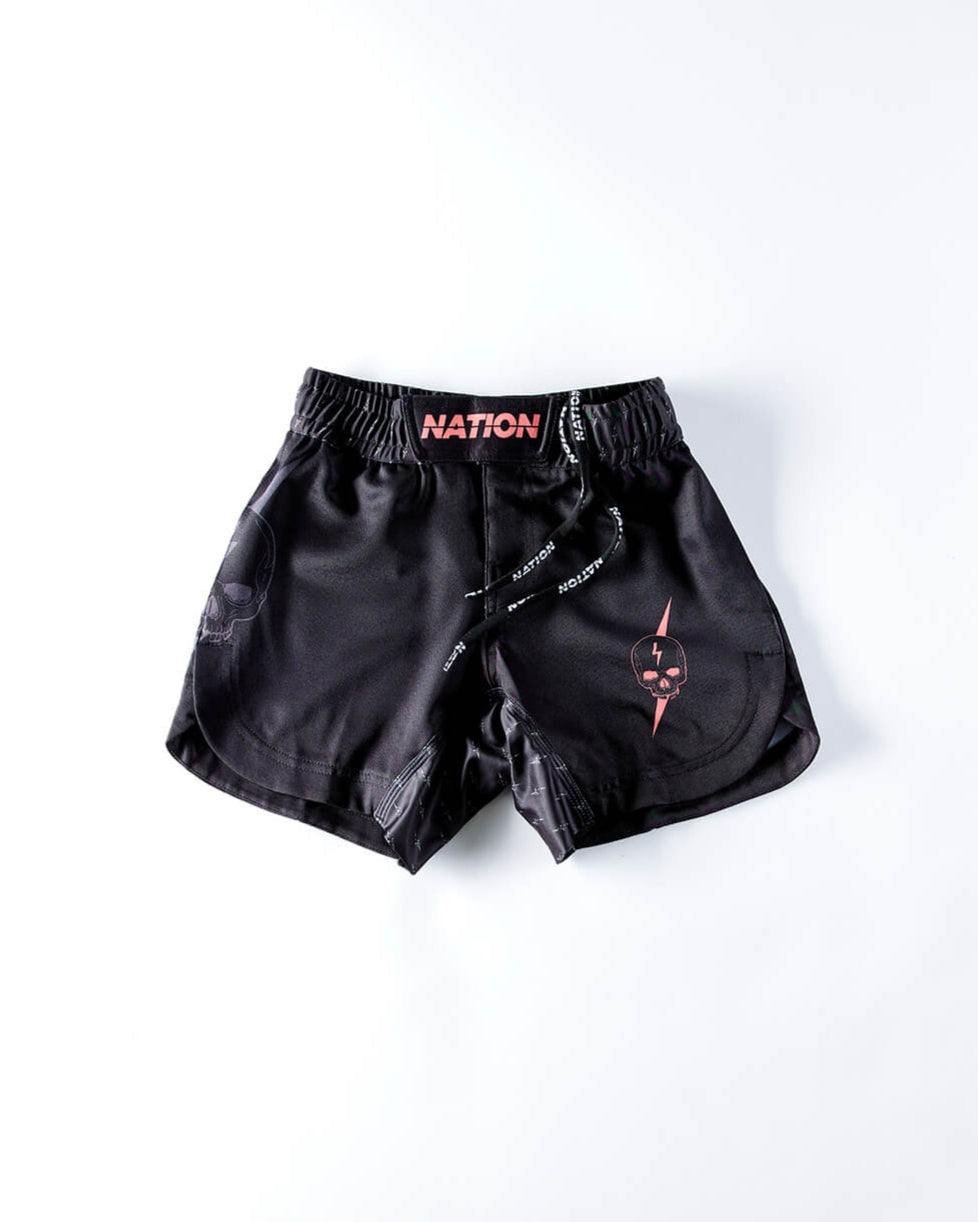
No-gi BJJ shorts exist in two main formats. The first is the fight short: a standalone outer garment, typically made from lightweight polyester or nylon, worn over compression shorts or spats. This is the standard configuration at ADCC and most major sanctioned events. The outer short handles compliance and length requirements while the inner layer handles muscle support, chafe prevention, and friction control in position. The layering is intentional—each garment does one job and does it well.
The second format is the hybrid or all-in-one: a compression-integrated short that combines both layers into a single garment. These have grown in popularity for gym training—they are simpler, require one less item to buy and launder, and many grapplers find them more comfortable for casual drilling. But they are uncommon at the highest competition levels because sanctioned rulesets typically require a visible outer garment of a specified length. Knowing whether you are buying for competition compliance or training comfort is the first real decision to make before evaluating anything else.
Fabric Construction — The Spec Nobody Discusses
Fabric weight and stretch direction are the most consequential specs in no-gi shorts, and they are almost never discussed in mainstream buying guides. Most competition-grade shorts use ripstop nylon or technical polyester in the 100–150 GSM range. Lighter fabric dries faster, reduces drag on transitions, and moves with less resistance during dynamic movement. But stretch direction matters more than raw weight: 4-way stretch fabric allows simultaneous lateral and longitudinal extension, which is essential for guard work, takedown shots, and leg entanglement positions.
2-way stretch shorts—common in older designs and budget price points—perform adequately until you need full hip extension. The moment you are opening your guard for a triangle or driving a single leg at full speed, the restriction becomes immediate and obvious. Most grappling-specific brands have moved to 4-way construction, but not uniformly across all their product lines. Shorts with a board-short aesthetic—multiple heavy panels, traditional side pockets, decorative stitching—are most likely to sacrifice mobility at the extremes. Checking the stretch spec before buying, even if it requires emailing the brand, is worth the extra step.
Length, Waistband, and Pocket Construction
Inseam length in no-gi shorts is where personal preference intersects with competition requirements. Most sanctioned events require shorts to reach mid-thigh—roughly a 10 to 12 inch inseam depending on body proportions. Shorts cut shorter can expose the inner thigh during guard work and create problems in leg entanglement positions where skin-to-fabric contact affects friction and control. Shorts cut too long lose the mobility benefit of side slit construction and can restrict knee flexion at the end range of certain submissions.
Waistband design has evolved significantly in grappling-specific shorts over the past decade. The flat elastic waistband with an internal drawstring has become the competition standard because it solves several problems simultaneously: no hard velcro closure pressing into the hip during bottom-position work, no external hardware that can abrade a training partner, and consistent positioning without rolling during scrambles. Deep external pockets—cargo-style or otherwise—are a near-universal problem in MMA crossover shorts because they can trap fingers during clinch work and are often explicitly prohibited by sanctioned no-gi rulesets.
Competition Rules That Define Your Compliance Window
If you compete or plan to, shorts compliance is not advisory—it is mandatory. ADCC requires shorts of appropriate length and prohibits external features that could snag or abrade an opponent. IBJJF no-gi divisions require solid or predominantly colored shorts without external protruding pockets. Most promotions running under EBI rules or Combat Sub format follow similar standards, with primary concerns being length, absence of cargo-style pockets, and no hard closures at the waistband. Confirming compliance with the specific ruleset before your first weigh-in avoids competing in borrowed gear or forfeiting an otherwise valid entry.
The most common compliance mistake among recreational competitors is purchasing MMA shorts for BJJ competition. MMA shorts are designed around cage movement—they typically include velcro closures, external pockets, and shorter inseams optimized for strikes, not guard work or leg lock transitions. Several of those design choices violate no-gi grappling rules or create friction points that do not exist in striking arts. Buying from a brand that designs specifically for submission grappling, rather than repurposing MMA gear, is the simplest way to stay compliant across most major rulesets without doing rulebook research for every event you enter.
Where the Top Brands Actually Land
Among grapplers competing at high levels, a consistent group of brands appears in pre-match warmup areas and post-match footage. Scramble has built its identity on technical BJJ gear; the Atlas and Aggressor short lines prioritize mat-specific movement with minimal external design complexity. Gold BJJ occupies the premium end of the market with tighter tolerances and fabrics that hold up through extended heavy use. Hyperfly is a regular presence at ADCC events, particularly among lighter-weight competitors who favor a close-cut, minimal fit. All three approach design from a grappling-first perspective rather than adapting from MMA or streetwear.
Hayabusa’s Hexagon and Warrior lines offer excellent fabric quality in the mid-range, while Tatami’s Hiro and Absolute shorts are particularly prevalent on the European circuit. Venum’s grappling-specific lines provide solid entry-level construction for athletes not yet ready to commit to premium pricing. What is consistent across all the brands that show up at the highest levels: lightweight fabric, 4-way stretch construction, minimal hardware, appropriate inseam length, and flat or internal waistband systems. Brands that skip any of those elements tend to disappear from serious competition environments regardless of marketing budget.
Body Type, Build, and Game Style
The best no-gi shorts are always partly individual. Body proportions affect how length and waistband positioning behave in motion—a long-legged grappler and a shorter, stockier athlete with the same inseam measurement experience a pair of shorts differently. Guard players who spend significant time on their back need maximum hip mobility, which favors lighter fabrics, higher side slits, and minimal inner-thigh seam bulk. Wrestlers and leg-lock specialists both benefit from shorts that stay anchored at the waistband through explosive hip movement, which means evaluating fit under actual movement rather than standing position alone.
Leg entanglement specialists—a growing category as heel hooks have become standard in no-gi competition—benefit specifically from shorts with flat-locked inner thigh seams. Raised or thick seams in that area create pressure points during saddle and outside heel hook positions that distract from positional control. Most premium grappling shorts now address this explicitly in their construction notes, but it is worth confirming for any short that uses traditional seam construction at the inner thigh. If you drill leg locks regularly, testing a pair through a full training session before committing is worth the effort.
Making the Right Call
The best no-gi shorts for BJJ are the ones that stop existing during training. When shorts are working, you stop thinking about them. They do not ride up during guard work. They do not restrict your shot. They do not roll at the waistband during scrambles or bunch above the knee during leg lock entries. Finding that baseline—different for every body type, game style, and training context—requires a few deliberate purchases with clear evaluation criteria, not an endless scroll through product pages.
For competitors, the priority order is: compliance with your target ruleset first, then fabric performance and stretch direction, then fit and length, then brand and aesthetics last. For gym-focused practitioners, the hierarchy shifts—compliance disappears, and comfort and durability move to the front. Either way, the brands and design principles that show up at ADCC and major no-gi events are reliable starting points because they have been filtered by actual performance under competitive pressure. That is a stronger signal than any product description or influencer recommendation.
Sources
ADCC — Official Rules and Competition Information
International Brazilian Jiu-Jitsu Federation — No-Gi Division Rules
FloGrappling — No-Gi Grappling Event Coverage
Shop no-gi BJJ shorts on Amazon
Image credit: nationathletic.com