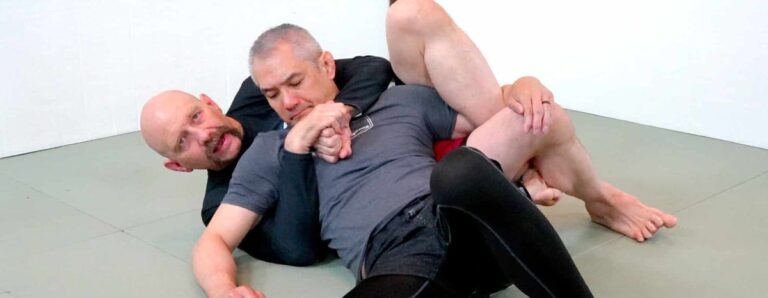
Heel Hook BJJ: 7 No-Gi Setups That Force the Tap
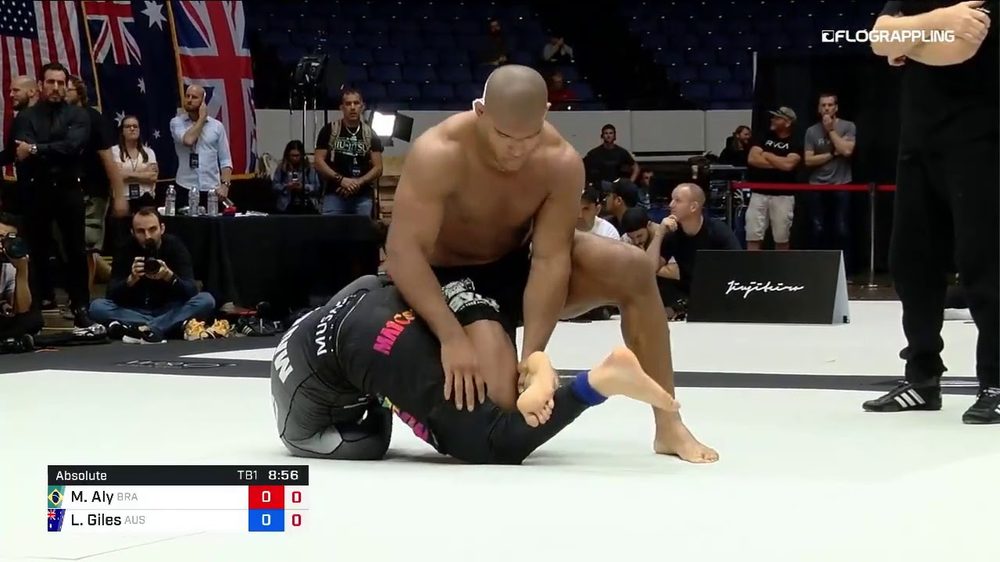
The heel hook BJJ era arrived the day Lachlan Giles tapped three larger black belts in succession at ADCC 2019, all with the same submission. A 5’5″ Australian at 170 pounds finished Mahamed Aly, Patrick Gaudio, and Kaynan Duarte using the inside heel hook from 50/50 and the saddle position. That weekend ended the debate about whether leg locks belonged in modern no-gi grappling. They do, and seven years later, every serious no-gi gym drills the heel hook at white belt. This guide breaks down the seven highest-percentage setups that actually finish in competition, drawn from the positions that have produced the most no-gi taps since the Danaher Death Squad standardized the modern leg lock game.
Why the Heel Hook BJJ Era Took Over No-Gi
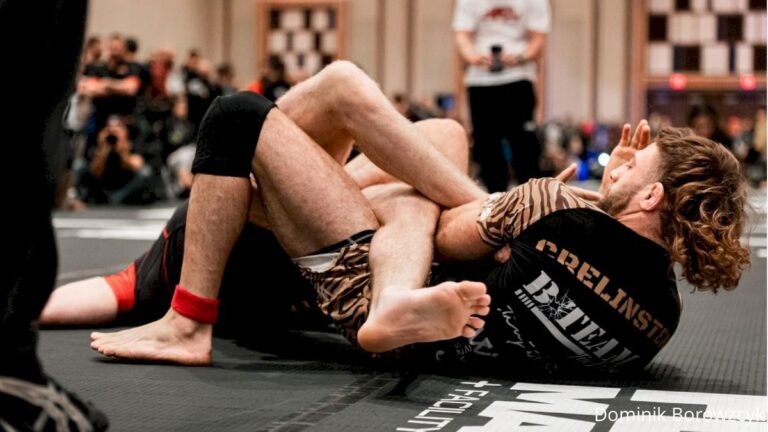
The inside heel hook attacks the knee, not the ankle, and that is the whole story. Twist the heel and the rotation transfers up the leg into the tibia, which rotates the knee against the medial collateral and anterior cruciate ligaments. There is no bone-on-bone stop, so the joint surrenders before pain registers. That is why the warning that “you won’t feel a heel hook coming until your knee is gone” is repeated in every IBJJF-affiliated black belt seminar after 2019.
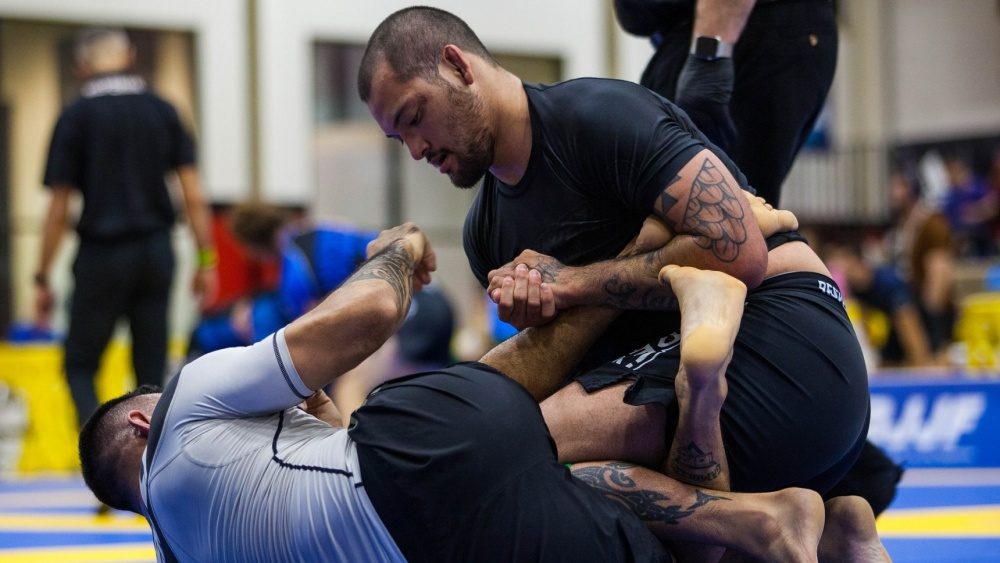
Why no-gi specifically? The gi gave defenders extra grips to base out, hand-fight, and slow leg entanglements down. Strip the lapel and pant cuff and the entries become significantly faster. Add the IBJJF rule change permitting heel hooks for brown and black belts in no-gi as of 2021, plus ADCC’s longstanding ruleset that allows them at every level, and you get a generation of grapplers who train heel hooks the way the previous generation trained the rear naked choke.
Setup 1 — The Inside Heel Hook From the Saddle (4-11)
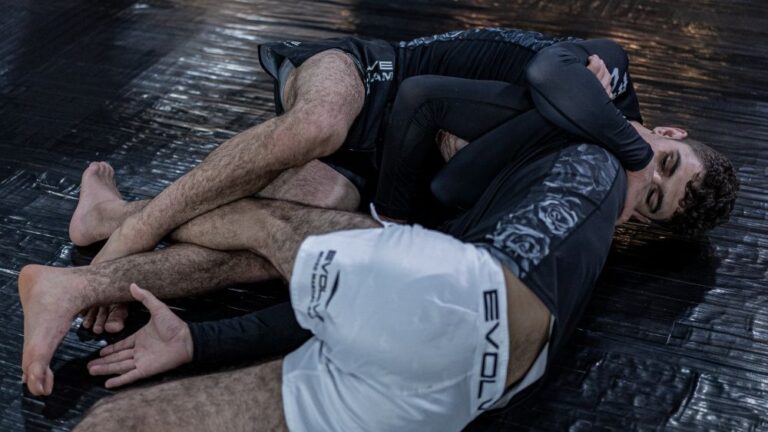
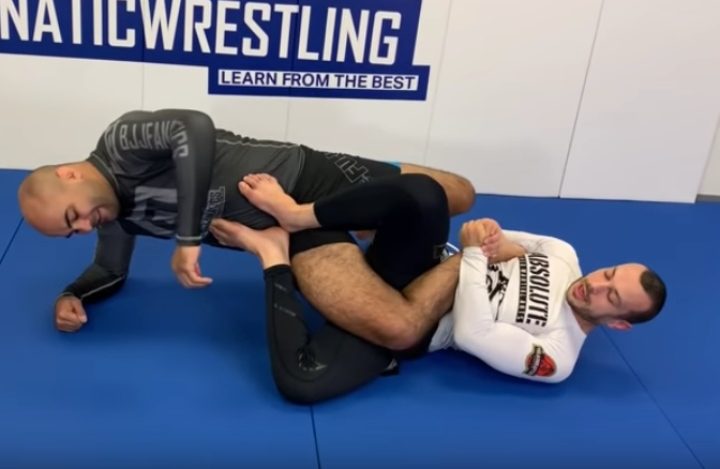
The saddle, also called the 4-11, honey hole, inside sankaku, or cross ashi garami, is the most dangerous heel hook position in the sport. Your legs cross over your opponent’s trapped leg in a number 4 shape, your hips face their hips, and their heel sits cocked beside your far hip. From here, the breaking angle is almost automatic once you secure the heel with a Gable grip or wristlock control.
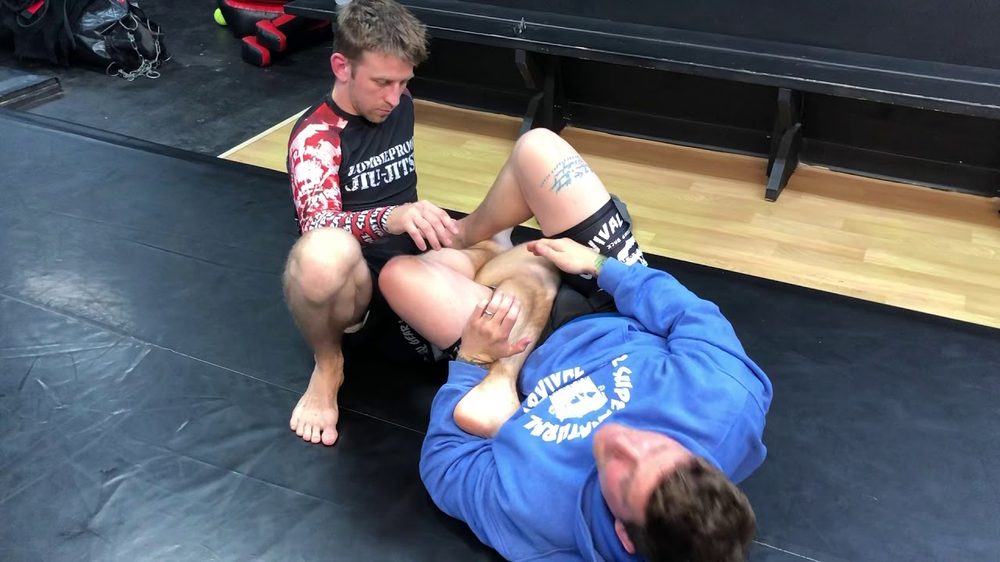
The mistake most lower belts make is rushing the finish before locking the knee line. If the opponent’s knee can drift outside your hip, the rotation drains and they pull the foot free. Pinch your top knee tight against your bottom knee, kill the hip with your inside leg crossing their thigh, then lift your heel toward your own ear. The submission breaks the knee, not the ankle, and it breaks fast — most ADCC heel hook finishes from the saddle land inside two seconds of the grip being secured.
Setup 2 — The Outside Heel Hook From Outside Ashi Garami
Outside ashi (sometimes called single leg X with the foot dropped) gives you the outside heel hook — same rotation, opposite hand. The position is lower commitment than the saddle, which makes it ideal as an entry rather than a finishing platform. You can sweep, transition to back take, or threaten the kneebar from here when the heel runs dry.
Outside heel hooks finish less often than inside heel hooks because the rotation transfers into the knee at a less efficient angle, but they remain a critical tool for two reasons. First, opponents who defend the inside heel hook by inverting and exposing their outside heel walk straight into this attack. Second, the outside heel hook is your insurance policy when your opponent escapes the 50/50 by belly-down rolling — you catch them on the way out. Stack outside heel hook hunts with your straight ankle lock entries and the two attacks reinforce each other inside the same leg entanglement.
Setup 3 — The Inside Heel Hook From 50/50 (Lachlan’s ADCC Recipe)
This is the position that won bronze in the ADCC 2019 absolute division. From 50/50, where both grapplers have one leg trapped between the other’s legs, you backstep over your opponent’s trapped knee, drag your trapped leg free, and land in the saddle facing their hip. The transition takes one second and ends in the same finishing position covered above.
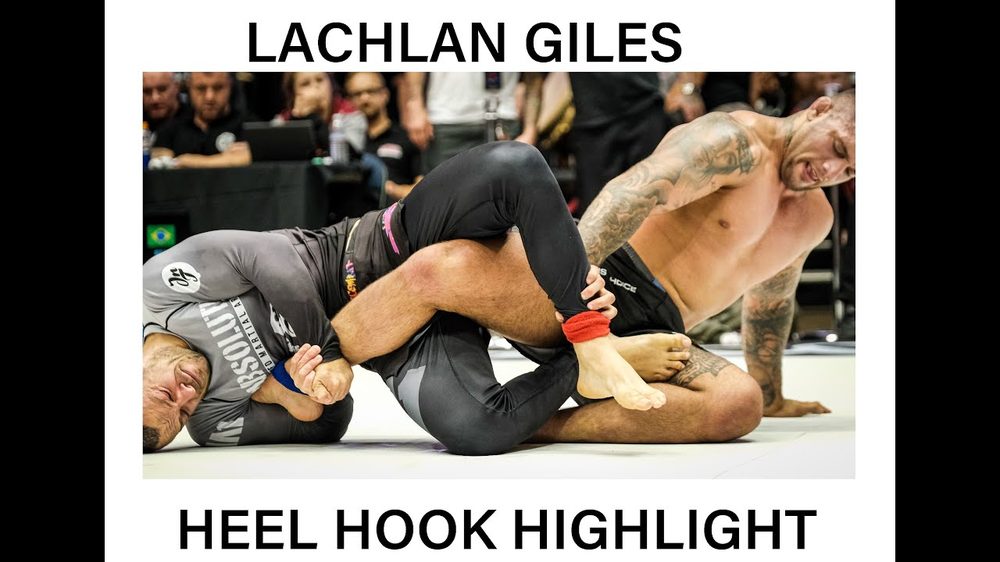
Two details separate the people who finish from this entry from the people who get stalled. First, distal control on the heel — your grip is on the heel itself, never on the instep or the ball of the foot, because the further down the foot the rotation lever sits, the more torque you generate per inch of movement. Second, immediately kill the knee line with your near leg. Giles teaches this as “knee shoulder,” meaning your knee should touch the opponent’s near shoulder so they cannot square back up to defend.
Setup 4 — Single Leg X to Inside Heel Hook
The cleanest entry to ashi garami in modern no-gi runs through single leg X. You hook the far hip with your top foot, plant your bottom foot on the inside of their hip, control their trapped ankle, and elevate. If they post their free leg out wide to base, you drop your top foot off their hip and slide it across their thigh — you are now in inside ashi garami, one step from the saddle.
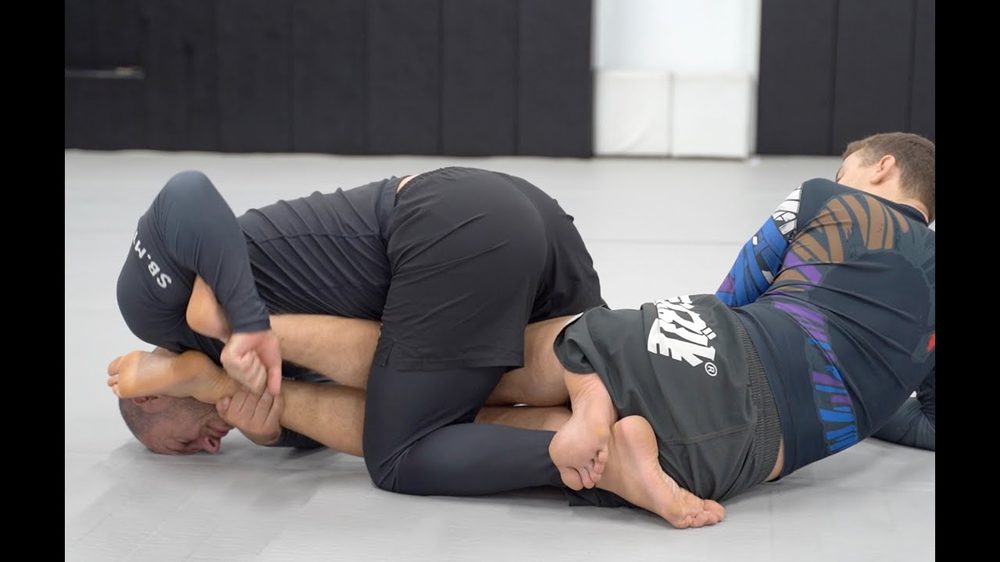
The reason this entry produces so many heel hooks is that the opponent’s natural reaction to single leg X — driving their hips forward to pass — feeds the saddle. They want to stack and pass; you want them to load weight forward so you can swing your leg across. Practice the single leg X sweep cycle separately so the entry to leg attacks is reflexive, not deliberate. The grapplers who hit this clean in competition are not thinking about it. They are reading the opponent’s weight distribution and the legs move on their own.
Setup 5 — Reverse De La Riva Entry to the Saddle
Reverse de la Riva is a guard most pass-heavy players ignore, which is exactly why it ambushes them. You hook the outside of their lead leg with your bottom shin, your bottom hand controls their ankle, and your top leg threatens the knee. From here, you can backstep into the saddle on either side, depending on which way they stagger their hips to defend.
The Berimbolo era taught half a generation of grapplers to spin under RDLR for the back take. The leg lock era teaches you to keep your hips low instead and drop straight into ashi garami. The opponent expects spinning. They do not expect a quiet entry that ends with their heel in your armpit. This setup is particularly nasty against tall passers — the longer their legs, the more saddle real estate they hand you when they post out to defend.
Setup 6 — Truck Position to Heel Hook
The truck, popularized by Eddie Bravo’s 10th Planet system, controls the opponent’s far hip and near leg from a back-attack position. The natural finish is the twister, but when your opponent defends by straightening their trapped leg, you release the far hip control and dump both your legs onto their exposed leg. You land in inside ashi, the heel is right there, and they have already committed to extending the leg to escape the twister.
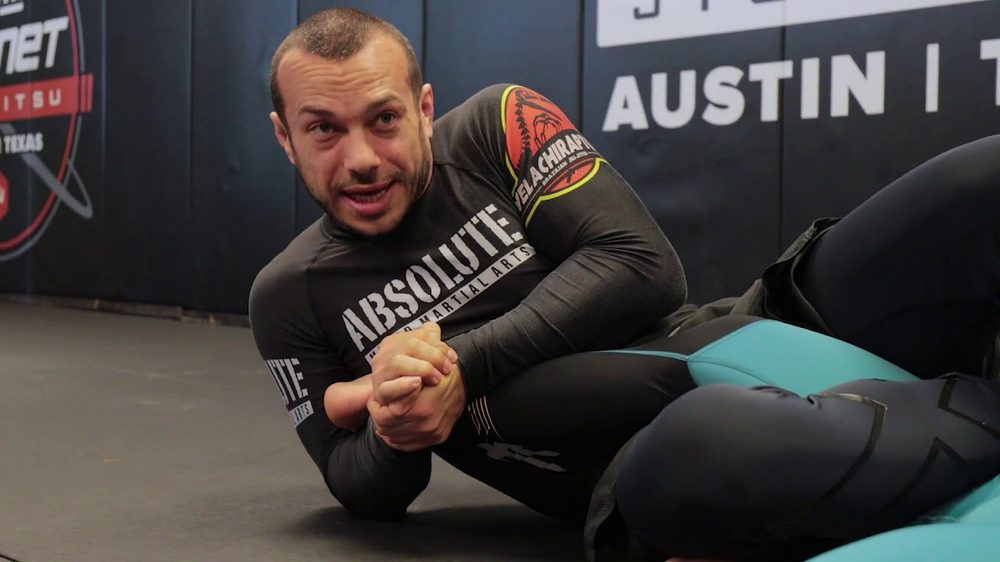
This transition is one of the most underrated heel hook setups because it punishes the most common twister defense. The opponent thinks they are winning a positional battle, then they tap to a submission they never saw coming. The 10th Planet Austin school under Lachlan Giles built much of their black belt curriculum around this exact transition between attacking systems.
Setup 7 — Back-Step to Top Saddle
The top saddle, sometimes called the cross ashi from top, gives you the heel hook while staying on top — a rare and dominant position. The entry: starting from half guard top or a knee slide pass attempt, your inside leg threads between your opponent’s legs, you backstep until your hips face their hips, and you wrap their leg with both of yours from the top. The opponent ends up on their side with their leg between yours, and you are above them, dictating the angle of the finish.
Top saddle is harder to enter than bottom saddle, but once locked it is almost impossible to escape. Bottom saddle finishes faster because the breaking angle is shorter. Top saddle finishes more often because the opponent runs out of options first. Most modern leg lockers train both and pick based on the scramble — whichever side hits first becomes the finish.
Watch Lachlan Giles Break Down the ADCC 2019 Heel Hook
Lachlan Giles personally walked through the saddle and 50/50 details that submitted three heavyweights in the absolute division. If you want to see the breaking mechanics applied against world champions, this is the breakdown that built the modern blueprint.
The Heel Hook Defense Most People Get Wrong
The reflex defense — pulling the heel away from the attacker — is the worst possible answer. Pulling the heel rotates your knee directly into the submission. The real defense, taught by John Danaher and the modern leg lock instructors, is to point your knee at the ceiling and step the free leg over the attacker’s body. Pointing your knee at the ceiling kills the rotation. Stepping over kills the attacker’s hip control. Without rotation and without control, the heel hook has nothing to twist against.
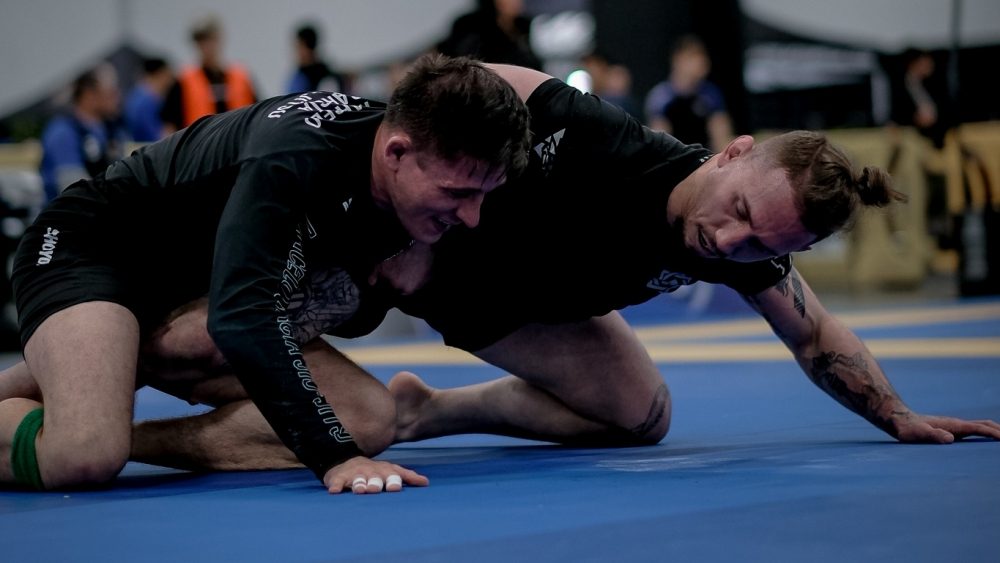
The other defense detail almost everyone misses: tap early. There is no honor in surviving a heel hook in training. The rotation transfers from foot to knee invisibly, and the moment of “ouch” and the moment of torn ACL are the same moment. The same logic applies to the knee bar — leg attacks reward early caution, not toughness.
Are Heel Hooks Legal in BJJ Competition?
In no-gi, yes — at most events for most belt levels. The IBJJF allows inside and outside heel hooks for brown and black belts in no-gi as of 2021. ADCC has allowed them at all belt levels since the event’s inception in 1998. EBI, Polaris, ONE Submission Grappling, and most regional no-gi promotions follow the ADCC ruleset. In gi competition, the IBJJF still prohibits heel hooks at every belt level, which is the structural reason gi-only players historically lagged behind no-gi specialists on leg attacks.
The legality question matters at white and blue belt. If your gym does not drill heel hook defense before brown belt, you will compete at a serious disadvantage the first time you cross over into a no-gi tournament where the rules permit them. The smartest gyms in 2026 introduce ashi garami and the saddle position at blue belt, with hard taps on any heel hook attempt during sparring — knowledge without finish, until the rules say otherwise.
The heel hook is the single highest-percentage no-gi submission of the modern era, and the seven setups above are the seven that produce the most match-ending finishes in competition. Drill the saddle entries first, drill the defense second, and learn the rule sets for the events you actually compete in. The grapplers who reach black belt in 2026 without a working leg lock game are fighting the last decade’s war.
Sources
- BJJ Heroes — Lachlan Giles bio — career history and ADCC 2019 absolute division bronze run
- ADCC Submission Fighting World Championship — official rule set and competition history
- Evolve MMA — The Advanced and Complete Guide to the BJJ Heel Hook — anatomical breakdown of heel hook mechanics
- Evolve MMA — Ultimate Guide to the Inside Sankaku/411 — saddle position fundamentals
- Lachlan Giles ADCC 2019 Heel Hook Breakdown (BJJ Fanatics) — official technical breakdown by the bronze medalist
Browse our top-rated rashguards and no-gi gear at the RashguardGuy shop →