Best Rashguards for BJJ and Grappling in 2026: What Mat-Tested Gear Gets Right
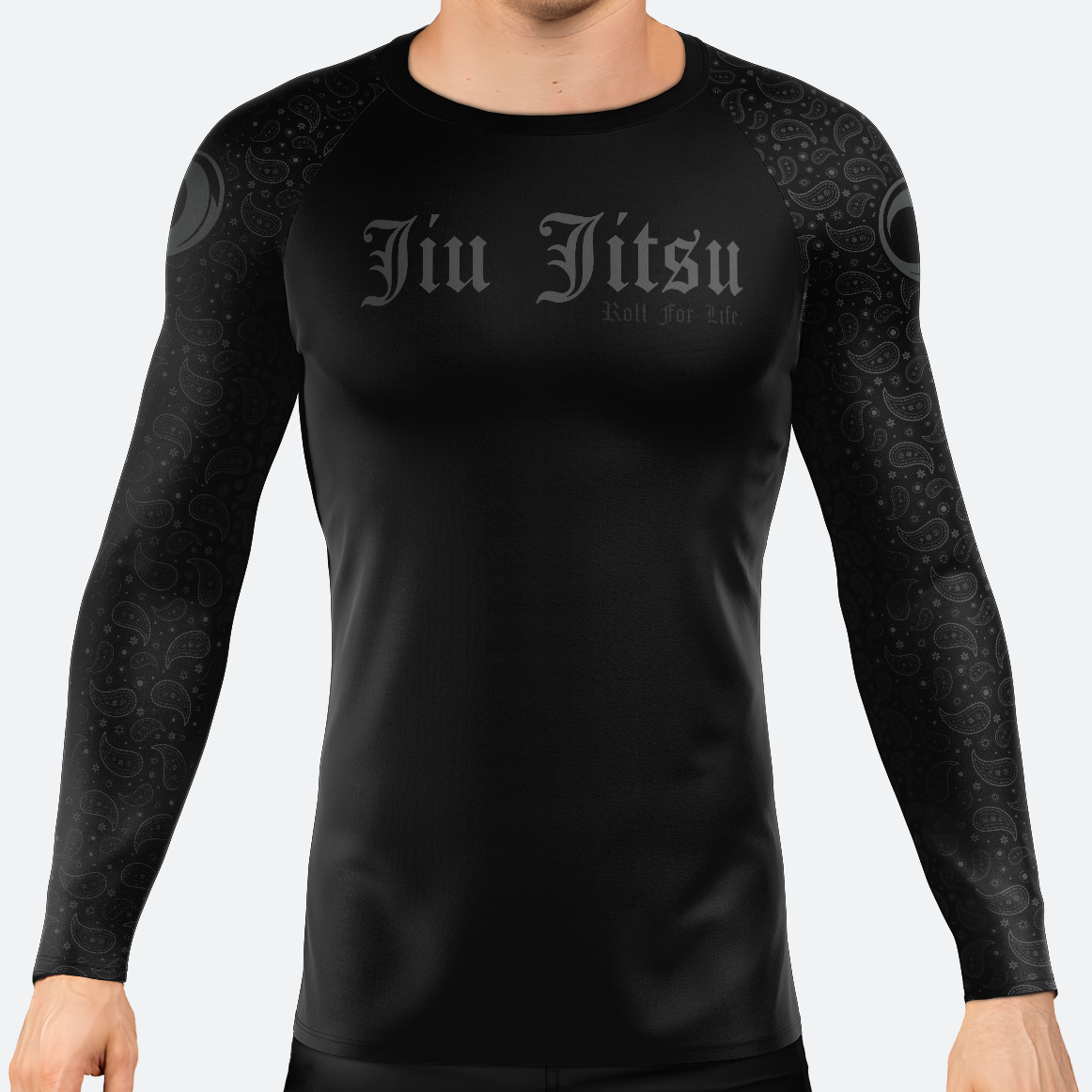
Walk into any no-gi gym in 2026 and the rack of rashguards on the wall tells two stories at once. Half of them are mat-tested tools — chosen because they survive hundreds of rounds, stay put through scrambles, and dry out before the next session. The other half are impulse buys that looked sharp online and pilled into uselessness inside a month. The phrase “best rashguards for BJJ and grappling” gets thrown around like it points at a single product, but on the mat it points at a set of qualities. This updated 2026 edition is about learning to read those qualities yourself, so the next purchase earns its spot instead of crowding the laundry pile.
Why “Best” Means Something Specific in No-Gi
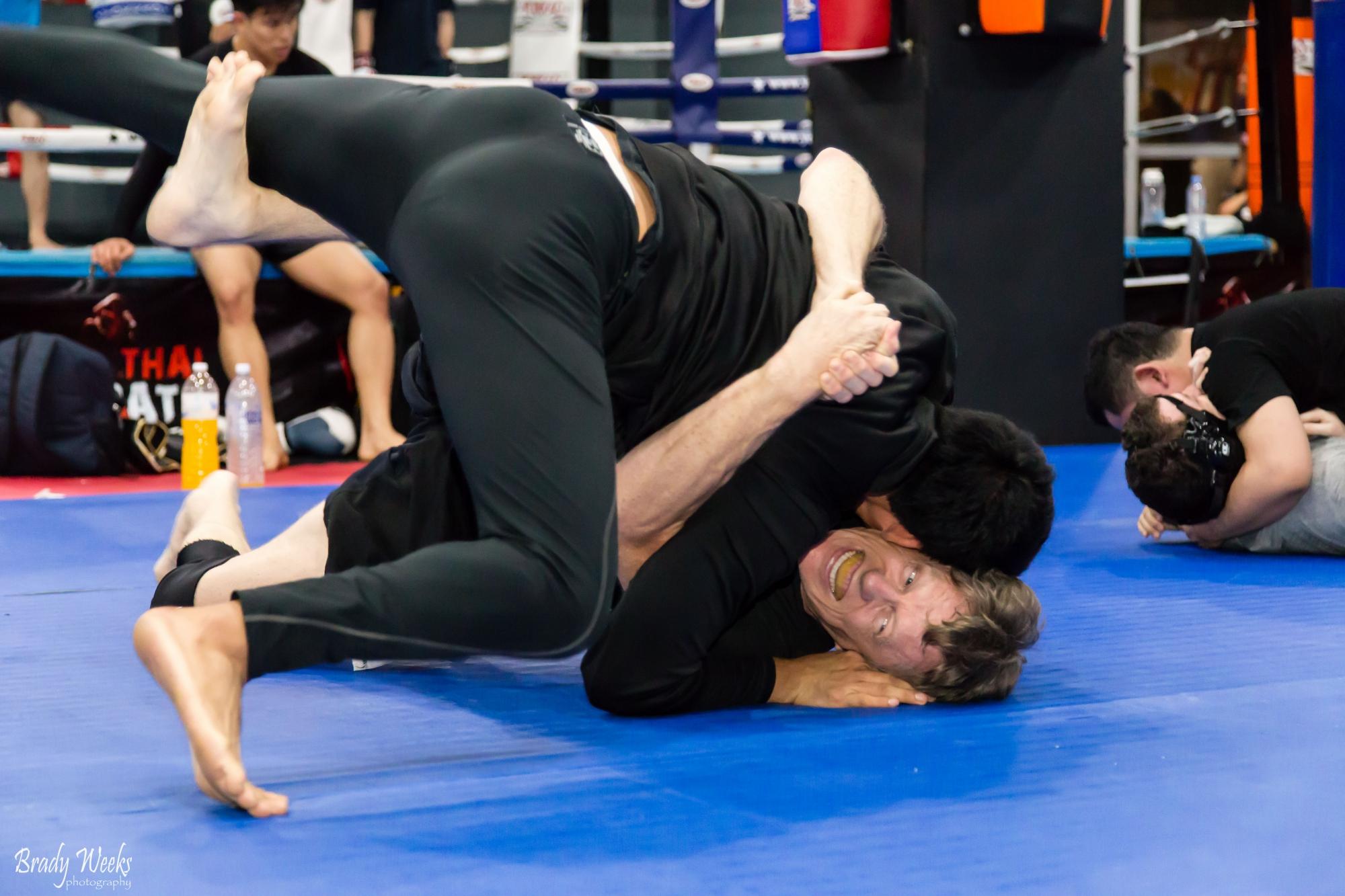
A rashguard for surfing and a rashguard for grappling share a name and almost nothing else. Surf tops are built to resist board wax and sun over a few hours of relatively low-friction movement. A no-gi rashguard lives a harder life: it gets gripped, stretched, ground into the mat, soaked in sweat, and asked to come back the next day looking the same. That difference in workload is the reason a generic “top rated” list rarely survives contact with a real training week. The garment has to manage abrasion against another body and the floor, wick a constant load of sweat, resist the bacteria that thrive in damp seams, and hold its shape through full-range scrambles without rolling up your torso during a guard pass.
So when grapplers argue about the best rashguard, they are really arguing about how a specific top handles those four jobs. A shirt can nail colorway and sublimated artwork and still fail every one of them. The honest evaluation starts at the fabric and ends at how the thing feels in week ten, not week one.
The Fabric Blend Is the Foundation
Nearly every serious grappling rashguard in 2026 is a polyester-spandex blend, and the ratio quietly decides how the garment behaves. The polyester carries the abrasion resistance and the moisture-wicking; the spandex (elastane) carries the stretch and recovery. A blend sitting somewhere around 80–88% polyester to 12–20% spandex is the sweet spot most reputable brands have converged on. Push the spandex too high and the top feels luxurious for a week, then bags out at the elbows and collar because elastane fatigues faster than polyester under repeated stretch. Push it too low and the rashguard fits like a board and restricts the deep shoulder and hip ranges no-gi demands.

The newer wrinkle this year is the spread of recycled polyester and bio-based elastane. The performance gap between recycled and virgin polyester has effectively closed for grappling use — the recycled yarn wicks and abrades the same — so choosing it is mostly an environmental call rather than a performance compromise. What still varies is fabric weight. A heavier knit (often quoted in GSM) resists snags and lasts longer but runs warmer; a lighter knit breathes better for hot rooms and summer competition but shows wear sooner. Neither is universally “best.” The best one is the one matched to your room temperature and how rough your training partners are.
Construction: Where Cheap Rashguards Quietly Fail
If fabric is the foundation, stitching is the structure, and it is the single most reliable predictor of how long a rashguard lasts. The seams take the load every time you extend an arm to frame or post, and they sit directly against skin that is being dragged across a mat. Two construction details separate gear that survives from gear that shreds.
Flatlock and Seamless Seams
Flatlock stitching joins two panels edge-to-edge so the seam lies flat instead of creating a raised ridge. For grappling this matters twice over: a flat seam resists the peeling force of a grip far better than an overlocked seam, and it doesn’t chafe a raw stripe across your ribs over a long round. The premium end of the 2026 market has moved further, toward bonded or seamless construction in high-wear zones, eliminating the seam as a failure point entirely. You can feel the difference by running a thumb along the side panels and underarms — a quality top has flat, secure joins there, not a bulky ridge you could catch a fingernail under.
Sublimation vs. Printed Graphics
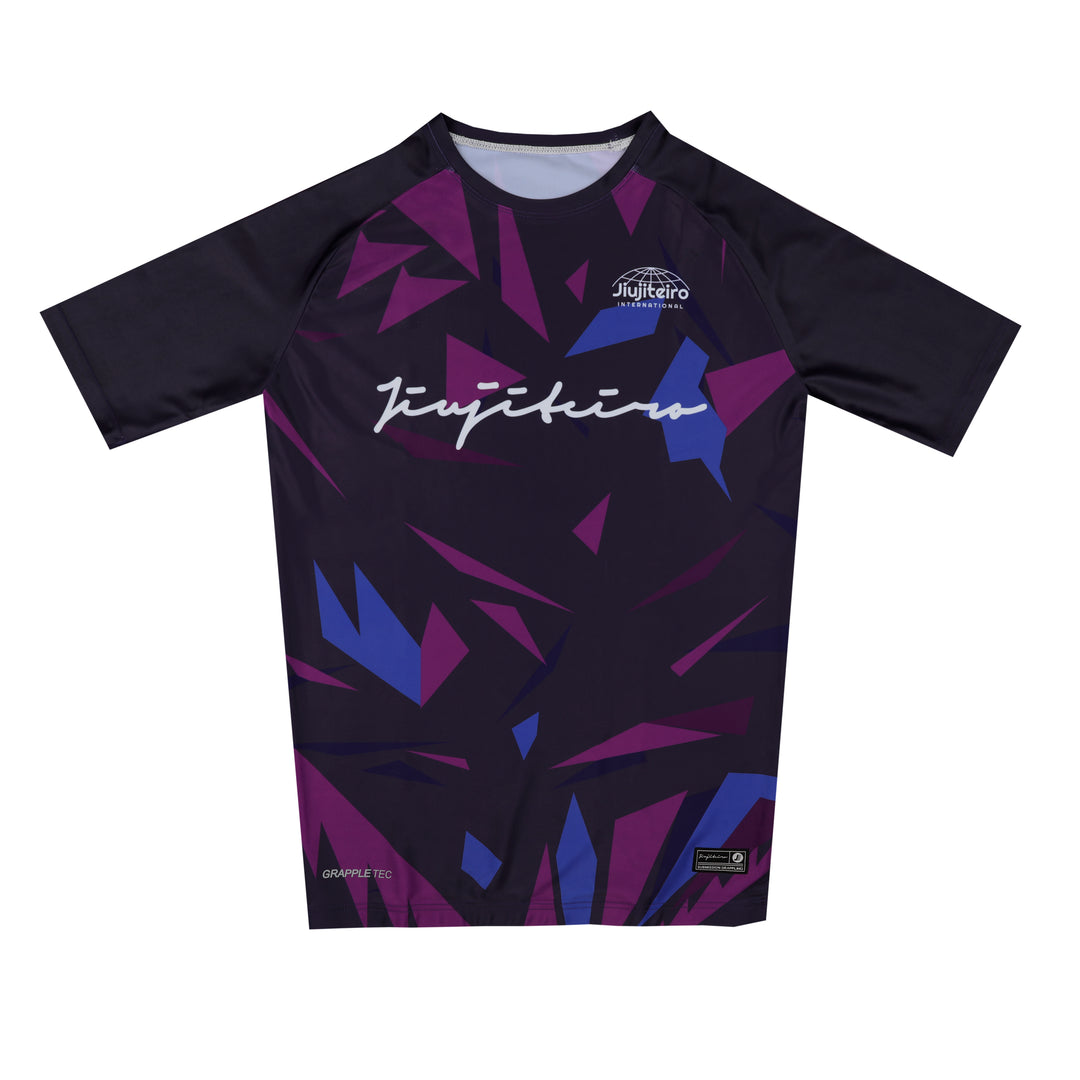
The artwork on a good grappling rashguard is sublimated — dyed into the fabric at the fiber level — so it cannot crack, peel, or fade the way a screen-printed or heat-pressed graphic does. A pressed logo on the chest is a tell that the manufacturer cut a corner; it will be flaking within a couple of months of regular washing. Sublimation costs more to produce, which is part of why genuinely durable rashguards rarely show up at the lowest price tier. When a deal looks too good, the graphics method is usually where the savings came from.
Fit That Holds Through a Scramble
A grappling rashguard is supposed to be a second skin, and the operative word is supposed. The fit problem in no-gi is that a top can feel perfect standing in front of a mirror and then ride up the moment someone is folding you in half. The features that prevent that are easy to check before you ever roll. A longer torso cut with a silicone gripper strip along the inside hem keeps the bottom anchored at your waist instead of bunching under your armpits during inversions. Raglan or set-in sleeves with enough underarm room let you shoot for an underhook without the fabric binding across the back.
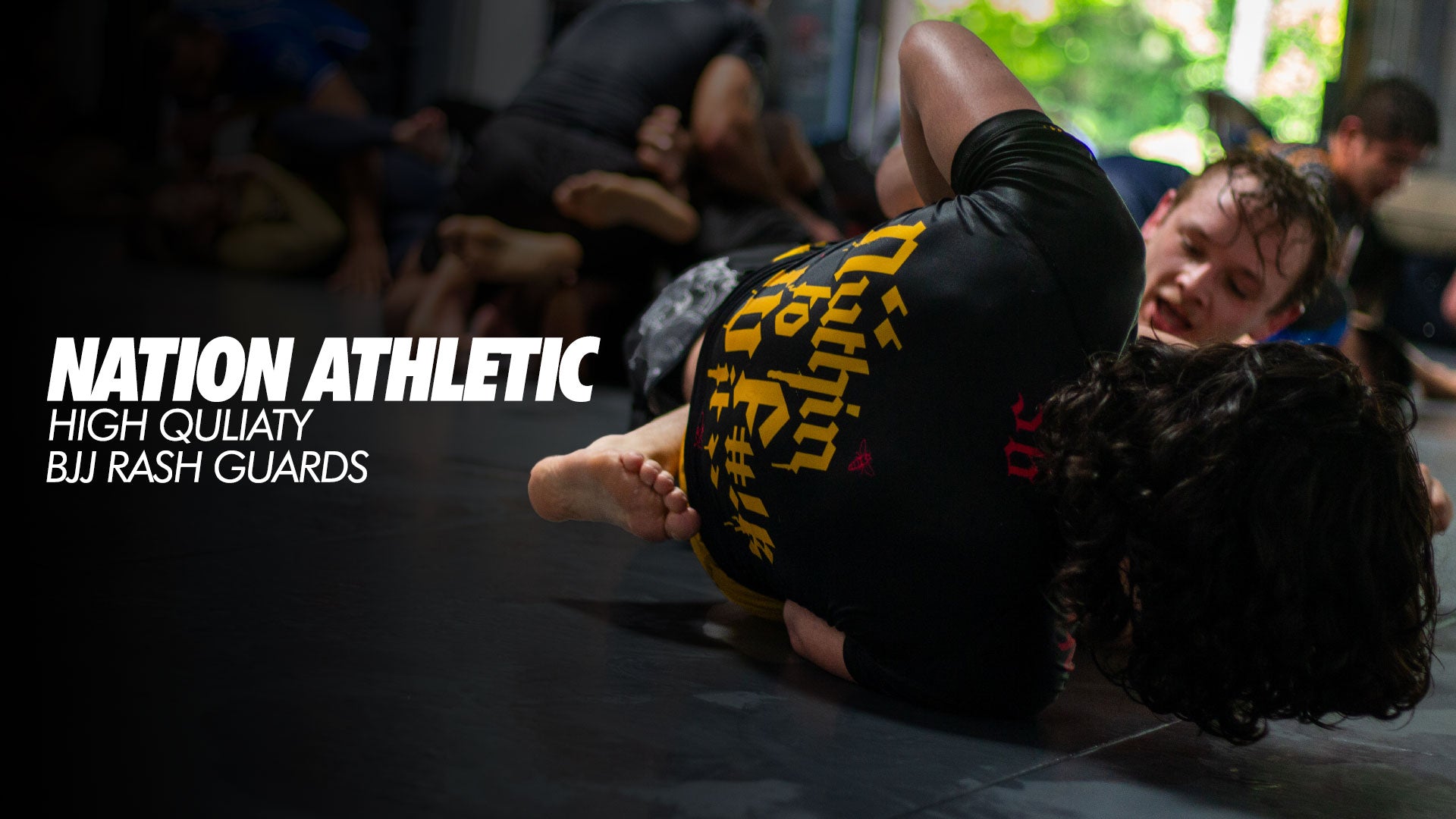
Sizing remains the most frustrating part of buying no-gi gear, because a medium from one brand can fit like a small from another, and the only honest way through it is to read the brand’s own measurement chart against your chest and torso length rather than trusting the letter on the tag. A compression fit should feel snug and supportive without cutting into your shoulders or restricting a full breath. If you have to peel it off after class like a wetsuit, it’s a size too small; if you can pinch loose fabric at the stomach, the grippers won’t save it and it’ll roll.
Hygiene Is a Performance Feature Now
No-gi training is skin-to-skin, which makes the rashguard a frontline barrier against the mat funk every gym battles — ringworm, staph, and the general bacterial load of a shared training floor. That reframes anti-microbial treatment from a marketing buzzword into an actual reason a top is worth buying. Many 2026 rashguards build in silver-ion or other anti-odor, anti-bacterial finishes woven into the yarn rather than sprayed on, so the protection survives washing instead of rinsing out after a few cycles.
No treatment replaces washing the garment immediately after every session in cold water and hanging it to dry — heat from a dryer is what kills elastane and delaminates printed graphics faster than any roll ever will. But between an untreated polyester top and one with integrated anti-microbial yarn, the treated one keeps the smell and the risk down over a long, sweaty week. For anyone training five or more times a week, that feature pays for itself in how long the rashguard stays usable and pleasant to put on.
Training Tops vs. Competition Tops
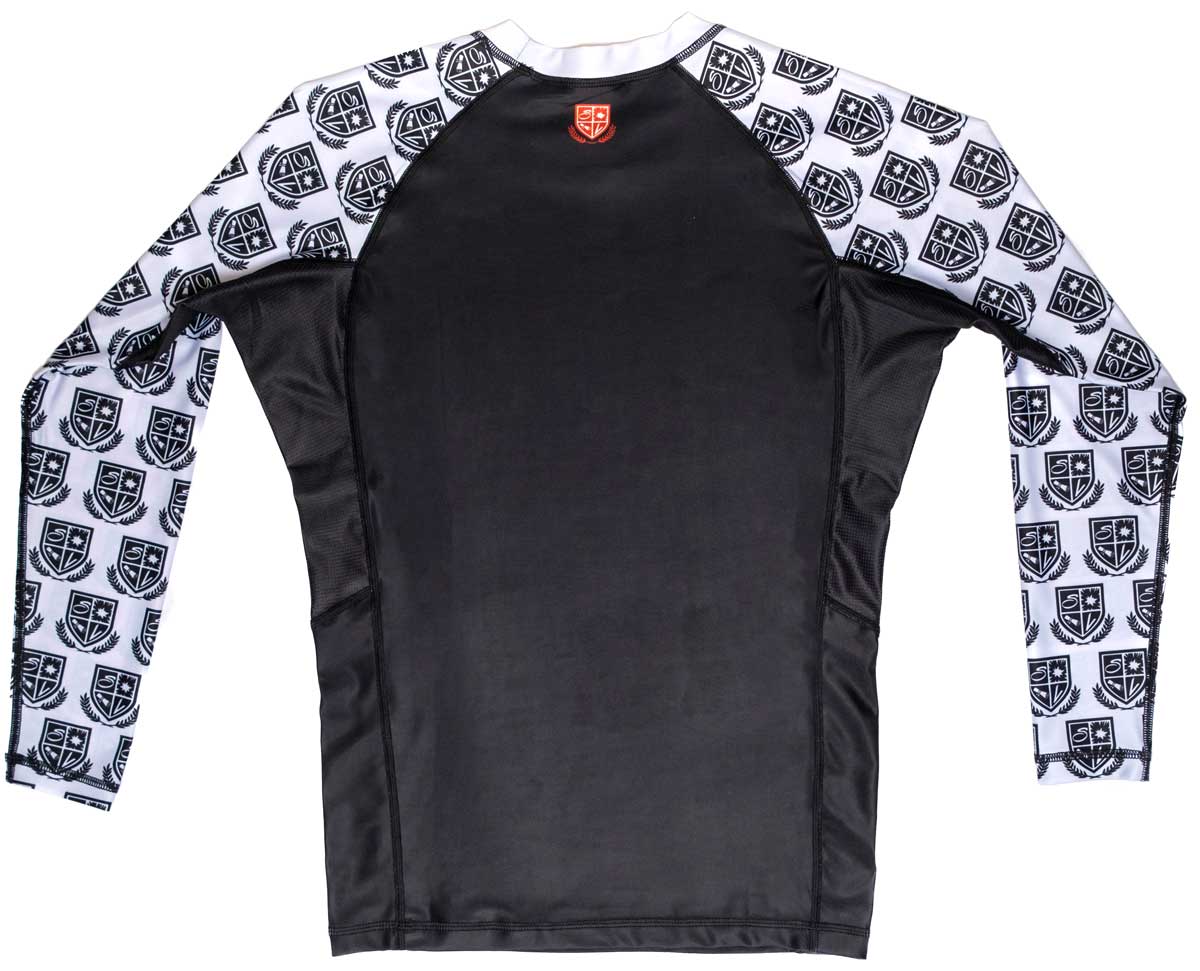
The most useful mental split in 2026 isn’t between brands — it’s between purposes. A training rashguard is the workhorse: durable knit, simple construction, a fit you can throw on without thinking, and a price that lets you own several so one is always clean. This is where you want value and repeatability, not flash. The graphics can be plain because nobody is judging them but your training partners.
A competition rashguard answers to different masters. If you compete under a sanctioning body, the ruleset may dictate what you can wear — rank-appropriate coloring for some no-gi divisions, a minimum percentage of a required color, and a top that covers and stays tucked. Major organizations publish their uniform requirements, and showing up with a non-compliant rashguard can mean a disqualification before you’ve touched your opponent. It’s worth reading the specific event’s rules rather than assuming your favorite training top qualifies. Beyond legality, a competition top is where the seamless construction and the most secure grippers earn their premium, because a six-minute match is exactly when you cannot afford gear that rides up or distracts you.
Building a Rotation Instead of Chasing One Champion
The mistake the “best rashguard” framing encourages is hunting for a single perfect top. Anyone training consistently is better served by a small rotation: two or three durable training tops in a fabric weight matched to their gym, plus one competition-legal top kept aside for events. That rotation lets each garment dry fully between uses, which is the biggest single factor in how long elastane and anti-microbial finishes last. It also means a single top failing mid-week never leaves you borrowing from the gym’s loaner bin.
When you do shop, anchor the decision in the four jobs: a polyester-spandex blend in the right ratio for your room, flatlock or seamless construction with sublimated graphics, a long gripper-hemmed fit confirmed against the brand’s own size chart, and integrated anti-microbial treatment if you train often. A rashguard that does all four well is the best rashguard for BJJ and grappling, regardless of which logo is on it. The artwork is the last thing that matters, even though it’s the first thing the marketing sells you.
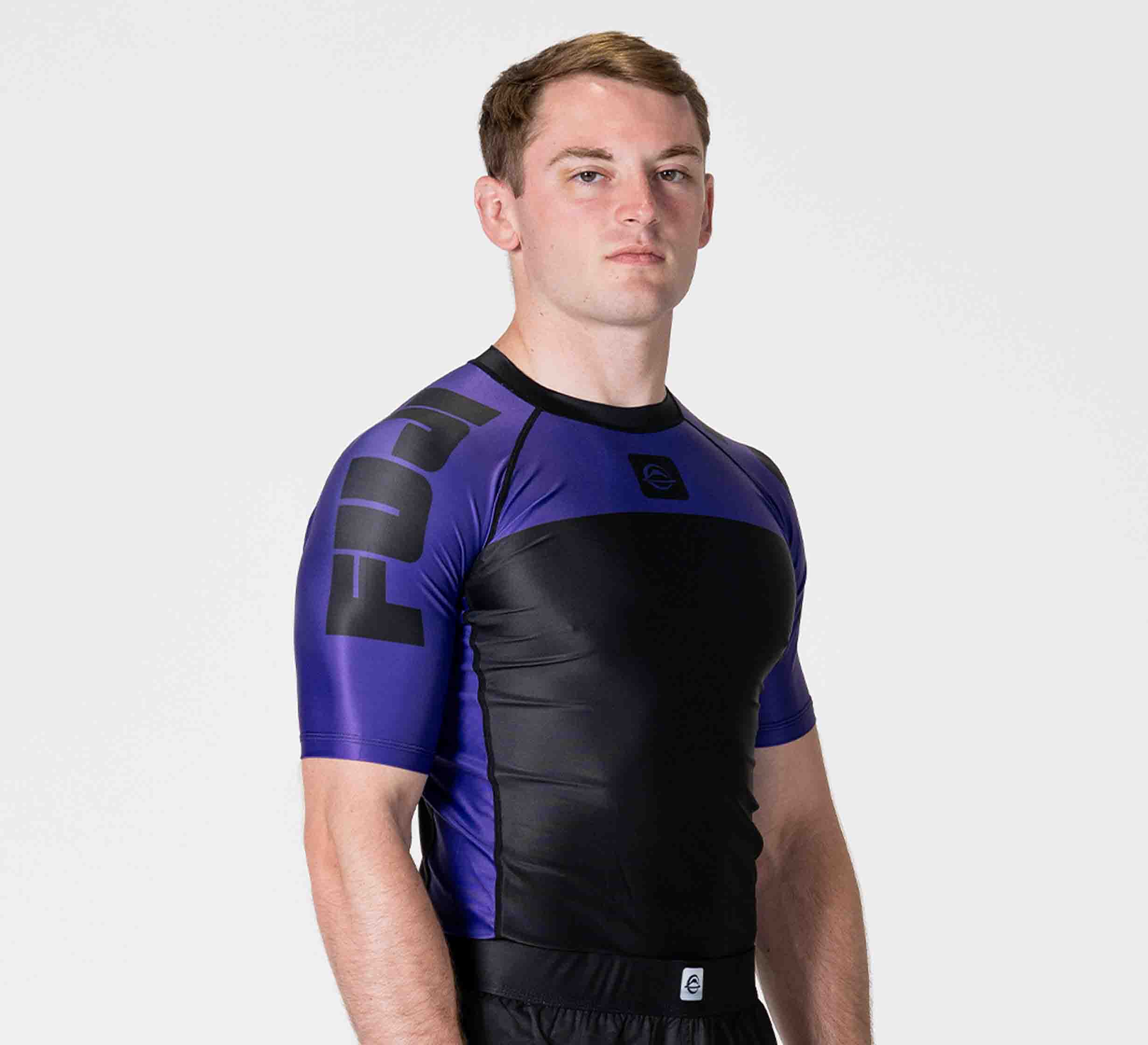
Ready to put the checklist to work? Compare current no-gi tops against these criteria before you buy: browse BJJ no-gi rashguards on Amazon and read the fabric blend and construction notes the same way you’d read a spec sheet — fabric ratio first, stitching second, fit chart third, and graphics dead last.
Sources
- Wikipedia — Rash guard
- Wikipedia — Brazilian jiu-jitsu
- International Brazilian Jiu-Jitsu Federation (IBJJF)
- Wikipedia — Spandex (elastane)
- Amazon — No-gi BJJ rashguards
Browse our top-rated rashguards and no-gi gear at the RashguardGuy shop →
Shop on Amazon
BJJ Rashguards on Amazon →
As an Amazon Associate we earn from qualifying purchases.