Mount Escape No-Gi: 5 Proven Ways to Get Out
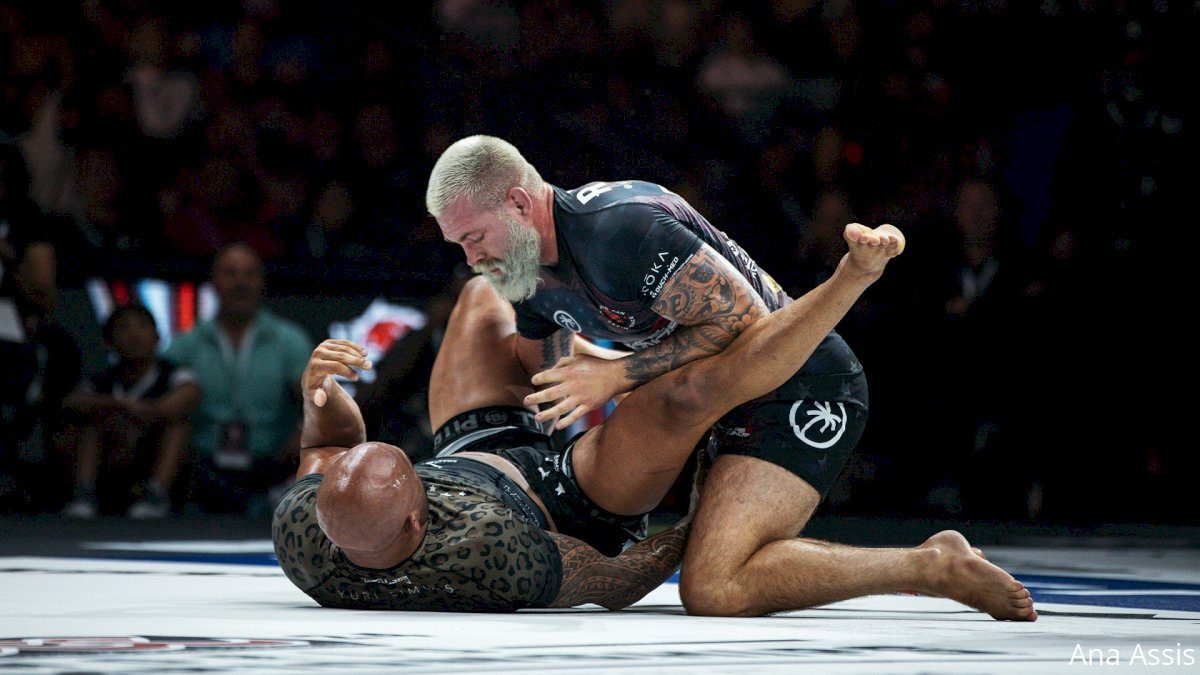
Roughly 60% of the beginners who quit jiu-jitsu in their first year say the same thing on the way out: they hated being stuck on the bottom. Mount is the position that breaks people. Someone sits on your chest, you can’t breathe, you can’t move, and every second feels like drowning on dry land. The good news is that a clean mount escape is a mechanical problem, not a strength problem — and in no-gi, where there’s no collar or sleeve to pin you, the bottom player actually has more room to work than most white belts realize.
What a Mount Escape Really Is in No-Gi
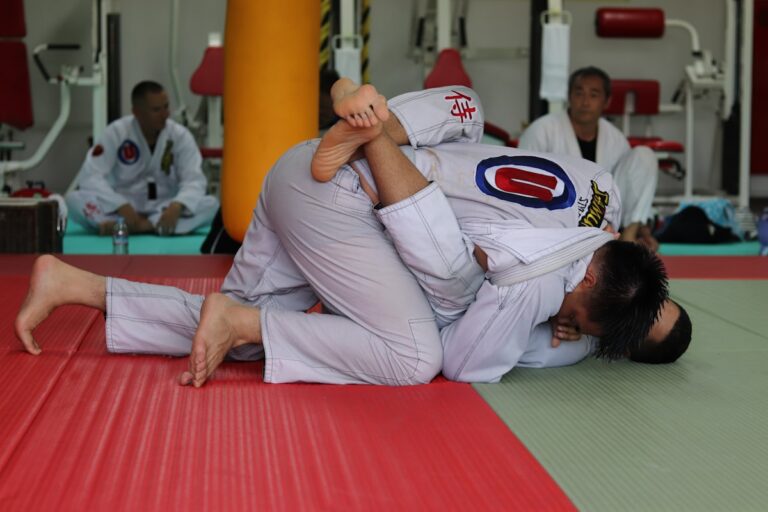
A mount escape is any technique that gets your hips out from under a top player who is sitting on your torso, returning you to guard, half guard, or back to your feet. It is not about bench-pressing the person off you. Every high-percentage escape works by creating one of two things: a frame that stops the top player’s weight from settling, or a bridge that momentarily takes their base away so you can move underneath them. Miss both and you stay flat. Chain them together and mount becomes a temporary problem.
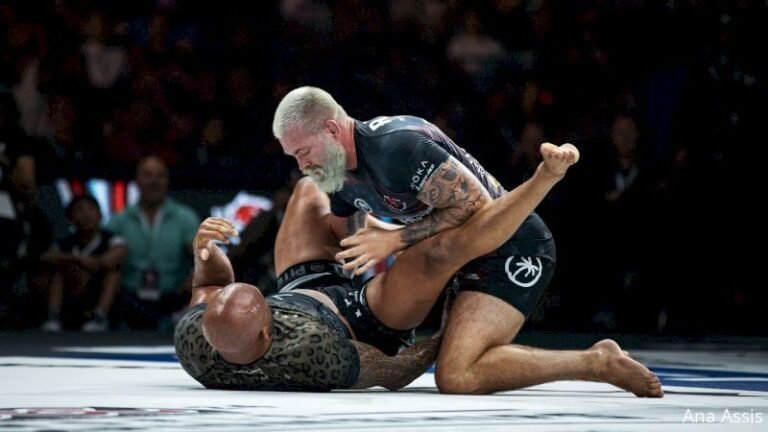
The reason mount feels so hopeless early on is that beginners try to escape the chest when the answer lives at the hips. Watch any competitor at ADCC dig an elbow inside a knee to kill the mount — they’re never pushing on the shoulders. They’re fighting for a single inch of hip space, then exploding into it.
Why Escaping the Mount Is Harder Without a Gi
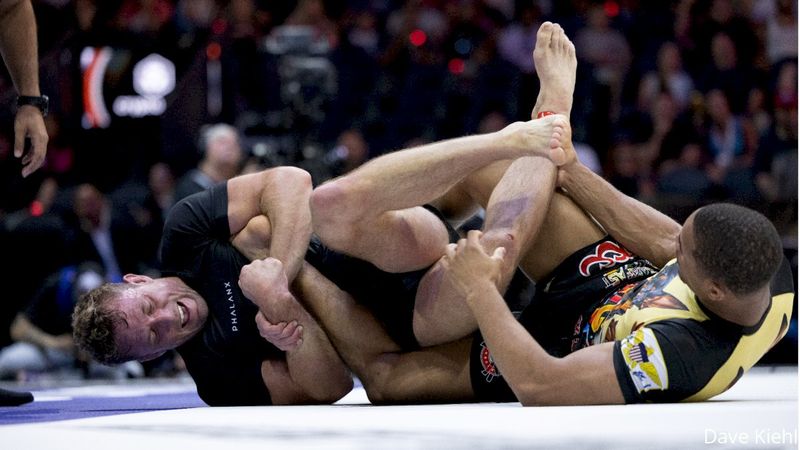
No-gi changes the math in both directions. The top player loses the grips that let them staple you flat — no lapel to pull across your throat, no pant cuff to trap your leg. That’s the good news. The bad news is that you lose those same handles too, and sweat turns every frame into a slip-n-slide. A knee-elbow escape that locks solid in the gi can squirt loose in no-gi if your framing hand slides off a sweaty tricep.
That trade-off rewards timing over grip strength. In no-gi you win the mount escape by moving the instant the top player’s weight shifts — when they reach for a submission, posture up, or try to climb to high mount. This is also where your gear quietly matters: a rashguard that fits at the shoulders keeps fabric from bunching and handing your opponent something to grab. We broke down that fit problem in our guide to escaping side control no-gi, and the same principle applies here.
The 5 Highest-Percentage Mount Escapes (No-Gi)
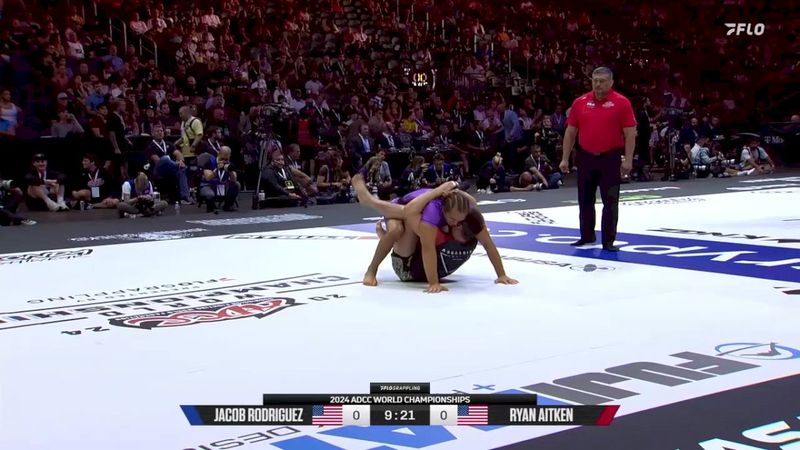
These five cover almost every situation you’ll hit from bottom mount, from a low mount where you still have room to a high mount where they’ve climbed up under your armpits. Learn them in order — each one flows into the next when the first gets stuffed.
1. The Bridge and Roll (Upa)
This is the first escape everyone learns, and it’s still the highest-percentage reversal in the entire position. Trap one of your opponent’s arms tight to your chest so they can’t post with it. Pin their foot on the same side with your foot so they can’t step out. Then bridge explosively up and over that trapped shoulder, turning into them as they fall. Done right, you land inside their guard in top position — you didn’t just escape, you reversed.
The upa fails for one reason 90% of the time: people bridge straight up instead of up-and-over toward the trapped arm. You’re not trying to launch them at the ceiling. You’re rolling them over a corner they can’t post to.
2. The Elbow-Knee Escape (Shrimp to Guard)
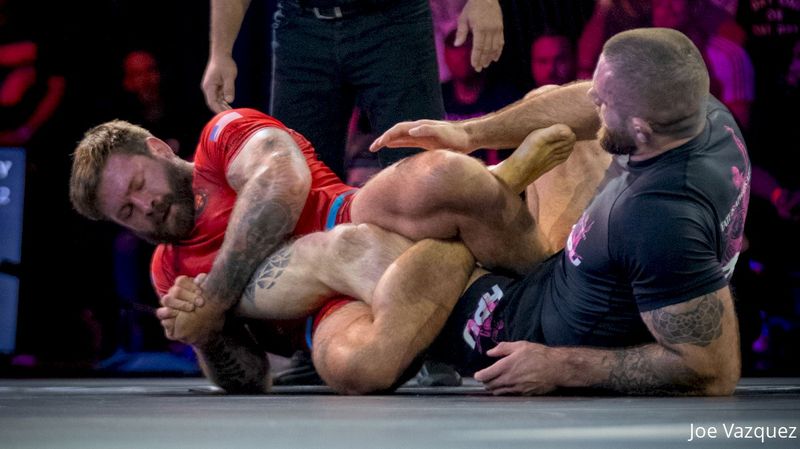
When they post their hand out to stop your upa, that same reaction opens the door for this one. Frame both hands on their hips or hip crease, bridge just enough to make a gap, then shrimp your hips out to one side and thread your bottom knee back inside their thigh. Follow with the second leg and you’ve recovered guard or half guard. The upa and the elbow-knee escape are a matched set — the top player literally cannot stop both at once, which is why elite grapplers drill them as a single chain.
Keep your elbows tight to your ribs the whole time. The most common leak is flaring an elbow, which hands the top player an easy arm to attack. If you recover to half guard here, our breakdown of half guard no-gi sweeps and attacks shows where to go next.
3. The Heel Drag to Half Guard
If your hips are too flat to shrimp cleanly, steal the position instead. Use your bottom-leg heel to drag the top player’s foot across and underneath your leg, hooking it so they can’t re-flatten you. As you trap that foot you turn to your side and you’re in half guard — not a full escape, but a massive upgrade from being mounted. This is the escape that works when you’re gassed and can’t generate a big bridge. Chewjitsu and other coaches teach it exactly because it costs almost no energy.
4. Surviving and Escaping High Mount
High mount — where they climb up under your armpits and your arms are pinned high — is the scariest version because your framing options shrink. The fix is counterintuitive: don’t try to bench them off. Bring your elbows down to your sides first to rebuild your frames, walk your shoulders down toward your hips to slide your torso lower, and drop them back into low mount where the upa and elbow-knee escapes live again. You’re not escaping high mount directly; you’re demoting it to a mount you already know how to beat.
5. The Kipping Escape
The modern no-gi answer when the top player is very heavy on your chest. As they post forward, you kip — a sharp bridge combined with a hip swivel — to shoot your bottom knee through the gap and dump them off to the side. Brian Glick and others popularized this for exactly the no-gi problem where a sweaty, pressure-heavy passer smothers your normal frames. It takes timing to land, but when your other escapes stall against a bigger opponent, the kip is the one that still fires.
How Do You Escape a High Mount Before It’s Too Late?
Escape high mount by re-framing early: the second you feel them climbing toward your armpits, dig your elbows down and inside their thighs and start shrimping your shoulders lower. The mistake is waiting until you’re fully pinned to react. High mount is a process, not a snapshot — if you fight the climb while it’s happening, you never let them settle into the position that finishes with an arm-triangle or a mounted choke. If they do beat your frames and start attacking the neck, protect your neck first and be willing to give up the back over the choke, because defending back control is far safer than getting strangled from mount.
What’s the First Mount Escape a Beginner Should Learn?
The bridge and roll, without question. It teaches the two skills every other escape depends on: trapping a limb so the top player can’t post, and generating hip drive from the ground. Master the upa and the elbow-knee escape as a pair in your first three months and you’ll have a working answer to mount that holds up against training partners your own size. Everything else — the heel drag, the kip, the high-mount demotion — is a variation you add once those two are automatic.

Common Mistakes That Get Your Mount Escape Stuffed
The truth is that most failed escapes aren’t failing because the technique is wrong — they’re failing because of a handful of repeatable errors. Pushing on the chest instead of framing on the hips is number one; you’ll never move someone’s whole bodyweight with your arms, but you can move their base. Flaring your elbows away from your ribs is number two, and it feeds you straight into armbars and mounted triangles.
Bridging straight up instead of over a trapped corner is number three — the upa needs a direction, not just height. And the quietest killer is going too slow: mount escapes are timing plays. If you bridge a half-second after their weight shifts, the window is already closed. Drill the movement until the reaction beats your thinking.
Drilling Mount Escapes So They Work Under Pressure
Technique you’ve only seen never shows up when a resisting partner is crushing you. Build these escapes with progressive resistance: start with your partner mounting at 20% while you flow through upa-to-elbow-escape chains, then climb to 50%, then to full live rounds where their only job is to hold mount and yours is to escape. Five focused minutes of this per session beats an hour of watching instructionals.
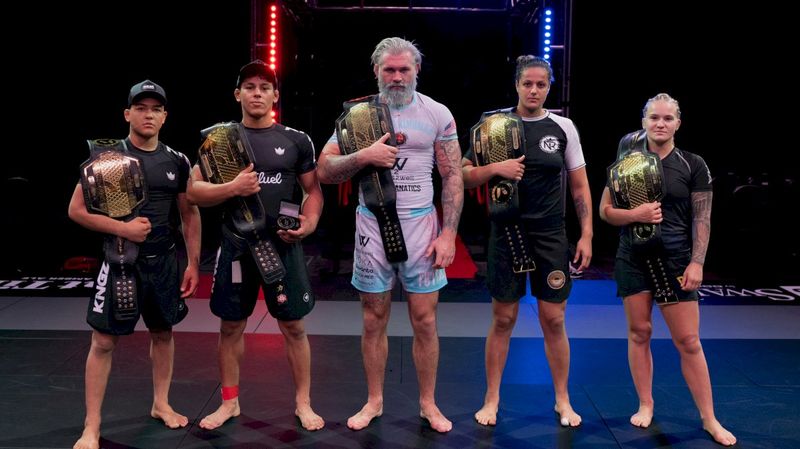
Your kit matters more than beginners think, too. Slippery frames cost you escapes, and bunched-up fabric hands your opponent grips they shouldn’t have in no-gi. A rashguard cut to sit tight at the shoulders and long in the torso stays put when you bridge and shrimp — the athletes below aren’t wearing loose cotton tees for a reason.
The Bottom Line on the Mount Escape
Stop treating mount like a life sentence. Pick two escapes — the bridge-and-roll and the elbow-knee — and drill them as a linked chain until they fire without thought. Add the heel drag for when you’re tired and the kip for when you’re outsized, and you’ll have covered every mount you’ll ever face on the mat. The people who look impossible to hold down aren’t stronger than you. They just move a half-second sooner. If you want to see the full system from the best in the sport, watch how the top players chain their escapes in the breakdown below, then go put in the mat time. For more on the athletes who built these systems, read our profile on Gordon Ryan and the no-gi legacy.
Sources
- Grapplearts — The 4 Most Common Errors For The Upa Mount Escape — breakdown of why the bridge-and-roll fails.
- BJJ Fanatics — The Essential Mount Escapes — overview of fundamental escape mechanics.
- Evolve MMA — 3 Ways To Escape From The Mount Position In BJJ — bridge, shrimp, and framing fundamentals.
- FloGrappling — Technical Trends From 2024 ADCC Worlds — how elite grapplers control and escape top positions.