The 30-Minute Cauliflower Ear Window: Catching Swelling Before It Sets
Most grapplers do not get cauliflower ear in one brutal shot. They get it from a 45-minute open mat where one ear caught friction in five different positions, and nobody iced it before the swelling locked in. By the time you notice the ear feels warm and a little puffy in the car ride home, the bleed inside the cartilage has already started to clot. The next 30 minutes after your last roll are the only honest window you get.
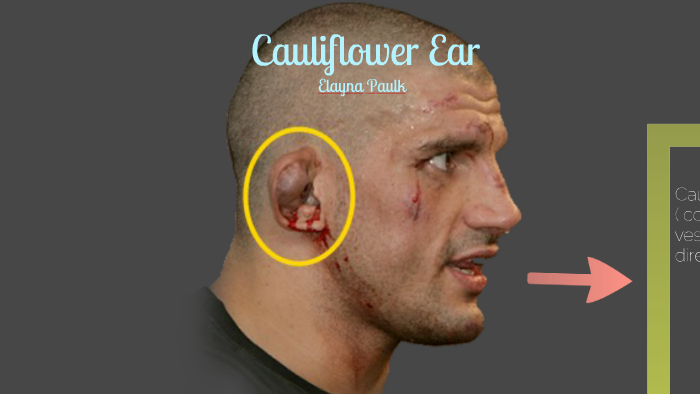
This is not the 72-hour hematoma timeline. That timeline starts when you have already missed the early window. This is about catching the swell before it becomes a hematoma at all — the inspection, the cold contact, and the small habits that decide whether you keep your ear shape for another year.
Why the 30-Minute Window Matters
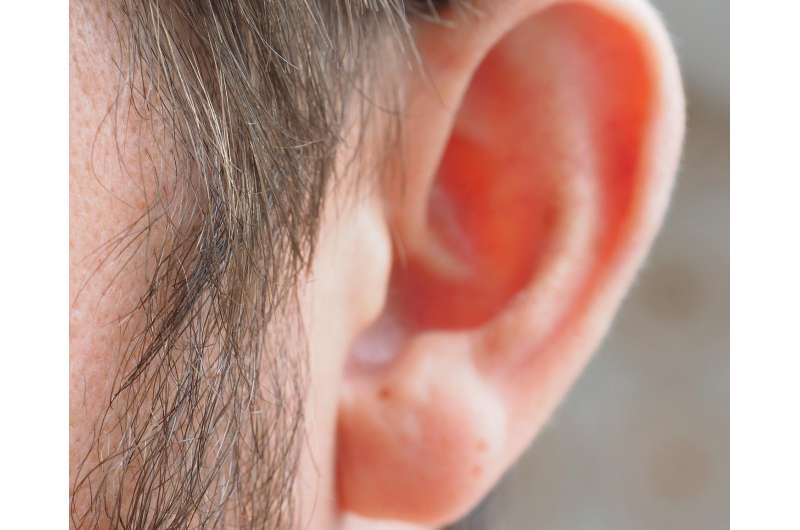
The ear’s outer shell is mostly cartilage covered by a thin sleeve called the perichondrium. The cartilage itself has no direct blood supply — every nutrient it gets has to diffuse through that thin sleeve. When you grind your ear into a thigh or a mat for several minutes, you shear the perichondrium away from the cartilage underneath. Tiny vessels in that sleeve tear open. Blood and fluid pool in the gap. The cartilage is now starving and inflamed at the same time.
That fluid does not arrive all at once. The bleed is slow and steady. For roughly the first 30 to 60 minutes after the trauma, the pocket is still soft. You can compress it, cool it, and convince the vessels to clamp shut before they finish leaking. After that, the blood organizes, clots form along the cartilage, and you are now in the world of needle aspirations and bolsters.
The grapplers with clean ears at 40 are not lucky. They built a 30-minute post-roll routine and stuck to it for two decades.
The Five No-Gi Positions That Load the Ear
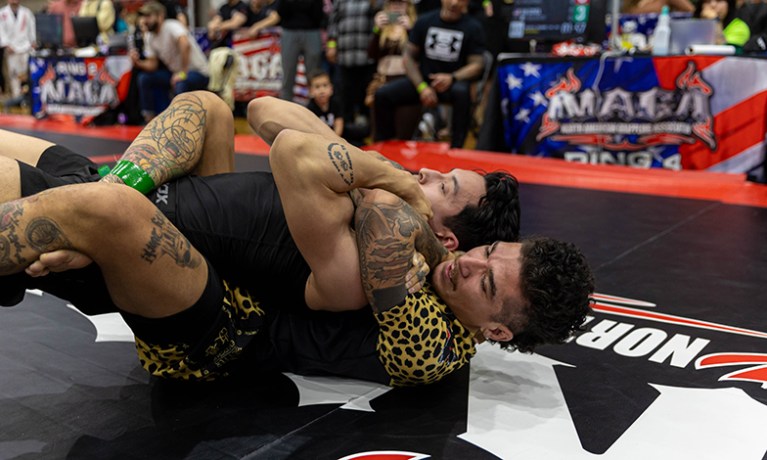
Gi grappling distributes head pressure across collar grips and lapel friction. No-gi takes those grips away, which means partners default to head-to-body contact for control. Five positions show up over and over in cauliflower ear stories.
1. The Head-and-Arm Position
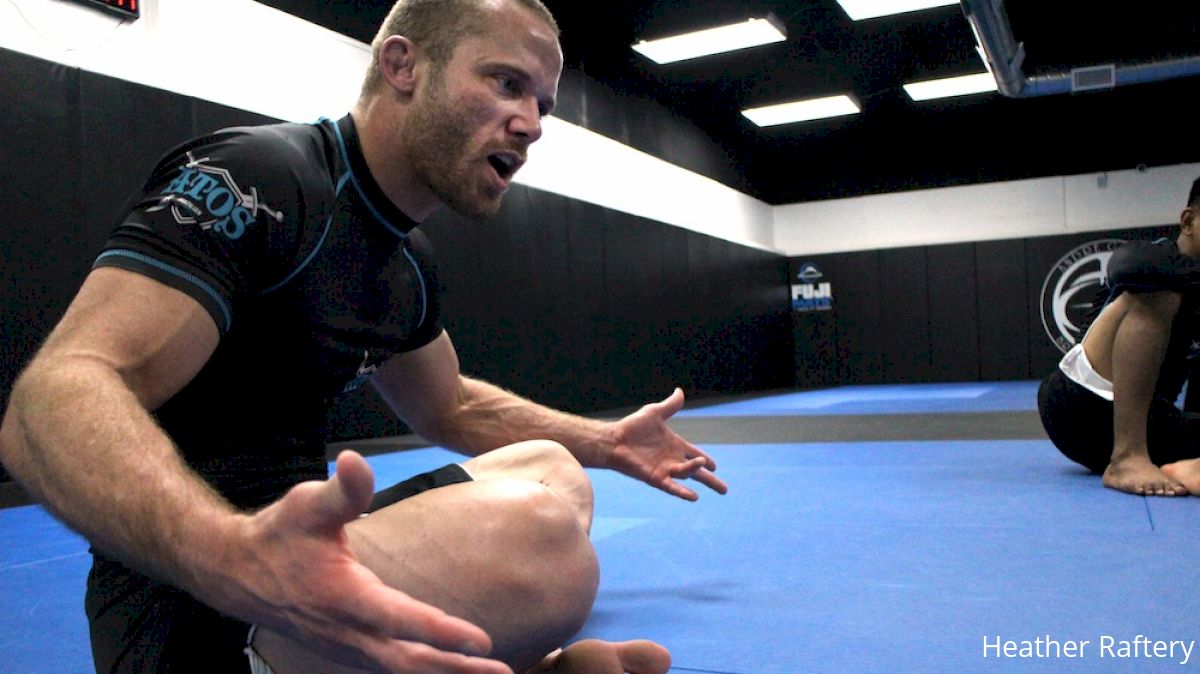
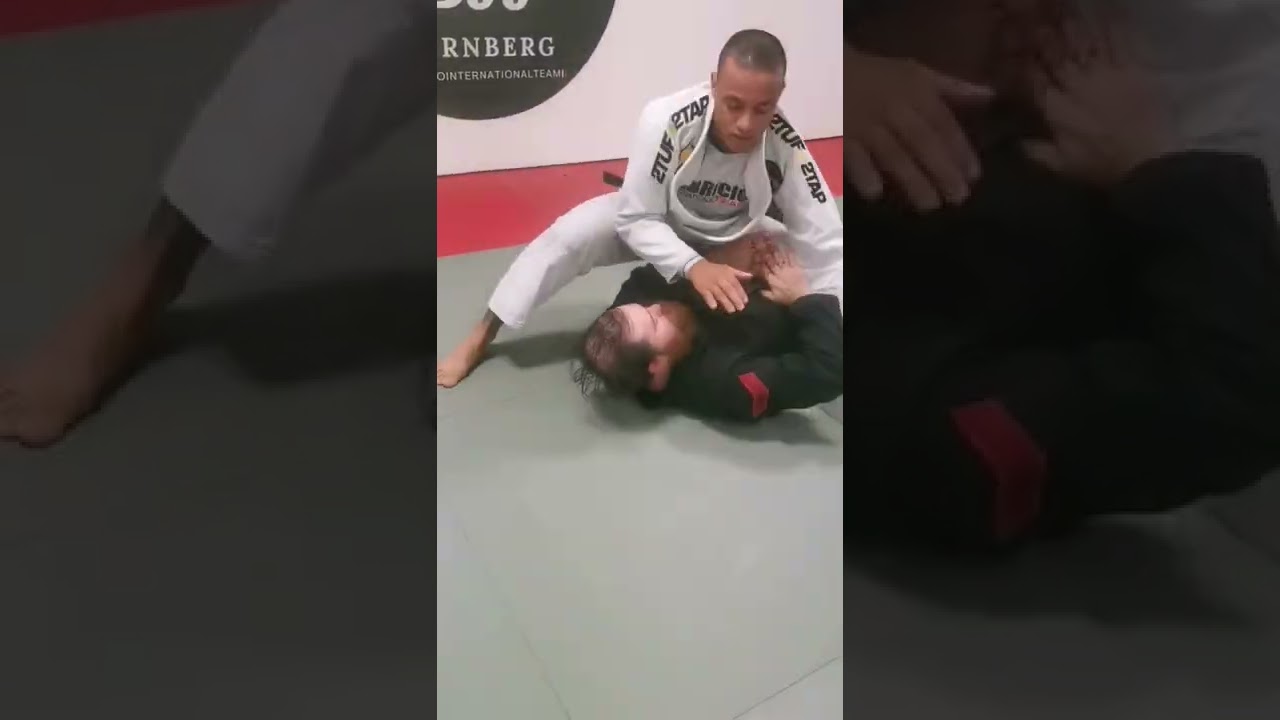
From side control, the top player’s ear gets crushed against the bottom player’s ribs and bicep. Every breath the bottom player takes drives that ear deeper into the chest plate. Stay there for two minutes during a long roll and you are guaranteed friction trauma. The fix is not to abandon the position — it is to recognize when the pressure shifts and to repost on the forehead instead of the temple.
2. Half Guard Underhook Wars
The bottom half guard underhook fight buries one ear into the top player’s chest while the top player flattens out to deny the underhook. Both ears take heat — the bottom player gets a sustained grind against a sweaty pec, and the top player buries their own ear into the mat. Long rolls in half guard are one of the most common cauliflower factories on the mat.
3. Knee-on-Belly Posture Fights
When the bottom player turns into a knee-on-belly to recover guard, their head often pins into the top player’s shin or thigh. The top player counters by driving the knee down and shifting weight onto the bottom player’s ear. It is short in duration but extreme in pressure. One bad ten-second knee-on-belly exchange can produce more cartilage shear than a three-minute side control hold.
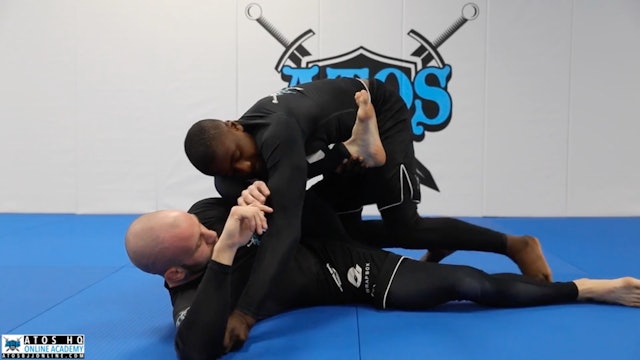
4. Back Take Grinds
Coming up on the back from a turtle or seatbelt scramble usually involves the top player driving an ear against the bottom player’s shoulder blade. The bottom player feels their own ear ground into the mat. Add the seatbelt, the chest pressure, and the chin-fishing, and the back take becomes the second-most-likely position to inflame an ear during a competitive round.
5. D’Arce and Anaconda Wraps
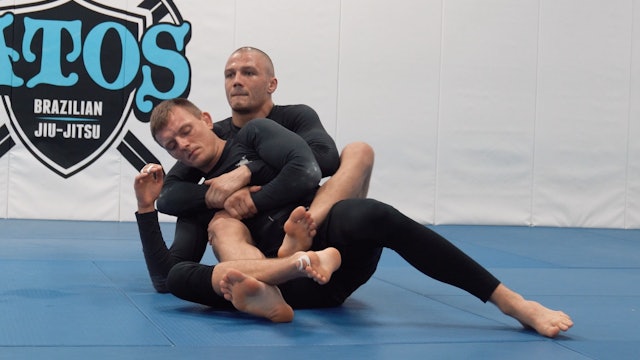
The choking arm crosses the back of the partner’s neck while the head of the choker presses into the partner’s far shoulder. The ear of the choker is the casualty here — pressed into bone, twisted slightly by the mechanics of the squeeze, and held there for 20 to 30 seconds while the choke matures. People who hit a lot of D’Arces on one side often develop asymmetric cauliflower ear.
How to Read Your Ear During the Roll
You cannot pause every two minutes to inspect your ear. But you can build cheap awareness habits that catch problems in real time.
- Heat check. After a heavy exchange, touch the back of your hand to both ears as you reset. The injured ear runs noticeably warmer than the clean one within minutes of trauma.
- Pinch test. Lightly pinch the edge of the helix between your fingers. A normal ear feels firm. A swelling ear feels like it has a thin layer of memory foam under the skin.
- Reflection check. When you grab water between rounds, glance at your ear in a phone camera. A reddish-purple flush along the upper helix is a flashing warning light.
If you fail any of those three checks, the choice is simple. Sit out the next round, ice immediately, and treat the rest of the session as a chance to coach from the side. Pushing through one more roll has cost more grapplers their ear shape than any single brutal collision ever has.
The 30-Minute Post-Roll Protocol
Run this routine whether your ears feel hot or not. Most cauliflower ears begin with a dull warmth the grappler dismissed as normal post-roll flush.
Minute 0–5: Inspect
Walk to a clean mirror or use your phone camera. Look at both ears front-on and from above. Compare them side by side. Check the upper helix, the concha bowl, and the antihelix ridge. Any redness, asymmetry, soft pocket, or warmth is a yellow flag.
Minute 5–20: Ice
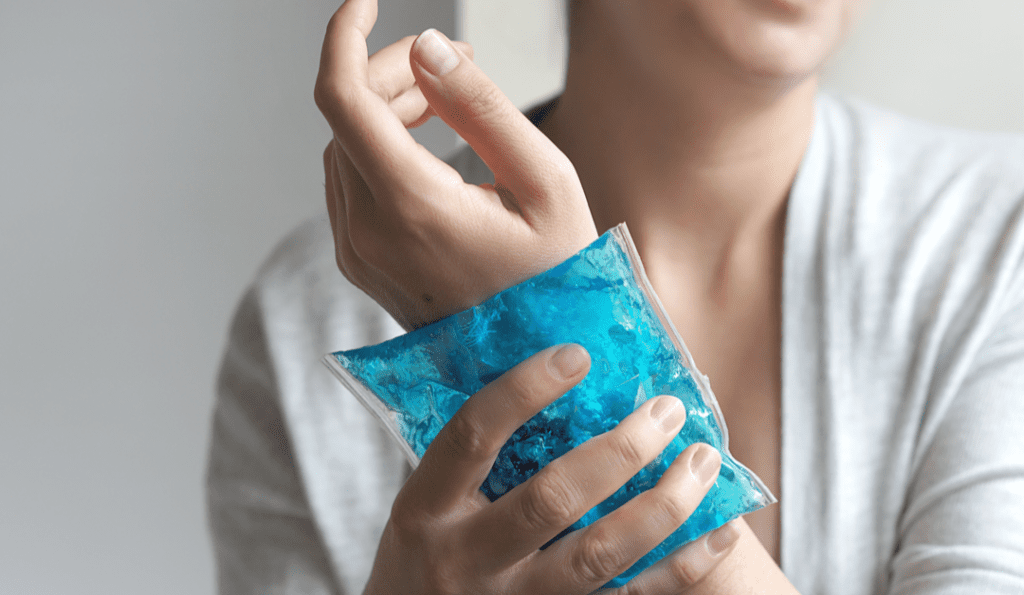
Wrap an ice pack or a bag of frozen peas in a thin towel and press it against the suspicious ear for 15 minutes. The towel keeps you from frostbiting the skin while still pulling temperature out of the cartilage underneath. Cold causes vessels in the perichondrium to constrict, which slows or stops the bleed before it organizes into a clot.
Minute 20–30: Compress
If you have a magnet kit or a custom mold, use it. If you do not, gently press the swollen area between thumb and finger for a few minutes at a time while the ear is still cold. The goal is to keep the perichondrium and cartilage in contact, denying the bleed any space to pool. Compression after icing is what separates grapplers who catch a hot ear and never see it again from grapplers who wake up to a purple plum the next morning.
After 30 Minutes: Decide
If the ear is calm, warm but not throbbing, and not visibly swollen, you caught it. Keep an eye on it for 24 hours and ice once more before bed. If the ear feels tight, looks puffy, or has a distinct soft pocket you can feel between your fingers, the bleed is past the window. Book a same-day clinic visit. A 20-minute aspiration in a doctor’s office is still a much better outcome than a deformed ear forever.
Daily Habits That Compound Over Years
The grapplers who keep clean ears for a decade run smaller habits behind the protocol. Most of them are obvious in hindsight, but almost nobody stacks them all at once.
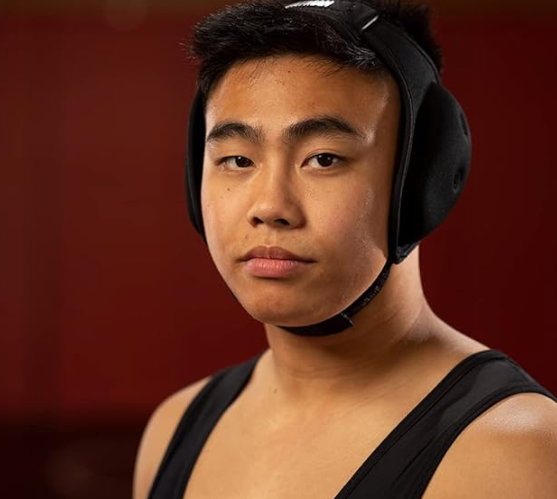
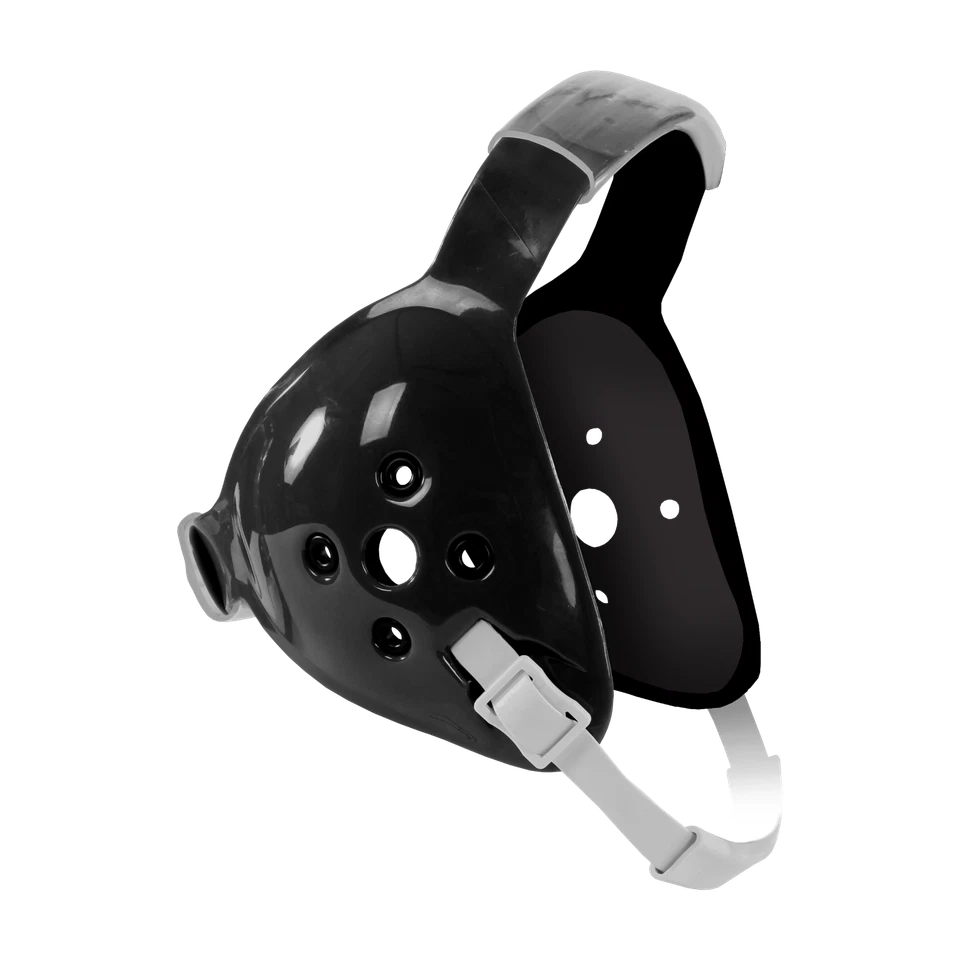
- Headgear on every hard round. Light flow rolls do not need it. Competitive rounds, fresh higher-belt training partners, and any round where you know you will be ground into a chest plate for minutes at a time are headgear rounds.
- Mat hygiene matters for healing. An ear that is also fighting a low-grade skin infection swells faster and heals slower. Wipe mats, shower within 15 minutes of training, and never roll with open scrapes near the ear.
- Hydration changes pliability. Cartilage on a dehydrated grappler bruises easier and recovers slower. The mat does not care that you forgot to drink water — your perichondrium does.
- Sleep within four hours of training. Tissue repair runs through deep sleep. A grappler who rolls hard at 8 PM and stays up scrolling until 2 AM gives the bleed extra hours to set before any healing starts.
When the Window Closes
You will miss the 30-minute window at some point. Everyone does. When you wake up to a fluid-filled pocket and a heavy, hot ear, the protocol changes. This is where the 72-hour timeline begins, and the right move is professional drainage, not a YouTube video. Pushing a needle into your own ear cartilage in a kitchen risks infection of the cartilage itself — chondritis — which is a far worse outcome than the cosmetic deformity you were trying to prevent.
The grappling community has matured a lot in the last decade on this. The macho ‘earn your cauliflower’ energy has faded as more competitors realize that the deformed ear is also the painful, infection-prone, headphone-incompatible ear for life. Catching swelling early is not vanity. It is long-term mat longevity.
Build the Routine Before You Need It
Most grapplers learn the 30-minute window after they have already missed it once. Do not be one of them. The next time you finish a heavy open mat, walk to a mirror, check both ears, and put a cold pack on for 15 minutes before you scroll your phone. Do it whether your ears feel fine or not. It costs nothing and it is the single highest-leverage habit you can build for cartilage health in a no-gi training week.
Pair it with a good headgear setup, smart training partner selection, and an honest readout of the five high-risk positions, and your ears will outlive your competitive career. The grapplers who keep their ears do not have magic cartilage. They have a routine, and they run it every time.
Sources
- Perichondrium overview — Wikipedia
- Auricular hematoma and cauliflower ear — Wikipedia
- Wrestling ear guards on Amazon
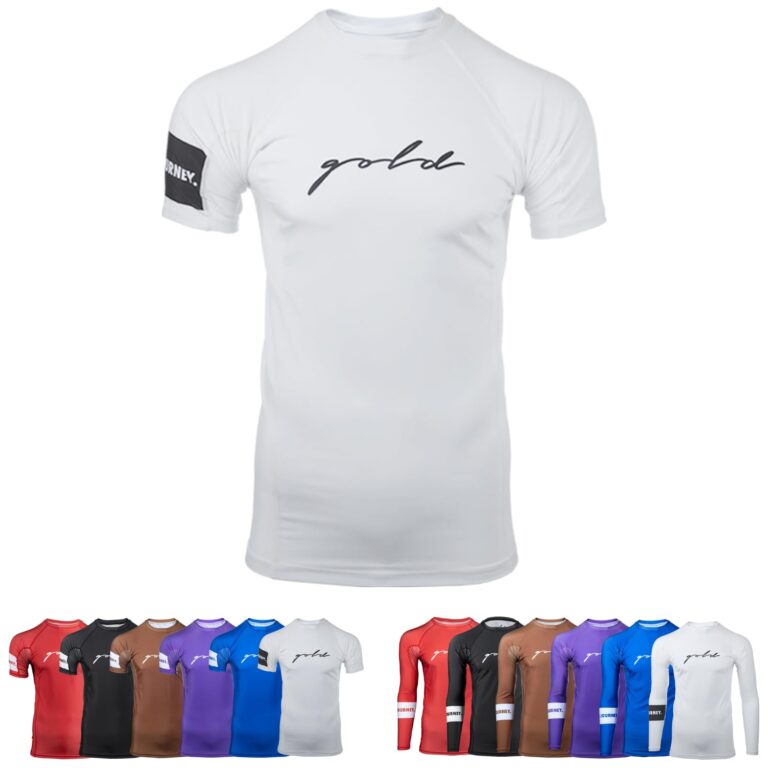
Browse our top-rated rashguards and no-gi gear at the RashguardGuy shop →