Ear Guards for No-Gi: How to Actually Stop Cauliflower Ear Before It Sets
Cauliflower ear is the one grappling injury that announces itself for the rest of your life. Every experienced no-gi player has seen it: the swollen, lumpy, cauliflower-textured ear that no longer folds the way an ear should. What most newer grapplers don’t realize is that the deformity isn’t caused by a single brutal knock. It’s caused by ignoring a small, fixable problem for about 48 hours. Understanding why that happens is the whole game when it comes to ear guards — because the guard isn’t magic, and neither is the drainage needle. Timing and pressure are.
What cauliflower ear actually is
The medical name is auricular hematoma. Your outer ear is cartilage covered by a thin layer of skin, and the cartilage gets its blood supply from the tissue pressed right against it — the perichondrium. When the ear takes repeated friction or a hard shear force, which happens constantly in no-gi scrambles, head-to-head pressure, and cross-face passing, the skin layer separates from the cartilage and blood pools in the gap.
At that stage the ear is warm, puffy, and tender, but it’s still soft. The blood is liquid. If it drains and the layers reattach, the ear heals normally. If it sits there, the body treats the pooled blood as a scaffold and lays down new fibrocartilage inside the swelling. Within a couple of days that soft pocket calcifies into the permanent, hardened lump everyone recognizes. Once it hardens, it’s essentially there for good short of surgery. That short window — soft, then hard — is why prevention beats every other approach.
Why no-gi is worse for your ears than gi
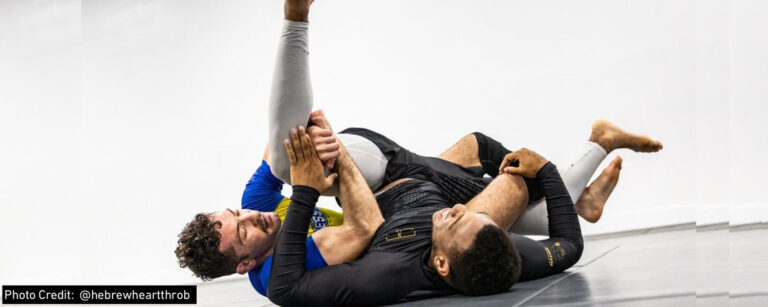
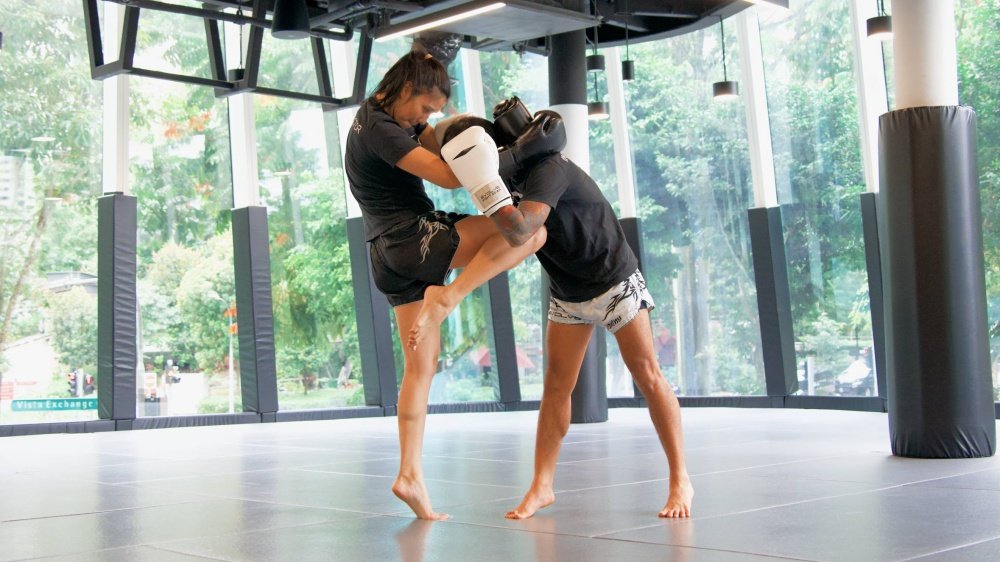
Gi grappling has its own risks, but no-gi tends to be harder on ears for a specific reason: there’s no collar or lapel to slow down head positioning, so the pace of scrambles is faster and the head-to-head contact is more direct. Body-lock passing, front headlocks, darce and guillotine battles, and underhook wars all grind an ear against a forearm, a skull, or the mat. Sweat makes skin more prone to friction tearing, not less. The cumulative micro-trauma is the problem, not one dramatic collision. A detailed look at which specific no-gi positions drive the most ear damage is covered in cauliflower ear in no-gi: positions, pressure, and prevention.
How ear guards prevent the injury
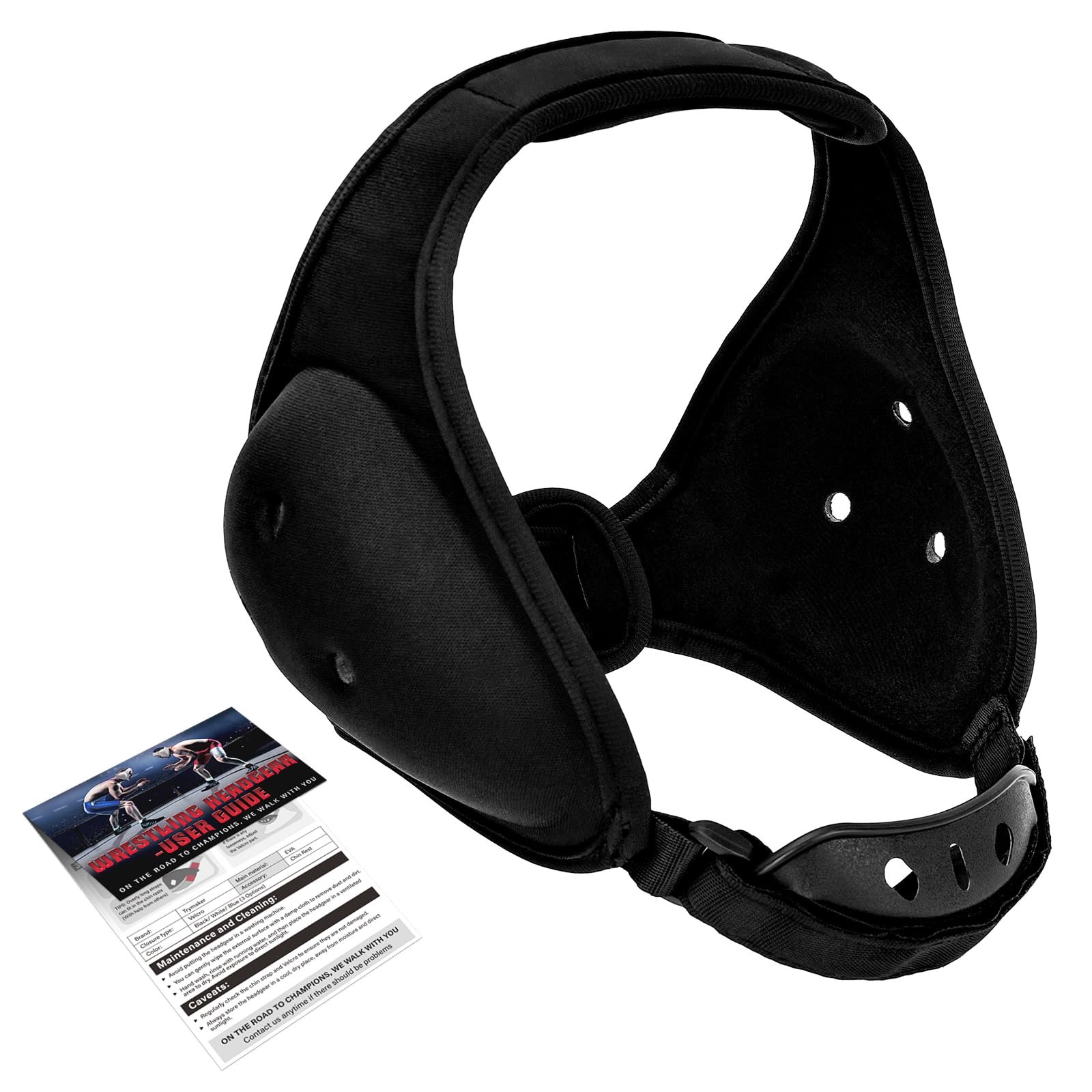
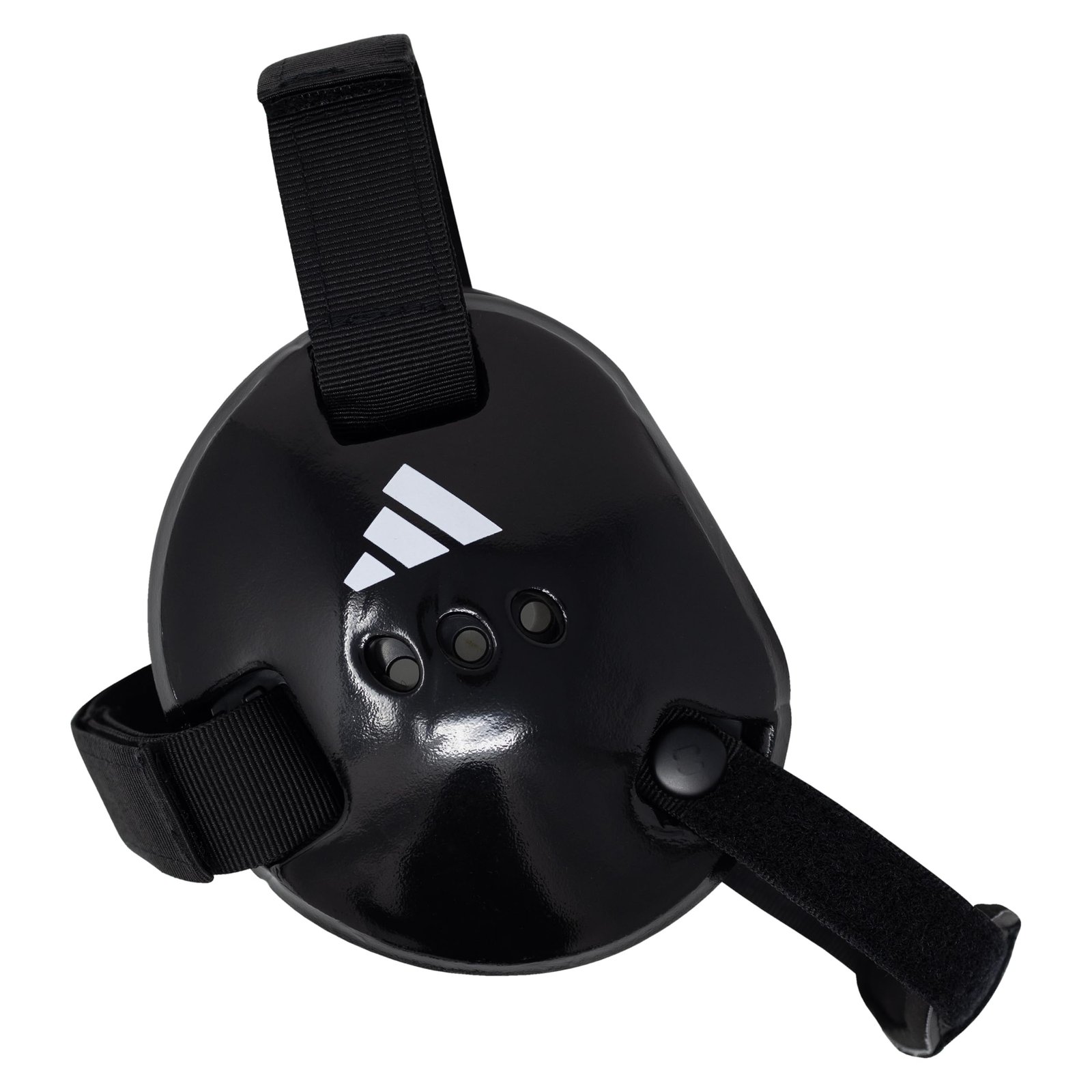
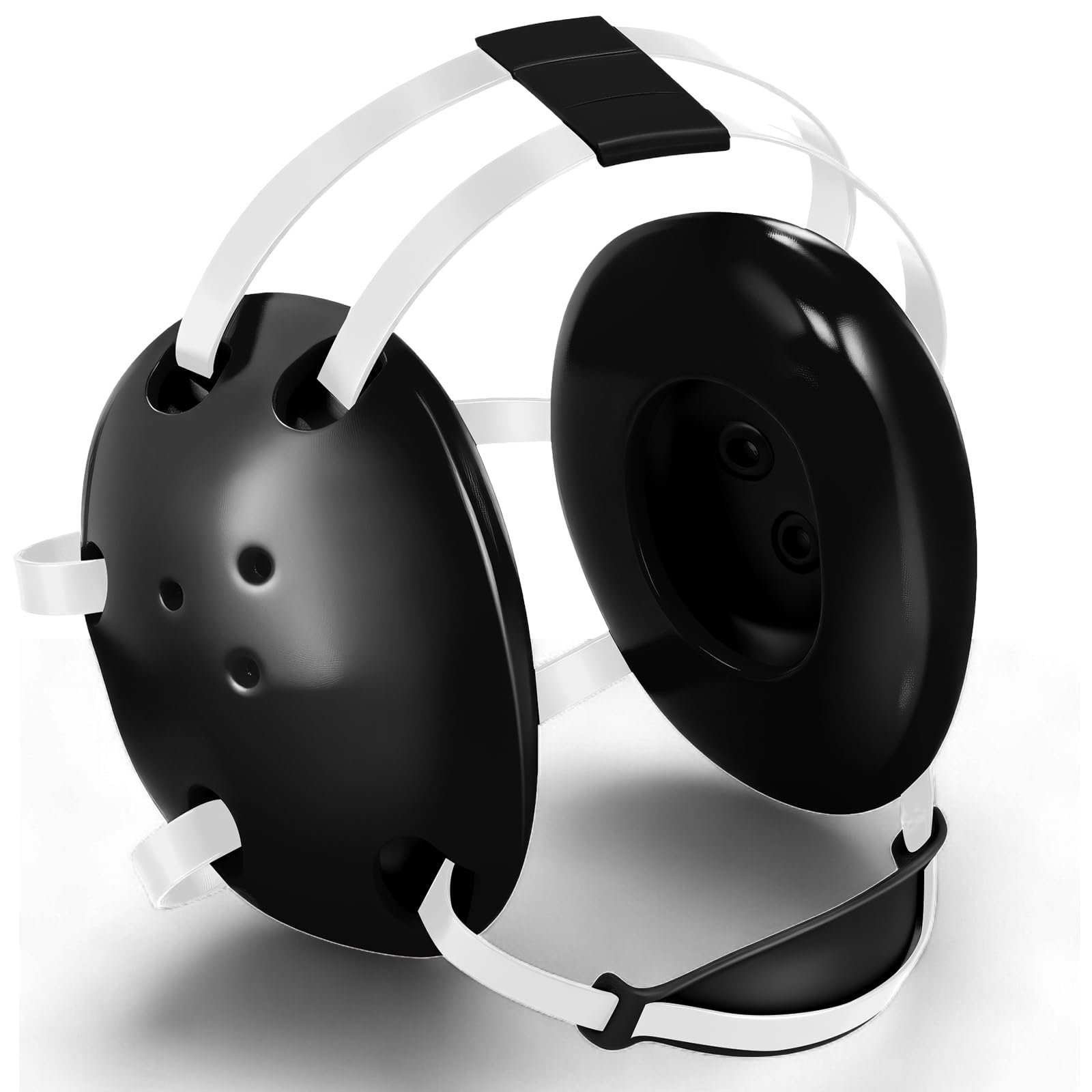
Ear guards — wrestling headgear — work in two ways, and it helps to separate them. The obvious job is a physical barrier: rigid or padded cups sit over each ear and absorb the shear force that would otherwise separate skin from cartilage. The less obvious job is that they hold the ear flat and stable against the side of the head, reducing the folding and bending that starts a hematoma in the first place.
Good headgear doesn’t eliminate contact — nothing will in a live roll — but it distributes and dampens it. The cups spread pressure across the surrounding skull instead of concentrating it on the delicate cartilage. That’s the entire mechanism. It’s why a well-fitted piece of headgear that actually stays in place is worth far more than an expensive one that slides off the moment someone hits an underhook.
Fit is the whole ballgame
The failure mode for ear guards is almost never the padding — it’s the straps. A four-strap harness with an adjustable chin cup keeps the cups centered over the ears through inversions, scrambles, and getting your head cranked sideways in a pass. Two-strap models are lighter and cooler but rotate more easily, which means the cup can slip and leave the ear exposed exactly when contact is heaviest. Before you trust any headgear, put someone’s forearm across your face and shove: if the cup moves off the ear, the fit is wrong regardless of what the box promised. For a detailed walkthrough of how to test and adjust your setup, see the ear guard fit and sizing guide for no-gi.
When to wear them — and why most people don’t
Here’s the honest tension. Headgear works, but a lot of high-level no-gi competitors don’t wear it, and newer grapplers take that as permission to skip it too. The reasons the pros skip it are mostly cultural and practical: it can muffle hearing, it’s warm, some already have set ears so there’s nothing left to protect, and a few genuinely wear the deformity as a badge. None of those reasons apply to someone in their first two years who still has normal ears and wants to keep them.
The pragmatic middle ground most gyms land on: wear headgear during hard training rounds and any session with heavy head-position work, and give your ears a break during light technical drilling. If you’ve already had one flare-up on a particular ear, that ear is more vulnerable and headgear stops being optional. The tissue that has already been disrupted separates far more easily the second time.
Tape and other stopgaps
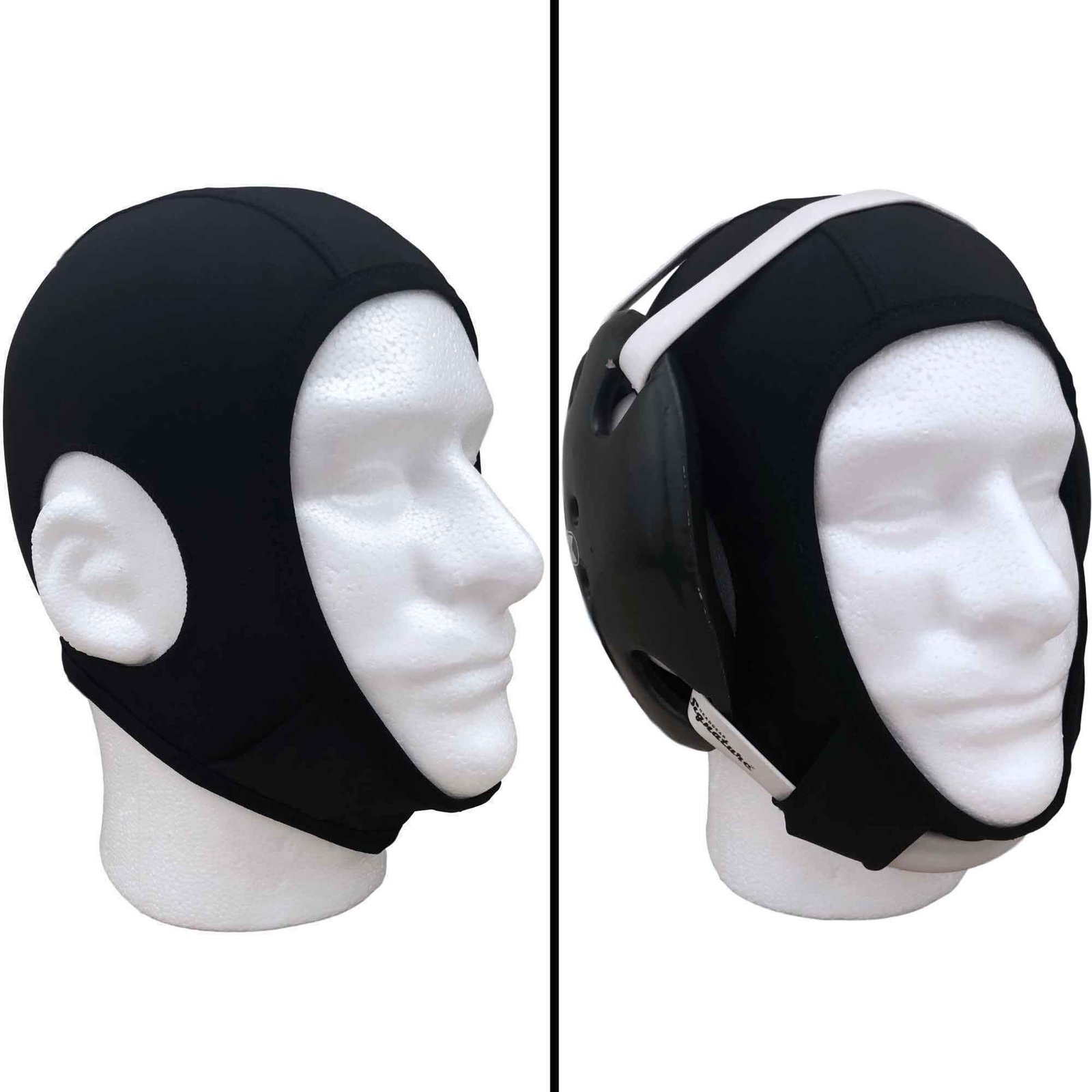
Some grapplers tape their ears flat to the head or wear a tight compression band under a rash top. Taping can reduce folding for a session and is better than nothing, but it doesn’t absorb impact the way cups do, and sweat loosens the adhesive fast. Treat tape as a temporary fix for a day you forgot your headgear, not as a real prevention strategy. A snug beanie or a tight-fitting rash hood offers mild friction reduction but essentially zero impact protection — comfort, not defense.
You felt a flare-up — now the clock is running
Prevention fails sometimes. When it does, the response window is short, and this is where knowing the biology pays off. The moment you notice an ear that’s warm, puffy, tender, and squishy rather than firm, you’re looking at a fresh hematoma with fluid blood inside. That’s the drainable stage. Left alone for roughly two days, it starts to harden and the opportunity closes.
The correct move is to get the fluid out and then keep constant pressure on the ear so the layers reattach and don’t refill. Draining without compression is close to pointless — the pocket simply fills back up within hours. This is genuinely a case for a clinician, urgent care, or an experienced coach who has done it cleanly many times, because doing it in an unsterile locker room is how people turn a cosmetic problem into an infected one. Cartilage infections are serious and can destroy far more of the ear than the hematoma would have.
Soft and warm means there’s still time. Hard and firm means the window has closed. If you can’t tell which it is, treat it as soft and get it looked at today, not next week.
Keeping pressure after drainage
After a drain, the ear needs compression held against the cartilage for several days — dental-roll bolsters sutured or taped in place, a molded compression device, or magnets in mild cases. This is also where headgear re-enters the picture: once the acute phase settles, that ear is now a repeat-risk ear, and it should not go back into hard rounds unprotected. Skipping compression is the single most common reason a drained ear cauliflowers anyway.
Choosing headgear that survives no-gi
For no-gi specifically, prioritize a low-profile shell with minimal snag points, because loose padding and protruding hardware get caught in cross-faces and hand-fighting. Ventilated cups matter more than in gi rooms since no-gi tends to run hot and sweaty. The chin cup should be adjustable and stay put without strangling you. And the straps should be genuinely tightenable — anything with worn-out elastic is worthless the day it stretches. If you’re deciding between wrestling-style gear and BJJ-specific designs, the comparison of wrestling headgear versus no-gi ear guards covers the differences that actually matter in a live round.
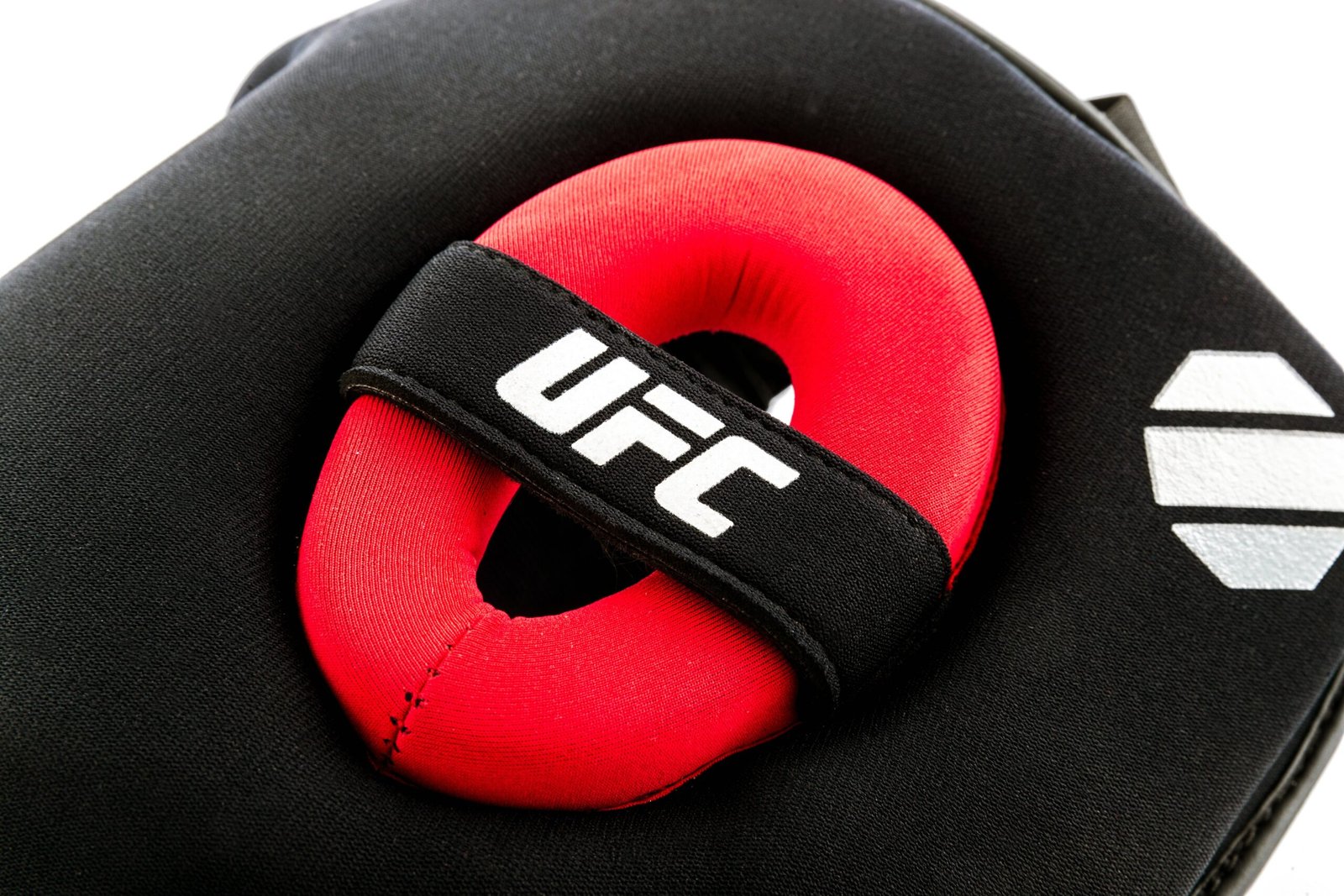
Neoprene shell designs minimize snag points — a real advantage during no-gi hand-fighting and scrambles
Fit trumps brand every time. An entry-level four-strap set that clamps your ears flat and doesn’t budge protects you better than a premium model that looks the part but rotates. Try before you commit if you can, and if you’re buying online, order based on head circumference and be ready to exchange. If you want to compare current options, a simple search for wrestling ear guard headgear will surface the four-strap models worth shortlisting.
The realistic bottom line
Cauliflower ear is one of the most preventable injuries in grappling and one of the most permanent if you get lazy about it. Ear guards don’t stop contact — they stop the shear and folding that separate skin from cartilage, and they buy your ears the margin they need through a hard no-gi round. Wear them for the sessions that matter, respect the 48-hour drainage window if a flare-up happens, and never send a freshly recovered ear back into live rolls unprotected. Do that, and the choice to keep normal ears stays yours instead of getting made for you across two forgotten days.
Sources
- Wikipedia — Auricular (perichondrial) hematoma: anatomy, mechanism, and treatment overview
- National Center for Biotechnology Information — Auricular hematoma management in combat sports athletes
- Mayo Clinic — Cauliflower ear: causes, prevention, and treatment