The Science of No-Gi BJJ Gear: Fabric That Wins Rolls
No collar, no lapel, nothing to hide behind — no-gi grappling puts fabric science under a microscope. Here’s how compression, stitching, and fit actually change a roll.


No collar, no lapel, nothing to hide behind — no-gi grappling puts fabric science under a microscope. Here’s how compression, stitching, and fit actually change a roll.

A good BJJ mouthguard for no-gi grappling is thin enough to breathe through during a full five-minute round, thick enough to survive a stray elbow or knee in a scramble, and fitted tight enough to stay put through a guard pass instead of getting spit out. Boil-and-bite guards work fine for most training partners. Custom-molded…

Bare skin on a shared mat is the biggest hidden risk in no-gi grappling. Here’s how rashguard fabric, spats coverage, and your laundering routine actually determine whether you catch ringworm or staph.
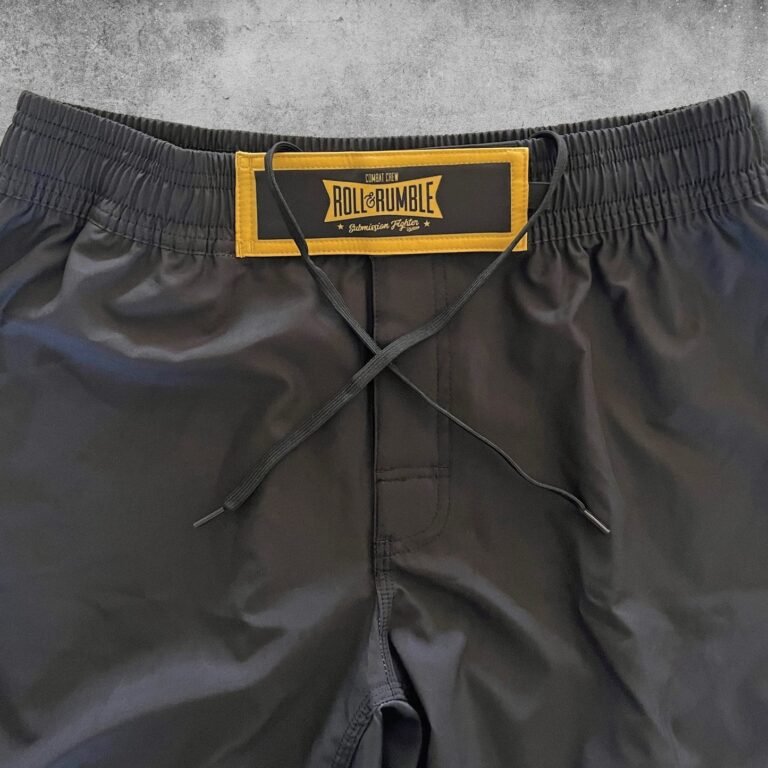
A practical breakdown of what actually goes into a no-gi grappler’s gear bag — from rashguard fabric to mouthguard fit — and why the small details matter more than brand names.

Wrestling headgear and no-gi ear guards look like they solve the same problem, but the sports demand almost opposite designs. Here’s why gear that works on a wrestling mat can become a liability in no-gi grappling.
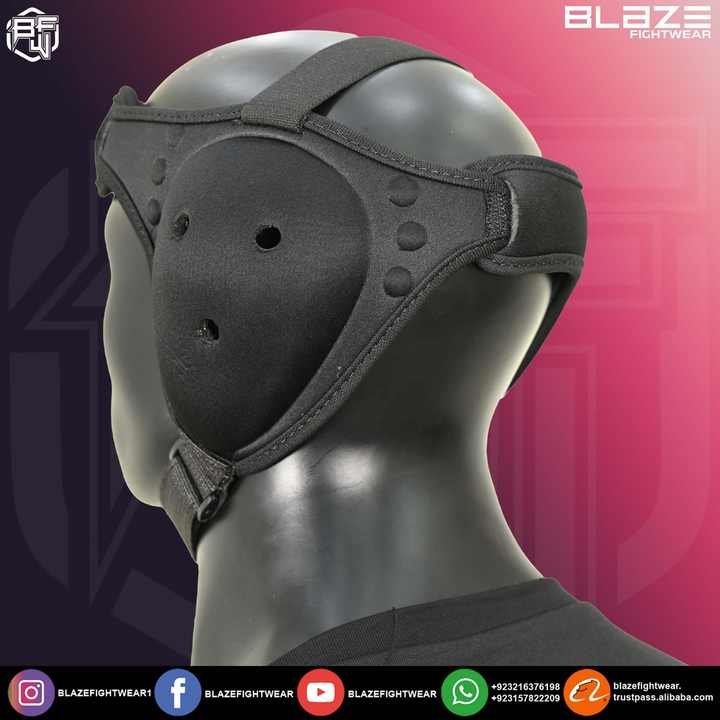
Most ear guard reviews compare brands. This one opens the guard up: the shell materials, curvature, and strap tension that actually decide whether cauliflower ear gets stopped or not.

Most no-gi grapplers replace their ear guard when the strap snaps, not when it stops working. Here’s how foam, straps, and shells actually degrade — and the point where an old ear guard quietly stops protecting you.
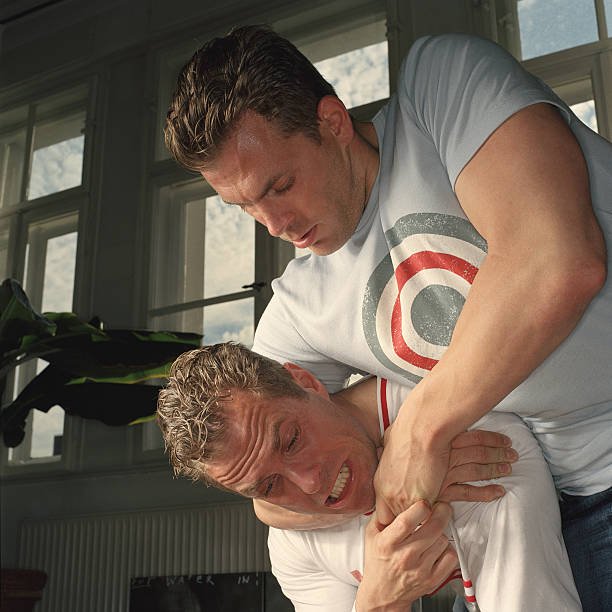
Ear guards cut risk, but they don’t eliminate it. Here’s where no-gi grapplers actually get caught — cross-faces, headlocks, and scrambles — and what closes the gap.
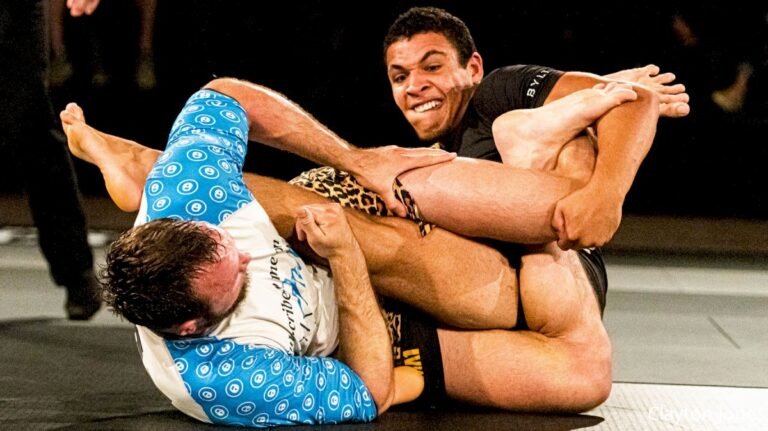
Ear guards stop cauliflower ear from forming, but the padding that protects your ears during a roll can turn into a bacteria incubator between sessions. Here’s what’s actually building up inside the shell and the cleaning routine that stops it.

Ear guards aren’t just a training-room decision. What you’re allowed to wear on the mat at a tournament depends on rules most competitors never read until check-in.
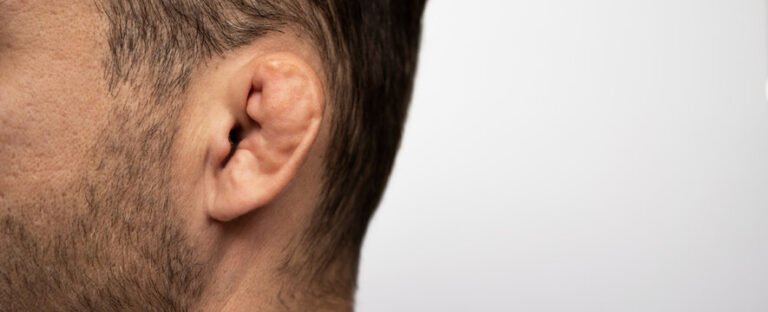
When a hematoma forms after a hard no-gi session, ear guards shift from prevention tools to recovery equipment. Here’s the treatment window protocol that determines what your ear looks like a year from now.
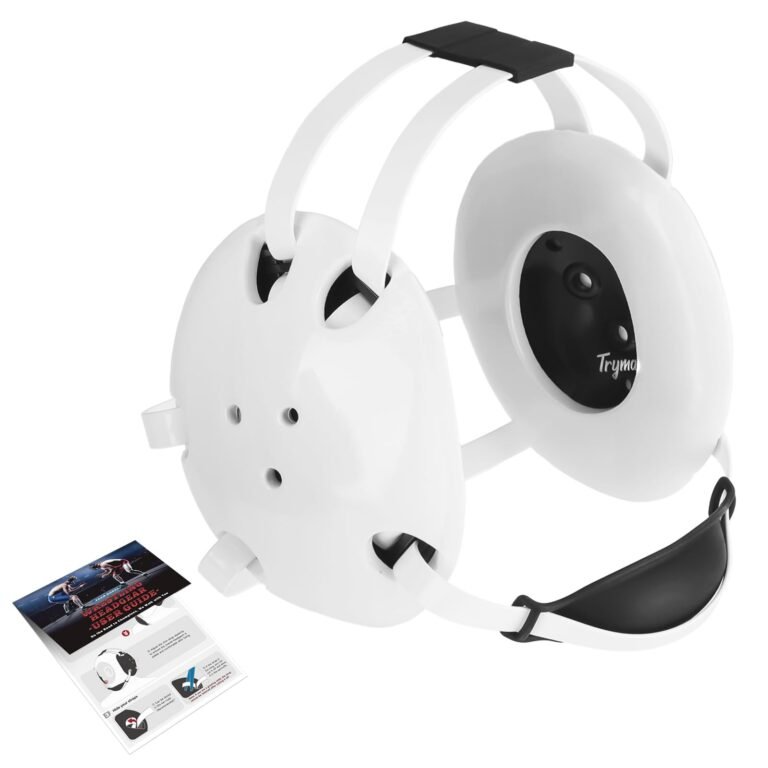
Most ear guard failures come down to fit, not product quality. This guide covers sizing, strap adjustment, shell geometry, and how to recognize when your ear protection has stopped working.