Skin Infections in No-Gi Grappling: How Your Gear Choices Make the Difference
Every no-gi grappler eventually learns the same lesson, usually the hard way: the biggest threat to your training schedule isn’t a bad knee or a tweaked shoulder, it’s a ring-shaped rash that shows up two days after a hard rolling session. No-gi strips away the fabric barrier that a gi jacket and pants provide, which means bare skin spends far more time in direct contact with the mat, with an opponent’s sweat, and with whatever the last six people on that mat were carrying. Gear choices that seem cosmetic at a glance — sleeve length, fabric weave, how often you actually wash your spats — are the real variables that decide whether you stay healthy or spend a month sidelined.
The Skin Problem No-Gi Gear Has to Solve
In gi jiu-jitsu, the collar, sleeves, and pants act as a physical buffer between a grappler’s skin and the mat or their partner. Strip that away, as no-gi does by design, and you get more surface area exposed for longer stretches of contact time — chest-to-chest guard passing, forearms dragging across the mat during scrambles, bare legs locked in half guard for minutes at a time. None of that is a problem on its own. The problem is that combat sports mats, no matter how often a gym mops them, are a documented reservoir for the fungus that causes ringworm and the bacteria behind staph and MRSA infections. Wrestling and grappling programs have tracked this for decades, and the same physics apply whether the sport is folkstyle wrestling or a no-gi open mat.
This is why gear in no-gi isn’t just about grip, mobility, or looking sharp for a tournament photo. Rashguards and spats function as a wearable barrier layer, and the fabric technology behind them has quietly become one of the more serious engineering problems in combat sports apparel.

What’s Actually Growing on a Grappling Mat
The two conditions that matter most for no-gi grapplers are tinea corporis gladiatorum — the wrestling-specific strain of ringworm — and staphylococcus infections, including drug-resistant MRSA. Ringworm spreads through direct skin contact and through contaminated surfaces, which describes a no-gi mat almost perfectly: dozens of athletes, hours of skin contact, and a training surface that gets reused all day. Staph lives on skin naturally in a lot of people without causing problems, but any break in the skin barrier — a mat burn, a scratch from a stray fingernail, a friction blister from a rashguard seam — gives it an entry point.
None of this is theoretical for competitors. It’s routine enough that the sport’s governing bodies have built formal screening into the competition process itself.
Why Competition Organizations Run Skin Checks
Both IBJJF and ADCC require competitors to pass a skin check before they’re allowed on the mat, and referees are trained to pull an athlete from a match if they spot a suspicious lesion mid-bout. At the level competitors like Gordon Ryan and Kaynan Duarte operate at, that screening is just part of fight week — weigh-ins, skin checks, then the bracket. For everyone training below that level, the same logic applies without the formal enforcement: nobody is checking your forearms before an open mat, so the responsibility for catching a problem early, and for not spreading it to training partners, sits entirely with your own gear and hygiene habits.

Rashguard Fabric: The First Line of Defense
Not all rashguard fabric is built the same, and the differences matter more than most grapplers realize. The compression polyester-spandex blends used across modern no-gi lines are chosen for a few specific properties beyond fit: tight weave density that limits how much sweat and skin debris passes through to the surface, moisture-wicking that pulls sweat away from skin rather than letting it sit and create the damp environment fungus needs to spread, and increasingly, antimicrobial treatments woven directly into the fiber. Silver-ion and polygiene treatments are the two most common approaches, and both work by disrupting bacterial cell function on contact rather than just masking odor, which is the marketing angle most brands lead with even though the hygienic benefit is the real value.
Seam construction matters almost as much as the fabric itself. Flatlock stitching reduces the friction points where skin rubs against a raised seam for an entire five-minute round, and those friction points are exactly where micro-abrasions open the door for staph. A rashguard that fits properly and doesn’t bunch or chafe during scrambles is doing real protective work, not just looking better in competition photos.

Long Sleeve vs Short Sleeve, and Why It Matters More in No-Gi
The sleeve-length debate in no-gi usually gets framed around grip fighting and mobility, but there’s a hygiene dimension that rarely gets discussed. A long-sleeve rashguard covers the forearms during exactly the exchanges that generate the most skin-on-mat and skin-on-skin contact time — collar ties, underhooks, scrambles on the ground. Competitors who train at gyms with a known history of skin infections, or who are coming back from a recent staph scare themselves, often default to long sleeves specifically for that added coverage during high-frequency training blocks, even if they compete short-sleeve. It’s a small adjustment, but it’s the kind of decision that separates athletes who stay in the gym year-round from the ones who lose weeks to a preventable infection.

Spats and Full Leg Coverage as a Barrier, Not Just a Fashion Choice
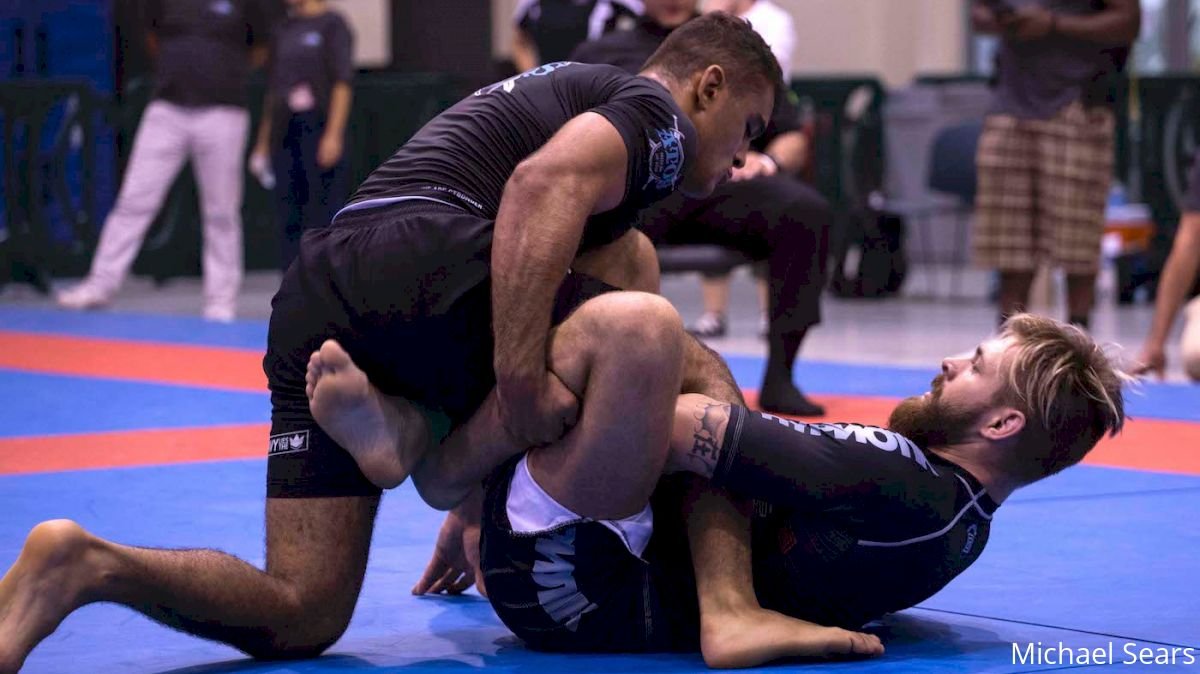
Legs spend more uninterrupted time in contact with the mat than almost any other part of the body in no-gi grappling — guard retention, half guard, leg entanglements, and every scramble where a knee or shin drags across the surface. Spats exist to cover that exposure the same way a rashguard covers the torso and arms, and the same fabric considerations apply: tight compression weave, wicking performance, and ideally an antimicrobial finish, especially for anyone training multiple sessions a day where gear doesn’t get a full wash cycle between rolls.
Full-length spats paired with a rashguard effectively recreate the coverage a gi provided, minus the fabric weight and grip-fighting handles. Grapplers who’ve had a ringworm scare tend to switch to this combination almost reflexively afterward, because it closes off nearly every point of direct mat contact without sacrificing the mobility no-gi is built around.
The Laundering Protocol That Actually Kills Ringworm and Staph
Owning the right gear doesn’t help if it isn’t washed correctly, and this is where most grapplers quietly fail. Ringworm spores and staph bacteria both survive a quick cold rinse without much trouble. The washing habits that actually make a difference are specific: hot water above 140°F when the fabric can tolerate it, a full dry cycle on high heat rather than air-drying, and washing gear after every single session rather than getting two or three rolls out of one rashguard because it “doesn’t smell yet.” Odor and pathogen survival are not the same thing — gear can smell fine and still be carrying live spores.
For gear that can’t handle high heat, an antimicrobial laundry additive or a sports-specific detergent designed for wrestling and grappling programs closes the gap. A lot of competitive teams also keep a diluted bleach or benzalkonium chloride wipe-down routine for gear bags themselves, since a bag that never gets cleaned becomes its own long-term reservoir even when the gear inside is washed regularly.

Gym Responsibility vs Personal Gear Responsibility
A well-run no-gi program mops mats between classes, requires shoes off the mat area entirely, and enforces a policy that anyone with a visible skin lesion sits out until it’s cleared. That’s the gym’s half of the equation. The other half belongs entirely to the individual grappler, and it’s the half that’s easy to neglect: showering immediately after training rather than sitting in sweaty gear for the drive home, never sharing rashguards or spats even for a single round, and treating any unexplained red patch as a reason to see a doctor rather than waiting to see if it clears up on its own.
Competitors at the ADCC and major grappling super-fight level operate under enough scrutiny that skipping this discipline isn’t really an option — there’s a skin check, a camera, and a ranking on the line. Everyone training below that level has to build the same discipline voluntarily, and gear is the tool that makes it easier to actually follow through on.

Building a Gear Rotation That Keeps You on the Mat
The practical takeaway is simple even if the underlying microbiology isn’t: no-gi grapplers who train often need enough rashguards and spats in rotation that nothing gets worn twice without a proper hot wash in between, fabric with a genuine antimicrobial treatment rather than just a wicking claim on the tag, and a laundering habit that treats every session as one that needs a full wash cycle. None of this is about being paranoid. It’s the same logic wrestling programs adopted decades ago after learning the expensive way that a mat is never just a mat — it’s a shared surface that gear is the only real defense against.
Sources
- CDC — Ringworm and Staph Infection Prevention
- NCAA — Skin Infection Guidelines for Wrestling and Combat Sports
- ADCC — Official Competition Rules
- IBJJF — Official Rules and Regulations