The Science of No-Gi BJJ Gear: Fabric That Wins Rolls
In a gi match, a fighter’s kimono absorbs the friction, gives an opponent something to grip, and hides a surprising amount of technical error underneath heavy cotton weave. No-gi grappling removes all of that. There is no collar to choke with, no lapel to trap a wrist, and nothing between skin and skin except a thin layer of compression fabric. That single difference has quietly turned no-gi apparel into one of the more technical corners of combat sports gear design, where fabric blend, seam construction, and fit tolerance affect outcomes in ways gi practitioners never had to think about.
Why No-Gi Made Fabric Science Matter
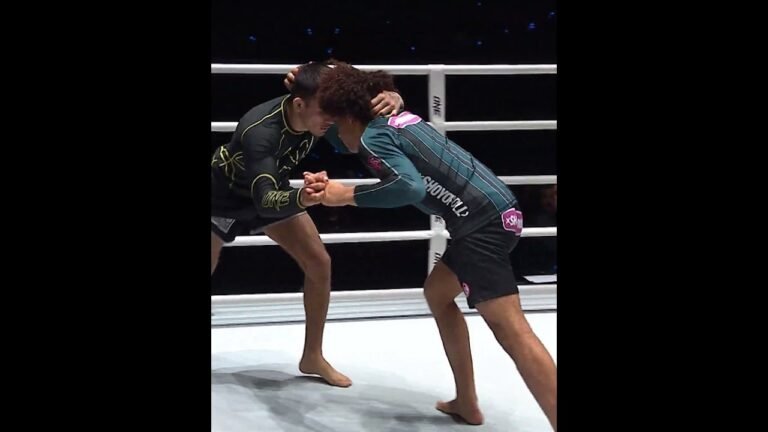
When Brazilian jiu-jitsu split into gi and no-gi competition streams through the growth of events like ADCC and the submission-only circuit, athletes quickly discovered that removing the kimono didn’t just change the rules of grip fighting — it changed what they wore underneath it. A loose t-shirt bunches up during a scramble and gives an opponent a makeshift collar to grab. A cotton shirt soaks with sweat within minutes and becomes heavier and slicker at the same time, a bad combination when you’re trying to control a slippery opponent. The rashguard, borrowed originally from surfing where it was designed to prevent board rash rather than grappling friction, became the default no-gi top because synthetic compression fabric solved both problems: it stays flush to the body under load, and it doesn’t hold water the way natural fibers do.
The Anatomy of a No-Gi Rashguard
Fabric Blends and Four-Way Stretch
Most competition-grade rashguards are built from a polyester-spandex blend, typically somewhere between 80/20 and 88/12 depending on the brand’s balance of durability versus stretch. Polyester gives the garment its shape retention and moisture-wicking behavior — its fibers don’t absorb water the way cotton does, so sweat moves along the surface and evaporates rather than saturating the shirt. Spandex, usually a small minority of the blend by weight but responsible for most of the stretch, is what allows a rashguard to move through a full range of motion during a triangle setup or a leg entanglement without restricting the athlete or bunching at joints. Fabric engineered with four-way stretch, meaning it flexes both horizontally and vertically, is what lets a rashguard maintain compression through positions a static fabric simply couldn’t survive without tearing or riding up.
Flatlock Stitching and the Grip-Fighting Problem
Seam construction sounds like a minor detail until you consider that in no-gi grappling, any raised seam is a potential handle. Standard overlock stitching leaves a ridge on the inside or outside of the garment; flatlock stitching interlaces the thread so the seam lies nearly flush with the fabric surface. That matters for two reasons. First, a raised seam under repeated friction from an opponent’s forearm or a mat surface causes chafing over the course of a long training session or a multi-match competition day. Second, and more specific to grappling than any other sport that uses compression wear, a proud seam running across the shoulder or side can become a grip point during scrambles, giving an opponent a fractional advantage that a flatlock seam denies them.

Compression Fit as a Competitive Variable
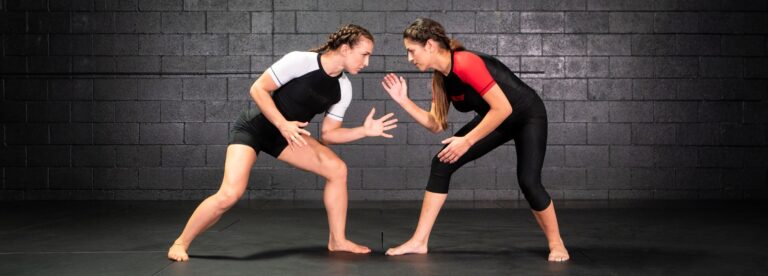
Fit is not a comfort preference in no-gi — it is closer to a rules compliance issue. Both the IBJJF no-gi ruleset and the ADCC ruleset require rashguards and shorts to fit snugly against the body, and referees at major tournaments have turned competitors away at check-in for gear that fits too loosely. The logic is straightforward: baggy fabric anywhere on the body creates the same problem a gi collar created before it was removed from the equation, a place for an opponent’s fingers to catch and control. A rashguard sized correctly should sit against the skin without excess fabric bunching at the waist, and shorts or spats should not shift or ride during a scramble. This is why most brands publish detailed sizing charts based on height and weight rather than the shirt-size conventions used for casual athletic wear, and why serious competitors size down rather than up when between measurements.

Antimicrobial Treatments and the Chemistry Behind Odor Control
Grappling gear takes a beating from sweat, mat surfaces, and repeated close contact, which is exactly the environment bacteria and fungus thrive in. Most competition rashguard lines now include some form of antimicrobial treatment, commonly silver-ion technology marketed under names like Polygiene or X-STATIC. The mechanism is simple chemistry: silver ions disrupt the cellular processes of odor-causing bacteria on contact, which slows the breakdown of sweat compounds that create smell, and in turn extends how long a garment can go between washes without degrading. It doesn’t replace proper hygiene practice or make a shared gear bag safe on its own, but it is a meaningful part of why modern synthetic rashguards outperform a plain cotton shirt in a training environment where the same fabric might see two or three sweat-soaked sessions in a single day.

Grappling Shorts and Spats: Coverage, Compression, and Rule Compliance
Below the waist, no-gi athletes choose between board-style grappling shorts, compression spats that run to the ankle, or a combination of both. Competition rules generally require shorts without pockets, belt loops, zippers, or metal fasteners, since any of those can catch a finger or toe during a scramble and cause injury. Spats have become increasingly common at the highest level of the sport largely because of how much modern no-gi competition revolves around leg entanglements and heel hooks. Bare skin sliding against an opponent’s shin or foot during a prolonged leg lock exchange causes friction burn, and full-length compression spats eliminate that exposure while keeping the same close-fit profile the rules demand. Athletes who compete primarily in top-position, pressure-passing styles sometimes still prefer shorts alone for the ventilation, while leg-lock specialists overwhelmingly favor spats or a shorts-over-spats combination.

How Elite No-Gi Competitors Actually Choose Their Kit
Watch enough high-level no-gi matches from ADCC or major superfight cards and a pattern emerges: the competitors most associated with speed-based, scramble-heavy styles tend to run their compression gear noticeably tighter than a recreational hobbyist would. Leg-lock oriented athletes lean toward full spats for the friction protection already discussed. Wrestlers-turned-grapplers, who spend more time in single and double leg entries, often favor a slightly heavier rashguard fabric that holds up to the abrasion of repeated ground-and-pound style scrambles against the mat. None of this is really about sponsorship logos, even though sponsorship is highly visible at this level of the sport. It comes down to which fabric weight, seam pattern, and coverage length best support the specific exchanges an athlete’s game plan puts them into most often.

It is also worth noting how much of this decision-making has trickled down from the elite level to the hobbyist level over the past several years. A decade ago, a white belt walking into a no-gi class in a plain cotton t-shirt was unremarkable. Today, most gyms expect at least a basic rashguard from day one, both because instructors have seen how quickly cotton becomes a liability in a hygiene sense and because beginners who train in properly fitted compression gear tend to pick up grip-fighting concepts faster, simply because there is nothing loose on their body masking the difference between good and bad positioning.
Building Your Own No-Gi Kit: A Practical Framework
For anyone assembling a no-gi kit from scratch, the priority order is worth thinking through deliberately rather than buying whatever a gym’s pro shop happens to stock. A well-fitted rashguard is the highest-impact single purchase, since it affects hygiene, grip-fighting exposure, and rules compliance all at once. Grappling shorts or spats come next, chosen based on how much of your game happens in leg entanglements versus top-position control. From there, most competitors settle into a rotation of at least two or three full sets, since synthetic fabric needs time to fully dry between wears and reused damp gear is a fast track to skin issues regardless of antimicrobial treatment.
- Try before you buy when possible — sizing charts vary meaningfully between brands, and a snug European cut fits differently than a relaxed American cut.
- Check competition legality early if you plan to compete — pocketless shorts and full-coverage rashguards are non-negotiable at IBJJF and ADCC events.
- Rotate at least two to three sets so gear fully dries between training sessions.
- Prioritize flatlock seams over price when comparing similarly priced rashguards, since seam quality affects both comfort and grip exposure.
The Next Generation of No-Gi Fabric
Fabric technology in grappling apparel is still evolving. Seamless, laser-cut construction is starting to appear in premium rashguard lines, eliminating traditional stitching almost entirely in favor of bonded panel edges, which removes the seam-as-grip-point problem altogether. Sublimated dye printing, which infuses graphics directly into the fiber rather than printing on top of it, has also improved fabric longevity since the design no longer cracks or peels the way older screen-printed rashguards did after repeated washing. As no-gi grappling continues to grow as a standalone competitive discipline separate from traditional gi jiu-jitsu, expect the fabric research behind the gear to keep pace with how technical the sport itself has become.
Sources
IBJJF — International Brazilian Jiu-Jitsu Federation
Wikipedia — Brazilian Jiu-Jitsu
Shop no-gi compression gear: rashguards and grappling shorts on Amazon.