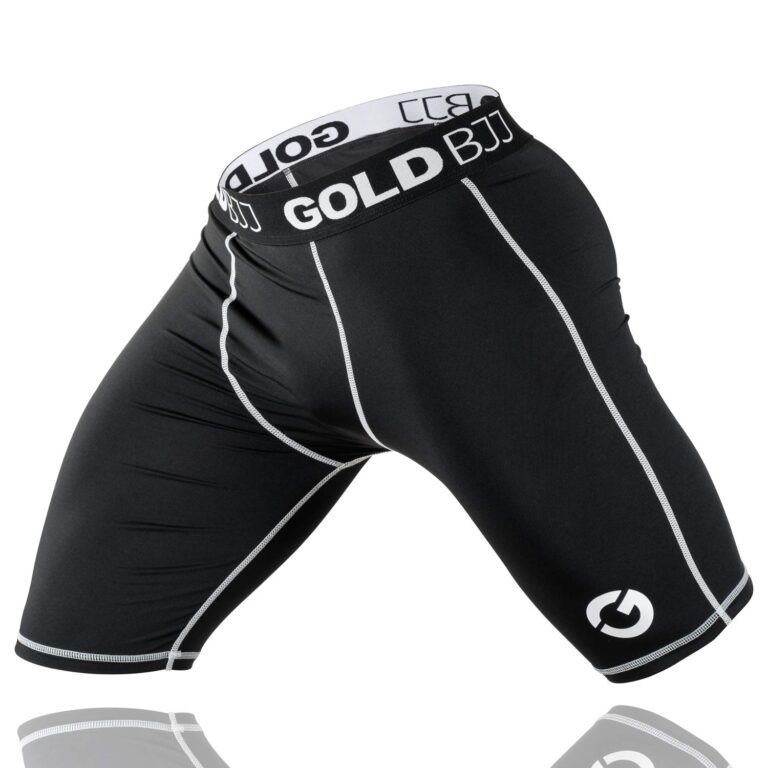
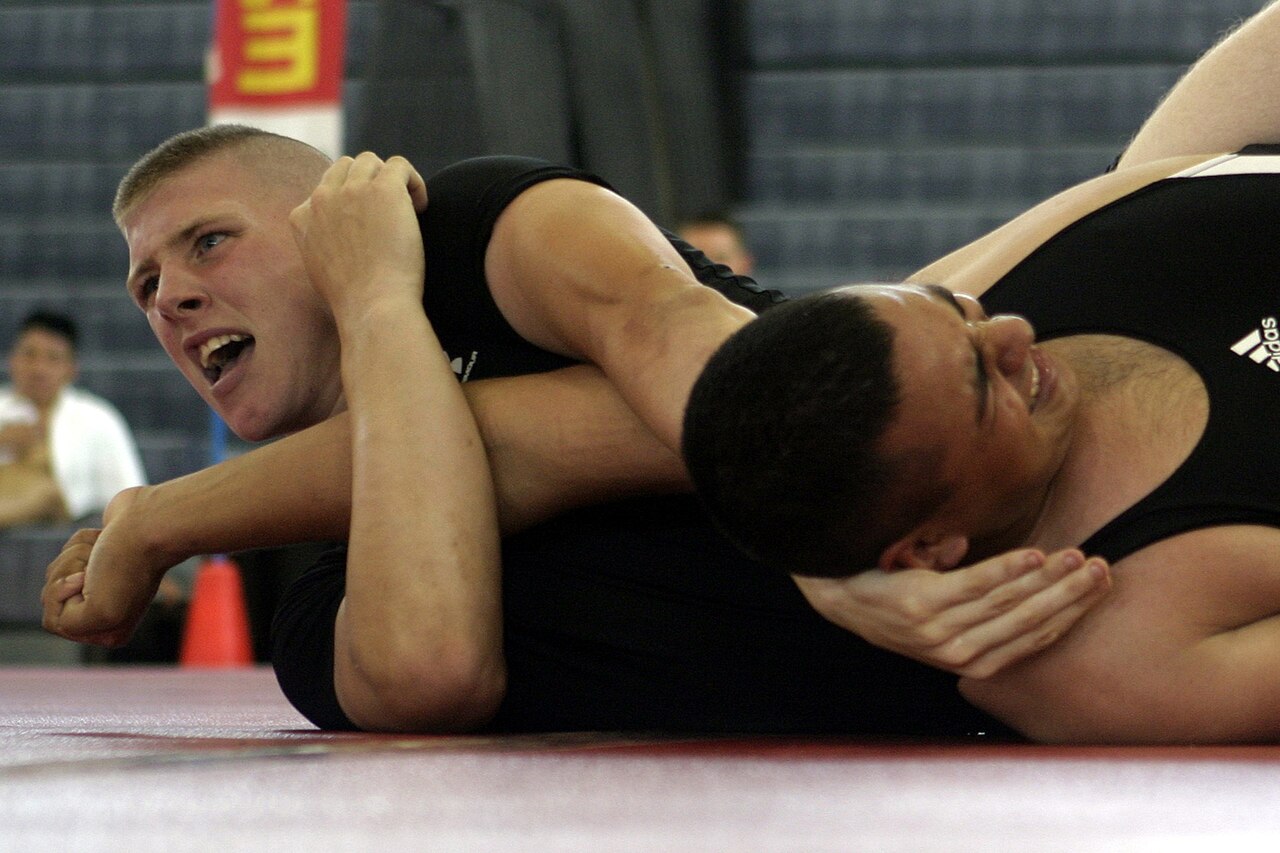
Rashguard vs Compression Shirt: 5 Essential BJJ Facts
Walk into any no-gi class and you can spot the newcomer in about thirty seconds: they are the one in a cotton-blend gym compression shirt, tugging it back down after every scramble. The rashguard vs compression shirt question comes up for almost everyone starting out, because a $20 compression top from a sporting-goods rack looks close enough to the real thing. On the mat, the gap shows up fast. This is a breakdown of what actually separates the two, where each one belongs, and why most experienced grapplers stopped asking the question years ago.
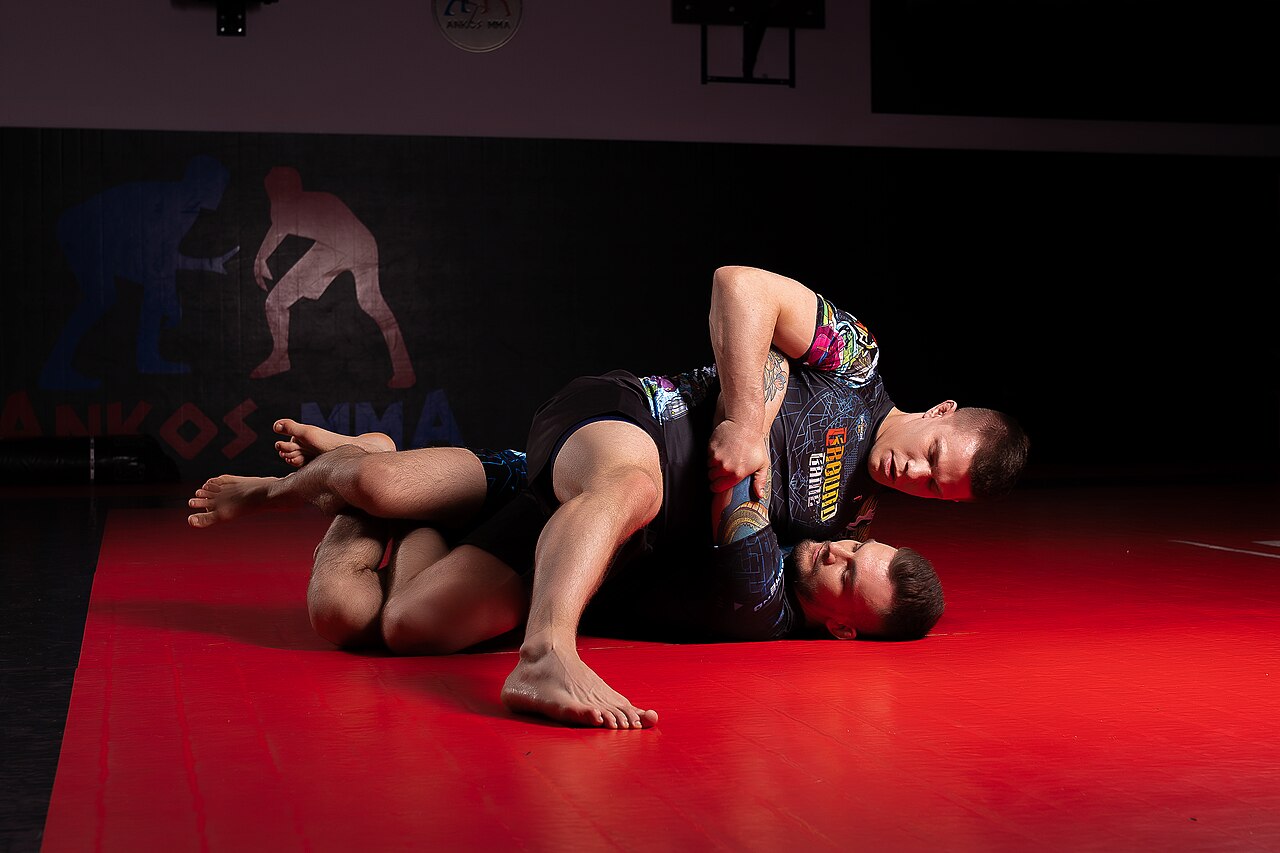
Rashguard vs Compression Shirt: The Core Differences
Both garments hug the body, wick sweat, and use polyester-spandex blends. That is where the overlap ends. A compression shirt is engineered for running, lifting, and field sports — activities where nobody is gripping the fabric, dragging it across an abrasive mat, or sweating on you at close range for six-minute rounds. A rashguard is built for exactly that.
The design priorities are different from the first stitch. Compression shirts optimize for muscle support and low cost. Rashguards optimize for seam strength, stretch recovery, and hygiene under grappling stress. You feel the difference the first time a training partner posts a hand on your shoulder and the seam holds instead of popping.
What a Rashguard Is Built to Do
A grappling rashguard uses an 80/20 polyester-spandex blend, usually in the 220–260 GSM range, with flatlock seams that sit flush against the skin so they do not chafe during full-contact rolling. Reinforced stitching at the underarms and shoulders takes the load when someone frames, posts, or grips. Sublimated graphics are dyed into the fabric rather than printed on top, so they do not crack after twenty washes.
Then there is the part nobody thinks about until it is a problem: anti-microbial treatment. Silver-ion and polygiene finishes slow the bacterial growth that turns damp polyester into a health hazard. Ringworm and staph spread through skin-to-skin contact in no-gi, and a rashguard that resists funk between washes is part of your first line of defense. A standard compression shirt has none of this.
Where a Compression Shirt Falls Short on the Mat
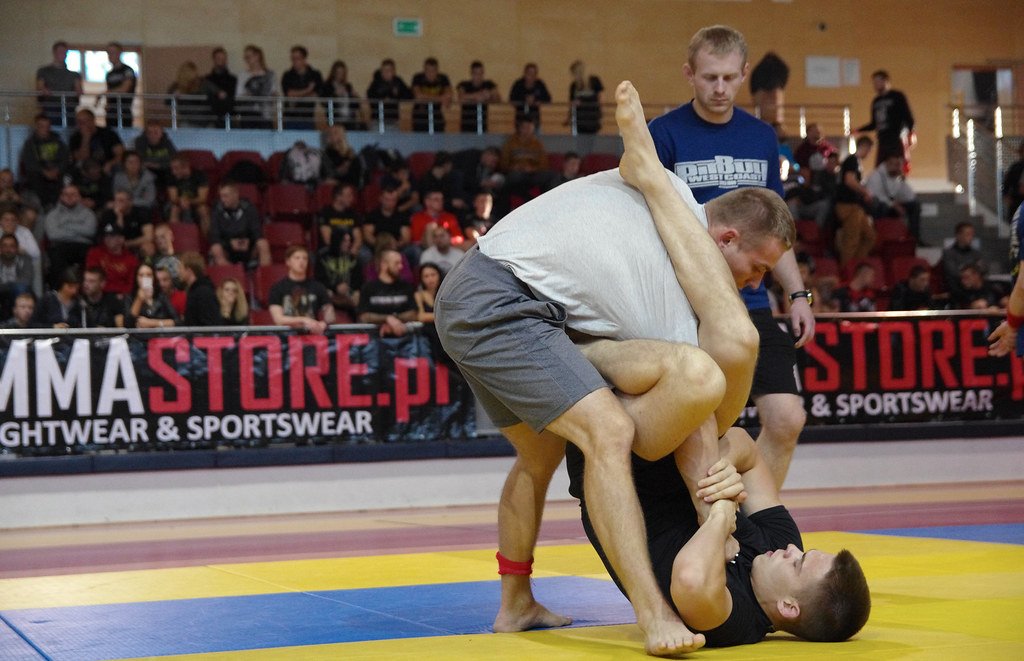
The failure point is almost always the seams. Compression shirts use overlock or serged seams meant for linear movement, not the multidirectional shear of a guard pass. Grapplers routinely blow out the shoulder or underarm of a compression shirt inside a couple of months of regular training. The fabric also tends to be thinner, so it pills, thins at the elbows, and telegraphs every grip your opponent takes.
Fit is the other issue. A compression shirt is cut for a static torso, not for the deep shoulder rotation of an overhook or the extension of a long-range underhook. It rides up during inversions and gives your partner extra loose fabric to grab. The truth is a $20 compression shirt costs more per year than a $40 rashguard, because you replace it three times as often — and you spend those months rolling in something that keeps failing when you need it.
5 Key Differences Between a Rashguard and a Compression Shirt
If you only remember one section, make it this one. These are the five places the two diverge, ranked by how much they matter once you are training more than once a week.
| Factor | BJJ Rashguard | Compression Shirt |
|---|---|---|
| Seams | Flatlock, reinforced at high-stress zones | Overlock/serged, fails at shoulders |
| Stretch recovery | Holds shape after 100+ washes | Bags out and thins within months |
| Hygiene | Anti-microbial silver-ion or polygiene finish | No antibacterial treatment |
| Fit under grappling | Gusseted for shoulder rotation, stays down | Rides up during scrambles and inversions |
| Competition legal | IBJJF and no-gi compliant by rank/color | Not tournament legal |
Notice that four of the five come down to durability and hygiene, not comfort. A brand-new compression shirt feels fine for one round. The problem is round two hundred.
When a Compression Shirt Is Actually Fine
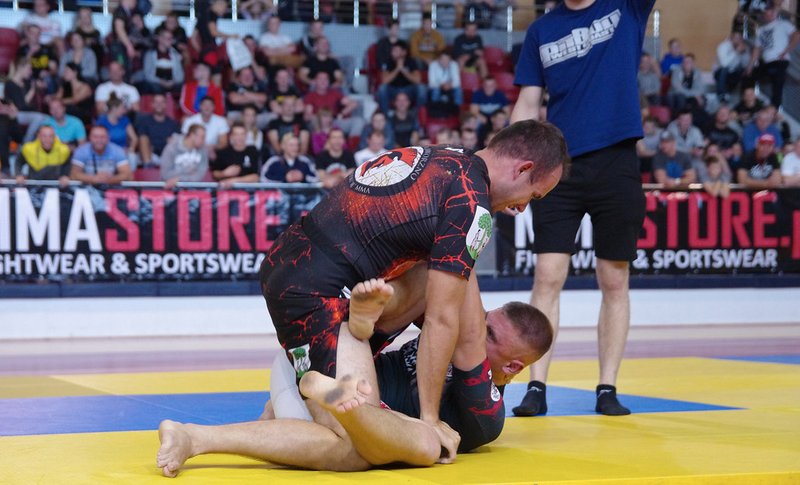
Here is where I push back on the purists: a compression shirt is not useless. If you are doing solo movement drills, shadow-grappling, strength work, or a low-intensity open mat where nobody is cranking on your gear, a compression shirt does the job. Plenty of people wear one to their first free trial class before committing to buy proper gear, and that is a reasonable move.
The line is live rolling. The moment another human is gripping, framing, and posting on the fabric at full resistance, the compression shirt stops being an acceptable substitute. Think of it the way a runner thinks about trail shoes versus road shoes — one is not “better,” they are built for different ground. For the ground you actually train on in no-gi, that is a rashguard.
IBJJF and No-Gi Rules: Why It Matters
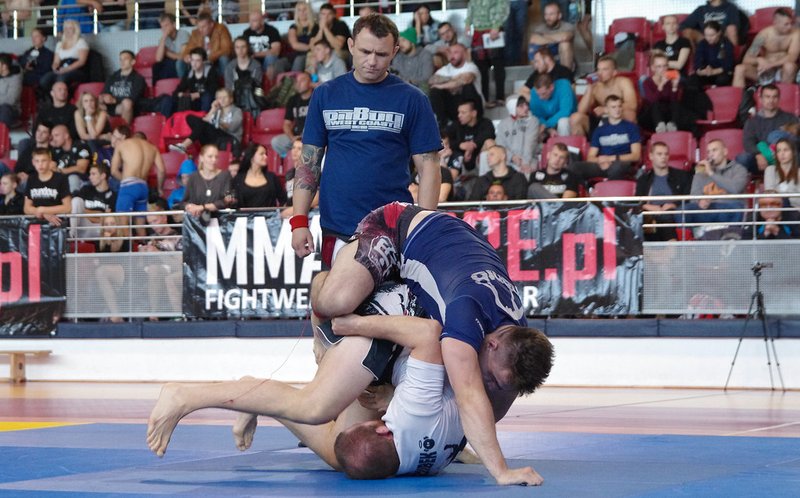
If you plan to compete, the choice is made for you. Under IBJJF no-gi rules, competitors must wear a rashguard that is at least 10% of their belt-rank color, or a rashguard that is 90% black with a rank-colored section — and it must be a proper elastic rashguard, not a t-shirt or compression top. Show up to the bullpen in a gym compression shirt and you will be sent back to change, which can cost you the match if you miss your call.
ADCC and most submission-only promotions are looser on color but still expect a fitted rashguard rather than a loose or non-grappling top. The rulebook exists for hygiene and safety as much as uniformity, so this is not a technicality worth fighting. Check your event’s current rules before you buy, because sleeve-color requirements change between organizations.
Watch: No-Gi Rashguards Tested on the Mats
How to Choose Your First Rashguard
Once you have decided against the compression shirt, the buying decision is simpler than it looks. Start with fabric weight in the 220–260 GSM range, confirm flatlock seams, and pick a fit that is snug at the chest without cutting off your shoulders. Long sleeves add forearm protection and reduce skin contact; short sleeves run cooler in a hot gym. Owning one of each covers every season.
You do not need to spend $100 to get started. Mid-tier brands deliver most of the performance for half the price, and our breakdown of the best rashguard for BJJ walks through the models worth owning. If money is tight, the guide to a budget grappling rashguard under $50 shows exactly what your money buys, and our head-to-head rashguard brand breakdown compares the fabric and stitching across the popular options.
Frequently Asked Questions
Can I wear a compression shirt to my first BJJ class?
Yes. For a trial class or your first week, a compression shirt is a fine placeholder while you decide whether to commit. Just plan to buy a real rashguard before you start rolling live regularly — most gyms expect one within your first few sessions for hygiene reasons.
Is a rashguard just a fancy compression shirt?
No. They share a stretchy fitted look, but a rashguard uses flatlock seams, reinforced stress panels, anti-microbial fabric, and heavier grappling-grade material. A compression shirt is built for running and lifting, where none of those features are tested.
Why does my compression shirt smell worse than my rashguard?
Compression shirts lack the silver-ion or polygiene anti-microbial finish that grappling rashguards use. Bacteria multiply in the damp fabric, and once that funk sets into untreated polyester it is nearly impossible to wash out.
Do I need a rashguard for gi BJJ too?
It helps. A thin short-sleeve rashguard under the gi jacket wicks sweat and protects against mat burn, but it is optional in the gi. In no-gi, a rashguard is effectively required for both hygiene and competition rules.

The Bottom Line
Buy the rashguard. A compression shirt can bridge your first week or handle a solo drilling session, but it was never built for the shear, grip, and close-contact hygiene demands of live no-gi. Spend $40 on a mid-tier rashguard with flatlock seams and you will get more clean, comfortable rounds out of it than three compression shirts combined.
The next time you are standing in the gear aisle deciding between the two, remember what you are actually buying: not a shirt, but the one piece of equipment that touches every training partner you roll with. Get one that holds up, then go earn some mat time in it.
Gear choice becomes clearer once you understand the training environment. The Taipei BJJ blog covers the BJJ training culture in detail — from beginner mat etiquette to competition prep — which helps put gear decisions in real context.
Sources
- IBJJF — Official Rulebook and Uniform Requirements — no-gi rashguard color and construction rules
- ADCC Submission Fighting World Federation — submission grappling uniform standards
- FloGrappling — no-gi event coverage and gear context
Browse our top-rated rashguards and no-gi gear at the RashguardGuy shop →
Shop on Amazon
BJJ Rashguards on Amazon →
As an Amazon Associate we earn from qualifying purchases.