Competition Rashguard Brands in 2026: Which No-Gi Gear Actually Holds Up
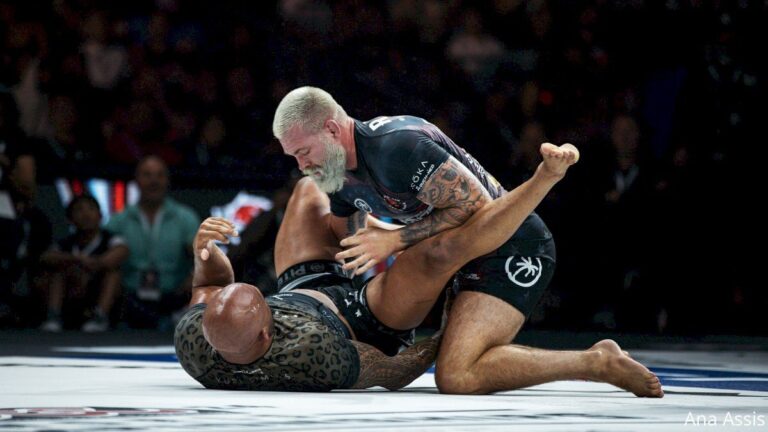
The no-gi grappling scene in 2026 is moving fast. ADCC Worlds is locked in for Kraków. FloGrappling’s partnership with ONE Championship has put submission grappling on screens that previously only saw MMA. WNO cards are running almost every month. And through all of it, the rashguard has quietly become one of the most scrutinized pieces of equipment in the sport — not just by brands competing for shelf space, but by grapplers watching competition footage closely enough to notice what Gordon Ryan, Nicky Rod, and the next generation of elite no-gi athletes are wearing when it counts.
The problem is that the rashguard market has never been more crowded. Searching for the best rashguards for BJJ and grappling in 2026 returns hundreds of options across a dozen price points, most of them promising competition-grade compression and sublimation that won’t fade. Separating legitimate performance from marketing copy requires looking at what the gear actually does under stress — not in a product photo, but across hundreds of training sessions and in front of a crowd.
Why Fabric Specification Is Only Half the Story
Most rashguard discussions start and end with polyester-spandex ratios, and for good reason — the blend determines how the fabric handles stretch and recovery. A standard competition rashguard typically runs between 82–88% polyester and 12–18% spandex (elastane). That ratio governs four-way stretch, how much the fabric compresses against muscle tissue, and critically, how well it recovers its shape after a thousand guard pulls.

But the number on the tag tells you less than the construction around it. Flatlock stitching is the industry standard for no-gi BJJ because it doesn’t create a raised seam that another grappler can grab or that digs into skin during prolonged mat time. Sublimated graphics — where the dye is embedded into the polyester fibers rather than printed on top — are what separate gear that still looks clean after two years from gear that starts cracking after twenty washes. If a rashguard is using a heat-transfer process instead of dye sublimation, the graphics are going to crack. That’s not speculation; it’s visible on any roll-worn piece after six months.
Moisture management is the third variable most buyers underestimate. High-compression rashguards trap heat, which matters more in academies without climate control. Some brands have introduced mesh panels in the torso or underarm zones to manage airflow without sacrificing compression on the limbs — an approach that shows up in higher-end products and makes a measurable difference across two-hour training sessions. Compression recovery — how well the fabric returns to its original shape after being stretched — is the single most important durability variable that doesn’t appear on any spec sheet. You won’t know how a rashguard holds up under grip pressure until someone spends a few matches yanking on it.
The Brands That Are Actually on the Competition Floor
The clearest way to evaluate a rashguard brand in 2026 isn’t a spec sheet — it’s broadcast footage. Watching how gear behaves across a full grappling match reveals things that no written review captures. You can see whether seams shift during scrambles, whether fabric bunches at the shoulders when an opponent drives pressure, and whether the garment recovers or stays stretched out after extended clinch work. The brands below are the ones that show up consistently under those conditions.
Hyperfly: The Compression Benchmark
Hyperfly has been synonymous with high-level no-gi competition for years, and that position hasn’t weakened going into 2026. Their gear appears consistently on WNO broadcasts and at ADCC qualifiers across multiple weight classes. The compression is in the high-performance tier — tighter than most training-focused brands — which is why their athlete team wears it through the most demanding grappling events on the calendar. The tradeoff is price: Hyperfly sits at the premium end, and that reflects real manufacturing decisions. The fabric weight, stitching density, and sublimation quality are all operating at a level that cheaper production can’t match. For grapplers training five or six days a week and competing regularly, running the math on cost-per-session tends to justify the investment.
Tatami: European Build Quality at a Mid-Range Price
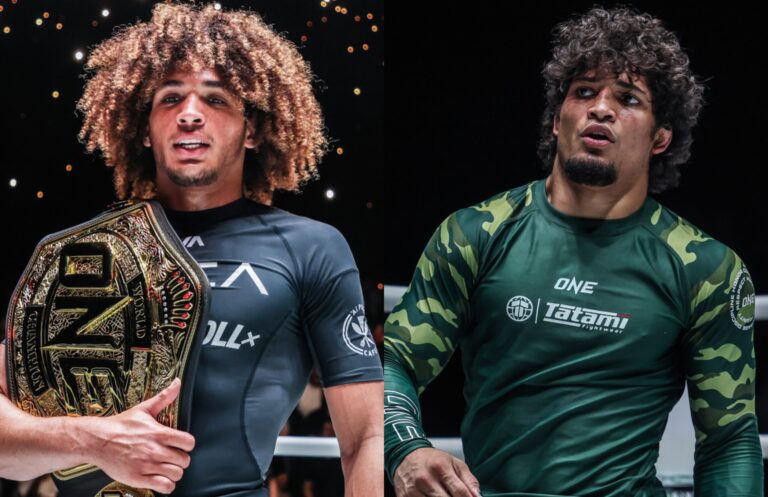
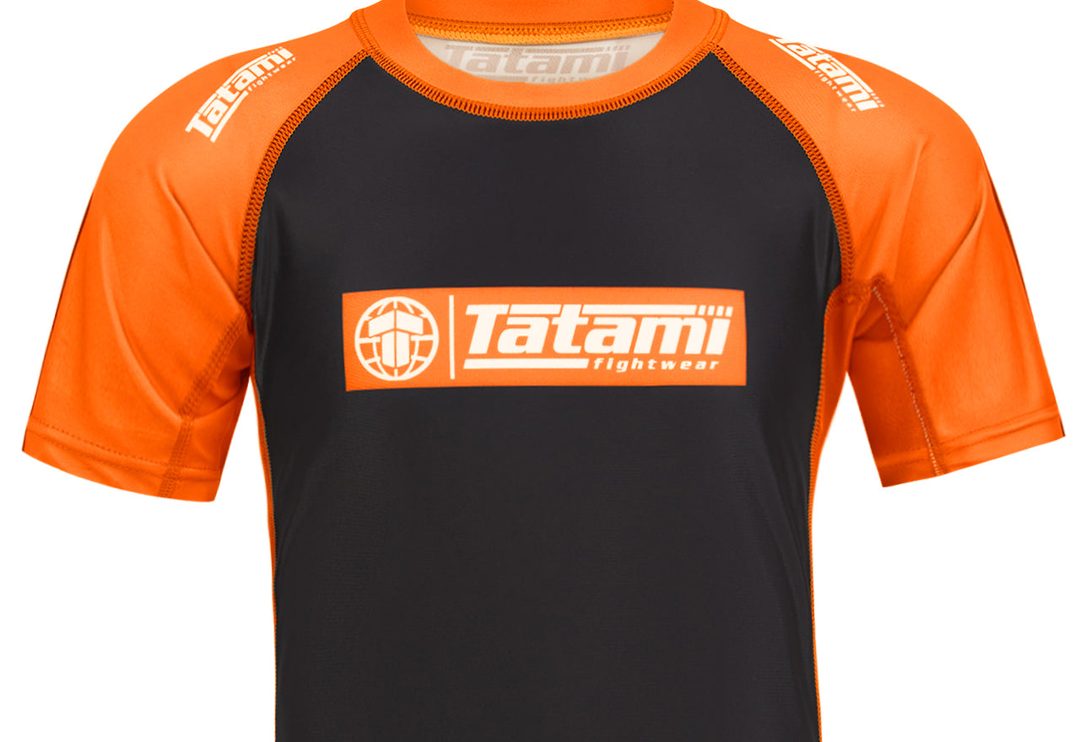
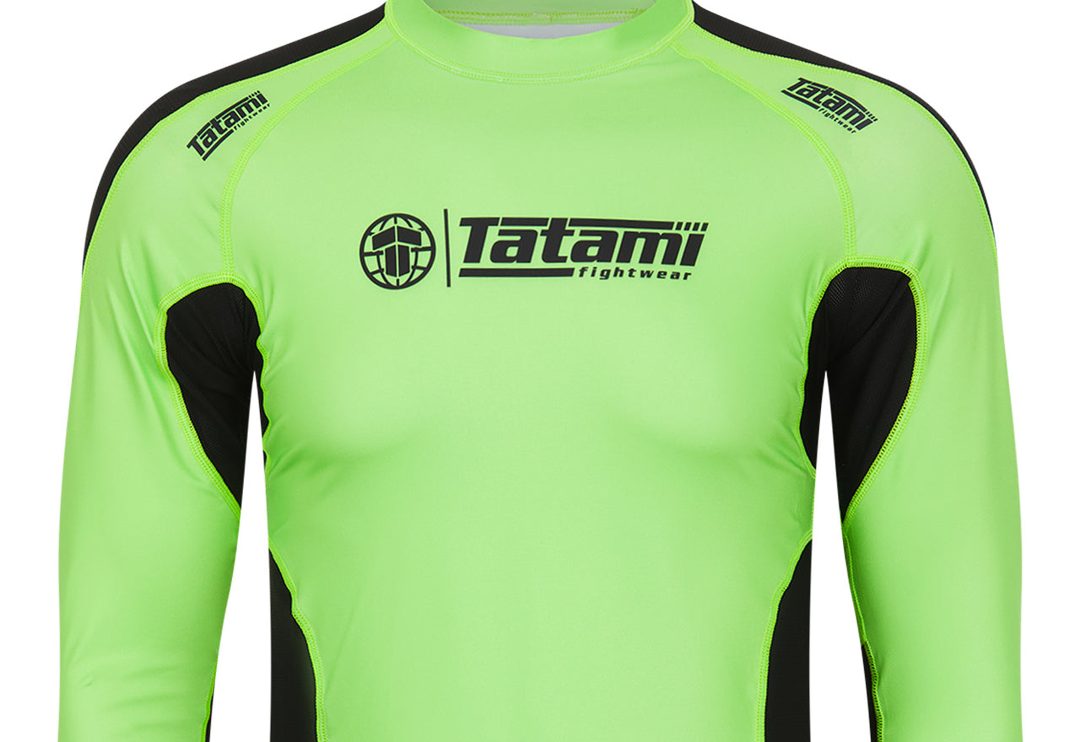
Tatami Fightwear has built a reputation in the European no-gi scene that now extends globally, driven by consistent quality at a price point below the premium tier. Their ProComp rashguard line uses a performance polyester blend that competes with more expensive options on stretch and recovery. Their IBJJF-legal color options make them practical for competitors who need gear that passes inspection without ordering custom pieces. Tatami’s stitching quality is where they’ve always punched above their weight — seams that hold through regular washing cycles better than most competitors in the same price range. For practitioners who need reliable competition gear without a premium price point, Tatami is one of the most consistent answers in the market.
Gold BJJ: Performance With a Sustainability Angle That Actually Holds Up
Gold BJJ has grown into one of the more serious options in the market over the last several years, particularly among grapplers who track sustainability claims carefully. Their use of recycled materials in fabric production is genuinely notable in an industry where environmental positioning is often marketing copy and nothing more. Beyond that angle, the actual performance of their rashguards is competitive at the mid-to-high range — compression is real, sublimation is sharp, and the sizing tends to run true in a way that cheaper brands frequently don’t. For grapplers looking for a brand that performs and carries some ethical positioning, Gold BJJ has earned that ground.
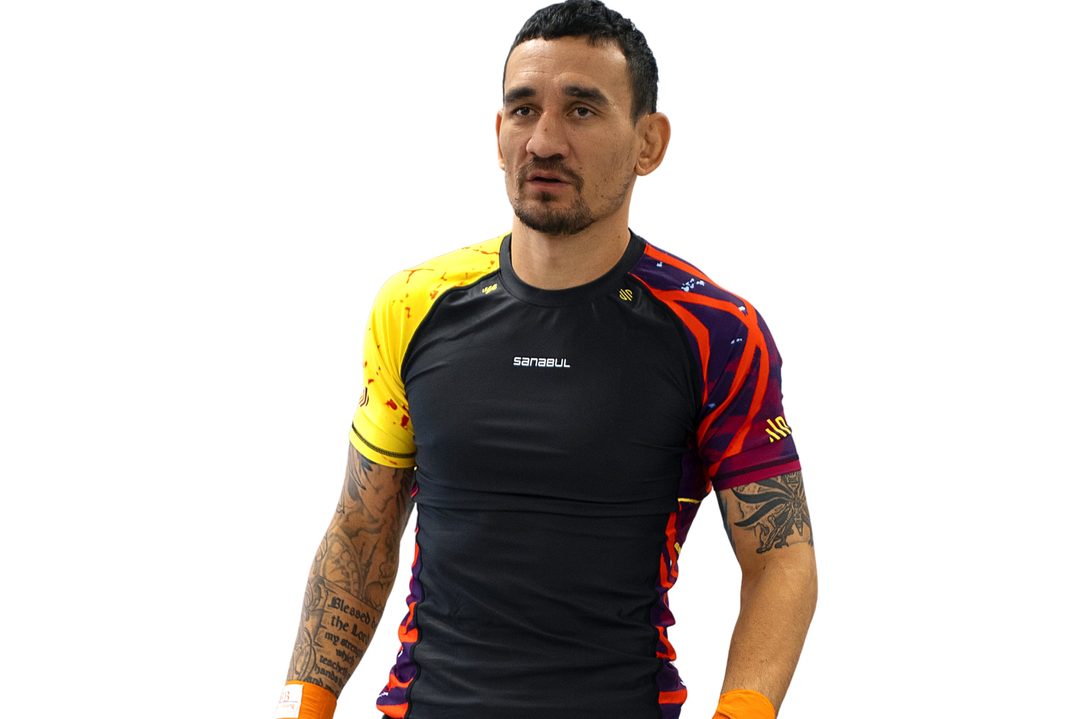
Sanabul: The High-Volume Training Standard
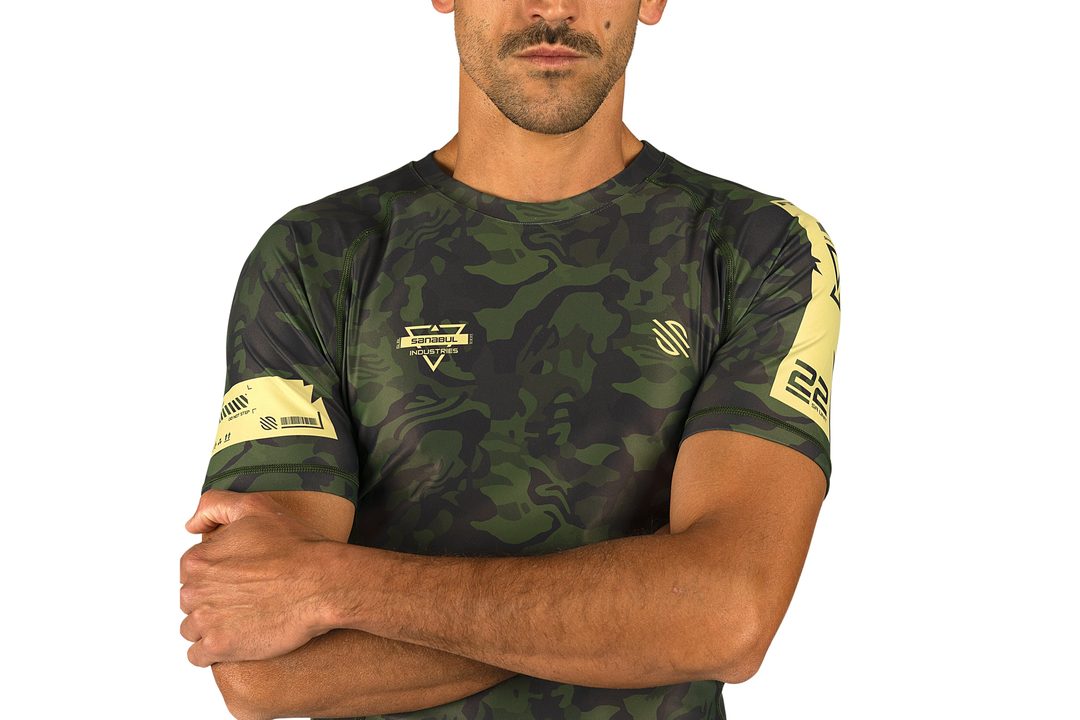
Sanabul occupies a different category than the others. It’s the high-volume training option, and it’s not pretending to be anything else. If you’re a grappler burning through gear quickly because you’re on the mat six days a week, Sanabul offers a price point that makes rotation practical. The compression doesn’t match Hyperfly’s output and the longevity is shorter, but for someone maintaining a rotation of four or five rashguards to keep washing cycles manageable, buying Sanabul multiple times for the cost of one premium piece is a rational decision. The quality has improved noticeably in recent years — early criticism around stitching has largely been addressed — and for its intended purpose, it delivers.
Competition Color Rules and What They Mean for Your Gear Choices
One factor that narrows rashguard choices significantly is competition color requirements. IBJJF events require blue or black rashguards for competitors, and this alone eliminates a substantial portion of what brands produce. If you compete in IBJJF-sanctioned events regularly, confirming color legality before purchasing isn’t optional — it’s a prerequisite. Tatami and Hyperfly both maintain deep inventory in legal colors, which is part of why they’re well-represented on IBJJF competition floors specifically.
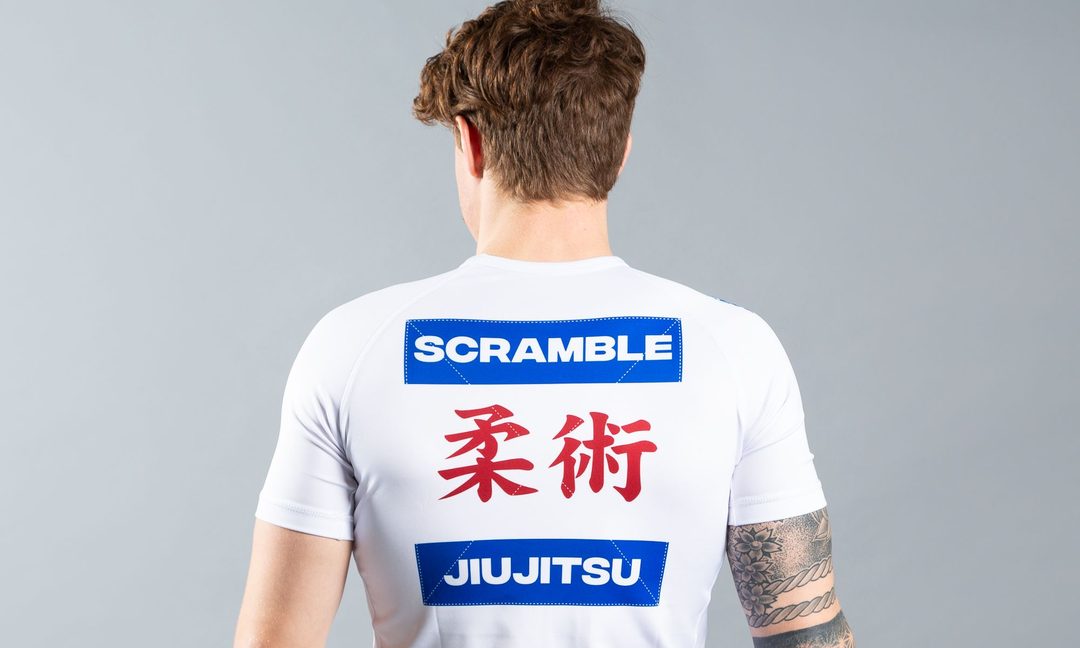
ADCC-format events and submission-only opens typically impose no color restriction, which means any training rashguard can double as competition gear. This opens the door to using a bold-colored or custom-branded piece that would otherwise sit on a shelf during IBJJF season. For grapplers competing across formats, having one strictly legal rashguard reserved for IBJJF events and a separate piece for open submission formats is the most practical way to manage the restriction without compromising performance in either context.
What Elite Competition Footage Actually Reveals
The most useful data available to a grappler shopping for a rashguard in 2026 isn’t a product review. It’s FloGrappling’s broadcast library. Watching how rashguards behave across a full grappling match reveals things that no written review captures. You can see whether seams shift during scrambles, whether fabric bunches at the shoulders when an opponent drives pressure from top position, and whether the garment recovers or stays deformed after extended clinch and neck-wrestling exchanges.
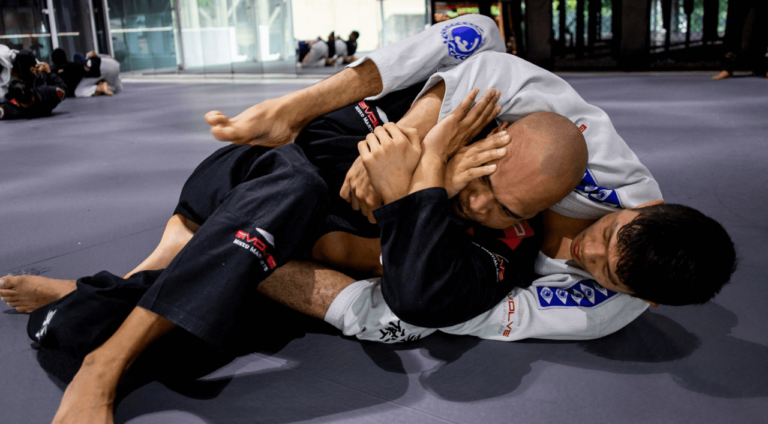
What the footage consistently shows is that high-compression gear performs differently in a match context than mid-compression options. Grapplers in premium-tier rashguards move with consistent fabric contact against the body — the material is working against the muscle rather than riding loose in the torso. During prolonged positional battles, particularly in top position where an opponent is constantly driving against the torso, a loose-fitting rashguard creates both a handle and a distraction. Neither outcome helps you finish.
The other thing broadcast footage makes clear is how much grip recovery matters. No-gi rules eliminate collar and sleeve grips, but fabric manipulation happens in every match anyway. A rashguard that permanently stretches out under grip pressure becomes a liability over the course of a long bracket. Watching match footage from the perspective of how the fabric behaves — not just who wins — is the most honest gear evaluation available to any grappler making a purchase decision.
Building a Rotation That Matches How You Actually Train
The consideration that most buying guides sidestep is that no single rashguard works equally well for every training context. The gear you want for a competition where you’re managing nerves and a full bracket is different from what makes sense for a two-hour drilling session in a warm gym.
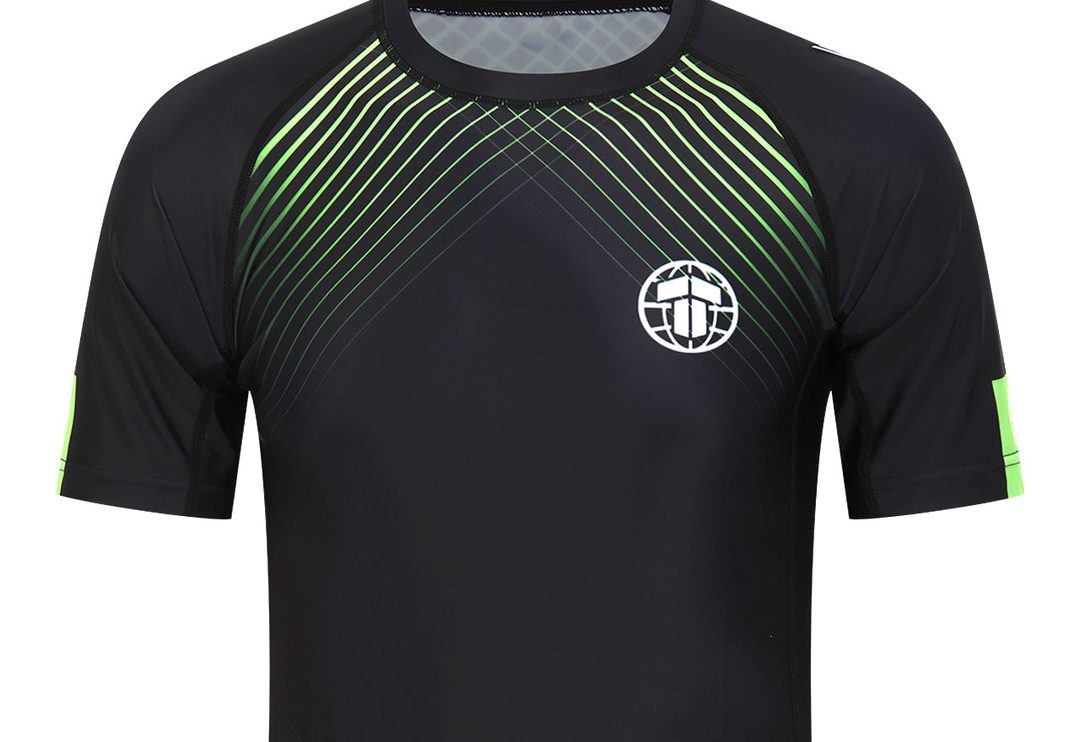
Competition days demand your highest-performing option. This is where premium gear earns its price. The compression contributes to muscle support during extended matches, the moisture management matters when you’re warm and under pressure, and the durability under stress is there when you need it. Reserving your best rashguard for competition and hard sparring keeps it fresh for the moments that matter and extends its life significantly.
Training volume is where mid-range and rotation options make sense. Tatami or Gold BJJ for practitioners training three to four days a week who want real performance without the premium price eating into the gear budget every wash cycle. Sanabul for the high-volume grappler who needs reliable rotation pieces that won’t become a financial concern when they eventually wear out.
The 2026 no-gi landscape rewards grapplers who think about their gear with the same rigor they bring to their technique. The rashguard market has matured enough that there are genuinely strong options across every price tier — but the tier you choose still determines what you’re working with when the match starts. Build a rotation based on how often you roll, how hard you compete, and what you’re willing to spend per session. The mat provides the honest answer either way.
For current pricing and availability across all the brands covered here, search Amazon for BJJ rashguards — it’s the fastest way to compare options across price tiers in one place.
Sources
- ADCC — Association of Submission Fighting
- FloGrappling — No-Gi Competition Coverage
- International Brazilian Jiu-Jitsu Federation — Competition Rules