Ear Guards for New No-Gi Grapplers: When to Buy Your First Pair
Almost every new no-gi grappler asks the same question after their first few months of training: do I actually need ear guards yet, or am I being paranoid? The honest answer sits somewhere in the middle. Cauliflower ear is not inevitable, but it is a one-way door. Once the cartilage deforms, no amount of headgear walks it back. The smart move is to make the buying decision before your ears force it on you, not after.
This guide is written specifically for new no-gi grapplers — the people three to nine months in, who have started rolling regularly, are starting to feel ear pressure during head-to-head positions, and want to make a sensible first-pair purchase without overthinking it. We will cover when the timing is right, what features matter on a first set, and where beginners consistently get the decision wrong.
The “Do I Need Them Yet?” Question
The hesitation is understandable. Ear guards are not free, they look a little awkward at first, and a lot of beginners feel like they are putting on full hockey pads to play catch. Combine that with the fact that nobody at your gym is going to drag you to the pro shop and force the purchase, and most new grapplers end up deferring the decision for months longer than they should.
The cleanest mental model is this: ear guards are not for if you might get cauliflower ear. They are for when you have started training in positions that cause it. Once that line is crossed, the damage clock is running every roll. The question stops being whether to buy a pair and becomes how soon you can have them in your bag.
The Real Timeline: When Ear Damage Starts
For most no-gi grapplers, the high-risk threshold is not the first day of class. White belts spending their first few weeks drilling escapes from mount and learning how to shrimp are at very low risk. The cartilage trauma starts when training shifts into live rolling, especially in head-to-head positions: under side control, posting your head into the mat from half guard, fighting hand-fighting in collar ties, riding turtle, and any time a knee or forearm grinds into the side of your skull.
Practically, this means most beginners hit the risk zone somewhere between the second and fourth month of consistent training. Three sessions per week is the rough threshold where the cumulative friction starts adding up. If you are training twice a week and mostly drilling, you have more runway. If you are already doing four or five hard sessions and rolling competitively in class, the runway is gone. The clock has already started.
Signs You’re Already Past the Point of Waiting
Before you order anything, run through this list. If any one of these has already happened to you, your first pair should have been bought yesterday. Do not wait for a second symptom to confirm the first.
- One of your ears feels warm, full, or unusually tender after a hard roll, even when the other one feels normal.
- You can see, in the mirror, that the ridges of one ear look slightly more rounded or fuller than the other.
- A training partner has casually mentioned that your ear looks a bit puffy.
- You have a soft, fluid-feeling bump on the rim of the ear that was not there before.
- You have stopped sleeping on one side because that ear is uncomfortable on the pillow.
None of those are panic signals. They are, however, the early version of the symptoms a doctor will describe much less gently a few weeks from now if the rolling continues unprotected. If you spot one, get ear guards in your bag and look up our separate guide on the early swelling window — there is a narrow time period where the swelling can still be addressed before it sets into permanent cartilage change.
What to Look for in Your First Pair
Most first-time buyers either spend too much on a feature they will not appreciate or too little on a pair that fails inside a month. The middle ground is uncomplicated once you know what to ignore.
Strap System
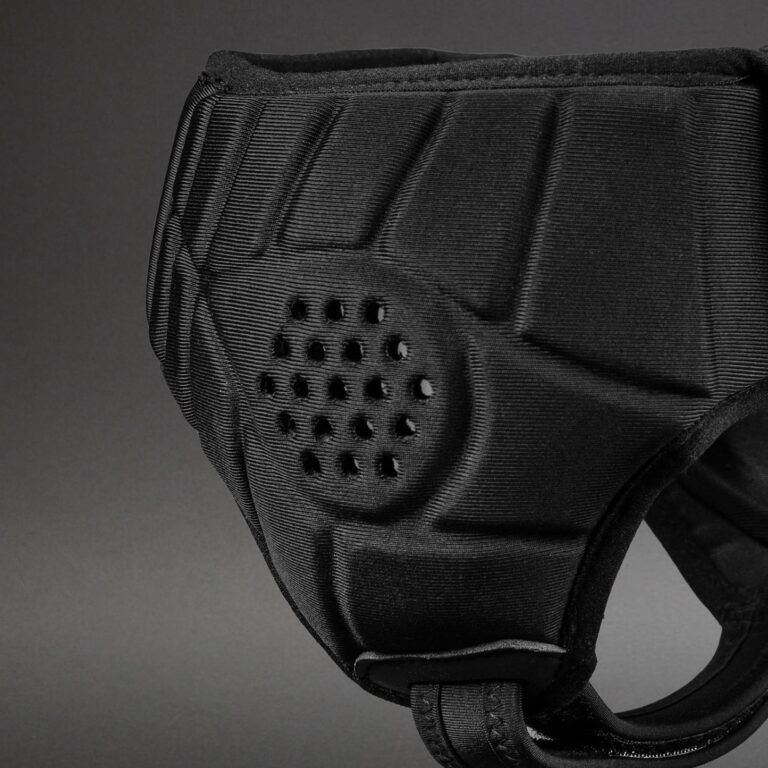
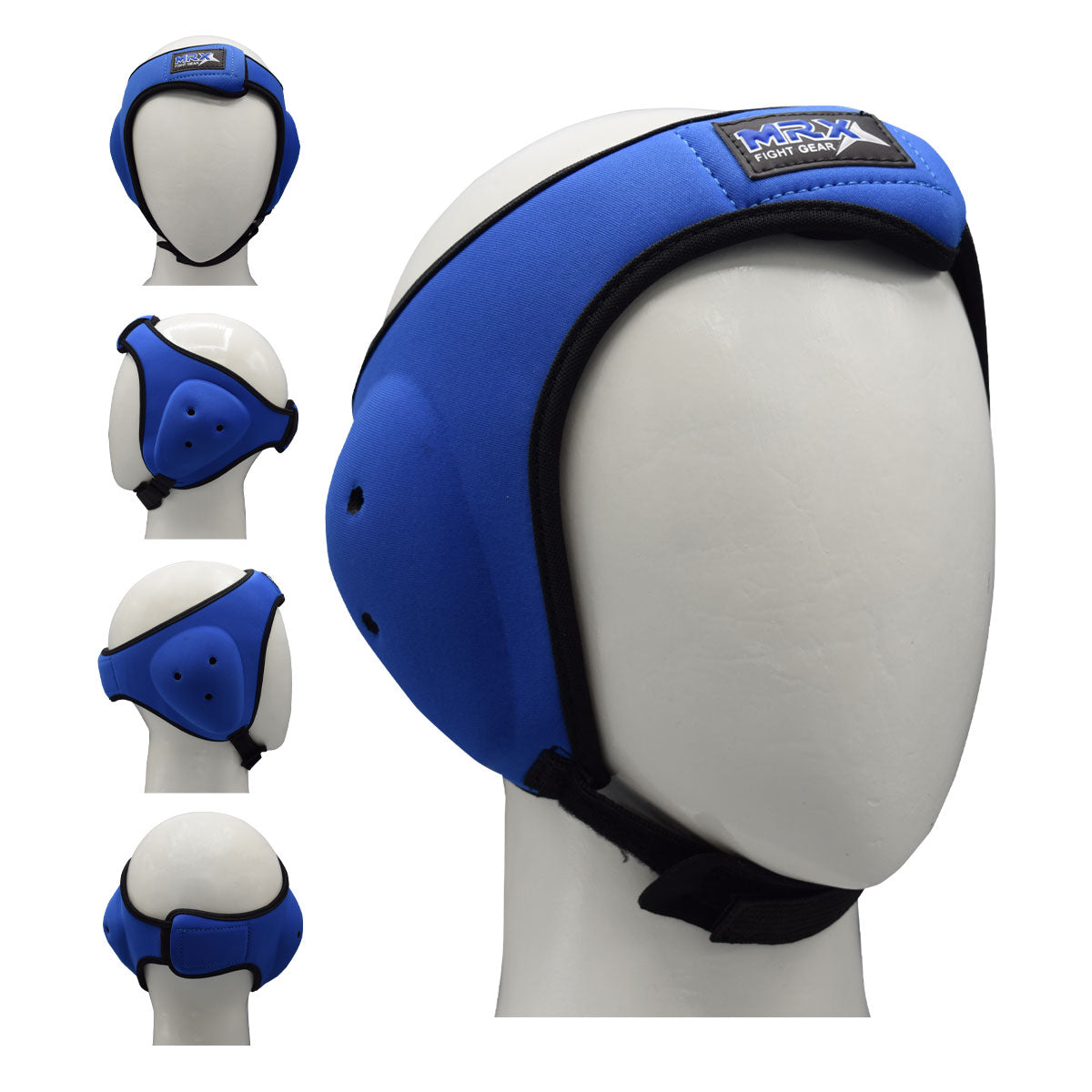
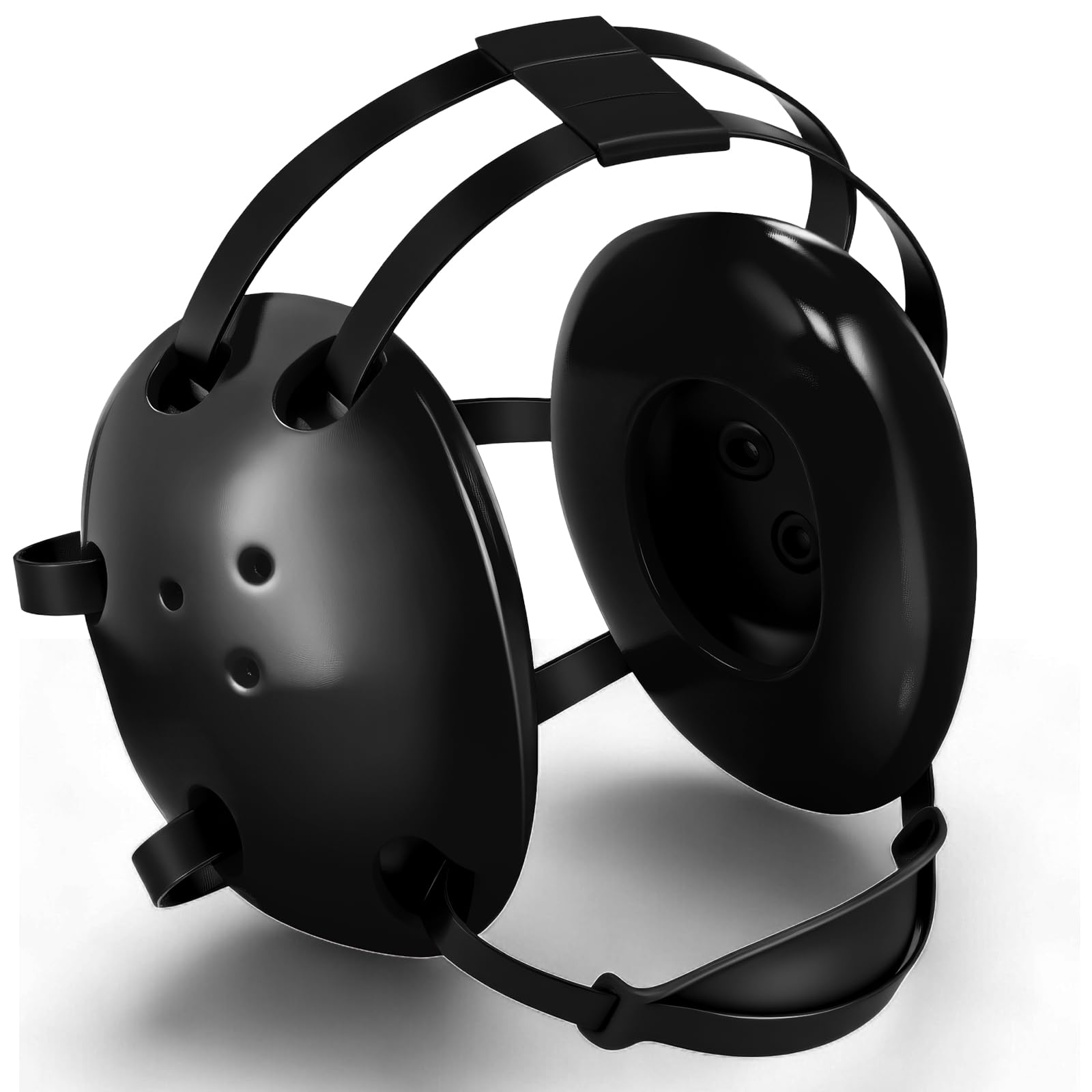
Most quality wrestling-style ear guards use a four-strap system: two over the top of the head and two around the back. For no-gi grappling, four straps with independently adjustable chin and crown points is the standard. Two-strap headgear designed for casual wrestling exists but tends to shift during live grappling. The straps are where headgear lives or dies on the mat, so do not chase the lightest option at the cost of strap count.
Cup Style
The molded cups that cover your ears come in two general shapes: a deeper, fully enclosed design that buries the ear inside the cup, and a shallower ventilated design that sits closer to the side of the head. The deeper style is more protective but slightly more claustrophobic. The shallower style breathes better in long sessions but transmits more pressure when a forearm crosses your face during a guard pass.
For a first pair, lean toward the deeper style. You can ventilate sweat after the session. You cannot un-bruise cartilage after a knee slides across the cup.
Fit and Sizing
Most adult ear guards from the major manufacturers come in either one universal size or in adult versus youth tiers. Almost all the brand-name models have enough adjustment range to fit most adult heads. The fit problems beginners encounter are usually not sizing problems — they are tensioning problems. Spend ten minutes after the first wear adjusting the chin strap until the cups sit centered over your ears and do not migrate when you shake your head. If the cup creeps forward or backward during sparring, the straps are loose, not the headgear is wrong.
Where New Grapplers Get the Decision Wrong
Three patterns repeat in beginner buying mistakes. The first is buying the cheapest unbranded set on a marketplace and discovering inside a month that the foam compresses permanently after a couple of soaks. The second is buying a top-end competition model designed for elite wrestlers and never wearing it because it feels overbuilt for casual rolling. The third — and most common — is waiting until visible damage appears and then buying out of panic, often grabbing whatever is in stock locally rather than what fits.
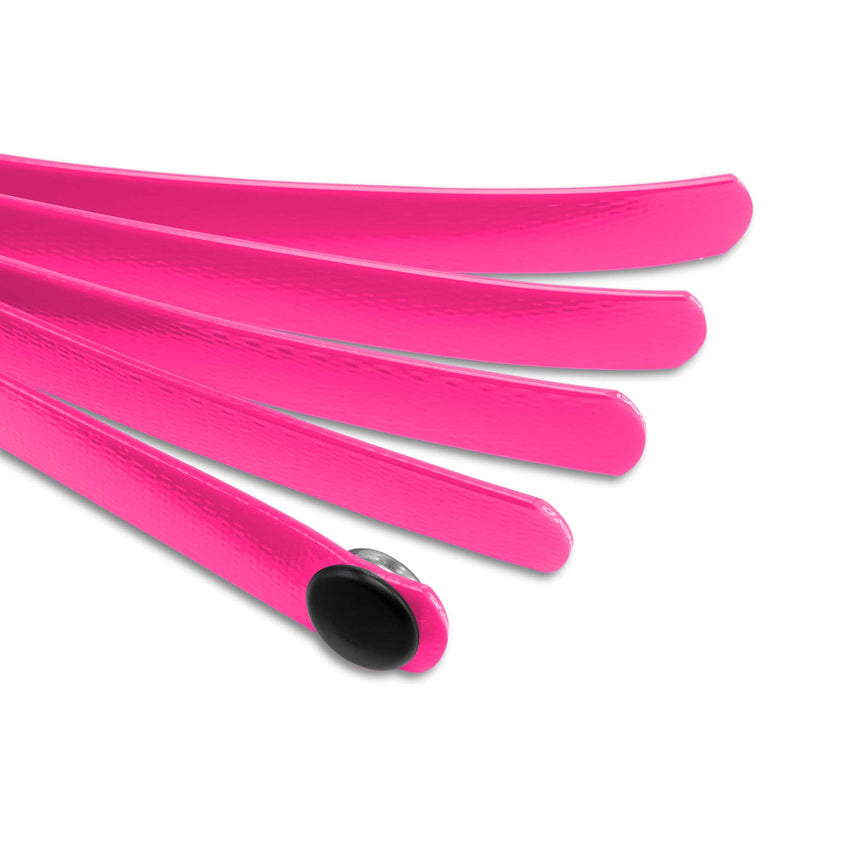
The right play for a first pair is the mid-priced model from a brand your training partners recognize, ordered before you actually need it, with one spare set of replacement straps thrown in the cart. Straps are the first part to fail, and they cost almost nothing compared to replacing the entire unit.
Trying Them On Before Your First Roll
Before you walk into class wearing brand-new headgear for the first time, wear it around the house for thirty to sixty minutes. Adjust the chin strap until the cups settle naturally over your ears. Shake your head sharply side to side, then up and down. The cups should not shift more than a fraction of an inch. If they do, tighten the back and crown straps another notch.
This sounds excessive for a piece of training gear. It is not. Ear guards that are not pre-adjusted to your specific head end up loosened during the warm-up, abandoned by the second roll, and never worn again. Spending one evening getting the straps right means you actually wear the headgear in the moments that matter.

The Sparring Partner Conversation
One under-discussed part of wearing ear guards as a new grappler is that the cups change how your sparring partner reads your head. A knee slide pass that would normally glide past an unprotected ear now has a solid plastic surface to catch on. Most experienced partners adjust automatically, but it is worth telling your regulars the first few times you wear new headgear so they can recalibrate. A quick “I just started wearing these, give my head a wider line on the pass” is enough.
The same goes for cross-faces. A forearm grinding across the cup transmits more pressure to the side of the skull than a forearm across a bare ear. This is one reason some grapplers cycle on and off the headgear during the week. For a beginner, the simpler rule is to keep the guards on for every live round, and let your face adjust to the slightly different pressure profile.

A Realistic Budget for Your First Set
Plan to spend in the middle of the market. The unbranded budget end is a false economy because the foam fails fast. The premium competition models add features that mostly benefit elite-level athletes who train and compete in headgear daily. The middle bracket — major wrestling brands sold through grappling retailers — gives you a multi-year piece of equipment with replaceable straps, and that is the right baseline for a first pair.
Throw a spare strap kit into the same order. Throw an inexpensive mesh laundry bag in too so the headgear can hang to dry after every session — the single biggest reason first-pair headgear fails early is that the straps stay damp inside a gym bag and the elastic dies in weeks. A clean dry hang at home extends the life of the gear by a long margin.

Final Word
If you are still inside your first few months of no-gi training and you have not had ear pressure, swelling, or partner comments yet, you have a small window of time to make this purchase calmly. Use it. The buying experience when your ears are already warm and full is a much worse one — you are deciding under pressure, the local shop probably has limited stock, and you are now also dealing with the medical side at the same time.
The beginners who avoid cauliflower ear are almost never the ones with magic genetics. They are the ones who bought the first pair on a slow Tuesday three weeks before their ears would have demanded it. Make the unglamorous decision, dial the straps in, and put the gear on for every live round. Future you, looking at a symmetrical pair of ears in the mirror a decade from now, will not regret the call.
Sources
- Cauliflower ear — Wikipedia
- Brazilian jiu-jitsu — Wikipedia
- Submission wrestling — Wikipedia
- Wrestling ear guards on Amazon
Browse our top-rated rashguards and no-gi gear at the RashguardGuy shop →