Why Your Ear Guards Keep Slipping Mid-Roll: A No-Gi Fit Guide
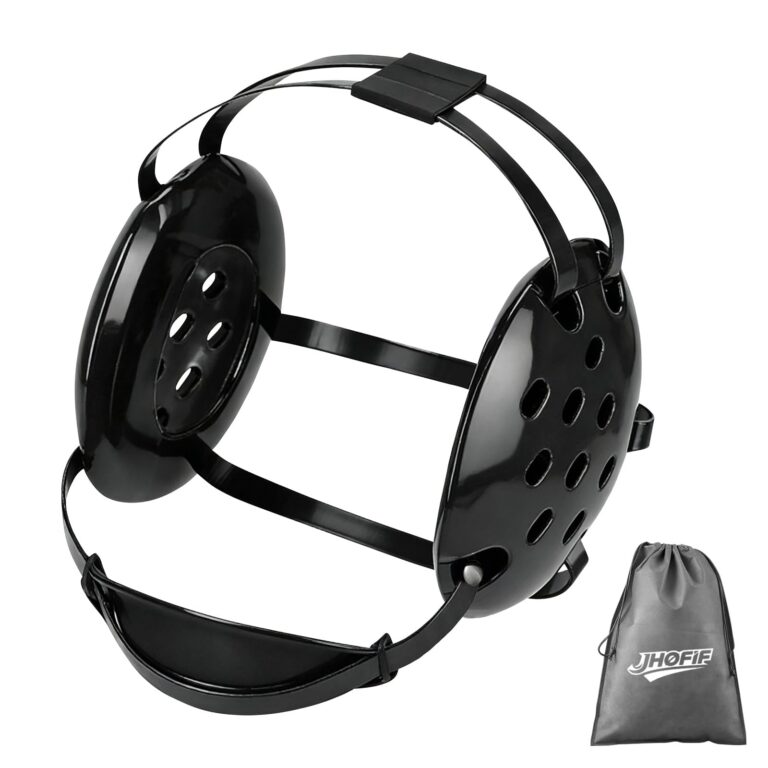
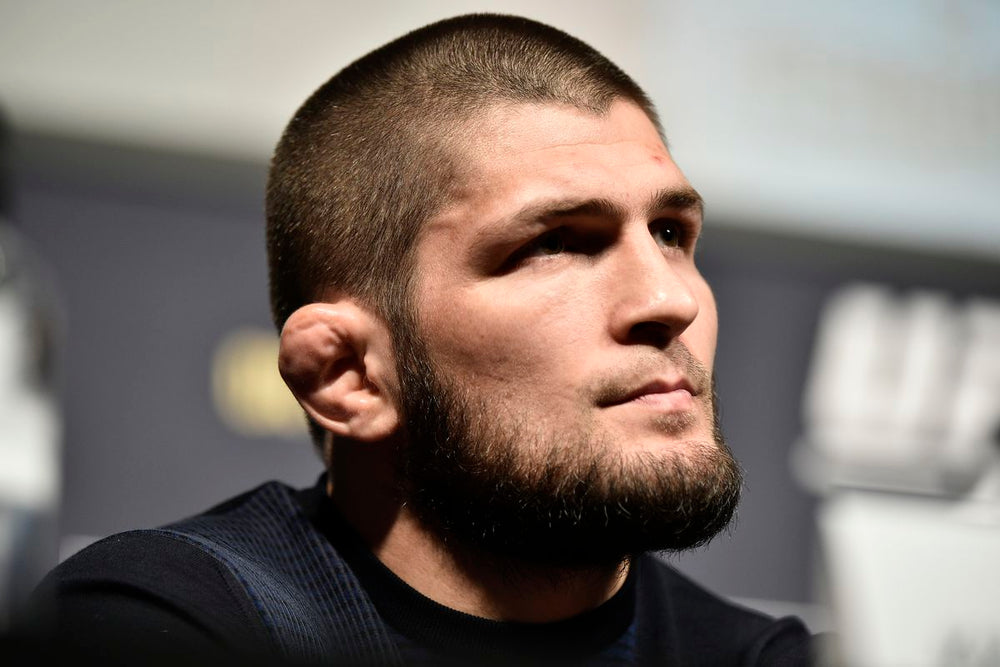
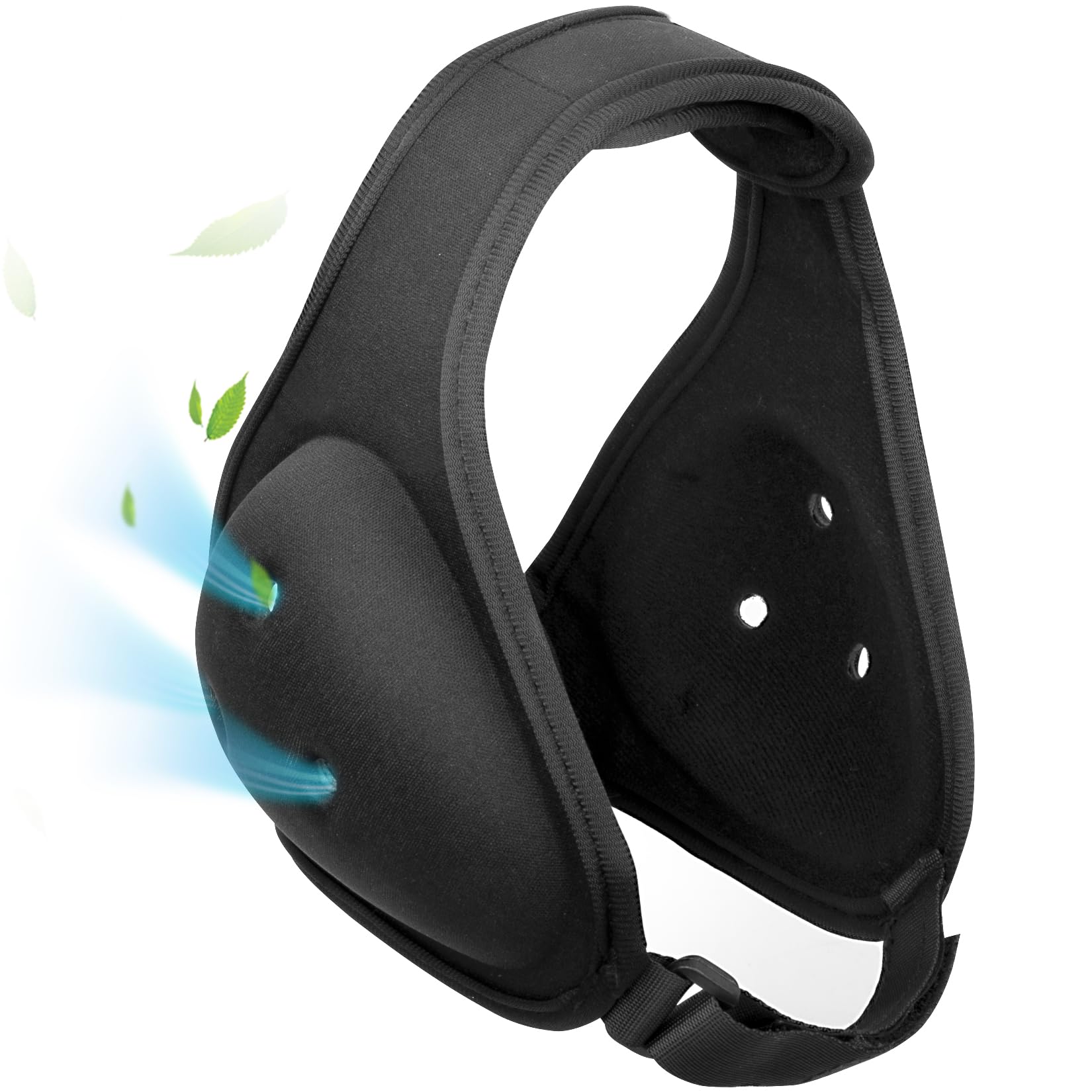
Walk into any No-Gi gym in summer and you’ll spot the same paradox: a guy with cauliflower ear wearing brand-new headgear. The gear didn’t fail him. The fit did. Ear guards are deceptively forgiving — the straps move easily, the shells feel adjustable, and most grapplers put them on once and never tune them again. Then during a hard scramble the side cup rides up, exposes the auricle, and a single elbow does the damage. The bruise sets, the fluid pools, and the cycle that built every old wrestler’s grandfather’s ear starts again. This is a fit guide, not a brand pitch. The headgear you already own probably works. You just need to wear it the way wrestlers and MMA camps have refined over decades of trial — and add a few habits before and after the roll that close the gaps the gear can’t.
Why Most Ear Guards “Fail” Has Nothing to Do With the Gear
The conversation around cauliflower ear in No-Gi keeps cycling back to brand comparisons — Cliff Keen versus Asics versus Brute. Useful information, but it skips the bigger variable: fit. A premium shell worn loose protects worse than a basic shell worn tight. The cartilage damage that becomes cauliflower ear comes from one mechanism: shear and compressive force on the auricle that separates the perichondrium from the cartilage and fills the space with blood. The headgear’s only job is to prevent that contact. If the cup shifts off the ear at any point during a roll, the gear is irrelevant for that moment.
The Two Failure Modes
- Slippage — the cup migrates up, down, or backward and exposes the ear during contact.
- Pressure points — the cup pinches the ear against the skull, causing the same compressive injury the gear was supposed to prevent.
Every fix in this guide targets one of those two modes. If your existing headgear is failing you, you almost certainly have a slippage problem, a pressure-point problem, or both.
6 Fit and Strap Fixes Wrestlers Actually Use
1. Anchor the Top Strap Above the Crown, Not on the Forehead
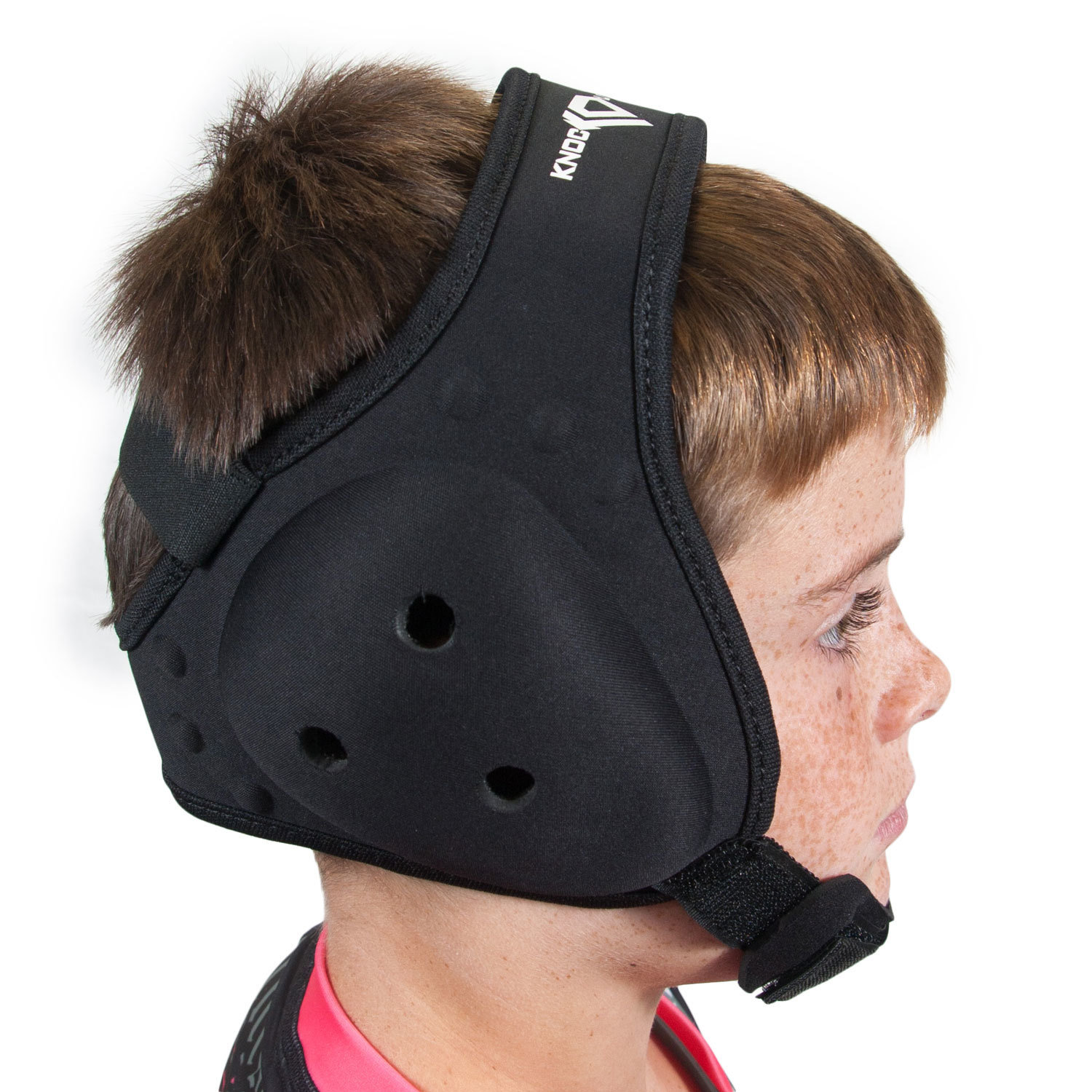
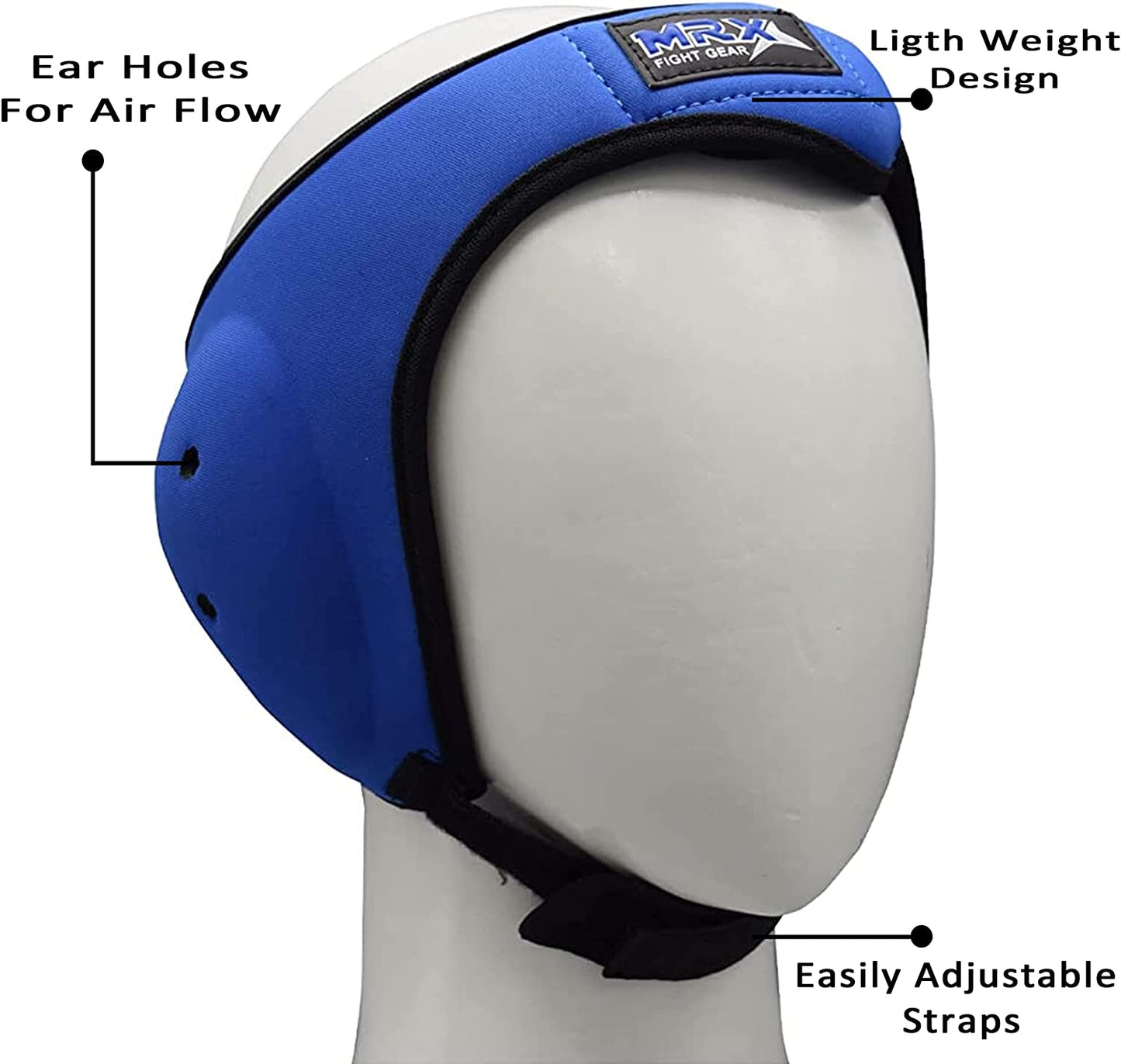
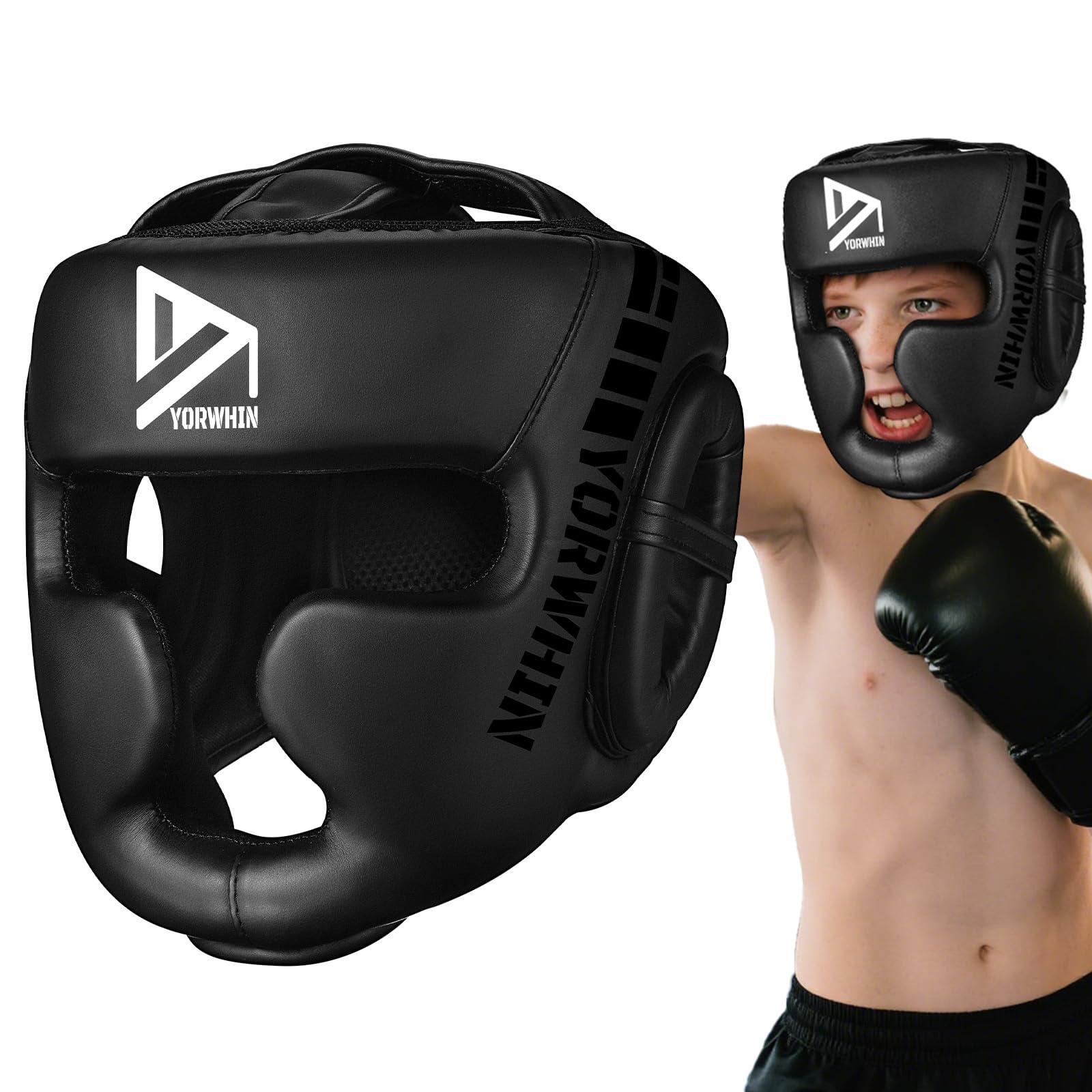
The single most common mistake is wearing the top strap across the forehead like a sweatband. The strap is engineered to anchor above the crown of the skull where the dome curves down — that high point keeps the side cups from sliding upward. Pull the strap back until it sits on the rear half of your skull. The forehead position lets the whole rig drift up during a sprawl, and once the cup migrates above the ear it is impossible to reset mid-roll without breaking grips.
2. Chin Cup Snug Against the Jawbone, Off the Throat
The chin cup is not a throat strap. It hooks under the jawline, cradling the mandible. If you can feel the strap pressing on your trachea, it’s too low — slide it up until it tucks against bone. Tension it snug enough that the cup doesn’t shift laterally when you push it with a finger. The chin cup is what keeps the rig from rotating during head-and-arm exchanges; a loose one is the reason your headgear ends up half-spun across your face after a scramble.
3. Side Straps Sit Under the Occipital Bump
The back strap on most ear guards has two attachment points near the temples. Those need to route behind the ear and down under the occipital bump — the small protrusion at the back base of the skull. Most beginners run them straight back, which puts the strap above the bump and lets the rig pop off during a single-leg defense. Under the bump, the skull literally locks the strap in place. Run a finger along the back of your head, find the small ridge, and re-thread the straps so they sit just below it.
4. Size by Head Circumference, Not Weight Class
Wrestling headgear sizing is one of the worst-labeled systems in combat sports. Brands list S/M/L or youth/adult tied to weight class, but ear protection has nothing to do with weight — it has to do with head circumference. Measure around the widest part of your skull just above the ears with a soft tape. Cross-reference with the manufacturer’s actual millimeter range, not their weight category. A 145-pound grappler with a 60 cm head needs a different shell than a 145-pound grappler with a 56 cm head, and the wrong size will never fit no matter how hard you crank the straps.
5. The Pre-Roll Head Shake Test
Before every round, lock the straps and shake your head violently — left to right, then up and down — for a full five seconds. If anything migrates, the rig will fail mid-roll. Re-tension and re-test. This takes ten seconds and prevents the slip that gives you a hematoma. Treat it like a seatbelt click. Most grapplers who train hard skip this once and pay for it on the same night.
6. Break In the Foam Before Going Live
New headgear has stiff foam that won’t conform to your skull profile until it has been compressed and resaturated with sweat a few times. The first three or four sessions should be light technique drills, not live rolls. The foam softens and molds — after that, the rig fits twice as tight at the same strap setting. Trying to dial in fit on a brand-new shell during live sparring is a losing battle; the foam hasn’t learned your head yet.
When Perfect Fit Still Isn’t Enough
Even a perfectly tuned ear guard doesn’t cover every angle of contact. The lobe is still exposed, the front rim of the auricle can take force during a front headlock, and any shell that locks tight enough to never shift will be uncomfortable enough that most grapplers loosen it within fifteen minutes. The fit guide stops most of the damage. The next layer — post-roll compression and ice — handles what slips through.
The 20-Minute Post-Roll Window
A pressure injury to the cartilage doesn’t become a visible hematoma instantly. There is a window — usually 20 to 60 minutes — between the contact and the visible bruising where targeted compression and ice can stop the fluid pool from forming. Carry a small ice pack to class. If you feel a sting or hot spot during a roll, ice it between rounds. Don’t wait until you see swelling. Once the lobe is plump, you’ve missed the prevention window and you’re in treatment territory.
Ear Donuts for the Drive Home and for Sleep
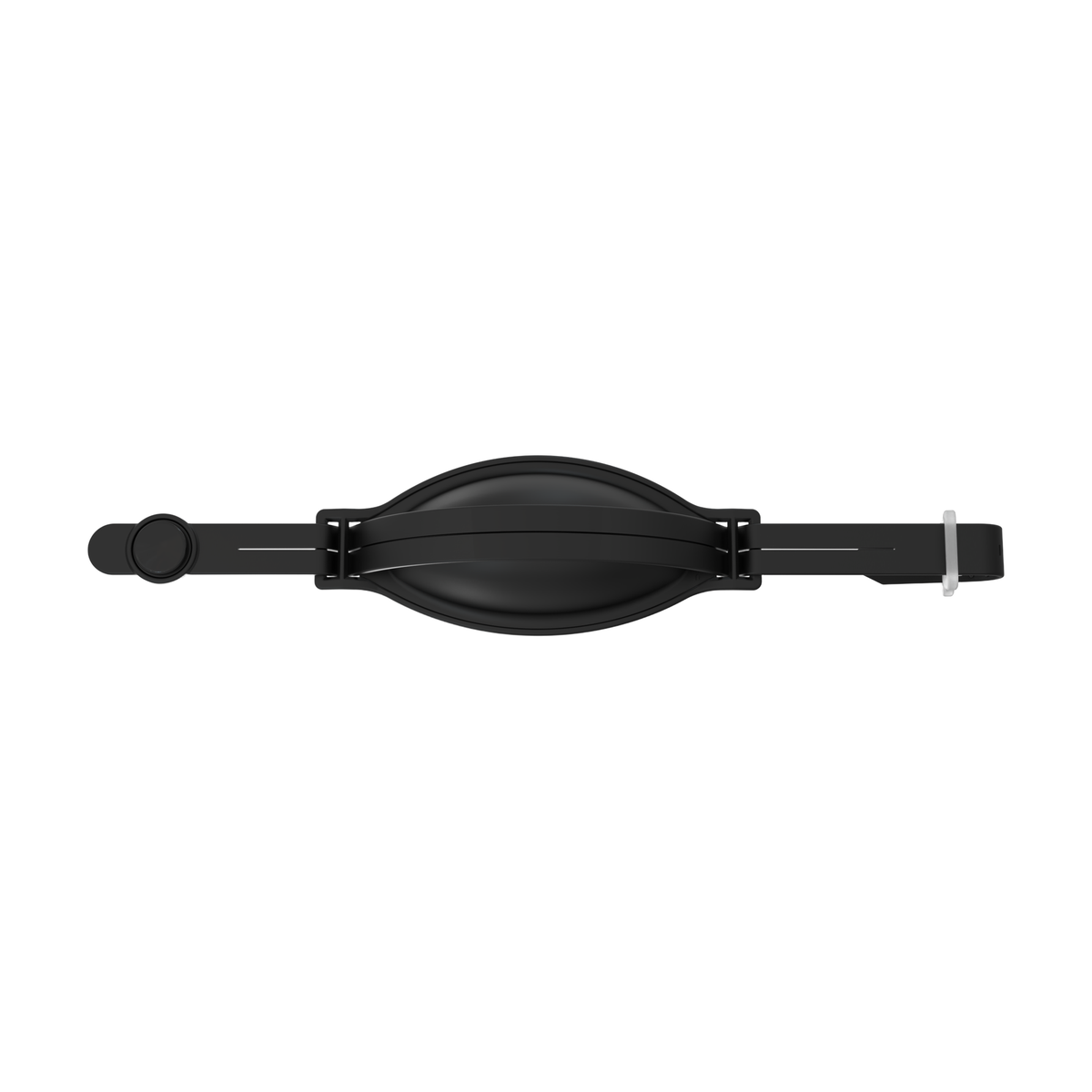
Silicone or memory-foam ear donuts — small ring-shaped pads with a center hole — keep direct pressure off a sore ear. Slip one on for the drive home and again before bed after hard sessions. Sleeping with sustained pressure on a tender ear is one of the most under-recognized causes of overnight hematoma development. The donut keeps the pillow from compressing the auricle into the side of the skull for eight hours straight.
When You Can’t Wear Headgear at All
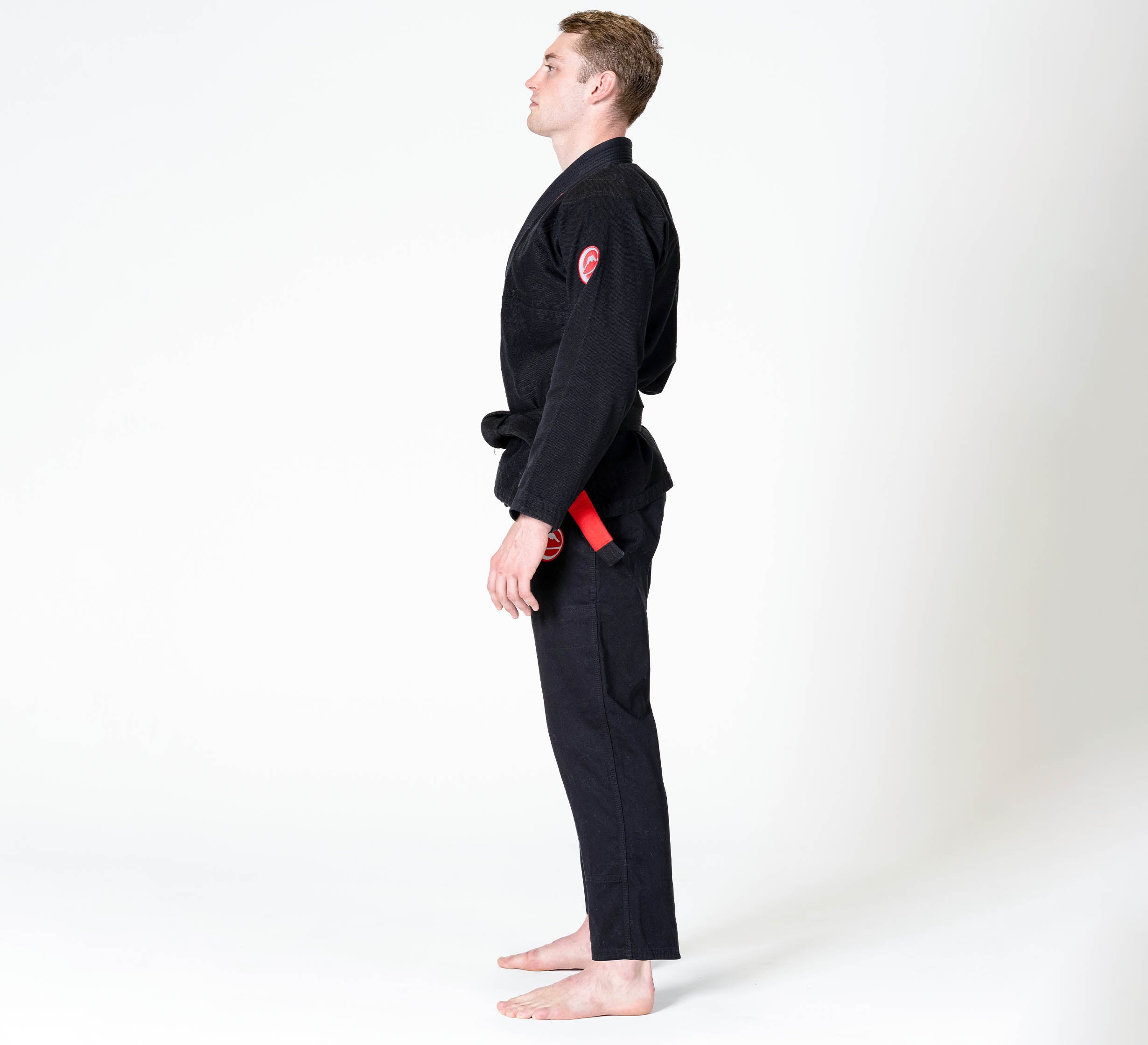
Some grapplers train at gyms where headgear is socially discouraged, and some compete in events that prohibit it. Both situations are real. Major BJJ and submission grappling promotions vary widely in what they allow in adult brackets. If you fall in the no-headgear bucket, the fit guide above becomes irrelevant — but the post-roll compression habit and the 20-minute icing window become the entire prevention plan. Ice immediately after sparring, every session, regardless of whether you felt contact. Treat the ear like a knee — proactive maintenance, not reactive damage control.
The Maintenance Habit Most Grapplers Forget
A clean ear guard fits better than a dirty one. Sweat-saturated foam expands by a measurable percentage and changes how the shell rests against the skull. Sweat-rotted straps also lose elasticity over months of training. Wipe the shell down after every session, hand-wash the straps once a week, and replace the rig every 18 to 24 months if you train hard. The plastic shell looks fine longer than the foam actually performs, and grapplers often keep using a rig long after the protective foam has gone soft and compressed.
Borrowed Habits From the Wrestling Room
Wrestling rooms have generations of institutional knowledge about ear protection that most BJJ academies haven’t absorbed yet. A few habits worth borrowing:
- Headgear paired to the training partner — heavier and harder partners get extra strap tension before the round starts.
- Ice on the way home from practice, not after dinner.
- Ear donut lives in the gym bag at all times, even if it goes unused for weeks.
- A spare set in the car — the day you forget your headgear is the day you take an accidental elbow.
- Headgear on during off-mat warm-ups in cold gyms, so the foam is warm and pliable before the first live round.
When to Consider a Custom-Fit Option
Heat-moldable shells and silicone-padded inserts are available for grapplers who fight the fit battle constantly. They cost two to three times the price of a standard rig, but for athletes with unusual skull profiles, narrow temples, or persistent ear sensitivity, the upgrade pays for itself in avoided drainage appointments. If you have re-tuned your straps four times and the rig still slips, you may be one of the head shapes off-the-shelf headgear was never designed for.
Your Fit Audit Before the Next Session
Before your next training session, run through this checklist with your existing headgear:
- Top strap anchored above the crown, not on the forehead.
- Chin cup snug against the jawbone, off the throat.
- Side straps routed under the occipital bump.
- Shell sized to head circumference, not weight class.
- Pre-roll head shake test passed without slippage.
- Foam broken in over at least three light sessions.
If you fail any one of these, fix it before your next live round. The cost of ten seconds of strap adjustment is zero. The cost of cauliflower ear is a permanent change to your anatomy and, if you elect drainage, a recurring appointment with a doctor who already knows exactly why you’re back.
Worth Stocking in the Gym Bag
A backup headgear lives in the gym bag. A silicone ear donut lives in the car. A small reusable ice pack lives in the freezer at home, ready for the post-session window. None of it is expensive, and none of it requires a different training partner or a different gym. The fit fixes above are free. The recovery accessories cost less than one drainage co-pay.
Browse current options on Amazon for wrestling headgear and silicone ear compression donuts to fill the gaps the fit guide can’t close.
Sources
- Cleveland Clinic — auricular hematoma overview and clinical guidance on cartilage injury.
- Mayo Clinic — reference material on ear cartilage trauma and treatment windows.
- Wikipedia: Cauliflower Ear — mechanism of injury and historical context in combat sports.
- USA Wrestling — rulebook references for headgear in folkstyle and freestyle competition.
Browse our top-rated rashguards and no-gi gear at the RashguardGuy shop →