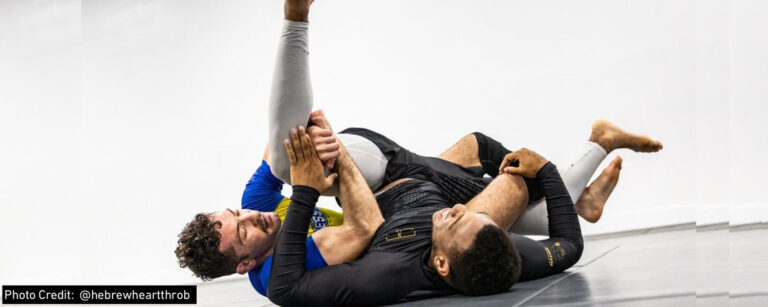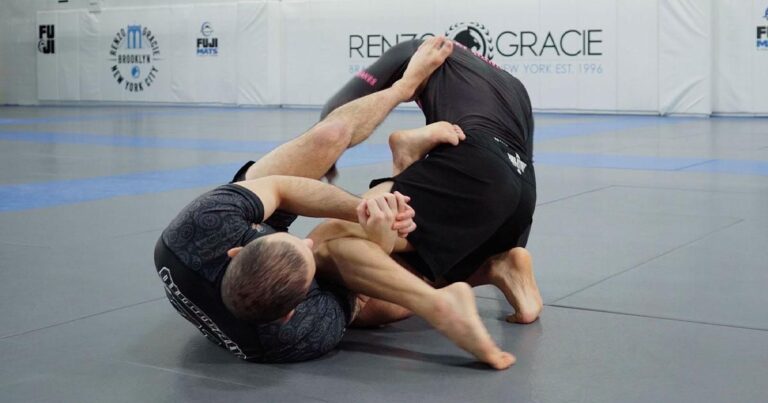
Wrestling for BJJ: 7 Techniques That Win No-Gi Matches
Wrestling for BJJ isn’t a side quest anymore — it’s the dividing line between competitive no-gi grapplers and the rest of the room. At ADCC 2024, eight of the sixteen open-weight finalists had a measurable wrestling background, including Gordon Ryan’s near-instant single leg on Felipe Pena in their fourth meeting. The truth nobody at your gym wants to admit: if you can’t dictate where the match starts, your guard work is just an extended ground fight on someone else’s terms.
This guide breaks down the seven wrestling techniques that translate cleanest from a folkstyle room to the no-gi mat, the drills you can run without a wrestling partner, and the gear that actually matters when you start shooting reps every class.
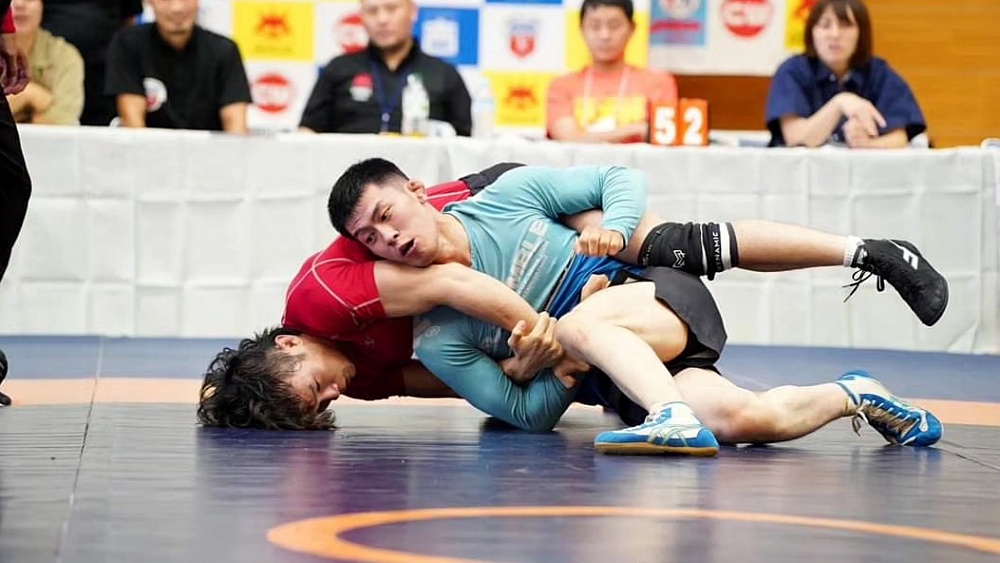
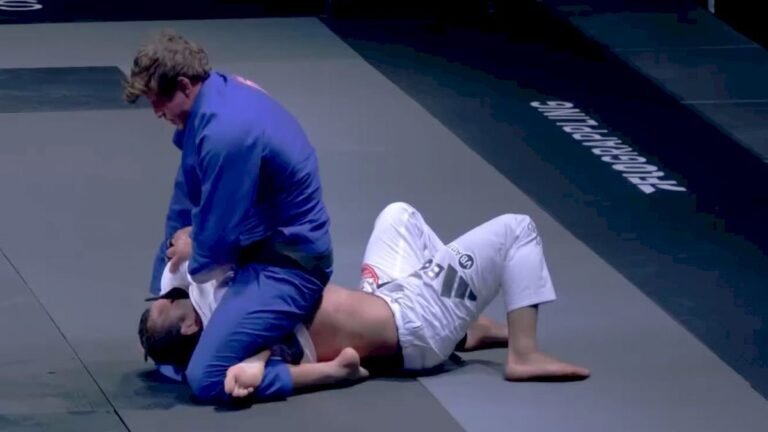
Top wrestlers control the match before a single guard pass is attempted.
Can Wrestling Be Used in BJJ?
Yes — wrestling is the most directly transferable striking-adjacent sport into no-gi grappling, full stop. Folkstyle and freestyle wrestlers walk into BJJ gyms with three skills that take everyone else five years to build: pressure passing instincts, scramble awareness, and the willingness to make contact instead of inviting guard pulls. The IBJJF Pan No-Gi Championship medalist data from 2018–2024 shows roughly 60% of adult black belt finalists list prior wrestling experience on their athlete bios.
The question isn’t whether wrestling works. It’s which pieces of wrestling to keep and which to scrap. Folkstyle rides, for example, are mostly useless under IBJJF no-gi rules where back control with hooks is the scoring goal. But the snap down, the underhook game, and the level change? Those become bread-and-butter setups for guard passes, back takes, and submissions.
Why No-Gi Rewards Wrestling More Than Gi BJJ
No grip equals no anchor. Without lapel and sleeve handles, the slick traditional guard game shrinks from a thirty-position system to maybe a dozen viable setups. That void gets filled by whoever is more comfortable making upper-body contact in the standing exchange — and that’s the wrestler every time. The hand-fighting, the head positioning, the constant pressure to break grips and re-engage: wrestling teaches all of it in a way BJJ standup drills simply don’t.
Watch ten minutes of any ADCC trial and count the guard pulls. You’ll get to single digits before the first round ends. The format punishes static grapplers and rewards anyone who can score takedown points and a position to start the match on offense.
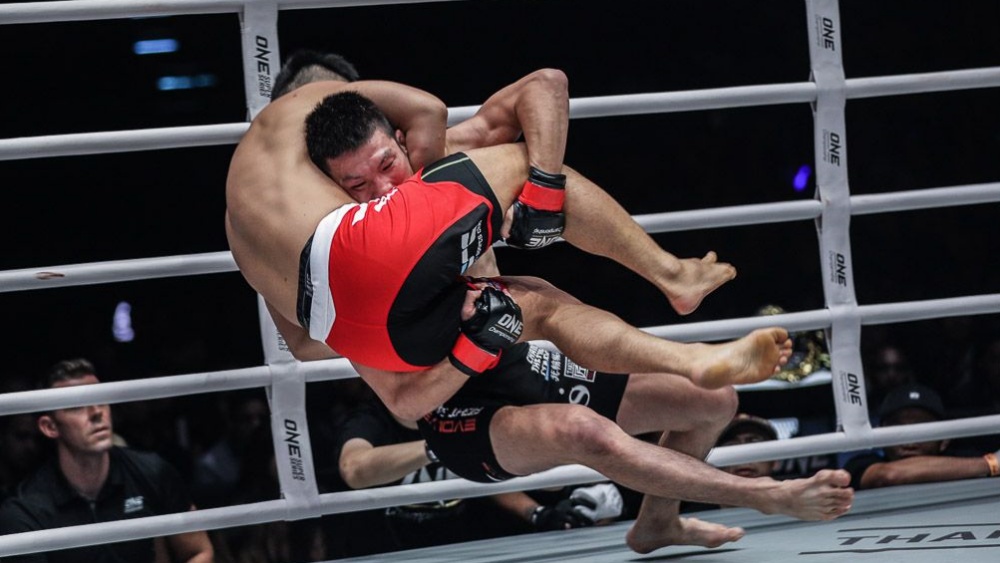
A clean double-leg in a no-gi match — head position, knee drive, finish in one motion.
The 7 Wrestling Techniques Every No-Gi Grappler Should Drill
Pick two of these per training block and drill them until they feel automatic. Trying to absorb all seven at once is how white belts spin their wheels for a year and never own any of them.
1. The Snap Down and Front Headlock
If you only learn one wrestling chain, learn this. The snap down breaks an opponent’s posture, the front headlock controls their head and shoulder, and from there you have a direct path to the back, the guillotine, or a darce. Marcelo Garcia built half his career off this position. The anaconda choke series chains directly from a deep front headlock — meaning every snap down rep is also a submission rep.
Drill the snap from collar tie and from a failed level change. The second variant is the one nobody practices and everyone needs.
2. The Underhook
An underhook in no-gi is the closest thing to a free escape from any bad position. With one underhook, you can wrestle up, hit a body lock, or transition to a single leg. Two underhooks means the match is essentially yours to lose. Search volume for “underhook wrestling” sits at 320/month, which tells you how many BJJ players are scrambling to learn this on their own.
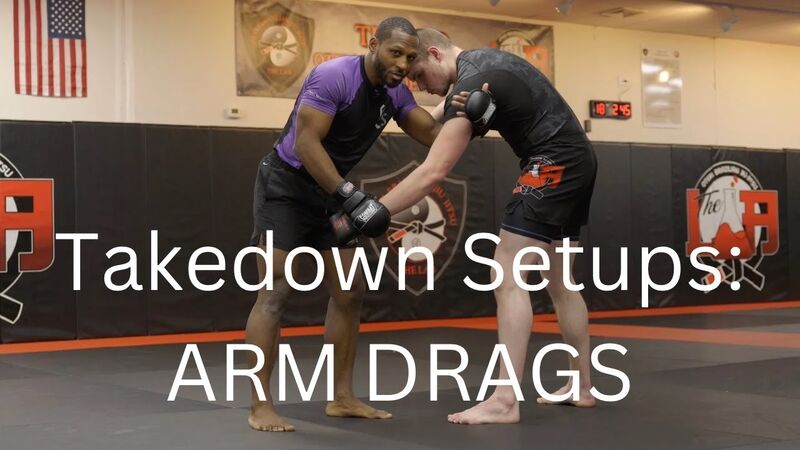
Arm drag setups — the cleanest entry to a back take without a kimono grip.
3. The Level Change and Double Leg
Every wrestler-turned-BJJ player will tell you the same thing: the double leg is faster than any guard pull and ends the round on offense. The trick is the level change — dropping the hips without telegraphing with the shoulders. Practice it against a wall, against shadow, then against a partner with hands extended.
The finish matters as much as the entry. In no-gi, you can’t grip a belt, so the dump or the run-the-pipe finish becomes your bread and butter. Skip the high-amplitude lift unless you wrestle 125kg open class.
4. The High Crotch
The high crotch is the most underrated takedown in submission grappling. It splits the difference between a single and a double — one arm deep on a leg, head outside, free hand controlling the far hip. Search volume sits at 390/month, mostly from BJJ players who have figured out it sets up the back take better than almost any other entry.
Gordon Ryan favors a high-crotch-to-back-trip combination that’s been seen at the last three ADCC events. The reason: it lands you in a finishing position with no scramble in between.
5. The Ankle Pick
When the level change fails and the head is up, the ankle pick is your reset button. It works because it punishes the exact reaction an opponent uses to defend a shot — straightening the back leg. A wrestler with a sharp ankle pick is a nightmare to play offense against because every defensive posture invites the next attack.
6. The Body Lock and Wrestling-Up Game
This is where wrestling meets BJJ in the cleanest way possible. From a butterfly or half guard, you wrestle up by overhooking, posting on a foot, and driving forward. The body lock that follows is one of the most dominant positions in no-gi — and it leads directly into the wrestle-up sequence that has produced more back takes in ADCC matches than any other passing chain since 2019.
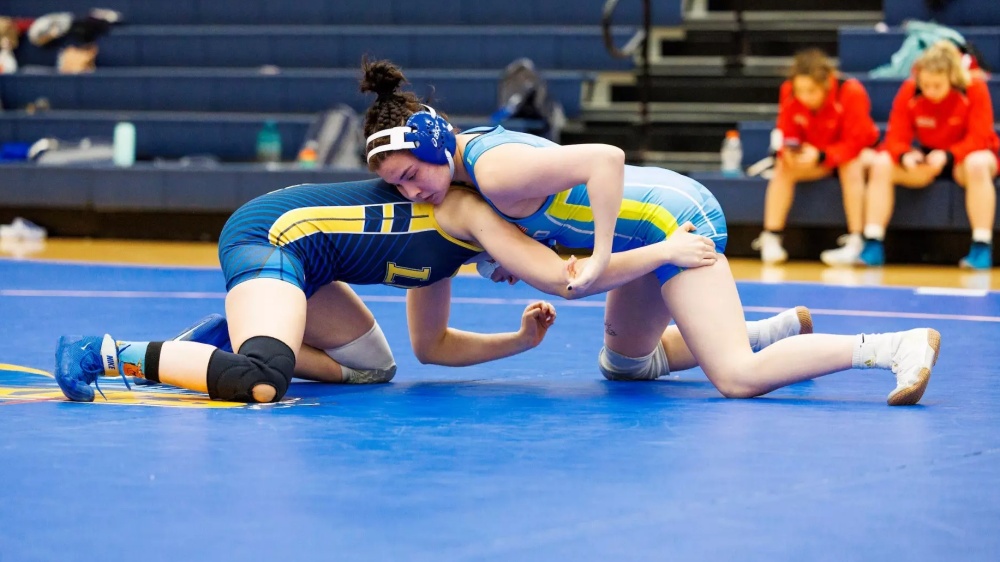
Freestyle wrestling drills translate directly into no-gi takedown chains.
7. Sprawl and Shot Defense
Wrestling for BJJ isn’t only about scoring — it’s about not getting scored on. The sprawl is the single most important defensive movement in no-gi standup. Drop the hips, splay the legs, weight on the shoulders. From there, the front headlock recovery sets up the same finishes covered above.
Skip this rep set and you’ll meet the mat every time a wrestler shoots a low single. Drill it twenty reps a side after every standup round.
Wrestling Drills You Can Run Without a Wrestling Partner
The biggest myth about wrestling for BJJ is that you need a former D1 partner. You don’t. Most of the foundational reps are solo work: stance and motion, level changes, shadow shots, sprawls, and standup-recovery transitions. Spend the first ten minutes of every class on solo wrestling work and you’ll outpace 90% of the room within six months.
Pair drills are simple too. Find one training partner willing to grind ten minutes of hand-fighting and tie-up positioning before regular rolling starts. You don’t need full takedown sparring — you need contact, posture pressure, and grip control. The takedowns come from those building blocks, not from drilling a doubles against a compliant partner.
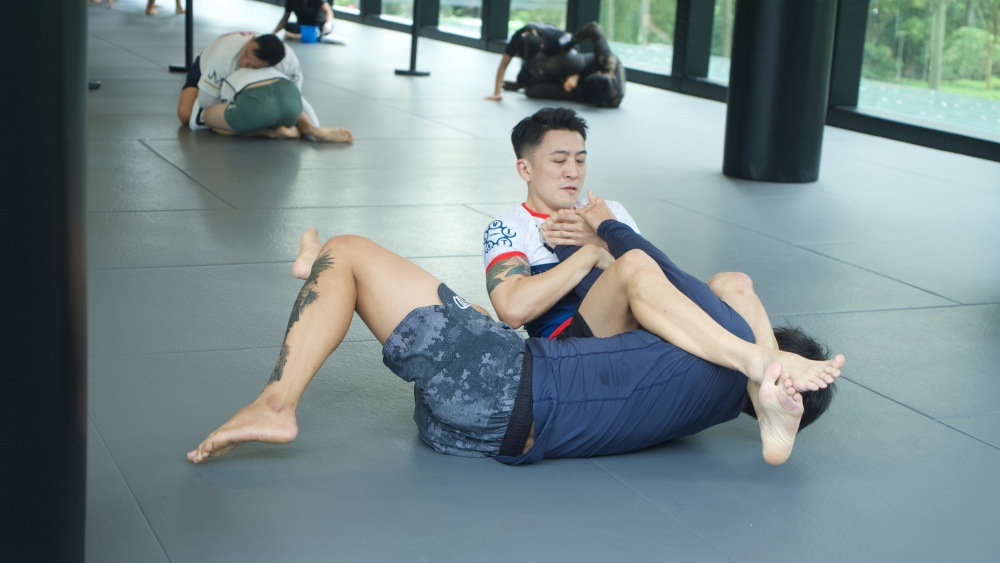
Most wrestling drills work in a standard BJJ gym with one cooperative partner.
Wrestling vs. BJJ — What Each Sport Actually Does Better
Wrestling teaches pressure, scrambles, and chain-attacks better than any other sport in the world. BJJ teaches submissions, guard recovery, and the patient back-take game wrestlers don’t drill. The grapplers who win at the highest level borrow heavily from both. They wrestle until they get to a dominant top position, then play BJJ from there.
Most BJJ-only players underestimate how exhausting wrestling-style pressure is to defend. Most wrestling-only players underestimate how fast a triangle can come off a sloppy level change. The lesson: don’t pick a side, pick the techniques that solve your specific problem and drill them until they’re reflex.
The 80/20 Rule in BJJ Standup
People ask what the “80/20 rule” means in BJJ — the version that actually applies to standup is this: 80% of your scoring positions come from 20% of your technique catalog. For no-gi, that 20% is almost always wrestling-based. Snap down, underhook, level change, sprawl. Master those four and you’ll outscore opponents who’ve memorized fifty positions but can’t reliably get to any of them under pressure.
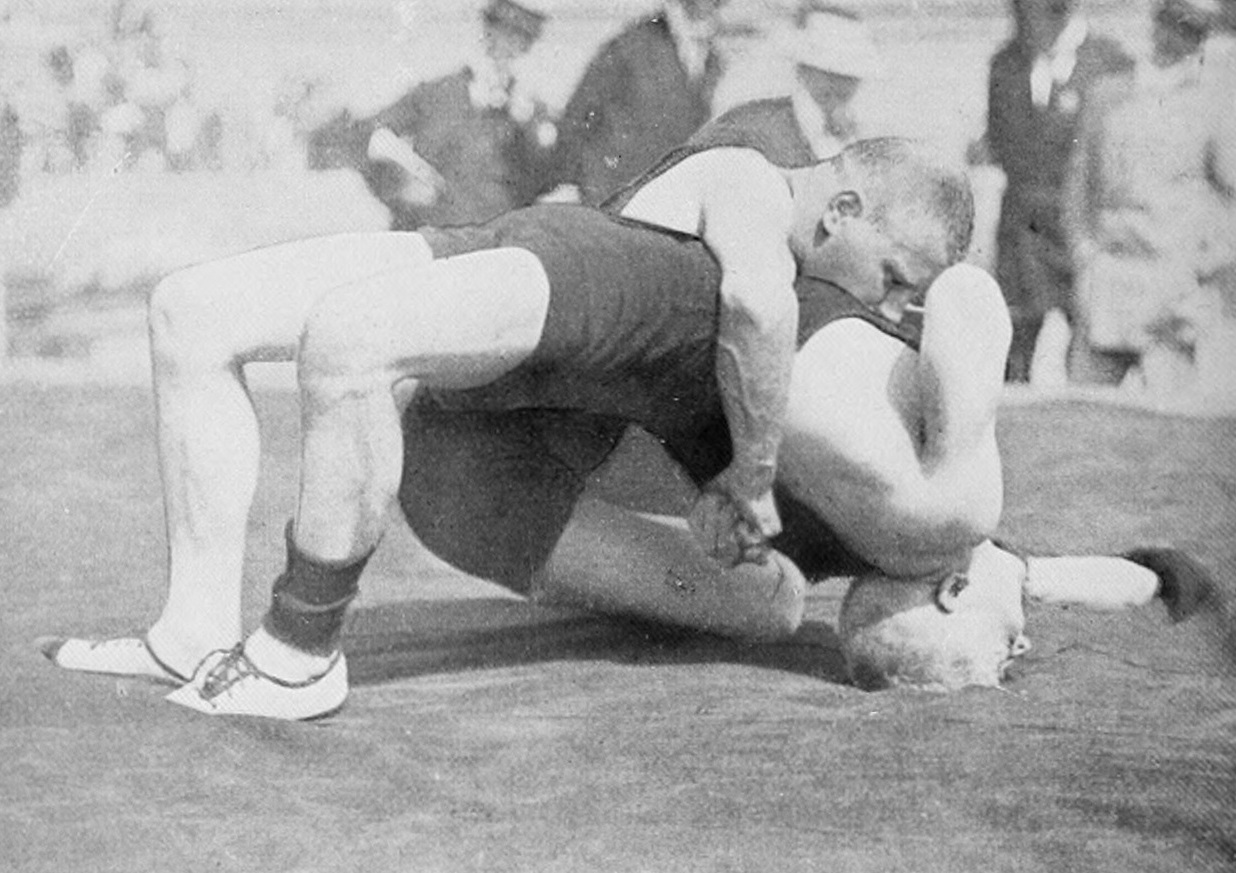
Catch-wrestling, the original cross-trained grappling style, is the ancestor of modern no-gi BJJ.
The Wrestling Influence at Modern ADCC
The shift is measurable. Of the 2024 ADCC division champions, more than half had documented high school or college wrestling backgrounds. Nicky Rodriguez, Bo Nickal in MMA crossover, Mason Fowler, Kade and Tye Ruotolo — every one of them brings a wrestling-first approach to the mat. The 2026 ADCC trials format leaned even further toward standup scoring, which is going to push more black belts back to wrestling rooms in the offseason.
If you’re a competitor planning to qualify for any major no-gi event in the next two years, your offseason should look like 60% wrestling and 40% submission refinement. Reverse those numbers if you only train for sport BJJ.
The Gear That Actually Helps Your Wrestling for BJJ
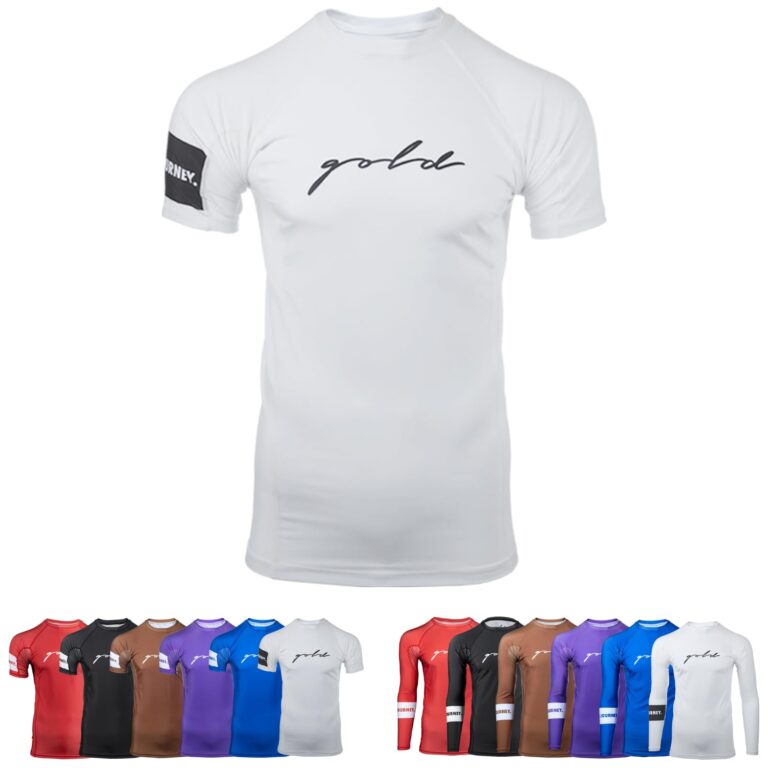
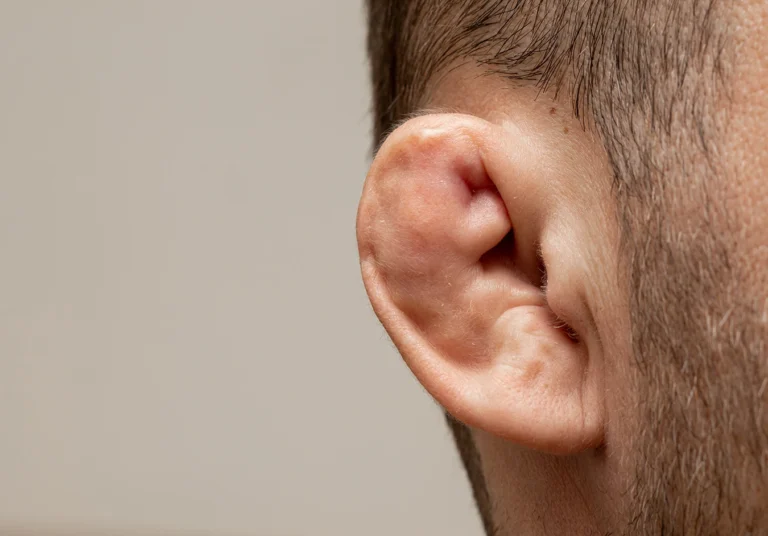
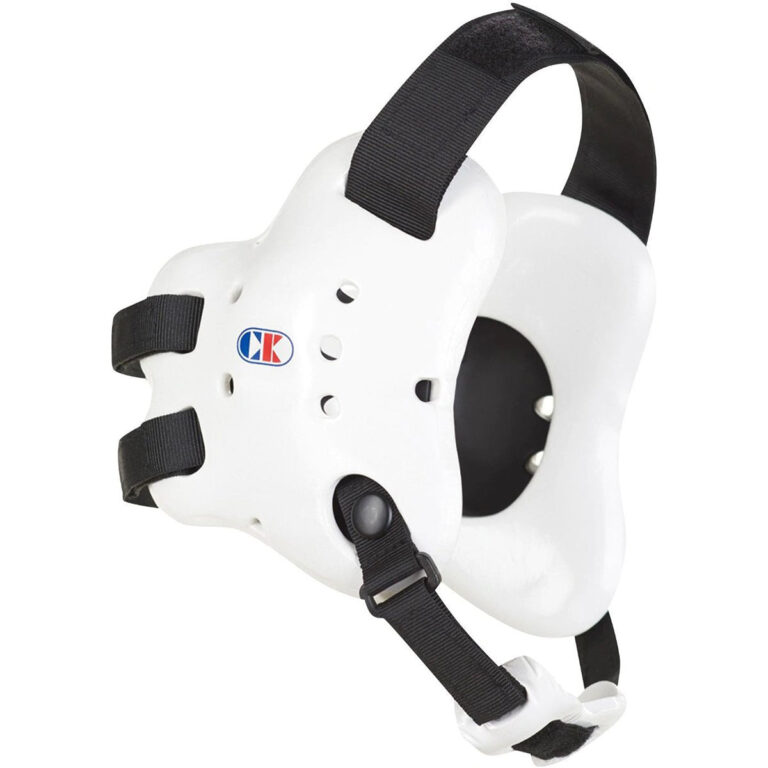
Wrestling shoes won’t help you on a BJJ mat — bare feet or low-cut training shoes are the right call. What does matter: a rashguard that doesn’t ride up during a shot, compression shorts that don’t bind during a sprawl, and ear protection if you’re drilling head-position work for more than an hour a week. Cauliflower ear is real and it costs you sleep for a month if you ignore it. The best rashguards for grappling in 2026 all share one feature: they hold position through standup and the scramble, not just on the ground.
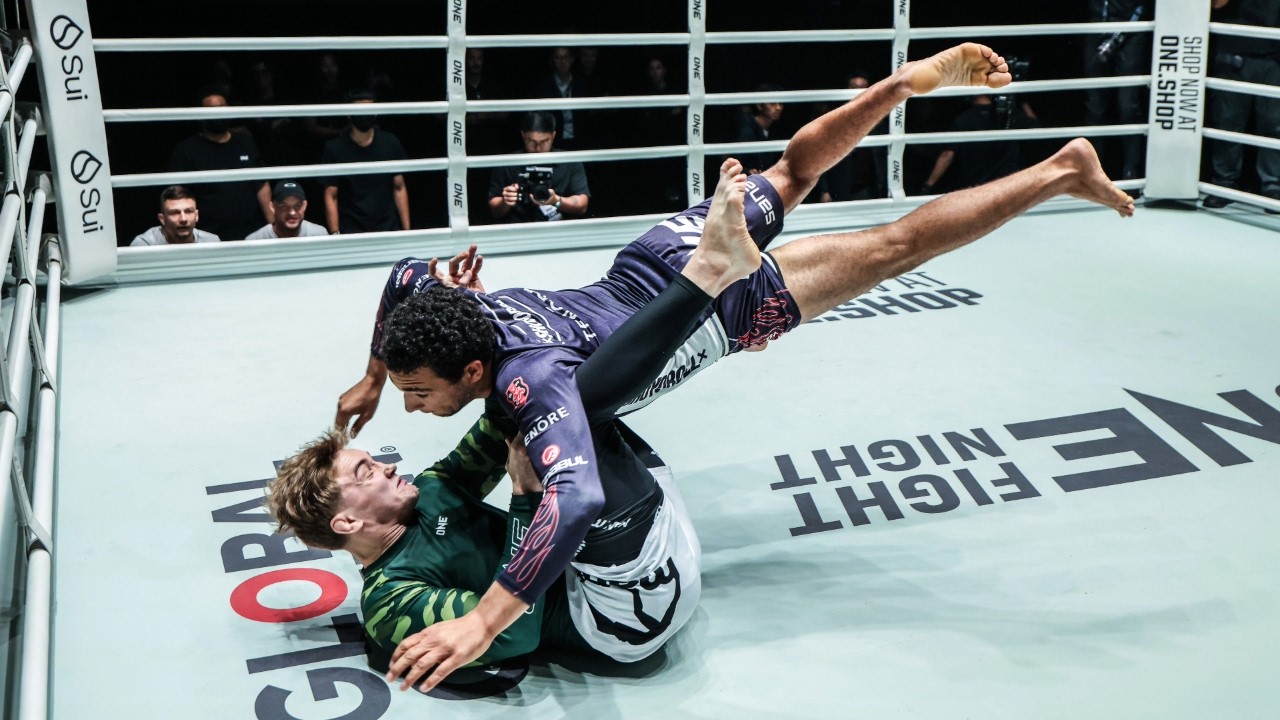
A textbook spear-style finish — head outside, low penetration step, clean landing.
Common Wrestling Mistakes BJJ Players Make
The most expensive error is treating wrestling as a separate sport you switch on for tournament season. It’s not. Wrestling lives in the first thirty seconds of every roll, and the players who treat it as constant practice — not a special block — develop standup attacks that feel automatic by purple belt.
The second mistake is over-rotating to fancy throws. Suplexes, lateral drops, and headlock throws look great in highlight reels and lose you matches. Stick with the seven techniques above and drill them until you can hit them on a fresh partner who knows what’s coming. If you can’t, you don’t own the technique yet.
The third is skipping the conditioning. Wrestling rounds are short and brutal because the work rate is high. Adding two five-minute hand-fighting rounds per week — no shots, just constant grip and head-position pressure — will change your gas tank in three months.
Watch: Bernardo Faria on Why He Took Up Wrestling
A multi-time IBJJF World Champion explains why, fourteen years into his BJJ career, he started wrestling — and how it changed his ground game. Worth the watch even if you’ve heard the argument before.
How to Start This Week
Pick one of the seven techniques. Drill it for five minutes at the start of every class for the next two weeks. After that, add the second. By the end of two months you’ll have working versions of three wrestling techniques and a measurable advantage over every BJJ-only player in your gym. That’s the entire roadmap. The hardest part is showing up early — the techniques themselves are simple.
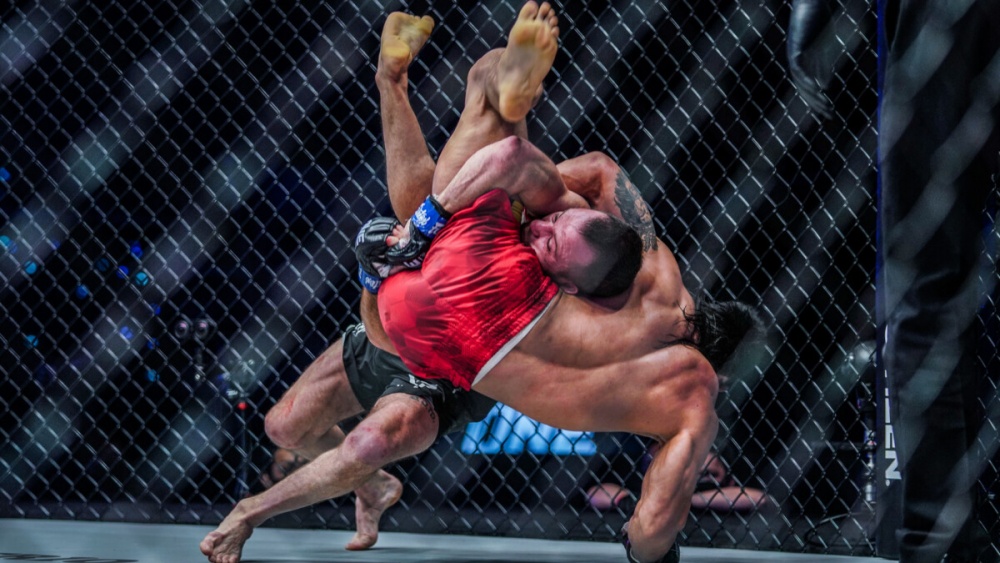
The lines between wrestling, BJJ, and MMA grappling have collapsed — the athletes who train all three win.
Sources
- FloGrappling — Grappling Bulletin: Gi and No-Gi Is Colliding — Coverage of the wrestling crossover in modern no-gi competition.
- Evolve MMA — 7 Essential Concepts of Wrestling for No-Gi BJJ — Foundational technique breakdown from a credentialed coaching staff.
- MMA Mania — Gordon Ryan vs. Felipe Pena, ADCC 2024 Superfight Result — Match coverage referenced in the opening stat.
- Grappling Insider — 3 Fundamental No-Gi BJJ Takedowns — Single, double, and high-crotch breakdowns for the BJJ practitioner.
- BJJEE — Wrestling World Champion Bo Nickal Embraces Brazilian Jiu-Jitsu — Profile on the wrestling-to-BJJ pipeline at the elite level.
Browse our top-rated rashguards and no-gi gear at the RashguardGuy shop →