No-Gi Ankle Injuries: 7 Keys to Recover
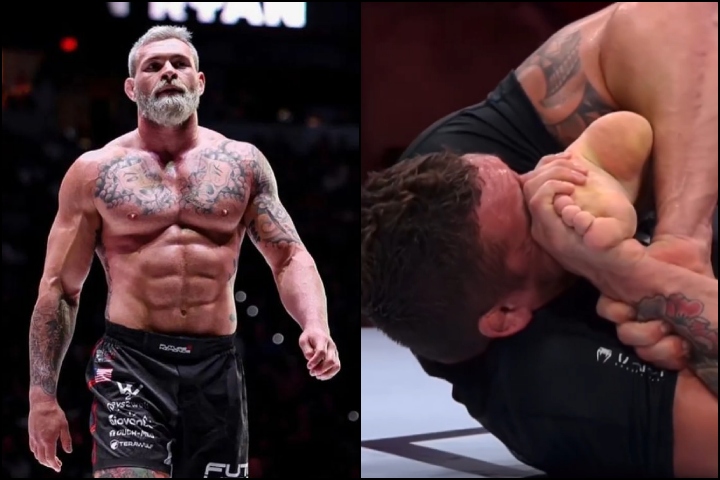
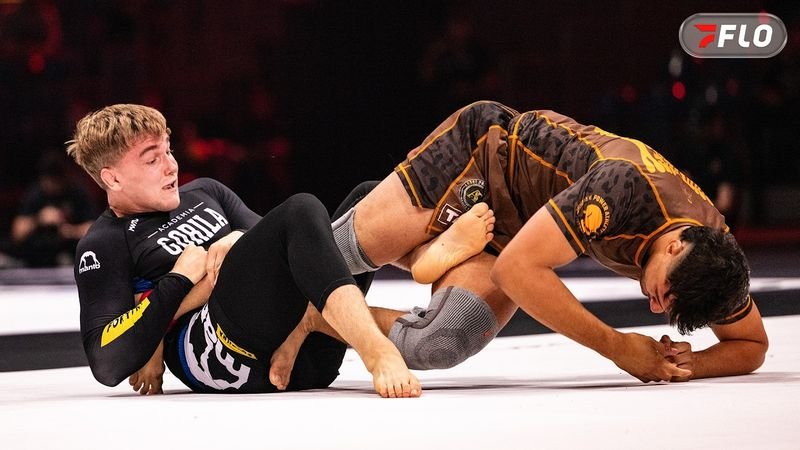
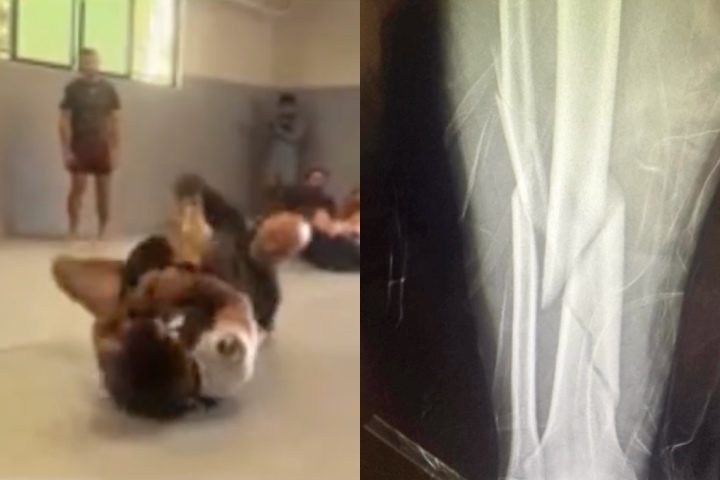
Gordon Ryan didn’t tap. In his 2022 UFC Fight Pass Invitational match against Nick Rodriguez, a late replacement opponent stepping in on short notice, Ryan was mid-transition from an Achilles grip into a heel hook when Rodriguez beat him to the finish with a toe hold and ripped it as hard as he could. The crowd heard the pop. Ryan’s foot had broken, and he kept rolling anyway, eventually winning the match in overtime under EBI rules. “I wasn’t respecting his mechanics,” Ryan said afterward, “because I know he doesn’t do leg locks that much.” That one sentence is the whole lesson: the ankle breaks when you misjudge the position, not just when you lose the fight for it.
Why the Ankle Takes the Hit So Often in No-Gi
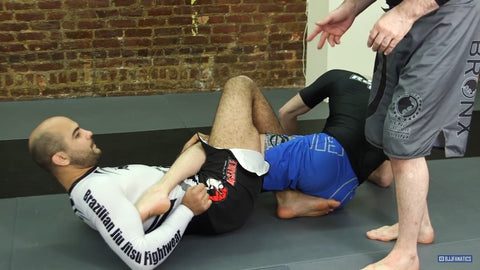
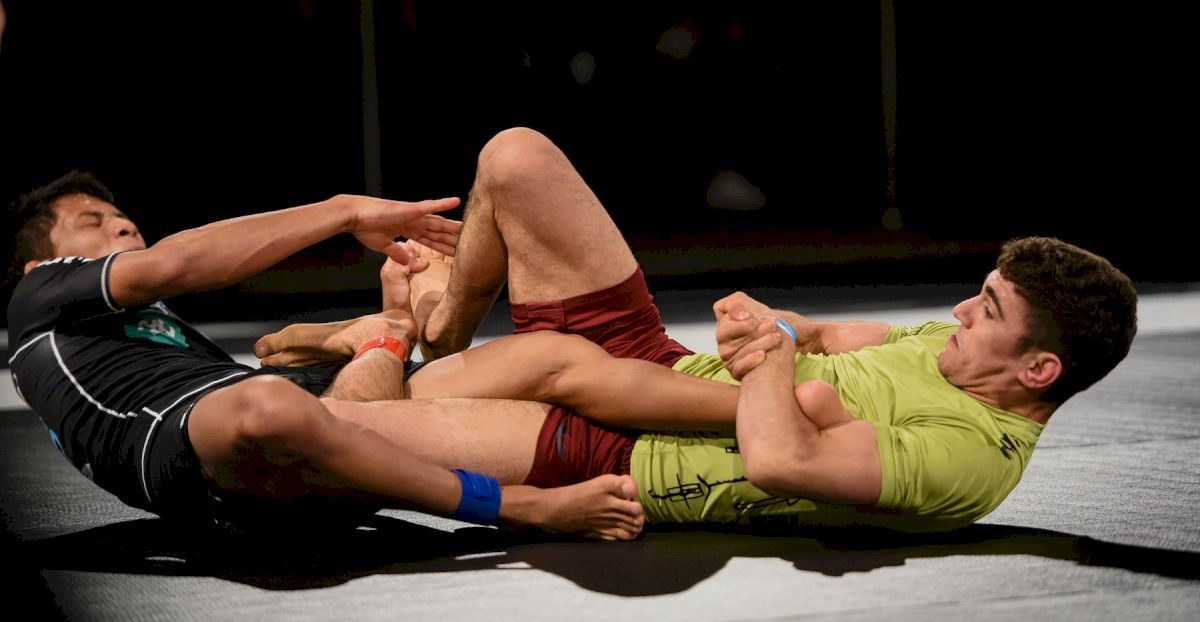
Gi grapplers get a half-second of warning built into the uniform — a pant cuff or a belt to grab while they figure out what’s happening to their leg. No-gi strips that away. The moment an ashi garami, 50/50, or saddle entanglement locks on, the foot and shin are gripping bare skin, and there’s nothing slowing down the rotation once someone commits. That’s why heel hooks and toe holds generate so many of the ankle injuries you’ll see logged in a BJJ clinic, but it isn’t the whole picture. A huge share of ankle sprains in grappling never touch a submission at all — they happen in the scramble, when a foot gets planted wrong during a shot, a sprawl, or a guard pass, and the ankle rolls under bodyweight that was never meant to load it sideways.
That distinction matters for how you think about prevention. You can get better at defending toe holds and recognizing a heel hook grip before it’s finished. You can’t always see a bad step coming during a scramble, which is exactly why ankle sprains are one of the most common injuries reported across BJJ gyms, not just in the leg lock-heavy no-gi rule sets.
The Three Grades of Sprain — and the Injury That Isn’t One
An ankle sprain isn’t one injury, it’s three, and the grade changes everything about your timeline. A Grade 1 sprain is a mild overstretch of the ligament, sometimes a small tear, with minor swelling and tenderness that usually settles with rest, ice, compression, and elevation within days. A Grade 2 is a partial ligament tear — real pain on movement, visible swelling, and a joint that needs bracing or wrapping on top of RICE. A Grade 3 is a complete rupture of one or more ligaments: you can’t bear weight on it, the bruising is obvious, and while surgery is sometimes recommended, most Grade 3s still heal conservatively with a brace and crutches.
Dr. Mike Piekarski, a physical therapist and BJJ black belt who writes specifically on return-to-mat timelines, puts real numbers on those grades for grapplers specifically: 4 to 30 days for Grade 1, 3 weeks to 3 months for Grade 2, and 7 weeks to a full year for Grade 3. Notice how wide those ranges are — a Grade 2 can resolve in three weeks or drag on for three months depending on how it’s managed, and “managed” usually means whether someone rushed back into live rolling before the ligament was actually ready, not just comfortable.
Then there’s the injury that gets lumped in with sprains but isn’t one: a fracture, like Ryan’s. A broken ankle doesn’t follow a sprain grading scale at all. If you heard or felt a pop, can’t put any weight on the foot at all, or the joint looks visibly deformed, that’s an emergency room visit, not a wrap-and-wait situation.
The First 48 Hours Decide More Than People Think
RICE is boring advice, but the order and timing matter more than most grapplers assume. Ice for 15-20 minutes at a time in the first two days, not longer — frostbite on top of a sprain is its own problem — and keep the ankle elevated above heart level whenever you’re sitting around icing it. Compression with a wrap or brace limits how much swelling accumulates in the first place, and less swelling early means less stiffness to fight through in week two. Heat doesn’t belong in this window at all; it increases blood flow to a joint that’s already swollen and makes things worse, not better. Save heat for after the 48-hour mark, once the acute inflammation has settled and you’re working on regaining range of motion instead of controlling swelling.
The mistake that stretches a three-week recovery into a three-month one almost always happens here — someone feels good enough to test the ankle on day three or four, rolls it slightly wrong on a normal step, and reinjures tissue that hadn’t finished its first pass at healing.
The Staged Return: Walking, Weight, Rotation, Then Rolling
Pain-free walking is the first checkpoint, not the finish line. Once you’re there, calf raises — both legs together, then single-leg — tell you whether the joint can handle load through a full range of motion. Drawing the alphabet with your toes sounds almost too simple to matter, but it rebuilds the small stabilizer movements that a brace or a wrap can’t replicate for you. The step most people skip is controlled rotational loading: side-to-side lateral bounds, cutting drills, anything that mimics the sideways stress a scramble puts on the joint, done at low intensity before you’re anywhere near a mat.
Drilling at reduced intensity is the bridge most grapplers skip entirely, jumping straight from rehab exercises to full-speed rolling because slow drilling feels pointless by comparison. It isn’t. Working positional entries and escapes at a pace where you can stop the instant something feels wrong gives you real information a rehab chart can’t — whether the ankle holds up under the specific angles your game actually uses, not just generic range-of-motion tests.
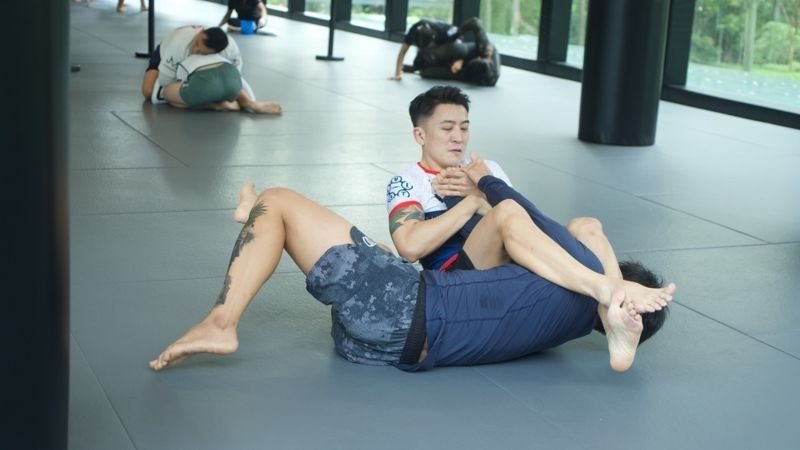
Live leg-entanglement rolling is the last thing you add back, not the first. If you can balance on the injured ankle with your eyes closed for 30 seconds and do single-leg calf raises without pain, you’re close. If you’re guessing based on how it feels standing around the gym, you’re not actually testing it — you’re hoping, and hoping is how the same ankle gets hurt twice in one training cycle. The grapplers who reinjure the same ankle inside of a month almost always skipped this drilling phase, not the RICE phase — everyone remembers to ice, far fewer remember to test the joint at half speed before trusting it at full speed.

Training Around It Without Losing Your Game
An ankle injury doesn’t mean the mat is off-limits for two months — it means standing and base-loaded work is off-limits. Seated grip fighting, collar-tie work, and anything you can drill from your knees or a stable top position stay fully available, and that’s a real training window, not just a consolation prize. What goes away entirely is anything requiring a planted, weight-bearing foot under rotation: no live leg entanglement rolling, no standing takedown reps, no scrambles where you can’t control how your foot lands.
Bracing fits into this phase differently than most grapplers expect. A rigid or semi-rigid ankle brace is rehab equipment for a joint that’s already compromised — it’s not a substitute for the strength work that actually prevents the next sprain. Taping and bracing data from sports medicine sources point to roughly 25,000 ankle sprains happening every day in the US, with about half tied to athletic activity — that volume is why so many physical therapists treat ankle taping as a short-term bridge, not a long-term fix. Tape works fine for a mild, previously-injured ankle you already know how to manage. A proper brace earns its cost back fast if you’re training several times a week, because ten taping sessions run about what a decent brace costs once.

What Actually Stops the Second Sprain
Most ankle reinjuries aren’t bad luck — they’re the same mechanical weakness getting exposed again because nobody addressed it the first time. Single-leg balance work, calf raises done to real fatigue instead of a token set of ten, and resistance-band eversion and inversion drills build the strength around the joint that a sprain exposes as missing. None of that is glamorous training. It’s the kind of five-minutes-before-class work that gets skipped constantly, which is exactly why the same ankle on the same person tends to go again within a year of the first sprain.
If your toe hold or heel hook defense is the reason you got hurt in the first place, revisit that specifically before you go back to full-speed rolling — grapplers get caught in the same entanglement the same way twice far more often than they get caught by something new. Partner selection matters here too, more than most people admit. If you know a training partner cranks leg locks past the point of a clean tap, that’s a conversation worth having before your next roll, not an injury worth risking again to avoid an awkward sentence.
If you’re managing an ankle injury alongside something else common in no-gi, the staged-return logic is the same one we cover in our guides on turf toe and knee injuries — test function in stages, don’t guess based on how it feels standing still, and treat the joint’s weakest link as the pace car for your whole return.
Sources
- BJJEE — Gordon Ryan Admits Nicky Rod Broke His Ankle With A Toehold — the 2022 UFC Fight Pass Invitational toe hold injury and Ryan’s own quotes.
- BJJEE — When To Return To BJJ After An Injury, Explained By a BJJ Black Belt/Doctor — Dr. Mike Piekarski’s grade-by-grade ligament sprain healing timelines.
- New York Shoulder and Knee — The Three Ankle Sprain Grades and How We Treat Them — orthopedic definitions and treatment for Grade 1-3 sprains.
- BJJEE — How to Avoid Ankle Injuries in Brazilian Jiu-Jitsu — foot lock mechanics, prevention strategy, and US ankle sprain incidence data.
- PMC — Epidemiology of Injuries and Their Implications in Jiu-Jitsu Practitioners — systematic review of injury site frequency across 2,847 practitioners.