No-Gi Neck Injuries: 7 Keys to Recover
Jon Bell’s team at Leeds Beckett University surveyed 341 grapplers across BJJ, judo, catch wrestling, and MMA grappling in the UK between August and December 2024, and the neck and cervical spine turned up in 7.3% of the 383 injuries reported — behind the knee at 24.5% and the shoulder at 8.7%, but ahead of the wrist, which didn’t register a single case in that sample. No-gi grapplers carry exposure that survey doesn’t fully capture. ADCC, most open no-gi tournaments, and MMA grappling exchanges all permit neck cranks and the twister that IBJJF gi competition bans outright at every belt level. That rule gap means the exact submissions that load the cervical spine hardest are legal in the ruleset most no-gi athletes actually compete under.
Why No-Gi Rulesets Put the Neck at Risk
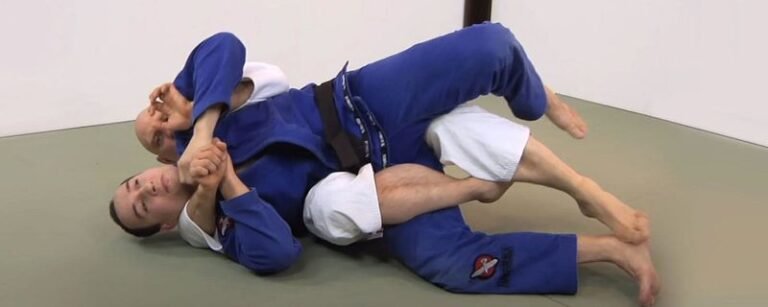
The IBJJF treats pure neck cranks and spinal locks as a foul serious enough for disqualification, in the gi and at every belt level. ADCC runs the opposite policy. The twister, the can opener, and most spinal cranks are legal there, and the only cranks ADCC actually bans are the ones that trap both of an opponent’s shoulders while driving downward pressure into the neck. Most open no-gi tournaments and MMA under the Unified Rules follow ADCC’s lead, not the IBJJF’s. A grappler who trains gi three days a week and no-gi twice gets a false sense of security from that gi time — the neck habits that keep you safe under IBJJF rules don’t carry over once a twister or a can opener becomes a live option.
That gap matters because the guillotine is already the most common neck-focused finish in grappling, gi or no-gi, and no-gi adds spinal cranks on top of it without changing anything about how fast an opponent can lock one in from a scramble. The truck position, the twister entry, and leg-entanglement chains that have exploded in popularity since ADCC started rewarding leg lockers all route through positions where a neck crank is one bad turn away.
The Neck Injuries No-Gi Grapplers Actually Get
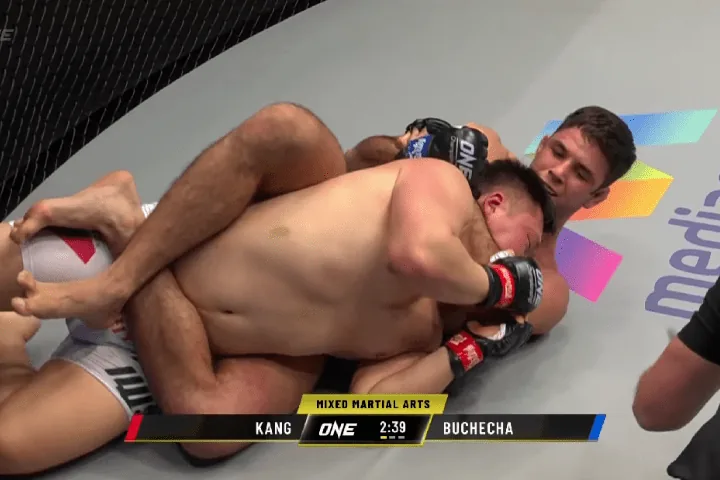
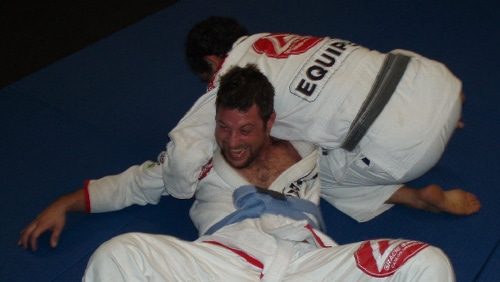
Most no-gi neck complaints are muscle strain, not structural damage. Sprawling against a double leg, getting stacked in a guard pass, and hours of hand-fighting from a collar tie or front headlock all load the same muscles that keep your head upright, and they get sore the same way a hamstring gets sore from sprints. Bell’s survey found that across all grappling disciplines, the two leading injury mechanisms were an opponent attempting a submission (19.8%) and being taken down (19.1%) — both routes that run straight through the neck when the submission in question is a guillotine or a crank, or when a takedown lands with the head tucked wrong.
The rarer, more serious category is structural: a disc injury, a facet joint sprain, or in the worst documented cases, a fracture. These don’t come from grip fighting. They come from a crank or a choke that keeps tightening after the cervical spine has already reached the end of its range, usually because the grappler on the receiving end hesitated on the tap.
When a Neck Crank Lands: The Ifrach Case Report
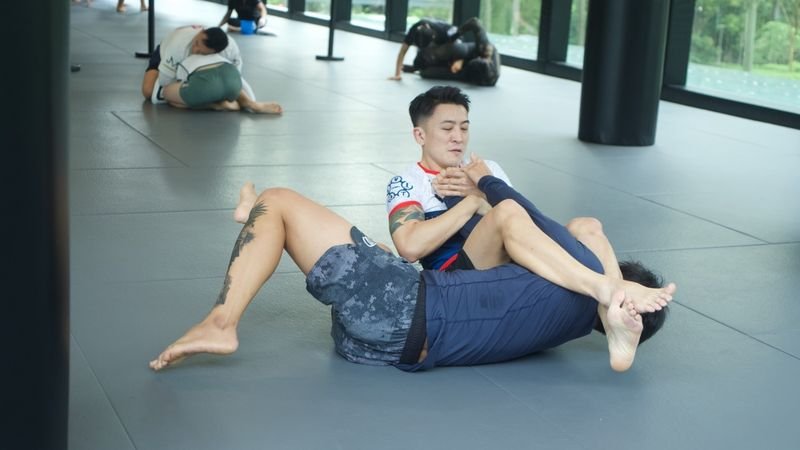
In December 2022, Joseph Ifrach and colleagues published a case report in Interdisciplinary Neurosurgery documenting what they identified as the first recorded flexion-distraction fracture of the cervical spine in a Brazilian Jiu-Jitsu athlete. The injury happened during training, not competition, and involved a flexion-type fracture-dislocation with facet joint involvement severe enough to require surgical stabilization. The authors were careful to note that BJJ has one of the lower reported injury rates among combat sports and that cervical injuries make up a small share of the total — this wasn’t a sport-wide epidemic, it was one documented case worth publishing precisely because it was so unusual.
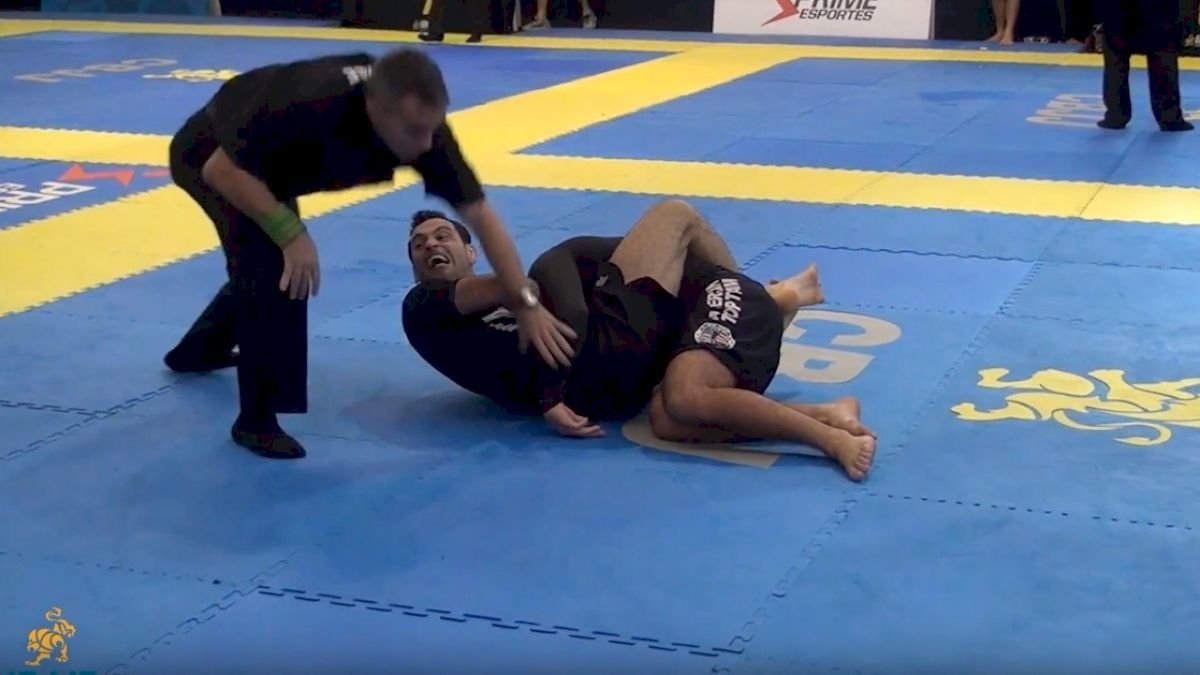
That rarity is the point. A neck crank doesn’t have to go wrong very often to end a season, and unlike a choke, it comes with no blackout buffer. Tap late to a rear-naked choke and you usually wake up a few seconds later, embarrassed but intact. Tap late to a neck crank and the pain you felt right before you tapped was the injury happening in real time, not a warning before it.
Red Flags That Mean You See a Doctor, Not a Trainer
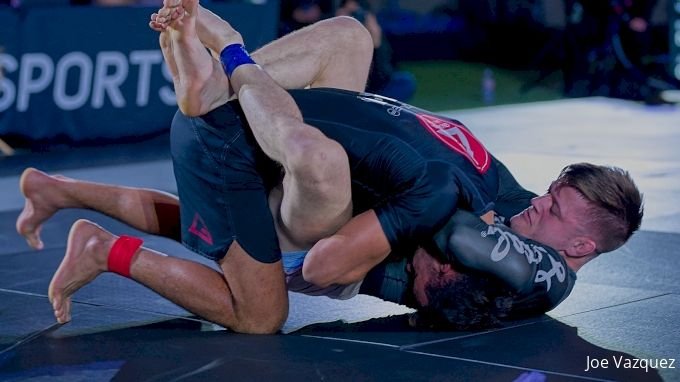
Soreness that fades over two or three days and loosens up as you warm up is normal grappling wear. A handful of signs mean you stop self-treating and book an appointment instead:
- Pain, tingling, or numbness that radiates down one or both arms
- Any loss of grip strength on one side after a crank or choke
- A headache at the base of the skull that shows up hours after training and doesn’t respond to rest
- A neck that still can’t turn halfway in either direction two or three days later
- Dizziness, visual changes, or feeling off-balance after a neck-focused submission
- Any “electric” or shooting sensation at the moment of the crank itself
Numbness is the symptom grapplers talk themselves out of the most, the same way a lot of grapplers shrug off tingling fingers after a bad wrist lock. With the wrist, nerve irritation usually resolves. With the neck, numbness that runs down an arm can mean a nerve root is being compressed at the spine itself, and that is not a symptom to train through.
Taping, Bracing, and What Actually Helps a No-Gi Neck
You can’t tape a cervical spine the way you tape a wrist or an ankle, and anyone selling a “neck brace for BJJ” that promises to stop a crank is selling a placebo. What actually helps a strained neck is unglamorous: two to three days of genuinely avoiding loaded positions, sleeping on your back instead of your stomach so the neck stays neutral overnight, and a kinesiology tape job across the upper trapezius if it helps you move without guarding so hard that you create a second problem. A soft cervical collar has a narrow, short-term role for acute muscle spasm, but wearing one for more than a few days starts to weaken the exact muscles you need to rebuild.
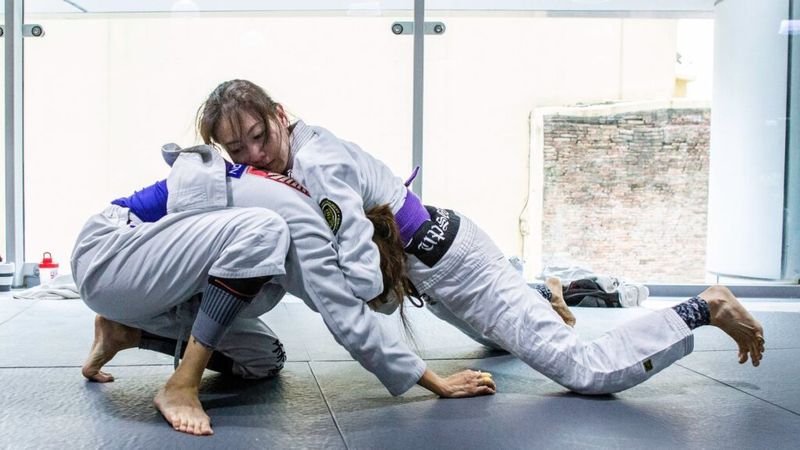
If you’re still training through a mild strain, drilling beats rolling every time. Positional work where your partner knows to ease off neck-adjacent submissions lets you keep moving without testing a healing joint against someone trying to finish a choke. Several physical therapists who treat grapplers suggest sticking to gi rounds during recovery specifically because the choke options in the gi put less torque on the spine than no-gi guillotines and cranks do.

The Return Timeline No One Tells You
Mild strains calm down in one to four weeks with rest, mobility work, and a gradual reintroduction of resistance. Moderate injuries, including disc irritation or a sprained facet joint, commonly run two to twelve weeks before full-contact rolling is reasonable again. Bell’s UK survey found that 49.5% of all grappling injuries, across every body region, were classified as major — more than 28 days before the athlete returned to normal training. The neck is not an exception to that pattern, and a fracture-dislocation like the one Ifrach’s team documented sits in a different category entirely, with recovery measured in months and a return to live grappling that depends on imaging, not how the neck feels on a given day.
The mistake grapplers make with neck injuries specifically is testing them against a fully resisting opponent before they’ve tested them against anything else. Build back through isometric holds, then light resistance band work, then controlled drilling, and only then live rolling with a partner who knows to go easy early. A neck that feels 90% ready and gets caught in a bad crank on day one back is worse off than a neck that waited one more week.
Building a Neck That Doesn’t Give
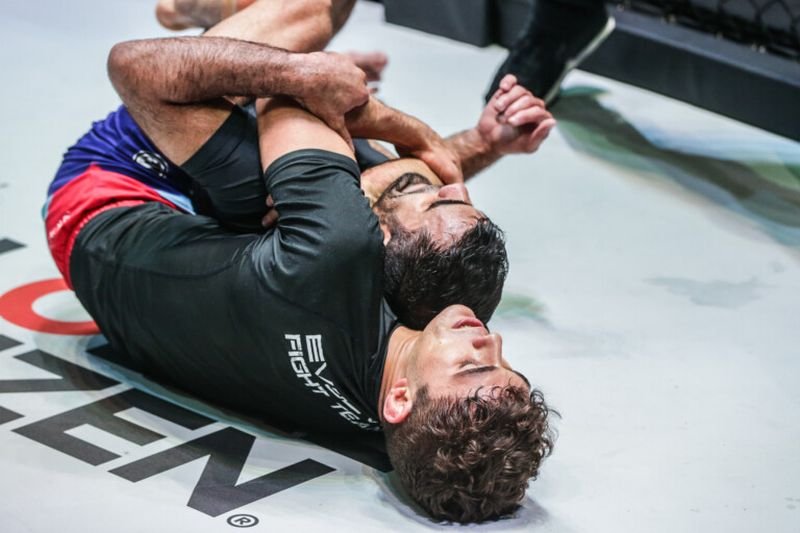
The single most useful habit for preventing no-gi neck injuries isn’t equipment, it’s strength. Neck bridges build the extension strength that protects you in bottom-of-mount scrambles and bad stacking positions. Chin tucks train the deep cervical flexors, the muscles most responsible for stabilizing the spine the instant someone starts cranking rather than choking. Rotational and lateral isometric holds round out the picture, since most neck injuries in grappling don’t come from straight flexion — they come from a twisting load the neck never trained for. Two to three short sessions a week, ideally on days you’re not rolling hard, is enough to see a real difference within a couple of months.
Guard selection plays a quieter role in the same prevention strategy that protects your shoulders from overuse: butterfly guard and anything that keeps frames between you and your opponent’s chest makes it harder for them to drive your chin into your sternum in the first place. None of this makes a neck crank-proof. It makes the difference between a joint that absorbs a bad scramble and one that doesn’t.

Sources
- Bell, J., Travis, E., & Jones, A. (2026). A Retrospective Self-Reported Audit of Injuries Amongst Grappling Athletes Competing in the United Kingdom. International Journal of Strength and Conditioning — 341-athlete survey, neck/cervical spine injury rate and severity data.
- The Risk of Joint and Neck Injuries in Mixed Martial Arts: Grappling and Submission Techniques in Professional Fights — breakdown of choke and neck-targeting submissions across professional fights.
- Ifrach, J., Neavling, N.B., Yocom, S.S., & Tonetti, D.A. (2022). Cervical Spine Flexion-Distraction Fracture in a Brazilian Jiu-Jitsu Athlete: A Case Report and Literature Review. Interdisciplinary Neurosurgery — first documented case report of this fracture type in BJJ.
- Are Neck Cranks Legal in BJJ? — IBJJF vs. ADCC ruleset comparison on neck cranks and spinal locks.