Pawel Jaworski’s ADCC 2026 Leg Lock Gold Run
Pawel Jaworski’s ADCC 2026 run through the -88kg bracket at Tauron Arena on September 12-13 wasn’t a leg-lock specialist rounding out his game with a takedown here or a scramble there — it was 100% pure bottom-game submission grappling, four rounds straight, and it produced the first ADCC gold medal Poland has ever seen. Grapplers have won ADCC gold from the bottom of a leg entanglement before. Nobody has built an entire tournament run around nothing else.
Who Is Pawel Jaworski?
Jaworski started in judo at age six before moving to Brazilian jiu-jitsu, the kind of background that shows up in his grip fighting and his comfort being thrown into bad positions without panicking. He earned his black belt in December 2024 under coaches Jędrzej Loska and Marcin Polczyk at Academia Gorila, and 2025 was the breakout year that set up Krakow: an IBJJF World No-Gi title, a Pan No-Gi title, a European No-Gi title, and the -88kg gold at the ADCC Europe, Middle East and Africa Trials, which punched his ticket to the actual World Championship.
He walked into ADCC 2026 as the ninth seed — not a favorite on paper, despite the hometown crowd treating him like one from the moment the bracket was announced. FloGrappling’s own preview coverage called him a “dark horse,” and by the time the weekend ended he’d made that label look almost insulting.
What separates Jaworski from most ninth seeds who overperform is that he didn’t need to adjust his game plan to survive four rounds against the best -88kg grapplers on the planet. He ran the same bottom-guard, leg-entanglement approach in the first round that he used in the final, against completely different styles of opposition. That kind of consistency under pressure is rare even among black belts with a decade more experience than his.
How Pawel Jaworski Won ADCC 2026 Gold
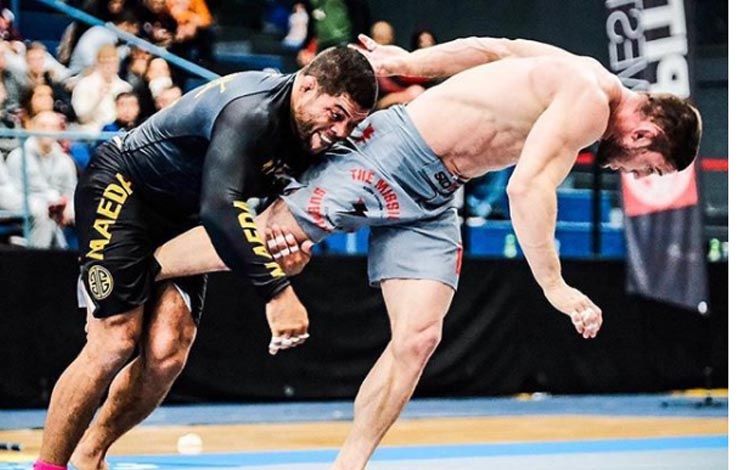
The bracket broke down like this. In the opening round Jaworski met Felipe Costa, a veteran grappler with far more high-level mat time, and finished him with an inside heel hook in 3 minutes 55 seconds. In the semifinal he ran the exact same play against Gabriel Brod, locking up another inside heel hook at 5:34 to punch his ticket to the final. Two different opponents, two different rounds, same finishing mechanism — that’s not luck, that’s a system.
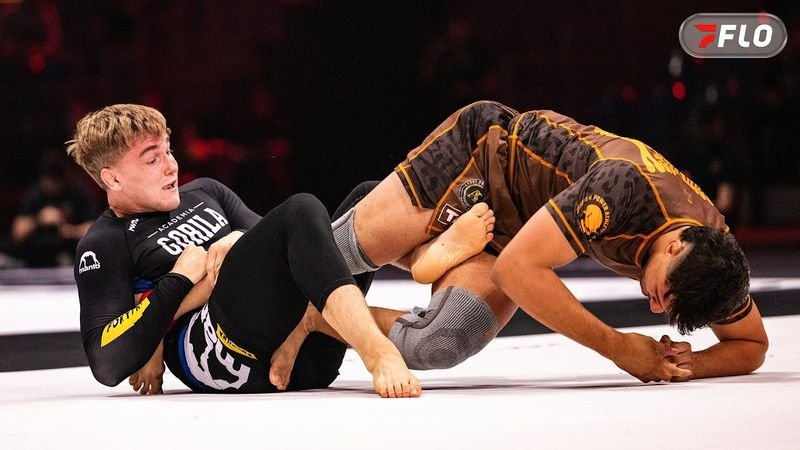
Jaworski’s opening-round inside heel hook against Felipe Costa — the same finish he’d repeat in the semifinal.
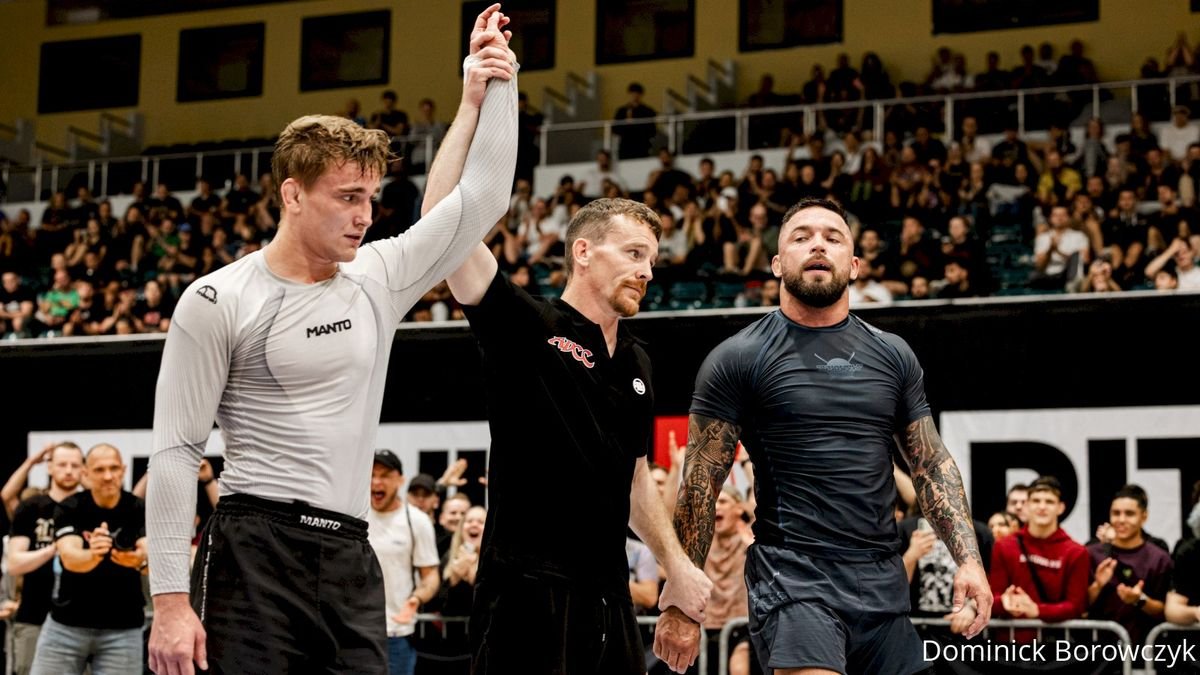
The final against Sweden’s Marlon Tajik was a different animal. Both men know the leg-lock game well enough to respect it, and the match turned into a tight, tactical stalemate that Jaworski, working almost entirely off his back again, won by a single accumulated penalty rather than a submission. It marked the first ADCC final between two Europeans since 1999, and depending who you ask, it wasn’t Jaworski’s cleanest performance — outlets covering the match noted the passivity calls could reasonably have gone either way. He didn’t need a highlight-reel finish. He needed the scoreboard, and he got it.
Third place went to Jozef Chen, who beat Brod 13-0 on points in the bronze match. Jaworski’s win made him the third male European ever to win an ADCC world title, joining Jon Olav Einemo and Kareem Barkalaev, and the first since Ffion Davies became the last European champion, male or female, in 2022.
What “Playing Only Bottom” Actually Means at ADCC
Most competitors treat guard as a phase of a match, not the whole match. ADCC’s ruleset rewards takedowns and top position with points, and it penalizes stalling from any position — bottom included. Choosing to play guard for an entire tournament, against grapplers who know that’s exactly what you’re going to do, means giving up every scoring avenue except the finish. Jaworski attempted zero takedowns, zero sweeps, and zero back attacks across his ADCC 2026 run. Every point of offense came from his back.
That’s a real gamble. Opponents who know a heel hook is coming can flatten out, stack, or refuse to engage the entanglement long enough to run out the clock — which is close to what happened in the Tajik final. But it also means every round Jaworski won, he won on his own terms, against opponents who had a full scouting report on what was coming and still couldn’t stop it twice.
Inside the Inside Heel Hook
An inside heel hook is a leg lock that attacks the ankle and knee ligaments by rotating the heel while controlling the leg through some version of a leg entanglement — the “ashi garami” family of positions that modern no-gi grapplers like Jaworski have turned into a science over the past decade. Systems like saddle (inside sankaku) and standard ashi garami are the tools most competitors at this level use to set up that exact finish, since they let the bottom player control the hip and knee line before the heel is ever exposed. FloGrappling and BJJ media covering both of Jaworski’s submissions described his execution as clean and fast — Costa tapped in under four minutes, Brod in just over five — which tracks with a competitor who isn’t hunting for the position so much as finishing it the moment it’s available.
Readers working on their own entries can start with the fundamentals in our guide to saddle position entries in no-gi, and grapplers who want a lower-percentage but harder-to-scout finish should look at the Estima lock breakdown — a foot lock variation most opponents genuinely don’t see coming, which is exactly the kind of edge Jaworski built his entire tournament around.
Full match footage: Jaworski’s opening-round inside heel hook finish over Felipe Costa.
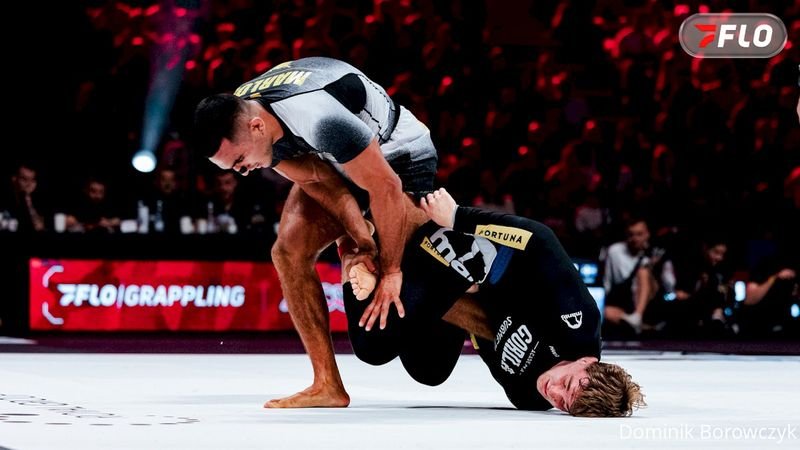
Jaworski working from the bottom against Marlon Tajik in the -88kg final — the same position he used to win every match that weekend.
From ONE Championship Underdog to ADCC Champion
Jaworski’s résumé outside ADCC adds context to how this run came together. He made his ONE Championship debut at ONE Fight Night 41 back in March, challenging Tye Ruotolo for the promotion’s Welterweight Submission Grappling World Championship. He lost a unanimous decision, but he pushed one of the best submission grapplers alive the full ten minutes — not a throwaway line for a 22-year-old getting his first look at that level of competition.
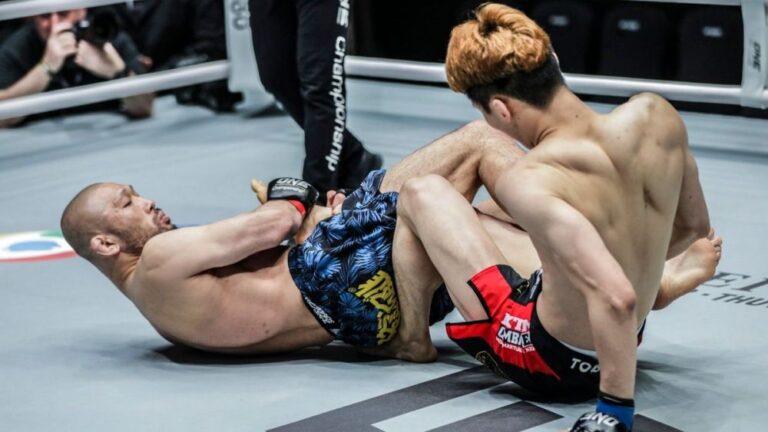
Six months later, at ONE Fight Night 47, he came back and submitted Rafael Lovato Jr. with a kneebar in under two minutes, a performance sharp enough to earn a $50,000 bonus. That win is the clearest preview anyone had of what showed up in Krakow: fast, decisive leg attacks against experienced opposition, with almost no wasted motion.
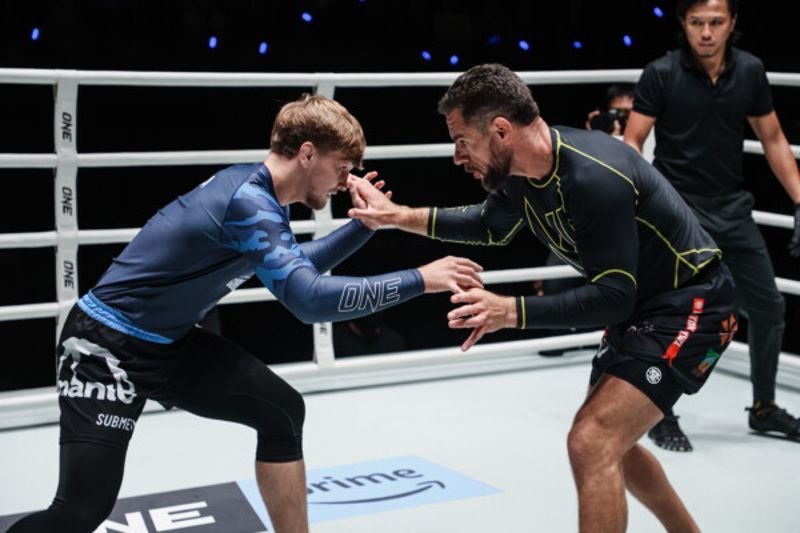
Jaworski in the clinch with Rafael Lovato Jr at ONE Fight Night 47 — the kneebar finish here came six months before his ADCC 2026 gold.
It’s worth separating the two promotions for anyone new to the sport. ONE Championship runs its submission grappling matches inside a ring, under a points-and-submission format built for a broadcast audience. ADCC is the sport’s oldest and most prestigious standalone tournament, run in a roped-off mat area with its own scoring system built around takedowns, position, and stalling penalties. Winning at both, in the same calendar year, against a stacked international field, is not something many -88kg competitors anywhere in the world can claim.
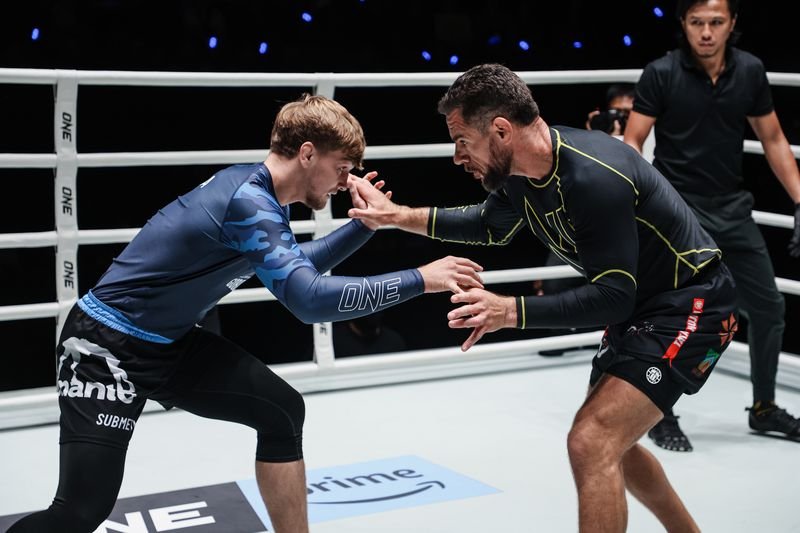
Jaworski vs. Rafael Lovato Jr. at ONE Fight Night 47 — the kneebar finish here foreshadowed his ADCC 2026 leg-lock run.
Jaworski’s win also doubled as a joint storyline for ONE Championship, which had two of its athletes — Jaworski and women’s gold medalist Helena Crevar — both leave Krakow with ADCC hardware the same weekend. For a promotion that’s been building out its submission grappling division as a legitimate competitor to the sport’s traditional events, having two current roster athletes win the sport’s biggest title in the same 48 hours is the kind of validation marketing budgets can’t buy.
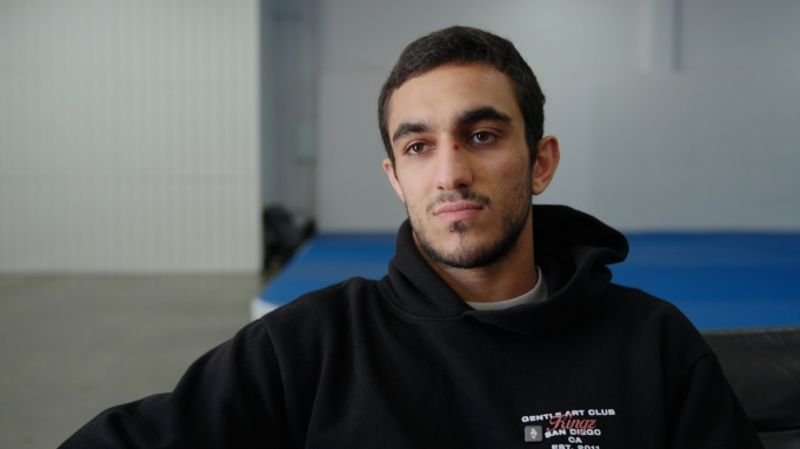
Marlon Tajik, the Sweden-based -88kg finalist Jaworski outlasted on penalties in Krakow.
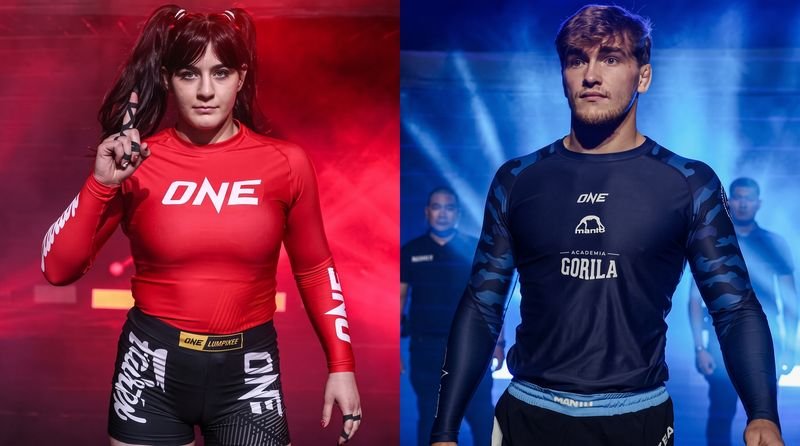
Helena Crevar and Pawel Jaworski — both ONE Championship athletes, both ADCC 2026 gold medalists.
What This Means for Polish and European Grappling
Poland had never produced an ADCC world champion before this weekend. Jaworski changed that in front of a home crowd of roughly 12,000 at Tauron Arena — the largest grappling event ever staged on the European continent, and the first ADCC Worlds held outside Las Vegas since 2019. Mixed Martial Arts’ event recap described the moment of his win as producing the loudest eruption of the entire tournament, which says something given the venue also hosted a full slate of other finals that weekend.
The bigger picture matters too. Jaworski is only the third male grappler from Europe to win an ADCC world title, and coverage of the event framed this specific gold as central to why ADCC brought its flagship event to Poland in the first place. A run built entirely on bottom-position leg attacks isn’t the safest path to a title most competitors would choose. For Jaworski, it turned out to be the only one he needed. Anyone tracking the current UFC BJJ scene alongside ADCC should also check our breakdown of UFC BJJ 11’s biggest storylines, since several of that card’s leg-lock specialists are chasing the same kind of statement win Jaworski just delivered.
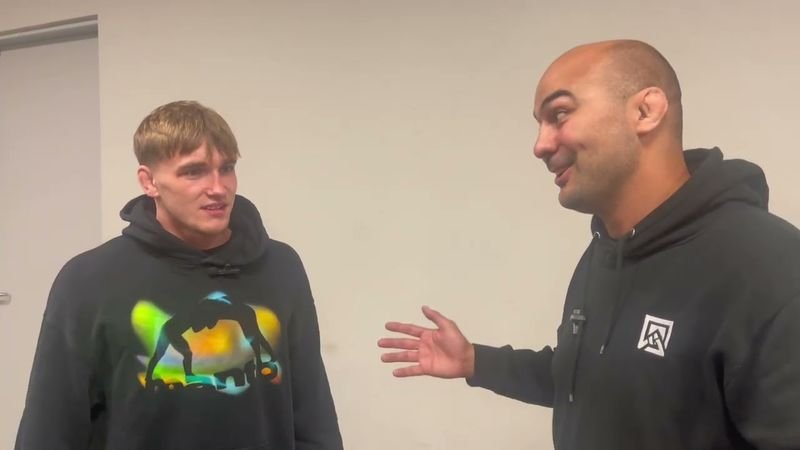
Jaworski in the moments after his win, still processing becoming Poland’s first ADCC world champion.
Sources
- FloGrappling — Pawel Jaworski Defeats Marlon Tajik To Win Gold: ADCC Worlds 2026 — match results and bracket details
- ONE Championship — Helena Crevar, Pawel Jaworski Make History With Gold Medal Performances — ONE Championship background and record
- MixedMartialArts.com — ADCC 2026 Wrap: A Polish Coronation — event context and historical significance
- Yahoo Sports / FloSports — Pawel Jaworski Becomes First Polish Gold Medalist In ADCC History — tournament seeding and biography
- Wikipedia — Pawel Jaworski — competition record and coaching team