D’arce Choke: 5 No-Gi Setups That Work
At ONE Championship in 2022, Tye Ruotolo sank a d'arce on Garry Tonon from a front headlock scramble and finished one of the sharpest defensive grapplers in the sport in under two minutes. ONE named it the 2022 Grappling Submission of the Year. That result didn't happen because Ruotolo is physically strong — it happened because his arm was threaded deeper and his body was positioned better than anything Tonon could adjust to in time.
The d'arce is not a strength move. Position does the work. Here are the five setups that actually produce finishes at the competition level, starting with the one most grapplers find first.
What Is the D'arce Choke in BJJ?
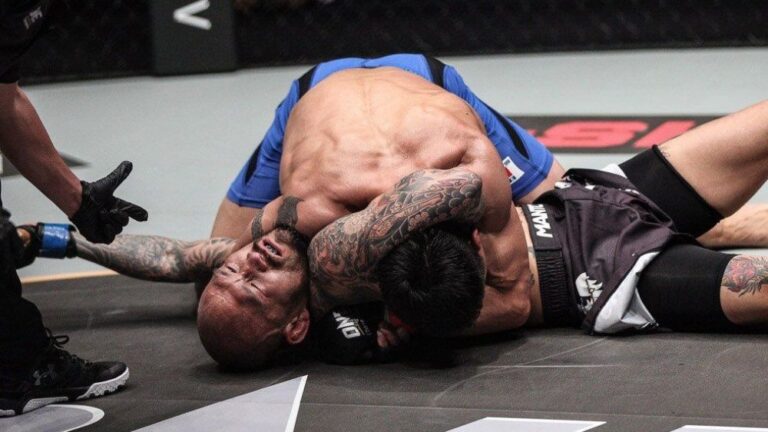
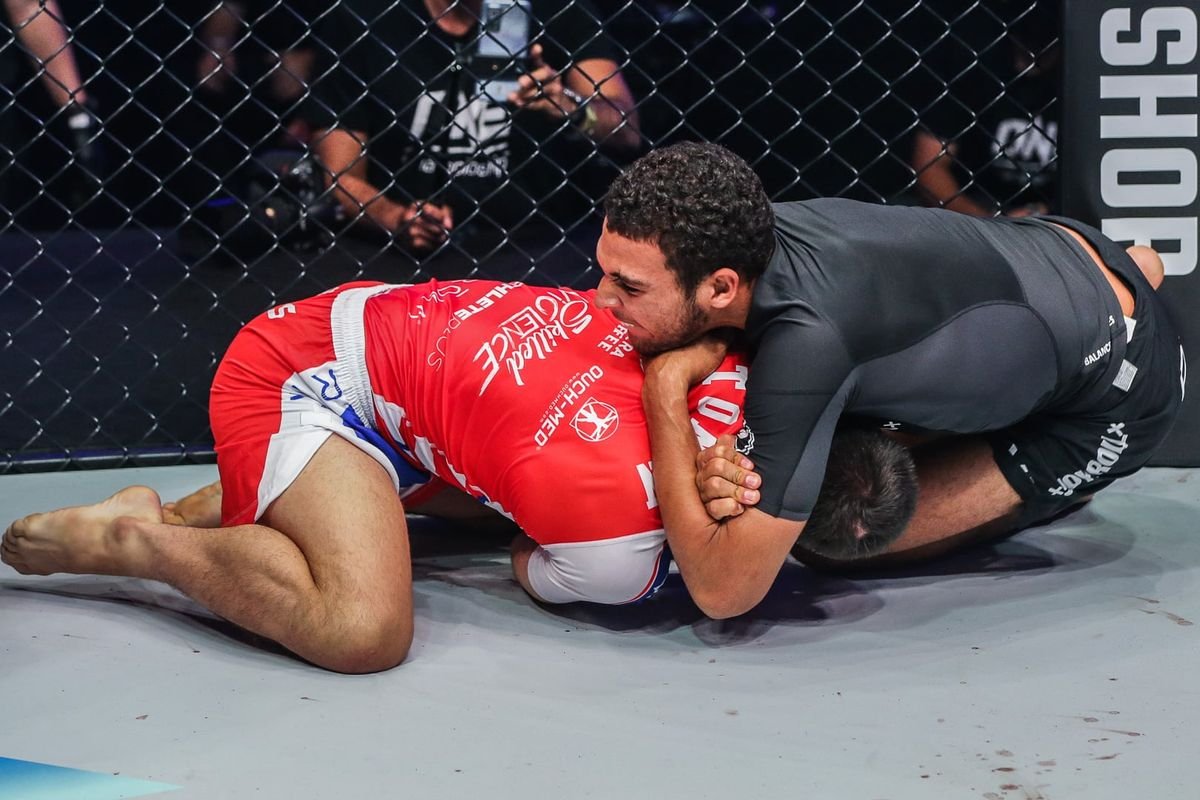
The d'arce is a blood choke. It compresses both carotid arteries simultaneously, cutting blood flow to the brain. A properly positioned darce choke bjj puts a trained opponent out in 8–12 seconds regardless of their physical strength — because strength cannot restore blood flow. That is why elite no-gi competitors chase it even when opponents know it's coming.
The defining mechanical feature is arm path. Your choking arm threads under the opponent's near arm and wraps around their neck from the far side. The anaconda goes over the arm. Both compress the same carotid points, but from different entry angles and requiring different body positions. Confuse the arm path and you have neither choke — just an awkward headlock that does nothing.
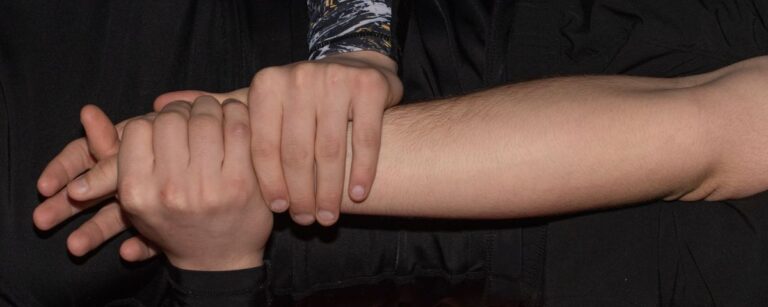
Your free arm connects to the choking arm via a gable grip or clasped-hands grip, creating a closing figure-four around the neck. When you drive your shoulder into the back of their head and cinch, the choke engages. No gi required — which is exactly the point.
The Origin Nobody Gets Right
The choke is named after Joe D'Arce, a Renzo Gracie black belt who became notorious for it in North American competition during the mid-2000s. He did not invent it. Marc Laimon named it after D'Arce because of how aggressively he attacked with it — honoring the competitor, not the inventor.
The actual origin is contested between three separate figures. Norwegian Luta Livre practitioner Björn Dag Lagerström claims he discovered it accidentally in 1996 when he mis-threaded an anaconda attempt during training. He used it at the TAP tournament in Germany that same year and submitted three opponents. John Danaher says he developed what he called the “inverted kata gatame” as a blue belt in the mid-1990s and taught it to D'Arce at the Renzo Gracie Academy. Meanwhile, Brazilian Top Team credits Milton Vieira with refining it around 2000 and teaching it to Rodrigo “Minotauro” Nogueira for MMA application.
Three separate discovery claims, overlapping timelines, no clear winner. Techniques evolve in parallel — especially in the 1990s, when information moved slowly between grappling scenes on different continents. What all three accounts agree on: the choke was already being used at high levels before most people outside those rooms had heard of it.
Setup 1: Front Headlock
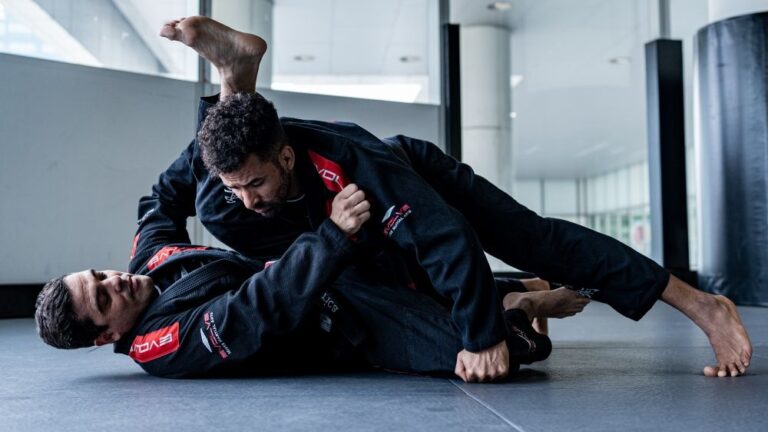
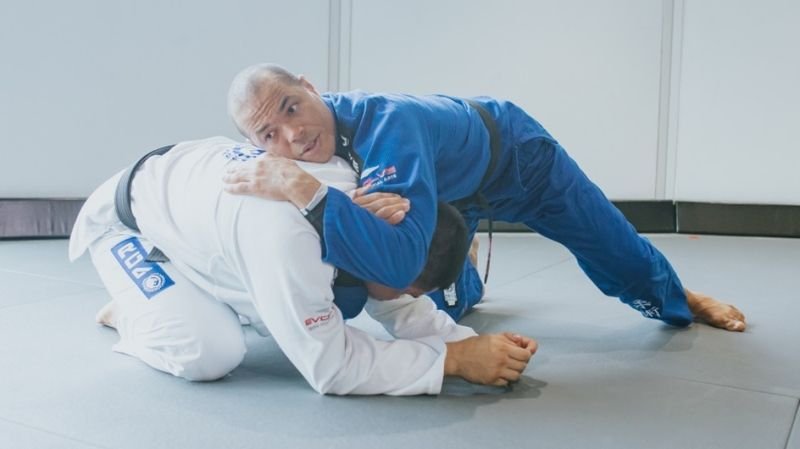
This is where most grapplers find their first d'arce, and it remains the cleanest entry at every level. Your opponent shoots a double-leg or drops their level. You sprawl, pin their head to the mat, and establish front headlock control — their near arm is trapped between your forearm and their neck.
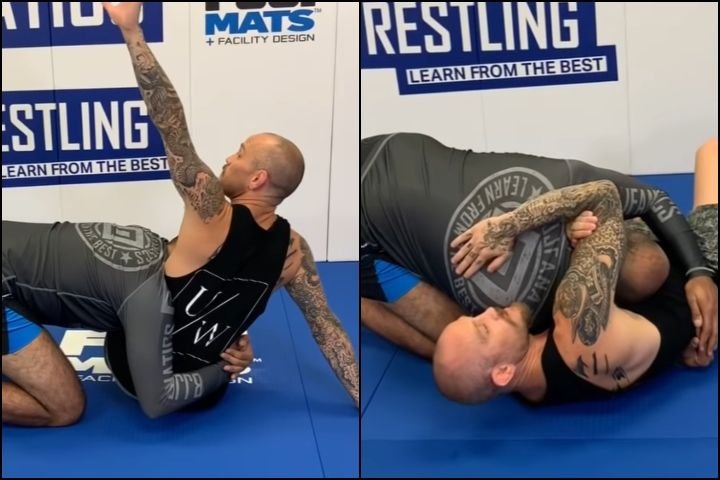
From there, thread your choking arm under their near arm, bending at the elbow to wrap around the back of their neck. The grip closes on your other bicep. If they try to posture up, you drive your weight forward onto their neck and tighten.
Depth is the difference between a finish and a stall. Your choking arm needs to reach deep enough that the crook of the elbow sits directly behind their neck — not on their shoulder. Half an inch of depth decides the outcome. Most failed d'arce attempts die because the arm is too shallow, leaving space for the opponent to tuck their chin or turn into you. Thread past the shoulder every time.
The high elbow guillotine creates from the same front headlock control. Training both from this position forces your opponent to defend two separate chokes simultaneously — a problem with no clean answer.
Setup 2: Half Guard Top Position
Experienced no-gi grapplers find this one during guard passes, not from sprawls. You're passing on the near-side: you have a crossface, their far arm is trapped, and you're driving forward. Their near arm comes up to frame or push against you — that's your entry window.
When they extend that near arm to stop your pass, thread under it immediately. The motion is the same as the front headlock: arm goes under theirs, bends up and around their neck from the far side. Your body weight shifts forward and slightly to the d'arce side to flatten them. The choke finishes during the pass — you don't need to complete the position change first.
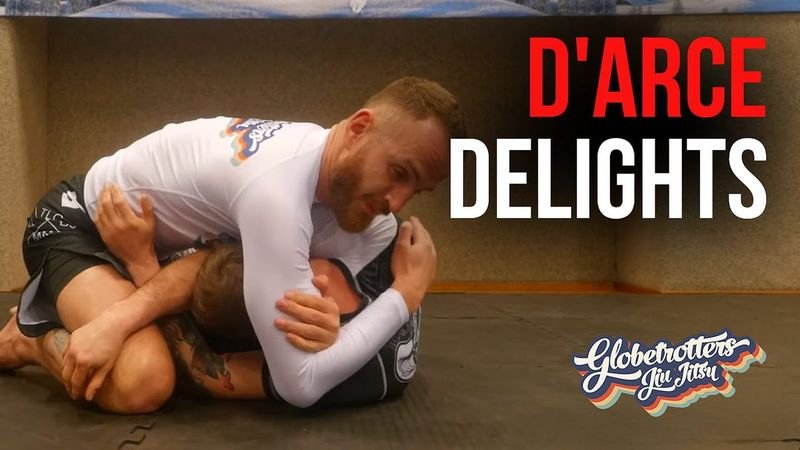
Kade Ruotolo used this half guard variation consistently throughout his 2022 ADCC run. He won the tournament at 19 — the youngest ADCC champion ever — with the d'arce as a primary finish. His timing coming off top half guard was fast enough that opponents couldn't frame before the arm was already threaded.
Setup 3: Butterfly Guard
This entry is less expected than the first two, which makes it dangerous. You're playing butterfly guard; your opponent is driving forward to flatten you or pass. As they come over your near side, their weight drops their head. That lean exposes the neck.
The setup works off a sweep attempt. You initiate a butterfly sweep toward one side; they post and resist. In resisting, they expose the far arm and drop their head. Thread the arm immediately, grip up, and finish as you roll slightly into them. The sweep motion and the choke thread work off the same movement — opponents who stop the sweep often walk directly into the d'arce.
Andre Galvao, a six-time ADCC World Champion, teaches the butterfly-to-d'arce chain as part of what he calls his arm-triangle system. The arm path and body angle are identical to the anaconda chain — only which side the arm threads changes.
Setup 4: Standing Entry
This is the least-drilled setup at most gyms, which is precisely why opponents don't recognize it until it's too late. You're in a collar tie or body lock, standing. Your opponent ducks under a post or drops their level in a tie-up scramble. The moment their head comes outside your hip, your arm can thread.
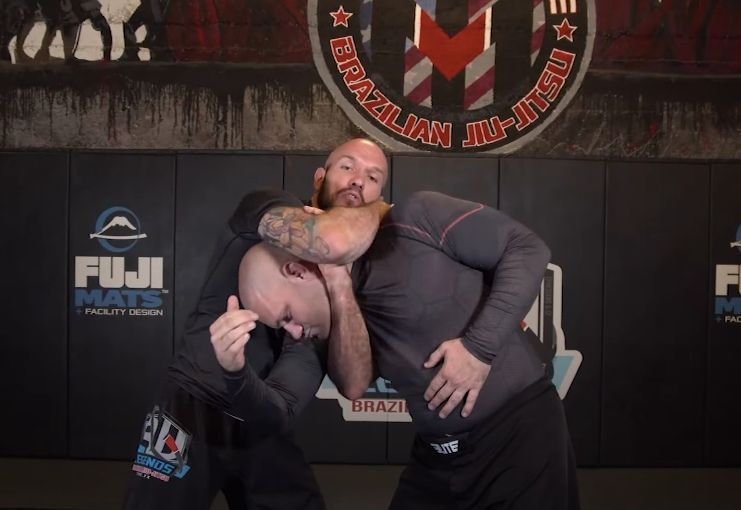
The motion drops you to one knee on the threading side. Your weight comes forward over their back to drive them toward the mat while the choke tightens. The finish happens in transition — you're going to the ground with them as the d'arce closes. It looks like a takedown that converts to a submission mid-fall.
This setup requires full commitment. Half-attempts standing get countered fast. Thread and go — hesitation gives up position.
Setup 5: Turtle Position
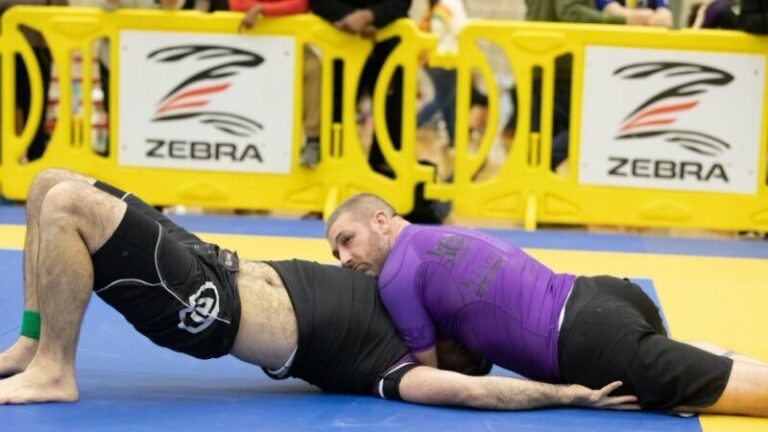
When your opponent turtles to defend against back takes or guard passes, they expose two options: take their back or attack the d'arce. The choice depends on one variable — can you get under their near arm?
If their near arm is posted on the mat, take the back. If the near arm is tucked but their head is exposed, d'arce is the better call. Thread under the arm from the same side you're on, wrap the neck, and flatten them as you cinch. They can't roll away the way they can from a back take attempt — the finishing position keeps them pinned.
The rear naked choke and the turtle-position d'arce are often alternatives in the same scramble. Your opponent's near arm position tells you which one to take.
Finishing the D'arce — Where Most Grapplers Stall
Threading the arm is the entry. Getting the finish is a different problem that kills most d'arce attempts at the intermediate level. The sequence matters: body position first, then squeeze. Reverse that order and you're squeezing against a position that isn't locked yet, giving the opponent a window to escape.
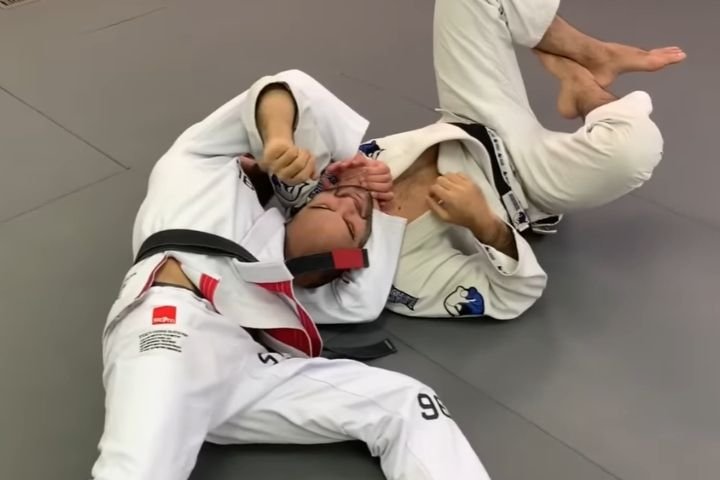
The correct sequence: drive your shoulder into the back of their head, drop your hips, and plant your choking-side shoulder against the side of their head. Once those three points are locked, close the grip and squeeze. That order produces finishes. Threading and immediately clamping — the common mistake — leaves the body out of position and gives the opponent time to posture up before you're set.
The other stall point is the bridge defense. Opponents who feel the choke starting bridge hard immediately to disturb your depth. The answer is controlled forward weight, not strength: use gravity to pin them during the thread. Body weight establishes the position. The grip closes it once that's settled.
D'arce Choke Defense
Two defensive windows exist, one much better than the other. The first is before the arm threads. The moment you feel their forearm going under your near arm, compact that arm to your body immediately — tuck the elbow, turn your head toward them, and posture up if possible. Once the arm is threaded and the grip is closed, your options drop sharply.
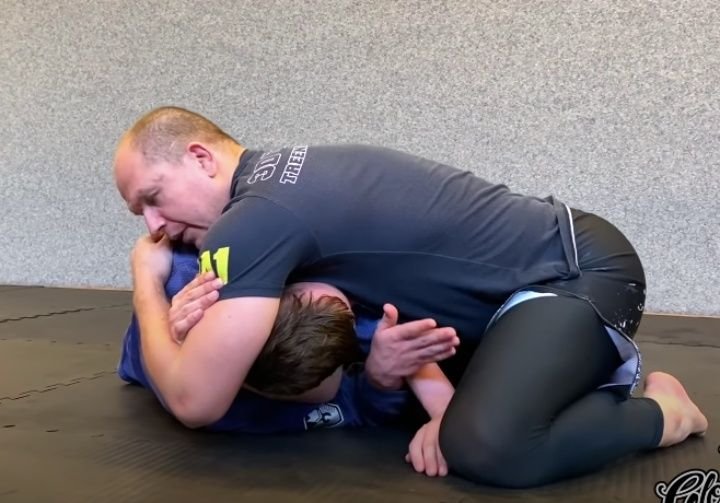
The second window is post-thread but before the finish locks. If they have the thread but haven't settled their body weight, turn your head toward the choking-arm elbow and drive your chin down — the “answering the phone” defense. This creates friction and buys a few seconds to posture or scramble. It is not a long-term position. Use those seconds to move.
The wrong move is going stiff and pushing on their arm. Extending your near arm gives them a lever and makes the choke easier to set. Go compact, not rigid.
The deep half guard is one position where opponents regularly look for the d'arce as you work your entries. Recognizing the threat early from that position keeps the arm tucked and the chin down before they can close the grip.
Common Mistakes
Shallow arm thread. The crook of the elbow needs to sit behind the neck, not on the shoulder. If you're gripping your bicep with the elbow on their shoulder, you have a modified headlock. Thread past the shoulder every time — there are no shortcuts at competition level.
Squeezing before body alignment. Getting the arm in and immediately clamping gives the opponent time to posture up or turn before you've controlled the head. Shoulder first, hips down, head controlled — then close the grip.
Losing the angle during scrambles. The d'arce works from an angle to their far side. Drift straight forward or toward their feet and the choke geometry breaks down. Stay disciplined with your body angle during the finishing drive.
Letting go in transitions. The standing-to-ground conversion involves a lot of movement. Grapplers who relax their grip during the fall lose the arm depth they worked for. Stay tight through the takedown. The thread was set standing — don't give it up going to the mat.
Sources
- ONE Championship — Tye Ruotolo's D'Arce Choke on Garry Tonon Is ONE's 2022 Grappling Submission of the Year — Confirms submission timing, result, and the award
- BJJ Heroes — Darce Choke History and Origins — Origin sourcing: Lagerström 1996, Danaher blue belt claim, Marc Laimon naming
- Circle Academy — The Physiology of Chokes in BJJ — Carotid compression mechanism, blood choke timing
- Elite Sports — Kade Ruotolo: The Youngest ADCC Champion Ever — Ruotolo's 2022 ADCC results and submission record
- BJJ World — Mechanics of the Darce Choke — Technical breakdown, arm path mechanics, variation coverage