Reverse Triangle Choke: The No-Gi Setup Nobody Sees Coming
At ADCC 2009 in Barcelona, Braulio Estima walked into the -88kg division and submitted two of the best grapplers on the planet — Andre Galvão and Xande Ribeiro — with a choke most people in the arena had never seen before. The reverse triangle. Not a slick inside heel hook. Not a darce from top pressure. A submission that catches opponents mid-pass, mid-scramble, and mid-escape, turning their own shoulder into the instrument of their defeat.
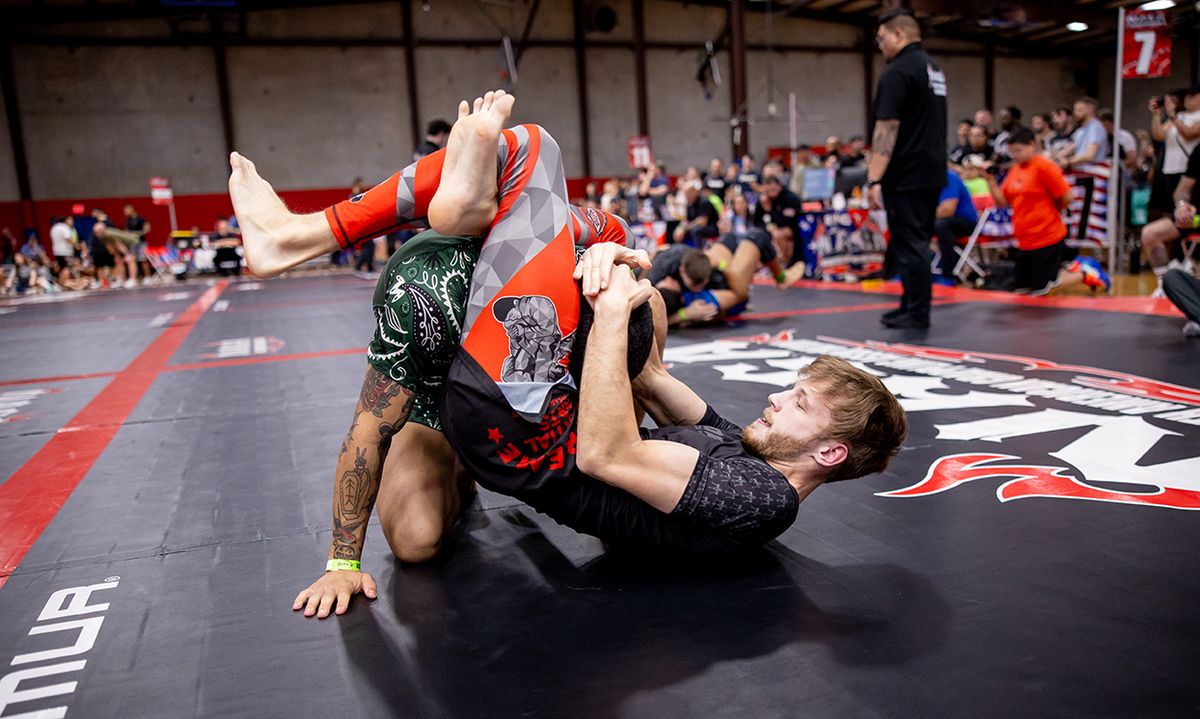
The reverse triangle choke in no-gi is still one of the least defended submissions at every level from blue belt to black belt. You can feel someone defending a regular triangle the moment you start to lock it. The reverse version happens before they realize what’s going on.
What the Reverse Triangle Choke Actually Is
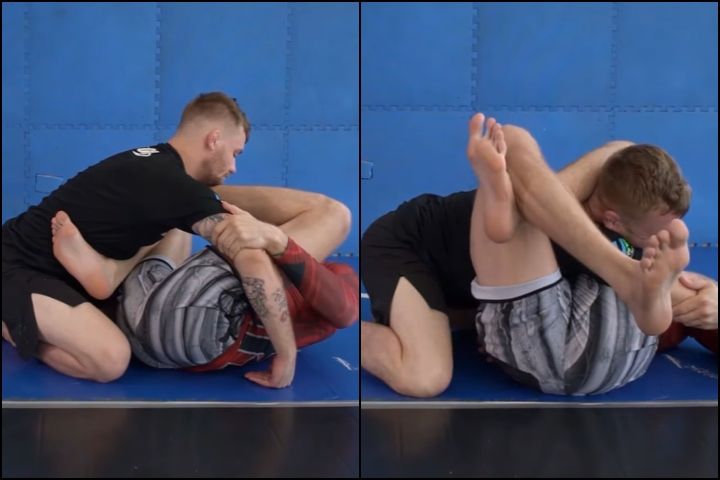
The standard triangle locks your legs in a figure-four with your opponent’s head and one arm trapped facing toward you. The reverse flips that — your legs face the same direction as your opponent’s body. Your outer thigh presses against the side of their neck, and their trapped shoulder drives into the other side. They’re choking on their own anatomy.
In judo, this is called gyaku sankaku jime. It’s drilled extensively from the turtle position, which is exactly why no-gi submission grapplers keep finding it in scrambles. When your opponent turtles up, turns away, or gets their hips under you during a pass attempt, the geometry for the reverse triangle appears naturally.
The choke mechanism is different from what most grapplers expect. It’s not a standard blood choke with two-sided carotid pressure — instead, one side comes from your leg and the other from the opponent’s own shoulder being driven into their neck by the lock. To finish, you need to rotate to a hip-forward angle before squeezing. Skipping that rotation is the single most common reason the submission fails.
Why Braulio Estima Changed Everything at ADCC 2009

Before 2009, the reverse triangle existed in the Judo textbook and in scattered pockets of BJJ instruction. It had no marquee moment. Braulio Estima gave it one.
In Barcelona, Estima used the reverse triangle against multiple elite opponents in the same event — using an open guard entry to lure his opponents into a guard pass before catching the submission mid-step. Andre Galvão, who would go on to be one of the most decorated ADCC competitors in history, got caught. Xande Ribeiro, a six-time world champion, got caught. The technique wasn’t new, but the application — using it as a guard attack at the highest no-gi event in the world — was.
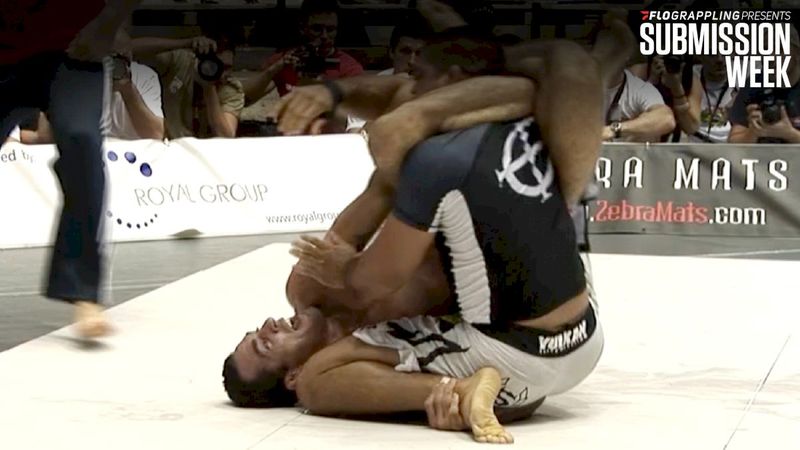
What made Estima’s version work at that level wasn’t just the technique — it was the setup. He played an open guard that looked passive, let his opponents begin their pass, then caught the arm and head mid-movement when their base was temporarily compromised. Against grapplers with exceptional base and defenses, catching them while they’re committed to a passing motion is often the only window you get.
The Mechanics: Why Your Opponent Chokes Themselves
Understanding why this choke works makes finishing it more reliable. In a regular triangle, you’re squeezing both carotids with two parts of your leg. In the reverse triangle, the pressure comes from two different directions:
- Outside of your thigh — pressed against one side of the opponent’s neck
- Their own shoulder — driven upward and into the other side of the neck by the leg lock
That shoulder pressure is why rotating your hips before finishing is non-negotiable. Without the rotation, the shoulder stays low and you’re left with partial neck pressure that creates discomfort but not a clean finish. With the rotation, the shoulder rides up into the neck and the choke comes on hard, often with no warning for the person being choked.
Compared to the north south choke, which also applies pressure from above, the reverse triangle is harder to muscle out of. Your hips generate the pressure, not your arms, and there’s no grip for the opponent to strip. Most people who get caught in a tight reverse triangle tap from confusion as much as from pain — they don’t know which direction to escape.
3 No-Gi Entries That Actually Work
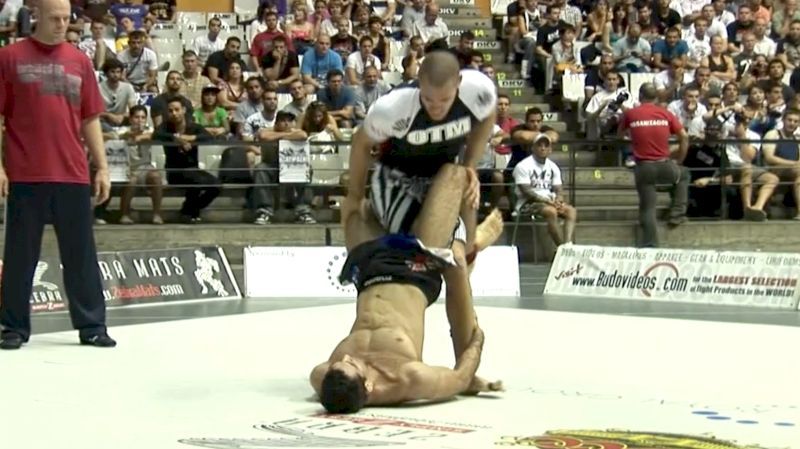
1. Open Guard Counter (Estima Style)
From open guard, let your opponent begin a guard pass. As they step through to clear your legs, feed their passing arm to your near hand and swing your outer leg over their head. The motion of their pass actually helps you lock the position. From here, rotate to your hip and squeeze. This is the entry Estima used at ADCC — it works precisely because the opponent’s momentum aids the lock.
2. Knee on Belly Counter
When your opponent has knee on belly, use an underhook to dive forward and use your head to pin their near arm. Threaten an armbar by stepping your leg around their head. As they sit up and push into you to defend the armbar — which most people will do instinctively — reach back, secure the arm, and lock the reverse triangle while they’re extended. Joel Bouhey has been running this entry for years and it catches experienced grapplers because the armbar threat is real enough to produce the reaction you need.
3. Scramble Counter from Bottom Side Control
This is the least obvious entry and the one that catches people off guard most often. From bottom side control, turn into your opponent and frame. As they post to re-establish position, shoot your far leg over their head and your near leg under their arm. Lock the legs and rotate. You don’t need to escape first — the reversal and the submission happen at the same time.
How to Finish the Reverse Triangle Choke
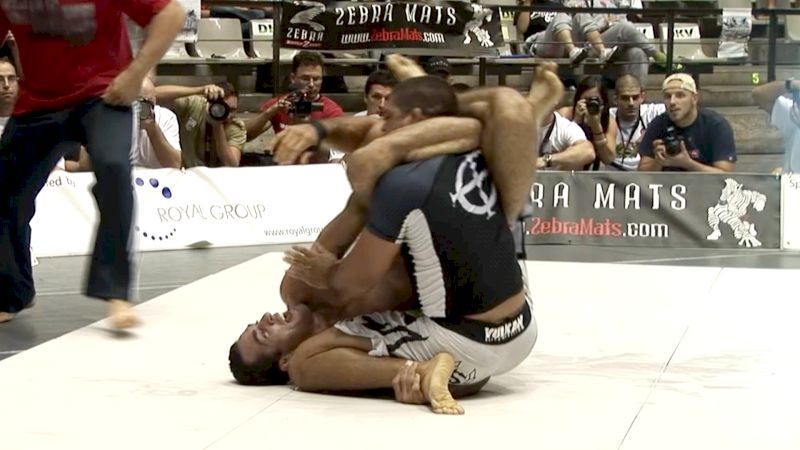
Once the legs are locked, three things determine whether you get the tap:
Rotation before squeeze. Before squeezing your knees together, roll to the hip that faces away from your opponent’s face. This is what drives their shoulder upward into the neck. If you squeeze without rotating, you get pressure but not a finish.
Leg position matters. Your thigh — not your calf — should be the contact point on the neck. Calf across the face is a neck crank, not a choke. If you’re getting crank pressure and they’re not tapping despite significant force, your lock is too high. Slide down slightly before re-squeezing.
Control the arm. The arm on the trapped side needs to be pulled tight against your body. If it slips free, the shoulder can drop and the choke loses its second pressure point. Use a two-on-one grip on that arm throughout the finish.
The submission can also double as an armbar on the trapped arm. If they’re fighting the choke hard and trying to straighten out, lean back and extend the arm while maintaining leg pressure. Opponents often tap to the armbar before the choke finishes them — that’s fine. Getting the tap is getting the tap.
Like the omoplata, the reverse triangle works best when you can combine two threats simultaneously. The choke and the armbar working together create a dilemma that’s genuinely difficult to solve under fatigue.
When Toby Imada Hit It in the Cage
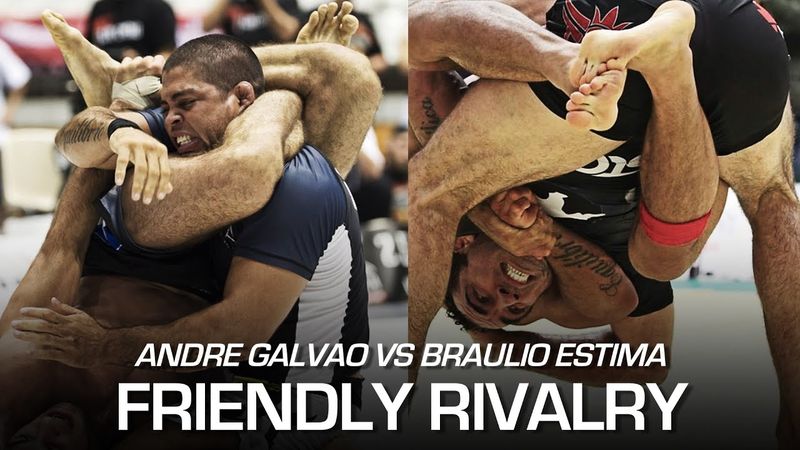
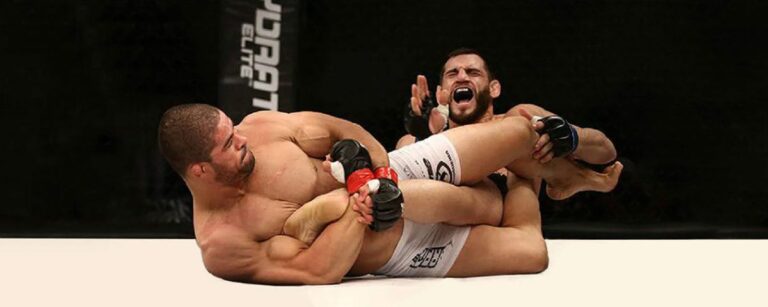
ADCC isn’t the only place the reverse triangle has made its mark. At Bellator 5 in 2009, Toby Imada submitted Jorge Masvidal with an inverted triangle choke that won Submission of the Year. The setup was different from Estima’s guard-based version — Imada sprawled on a takedown attempt and applied the lock while both men were upright, transitioning straight from the sprawl into the reverse triangle before Masvidal could recover his base.
This matters for no-gi training because it shows the technique isn’t limited to guard play. From standing scrambles, from sprawl positions, from transitions off failed shots — the reverse triangle can appear anywhere both people are moving. The common thread is that it catches opponents when their posture is compromised and their arms are in a suboptimal position.
Unlike the von flue choke, which is a deliberate counter to a specific attack, the reverse triangle is opportunistic. You’re not waiting for someone to make a particular mistake — you’re reading the geometry as it develops.
Common Mistakes That Kill the Lock
Three mistakes account for most failed reverse triangle attempts:
Locking too early. Shooting the legs before the head and arm are properly positioned means you’re working with a sloppy lock that your opponent can wiggle out of. Get the head inside first, then lock.
Not controlling the near arm. If the trapped arm escapes before you lock, the choke loses its second pressure point. You’re left with leg pressure on one side of the neck and nothing on the other. Keep that arm pulled in tight from the moment you lock.
Squeezing without rotating. Already covered above, but it’s the most common error among people who’ve drilled the position without finishing it live. Squeeze without the rotation and your partner will sit through it in training. It won’t finish a resisting opponent.
The Stephan Kesting Breakdown Worth Watching
Stephan Kesting’s tutorial on the reverse triangle covers the judo origins, the BJJ adaptation, and three escape routes your training partners will attempt. Worth watching before your next drilling session — the escape section in particular is useful for understanding why certain finish details matter.
Drilling the Reverse Triangle Until It’s Automatic
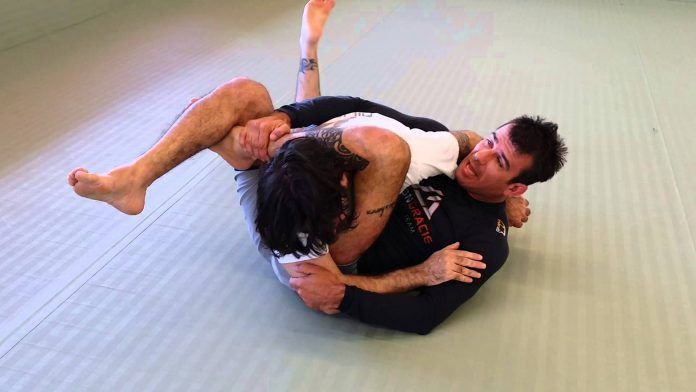
The reverse triangle doesn’t show up without drilling because your brain doesn’t naturally recognize the geometry. The standard triangle is drilled from white belt — you’ve locked thousands of those. The reverse hasn’t been. Until you build the pattern recognition, you’ll see the position and let it pass.
Start with the scramble entry. Have a partner take knee on belly and drill the underhook-to-armbar-threat-to-reverse-triangle chain until the transition is smooth. Ten minutes on this entry, three times a week, for two weeks will make it available in rolling.
Add the open guard counter next. Play open guard with the intent to catch the reverse triangle on any pass attempt. You’ll lose a lot of guard passes early — that’s fine. You’re building the reflex to recognize the moment when your opponent’s arm and head align for the lock.
Once both entries show up in rolling, add the finish detail work: rotation before squeeze, arm control, leg position check. Most people who train the position never build the finish because they don’t drill it to completion. Drill it to the tap.
Adding the Reverse Triangle to Your Submission Chain
The reverse triangle fits naturally into a submission game built around positional threats. If you’re already attacking the north south choke from top position, the reverse triangle from bottom side control is a direct counter-attack when your opponent defends aggressively and leaves their head exposed. If you’re attacking the omoplata from guard and your opponent rolls through, the reverse triangle can catch them on the far side of the roll.
Chain-thinking is what makes the submission viable at higher levels. A standalone submission is easy to shut down once your opponent knows it’s coming. A submission that appears as a consequence of defending something else — that’s what wins rounds at competition.
The reverse triangle is exactly that kind of weapon. Get the open guard counter working first. Once training partners start defending it, you’ll find the rotation entries opening up naturally as they adjust. That’s when the submission starts feeling inevitable rather than speculative.
Sources
- ADCC 2009 -87.9kg Final: Braulio Estima vs. Andre Galvão — Official ADCC News match record
- The Reverse Triangle for No-Gi BJJ — BJJ Fanatics breakdown featuring Joel Bouhey’s entries and Estima’s finishing detail
- What Is the Reverse Triangle Choke? — NAGA Fighter technical breakdown of the gyaku sankaku jime mechanics
- You Have to Try This Sneaky Reverse Triangle Choke Setup — BJJEE.com featuring the Kaelum Kalista demonstration
- The Hidden Secrets of the Reverse Triangle Choke — BJJ World breakdown covering bottom and top side control entries