Beyond the Label: How Competition Grapplers Evaluate a BJJ Rashguard in 2026
When most people search for the best rashguards for BJJ and grappling in 2026, they land on a ranking page: five brands, affiliate links, and a vague promise of top picks. That format has its place, but it skips the question serious competitors actually ask—what is this thing made of, and will it hold up through a full competition season? Athletes competing at Who’s Number One events, IBJJF Opens, and back-to-back Wednesday no-gi sessions don’t want another ranking. They want to understand what they’re actually paying for when they spend eighty dollars on a compression top.
This guide works backward from how competition-level grapplers evaluate gear. It starts with material science and construction, then connects those details to what you should actually look for the next time you’re sorting through rashguards at a tournament vendor table or scrolling a brand’s product page.
The Polyester-Spandex Equation
Almost every competition-grade rashguard in 2026 is built on a polyester-spandex blend. The typical range runs from 75% polyester / 25% spandex on the flexible end to 87% polyester / 13% spandex on the structured end. That ratio is not just a technical spec—it’s the engineering tradeoff that determines how the garment performs under load.
Polyester handles moisture management and shape retention. It’s hydrophobic, meaning sweat wicks to the surface and evaporates instead of soaking into the fabric, and it resists the mechanical stress of being pulled and grabbed repeatedly. Spandex—often sold under the brand name Lycra—is the elastomer that gives a rashguard its stretch and recovery. Without enough spandex, a rashguard won’t return to its original shape after six months of hard training. Too much spandex, and the garment loses structural integrity under prolonged tension, especially at the torso and sleeve connection points.
For BJJ and submission grappling specifically, the 80/20 range tends to be the sweet spot for training gear. Competition rashguards often run tighter—closer to 87/13—because competitors want maximum compression and minimal fabric shift during scrambles. That tighter blend can feel stiff out of the package, but it breaks in over the first ten sessions and delivers noticeably better positional stability than a softer training top.
What Compression Actually Means for Grapplers
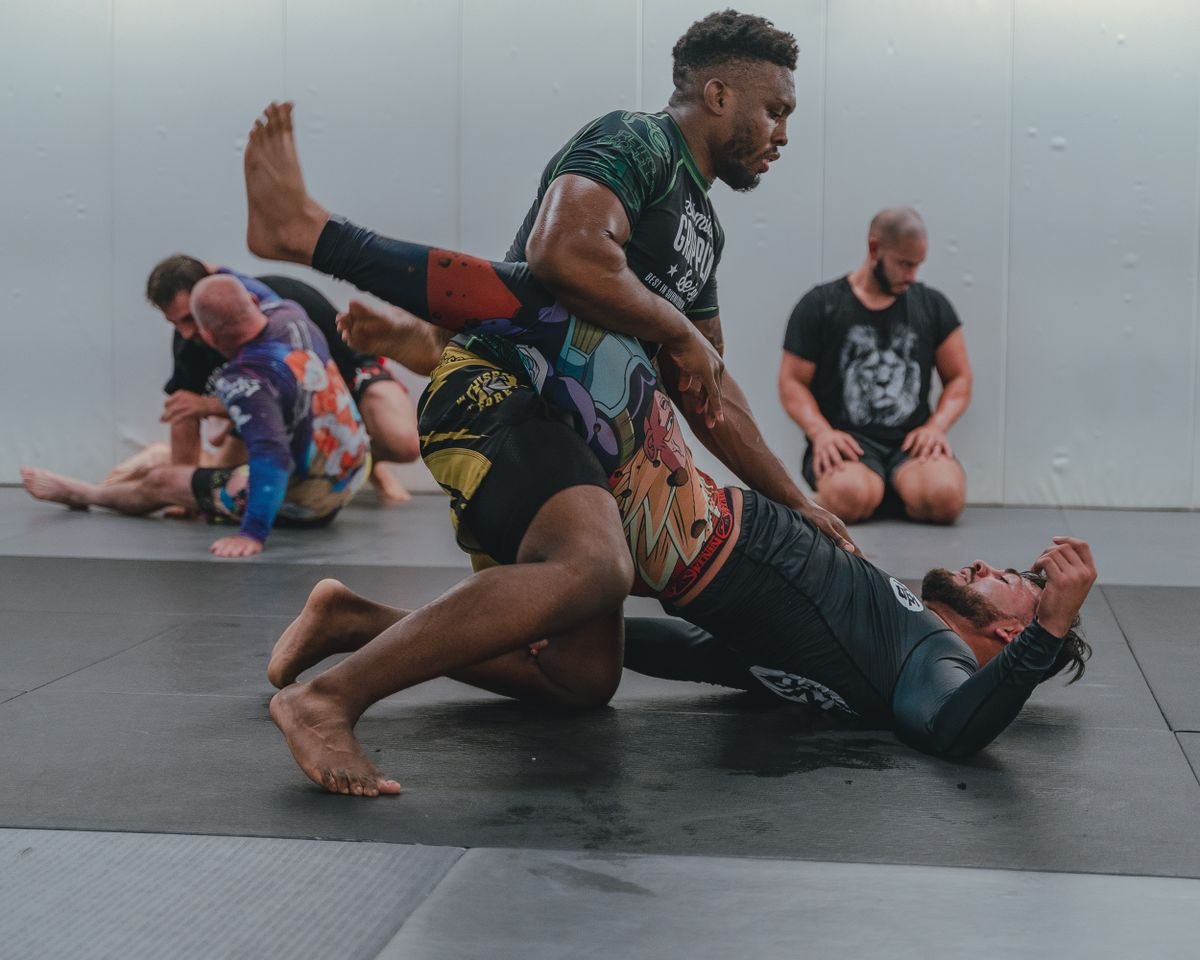
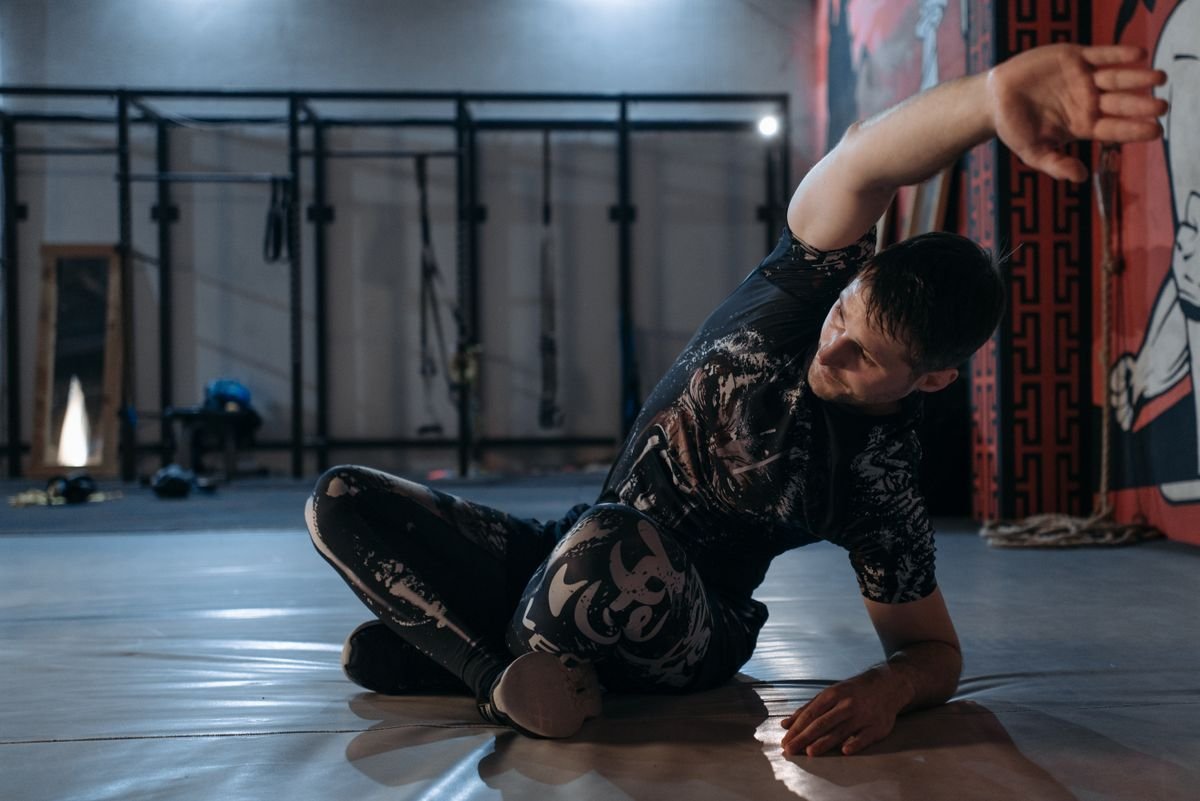
Compression is the most misunderstood feature in rashguard marketing. Brands use it loosely to mean tight, but in a grappling context, compression serves three functional purposes: muscle support during explosive movement, thermal regulation during prolonged mat time, and—most importantly—positional stability that stops the garment from riding up during body triangles, standing scrambles, or any position where an opponent is pressing against your torso.
The problem with most compression marketing is that it describes the rashguard’s compression at the point of purchase. A top that feels like a second skin in the store might have significantly degraded compression after 50 wash cycles if the spandex content is on the lower end and the washing temperature is consistently too hot. Athletes training at high volume—ten or more sessions per week—find that budget rashguards lose their compression in three to four months, making them serviceable for drilling but unusable for competition, where a bunched or shifting top is a tactical liability in close exchanges.
The practical check: after washing, a rashguard that still requires real effort to pull on has retained its compression. If it slides on without resistance, the spandex has degraded. That’s a simple tactile assessment requiring no equipment—just your hands and the memory of how the garment originally fit.
Seam Construction and Where Rashguards Actually Fail
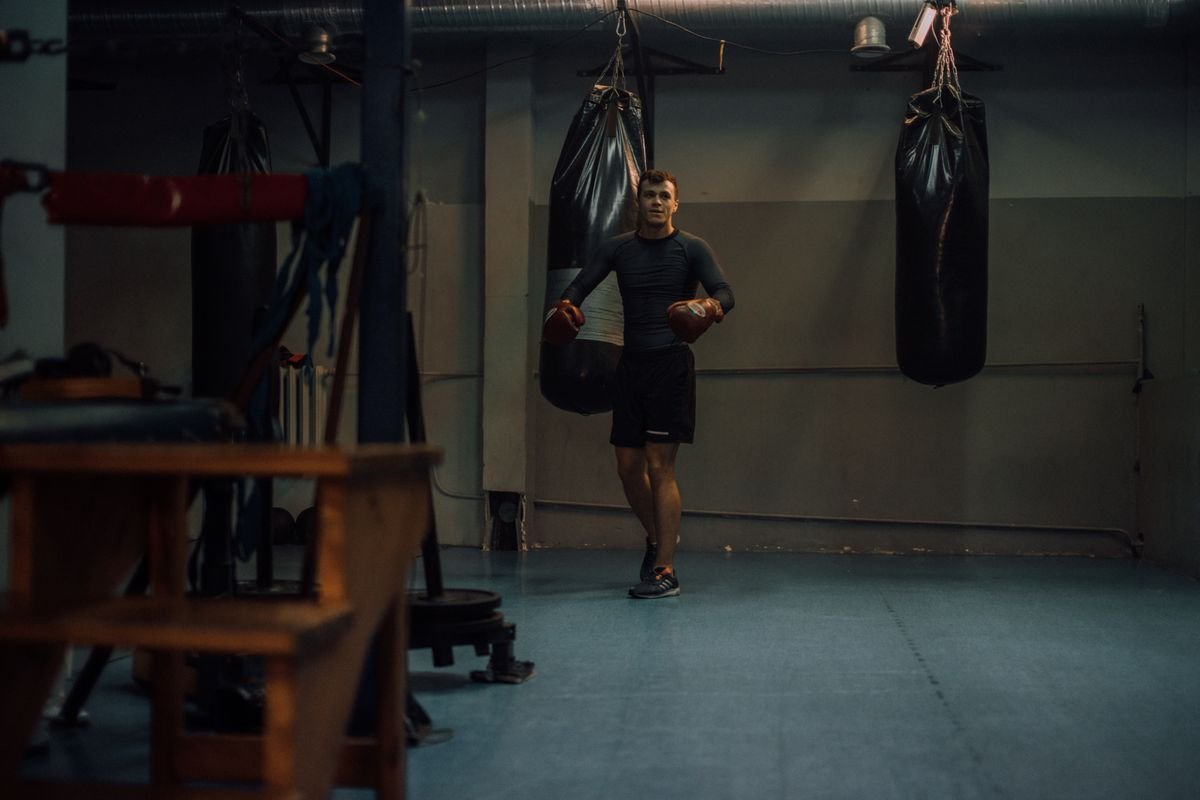
Flatlock seaming and chain-lock seaming are the two dominant construction methods for grappling gear, and the difference matters more than most buyers realize when they’re judging a rashguard by its print and panel design.
Flatlock stitching lays the seam flat against the skin, eliminating the raised ridge that can cause friction burns during extended mat time. The stitch runs parallel to the fabric’s surface, distributing tension across a wider area. Chain-lock stitching uses an interlocking loop pattern that is stronger in one direction but prone to unraveling if a single thread breaks—which happens most often at the underarm and shoulder junction, because those points experience multidirectional stress during arm drags, duck-unders, and clinch work.
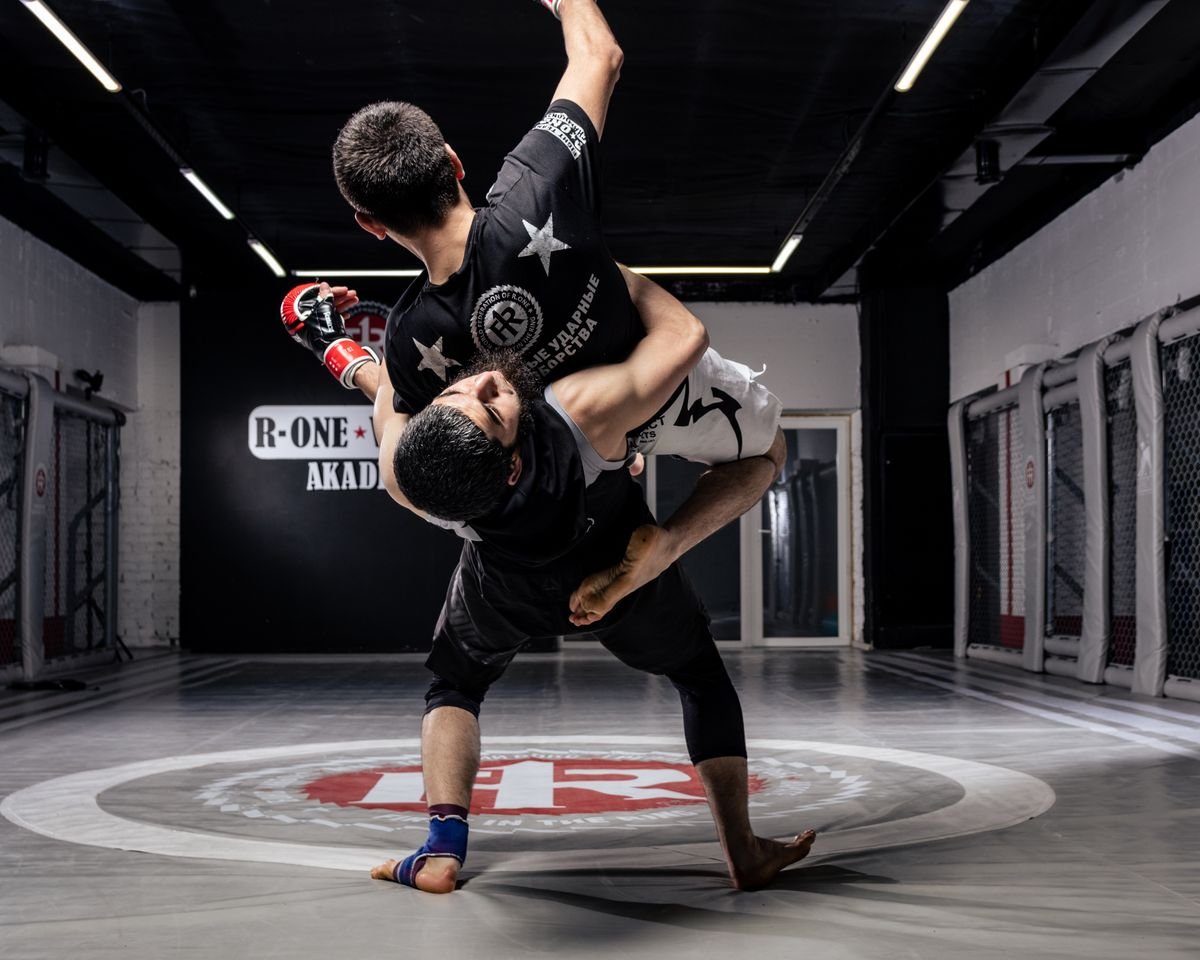
The seam failure point most grapplers encounter first is the sleeve-to-shoulder junction, particularly on long-sleeve rashguards. This area absorbs rotational force whenever someone grips your wrist and extends the arm for a kimura or straight armlock. A competition rashguard from a reputable brand reinforces this junction with double flatlock stitching or an overlock pass in addition to the primary seam. On a budget top, this seam is often a single pass, and it’s the first thing to separate after hard use.
Competition Color Rules and What They Mean for Buying
IBJJF regulations specify that rashguard colors must correspond to belt rank in competition—white for white belts, blue for blue belts, purple for purple belts, brown for brown belts, and black for black belts and above. Black-and-white combinations are permitted across all ranks. This rule has a practical implication most buyers don’t think through at checkout: your rashguard wardrobe has a competition shelf life tied to your rank.
A white belt buying a premium navy rashguard is purchasing something they won’t be eligible to compete in after their first promotion. Athletes at the blue and purple belt levels who compete regularly in IBJJF-affiliated events often invest in multiple rashguards in their current rank color, knowing those pieces will be retired competitively at promotion. ADCC and most submission-only events don’t enforce color rules, which is why many serious competitors maintain two sets: a rank-compliant wardrobe for IBJJF tournaments and a color-flexible set for open submission grappling events.
The buying implication is straightforward: if you plan to compete in IBJJF-affiliated events, verify color compliance before purchasing. If your grappling community runs primarily submission-only or ADCC-format events, color is a non-issue and you can prioritize construction and compression over palette.
Durability Reality: What Six Months of Hard Training Reveals
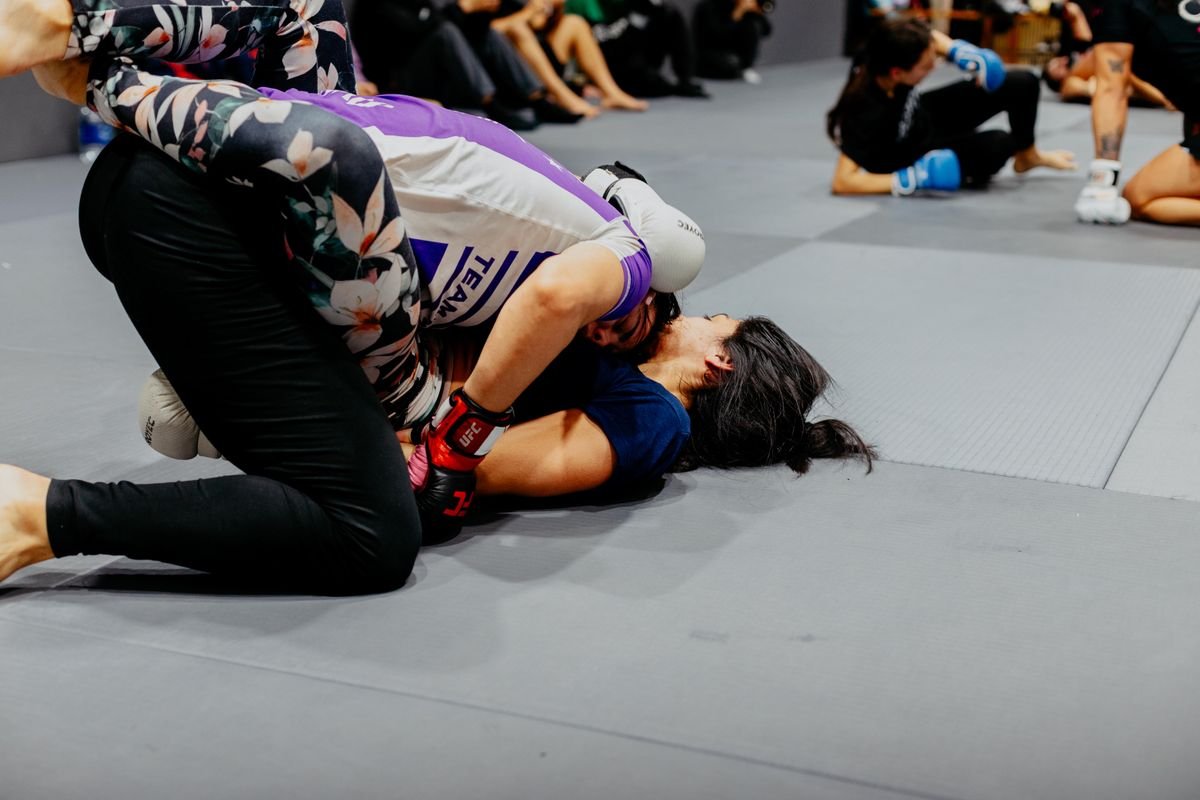
The most reliable information about rashguard quality doesn’t come from product pages—it comes from training partners who’ve owned the same piece for six months to a year. Durability failure in grappling rashguards follows a predictable sequence. Compression loss comes first, typically around the 40 to 60 wash mark for lower-quality fabrics. Sublimation print cracking appears at fold lines—shoulder, elbow, hip—where the fabric creases under repeated stress. Seam separation at the underarm follows, often starting as a small unraveling that a user can track across weeks before the seam fully opens.
Cold washing extends rashguard lifespan significantly. Hot water accelerates spandex degradation, and high-heat drying is the fastest way to ruin the compression characteristics of any grappling top. Air-drying inside out is the single most effective care practice for extending functional life, and it costs nothing. Athletes who do this consistently report rashguards lasting two to three times longer than those machine-dried on high.
The economics are clear: a ninety-dollar rashguard washed cold and air-dried that lasts eighteen months costs less per session than a fifty-five-dollar top dried hot that needs replacing in six. That math rarely surfaces at checkout, but it should inform every purchasing decision for anyone training more than three times per week.
How This Changes What to Look for in 2026
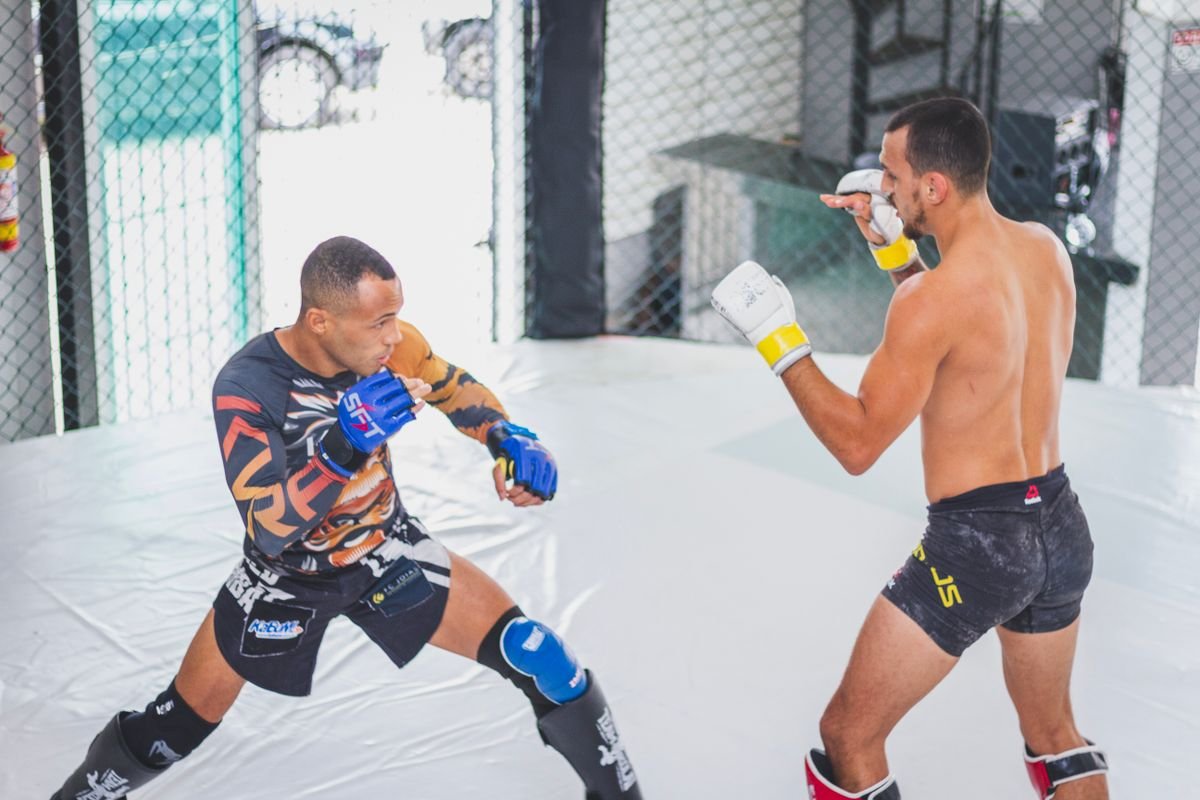
The best rashguards for BJJ and grappling in 2026 share a consistent set of construction markers: a polyester-spandex blend in the 80 to 87% polyester range, flatlock stitching throughout with reinforced seams at the shoulder and underarm, sublimation printing embedded in the fabric rather than applied on the surface, and an initial compression level that requires real effort to get on.
Beyond those construction benchmarks, competition grapplers should verify IBJJF color compliance if they compete in rule-bound events. Training-focused athletes can prioritize compression life and seam quality over color compliance and work from a wider selection of gear in the market.
What has shifted in 2026 specifically is the market transparency around material composition. Mid-tier brands that previously hid fabric ratios behind lifestyle marketing have responded to a more educated buying base—partly driven by grappling forums sharing detailed long-term gear reviews, and partly because the explosion of no-gi competition at every level has made athletes more deliberate about equipment choices. Grapplers putting in five or six mat sessions per week are buying rashguards the way strength athletes buy chalk and lifting shoes: functionally, with a clear picture of what failure looks like and what they’re trying to avoid.
That’s the framework worth carrying into any rashguard purchase in 2026: construction first, color compliance second, brand third. The rest is marketing.
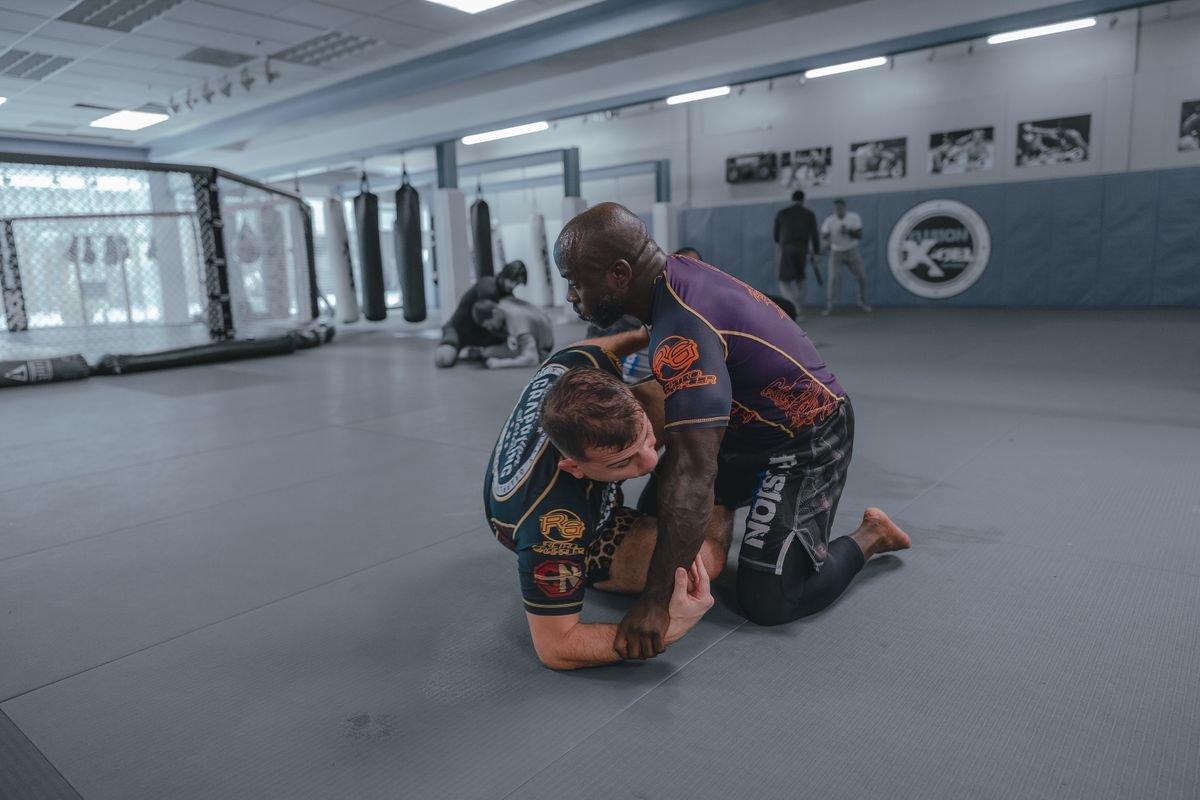
A practical pre-purchase checklist for competition grapplers in 2026: verify the polyester-spandex ratio is in the 80–87% polyester range, confirm flatlock seaming throughout with reinforced shoulder and underarm junctions, check that sublimation printing is embedded rather than surface-applied, and confirm IBJJF color compliance if you compete in rule-bound events. Test compression at purchase by gauging pull resistance. After the first ten sessions, repeat the test. If the garment slides on without resistance, the spandex has already degraded and you are looking at a training top rather than a competition rashguard. That distinction matters more than any brand name on the tag.
Sources
- IBJJF — General System of Rules
- Brazilian Jiu-Jitsu — Wikipedia
- FloGrappling — No-Gi Competition Coverage